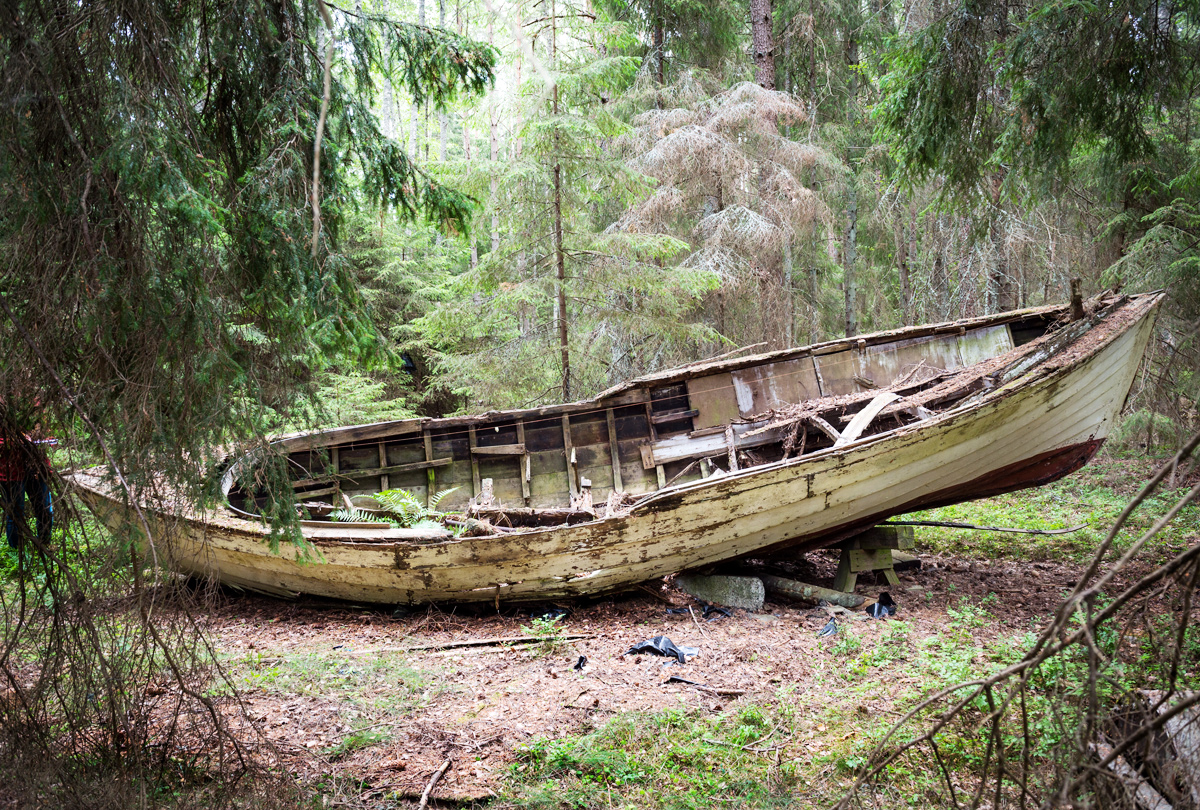
In the Eesti Elu edition Nr. 42 of October 21, 2022, an article entitled “The Great Baltic Escape- and the armada of boats that saved so many” presented the ongoing extensive research that was being done by Dr. Mirja Arnshav about the boats, the artifacts and legacies of the Baltic escapees in Sweden. As discussed in that article, Arnshav’s interest in “The Great Baltic Escape” began serendipitously many years ago when she discovered what turned out to be an abandoned escapee boat on the shores of Gotland island. Years later this discovery led to Arnshav in 2017 focusing on the abandoned boats of the Great Baltic Escape as the theme of her PhD research and thesis at Stockholm University. Although Arnshav does not have family roots to Baltic escapees, she felt that the legacy and stories represented by such escapee boat wrecks was important and worthy of research and documentation.
Fotogalerii
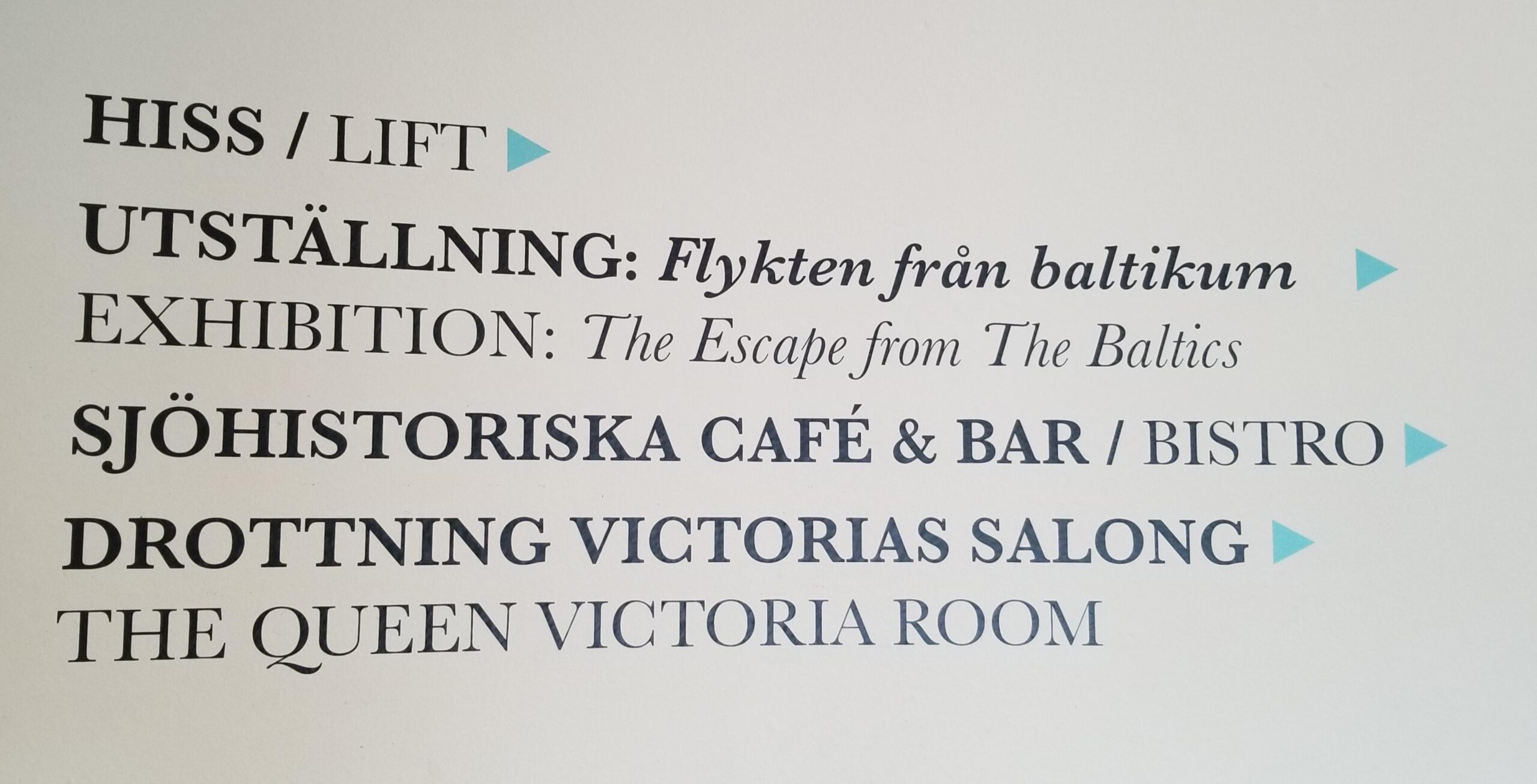
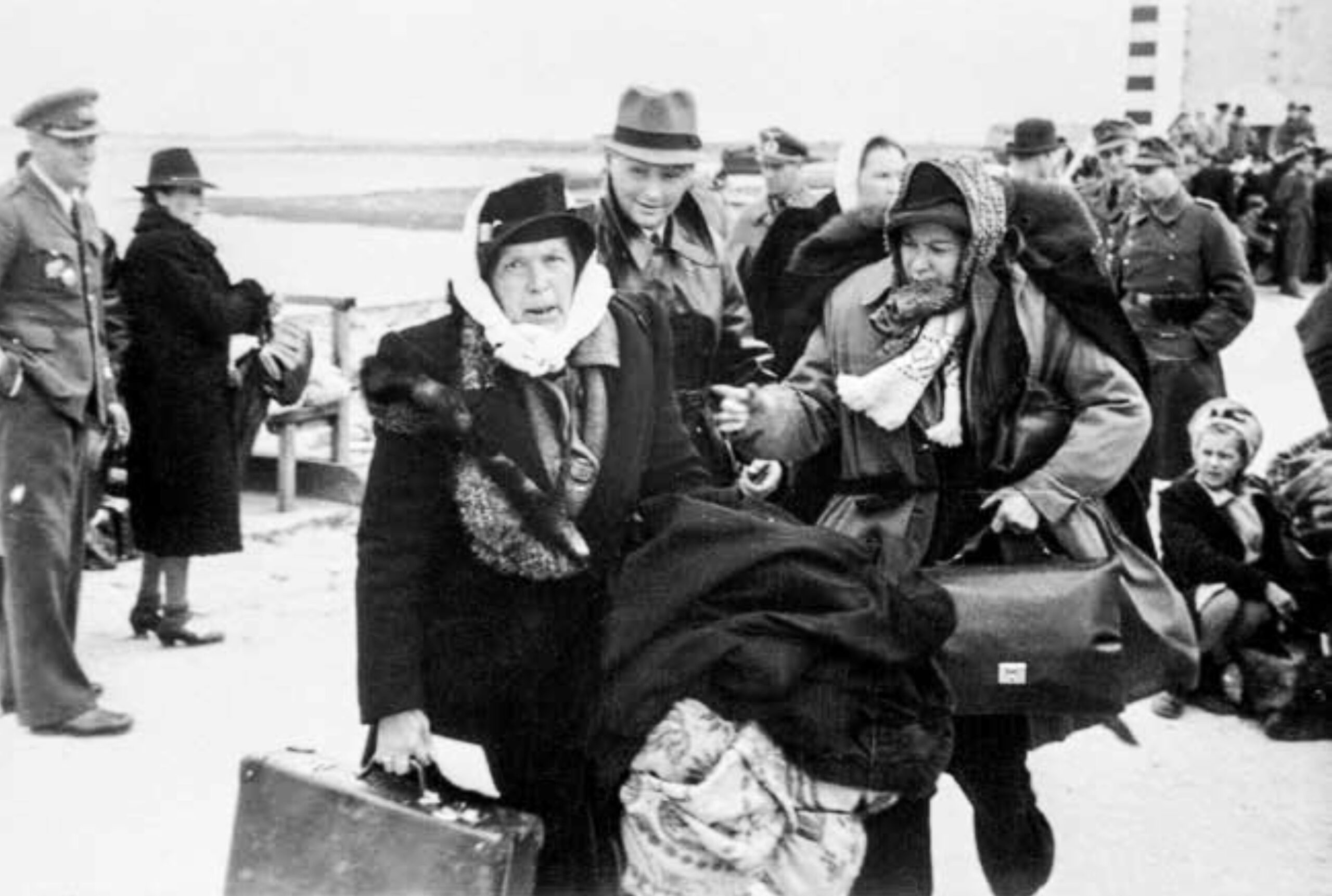
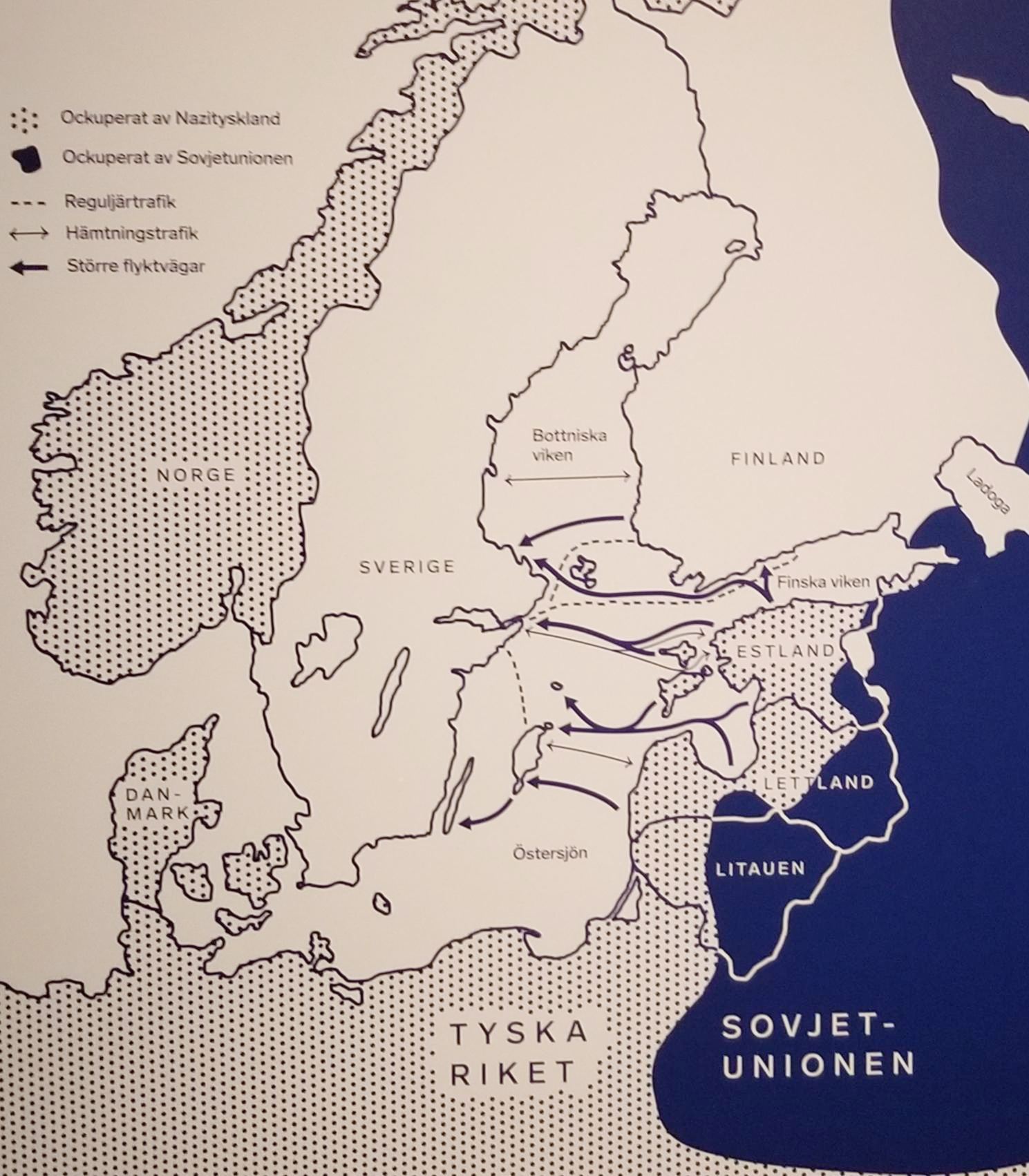
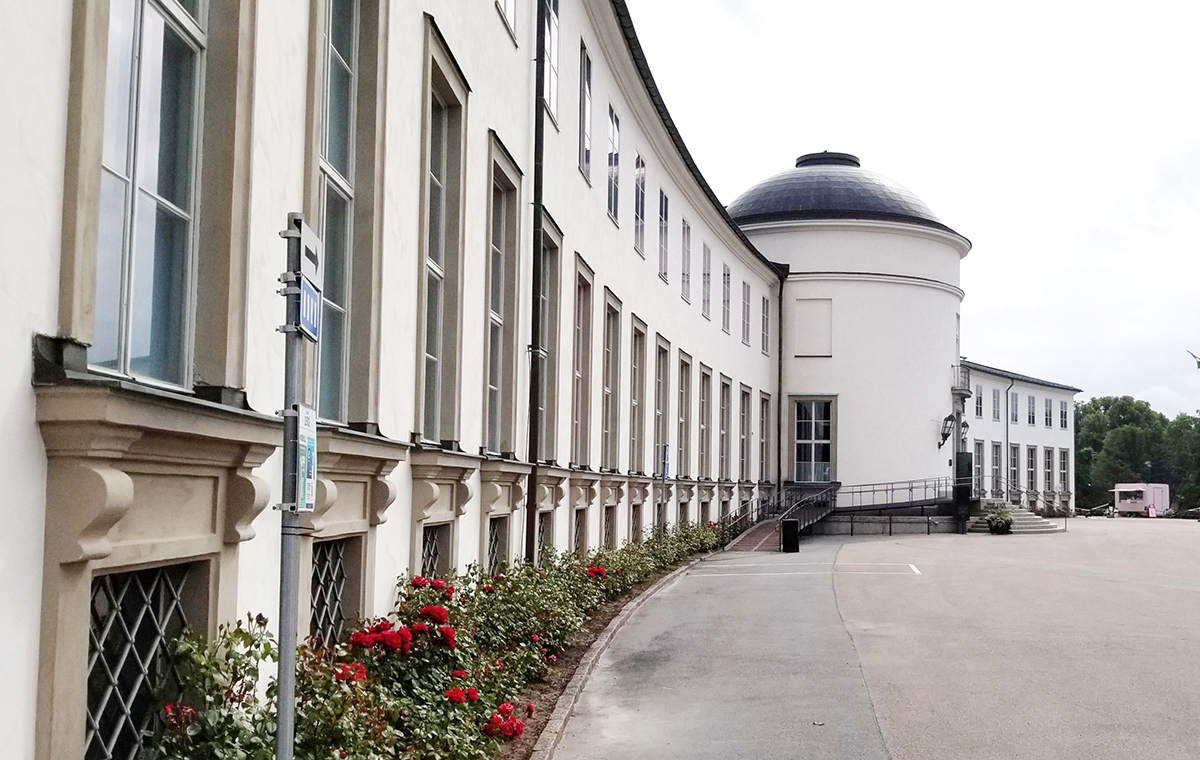
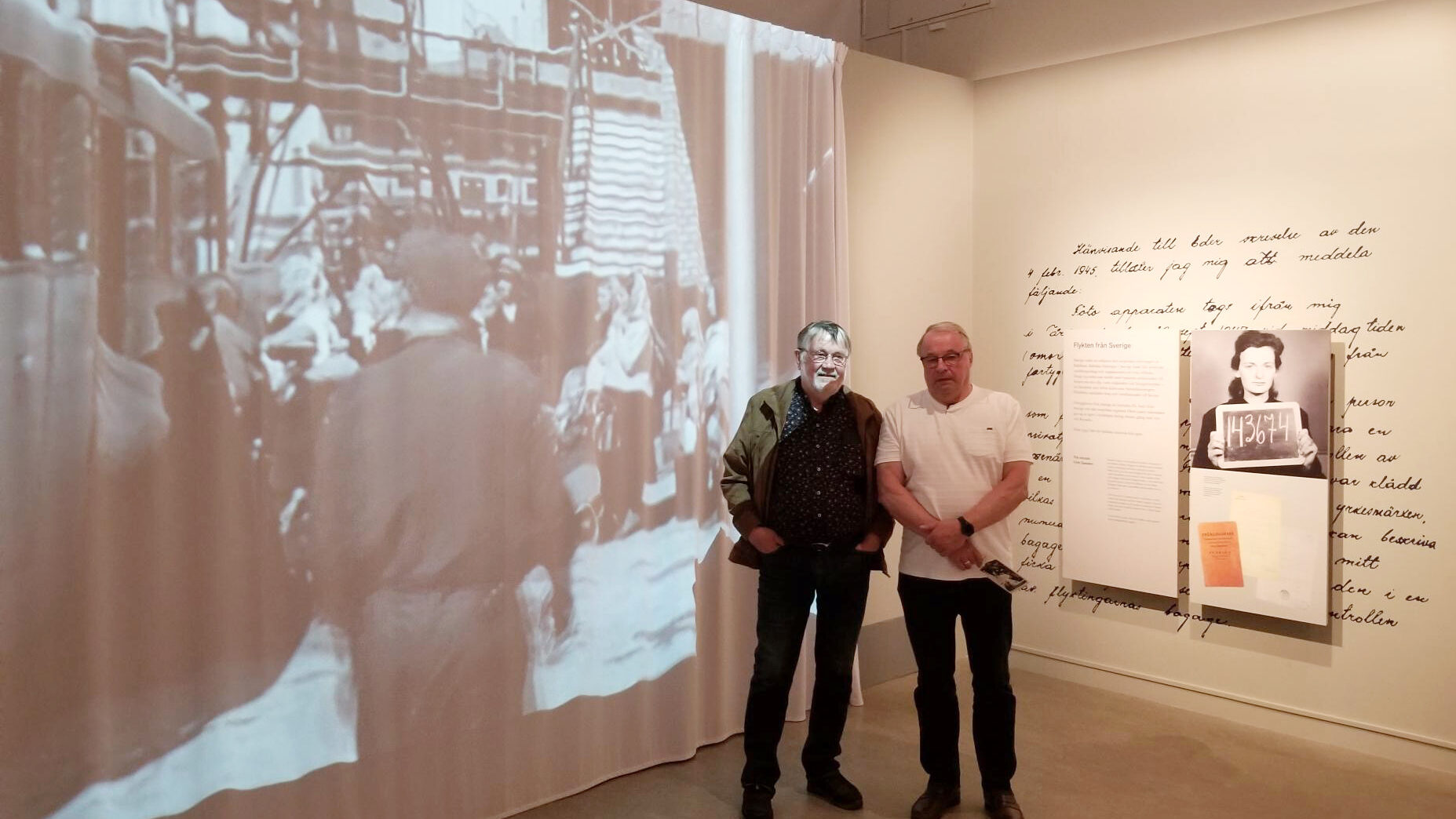
This masterfully arranged and displayed exhibit includes extensive background historical information about the Baltic states through the centuries, and their plight in World War II.
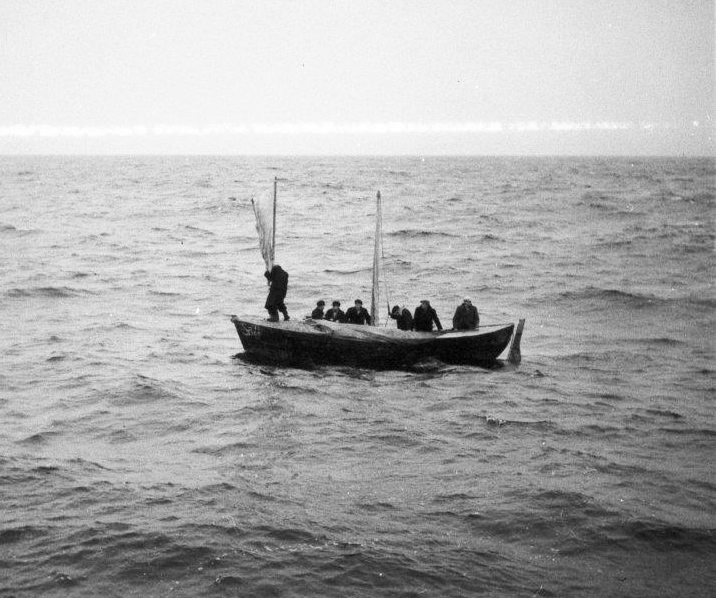
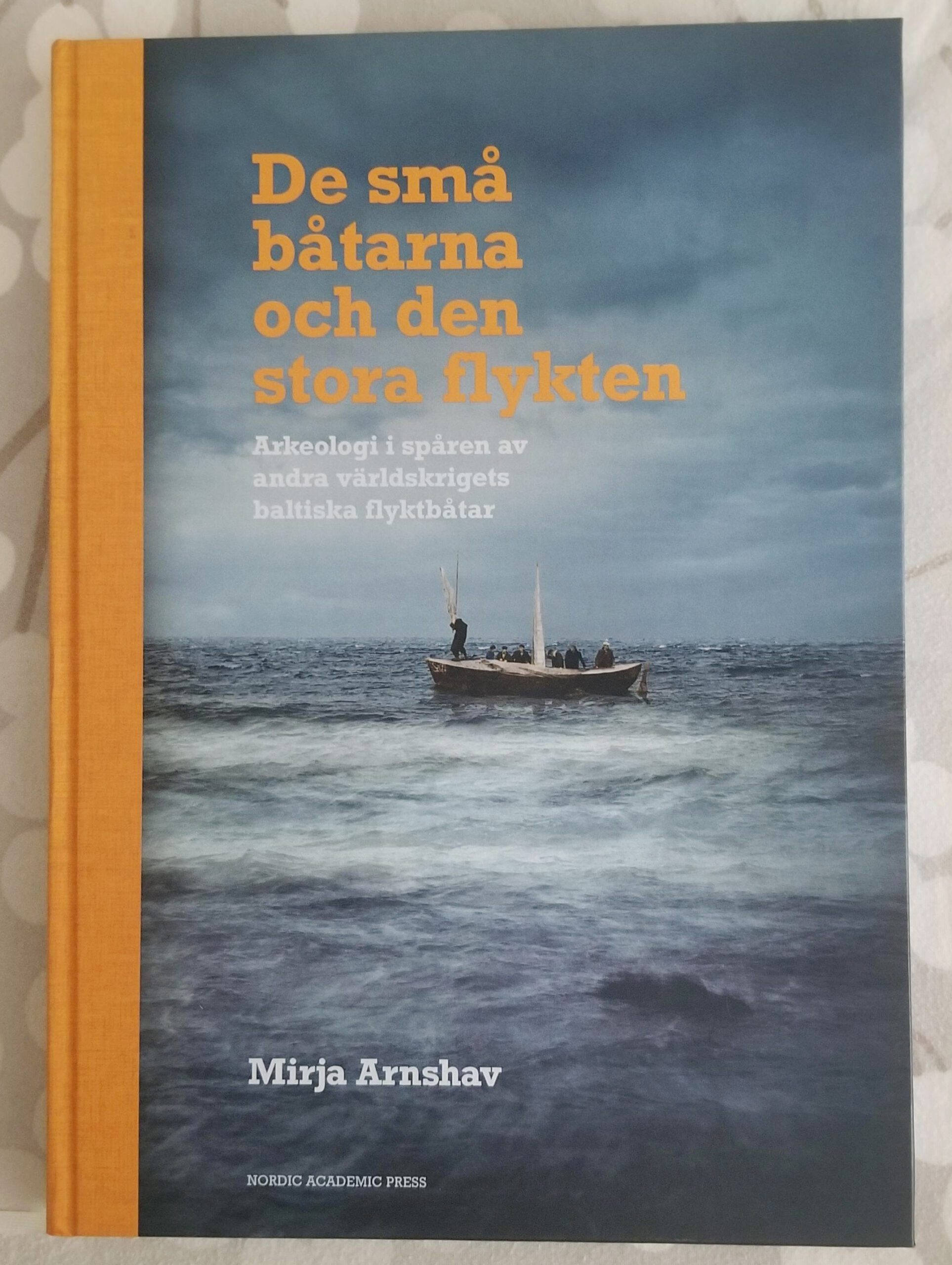
The scope of Arnshav’s research work was to seek and identify as many Baltic escapee boats as possible that still remain on Sweden’s coasts and to document their condition. Arnshav’s research identified and examined 34 boats that have been confirmed as Baltic escapee boats. They are located on a number of shores on Swedish islands and on the mainland, and are aging in varying degrees of degradation. This extensive research ended up being more than just an “archaeology of the escape”. The forsaken boats then presented leads to the compelling stories, images and memories of those escapees who stepped out of those boats in 1944 onto Swedish shores. All of this research and the associated stories of the escapees have been documented in a book entitled “De Sma batarna och den stora flykten” (The small boats and the Great Escape). While originally written in Swedish, this book has now been translated into Estonian and will be in print shortly.
In her subsequent role as Research Coordinator at the National Maritime Museum, Arnshav commenced a second and broader research project on “The Materiality of the Great Escape”. This three-year project investigated and archived hundreds of essential and cherished items brought along by the Baltic escapees on their boats. In addition to the collection of artifacts, interviews were held with several of the 1944 escapees or their descendants – all of which was compiled into a compendium for the museum. A book on this research “Foremal pa flykt” (Personal Objects of the Escape) has also been published and plans are to translate this work into Estonian in the near future.
The Suurpõgenemine episode continues to be relevant not only to those who lived through it, and their families and descendants, but also to the Baltic nations as a whole.
All of the research carried out by Arnshav and her colleagues is currently being highlighted in a dedicated exhibition at the Maritime Museum in Stockholm. This masterfully arranged and displayed exhibit includes extensive background historical information about the Baltic states through the centuries, and their plight in World War II. There are displays of the refugee boats and numerous artifacts carried by the escapees, video screenings of the escape, and several text and photo displays of the personal stories of the escapees.
The extensive research of “The Great Baltic Escape” carried out by Mirja Arnshav and her Swedish colleagues is being supplemented by other ongoing investigations being done by the Estonian “Eesti Mälu Instituut” (Institute of Historical Memory). The Mälu Instituut has been carrying out research into the identities and fate of those who escaped, the circumstances of their escape, as well as determining the dates and places of their escape from Estonia and Finland. For those who survived the crossing of the Baltic Sea, the place and date of their arrival in Sweden is also being documented. The Facebook group “Baltiska Flykingbatar – Baltic Refugee Boats 1943-1945” provides another excellent opportunity for those interested in the Baltic Escape to exchange stories and seek further information about the fate of the escapees.
All of this historical research and dialogue about the Great Escape provides for a broad reflection of the dramatic and life-altering events that transpired in September 1944. The Suurpõgenemine episode continues to be relevant not only to those who lived through it, and their families and descendants, but also to the Baltic nations as a whole. Furthermore, it evokes a significant reminder to us all of the plight of sovereign nations that are unjustly attacked and overrun by imperialistic regimes.