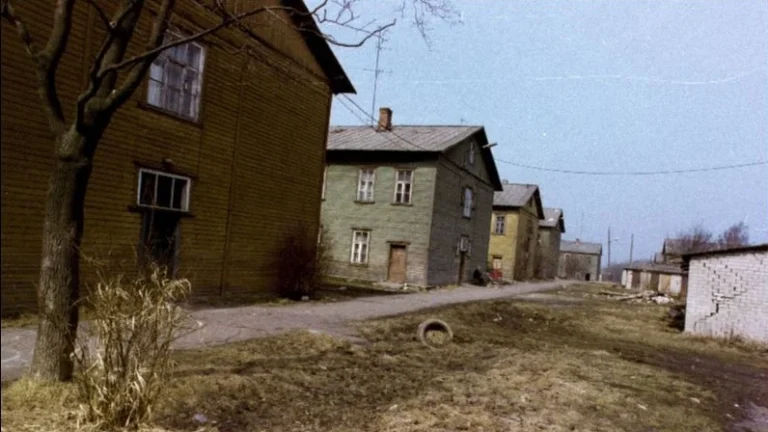
Estonia is often seen as a niche destination for those seeking an alternative experience. Most tourists tend to visit during the summer months, meaning that despite a significant increase in visitor numbers over the past three decades, there are relatively few tourists from September to April.
Additionally, during the Soviet era, it was incredibly difficult to both enter and leave Estonia. As a result, many Estonians had limited exposure to foreigners and diverse cultures. Most Estonians you meet today grew up in a fairly homogenous environment. For instance, I was born in 1989 and spent my childhood in and around Tallinn, the capital. I recall it being a significant event whenever we spotted tourists wandering through the Old Town.
Fast forward to 2024 and Estonians living in Tallinn and Tartu — the country’s second-largest city which is filled with university students — are now more accustomed to seeing foreigners. However, in the rest of the country, interactions with non-Estonians remain relatively rare.
So, what can you expect when visiting Estonia? One positive thing to note is that most Estonians speak at least basic English, which alleviates language barriers and makes it easier to seek help or information from locals. Generally, Estonians are polite and respectful.
Become a subscriber to continue reading!
Every week we bring you news from the community and exclusive columns. We're relying on your support to keep going and invite you to subscribe.
Starting from $2.30 per week.