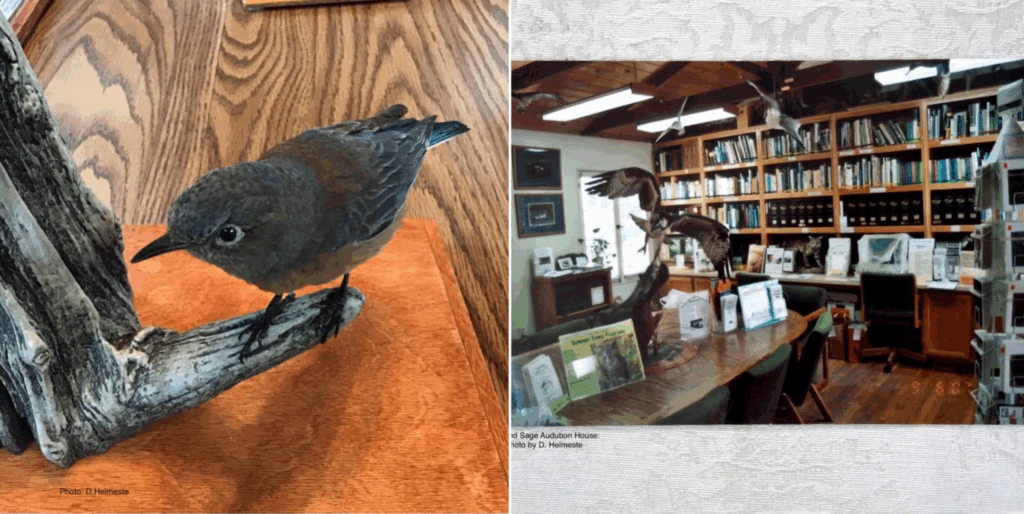
It was a bright, sunny morning, but a “murder” of crows cawing outside reminded me that today was the visitor’s day at the Audubon House* in Irvine, California. Reading a recent report from Tartu about the need for a sign that says “ettevaatust kuri vares” (“Watch Out: Angry Crow”), it seemed like a good idea to learn more about crows and birds in general. And to identify potential areas of interest for school science projects at that.

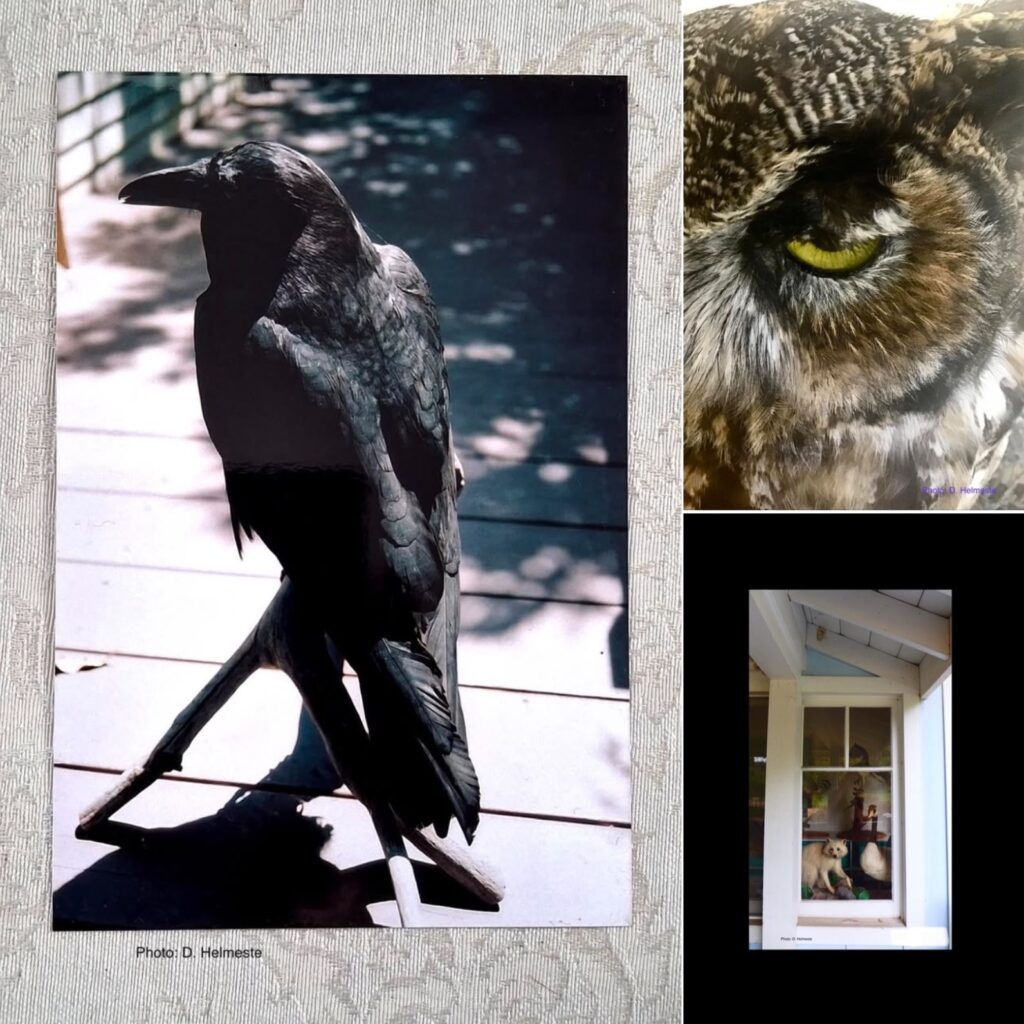
It is now well-known that crows like the “kuri vares”, may “dive-bomb” individuals whom they identify as threatening or whom they have a grudge against. Unfortunately, sometimes they misidentify people, and innocent victims are harassed instead. Since crows are known to have very long memories, this type of harassment can last for a very long time. The New York Times reported last year that a Vancouver resident solved the problem of a crow dive-bombing her by dispensing snacks when she took a walk outside. A pair of crows who were attracted to her snacks took to following her, a sort of protective entourage against “kuri vares” attacks. Will this strategy improve the behaviour of crows permanently or are other methods needed?
Crows are such interesting birds to study and it’s exciting to see promising, recent startups capitalizing on bird behaviour. These include Project “Crow Box” in North America, which has been training crows to collect dropped coins in exchange for a food reward. Crows are known to be attracted to small, shiny objects and often give them away as gifts, in addition to collecting them. To help visualize this, look out for the well-known painting by Jamie Wyeth called The Thief, which shows a raven standing guard atop his looted treasure, including a string of pearls, a dismembered pocket watch, and silver scissors.
Crow Box, which uses Skinnerian training principles (derived from behavioural psychologist B.F. Skinner, who studied reinforcement and punishment), noted that “different corvids [incl. crows, ravens, magpies] learn at different speeds and in different ways, and the only way to figure out the best way to teach them is experimentation.” They are encouraging people to use their Crow Box technique and are promoting the idea of changing the world “through learning how to cooperate with other species.”
Another startup, in Sweden, called Corvid Cleaning, is training crows to pick up cigarette butts in exchange for peanuts. Again, this capitalizes on the fact that crows like to collect things and also often like to exchange them for food. In theory, crows could be trained to pick up other garbage as well.
As a final note, while humans haven’t yet been able to decipher bird language, one should note that the Yao people in Mozambique have discovered how to use specific bird calls to communicate with honeyguide birds, “soliciting their help in finding beehives.” And then there is kuş dili, the Turkish bird language which has historically been used by farmers to communicate over long distances. It sounds like something useful for spies and other clandestine operatives.
Please keep in mind that some chapters of the National Audubon Society* give out small research grants to students and also awards at pre-college science fair competitions. Check with your local chapter for details and deadline dates.
*[Editor’s note: You will find that several chapters in the United States, including NYC Bird Alliance, have changed their name to distance themselves from the legacy of racism of the society’s namesake, ornithologist John James Audubon. Moreover, in Canada, bird enthusiasts gather under the umbrellas of Birds Canada and the Society of Canadian Ornithologists.]
References for further reading:
1. How to Know a Crow: the Biography of a Brainy Bird by Candace Savage,
2. She’s Wearing a Dead Bird on Her Head! by Kathryn Lasky (the origin story of the National Audubon Society).
3. “Why bird brains are more brilliant than anyone suspected” by Meagan Cantwell. (doi: 10.1126/science.abf3878).