A small country with big industrial ambitions
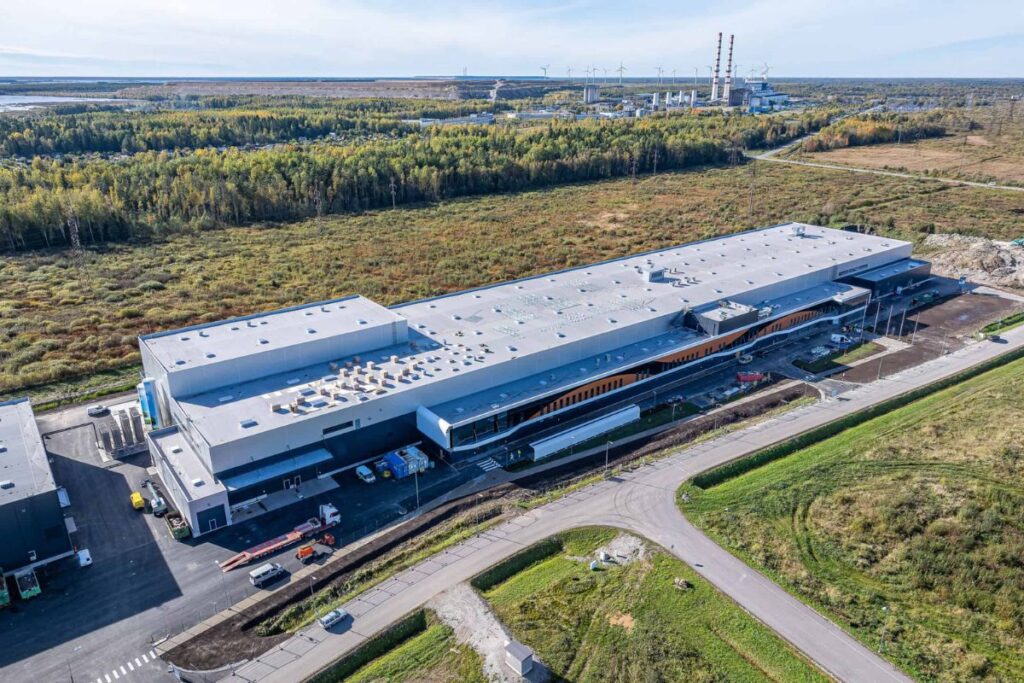
When Canada-based Neo Performance Materials inaugurated its state-of-the-art magnet factory in Narva, Estonia in the autumn of 2025, the event marked more than just a new industrial facility. It symbolized the emergence of Estonia as a strategic European base for Canadian manufacturing and technology firms seeking a stable, efficient, and digitally advanced environment within the European Union.
Over the past decade, Estonia has quietly transformed into Northern Europe’s hub for digital and industrial innovation. With one of the most transparent governance systems in the world, a competitive tax environment, and a population known for its strong work ethic and technical education, Estonia is increasingly catching the attention of global investors.
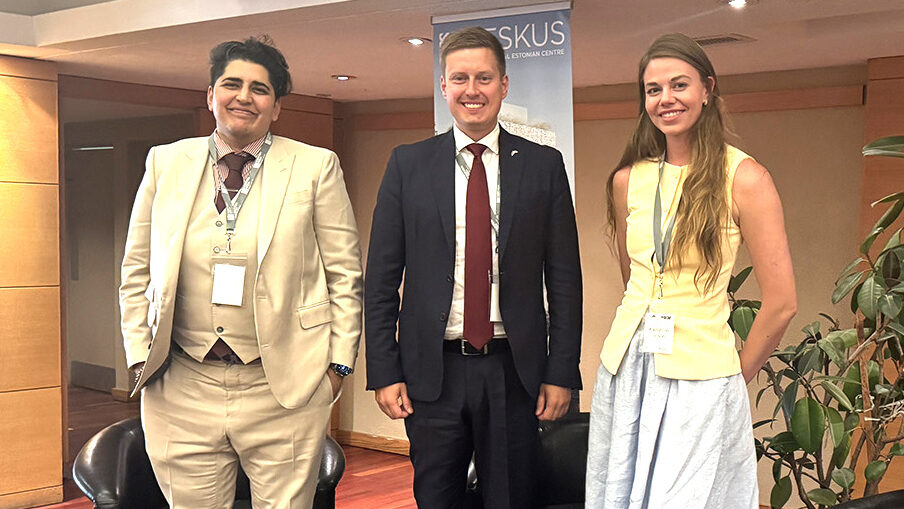
To understand this growing momentum, I spoke with Andrus Aavaste, an Estonian engineer and industrial consultant with over thirty years of experience in project and manufacturing management. Both Aavaste and I (a supply chain and manufacturing manager who has overseen multiple cross-border industrial developments) represent a generation of engineers-turned-executives who are helping bridge the gap between North American innovation and European opportunity.
Canada’s industrial sector is increasingly looking toward Europe for expansion. Why, then, should they consider Estonia as a base of operations? From Aavaste’s point of view, “Estonia offers something very rare in Europe—speed, reliability, and digital efficiency. Here, you can start a company in fifteen minutes, handle all taxation online, and interact with government agencies entirely digitally. This kind of environment minimizes bureaucracy and maximizes focus on production and innovation. For Canadian companies aiming to access the EU market, Estonia is not only geographically strategic but also administratively seamless.”
“The country combines Nordic-style governance with Baltic efficiency… You can make decisions fast and see results fast. That’s a rare advantage in Europe.”
(Andrus Aavaste)
He notes that Estonia’s membership in the EU, Eurozone, OECD, NATO, and Schengen Area gives investors the legal certainty and political stability that high-value manufacturing demands.
“The country combines Nordic-style governance with Baltic efficiency,” Aavaste adds. “You can make decisions fast and see results fast. That’s a rare advantage in Europe.”
A proven Canadian success story
Neo Performance Materials’ decision to open its unique magnet production facility in Narva was based on Estonia’s competitive operating costs and well-developed logistics infrastructure, connecting Scandinavia, Central Europe, and beyond. And then there’s the nation’s highly skilled workforce, which combines traditional engineering expertise with a tech-driven mindset. We have both the know-how and the attitude.
The project stands as an example of how international cooperation and public support can accelerate the green industrial transition. The European Union contributed €14.5 million from its Just Transition Fund to support the construction of Neo’s plant, part of a wider initiative to promote a climate-neutral economy across Europe. In addition, Canada’s export credit agency backed the investment with loans totaling approximately €45 million, underlining both countries’ confidence in Estonia as a reliable and future-oriented industrial base.
What does the Neo Performance project mean for Estonia’s industrial landscape? I believe it’s a milestone. We hadn’t seen an investment of this scale and technological sophistication in years. It’s proof that Canadian–Estonian collaboration is not only possible but profitable and sustainable.
Estonia by numbers
Estonia’s economy may be small by global standards, but it consistently punches above its weight in competitiveness, innovation, and transparency:
-Corporate tax: 0% on retained and reinvested profits
-Personal income tax: flat 22%
-Labour participation rate (15–74, 2023): 74.6%
-Unemployment (2023): 7.6%
-Average gross monthly salary (2024): €1,981
-Minimum wage (2025): €886 per month
-Annual paid vacation: 28 days
-Digital ID penetration: 99% of citizens
-Internet usage: 92% of the population
-Digital society: 100% of public services online
–Ease of doing business: company registration in fifteen minutes
–Startup ecosystem: ten unicorns, €4B+ raised
Estonia also boasts the lowest government debt ratio in Europe and a balanced, forward-looking state budget.
Every company, large or small, can operate almost paper-free… It saves time, cuts costs, and reduces errors.
The country’s strong commitment to education and digital literacy further enhances its competitiveness. Estonia ranks #1 in Europe on the OECD PISA tests and introduces ICT education from an early age. The result is a workforce uniquely prepared for high-tech manufacturing and smart industry applications.
How does Estonia’s digital ecosystem translate into advantages for industrial investors? It’s clear that digitalization isn’t just a slogan, it’s a reality. Every company, large or small, can operate almost paper-free. From e-residency to e-taxation, everything is automated and transparent. It saves time, cuts costs, and reduces errors. Estonia’s e-Residency program, launched in 2014, allows foreign entrepreneurs to manage Estonian-registered businesses from anywhere in the world. This is particularly valuable for Canadian SMEs or tech-driven manufacturers that want a European foothold without setting up a large physical presence immediately.
For Canadian firms exploring the EU market, Estonia offers a perfect starting point – low risk, low bureaucracy, and access to all 27 EU countries.
Next time, we’ll talk about Estonia’s pool of engineering talent, available industrial incentives, and government support for manufacturing and R&D.