Join Estonian-Canadian sisters Kaili and Kaarin—moms of young kids and co-founders of Sõnad: Esto Words, a learning resource company—as they share creative ideas and heartfelt reflections on staying connected to their roots.
In a world where traditions risk fading, they explore meaningful ways to keep the Estonian spirit thriving. Whether you’re Estonian by heritage, reconnecting with your roots, or discovering the culture through family or curiosity, their insights inspire fresh ways to celebrate and cultivate a sense of pride and belonging.

As our Estonian relative said, “I wouldn’t have expected to see us on that list at all, much less at number 1.”
When Condé Nast Traveler named Estonia the friendliest country in Europe in its recent 2025 Readers’ Choice Awards, Estonians everywhere reacted with a mix of shock, pride, and quiet disbelief.
Friendliest? Meie (us)?
We immediately texted our family chat. The replies came fast:
“Impossible.”
“Must be a typo.”
“Vahva!” (Great!)
Then came a message from one of the non-Estonian spouses, with a photo of a mug that read: “Nothing scares me. I have an Estonian wife.”
As two Estonian-Canadian sisters who visit every few years – most recently this summer – we were intrigued. So we asked our friends and relatives in Estonia for their mõtteid (thoughts). Their responses reminded us that “friendliness” in Estonia might just look… different.
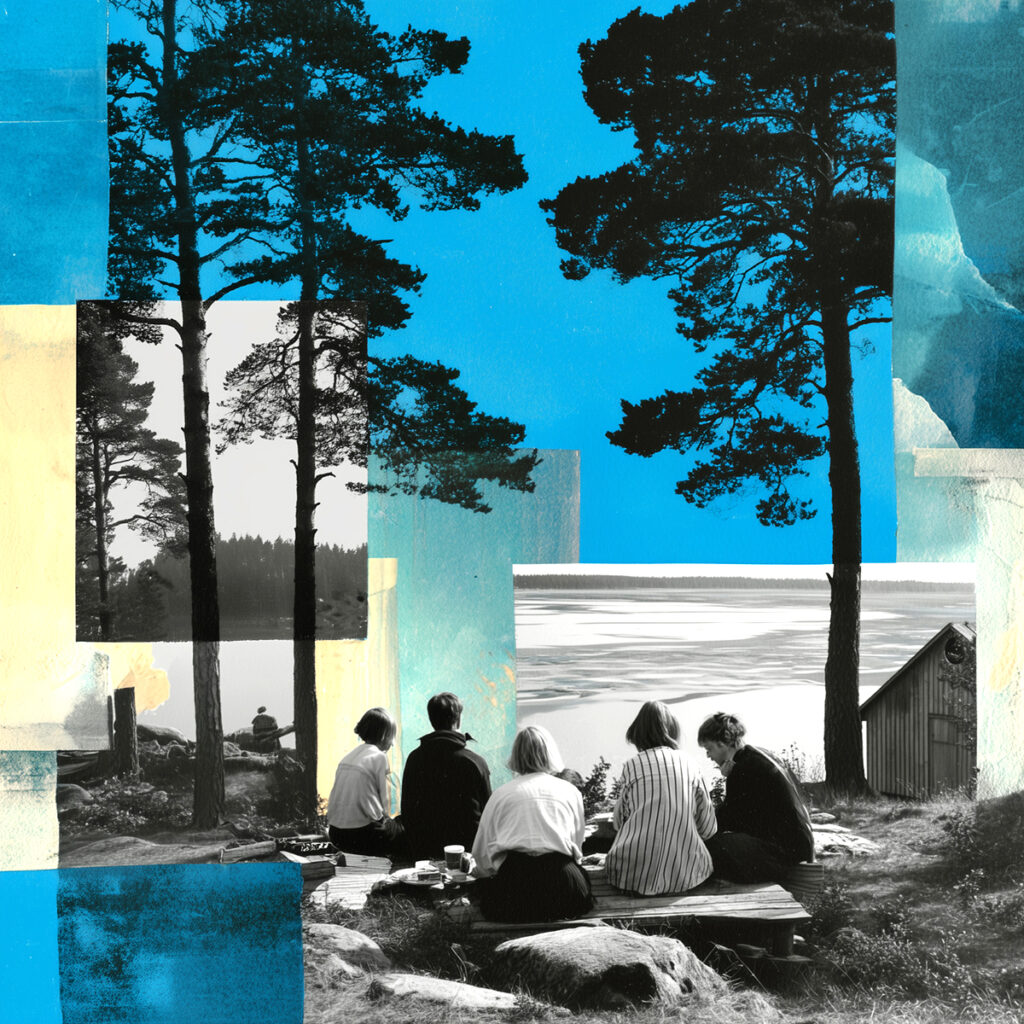
So how did a nation often described as introverted, efficient, and mildly allergic to small talk top Europe’s friendliness chart? Here are a few theories.
1. Friendliness, Estonian Style: The Long Game
Our Estonian-Canadian friend Martin, who has lived in Estonia for four years with his wife Amy, explained it best:
“Estonians at first have a bit of a harder shell, but then when you get to know them and have multiple interactions with them, they are warm and kind and hospitable.”
As avid travellers, Amy added, “In other countries, they would open their homes for strangers and make you a part of their family. Whereas in Estonia, it takes much more to build connections with strangers, and it also has to be the right place at the right time.”

2. Estonia Itself Might Be Doing the Smiling
Amy also suspects that maybe the friendliness isn’t coming from the people at all – it’s the first impressions of the country itself.
When Condé Nast gushed about Estonia, they mentioned the forests, islands, medieval towns, and the digital wonders of e-Estonia. For us “outsiders,” even the way we romanticize the country – the misty mornings, forest foraging, and sipping kali – we get this.
3. Low Expectations, Pleasantly Exceeded
Our younger Estonian relatives Eliise, Emilie, and Hans took the news in classic Estonian fashion – with humility and humour. (Eliise and Emilie also double as proofreaders for our bilingual picture books).
Eliise:
“I wouldn’t have expected to see us on that list at all, much less at number 1.”
Hans:
“Could it be due to people more often than not being introverted, communicating only when necessary and being polite in those circumstances?”
Eliise:
“Maybe people coming here have low expectations because the (in my opinion mostly true) stereotype is that we’re reserved and cold, so then they’re positively surprised if we’re not THAT cold.”
Emilie:
“Maybe we are cold to each other and nice to travellers.”
It’s the Estonian way: low expectations, pleasantly exceeded.
4. Pride and Progress
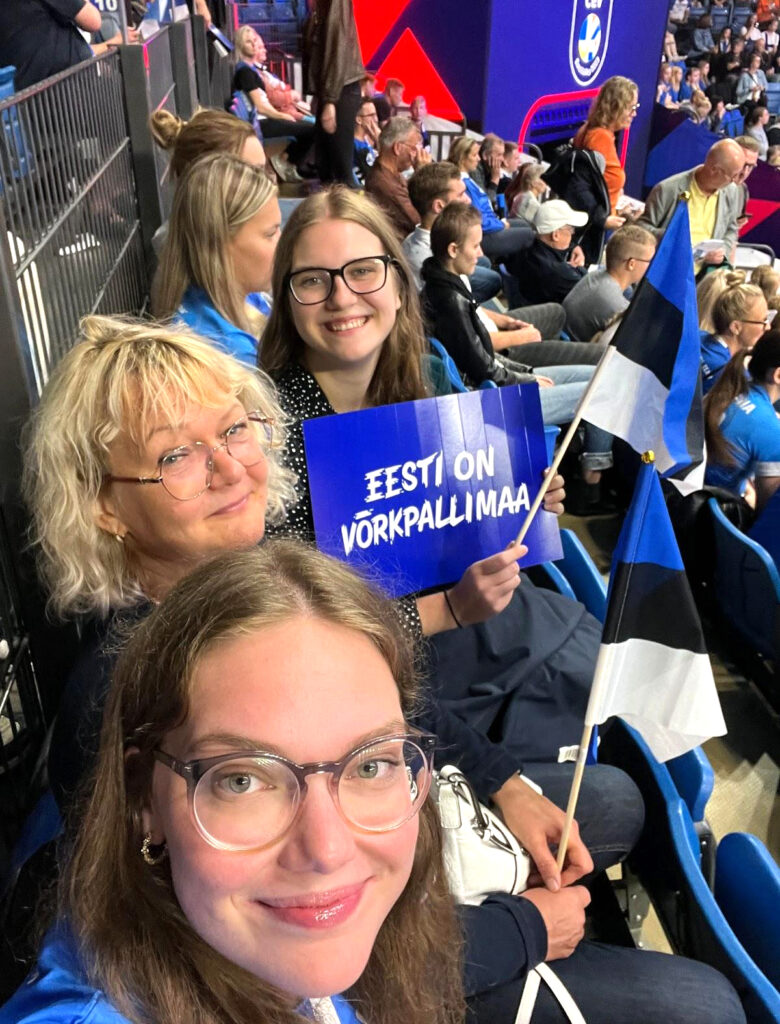
Our relative Kati in Estonia said it was fantastiline (fantastic) news! She told us she felt genuinely proud that Estonia was being noticed by the world.
“Estonians are hardworking and ambitious,” she said. “It took 34 years to reach the top of this ranking. After gaining freedom from the Soviet Union, Estonia has shown every year what kind of country it truly is, and who its people really are.”
Then, with typical understatement: “Estonia is a friendly and trusting country.”
5. Redefining What “Friendly” Means
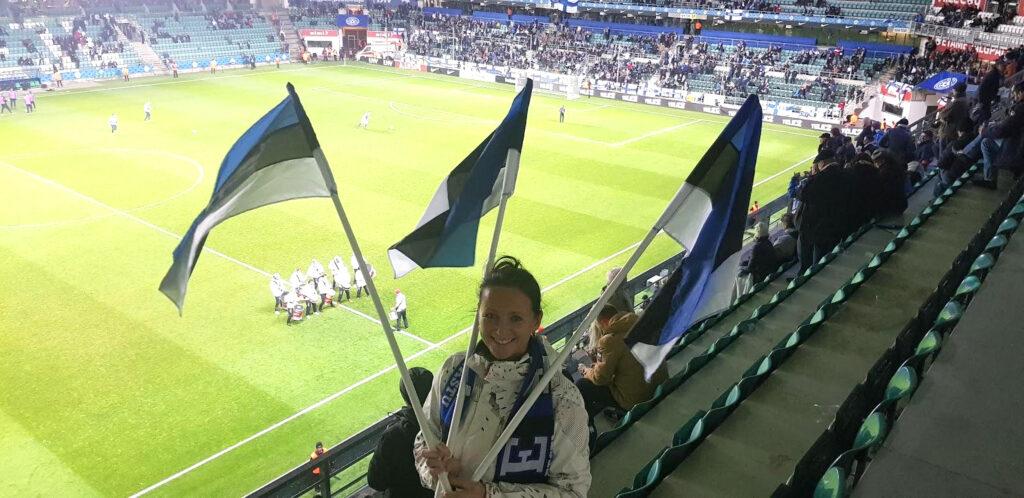
Estonia’s brand of friendliness doesn’t karju (shout), hug, or overshare. It listens. It shows up. It values honesty over flattery.
Amy summed it up perfectly:
“As someone who says thank you to the bus drivers, adjusting to life in Estonia was tricky. It’s a known fact to not say hi to people passing by in the halls or on the street, as you would not only be labelled as strange but you would also scare the poor Estonian into worrying about an obligation to reply.”
We get it. In Canada, small talk is a national sport. In Estonia, making eye contact can feel like a marriage proposal.
So, Are Estonians Cold, Warm, Luke-Warm… or the Friendliest?
One thing is selge (clear): friendliness in Estonia isn’t what outsiders expect. We’ve seen it in our own family – that gentle reserve, the careful way they speak. Beneath it all is real warmth, shown more in actions than words. When Estonians open up, it feels genuine, like you’ve earned something rare.
Friendliness doesn’t need constant smiles or long conversations. Sometimes it’s a quiet nod: “You’re fine. I’m fine. Let’s have coffee.” Or, in true Estonian hospitality: “You can sit here. I’ll put the ‘saun’ on.”
Your turn:
Whether you live in Estonia, grew up abroad, or are connected through family or love – how do you see Estonian friendliness?
Ask your friends, your relatives, your Estonian circles.
Let’s settle this once and for all: what does friendliness really look like – the Estonian way?