In the latest edition of Community Unwrapped, Eesti Elu spoke with long-time member of the Toronto Estonian community, Rein Tiisler, who now works as a geotechnical engineer-in-training at the engineering consulting company Hatch.
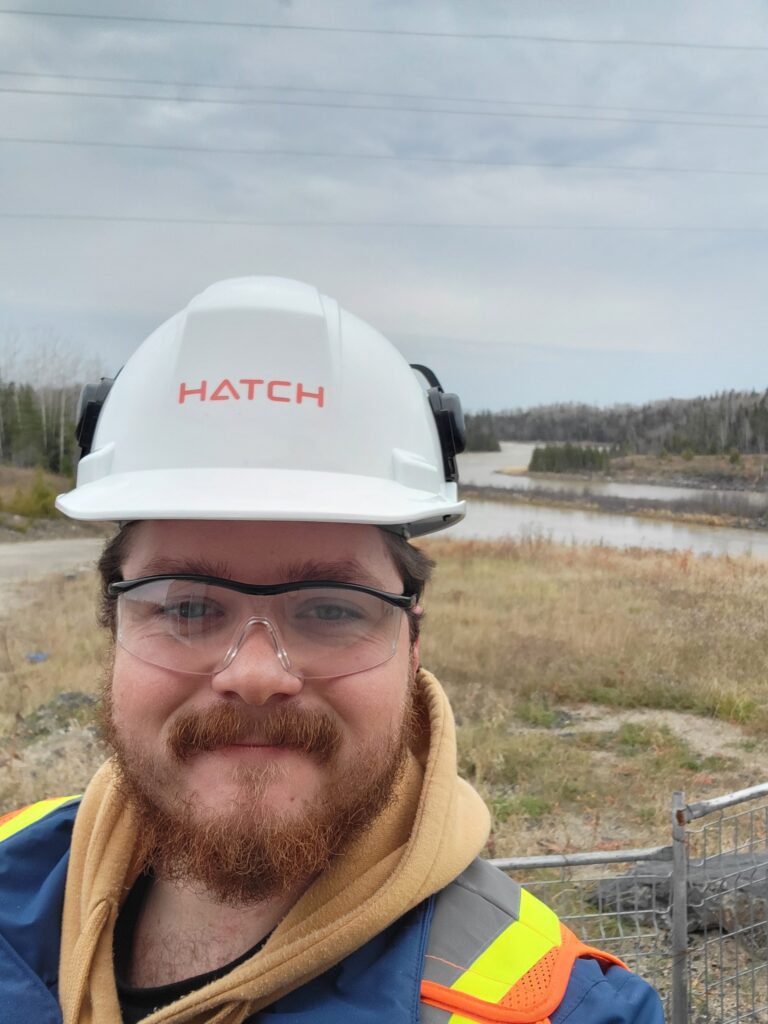
Although he grew up in the Bruce County area, Rein spent much of his childhood attending Estonian events in the Greater Toronto Area. He joined the Estonian Scouts at fifteen, after first being involved with Scouts Canada, and spent many of his summers at Kotkajärve Scout Camp. Rein also grew up attending Seedrioru Summer Camp, both of which played a formative role in his connection to the Estonian community.
Reflecting on the impact of these experiences, Rein shared that, “Growing up with people and meeting their families makes you feel a larger sense of purpose and placement within the community and your life at large. Being a part of this community breathes heritage into life in Canada when we’re so far disconnected from Estonia. Things like learning the dances, the folk songs, having fun, and spending your entire summer with these people is something I couldn’t be more thankful for.”
In 2024, Rein completed his Bachelor of Applied Science in Geological Engineering at Queen’s University. “I’ve always been environmentally minded,” he said. “So when I started my degree, I knew I wanted to find a career where I could see myself helping the environment in some way.”
At the time, Queen’s did not offer a dedicated environmental engineering program, but Rein eventually found his place in the geological engineering stream. His professors’ enthusiasm for the subject sparked his interest and set him on the path he’s on today.
“One of my professors was fantastic—he could really get people engaged and interested in the topics,” Rein explained. “A lot of people see rocks and soil and think, ‘okay, whatever, it’s just dirt.’ But he really emphasized how important these materials are. If we don’t do our jobs right as engineers, a lot of things can go wrong. For example, the amount of engineering that goes into tunnels through hills and mountains is insane.”
Another aspect of the program that appealed to Rein was its environmental focus. “A big part of it is dealing with groundwater, contaminants, green power, and sustainability,” he said. The program also covered space and interplanetary geology—at which point Rein was fully sold.
While completing his degree, Rein participated in an internship with the Mississauga-based engineering and development consultancy Hatch in 2023, where he has continued working since. Based out of their Niagara Falls office, his work falls under geotechnical engineering, with a primary focus on hydropower projects.
“If our clients want to build something, we ask questions like: ‘what kind of soil are you building on?’ ‘What support systems are needed?’ ‘How should the soil be retained?’”
(Rein Tiisler)
“I like to describe geological and geotechnical engineering in comparison to civil engineering,” Rein explained. “Civil engineering deals with the built-up world, while geotech and geo-engineering focus on what’s underground. The initial preparation for building up.”
“If our clients want to build something, we ask questions like: ‘what kind of soil are you building on?’ ‘What support systems are needed?’ ‘How should the soil be retained?’” he continued. “In hydropower, we work a lot with embankment dams, conducting inspections primarily in Ontario, but also across North America. Our office even serves international projects. We do the analysis and provide recommendations on how to proceed safely and effectively.”
Rein’s day-to-day work is varied. When he’s in the office, he spends time writing reports, conducting research, running models, and analyzing data. There is also a fieldwork component, where he and his team travel to project sites—a recent location for Rein has included Nunavut, with an upcoming trip to Louisiana—to collect data, depending on the project’s needs.
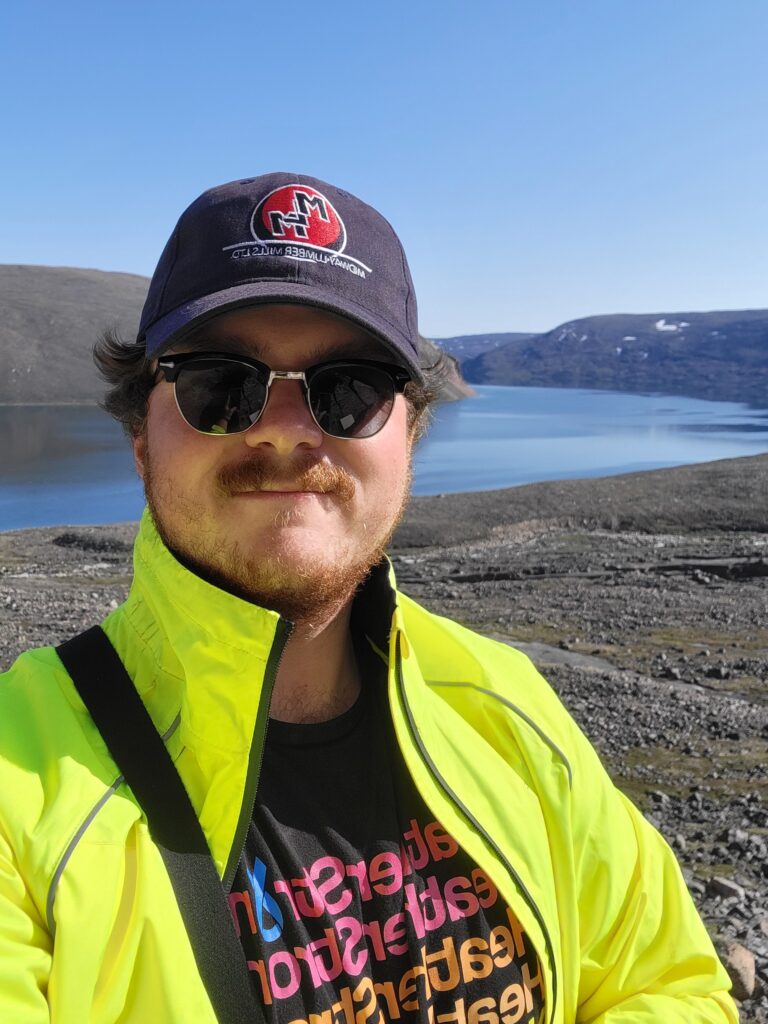
“I think the most rewarding part of my job is feeling like I’m part of something larger than myself, especially in supporting the transition to green energy,” Rein said. “And of course, working with a great team to come up with solutions in a safe and responsible way.”
For those interested in entering the field, Rein emphasized the importance of curiosity and learning. “Never be afraid to ask questions,” he advised. “There’s never just one correct answer. Geotechnical engineering deals with the Earth, which is incredibly dynamic. Try to learn as much as you can, because at the end of the day, a lot of it is a best guess. That’s where engineering judgment comes in. But you don’t get that judgment without learning experiences, and those come from making mistakes.”
~~~
Responses have been edited for length and clarity.
This article was written by Natalie Jenkins as part of the Local Journalism Initiative.