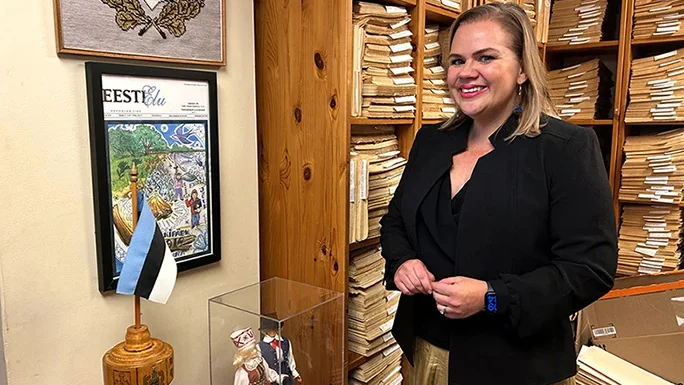
How and why were naiskorporatsioonid (sororities) created in Estonia, and are they active in today’s academic world?
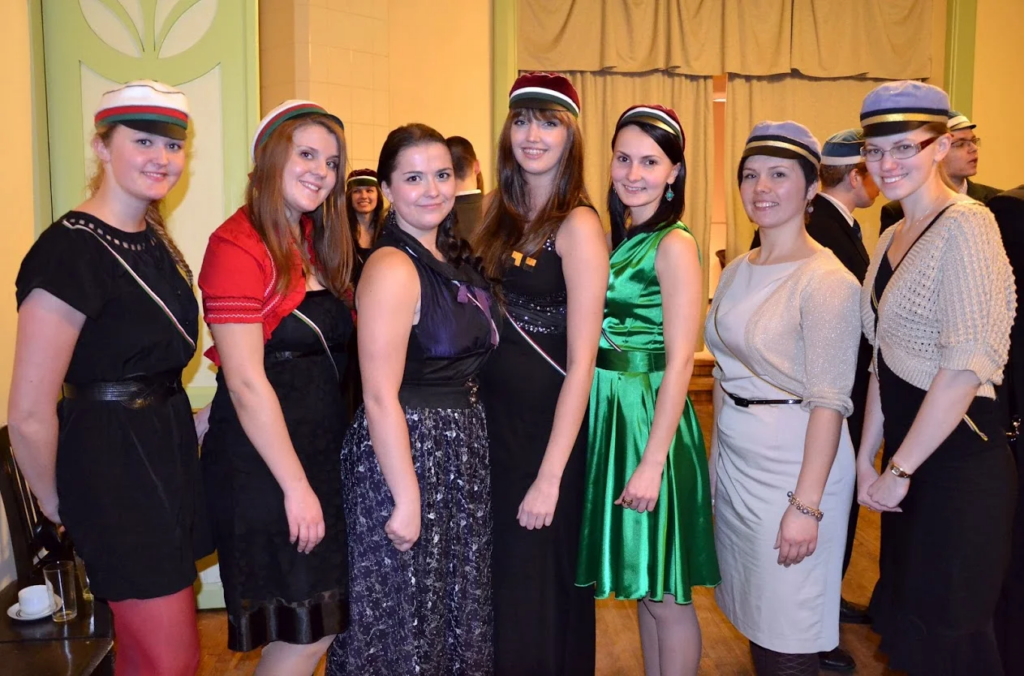
In Tsarist Russia (which included Estonia until 1918), women were admitted to universities as “free observers” (“vabakuulajad” in Estonian) beginning in 1905. Times changed in 1915, when the Tsar decreed that all universities in the Russian Empire (which still included Estonia) could formally accept female students and women could formally graduate from university. For example, from 1915-1917, The University of Tartu had 103 female university students.