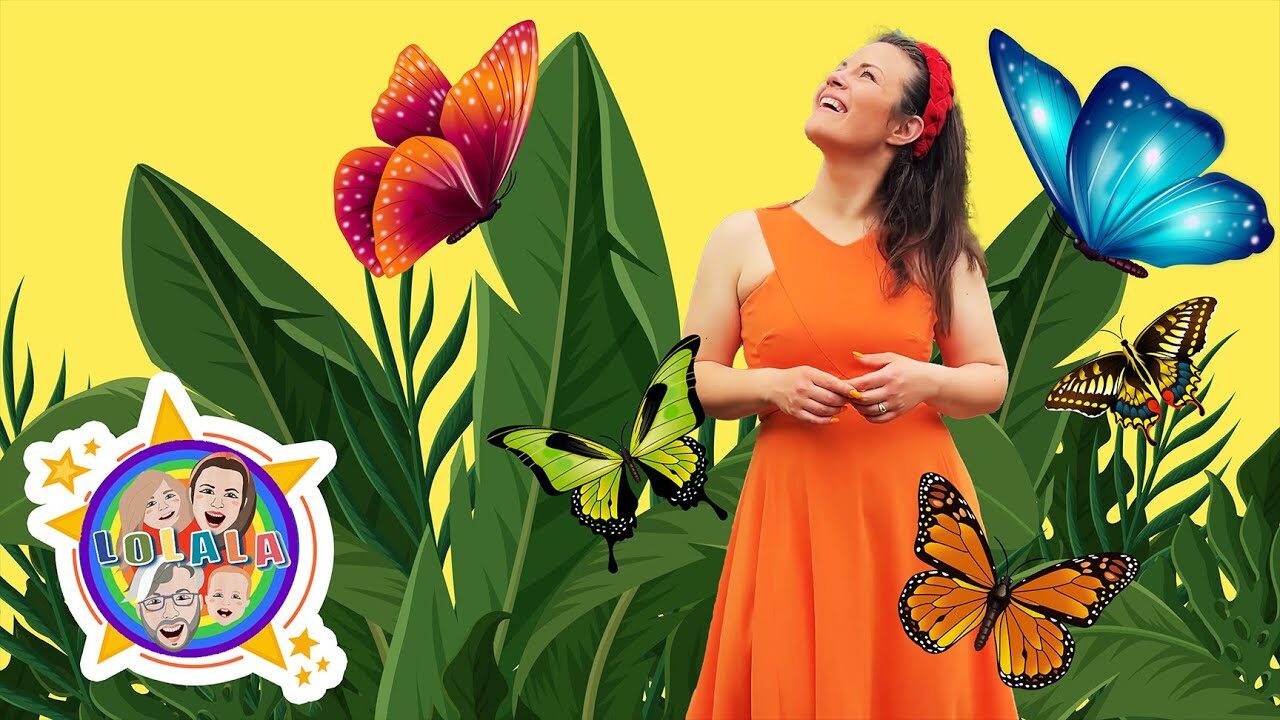
One effective resource currently available for families are the educational videos produced by Lolala avastab - harivad seiklused lastega perele. Among many videos (all in Estonian with subtitles to improve reading abilities), one episode from the YouTube channel focuses on a visit to a butterfly park.
In this particular video, titled Lähme liblikate parki, viewers are invited to join the hosts as they explore the diverse and colourful world of winged insects like butterflies and moths. The production quality is high, using a mix of live-action footage and clear narration to maintain a child’s attention while delivering substantial biological information. For parents seeking to strengthen their children’s vocabulary, the video introduces specific terminology that might not surface in everyday conversation.
The educational journey begins with the basic anatomy of the butterfly. The video explains that these insects possess four wings—two at the front and two at the back. It moves on to describe the physical structures that allow butterflies to interact with their environment. Children learn about the thorax, the abdomen, and the antennae, which are described as being used for sensing scents. A particularly interesting segment focuses on the proboscis, or imilont, which the butterfly uses to sip nectar and fruit juices. By comparing nectar to a sweet treat found inside flowers, the narration makes complex biological functions relatable to a young audience. The lifecycle of the butterfly is another theme of the episode. The narration guides children through the four stages of metamorphosis, beginning with the egg laid on a leaf. From there, the video shows the emergence of the caterpillar, or röövik, and emphasizes its primary task of eating leaves to grow. The transition into the chrysalis, referred to as a nukk, is explained as a period of profound change where the caterpillar grows its wings. The final stage, the emergence of the adult butterfly, includes a note about the wings being wet and weak at first, requiring time to dry and strengthen before the insect can take flight.
Täismahus artikkel on loetav Eesti Elu tellijatele
Igal nädalal toome me sinuni kõige olulisemad kogukonna uudised ja eksklusiivsed lood uutelt kolumnistidelt. Räägime eestlastele südamelähedastest teemadest, kogukonna tegijatest ja sündmustest. Loodame sinu toele, et meie kogukonna leht jätkuks pikkadeks aastateks.
Hind alates $2.30 nädalas.


