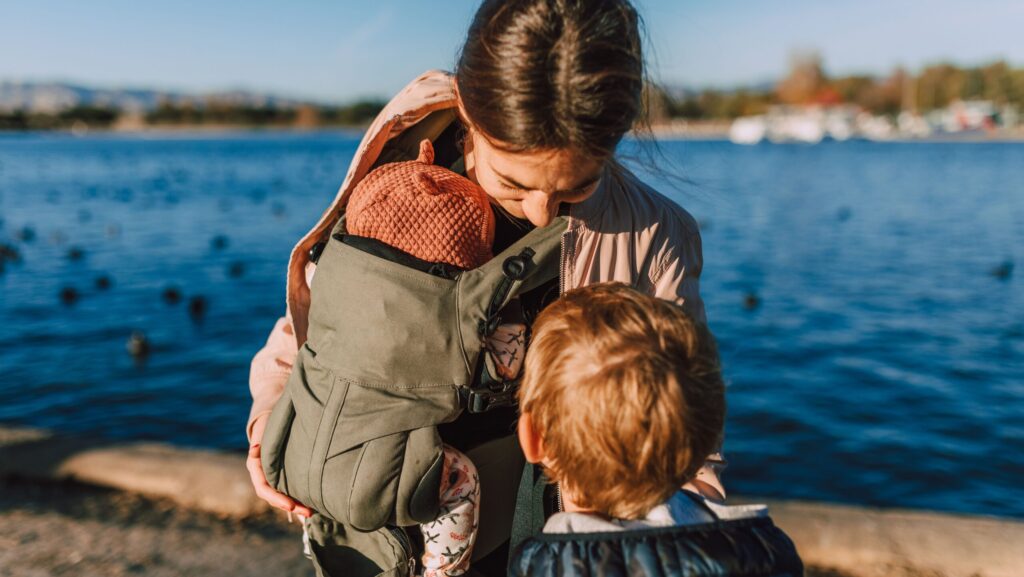
In Estonian, “süli” is all of that simultaneously. The explanatory dictionary of the written Estonian language (Eesti kirjakeele seletussõnaraamat, [EKSS] “Eesti keele seletav sõnaraamat” 2009) gives the first meaning of the word as follows: the space between the outstretched arms and the upper body. It may also denote a lap (“pani pea sülle”, or “put one’s head onto the other person’s lap”), or then, figuratively, something that is located in the middle of something else (for example, “sambla süles kasvavad sinililled”, “the hepatica/liverleaf flowers grow amid the moss”).
In addition to identifying embraces and placement, “süli” is also a unit of measurement, in the form “süld.” This is an archaic standard. It’s the distance between the fingertips of two stretched-out hands of a grown man, approximately 2.13 metres. What connects “süli” and “süld” in addition to the first three letters in the nominative form is the physical imagery of hands that stretch and contain.
"... in the expression 'süle ja seljaga,' both components of the phrase are in the singular form. The phrase literally translates as 'hands full and back loaded'"
“Süli” is a word that is normally used only in the singular form. I admit, I had to think hard to figure out the plural forms of “süli.” They do exist, but let me assure you, these are hardly ever used. “Süled”, “sülede”, “sülesid”, “süledesse”, “süledes”, “süledest”... but that doesn’t quite sound right. Grammatically, everything is correct, but could you really think of a situation where it would be necessary to use “süli” in the plural form? Each “süli” is unique. You can only snuggle on one “süli” at a time.
Even in the expression “süle ja seljaga,” both components of the phrase are in the singular form. The phrase literally translates as “hands full and back loaded” and it indicates a situation where there is an over-abundance of some resource that needs to be carried away on one’s back as well as in the arms. Practically, it’s a rather inconvenient way of lifting loads (I have tested it out hauling two sleepy kids to their beds at the same time), but doable if you must do it.
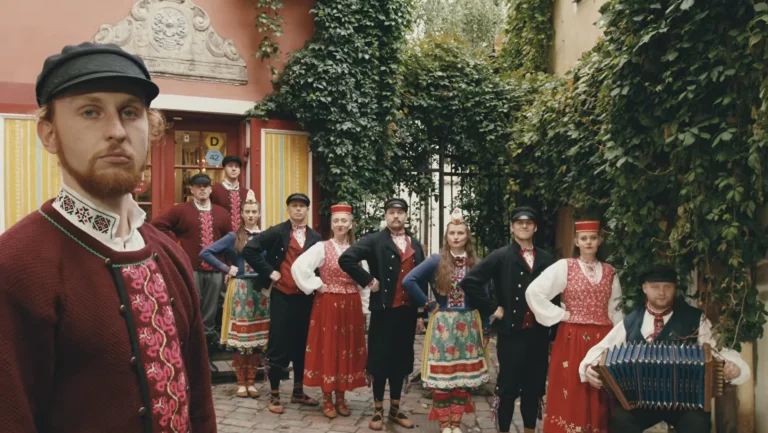
In beginners’ Estonian classes we often listen to Estonian songs that feature grammatical constructions that need to be memorised. I can think of two songs that have “süles” in their lyrics, both associated with seas and islands. The first one is the official song of my high school, Saaremaa Ühisgümnaasium, that begins with the line „Kuskil merede süles / on kasvanud tasane maa“ (the song is titled „Kool merede süles - The School in the Sea,“ with a melody by alumnus Imre Sooäär).
The other song is titled „Merede süles,“ written by Albert Uustulnd from Saaremaa (you can watch it on YouTube by searching for “XVII Tartu Lõõtspillifestival - Juhan Uppin - Merede süles”). The song goes, „Mu kodu on merede süles, / kus rahutud lained ja väin“—“My home is amidst the seas / where the waves and straits are ever restless.” The image of an island embraced by seas as if it’s a little child emerging from their mother’s arms condenses thousands of years of geographical processes into one tender image. That’s pretty fascinating. And it ends with the line „Ja alati tagasi igatsen ma, ükskõik palju rändan või käin“—“I always long to be back, wherever I travel or go.”
I think this is the universal quality of any “süli” associated with growing up. The longing to be back is always there even if it is not always physically possible any more.