Each Tuesday in July and August, the organization provides a free two-hour guided tour. I joined this tour recently and was more than pleased with the selection of highlighted works and the expertise of our volunteer guide, Lorrie. If you are unable to join a guided tour, the exhibit offers a self-guided audio tour, using your smartphone to access QR codes displayed at each site. The audio tour provides information about the sculpture and the artists. Incidentally, the exhibition shares the same property as the Haliburton School of Art and Design, where I took an Introduction to Stone Carving last year and where I hope to repeat the same course—hopefully, without the 35-degree temperatures.
A complete surprise to me is the fact that there are three sculptures by the Estonian-Canadian blacksmith artist, Leo Sepa, retired owner/operator of the Iron Jive Studio. Maybe other Estonians would have guessed, “Well, of course! Considering our love of the forest and art, it’s just natural that an Estonian has made a contribution.” Lorrie knows Leo, but she was pleased to learn from me that Sepa is like “Smith” in Estonian and that Leo’s grandfather had been a blacksmith in Eesti.
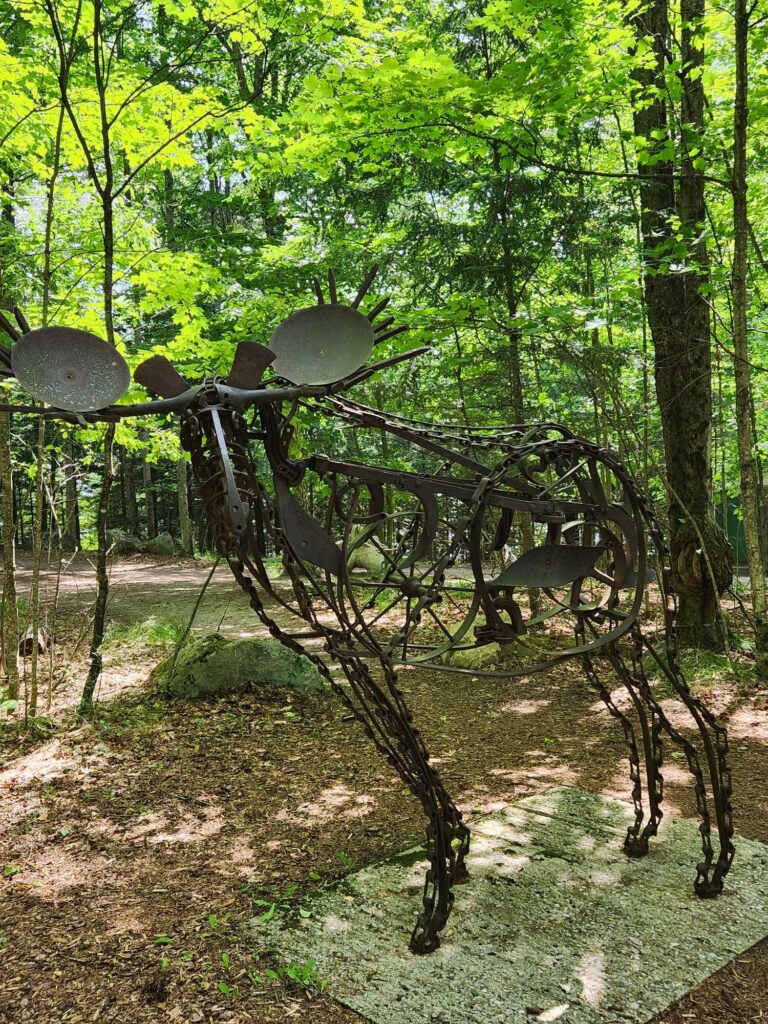
Moose Scraps by Leo is 2.5 metres high, made of vintage iron farm objects, welded together into the shape of a moose. This piece was the second sculpture installed in the collection back in 2001. Because the structure of the moose includes heavy iron chains, you can actually move the head and neck. It’s a whimsical, joyful work of art, like many other pieces in the forest collection.
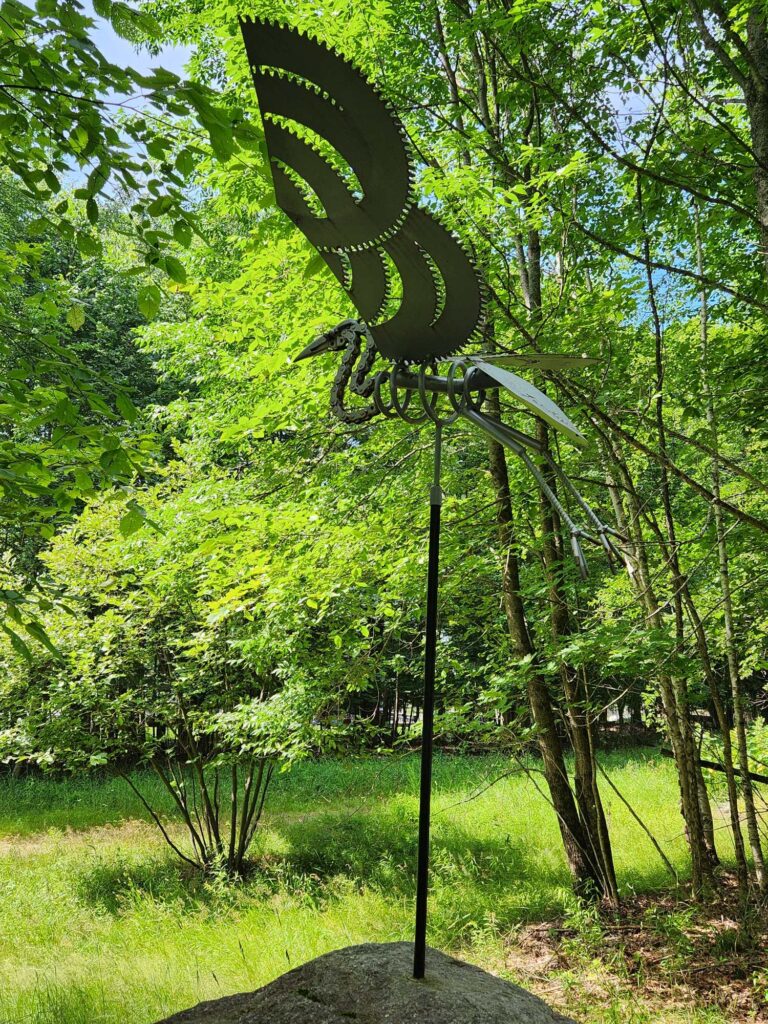
“Flying Debris” is another sculpture that Leo assembled from found metal objects to create a heron in flight.
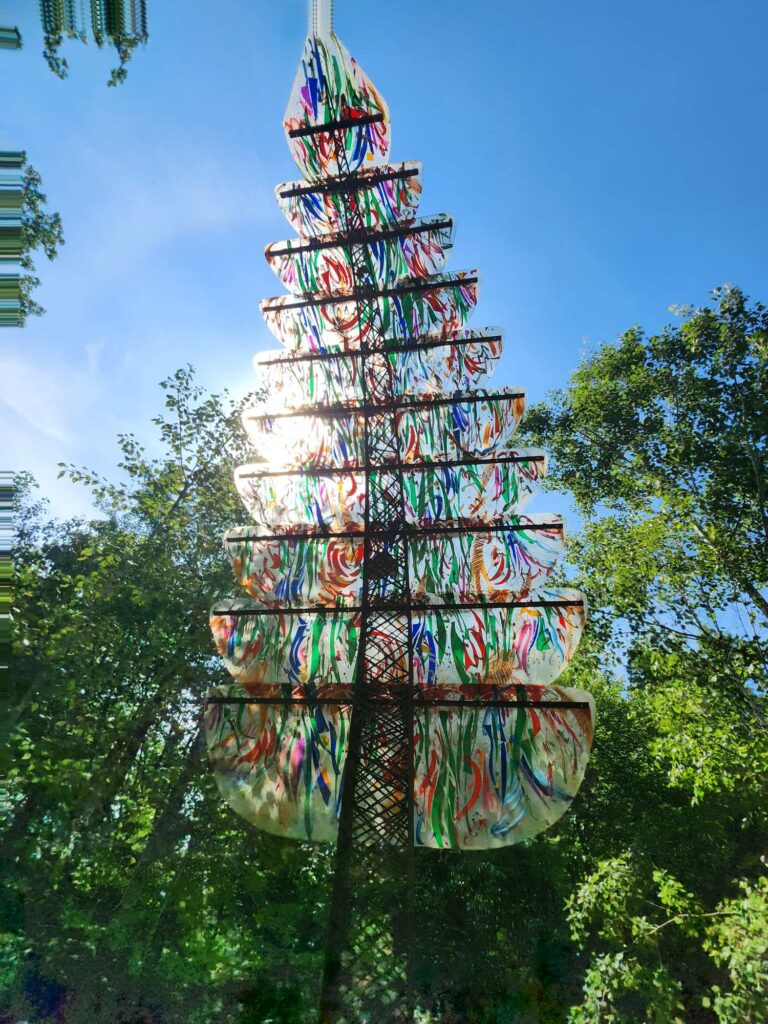
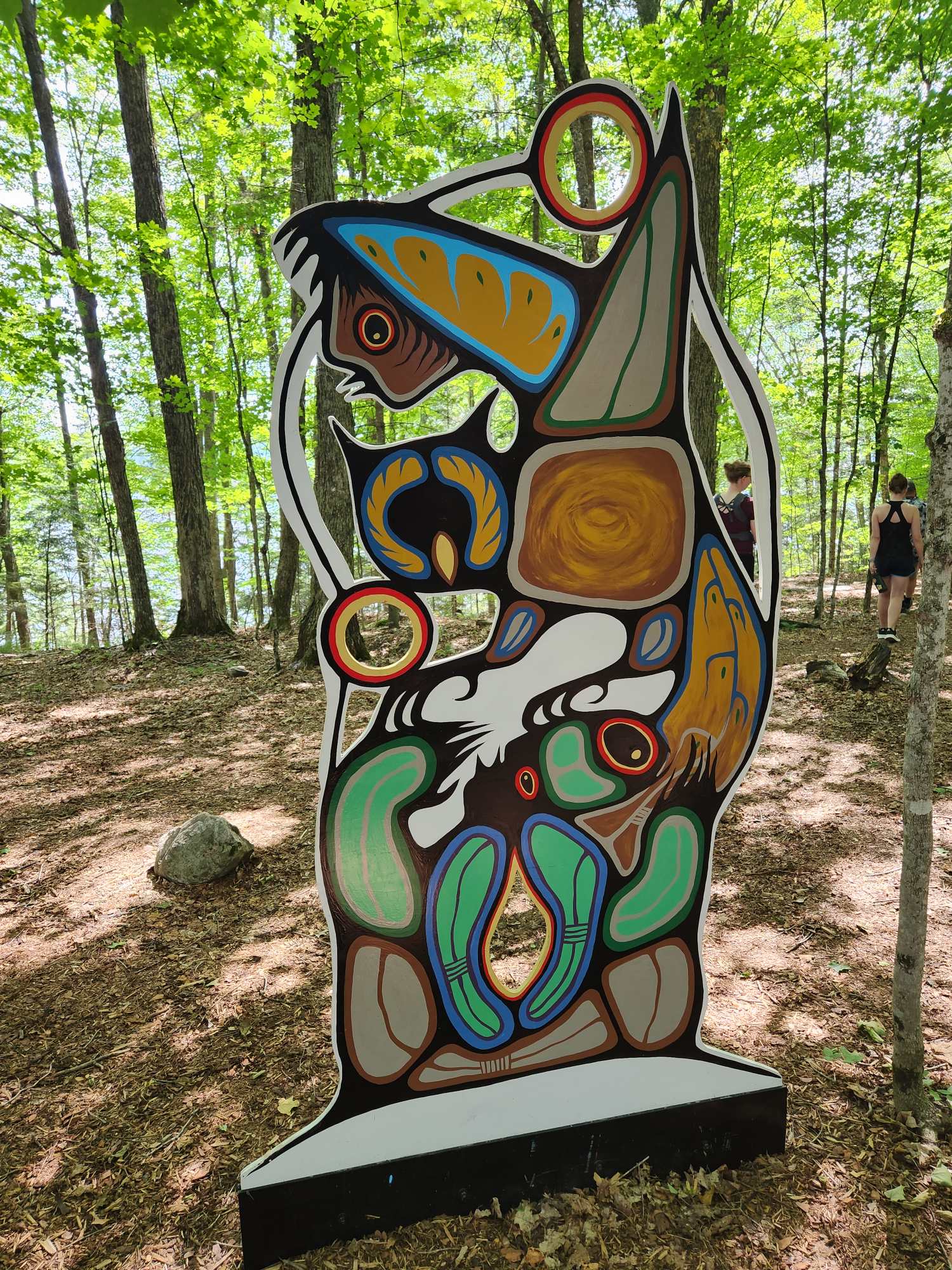
Leo’s third contribution is the approximately six-metre-high iron frame structure for the very colourful panel sculpture Redwing Frond.
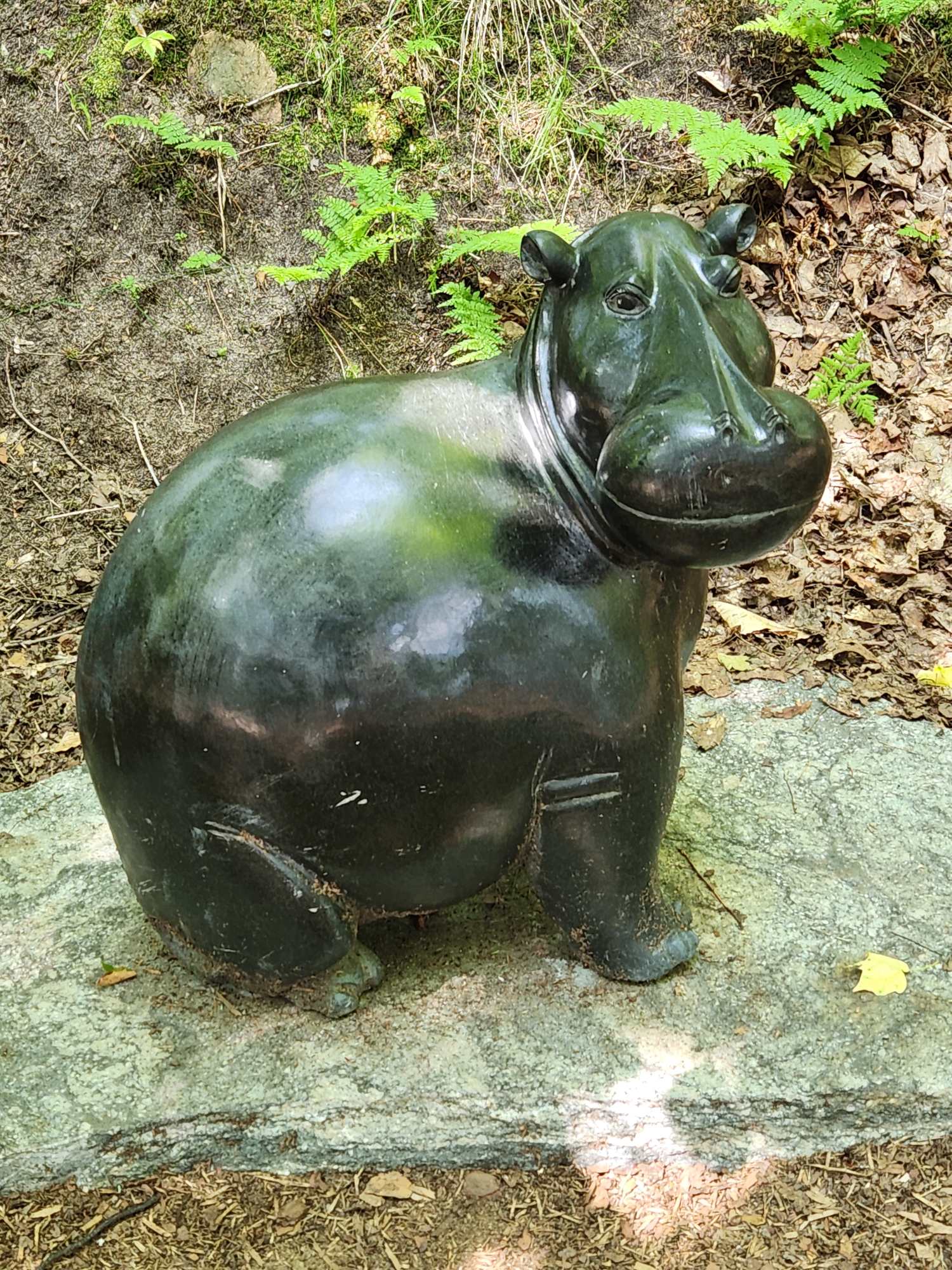
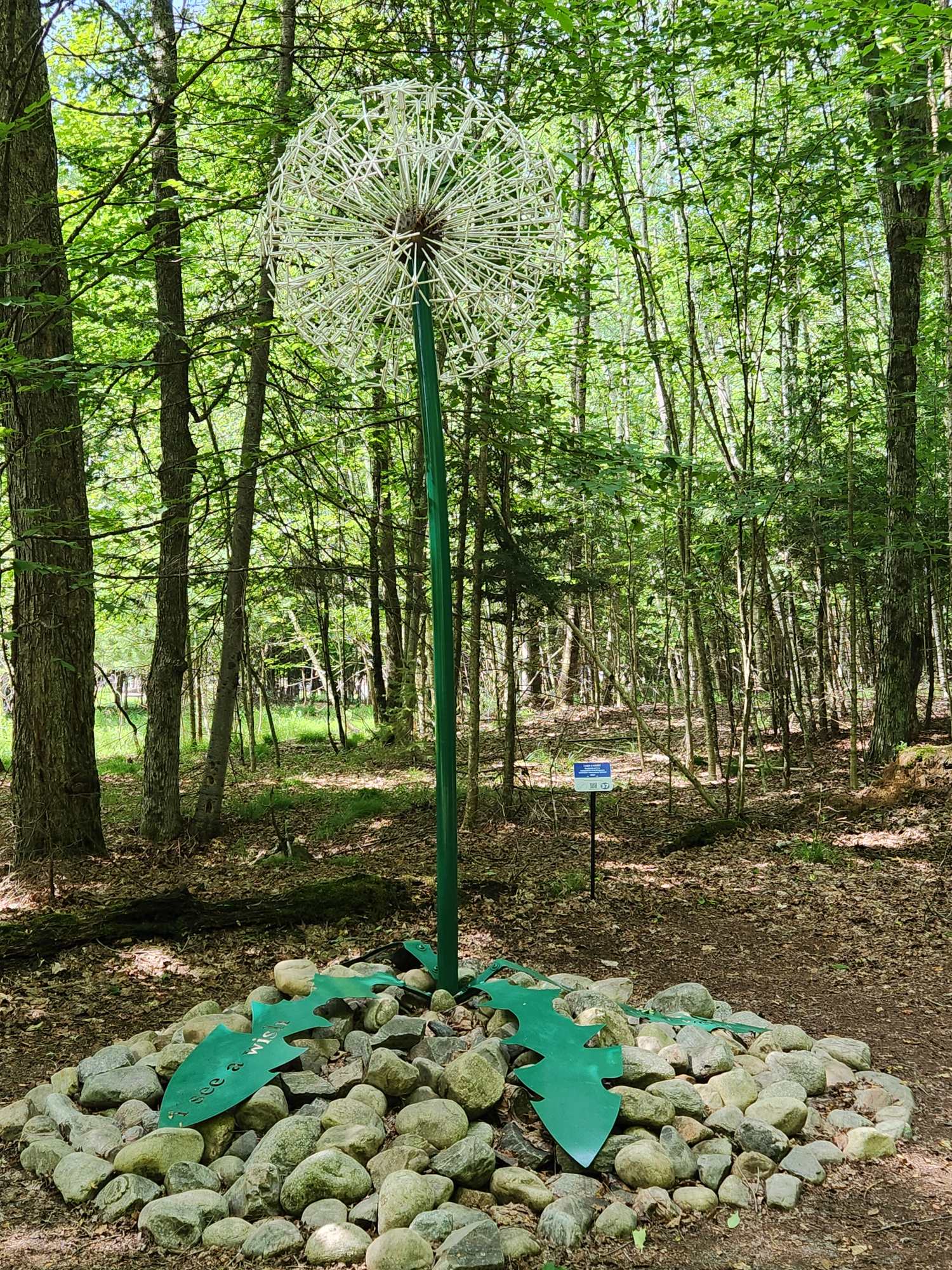
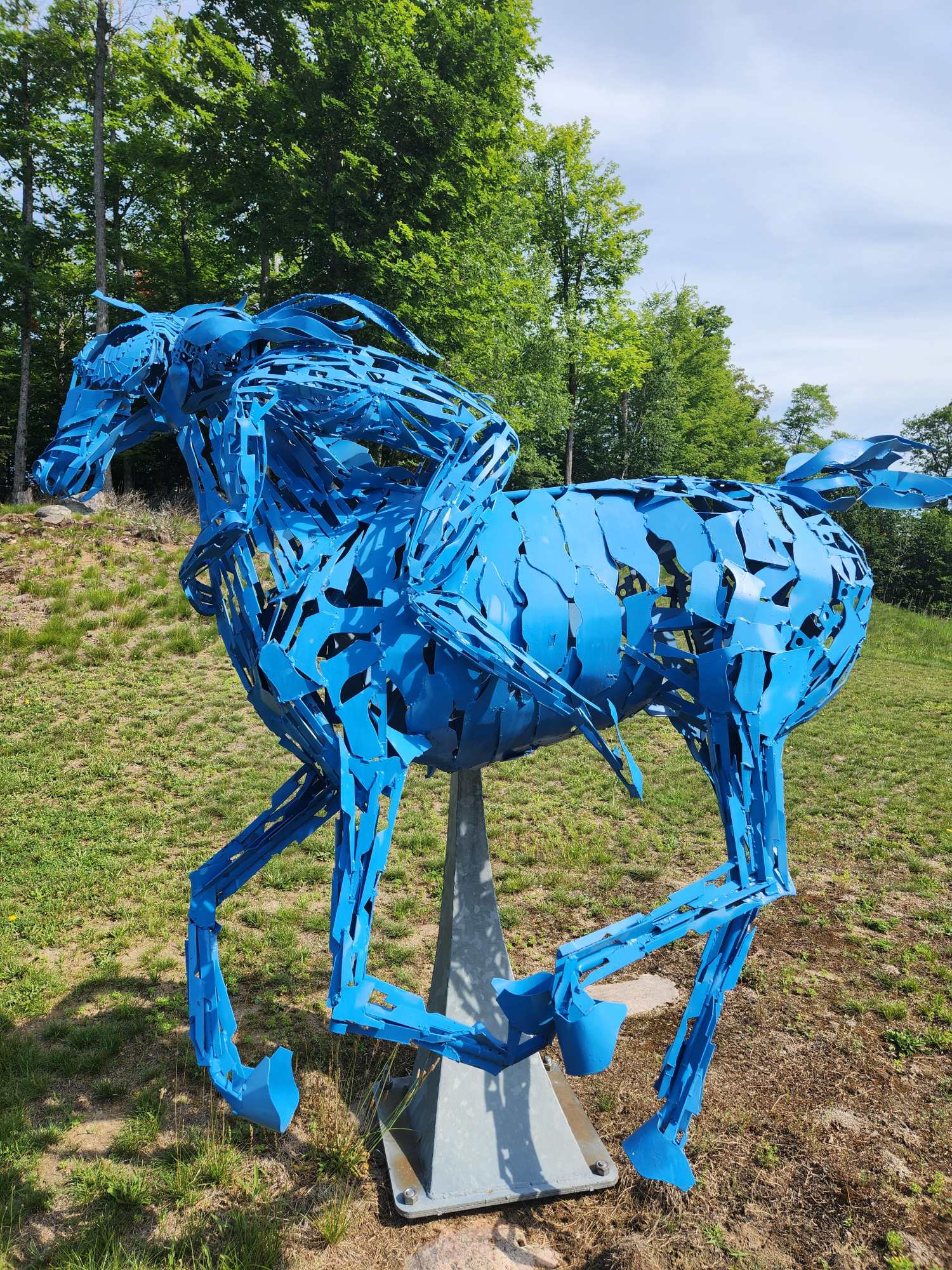
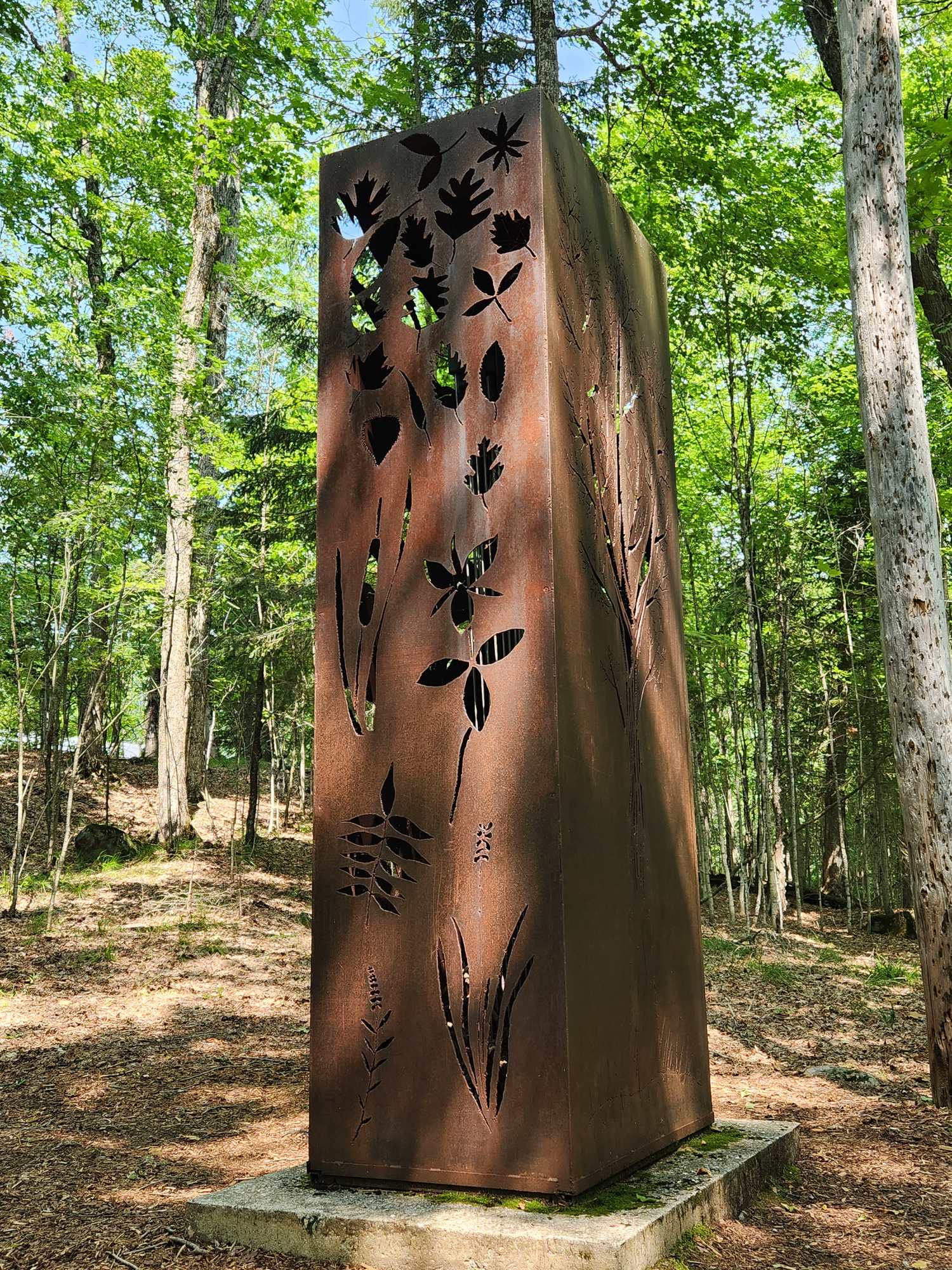
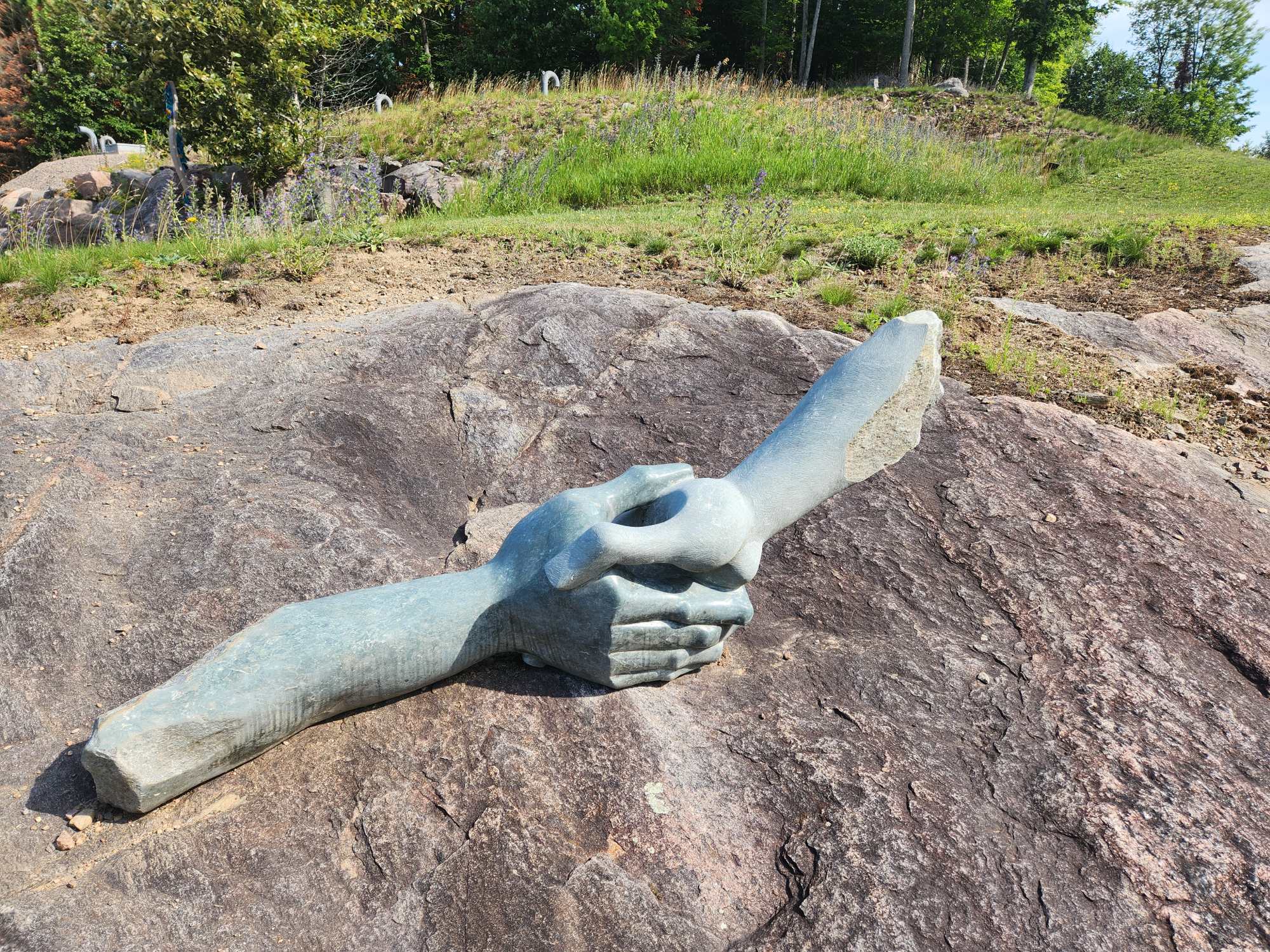
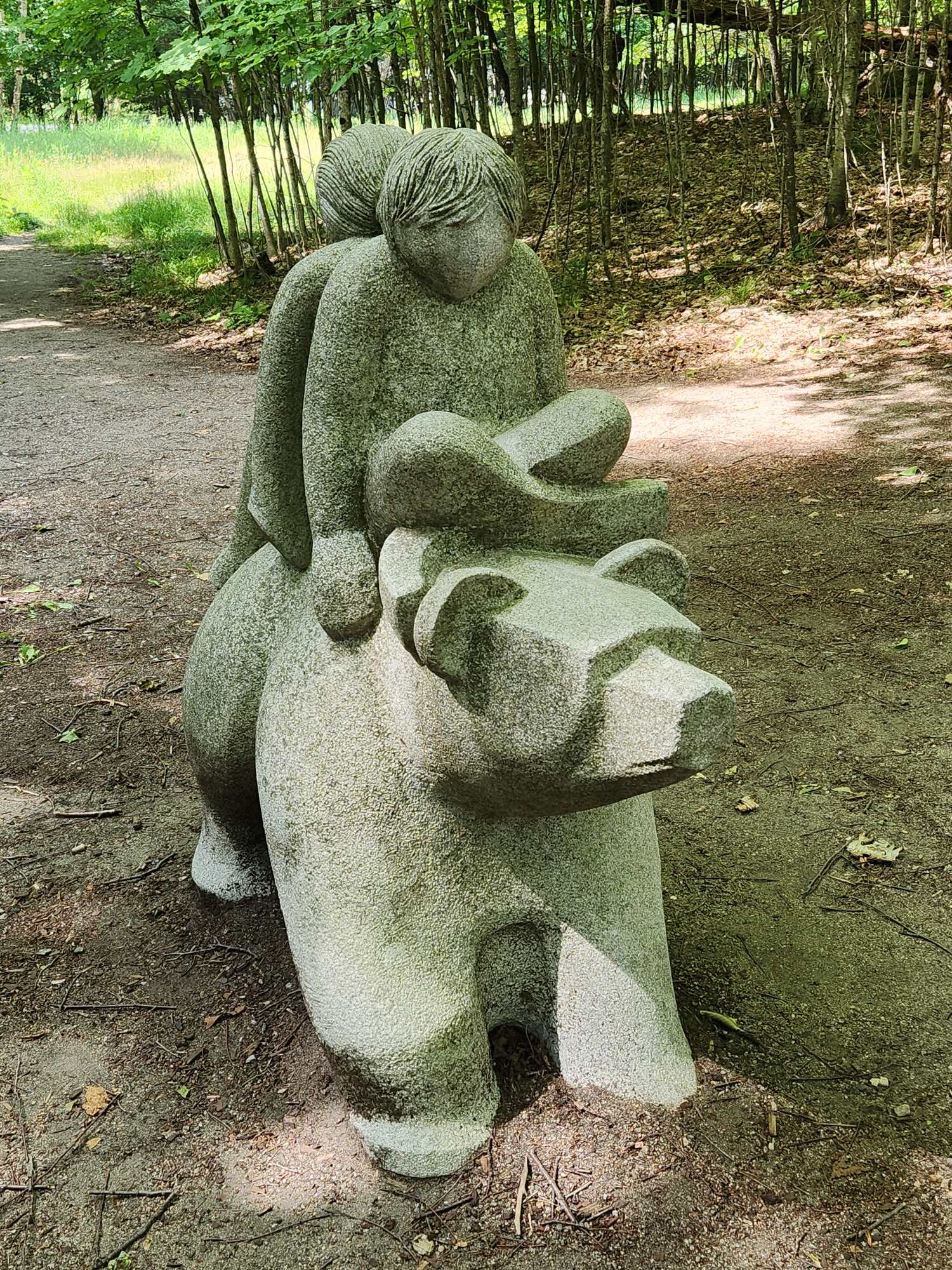
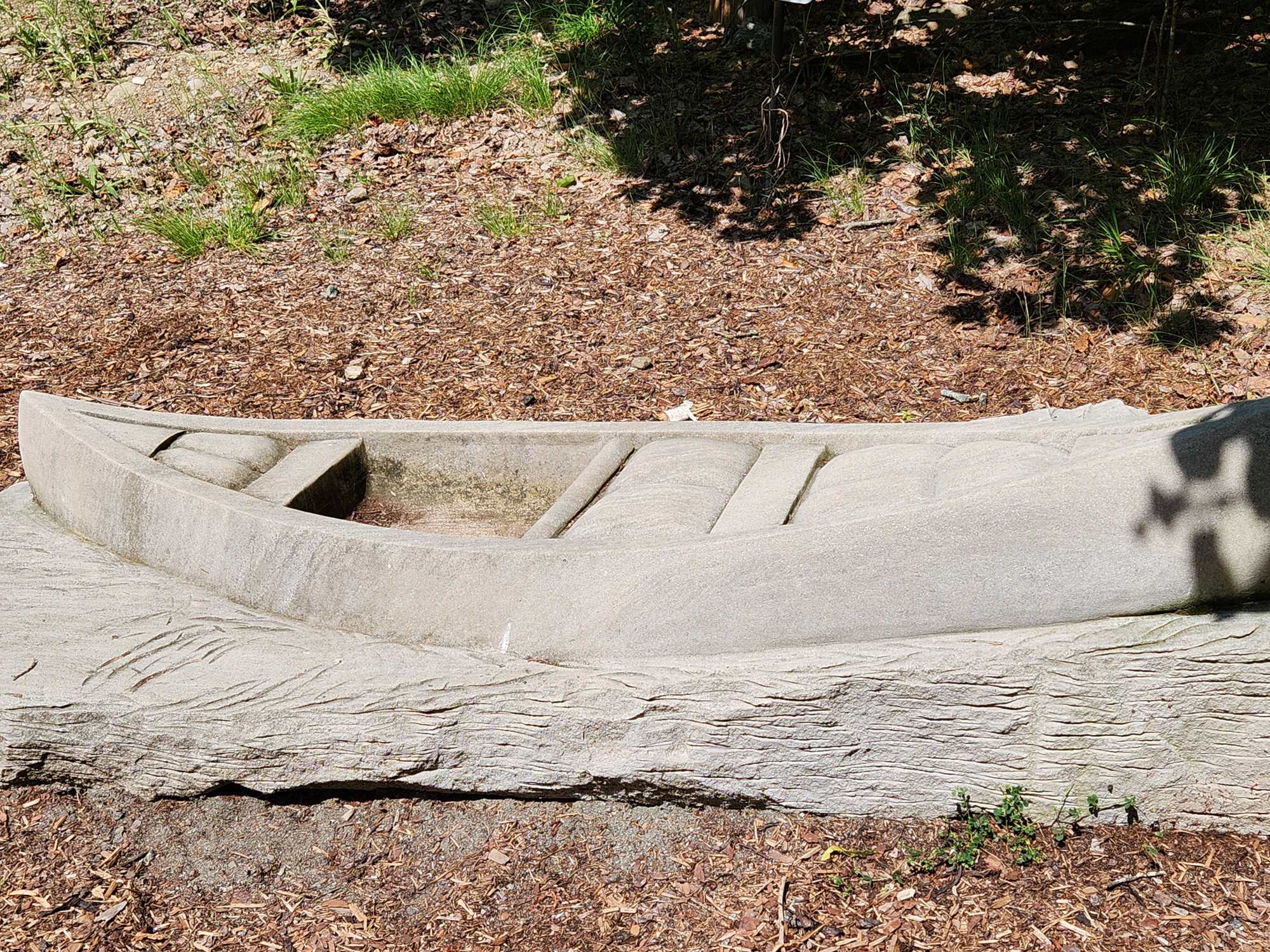
Lorrie guided us through thirty-six sculptures and it is impossible to pick a favourite. The variety of material used is impressive. There are all kinds of stone used: soapstone, local granite, limestone, springstone from Zimbabwe, and cement. Other media used includes wood, steel, bronze, iron, wire, and glass beads.
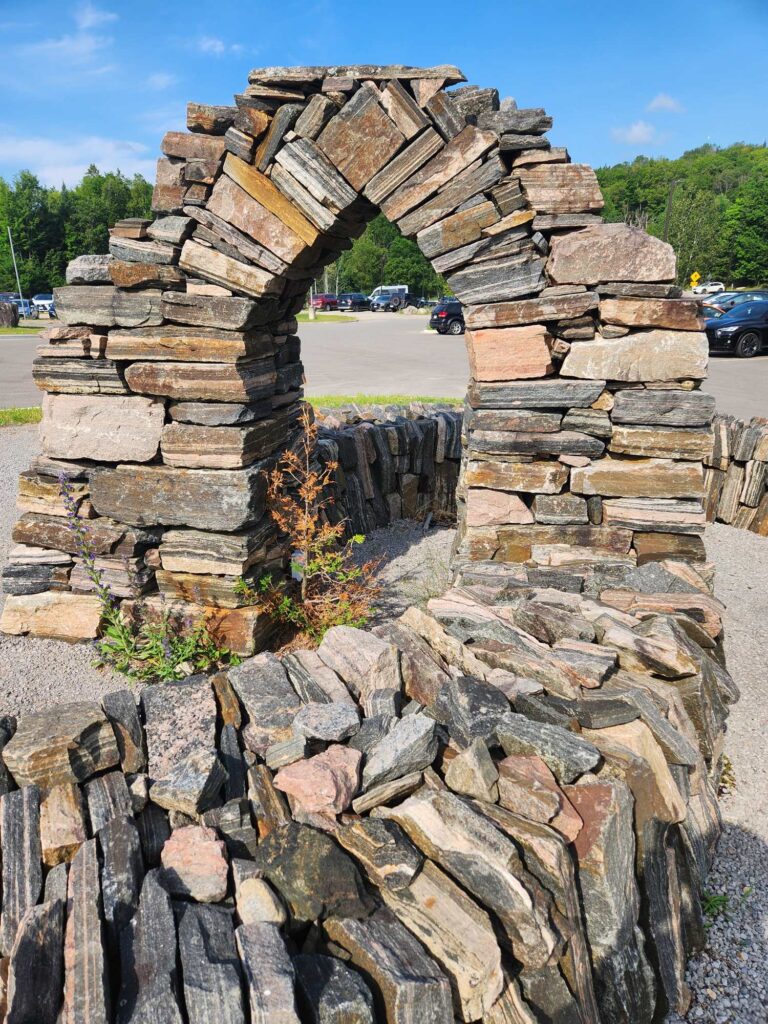
Heavy, locally-quarried granite stones are held together by gravity, built in the classic Roman arch style with no adhesive… A student just taps some loose stones back into place with a rubber mallet.
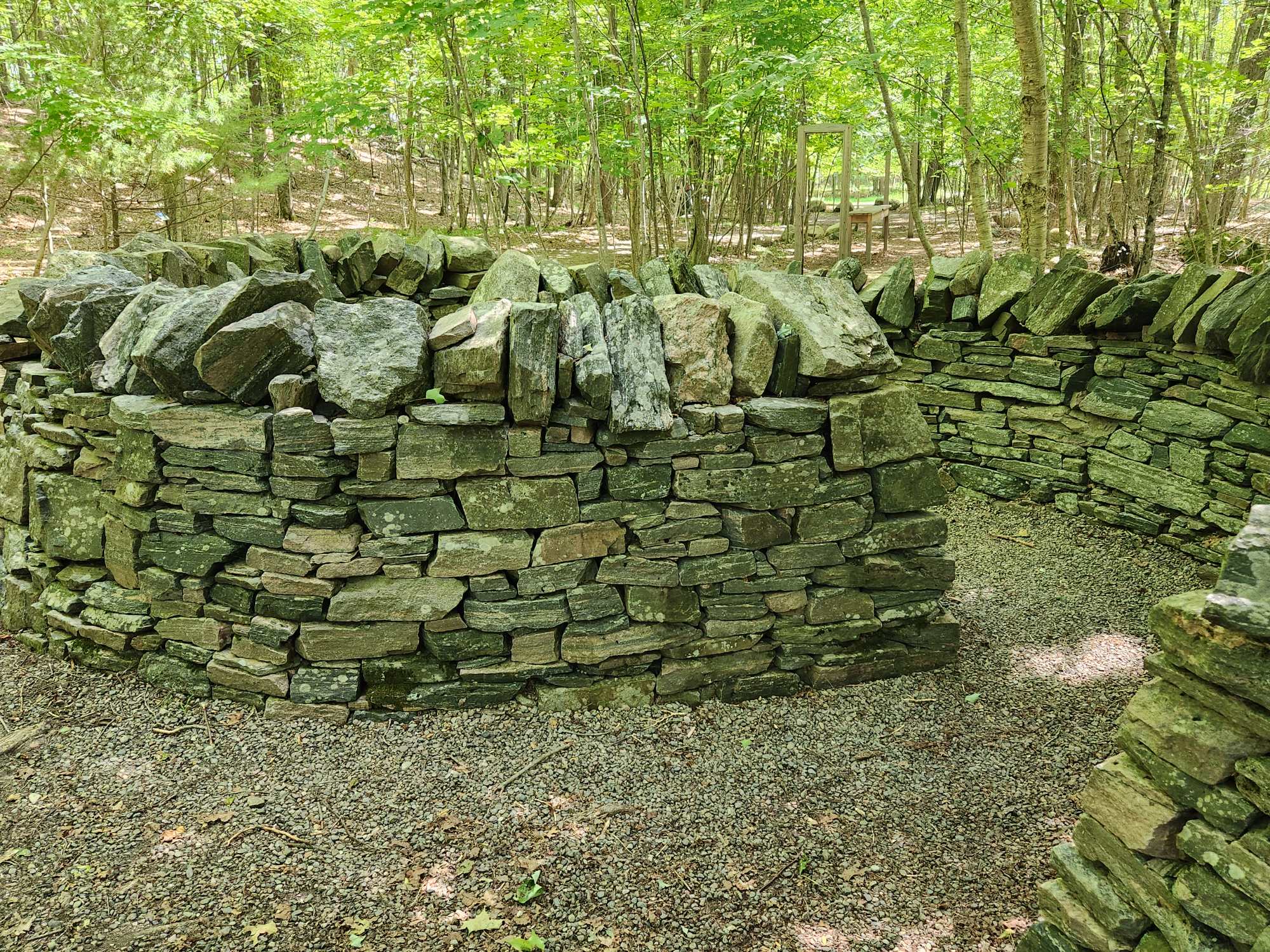
I’m particularly attracted to stone work. The fact that students have collaborated on some of the sculptures is fantastic. As you walk towards the school’s entrance, there is a mid-sized “Unity Gate,” with bright granite walls, created by an instructor with the help of the art school’s students. Heavy, locally-quarried granite stones are held together by gravity, built in the classic Roman arch style with no adhesive. The only maintenance required is in the spring, due to winter freeze and spring thaw. A student just taps some loose stones back into place with a rubber mallet.
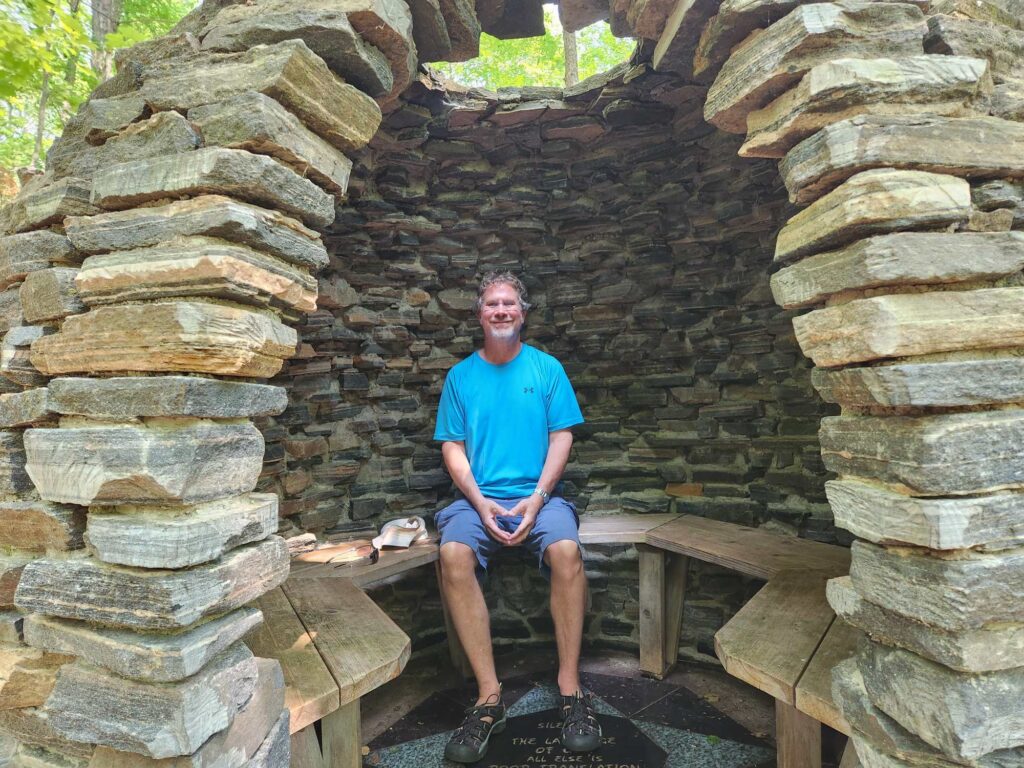
Another intriguing sculpture made of granite stones and all lifted into place by hand is Atmos-Sphere, a large enough dome building for five adults to sit inside on a comfortable bench. The ceiling has a sunroof opening, which creates the feeling of a sanctuary. The floor is made of inlay marble, engraved with a quote by Rumi from the 13th century: “Silence is the language of God. All else is poor translation.” If I ever get ambitious enough in my sculpting, I will build this type of “man cave” for myself.
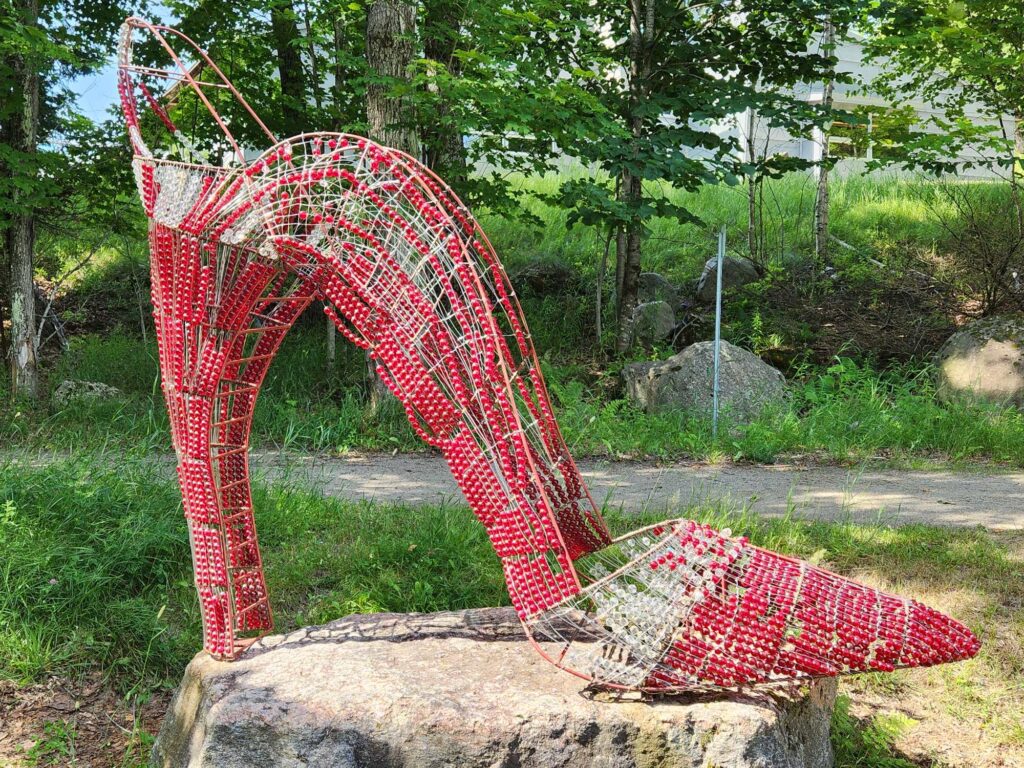
Fire and Ice: A Really Big Shoe is perhaps the most colourful of the forest sculptures. A two-metre-tall stiletto shoe decorated with red and clear glass beads, the frame is constructed from steel rods and stainless-steel wiring. Apparently, the only damage from this past winter was one broken glass bead.
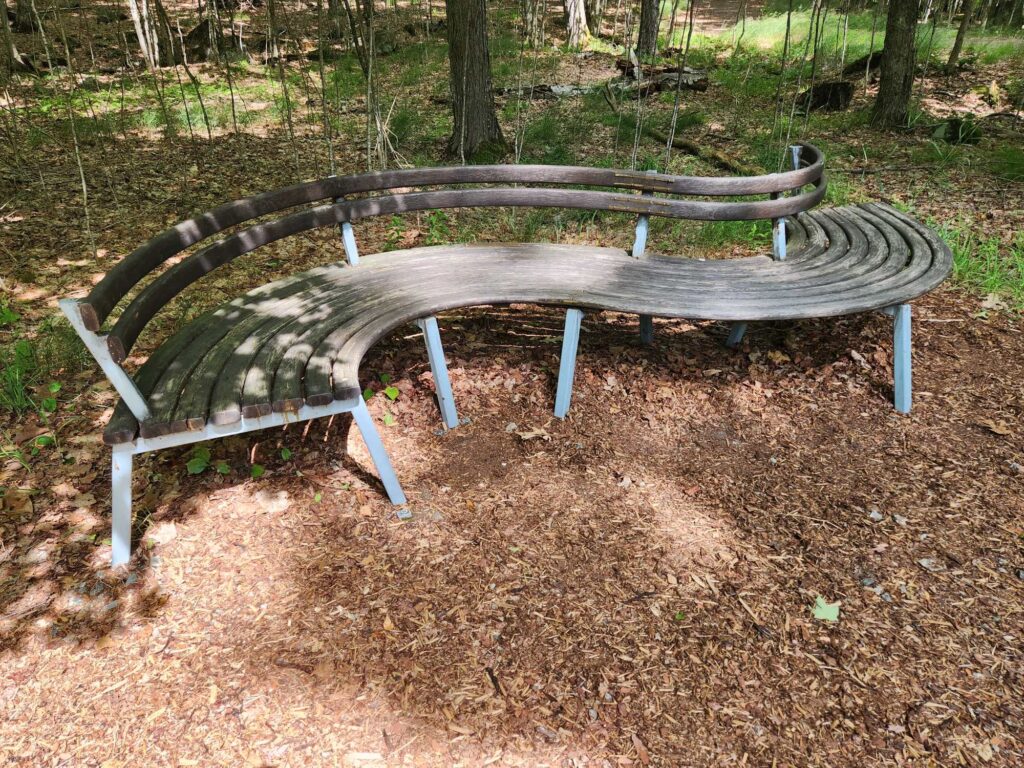
A most welcome feature of any gallery are the benches for visitors to sit down, rest, and contemplate the art. Current is one of six unique benches carefully placed throughout the forest.
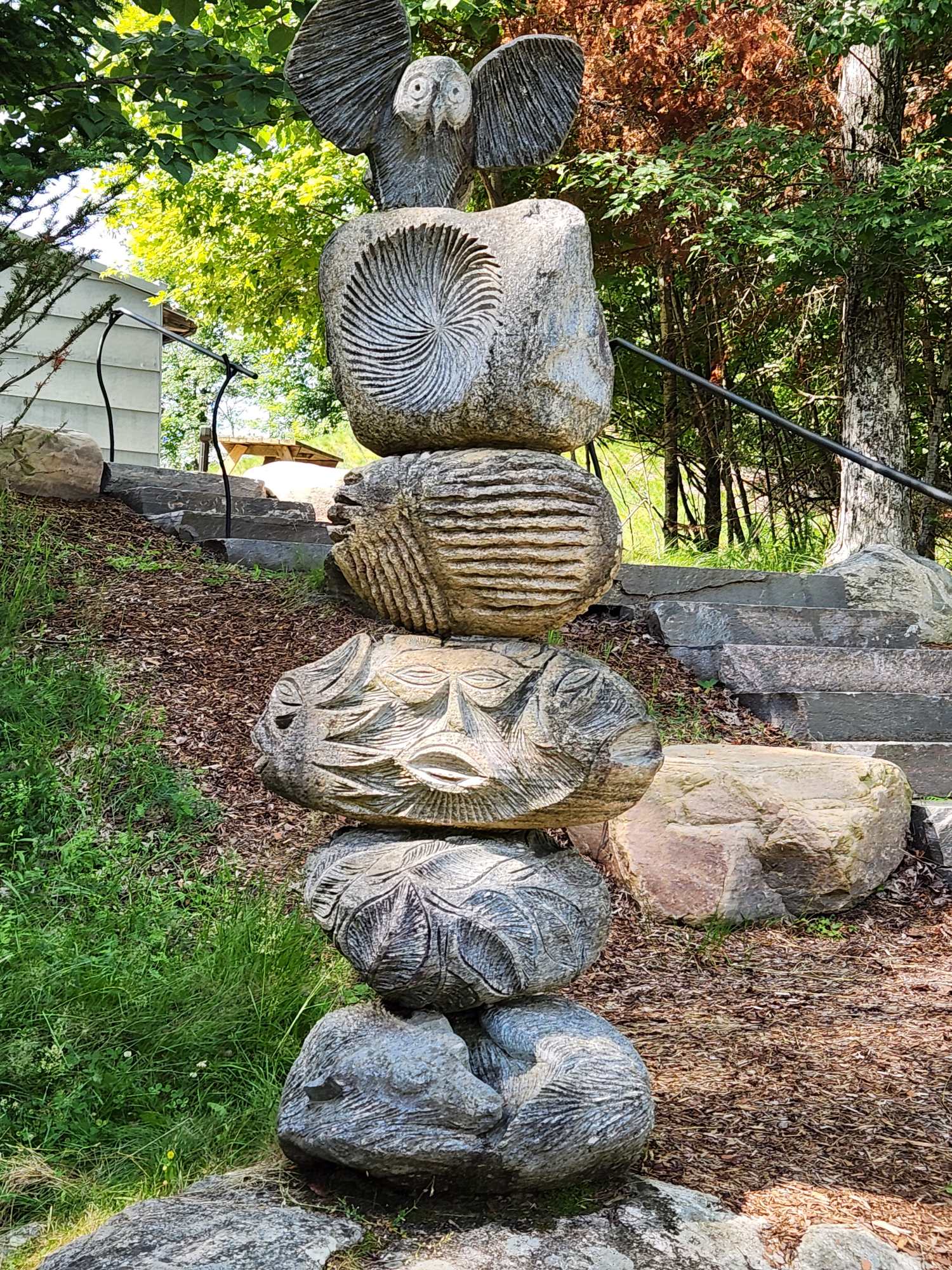
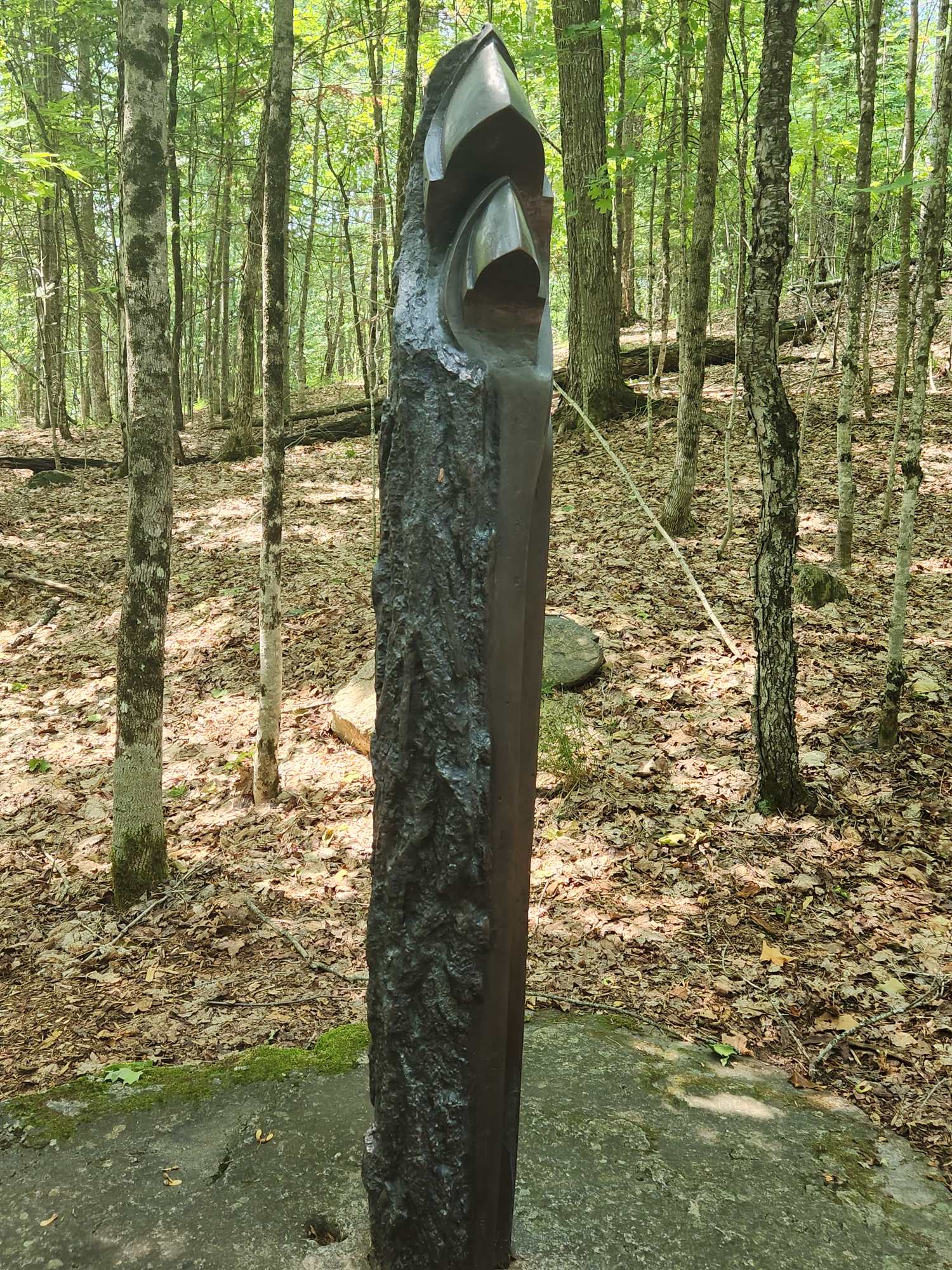
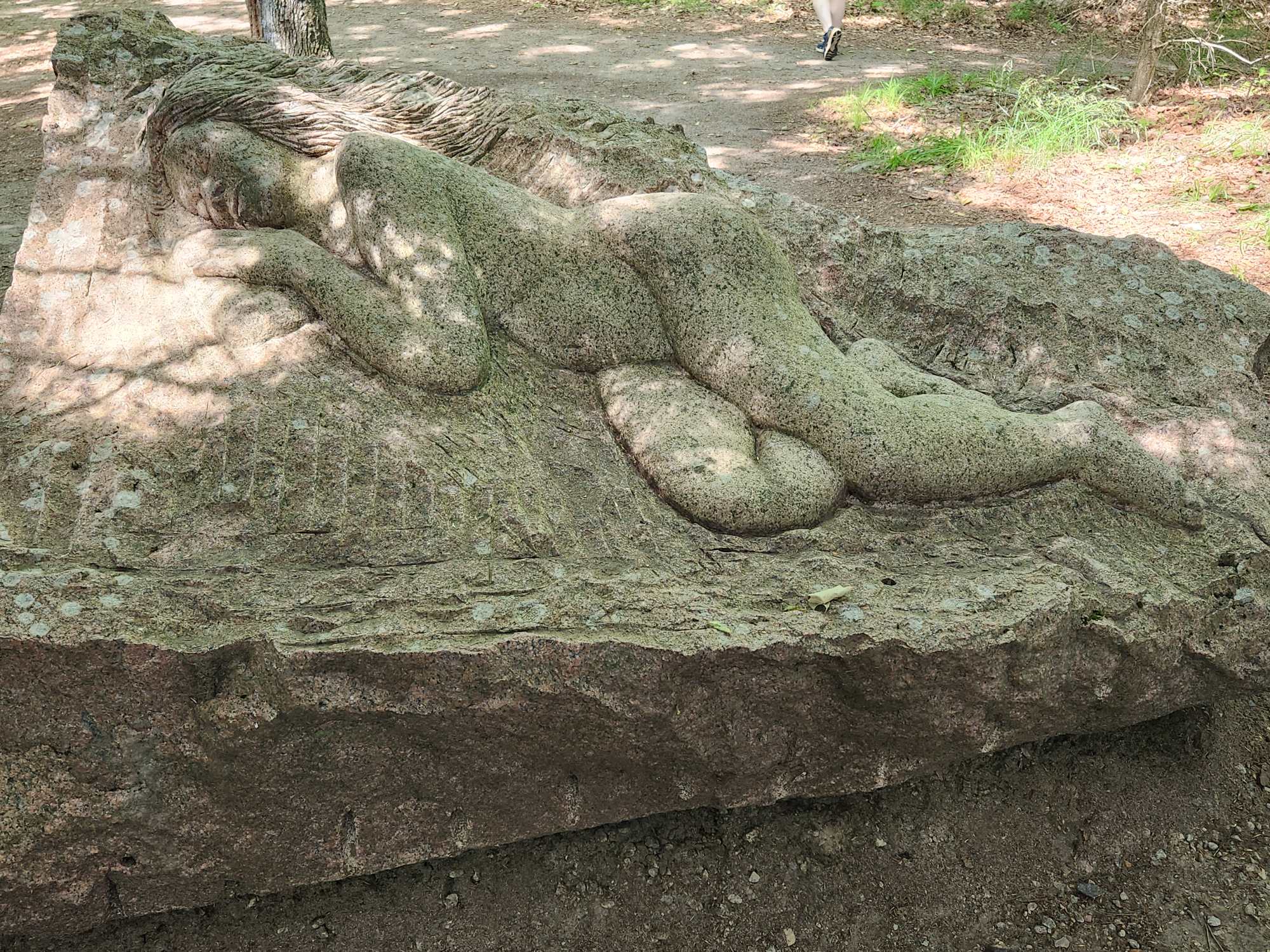
Another great thing about this gallery is that viewers are encouraged to actually touch the sculptures. Remember that all these works must endure freezing rain, ice pellets, snow, hail, and gale-force winds. I witnessed many visitors running their hands over the smoothly polished stone or appreciating the roughly cut granite lines carved into a figure or face.
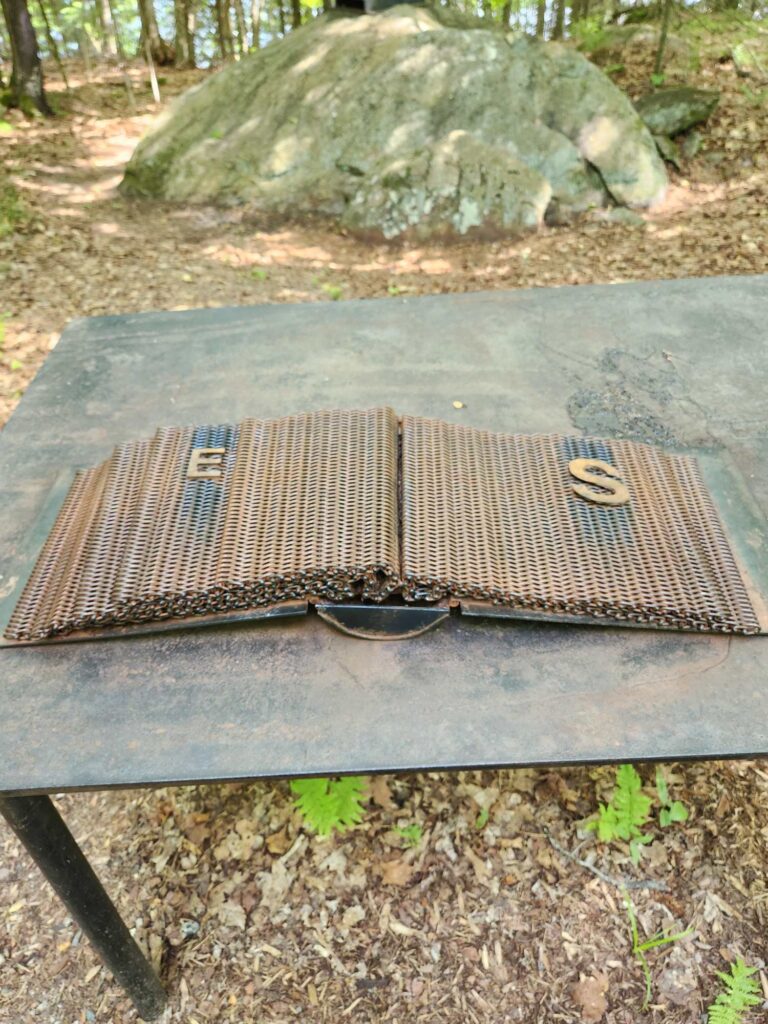
One object that almost everyone touches is Das Buch XXIII. This book is made of steel plates and chain mail pages, fixed to sit on a large steel table. Naturally, I am drawn to lift and turn these heavy pages. I imagined that I was handling a mysterious, centuries-old book from a medieval dungeon. When your imagination is captured like this, you know you are engaged with an excellent work of art.
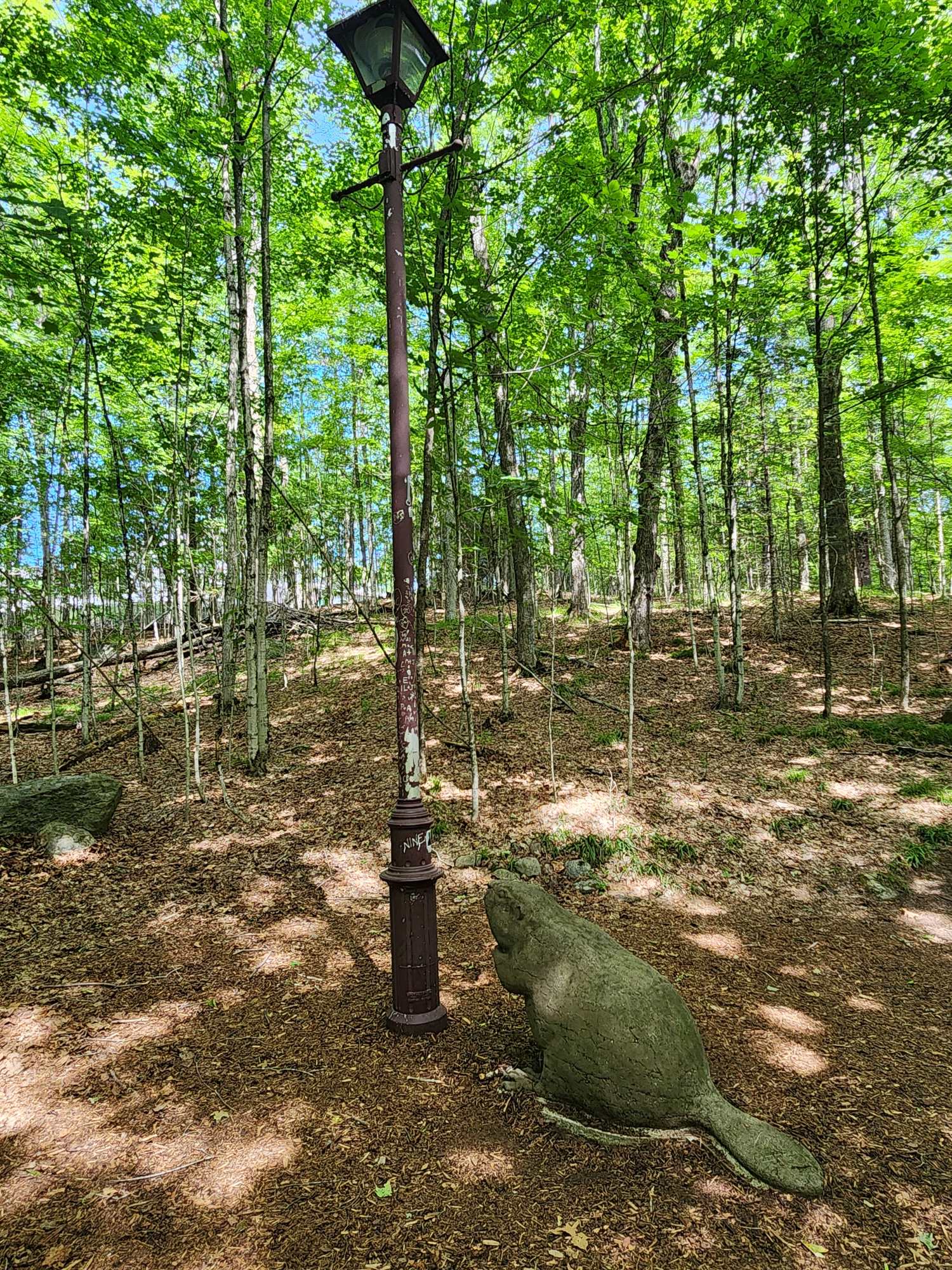
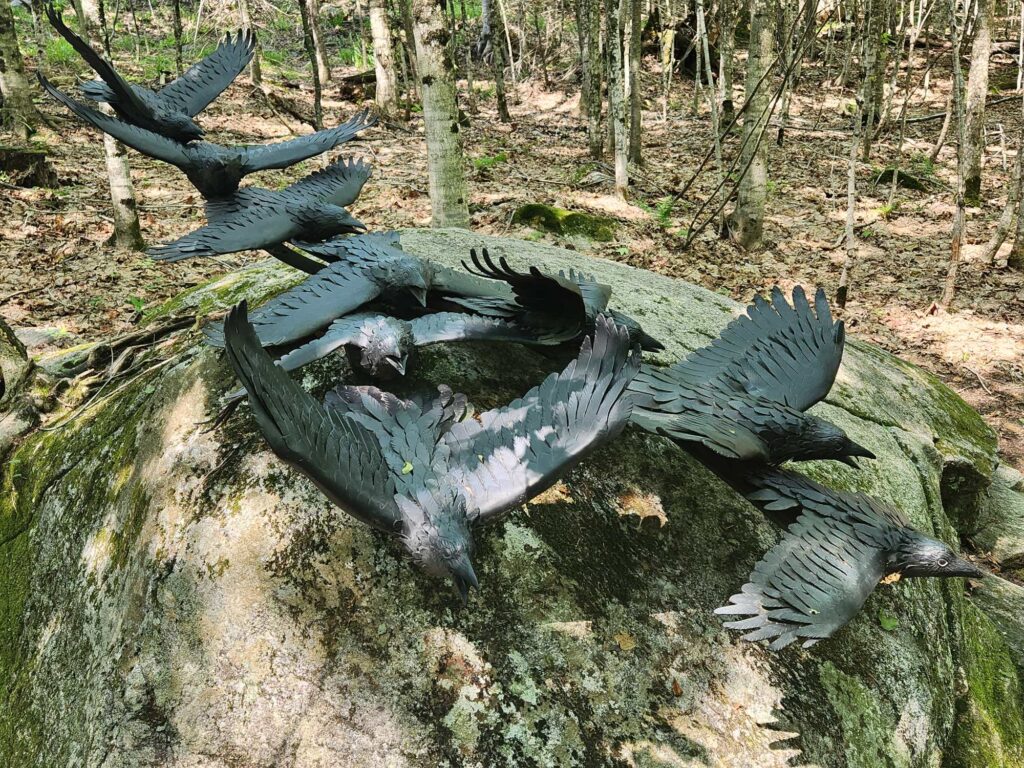
An Ontario forest is home to all sorts of animals, such as moose, beavers, bears, owls, and ravens—all of whom are represented here in sculpture form. A Conspiracy of Ravens is a flock of ravens fabricated from bronze and steel, mounted on a truck spring. Each of the eight ravens has its own unique facial expression. The title is perfect, because not only is a “conspiracy” the traditional term for a flock of ravens, but looking at the work, you wonder to yourself, “Where are these birds going and what exactly are they up to?”
More than one guest in our group asked Lorrie what the forest is like in the winter. She replied that some sculptures are actually more attractive in the crisp white snow, under a deep blue sky. The trails are maintained for walking, snowshoeing, and cross-country skiing—something I must do one day.
I rate this attraction as one of the true tourism treasures of Ontario, especially for the reason that it is so spacious and not busy. As well as supporting local tourism and this community, this forest gallery offers you peace and contemplation, all for the price of a donation. In my tour group, we had a grandmother, mother, and her three-month-old baby. Another parent brought her teenage daughter. I believe there is a sculpture here that is guaranteed to capture your heart and imagination. Unlike some places, where you feel that you don’t need to return, I look forward to visiting this grand forest of sculpture again and again.
Fotogalerii
Photos by Mihkel Jürima