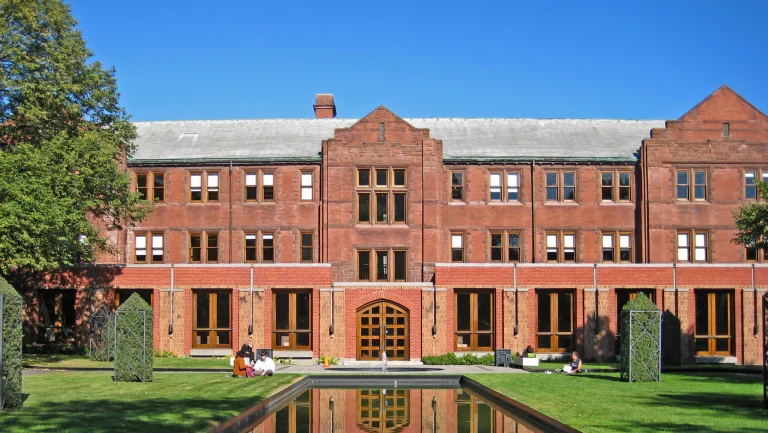
At a time when the Soviet Union suppressed objective historical records across eastern Europe, founding directors Elmar Tampõld, Endel Tulving, Olev Träss, Silvia Meema, Ülle Toomver, Ervin Mägi, and Tõnis Laar pushed for rigorous academic inquiry at a major North American academic institution. Operating as a registered charity, the foundation negotiated and financed an academic home for Estonian studies at the University of Toronto in perpetuity.
Making this vision a reality took extraordinary persistence, as detailed in historical writing and records from the late Peeter Einola and in an interview with current CESF President Jaan Meri. Early exploratory efforts by professors Endel Tulving and Olev Träss from 1978 to 1979 laid initial groundwork when federal multiculturalism initiatives encouraged study of this kind. Yet, the community couldn’t initially raise the required funds until Elmar Tampõld, serving as President of Tartu College in Toronto, leveraged the financial stability of Tartu College’s student residence. Tampõld teamed up with Tulving and Träss in May 1982 to formally approach the university with surplus capital from Tartu College.
Become a subscriber to continue reading!
Every week we bring you news from the community and exclusive columns. We're relying on your support to keep going and invite you to subscribe.
Starting from $2.30 per week.