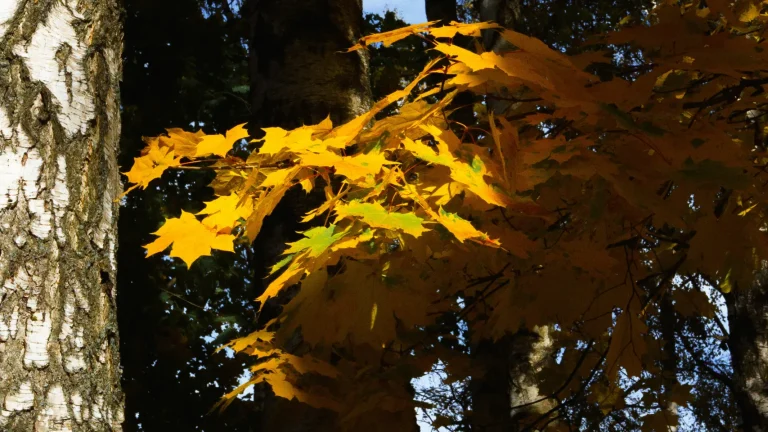
Traditions give us a sense of belonging, connecting us to our families, communities, and culture. In Canada and Estonia, two beloved liquids—maple syrup and birch sap—tell a similar story. They come from different trees and are used in different ways, yet both reflect a longstanding relationship with nature and the changing seasons. In their respective cultures, they are more than just something to consume, they are reminders of where people come from.In Canada, maple syrup is perhaps one of the most recognizable symbols of the country. Its history, however, begins long before Canada even existed as a state. Indigenous peoples of eastern North America developed the knowledge and techniques needed to collect and use maple sap, passing this knowledge on to European settlers. Traditionally, sap was collected in early spring, when freezing nights and warmer days caused it to flow through the trees. It was then boiled down to produce the thick, sweet syrup so familiar to us today. The process requires considerable effort, as roughly forty litres of maple sap are needed to make just one litre of syrup.
Over time, maple production became especially important in Québec and other parts of eastern Canada. The arrival of spring is celebrated through the sugaring-off season, when families and communities visit sugar shacks to enjoy traditional meals and maple treats. From pancakes and maple taffy to candies and desserts, the syrup has found its way into Canadian cuisine. It has also become a symbol of the country’s identity, even connecting to the national flag in the form of the maple leaf. For many, its taste is inseparable from memories of family outings and the end of a long winter.
Both depend on a short seasonal window, require knowledge of the natural environment, and reflect practices developed long before modern food production. They also connect people to the rhythms of the year, as both beverages represent the rebirth of nature after a long, cold winter season.
In Estonia, a comparable place in seasonal traditions belongs to birch sap, or kasemahl. As winter gives way to spring and the ground begins to thaw, birch trees start producing sap that can be collected for a limited period of time before the leaves emerge. Historically, people drilled small holes in tree trunks, inserted wooden spouts and collected the flowing liquid in buckets. Folklore records from the nineteenth and early twentieth centuries describe birch sap as a familiar spring drink, consumed fresh or used to prepare fermented beverages such as kali. It was also stored and fermented to provide a refreshing drink later in the year, such as for the summer haymaking season.
Unlike maple sap, which is usually concentrated through boiling, birch sap is commonly consumed in its relatively unprocessed form. It has a mild, subtly sweet taste. Although it may not have the same international recognition as maple syrup, kasemahl remains an important part of Estonian food culture. Today, traditional collection methods coexist with commercial production, including bottled and fermented birch sap drinks.
At first glance, maple syrup and birch sap might seem like very different products: one is thick and sweet, the other light and refreshing. Yet their similarities go beyond the fact that both come from trees. Both depend on a short seasonal window, require knowledge of the natural environment, and reflect practices developed long before modern food production. They also connect people to the rhythms of the year, as both beverages represent the rebirth of nature after a long, cold winter season.
Perhaps this is what makes these traditions so meaningful. Their value lies not only in the products themselves, but also in the memories, knowledge, and shared experiences they carry. As lifestyles change and modern alternatives become more readily available, preserving such customs helps keep a connection to the past alive. Whether it is a bottle of birch sap in an Estonian home or a visit to a Canadian sugar shack, both traditions offer a reminder that cultural identity is often found in the simplest of things, even in what flows from a tree.
This article was written by Emma Nahkor as part of the Local Journalism Initiative.