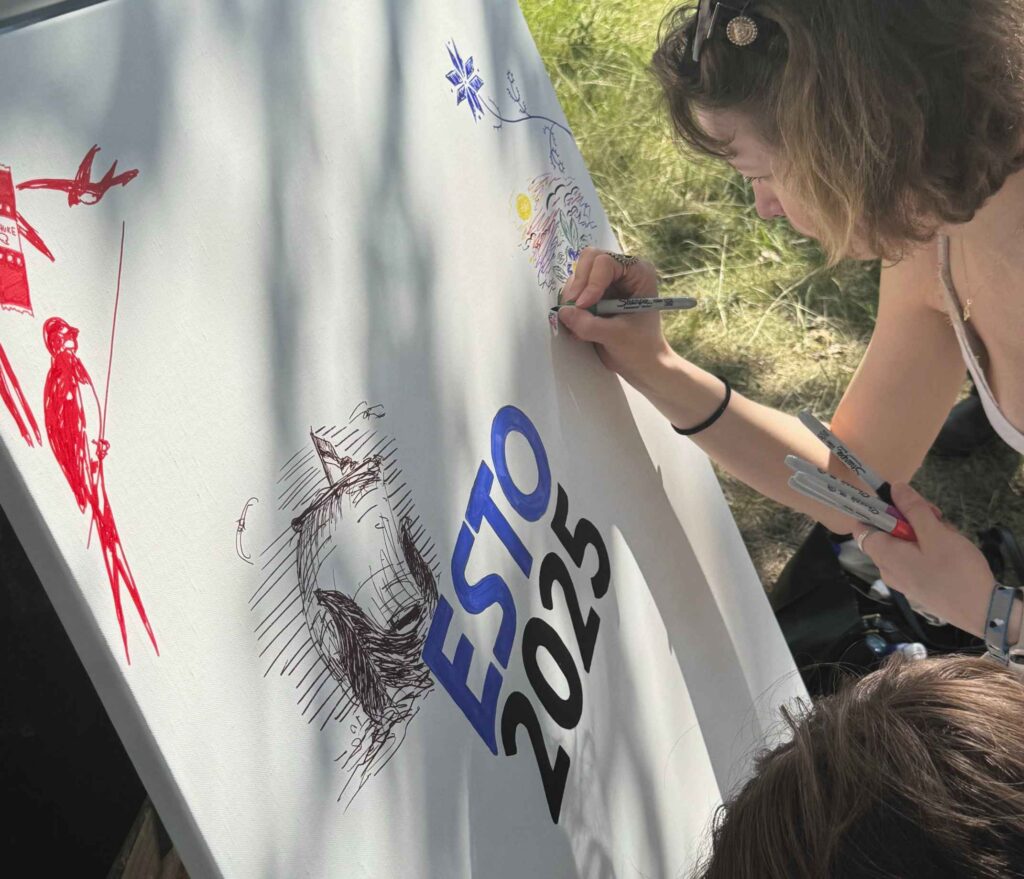
To me and other delegates, the lesson was highlighted by the inclusion of Narva in this year’s program. ESTO, having started as a festival keeping the Estonian spirit alive outside of occupied Estonia, now includes Estonians abroad, but also Estonians within who may speak a different mother tongue—Russian.
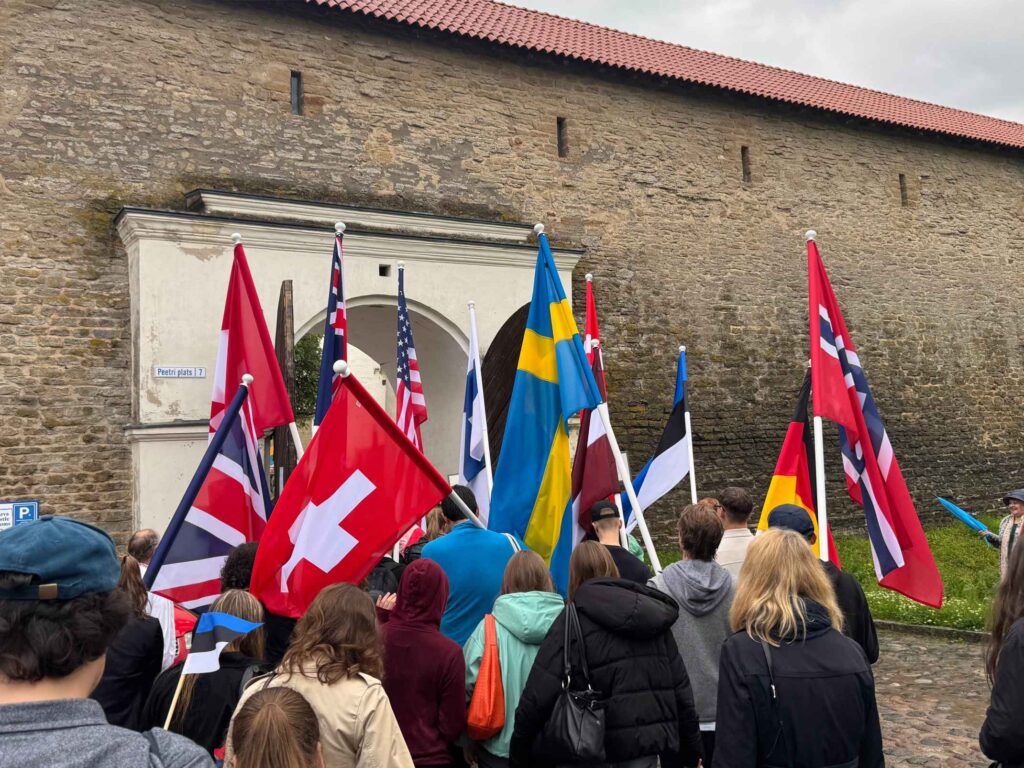
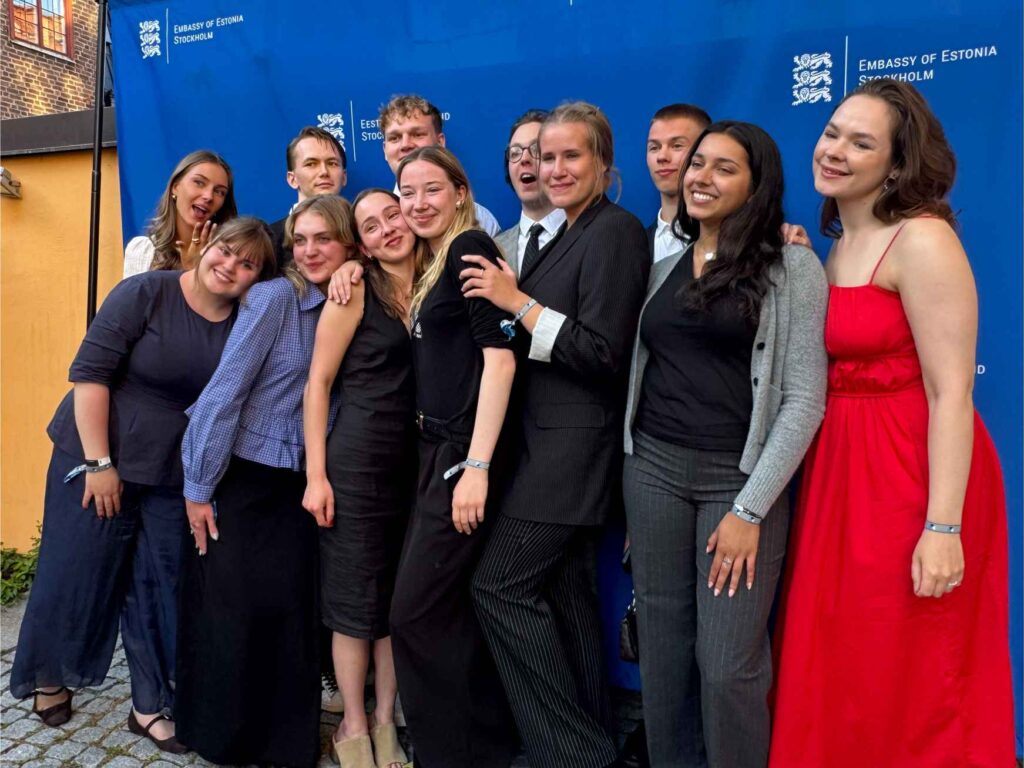
This year, youth delegates came from nine different countries: Estonia, Canada, the USA, Australia, Sweden, Germany, Belgium, Finland, Hungary, and Russia (Siberia specifically). As the Estonian foreign minister Margus Tsahkna stated, Estonians abroad make great Estonian diplomats. Without our input and work, Tsahkna added jokingly, it would be hard for the foreign ministry to do its job. I believe that, similarly, the participation of youth delegates who got to experience Narva in a new light led to forging new connections and respect, which is much more difficult to do when simply observing Narva from a distance.
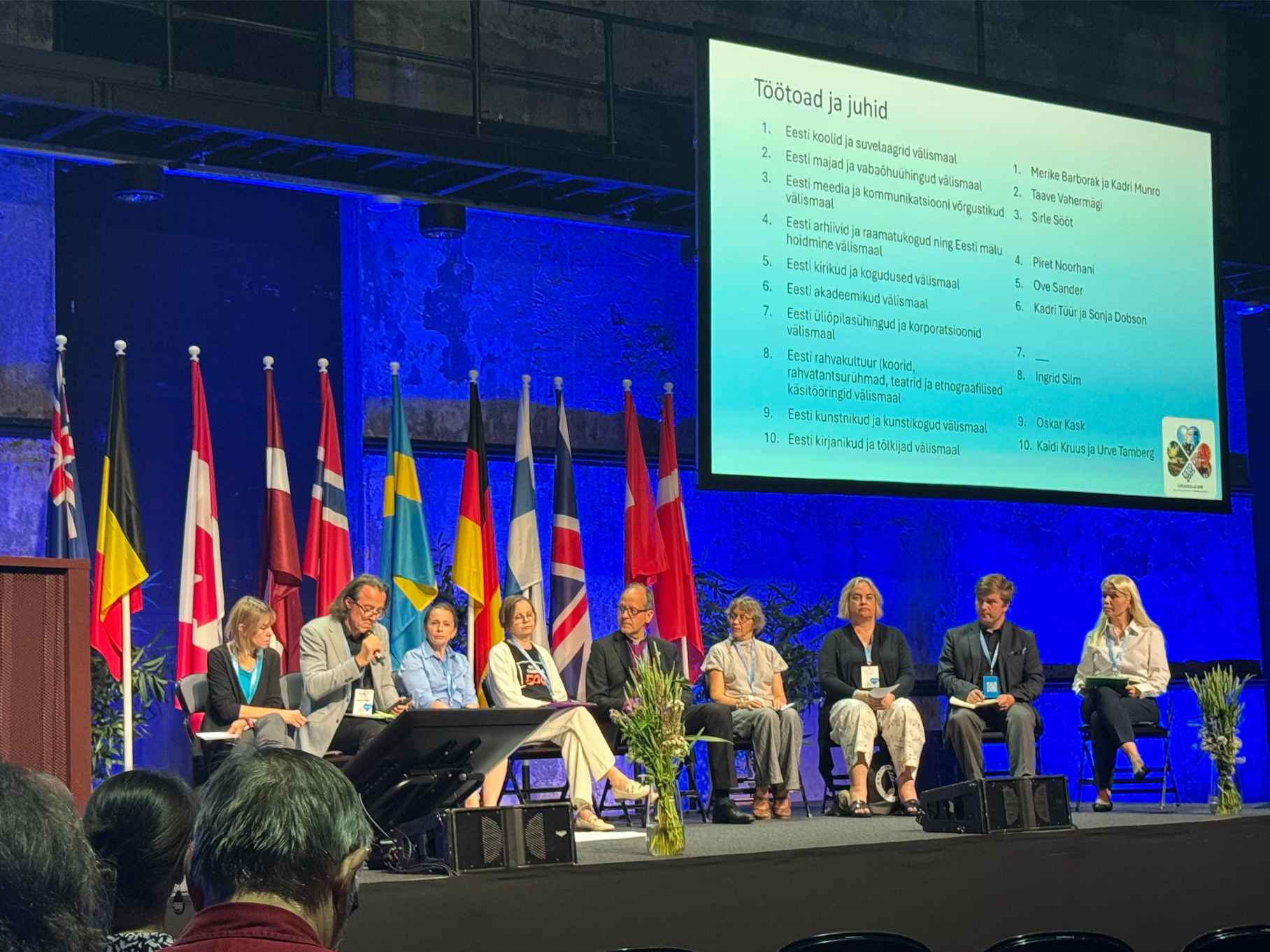
While the city is at the border between Russia and Europe, Narva was shown to us as more than just a “Russian city” in Estonia. Narva is Estonia. Youth delegates had the privilege to dive deeper into Narva’s education system and politics, discussing multilingualism, the future and opportunities of Ida-Viru County, and learning about the city’s contested history. These conversations did not stay inside conference halls but were carried along with the festival as nine of our youth delegates were local residents. These girls became our Estonian diplomats from within Estonia, actualizing the educational experience of attending Estonian-language schools in Narva, a city where only 2% of the population identify their native tongue as Estonian.
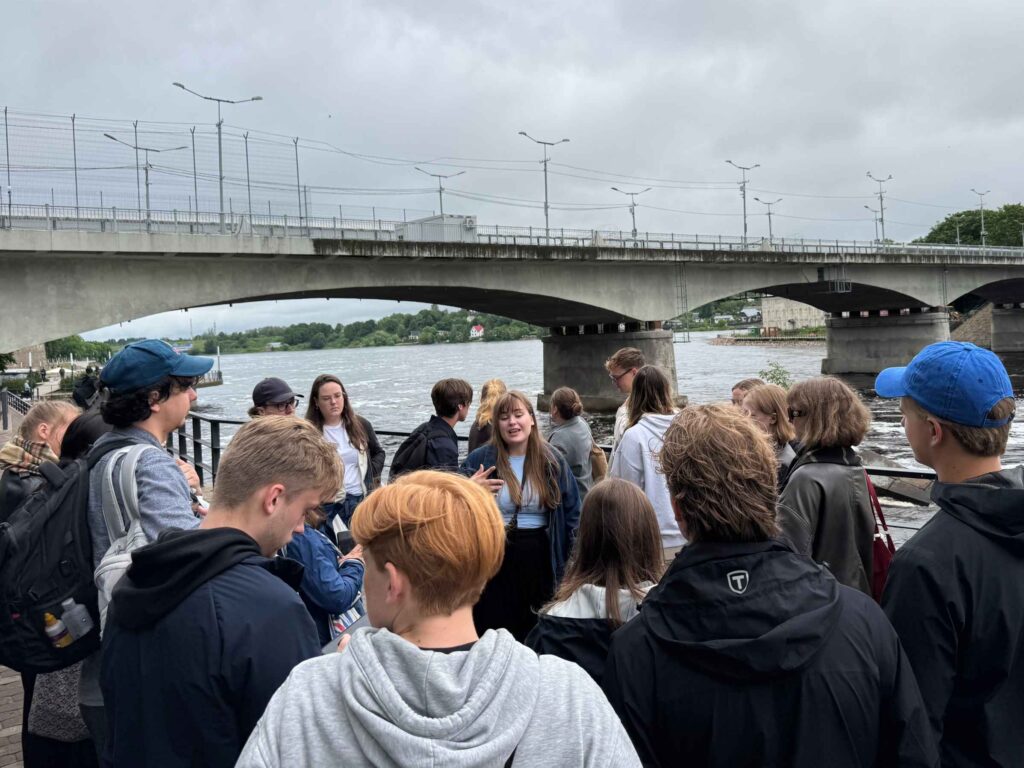
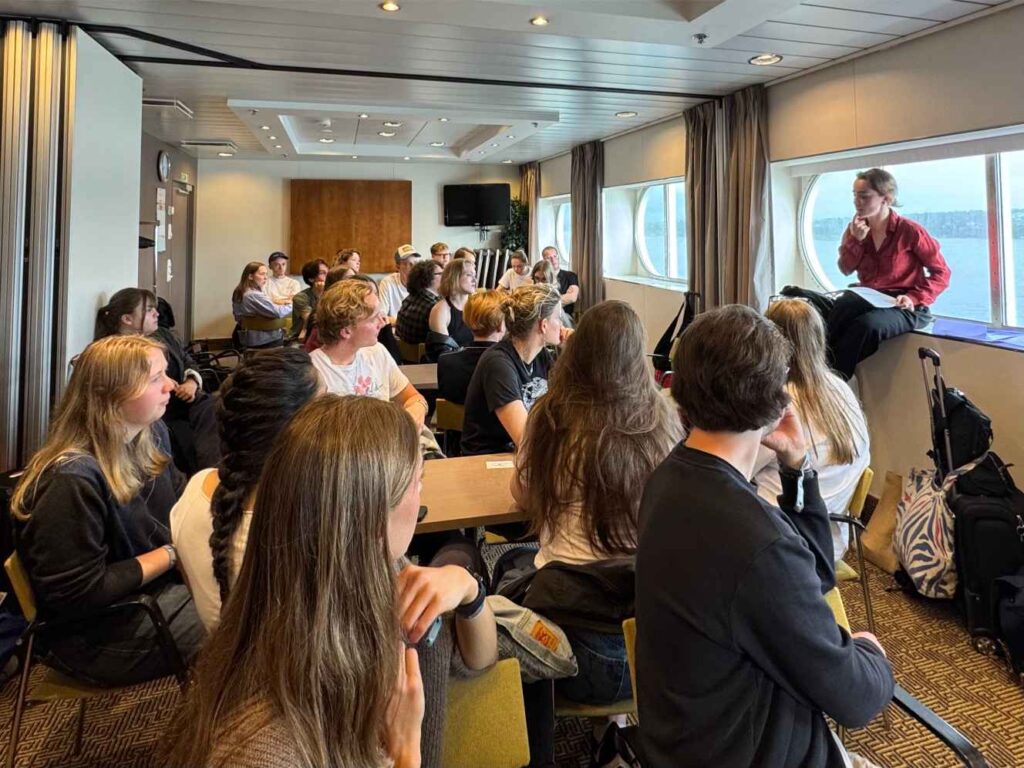
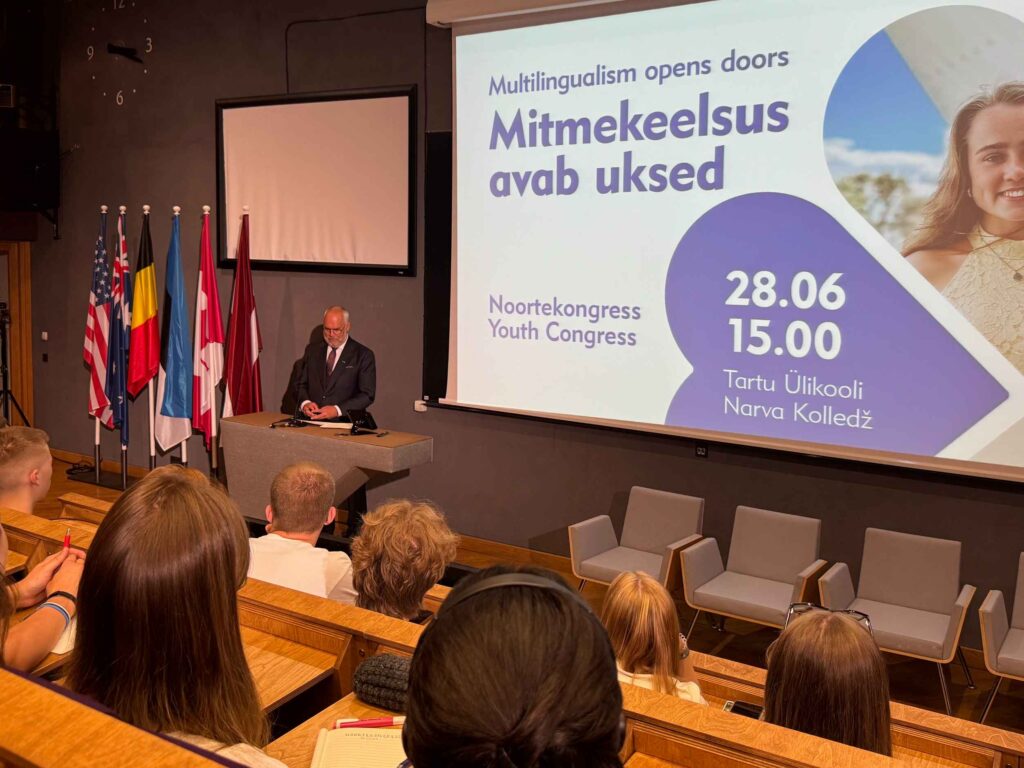
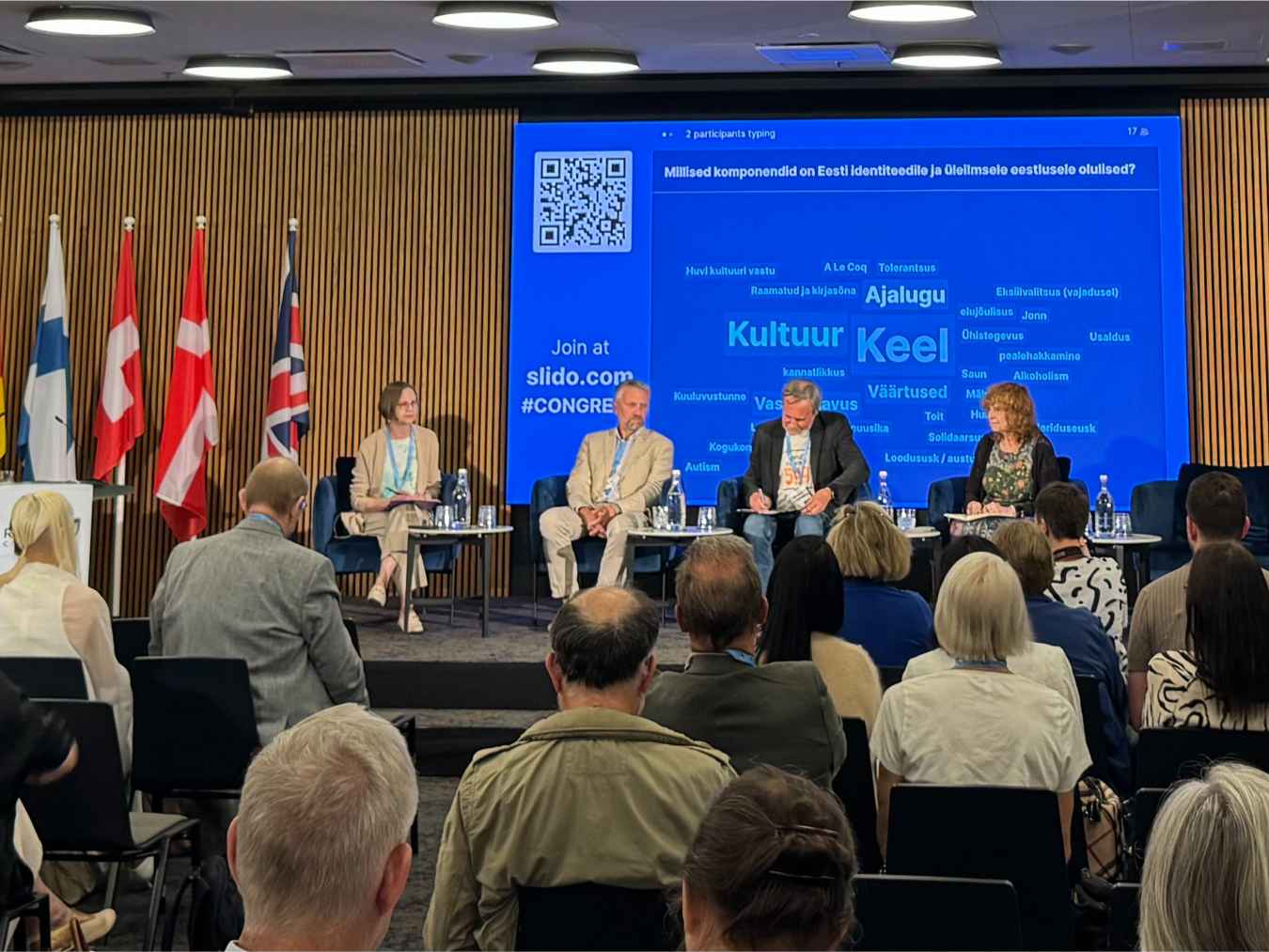
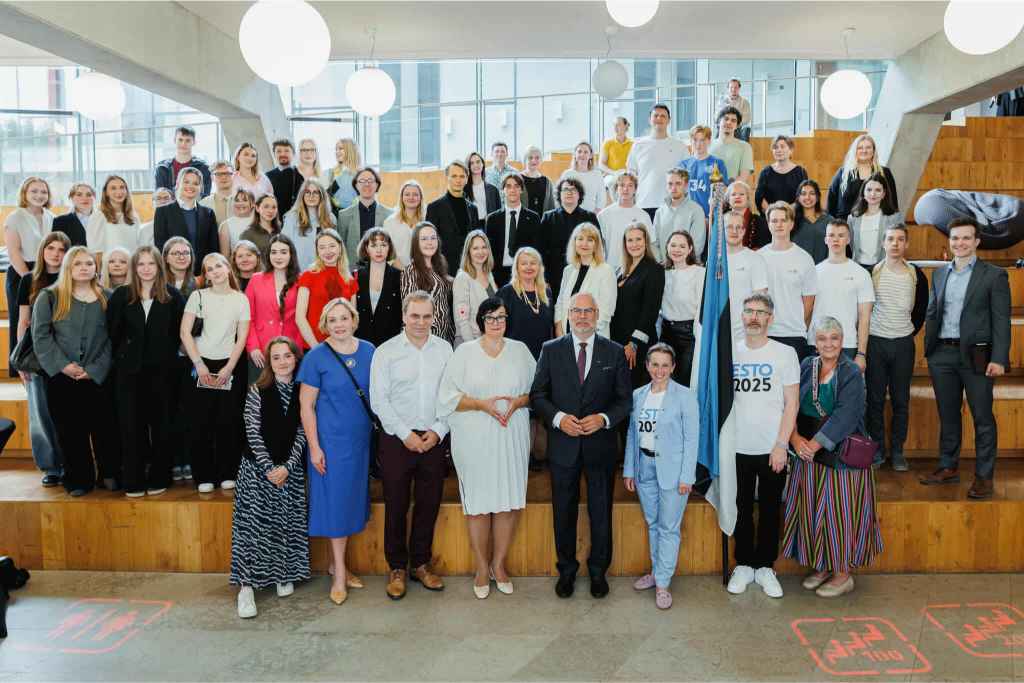
Our experiences as youth delegates may be easier to understand through highlighting our participation in the festival schedule. Followed by a notably beautiful and emotional song festival in Skansen, Stockholm, the MS Baltic cruise ship, accompanied by the melodies of Koit Toome, brought us to Tallinn, where buses took us straight to Narva College. There, delegates met President Alar Karis, who opened the ESTO Youth Congress with a speech titled “Multilingualism Opens Doors.” At the congress, youth delegates learned how multilingualism is beneficial for Estonia, as democracies need a common mode of communication. It creates job and educational opportunities, widens one’s cultural space, and is additionally beneficial for cognitive functioning. We debunked myths, such as that speaking one language hinders the development of another, and discussed how Russians learning Estonian vitally need more encouragement and less criticism. This is beautifully encapsulated in Narva College’s motto, which states that everyone has the right to speak Estonian loudly and wrongly.
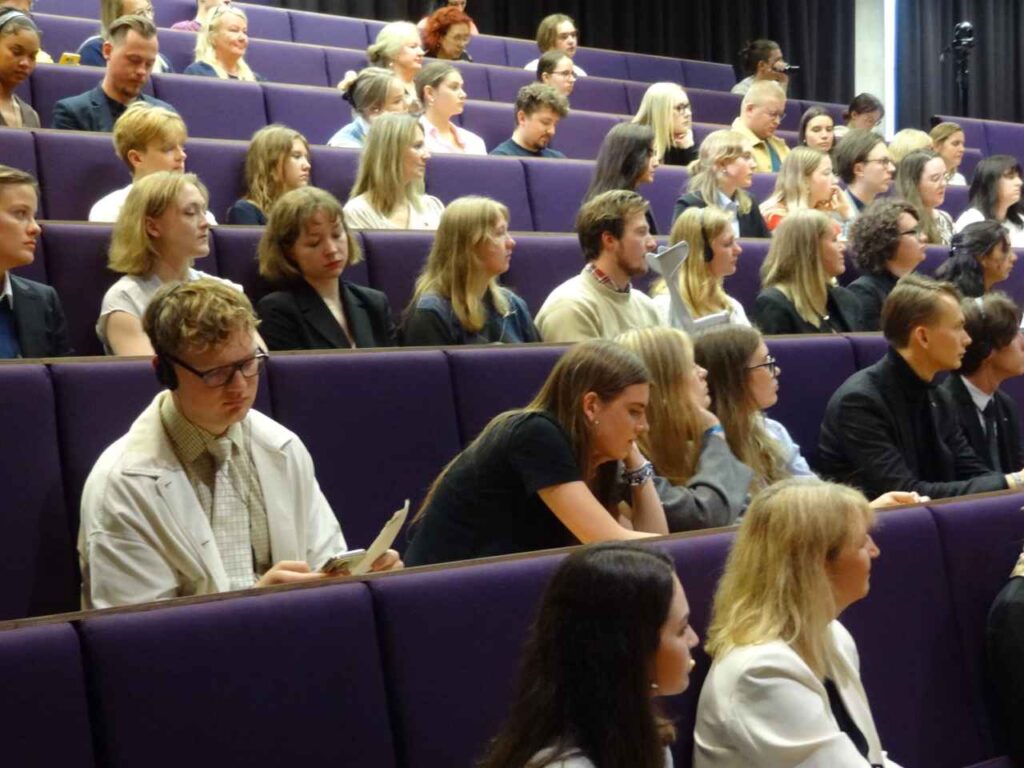
After the congress, the youth delegates got to take part in the opening parade of Narva City Days with our flags, followed by a concert by Ivo Linna & Supernova. The festivities were then taken to Vabalava, where ESTO participants saw the play Narva – The City We Lost followed by a Secret Saloon night. The play discussed the contested history of Narva, and the periods before, during, and after 1944. Parallels were drawn between Narva’s history and Mariupol in Ukraine with its rapid influx of Russian citizens.
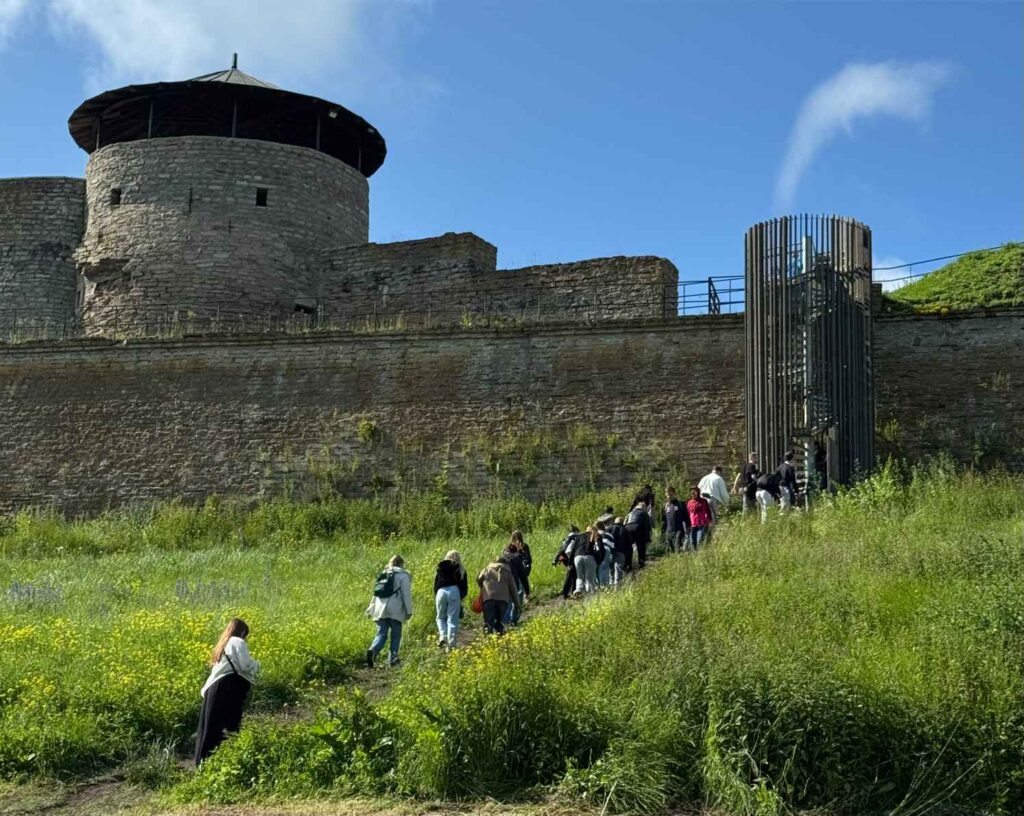
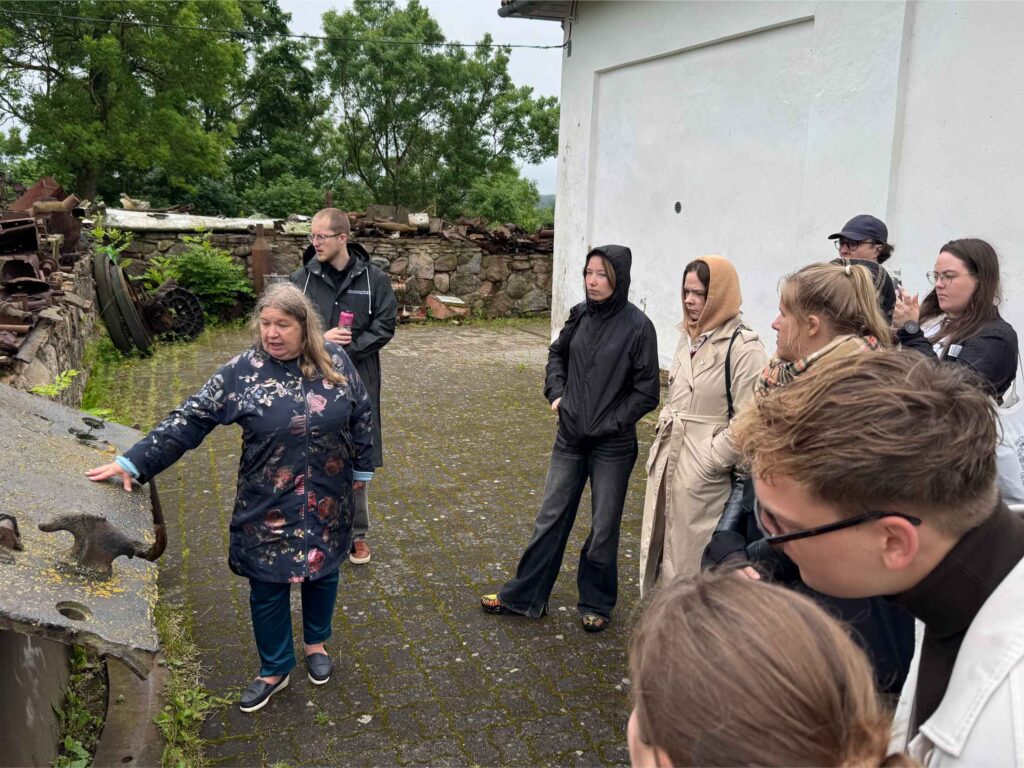
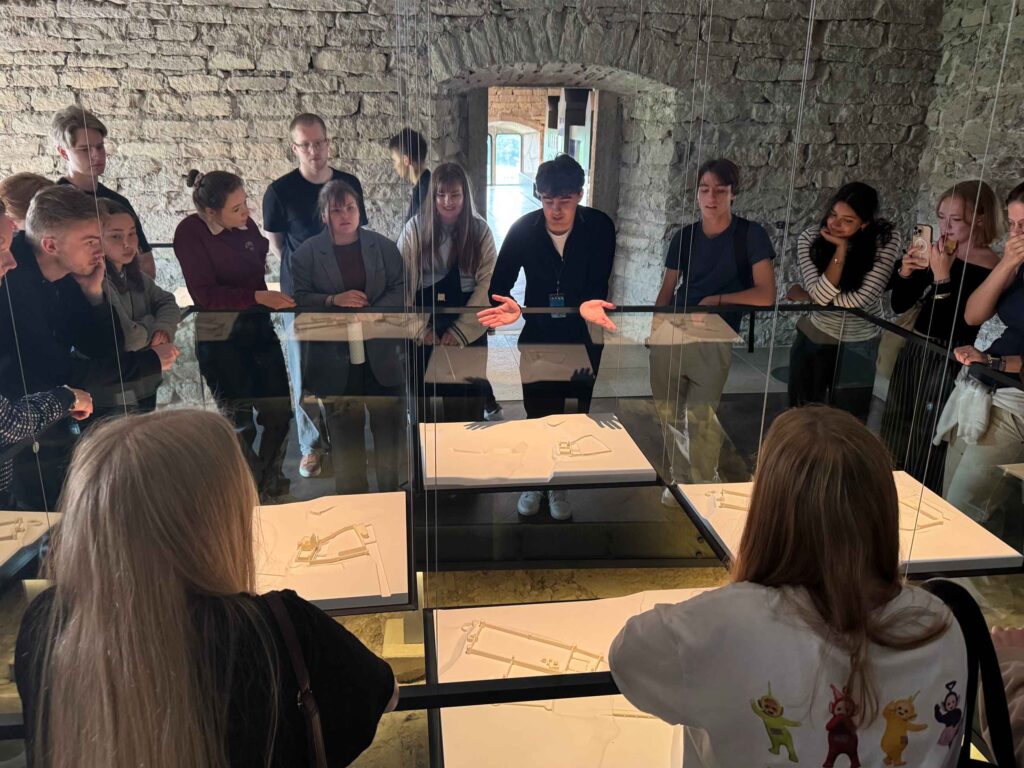
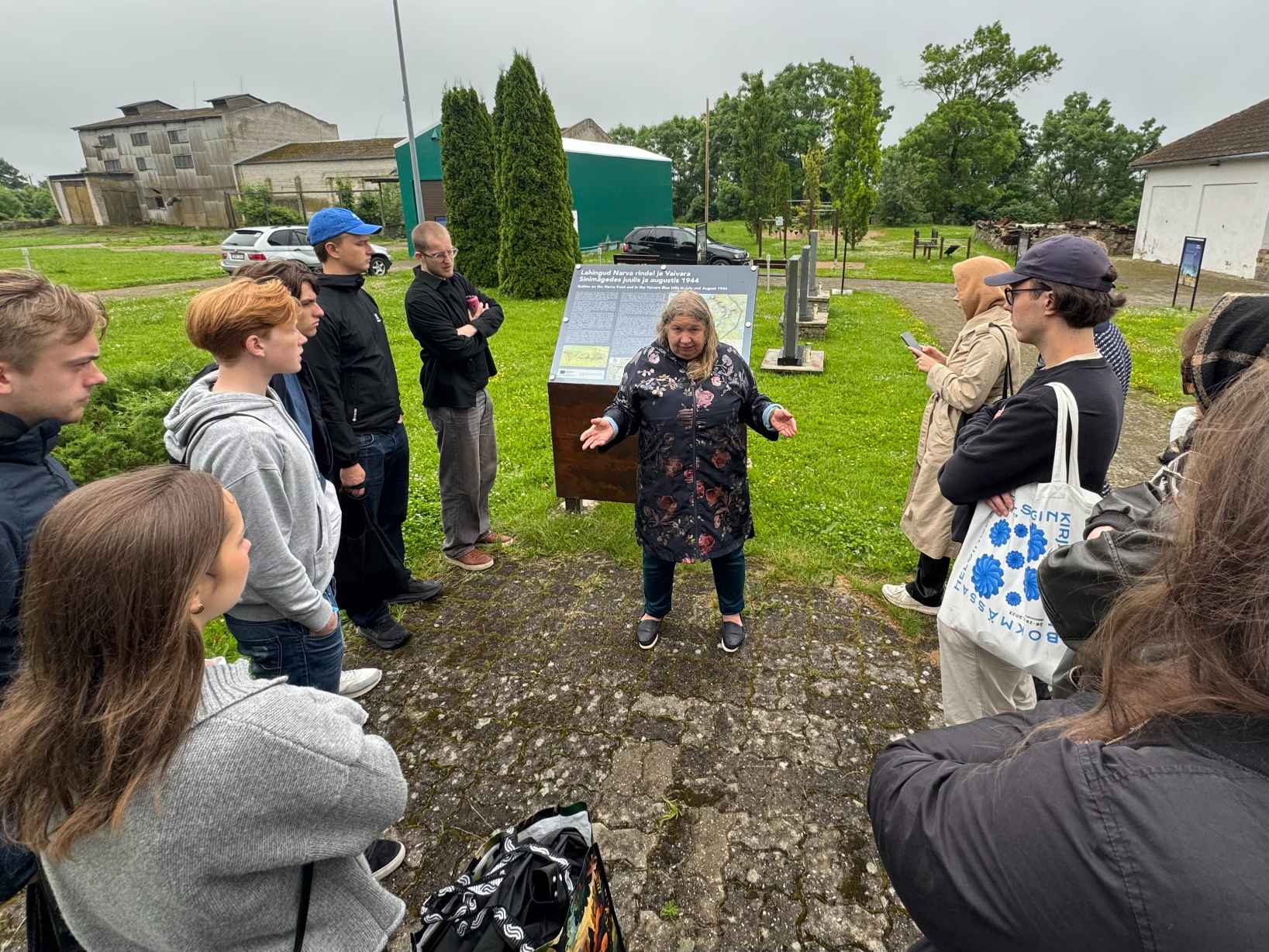
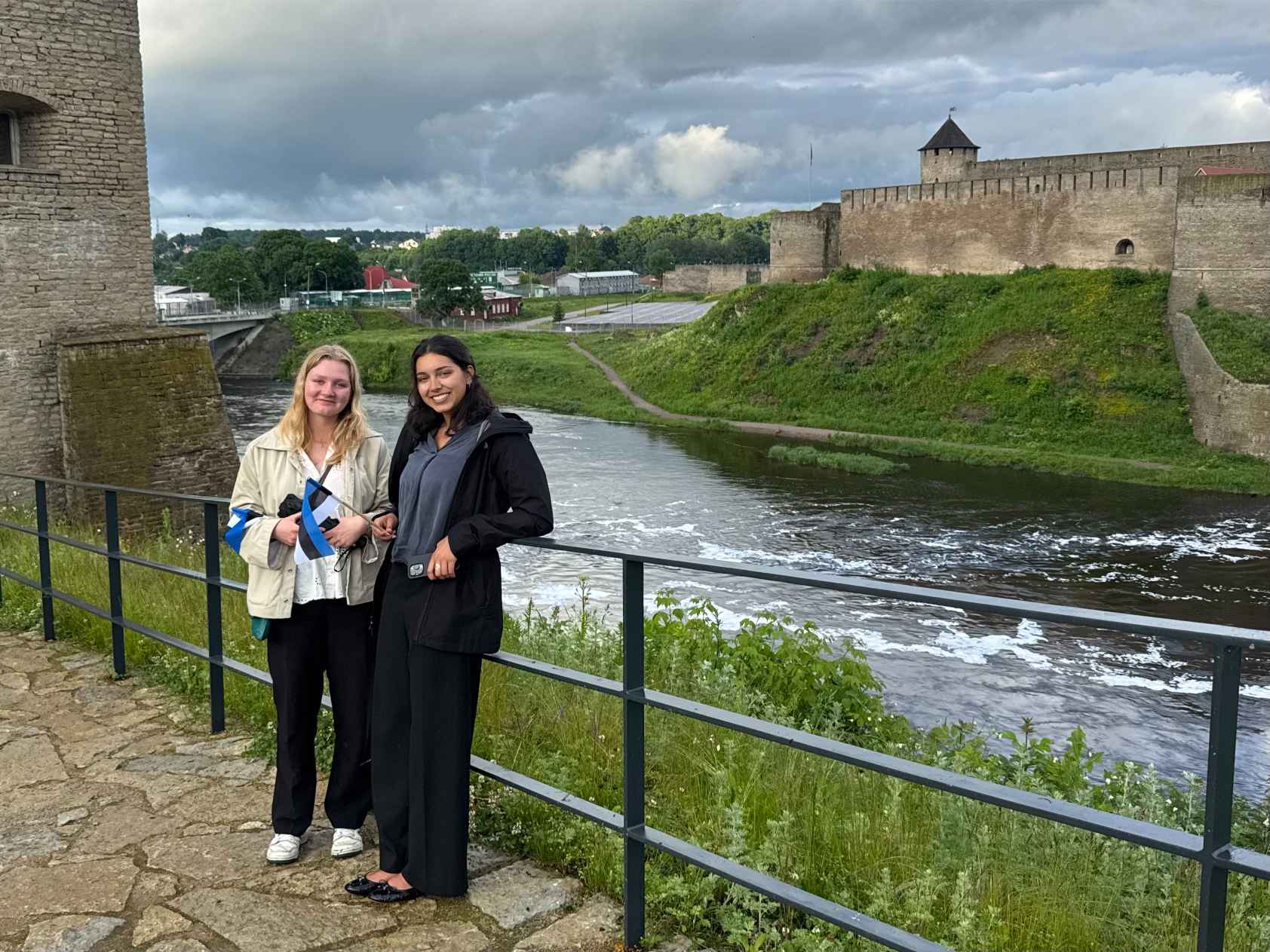
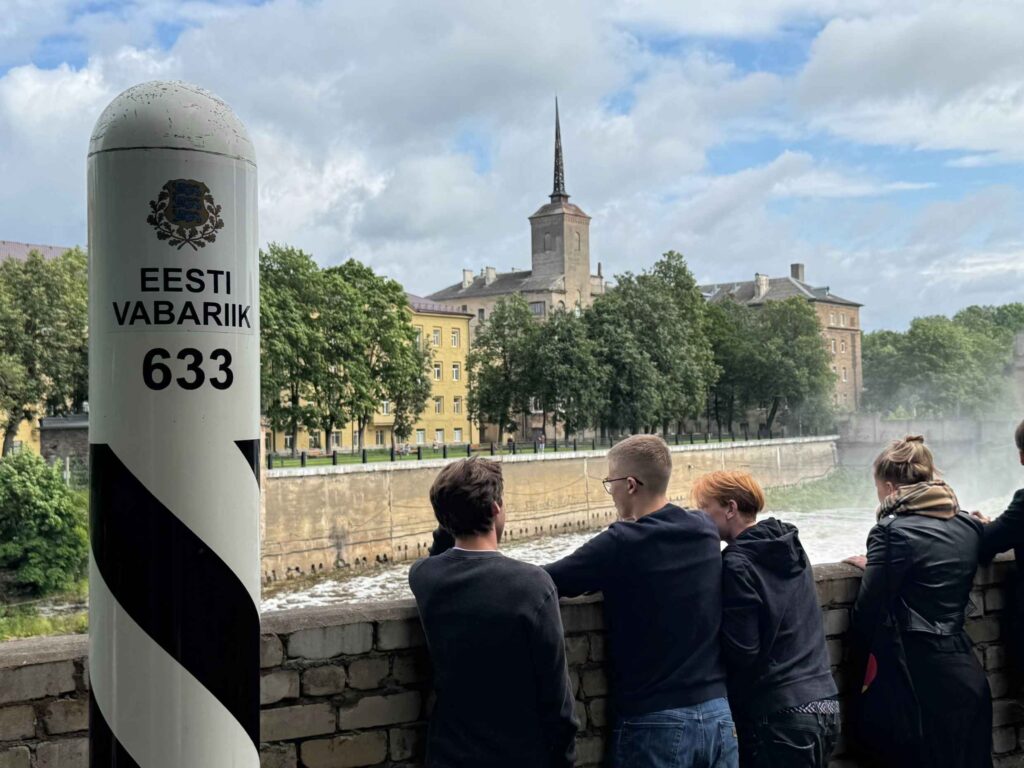
Early next morning, youth delegates got a tour of the Vaivara Sinimäed (Blue Hills) museum. Through personal anecdotes and historical references, our guide engaged us to learn about modes of Russian propaganda in Narva. In the afternoon, walking near the Estonian-Russian border and touring the Narva Castle museum, we had moments to reflect on the muddied legacy of Narva while gazing at the opposing Russian castle in Ivangorod.
Following another educational visit to the Narva bastion passages, youth delegates gathered at the harbour to warmly welcome the XXVIII Song Festival flame. The flame was carried to the Narva Castle, where “ESTO Song”, a singing and folk festival, took place. Youth delegates, alongside other ESTO participants, got to witness (and sing along with for some of us) the hundreds of choir singers and musicians who affirmed Estonian solidarity directly across from the Ivangorod fortress. While taking in the atmosphere of the Narva castle courtyard and songs such as “Mu isamaa on minu arm” and “Ta lendab mesipuu poole,” one could see swallows flying around and tending to their nests. The symbolism of the event was not lost on us youth delegates.
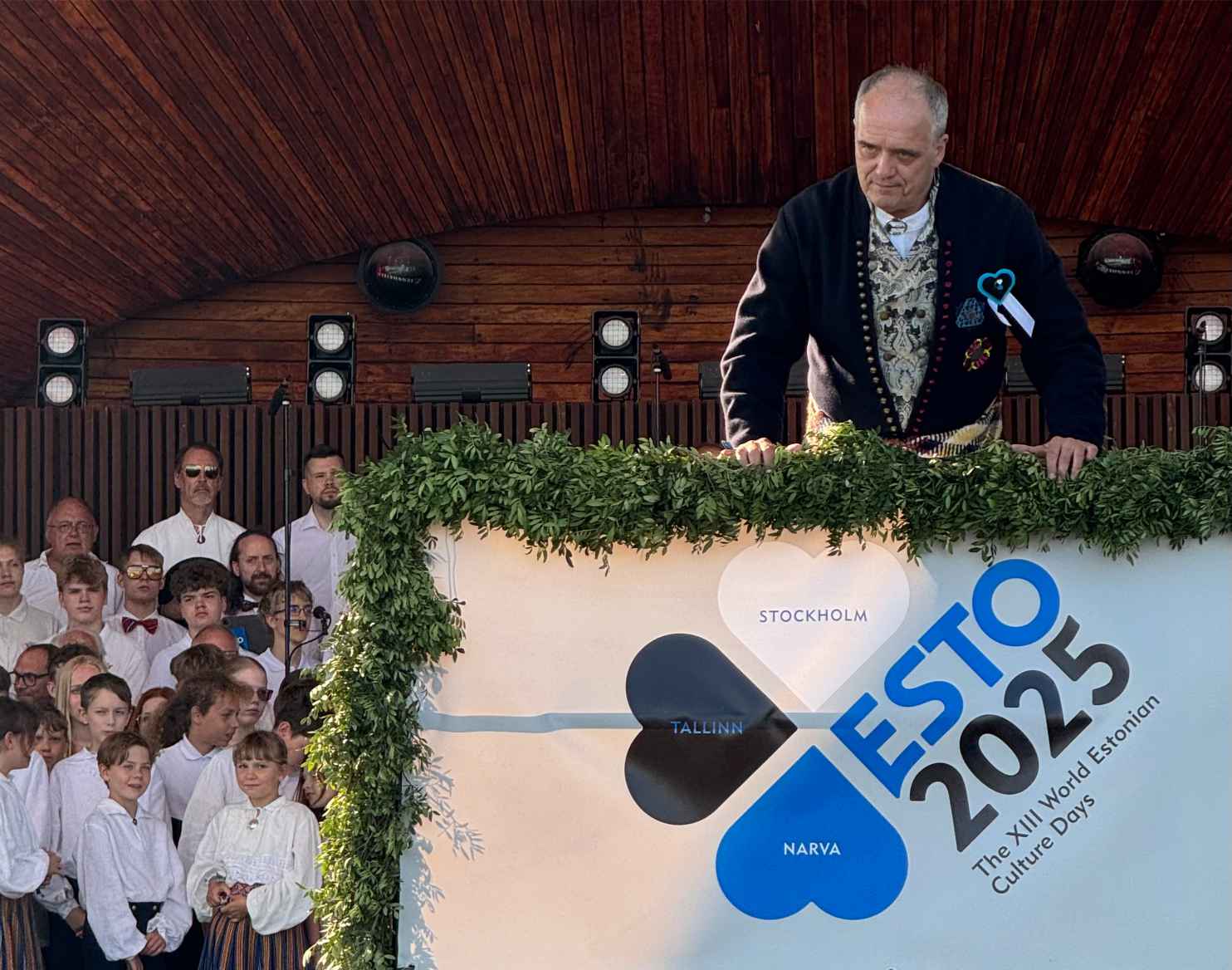
Photo gallery
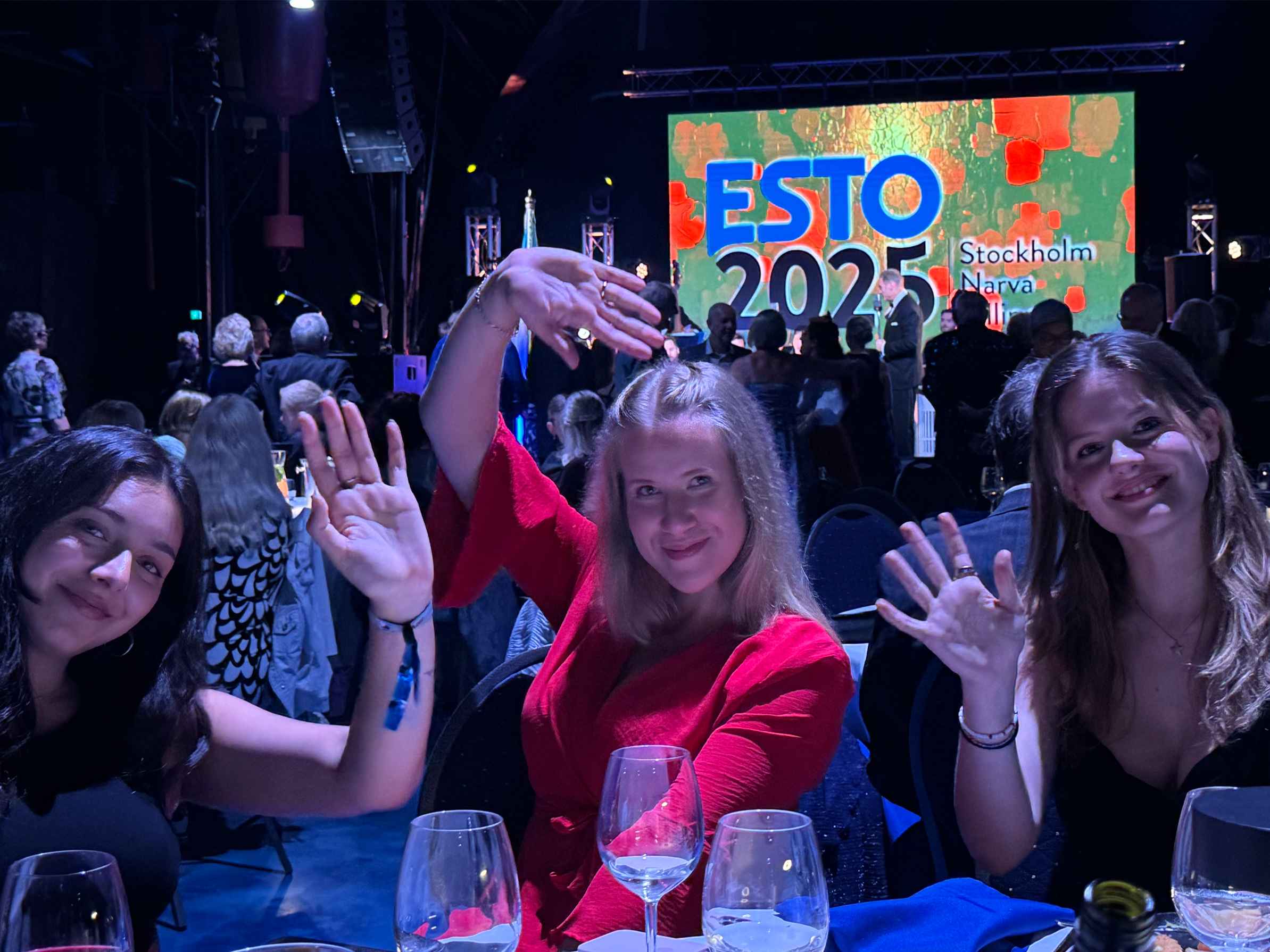
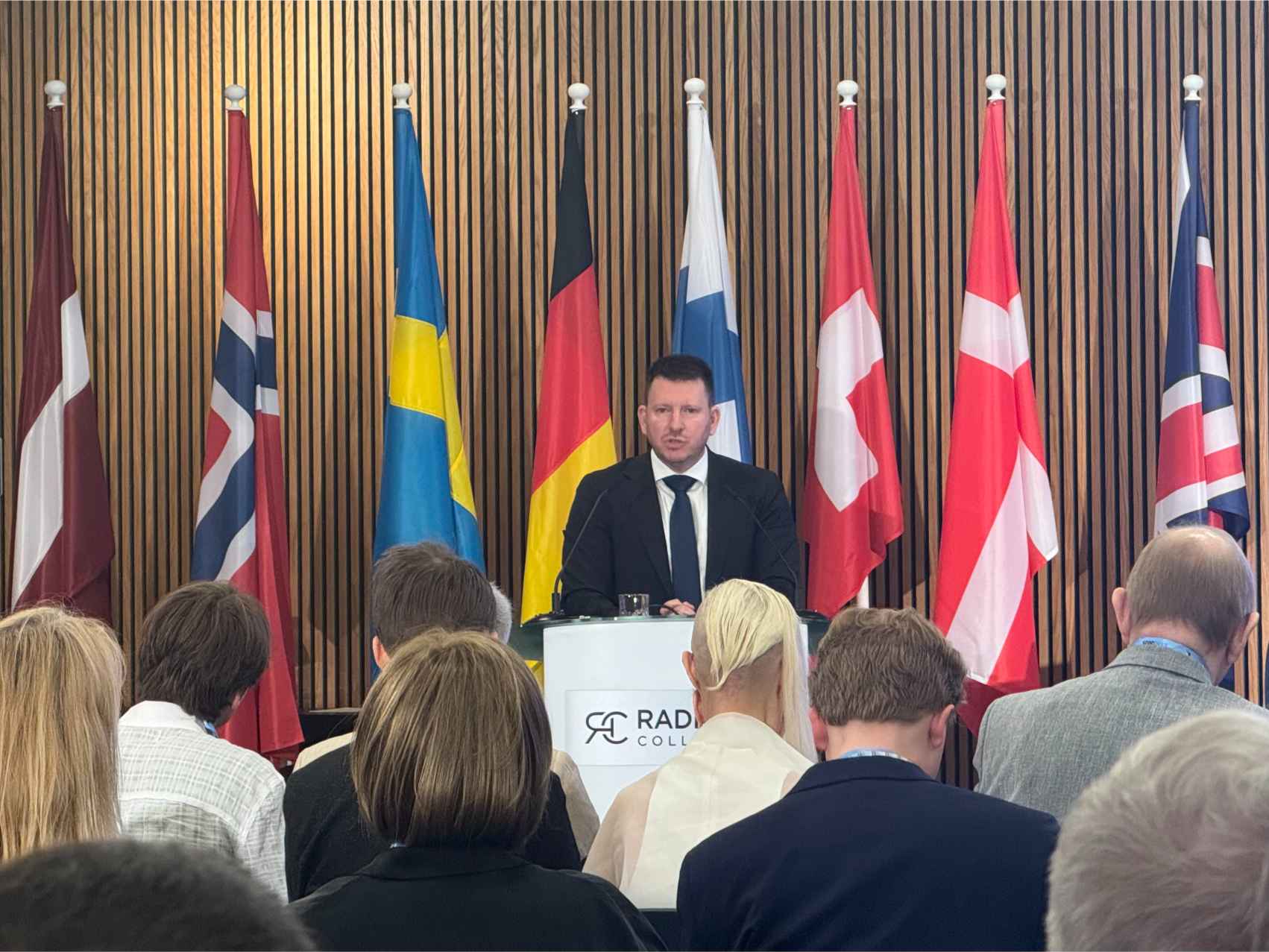
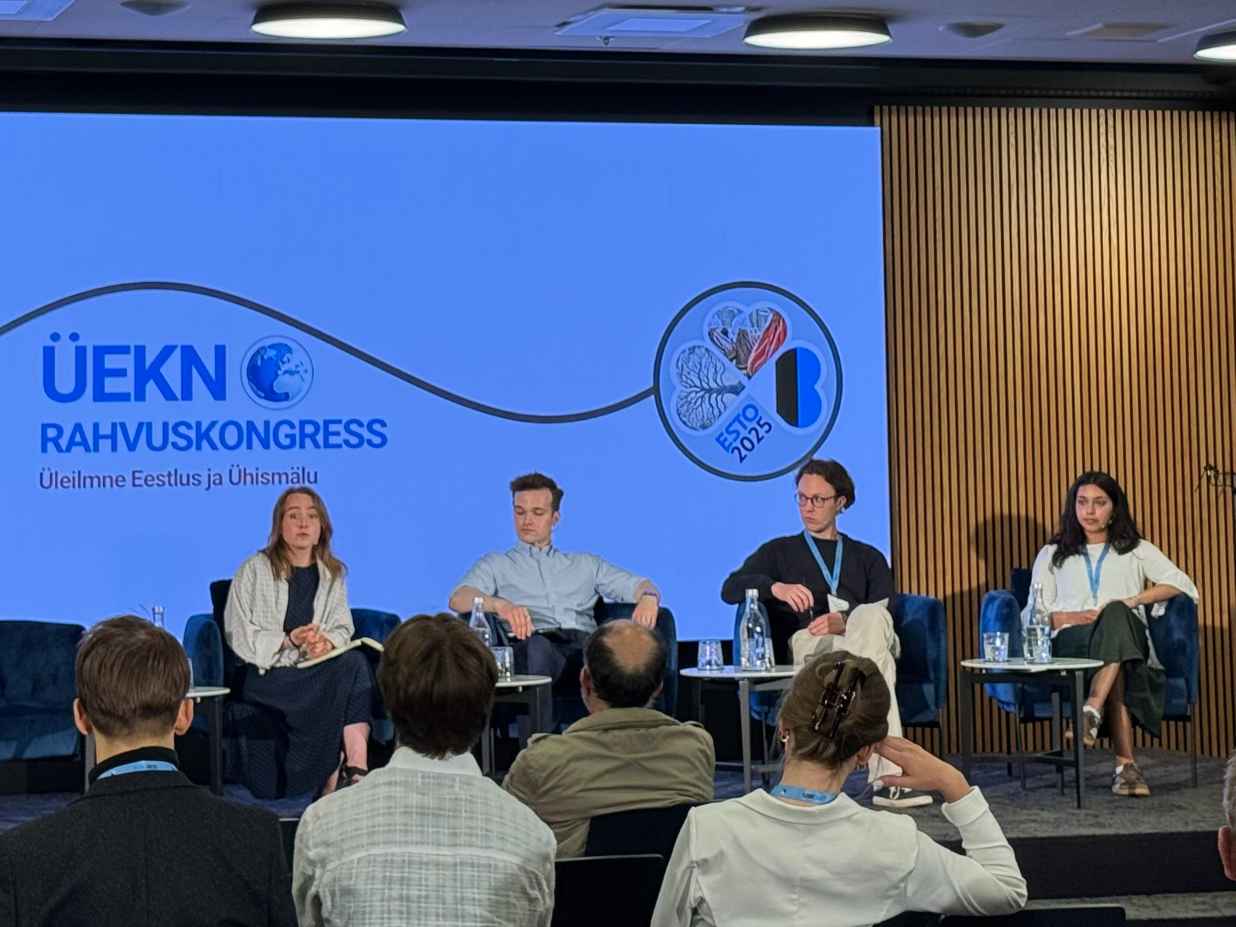
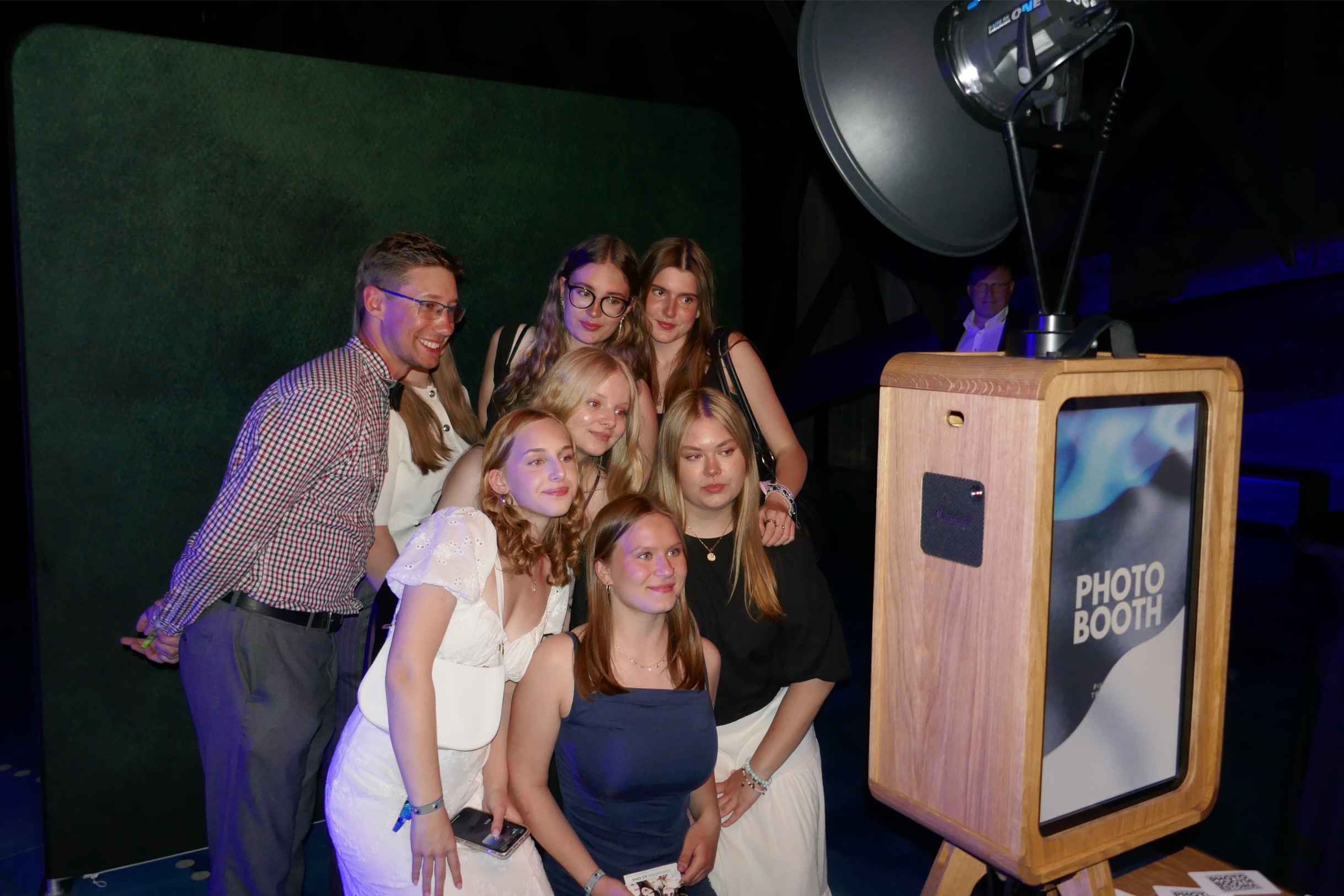
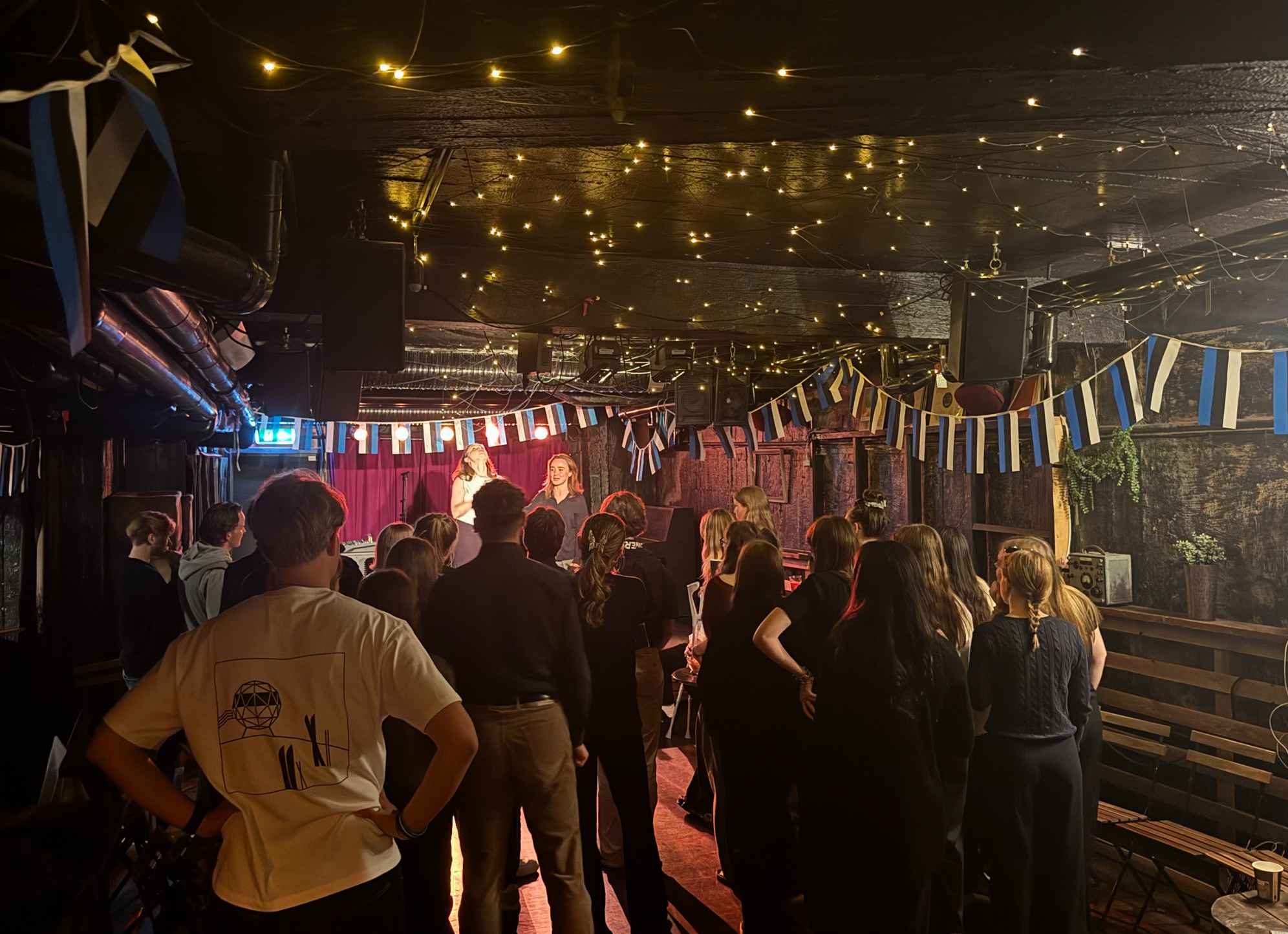
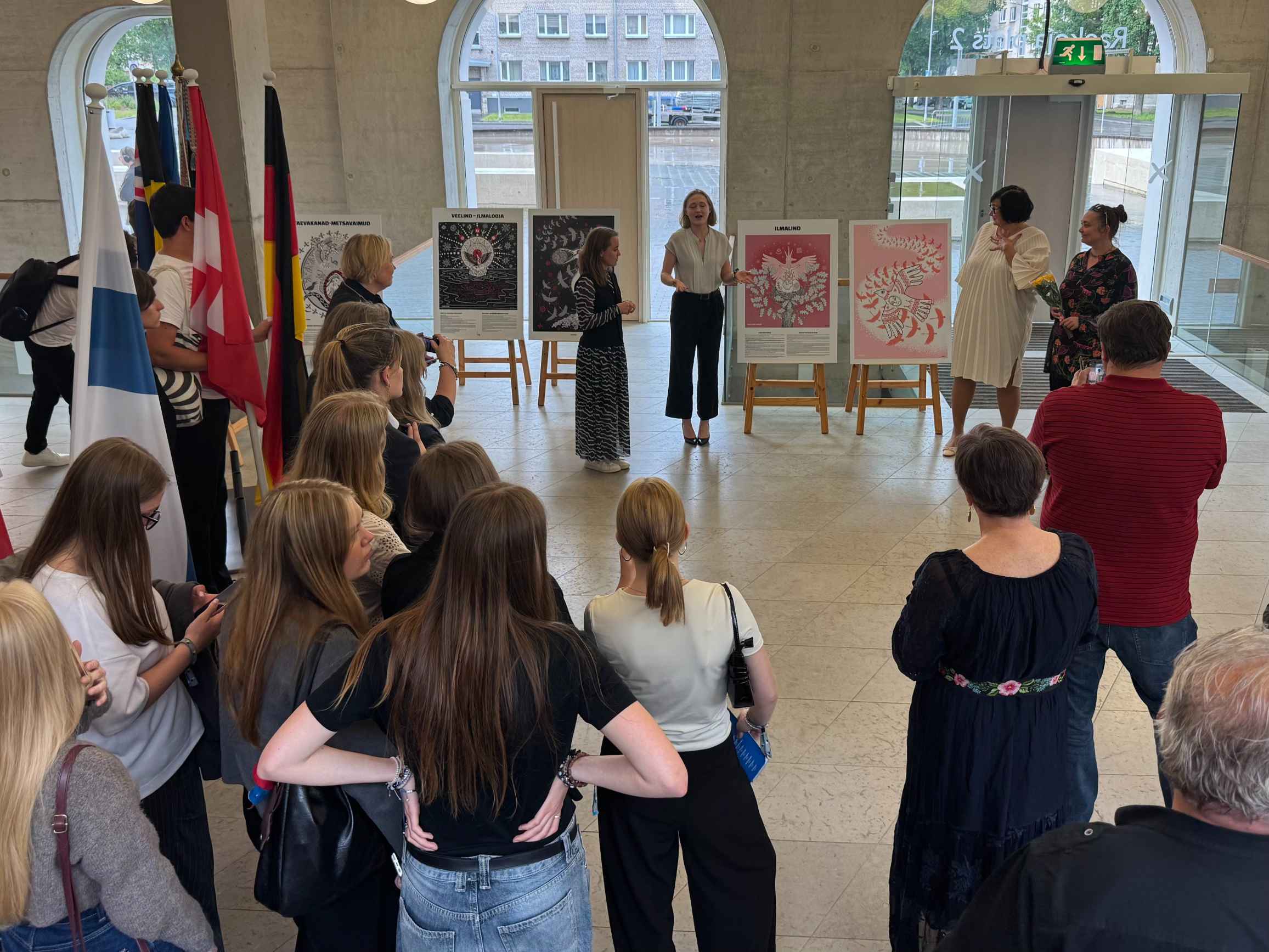
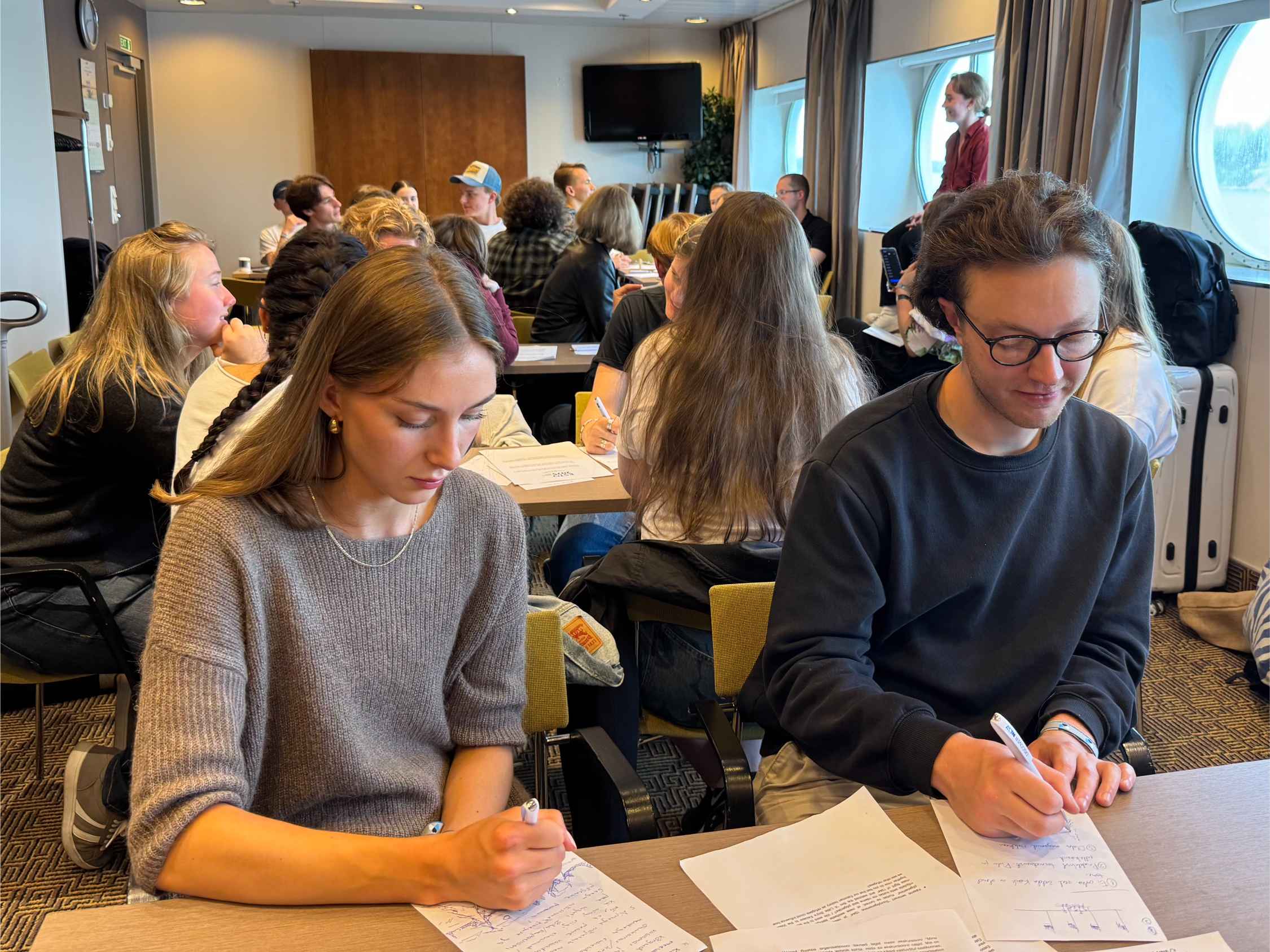
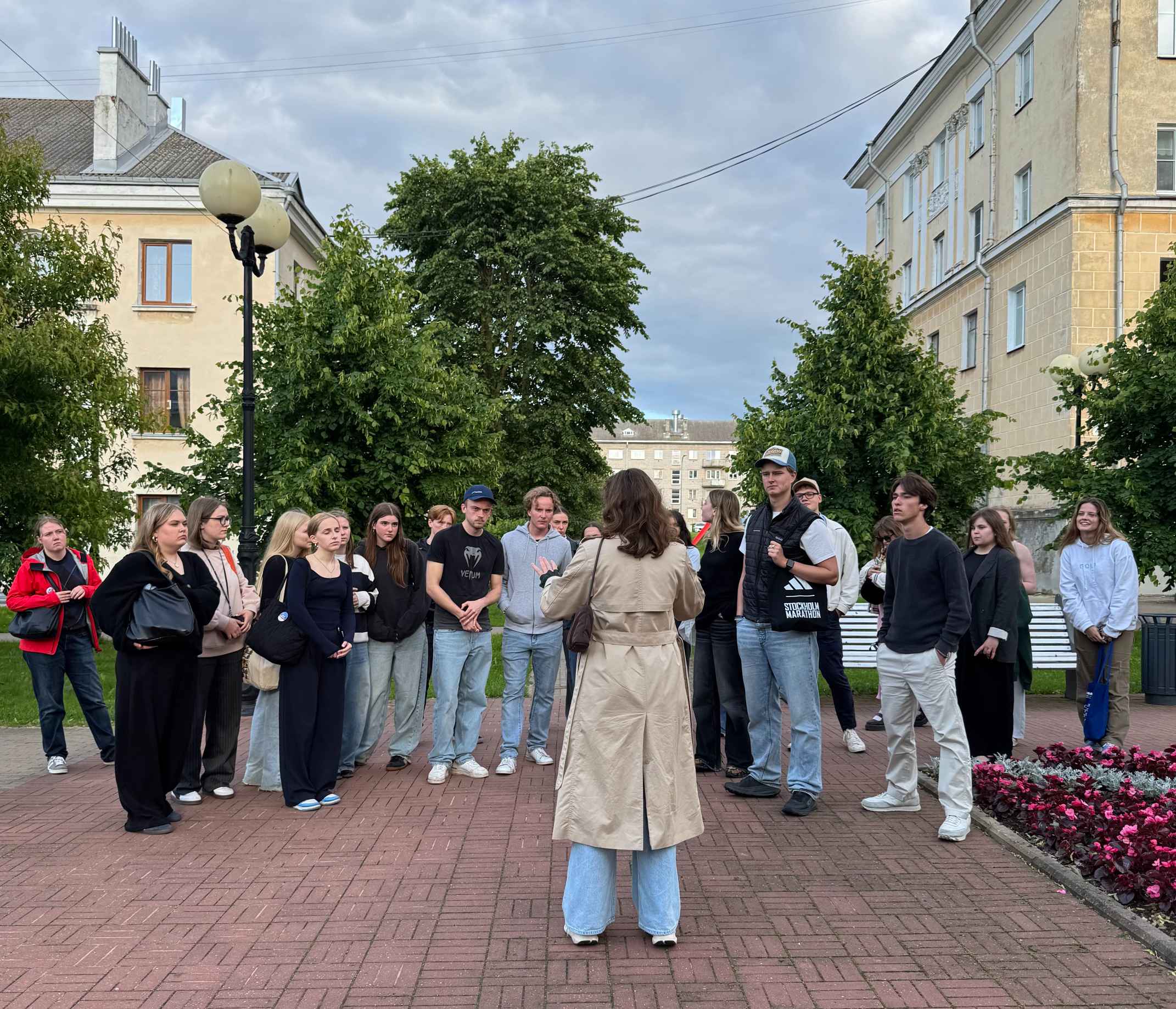
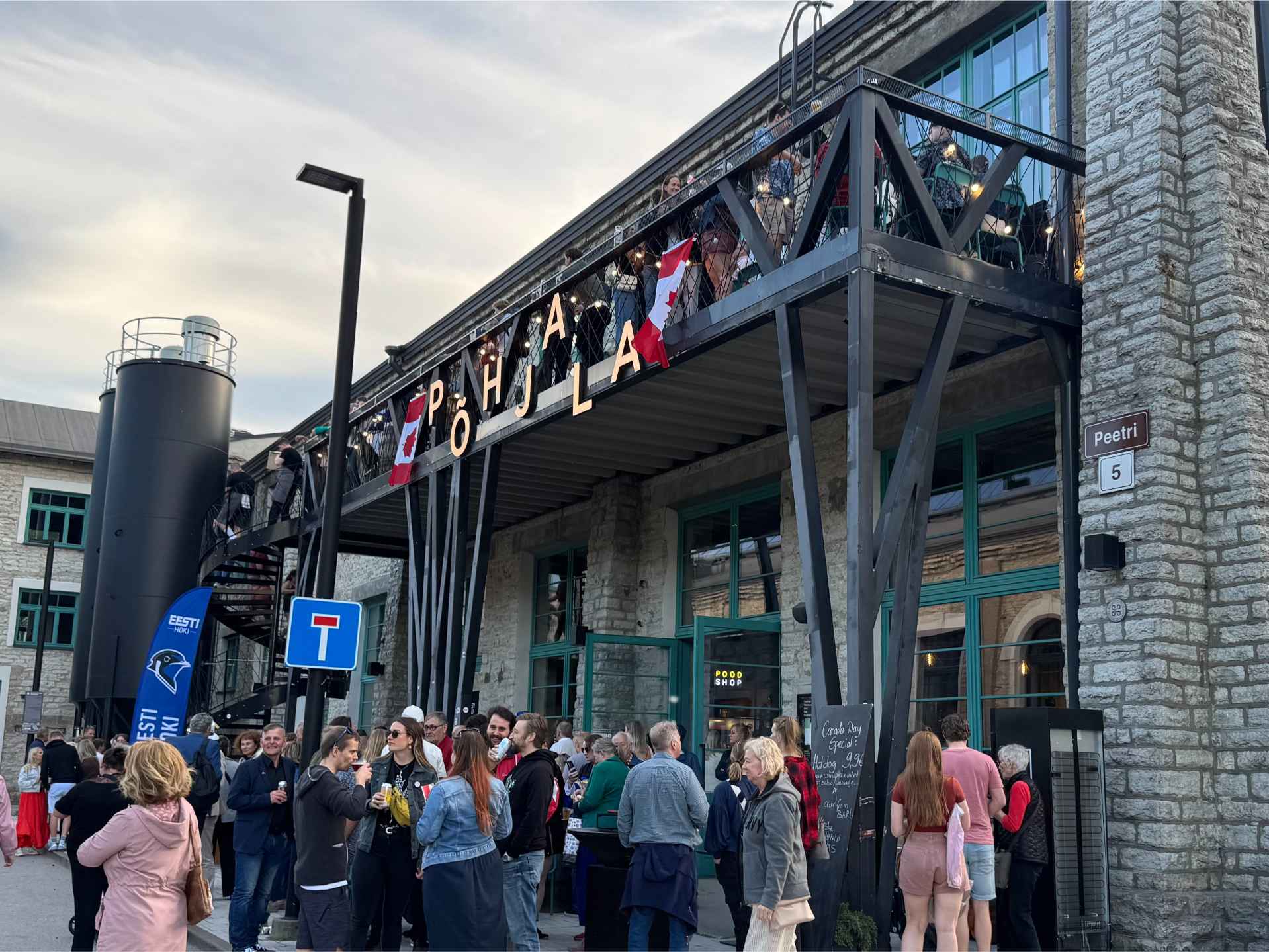
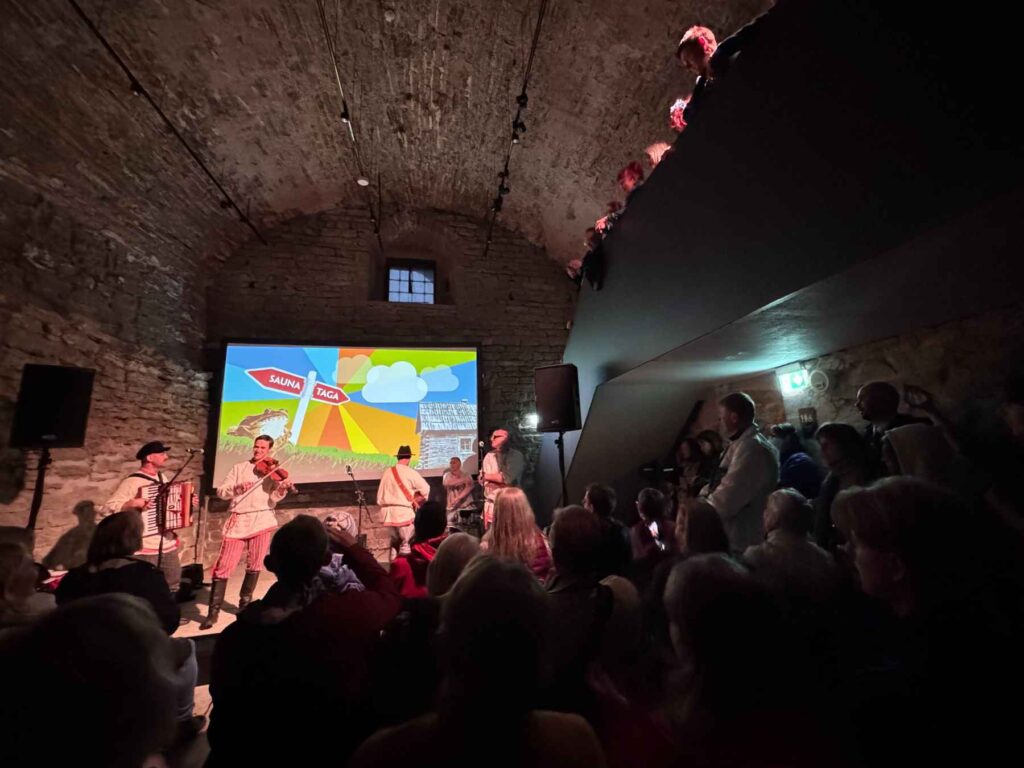
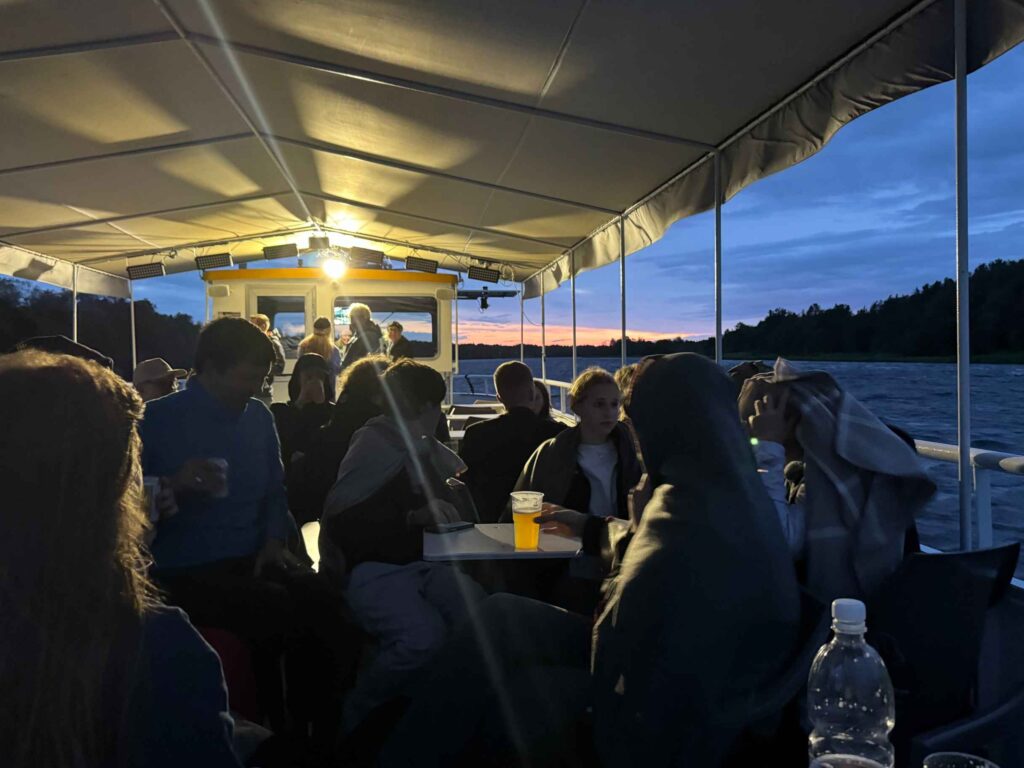
Afterwards, multiple contemporary folk artists performed, including performances by Naised Köögis, SweedEst Song, and Zetod. Some highlights of the evening included moments where torrential rain didn’t stop Naised Köögis from putting on a wonderful set as youth delegates danced in the background. Getting to our hotel afterwards was also memorable: delegates took a ferry from Narva to Narva-Jõesuu, sailing along the Narva river. As we were enjoying the midsummer dusk by dancing and singing, the boat carefully navigated the Estonia-Russia border as Russian drones monitored us closely.
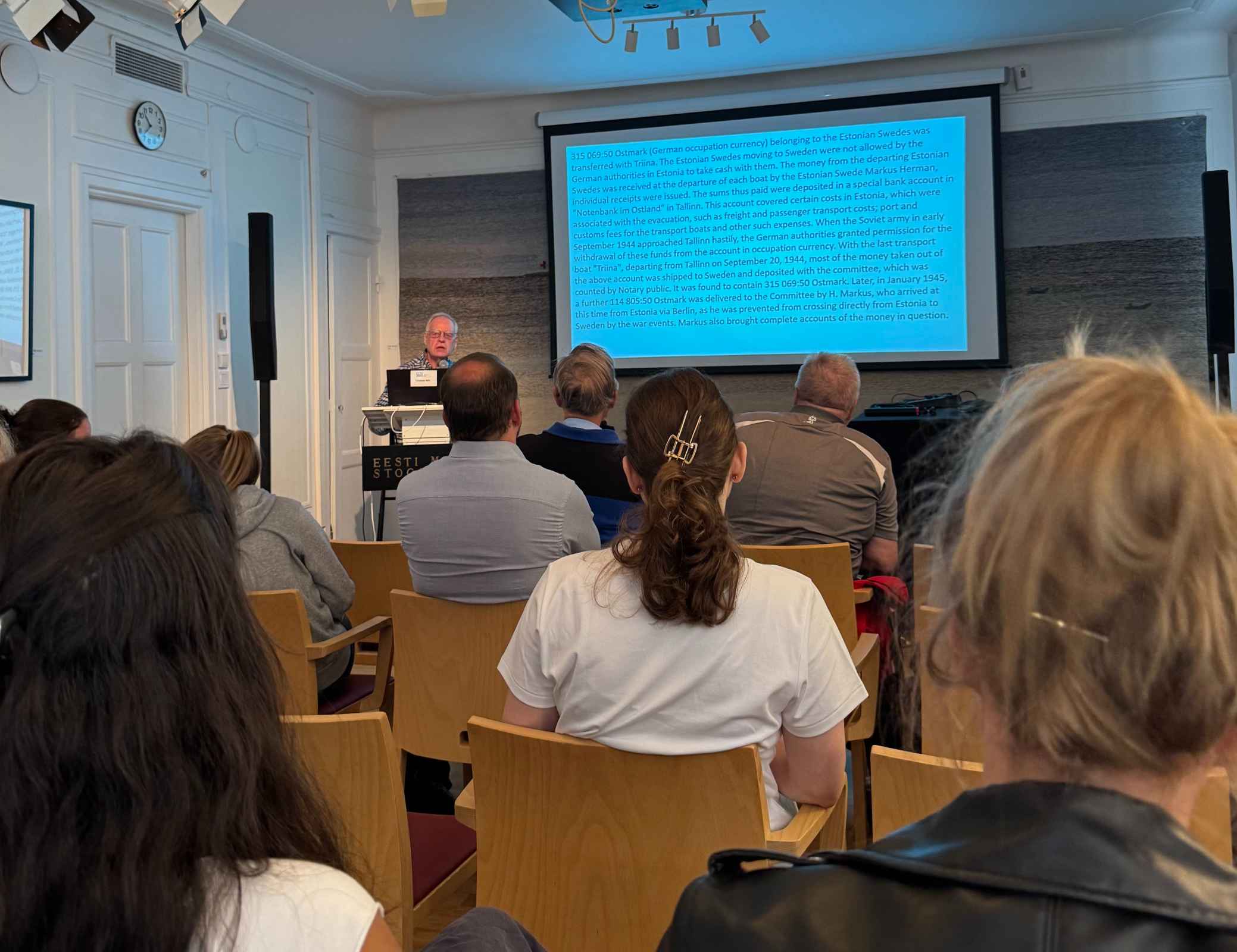
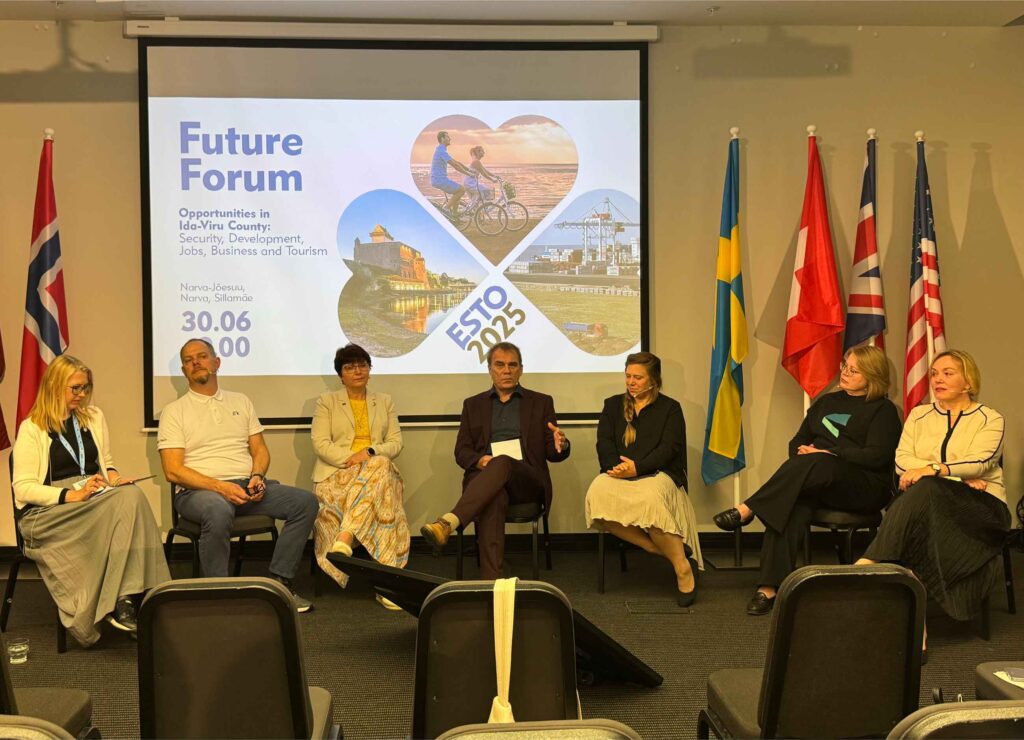
Our final day in Narva was also eventful. While my summer in Estonia prior to the festival had included long talks with friends on the threat of Russian aggression, the ESTO festival and the Future Forum “Opportunities in Ida-Viru County” made sure to answer some of our questions and fears over the future. Not only did we learn from industry professionals about Estonian defence, but some youth delegates also visited the Estonian Academy of Security Sciences where they got to tour the Narva campus alongside learning about the efficiency and presence of Estonian homeland security there. Youth delegates also heard from the mayor of Narva-Jõesuu about the worries on the population demographics in the region, such as unemployment rates and unequal gender distribution, but also on the plans and current affairs of growing business, tourism, and industrial opportunities in Ida-Viru County.
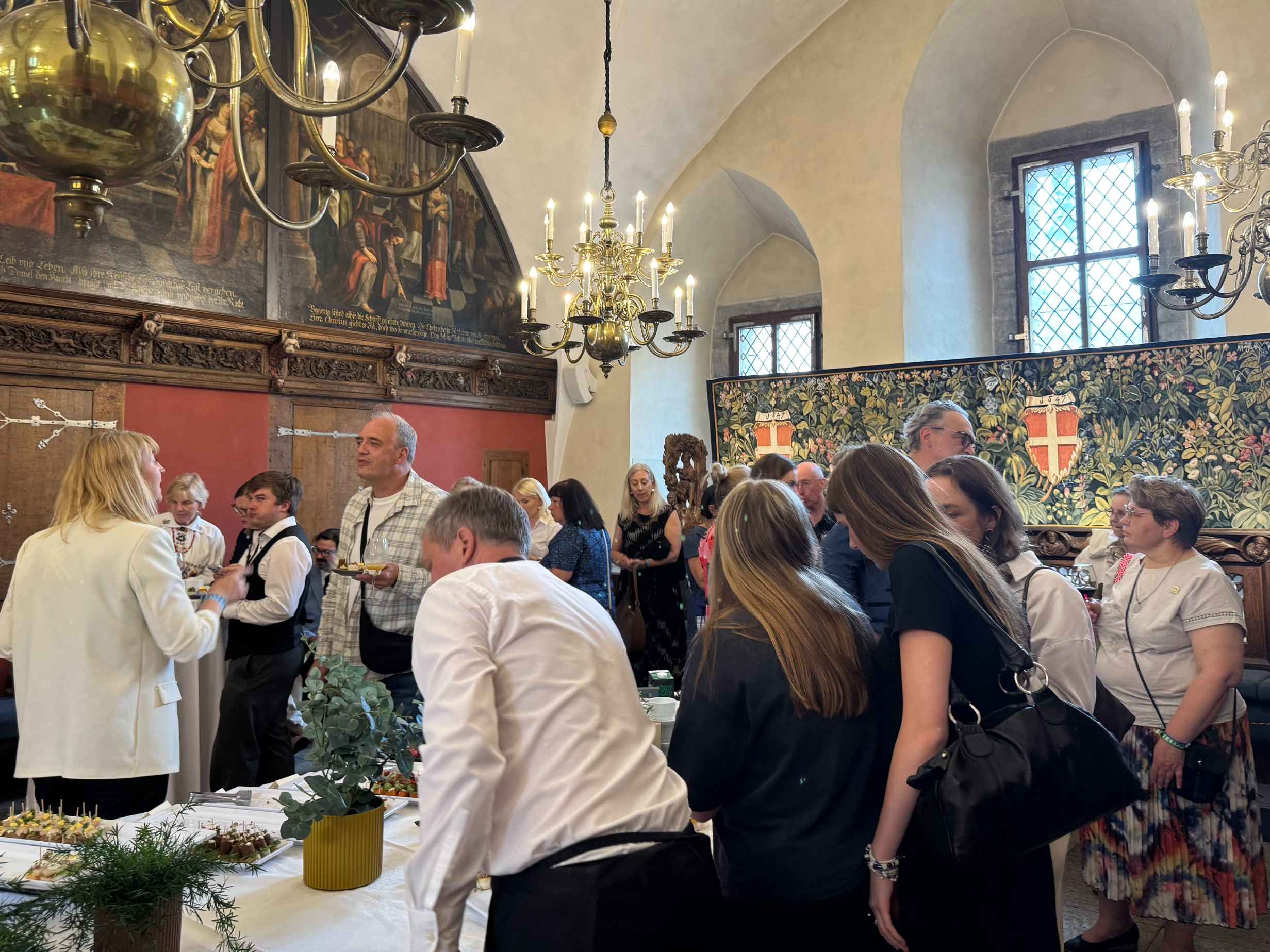
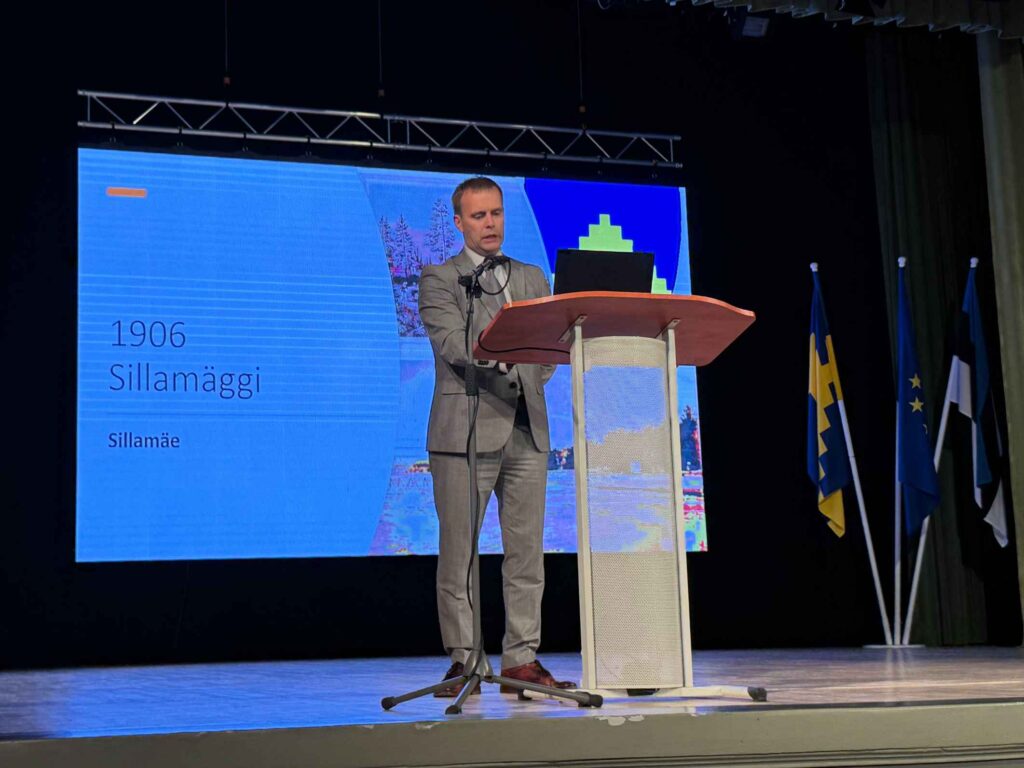
Taking a bus to Sillamäe, youth delegates were greeted by the mayor who gave an overview of the history, industry, and society of Sillamäe at the freshly-renovated town hall. Delegates learned about the multifunctional and rapidly developing deep-sea port of Sillamäe, where Tõnis Seesmaa, a member of the Silport board, answered some of our questions on the sustainability of the region highly dependent on oil shale. Our busy Narva schedule concluded with an evening bus ride to Tallinn.
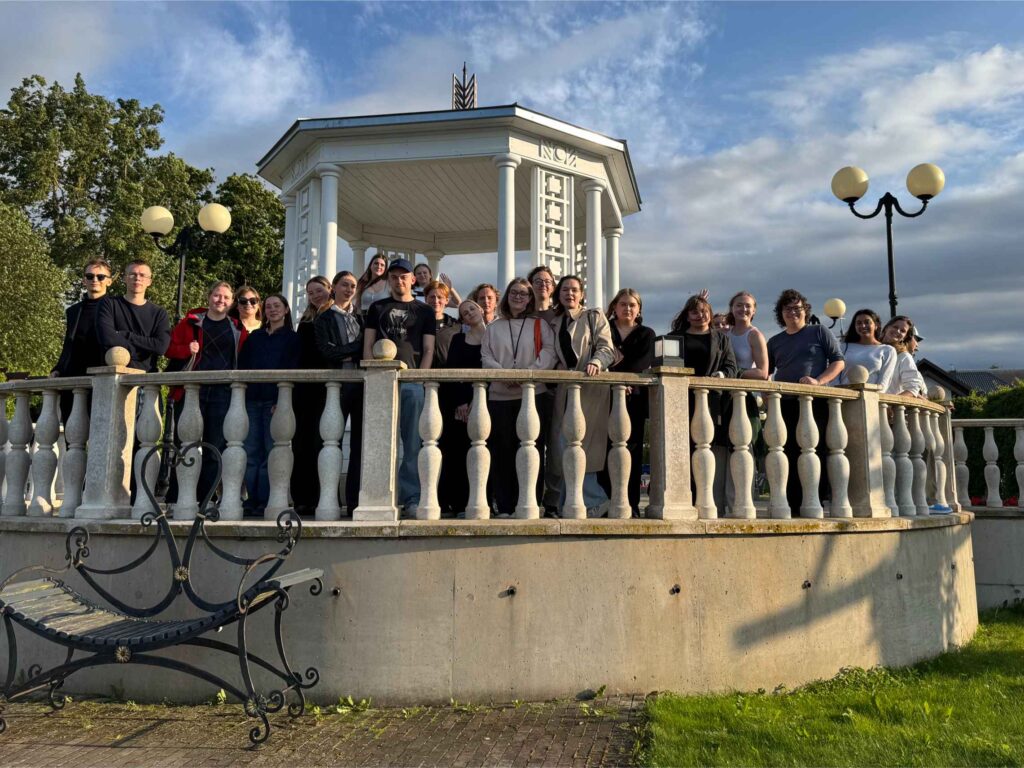
… one youth delegate living in Narva tearfully shared how overwhelmed by joy she was about the inclusion of Narva in the festival schedule and the interest and openness in learning about the challenges and complexities of Narva’s society.
Personally, I felt proud and inspired that the ESTO program included youth delegates and organized a highly educational and well-organized schedule in Narva. During our final reflections, one youth delegate living in Narva tearfully shared how overwhelmed by joy she was about the inclusion of Narva in the festival schedule and the interest and openness in learning about the challenges and complexities of Narva’s society. The moment has since solidified in my memory as one of the sweetest from the festival, as we saw just how much it means to cooperate, to learn from and together with youth from Narva who may otherwise feel more left out from Estonian society than others. As youth living abroad ourselves, it was meaningful to unite our diverse experiences and to find a common path forward. I am incredibly grateful and proud that the ESTO program allowed us to be present and engage with the city and people on a deeper level. After the experience where we were also exposed to hard realities, I am sure many of us will be visiting or even thinking about work in Ida-Viru County in the future.
Overall, this year’s festival affirmed how essential the festival is for youth. In this way, the meaning of ESTO may have changed, but its purpose has stayed the same—to strengthen the global Estonian spirit, preserve the Estonian language and culture, bring communities together, and to provide and promote networks for people to keep Estonia in their hearts wherever in the world one may be. As a first-timer at ESTO, I could feel and see the rich history of the festival through our activities, from the gymnastics groups performing at Skansen mirroring groups such as Ritmika in Canada, to SweedEst Song singing about their first experiences at ESTO and the sweet summer air that permeated the mood at the time. I wish that many generations to come are lucky enough to experience ESTO as youth delegates.