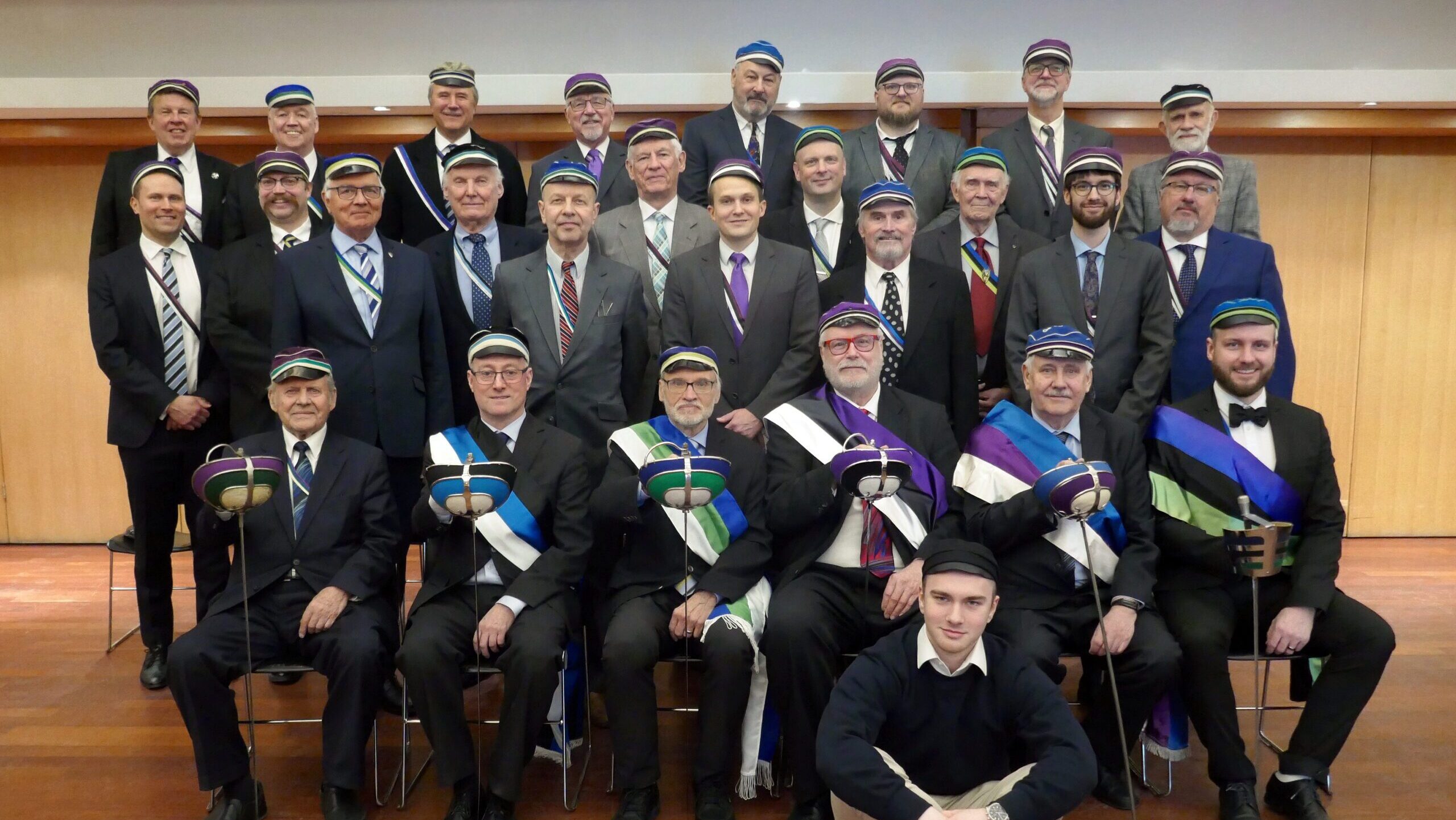
For one thing, participants spend time with members from other fraternities that they wouldn’t normally interact with in a fraternal context. After all, Eesti Korporatsioonide Liit is a union of Estonian men’s korporatsioonid (fraternities). That is: Vironia, Fraternitas Estica, Sakala, Rotalia, Ugala, Fraternitas Liviensis, Leola, Revelia, Tehnola, and Fraternitas Tartuensis. This listing is in order from the oldest to newest, with founding dates between 1900 and 1929.
The purpose of the EKL! Kommerss is to bring together these fraternity brothers once a year in a celebration of their common origins and goals.
Each year, the presiding (presideeriv) korporatsioon rotates, with organizing the annual EKL! kommerss and other joint activities throughout the year being the primary responsibility. In fact, it’s a tradition that each fraternity honours the major anniversaries of their fellow fraternities in a demonstration of friendship. The purpose of the EKL! Kommerss is to bring together these fraternity brothers once a year in a celebration of their common origins and goals.
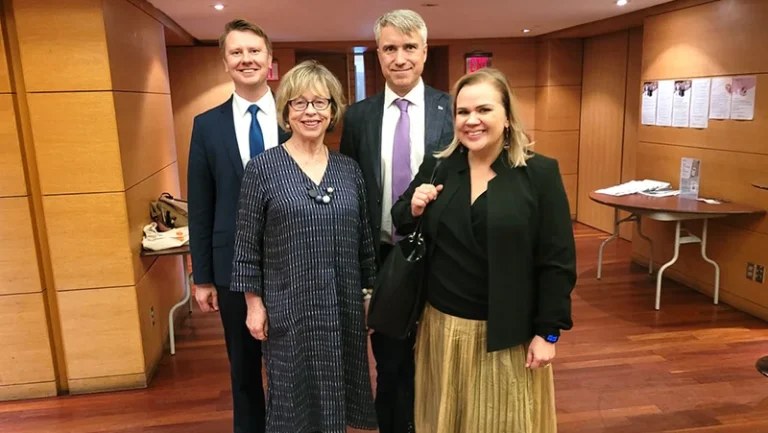
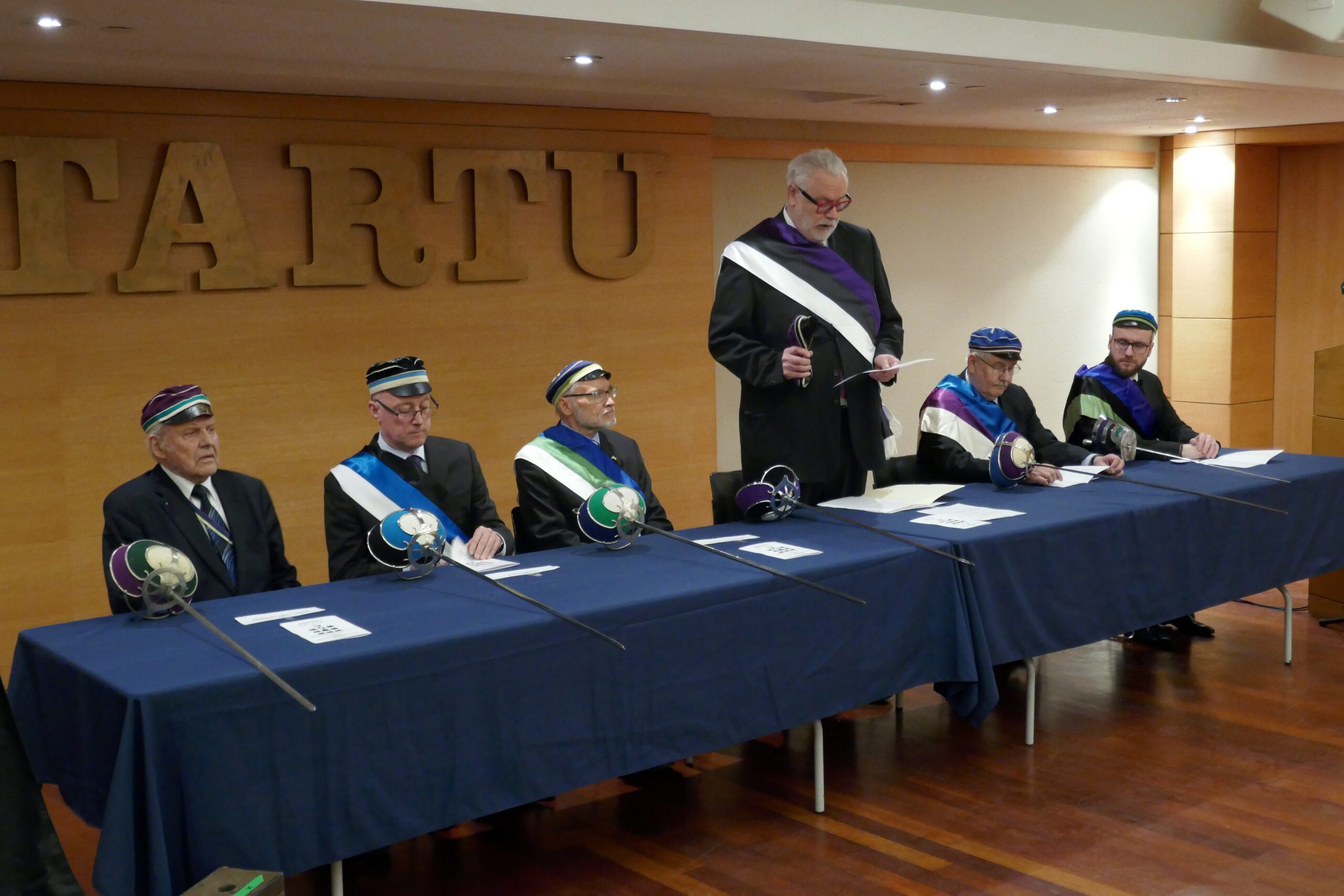
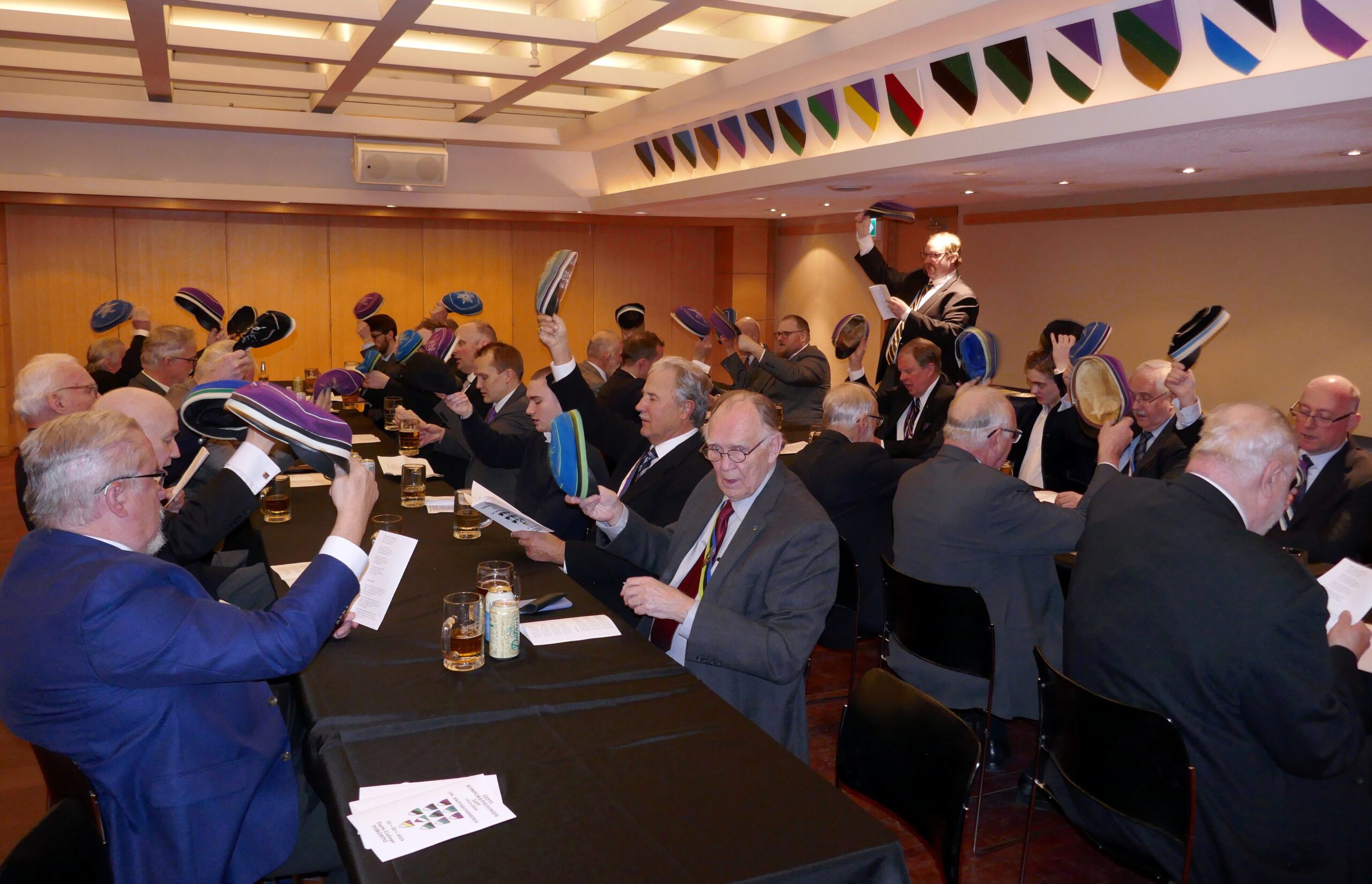
Saturday March 23rd, 2024 marked EKL!’s 109th annual kommerss, the official founding date of the organization being March 28th, 1915. For the occasion, 32 fraternity members met in Tartu College’s event space. 16 participants were members of Korp! Vironia, while the other 16 were from Korp! Frat. Estica, Korp! Sakala, Korp! Ugala, Korp! Rotalia, and Korp! Frat. Liviensis.
Korp! Vironia is the presiding Estonian fraternity in Canada this year. To this point, one participant, vil! Tõnu Tõsine from Korp! Frat. Estica, rose to express his gratitude for Korp! Vironia’s leadership.
In a sense, the rotation of this leadership showcases the similarities between each fraternity. However, there are also bound to be a few queries as to why things are done differently by each korporatsioon. This can include the prioritization of certain songs in ceremonies, how many lindid (coloured bands) are suitable for a member to wear at one time, or the use of the English language in kõned (speeches), ceremonies, and socializing.
This kommerss, as with previous EKL! events, did give extra impetus for all those there to speak the Estonian language. One can observe members’ levels of fluency and comfort in spoken Estonian. And when one person is firm about the use of Estonian, it tends to influence a whole group in conversation.

Photo gallery
Photos: vil! Tõnu Tõsine, korp! Frat. Estica



From an outside perspective, you may wonder, “Why are these fraternities separate?” Especially considering they have much in common and could potentially benefit from joining forces in North America. Part of it is tradition. In Estonia, where membership and participation numbers are higher, distinct fraternities can thrive. Diaspora groups follow suit. There is also something to be said for diversity. Within any cultural landscape, differences of traditions and opinions are healthy. It shows that the world is not monocultural. That Estonians are individuals as much as they (and all humans) are community-oriented. You might say that differences are part of “the stuff of life.”
With common origins and goals in mind, though, it’s key to remember that Estonian fraternities are based on principles of patriotism, education, and respect.
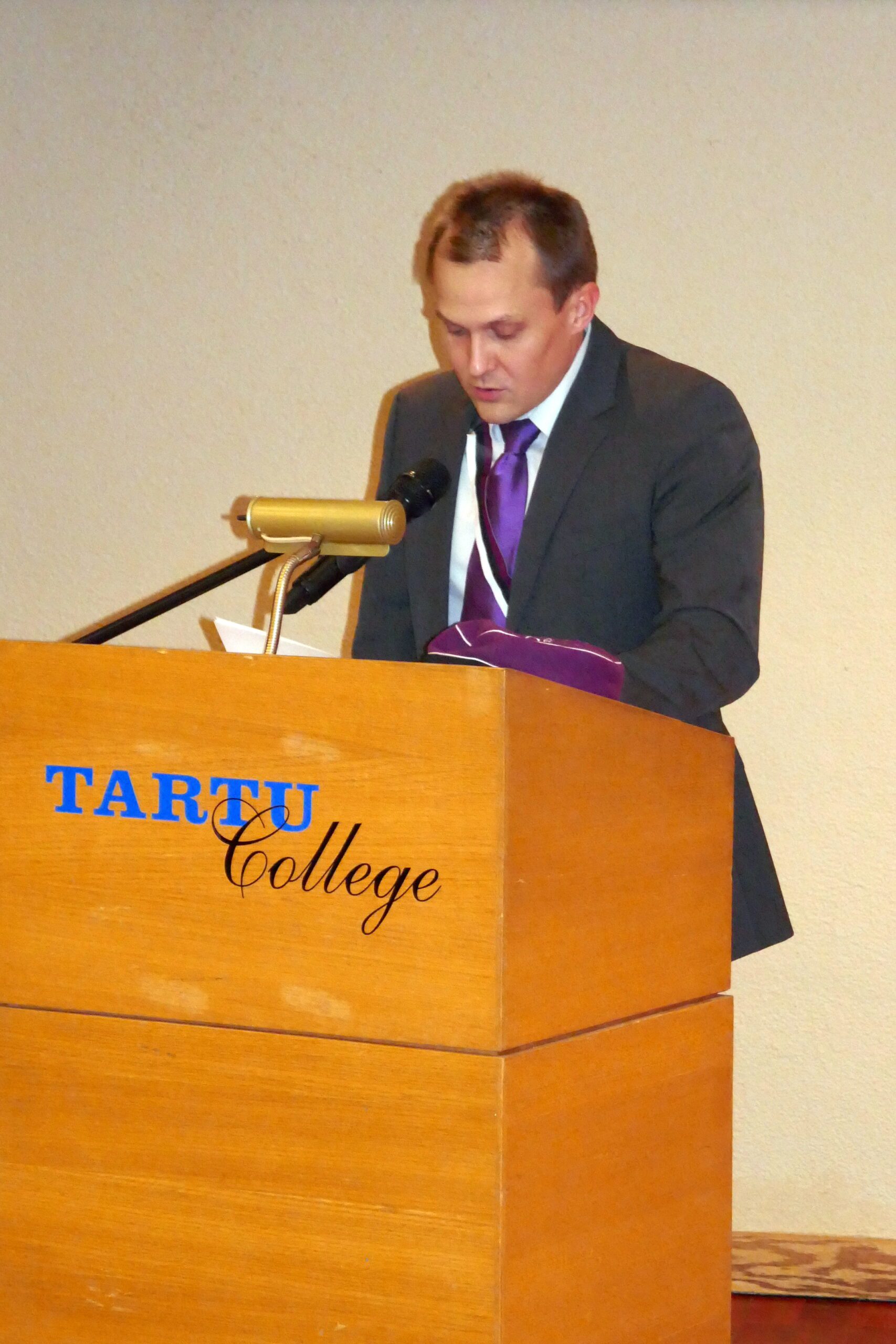
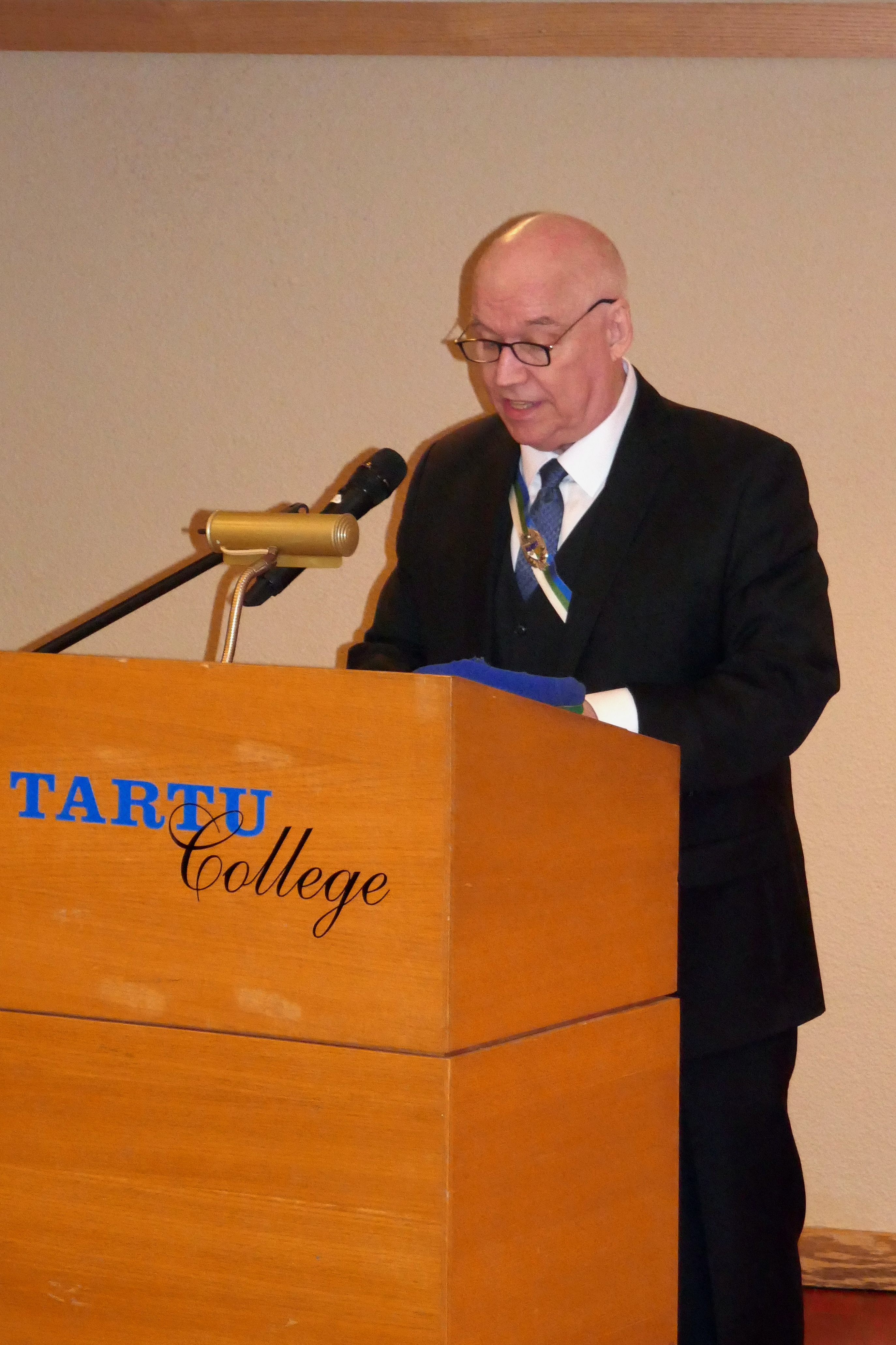
Four speeches across the span of the evening underscored these principles. Firstly, Korp! Vironia Senior (president) vil! Toomas Koger welcomed all those present in his opening statement. As an addendum to this, vil! Vello Keelmann led the group in a moment of silence for members who have passed away in the last year. This included renowned local community leaders vil! Laas Leivat (Korp! Frat. Estica) and vil! Andres Raudsepp (Korp! Sakala).
Apart from family gatherings, how often does one attend a celebration that includes four generations?
From Korp! Frat. Estica, vil! Ülo Isberg spoke about the importance of Estonia’s defense and the ongoing threat that Vladimir Putin is to Estonia and the world’s security and freedom. From Korp! Sakala, vil! Madis Kreem — holding his grandfather’s tekkel (cap) — regaled participants with the history of his Sõrra family connection to Korp! Sakala and EKL!, going back over 100 years. From Korp! Rotalia, vil! Hans Soots talked eloquently to the younger generations, encouraging participants to get to know those around them better, to cherish their youth as well as their academic years.
It’s been said before, but one of the most special things about Estonian fraternities, sororities, and seltsid (societies) is the mingling of different generations. Apart from family gatherings, how often does one attend a celebration that includes four generations?
Naturally, Estonian fraternity gatherings are founded on music. Among speeches, an extended brotherhood ceremony, and a meal together, voices resounded through the halls of Tartu College. Fraternity brothers passionately sang Estonia’s national anthem “Mu isamaa mu õnn ja rõõm”, the distinguished notes of “Gaudeamus Igitur”, and many other songs that summarize the core values of these united organizations.