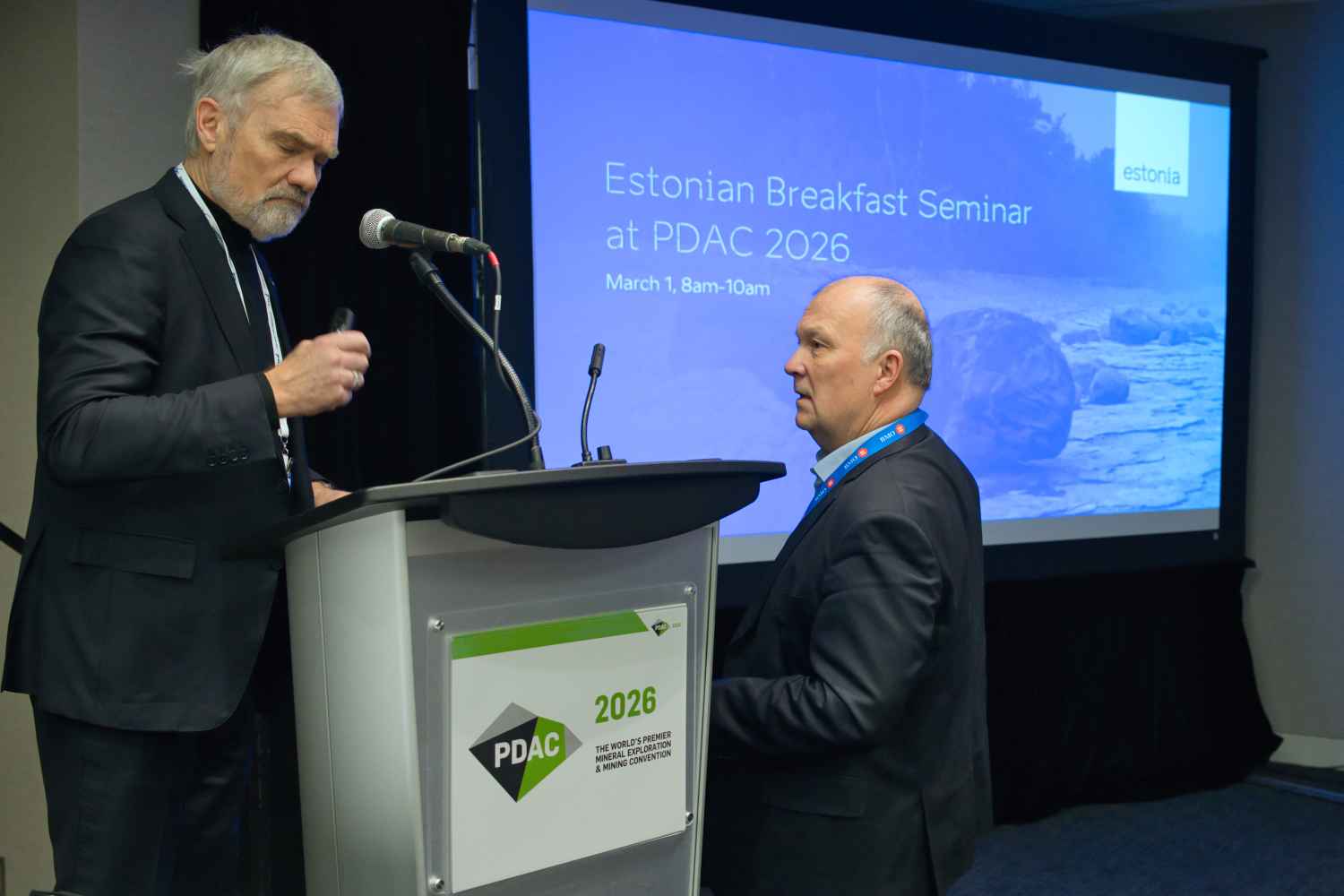
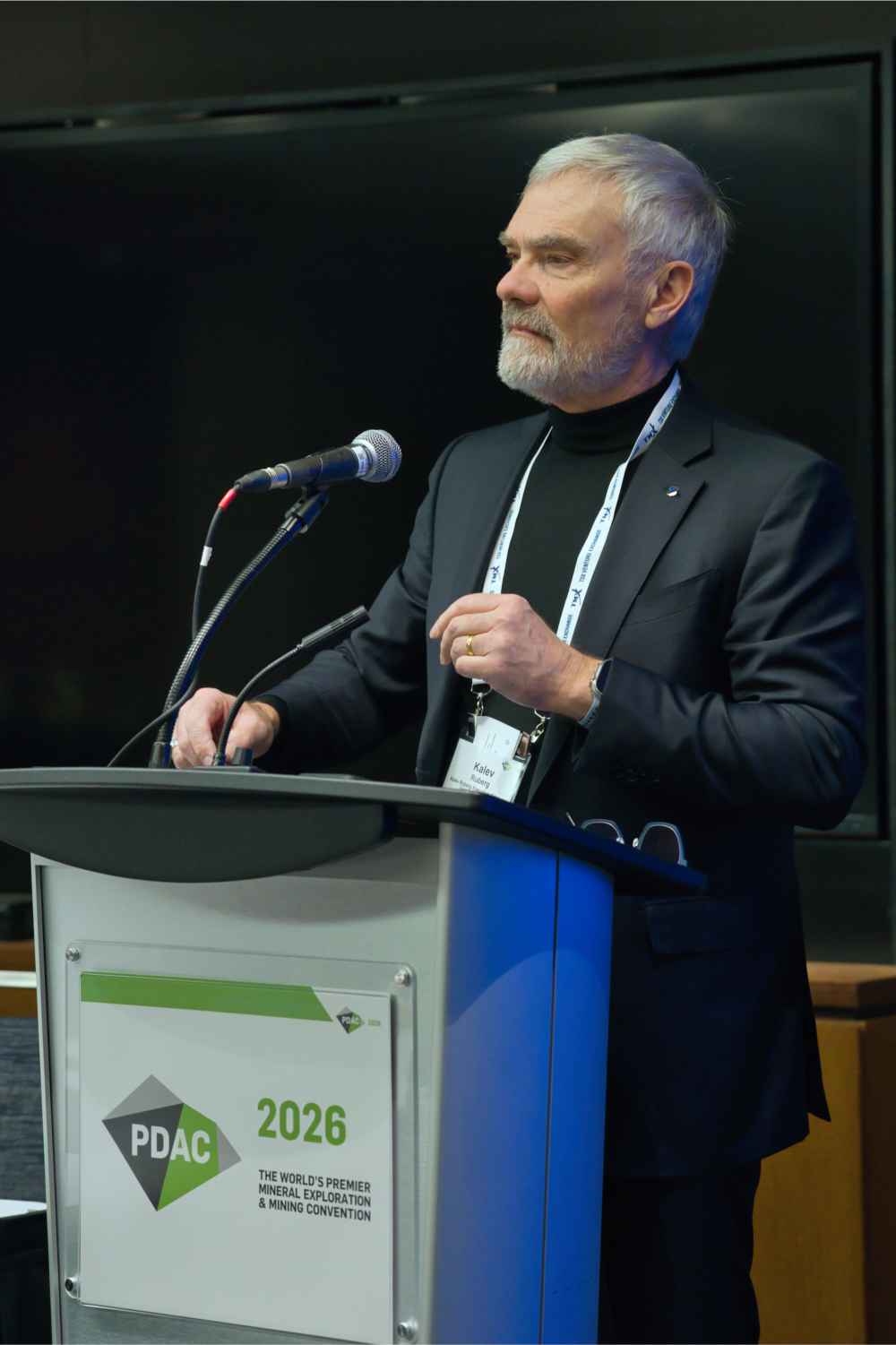
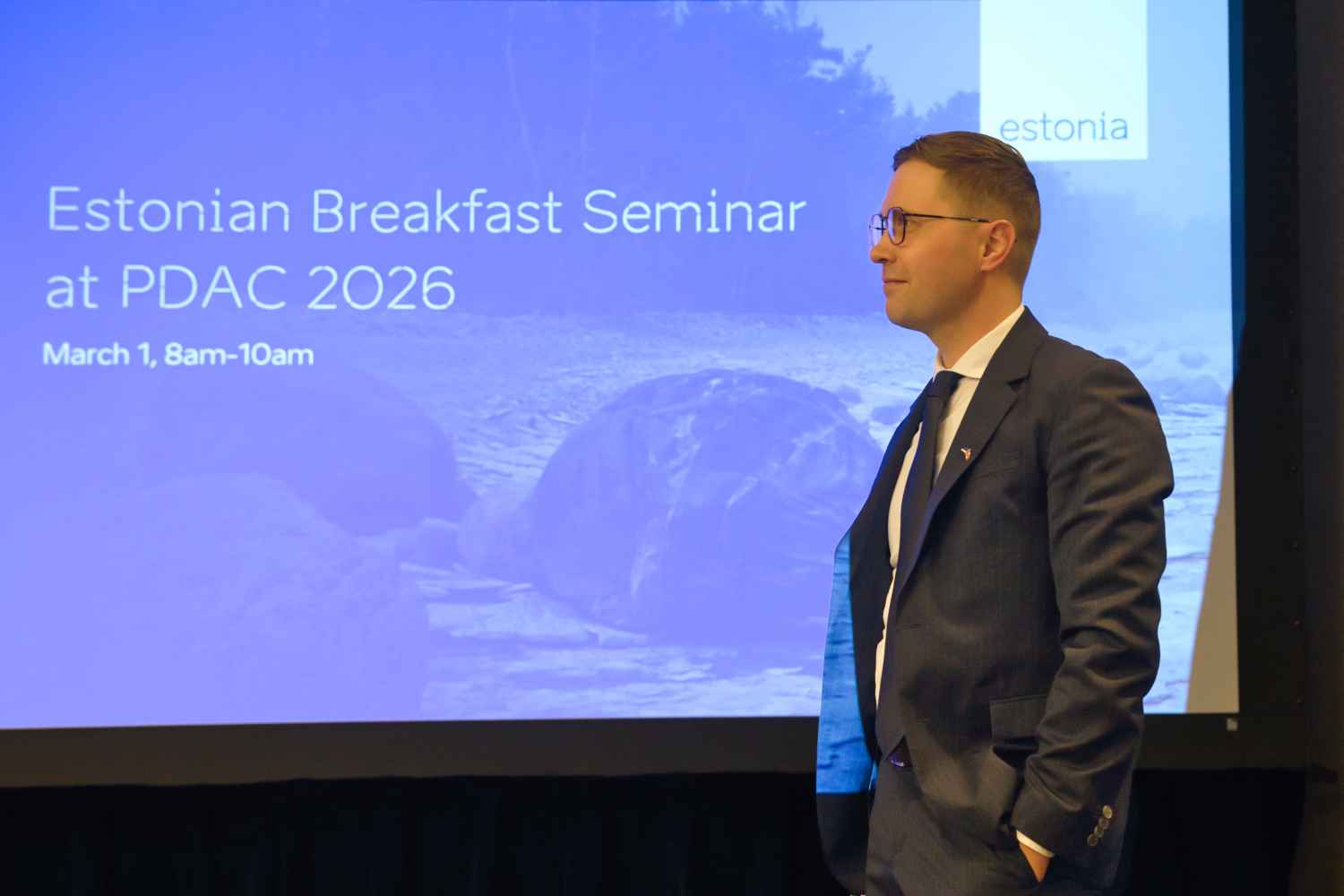
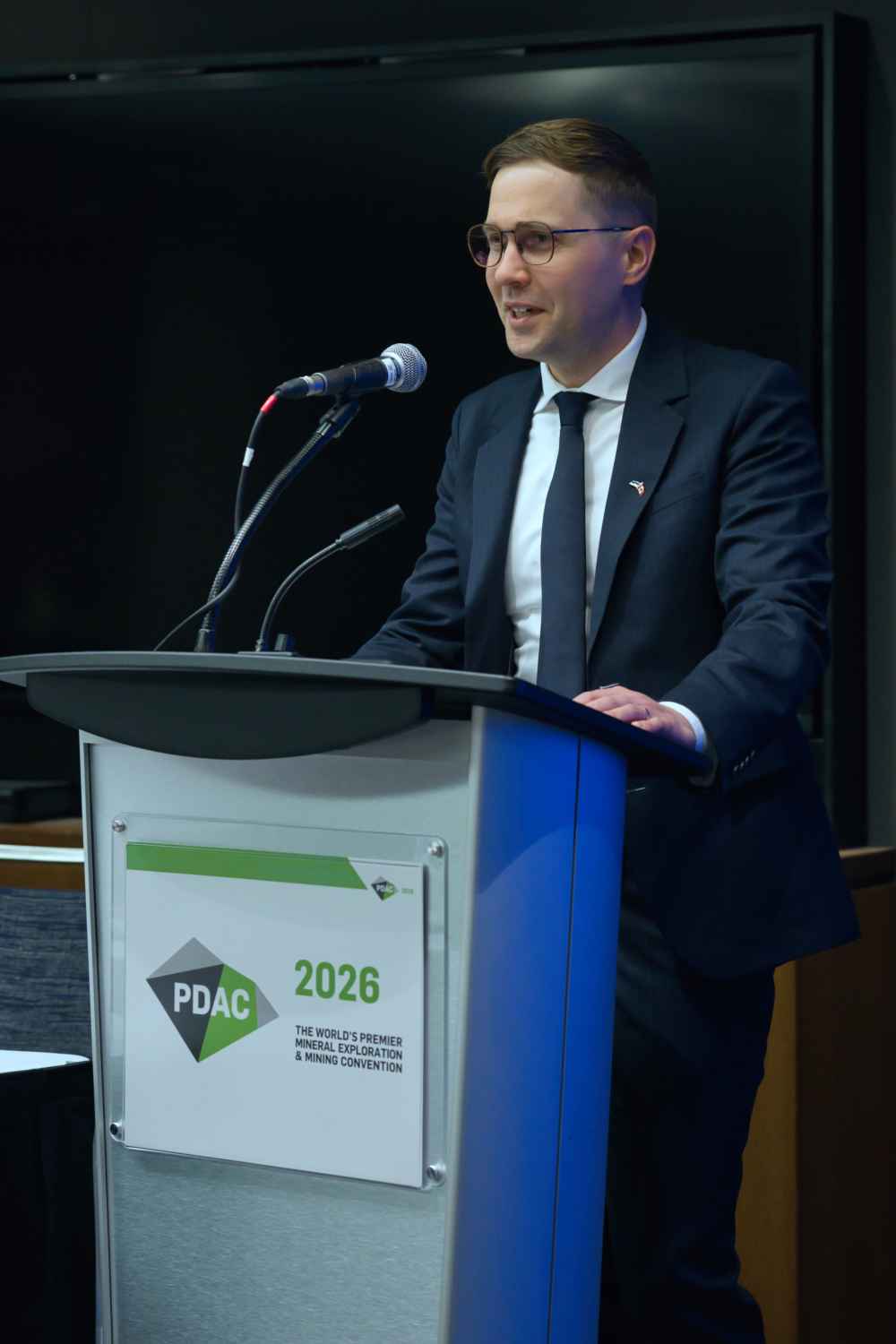
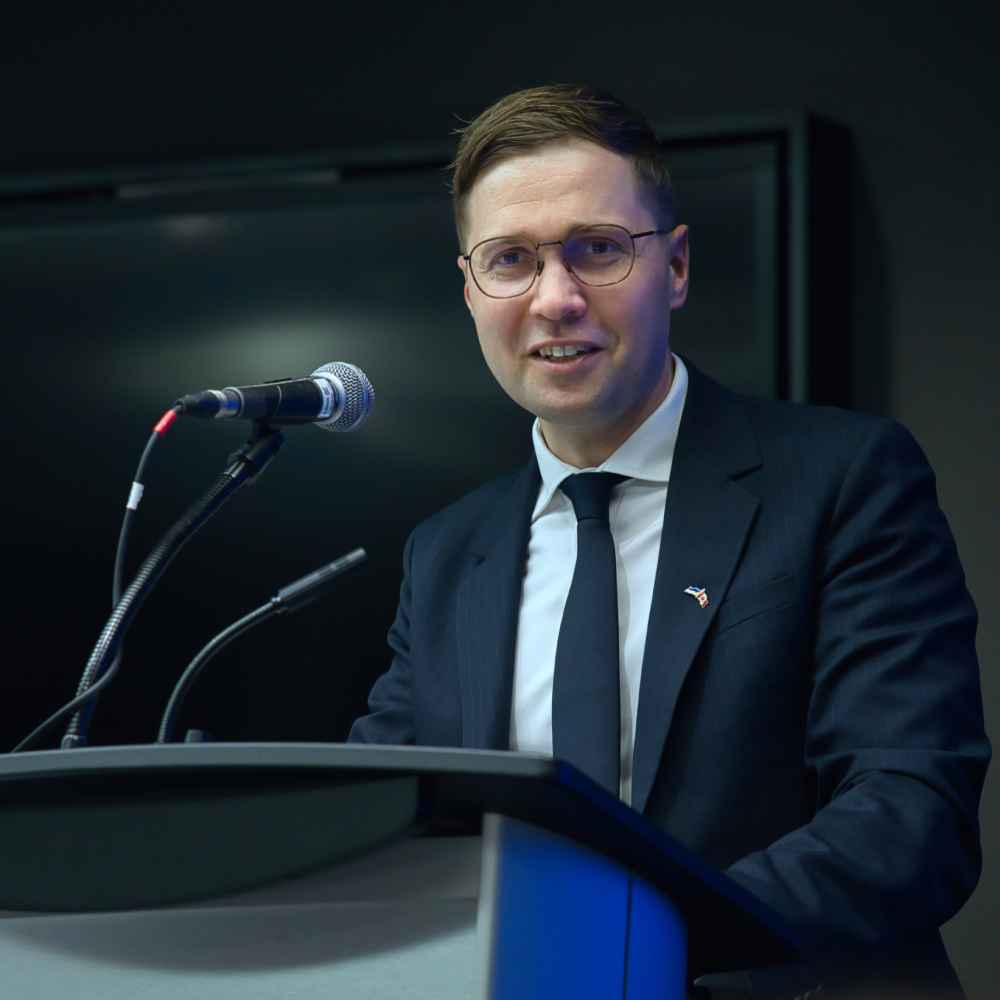
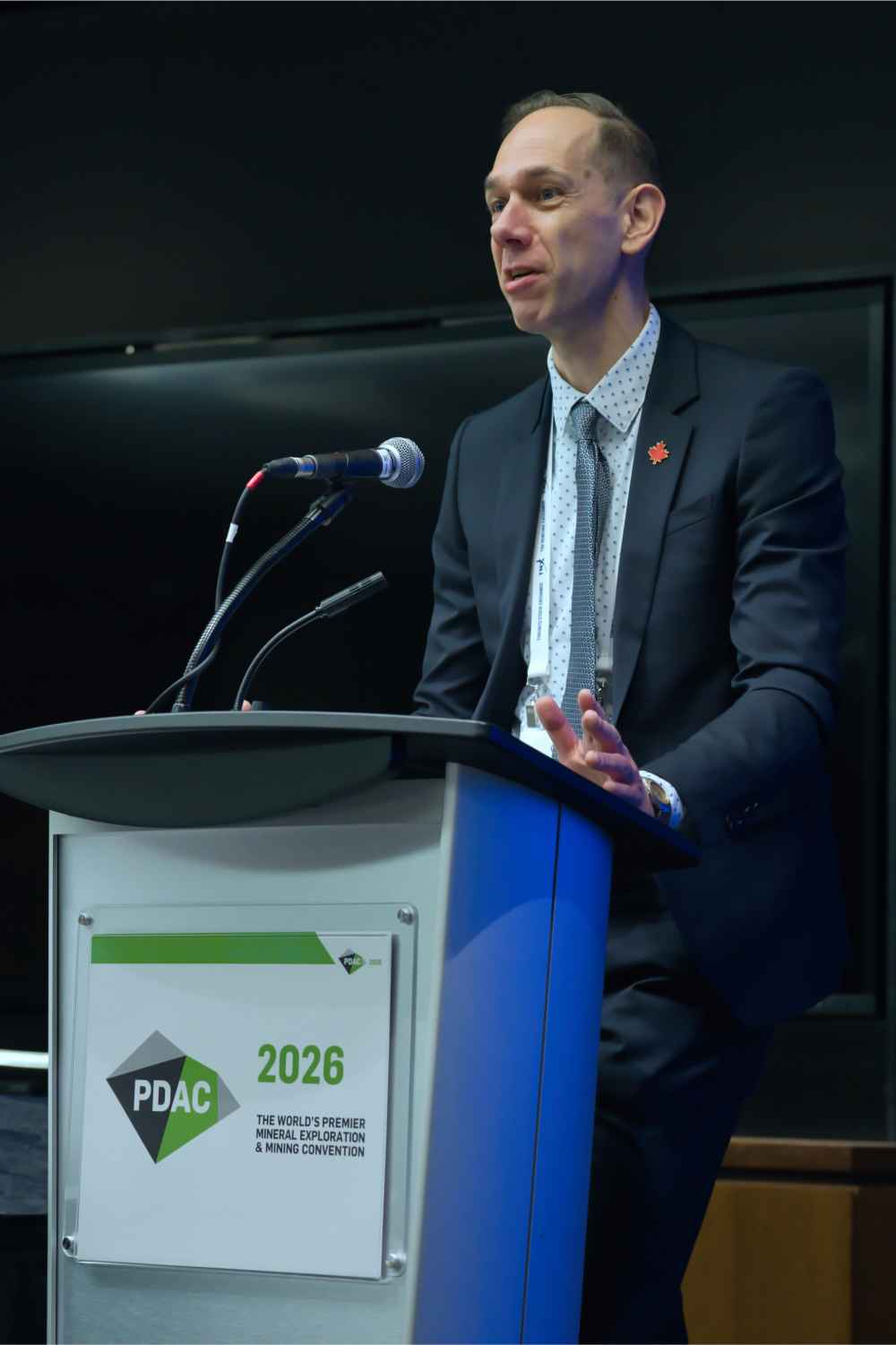
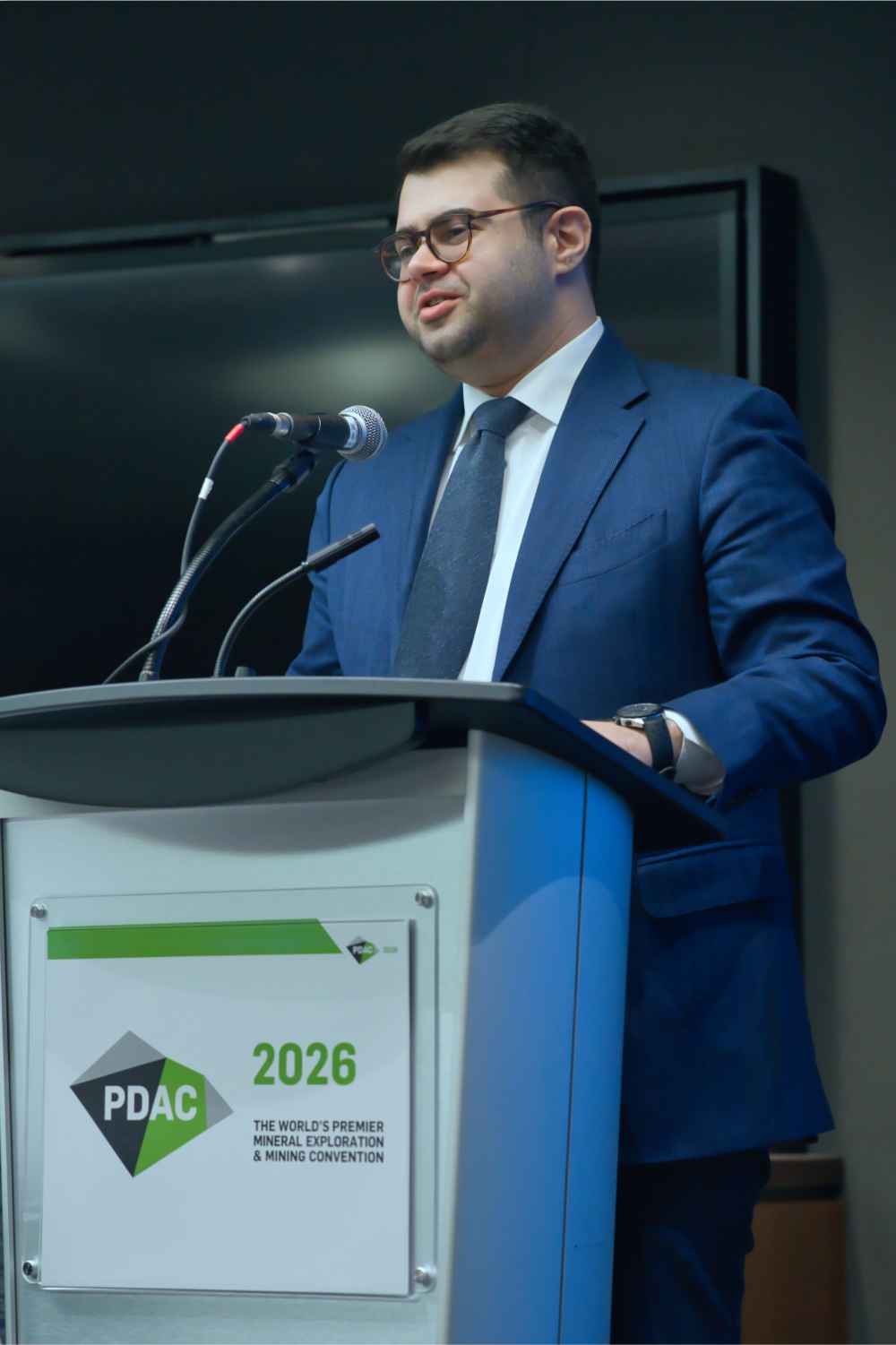
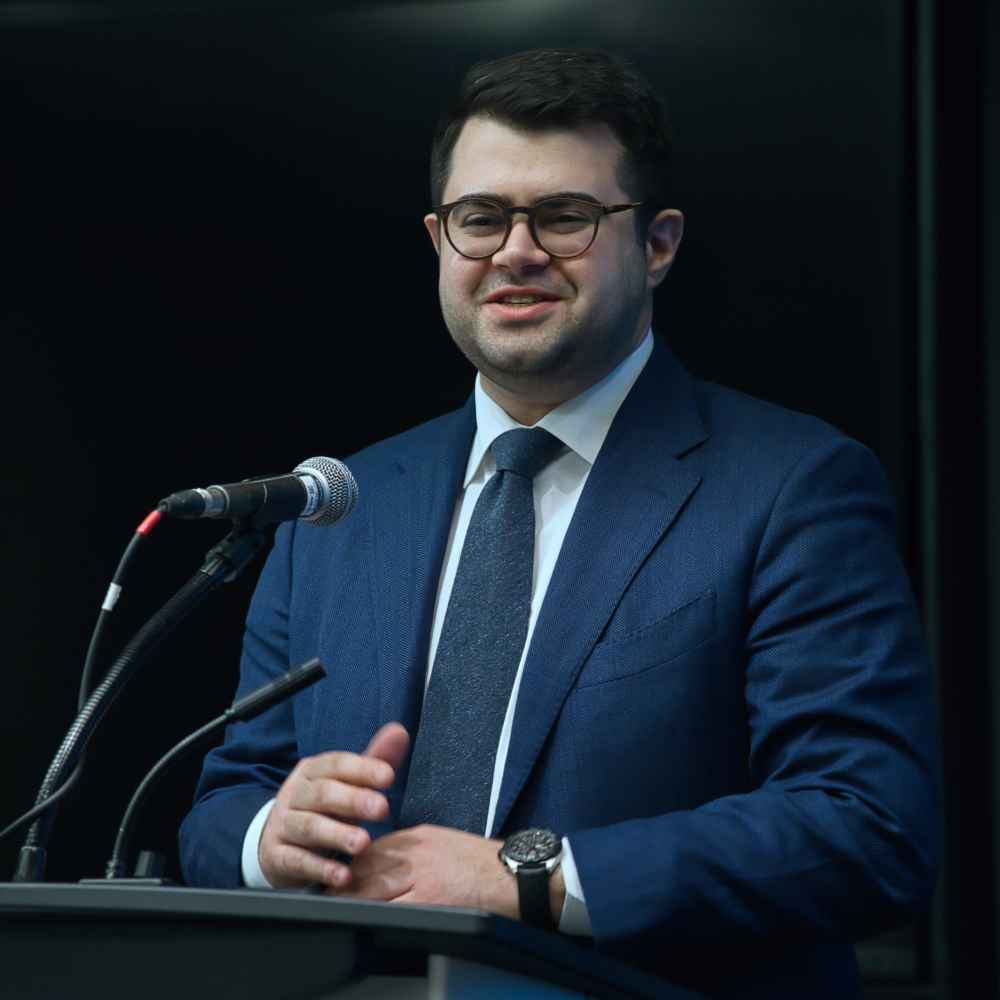
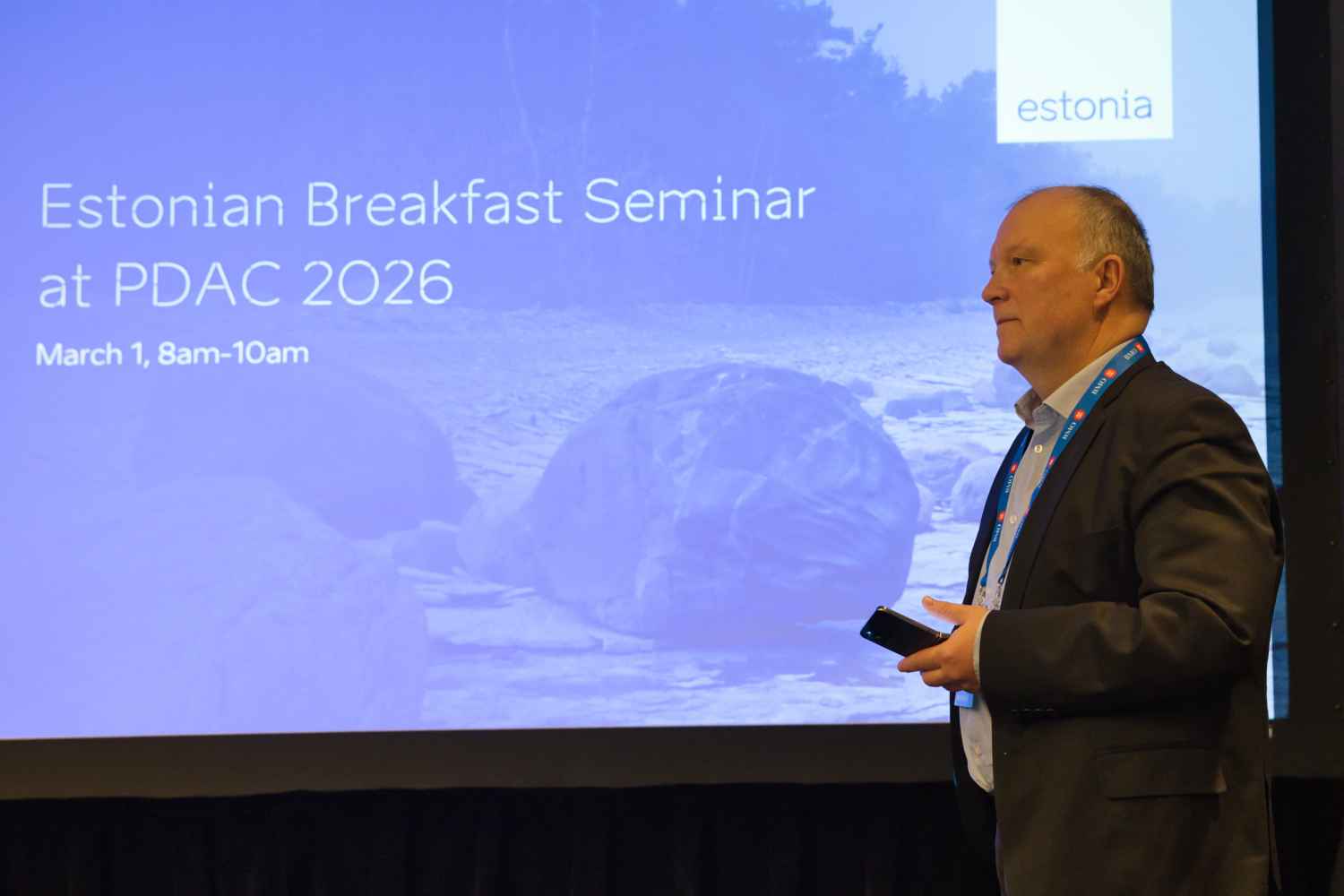
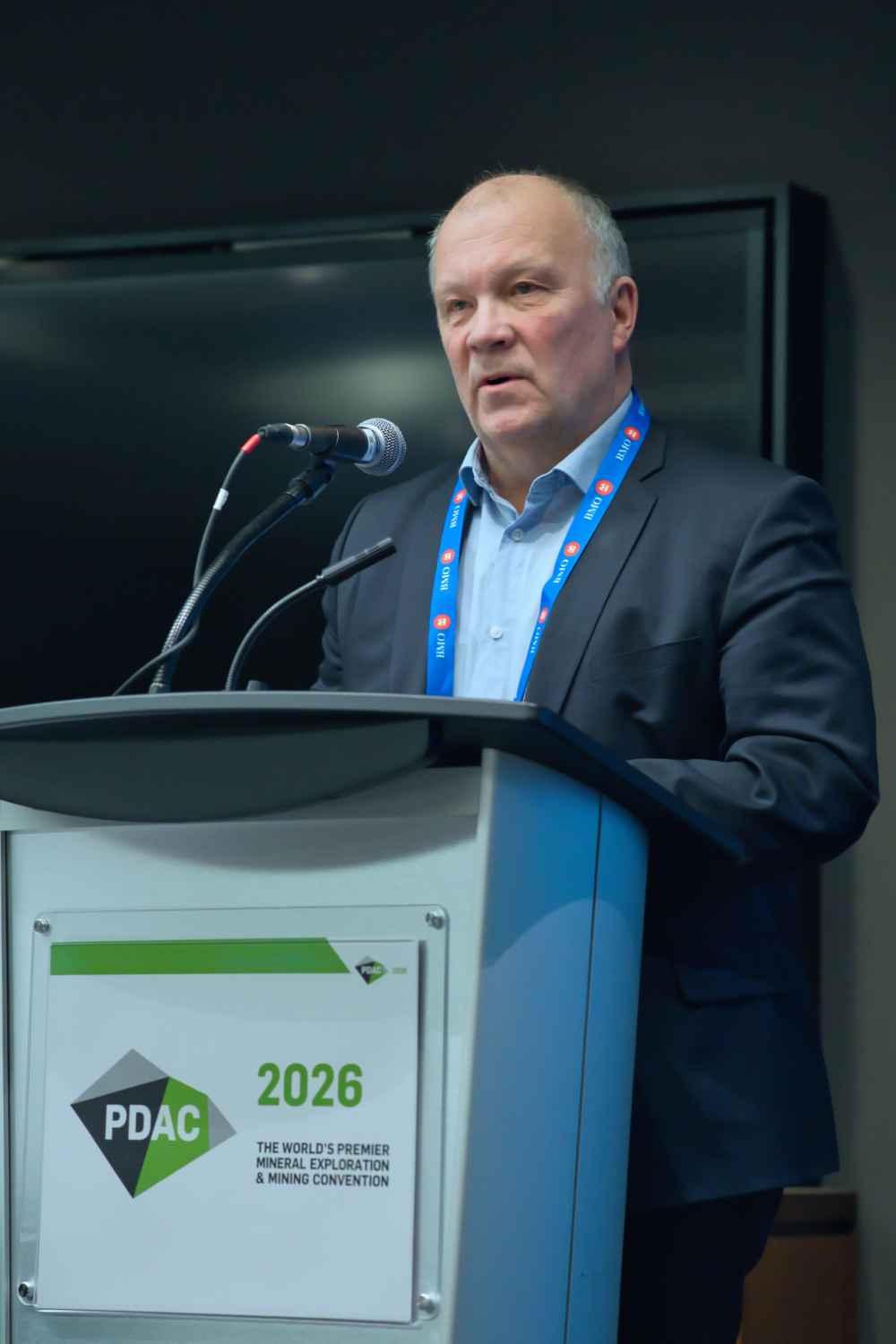
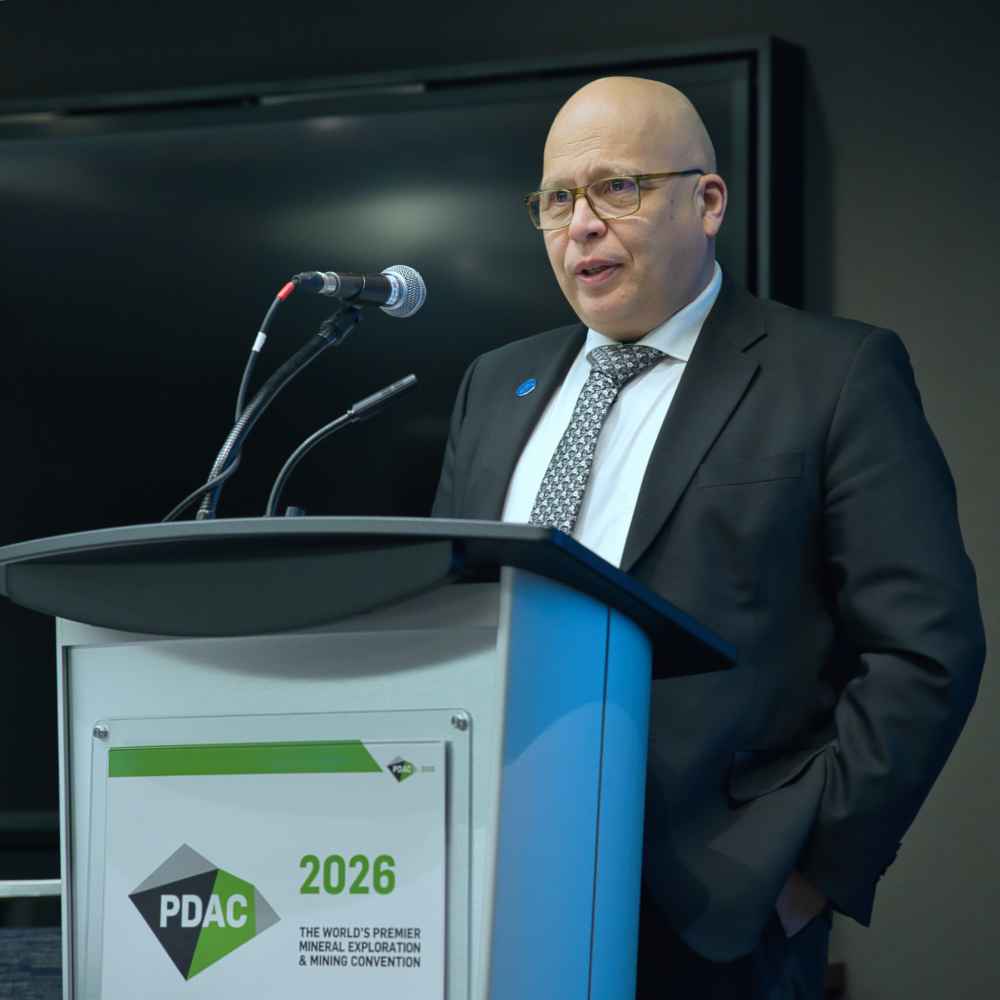
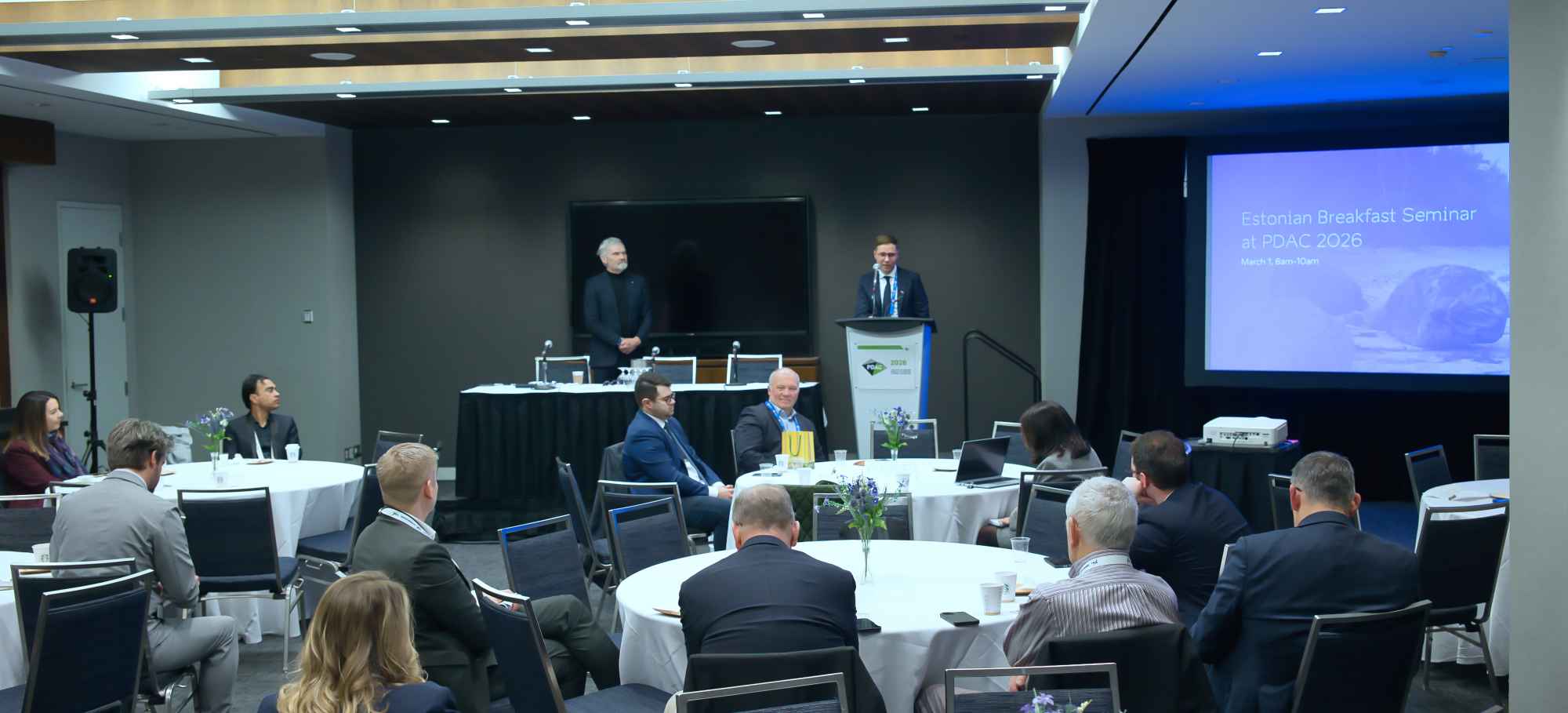
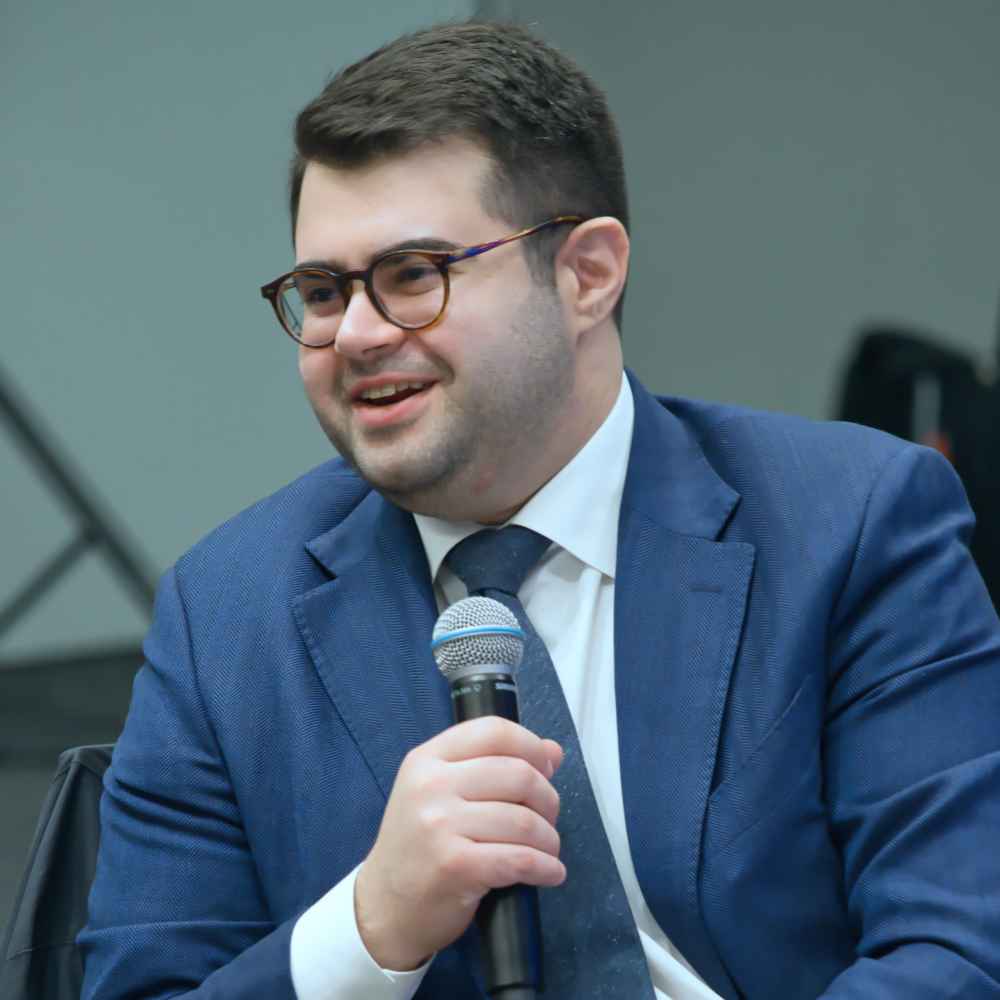
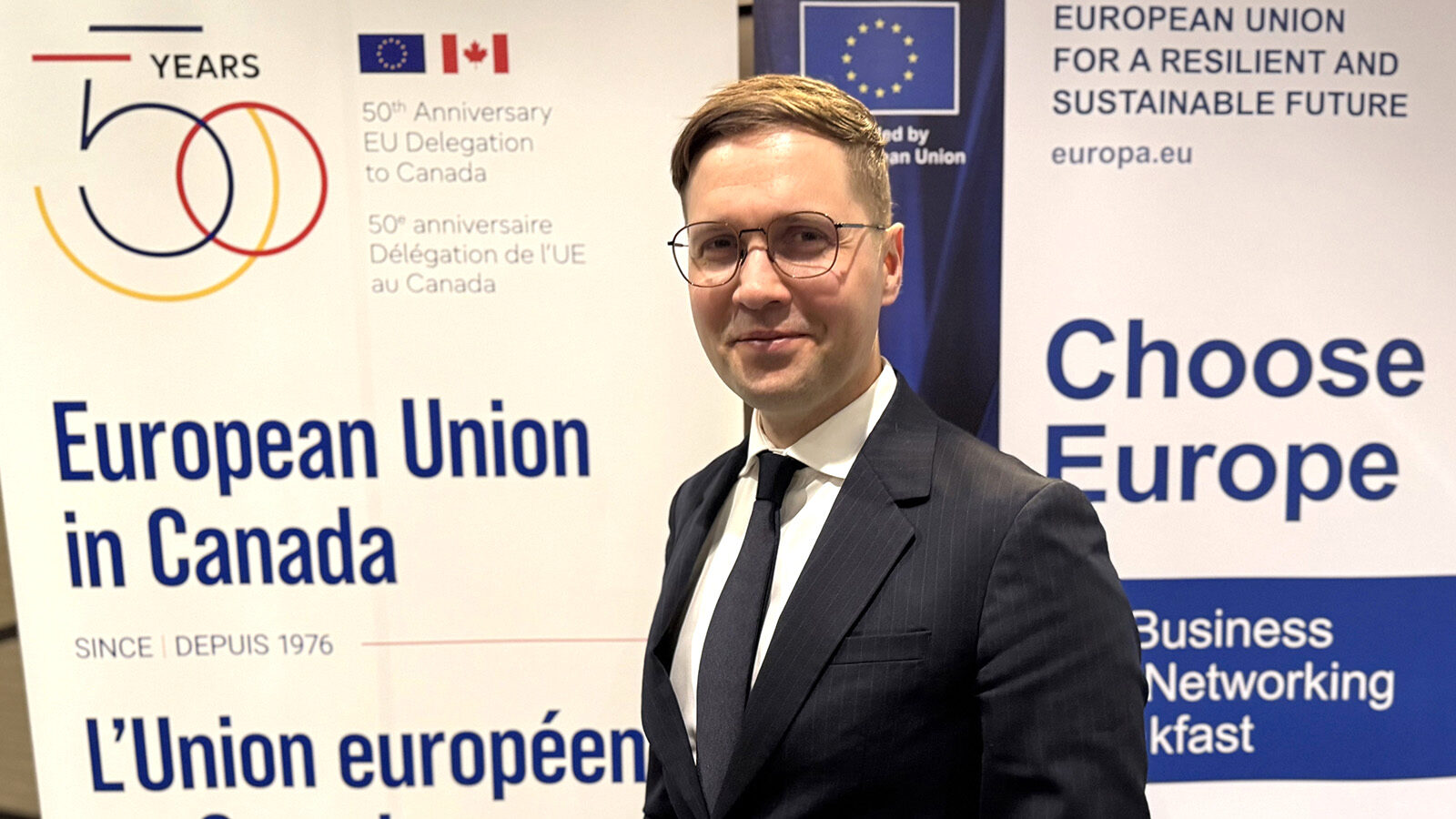
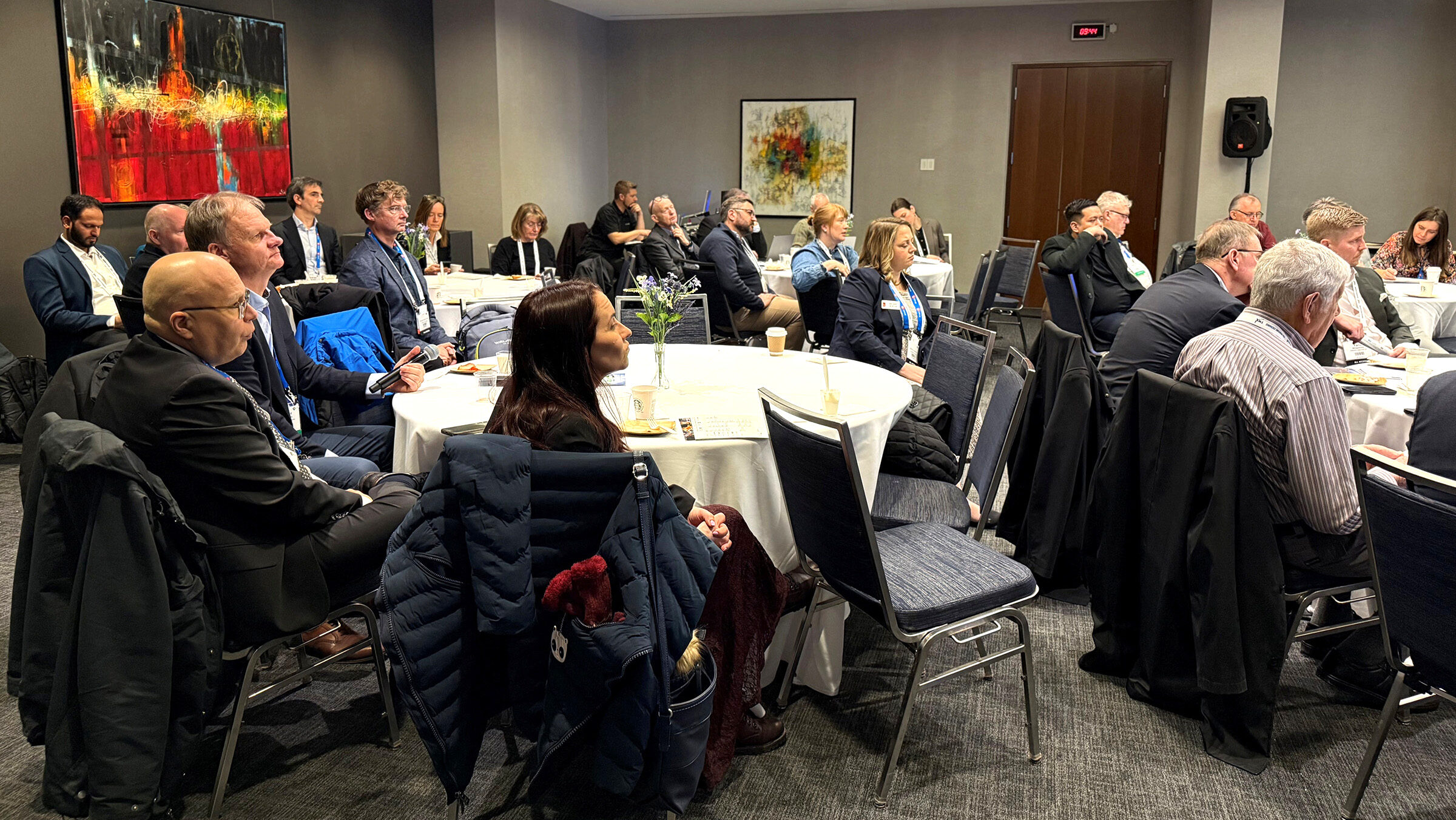
The morning seminar was moderated by Mr. Kalev Ruberg.
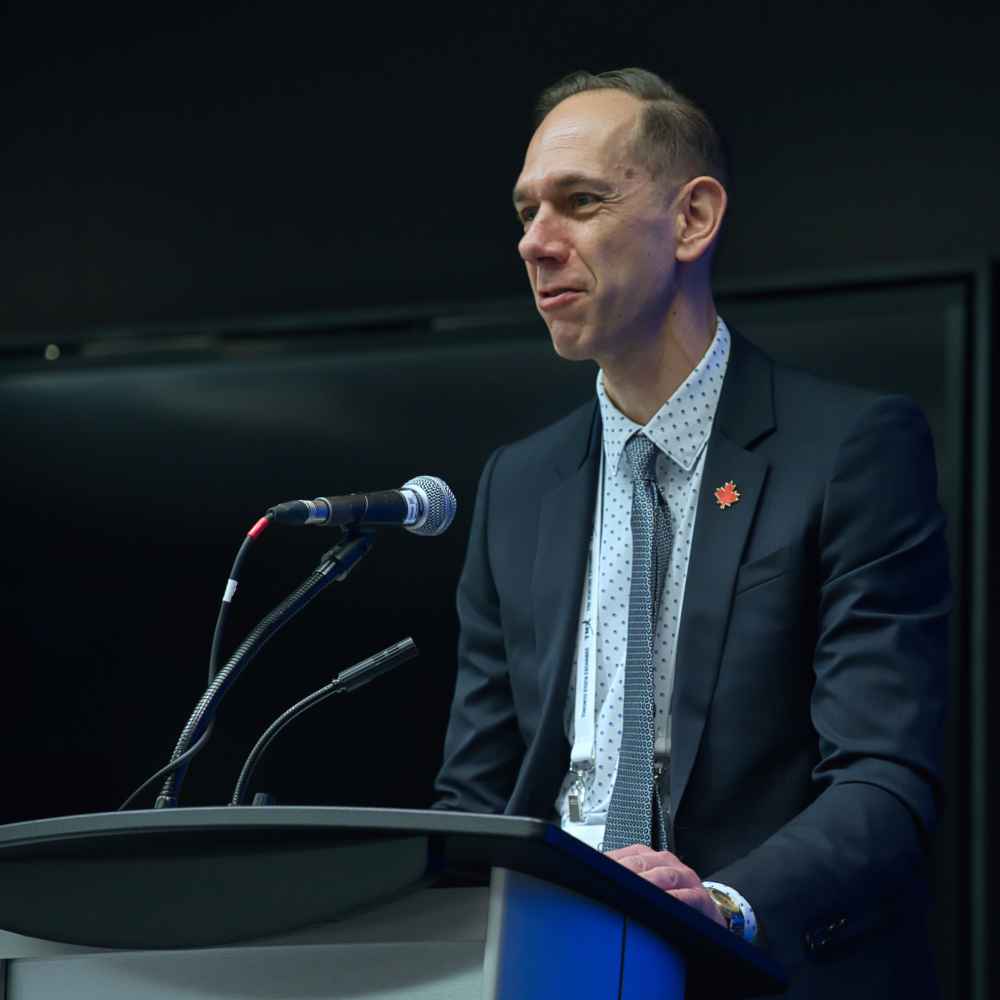
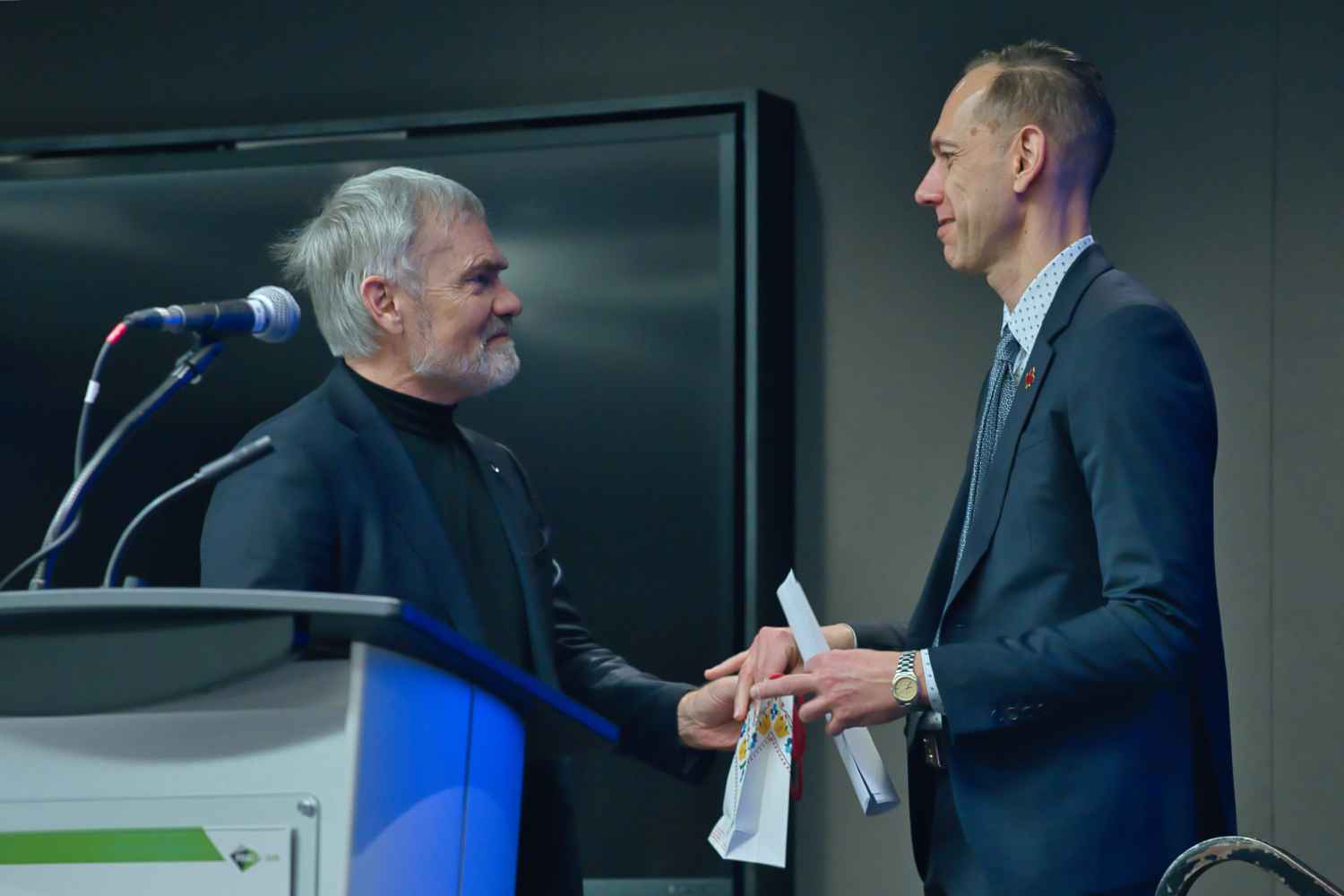
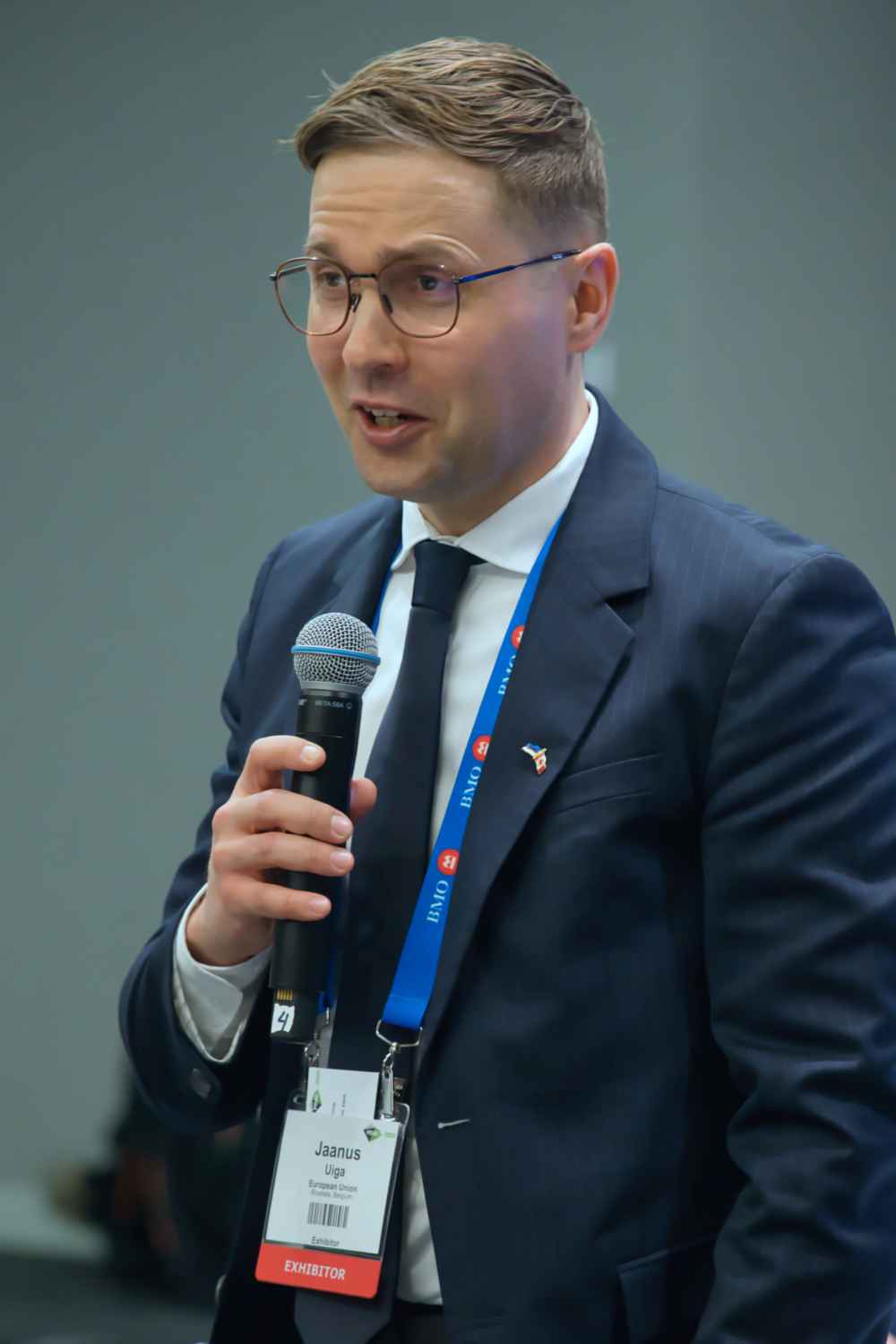
The opening words by Mr. Jaanus Uiga, Deputy Minister for Energy and Mineral Resources of Estonia, noted that Estonia is an important rare earth minerals stakeholder that is utilizing the skills developed after a century of oil shale mining to now mine key minerals, such as phosphate rock, that are key materials for future technologies. He noted that Estonia is an open investment environment that is always seeking partners.
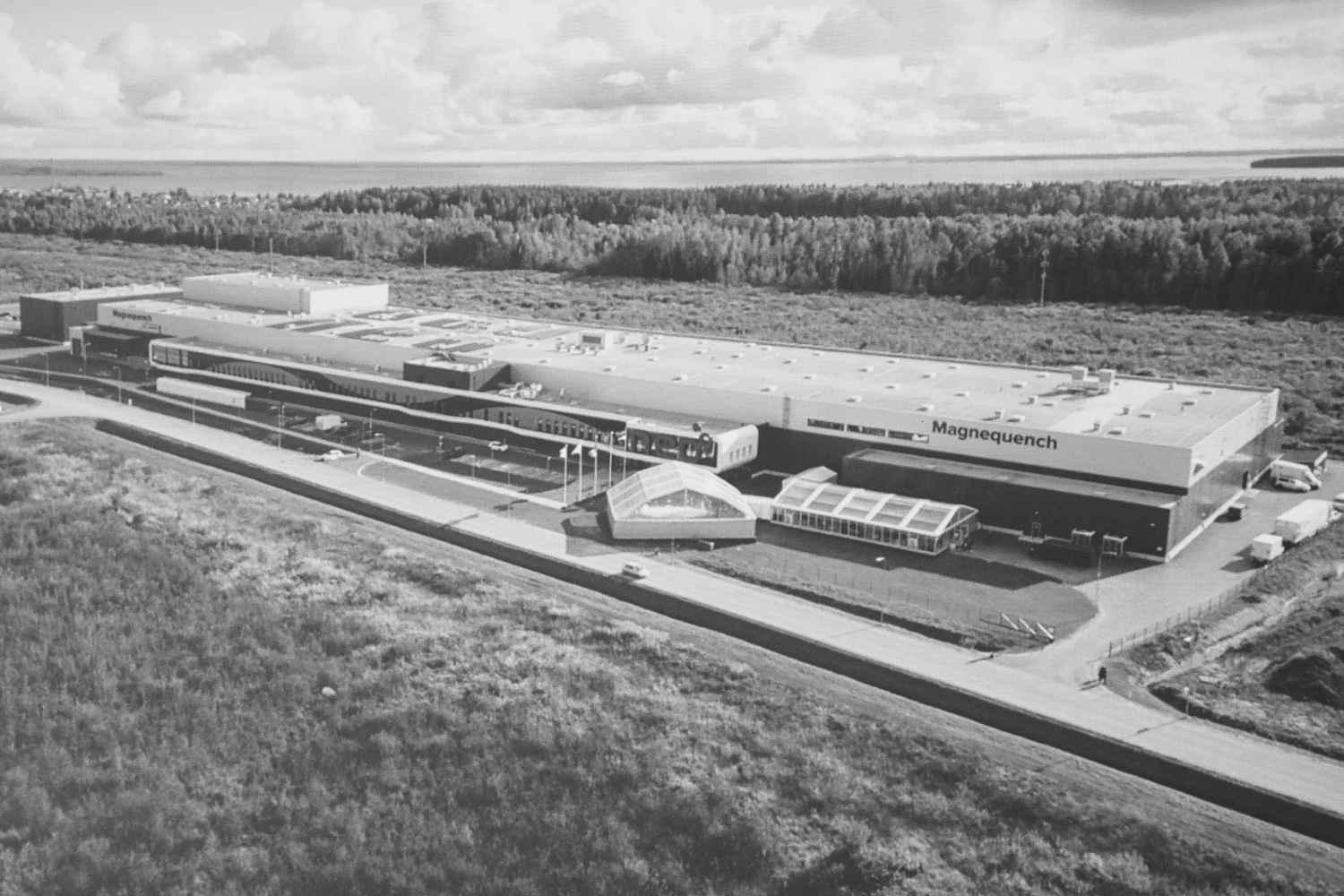
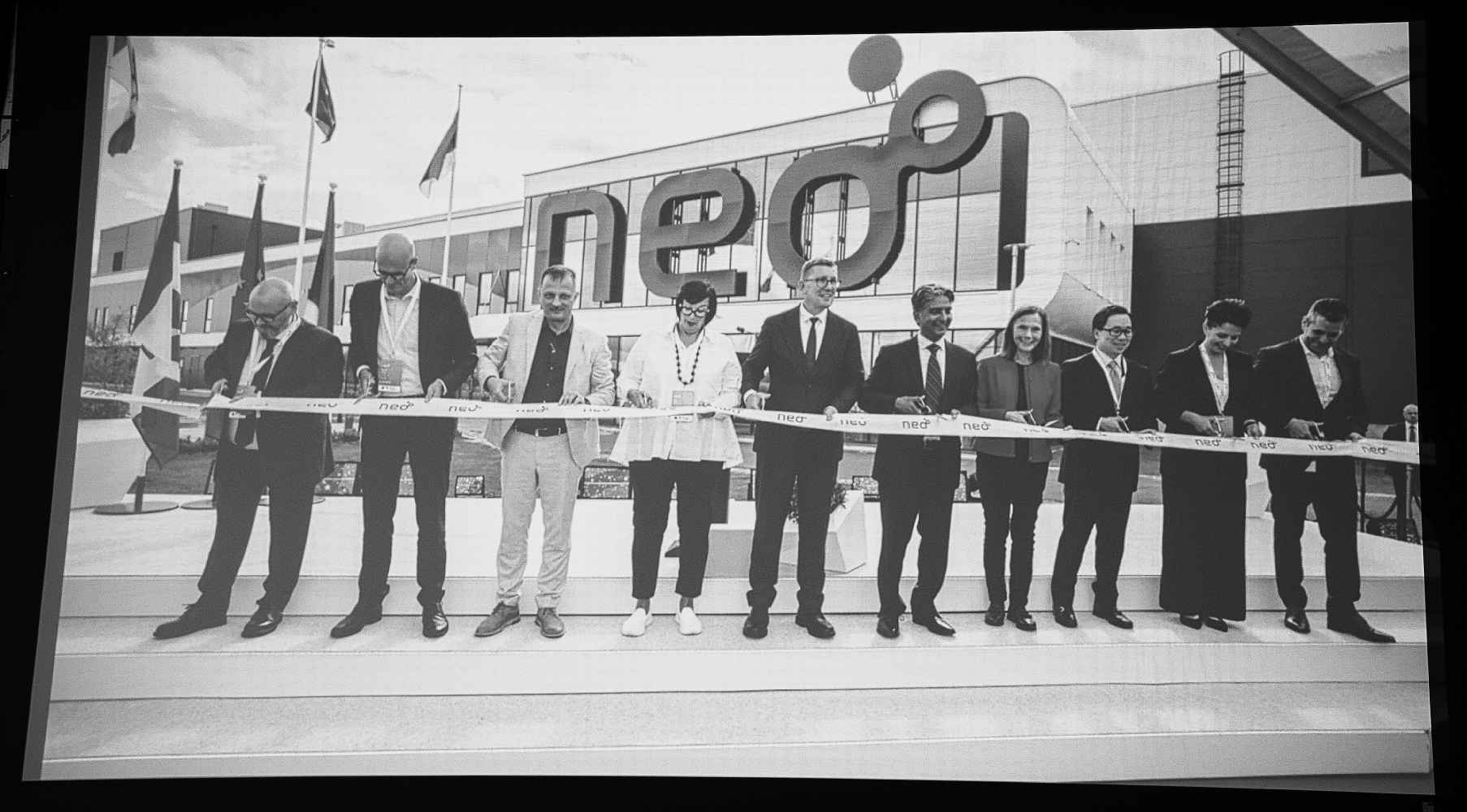
Mr. Greg Orencsak, Canada’s Deputy Minister of Natural Resources, remarked that rare earth minerals are vital for economic, security, and climate reasons. Canada’s rare minerals strategy includes partnering with trusted allies, such as Estonia, as witnessed with the Neo Performance Materials plant in Narva.
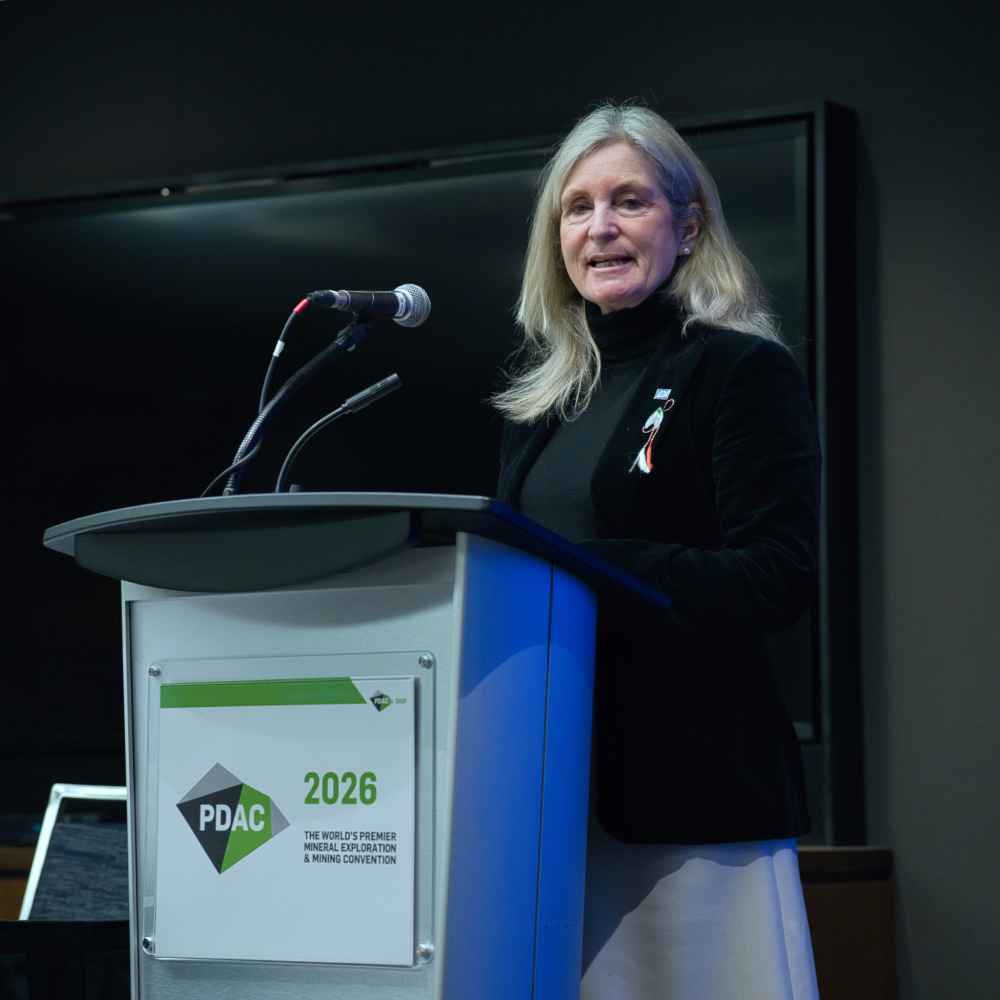
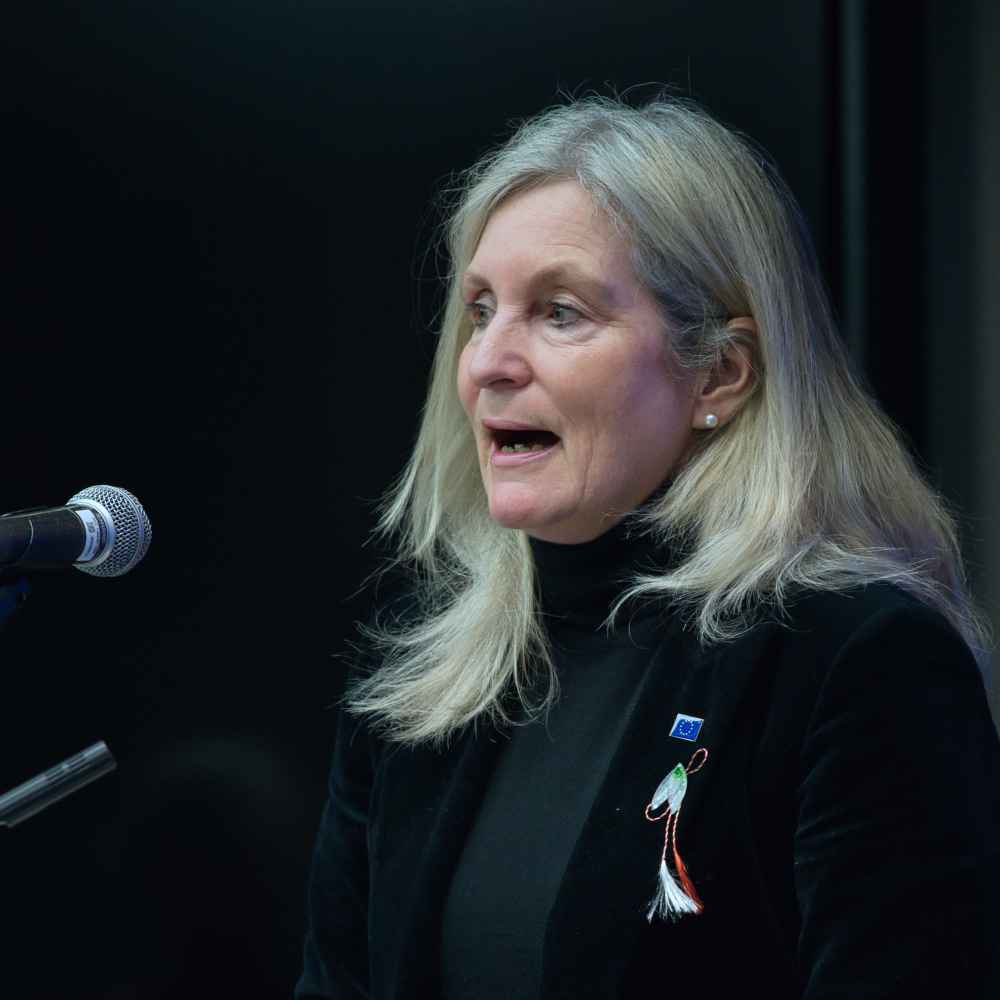
Ms. Kerstin Jorna, Director-General for Internal Market, Industry, Entrepreneurship and SMEs, European Commission, spoke to the existing Chinese threat by its domination of rare minerals and reported on the European Union’s Critical Raw Materials Act that encourages investment by creating a single set of federal permit rules.
Mr. Vasileios Tsianos, Chairman of the Global Rare Earths Industry Association and VP of Neo Performance Materials, provided an exciting update on Neo's Narva plant. It has now produced over one million magnets. He emphasized that magnets are huge energy savers and are the linchpin to green energy. He also noted that the European Union’s market for magnets is three times greater that the US, though China still dominates the global market. Mr. Tsianos, who has visited Estonia many times, paid special tribute to what he termed Estonia’s “education dividend,” the country’s educational curriculum over the past three decades and its ability to educate a high-performing and specialized workforce.
… all bedrock mineral resources and those in public waterholes and on state land belong to the state. Furthermore, in Estonia the Ministry of Climate coordinates the exploration and use of mineral resources. Estonia’s Earth’s Crust Act serves as the regulatory authority.
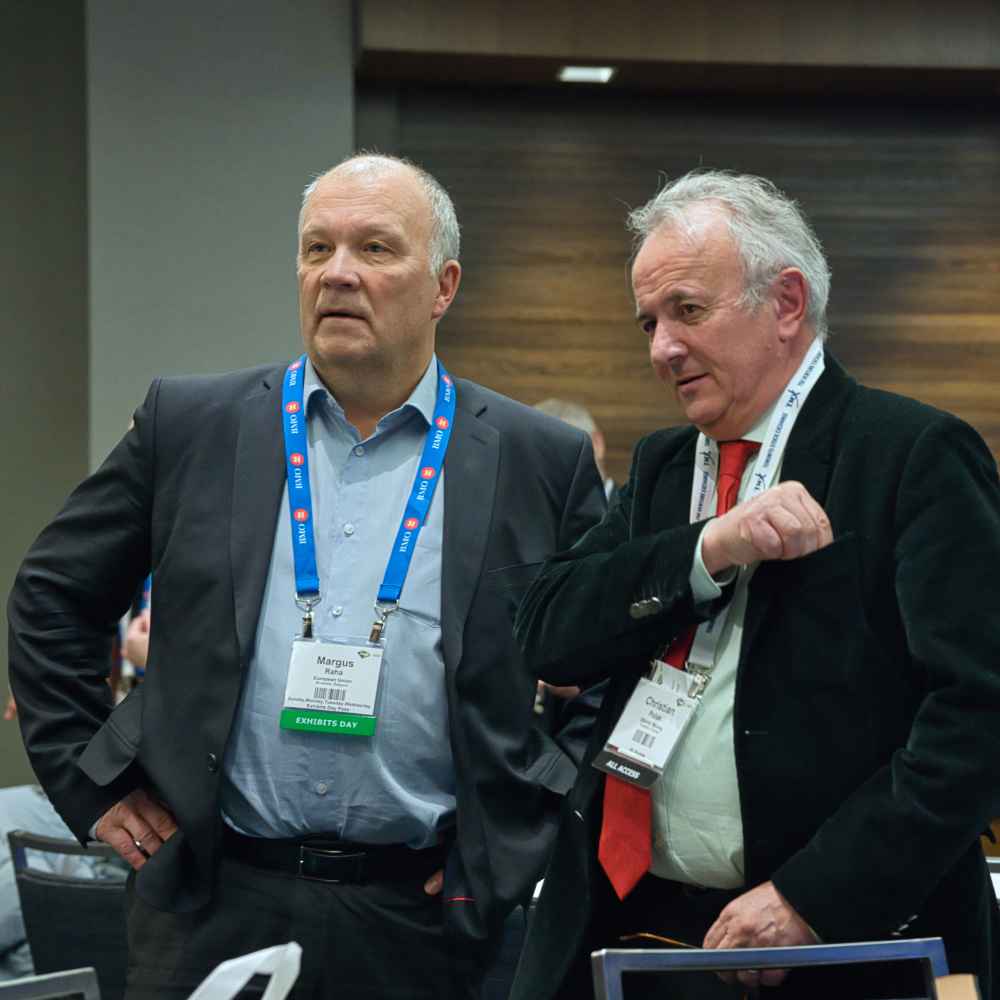
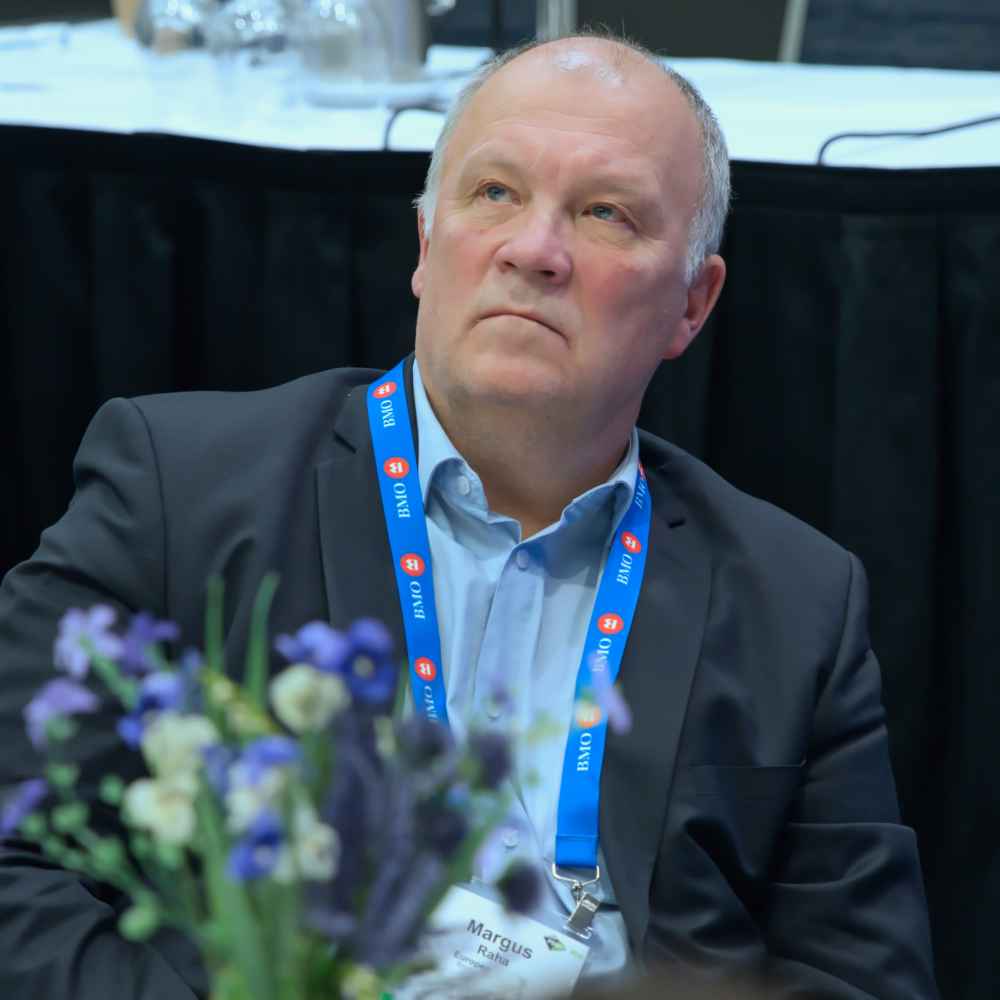
Mr. Margus Raha, Advisor on Mineral Resources at the Estonian Ministry of Climate, provided a valuable overview of Estonian mineral resources, especially heavy and light rare earth elements, magnesium, vanadium, phosphate rock, and phosphorus. He also outlined the current status of ownership rights of these resources in Estonia, noting that all bedrock mineral resources and those in public waterholes and on state land belong to the state. Furthermore, in Estonia the Ministry of Climate coordinates the exploration and use of mineral resources. Estonia’s Earth’s Crust Act serves as the regulatory authority. He also addressed the challenges, including anti-mining attitudes, abandoned old quarries and tailings of oil shale that can heat up and catch fire.
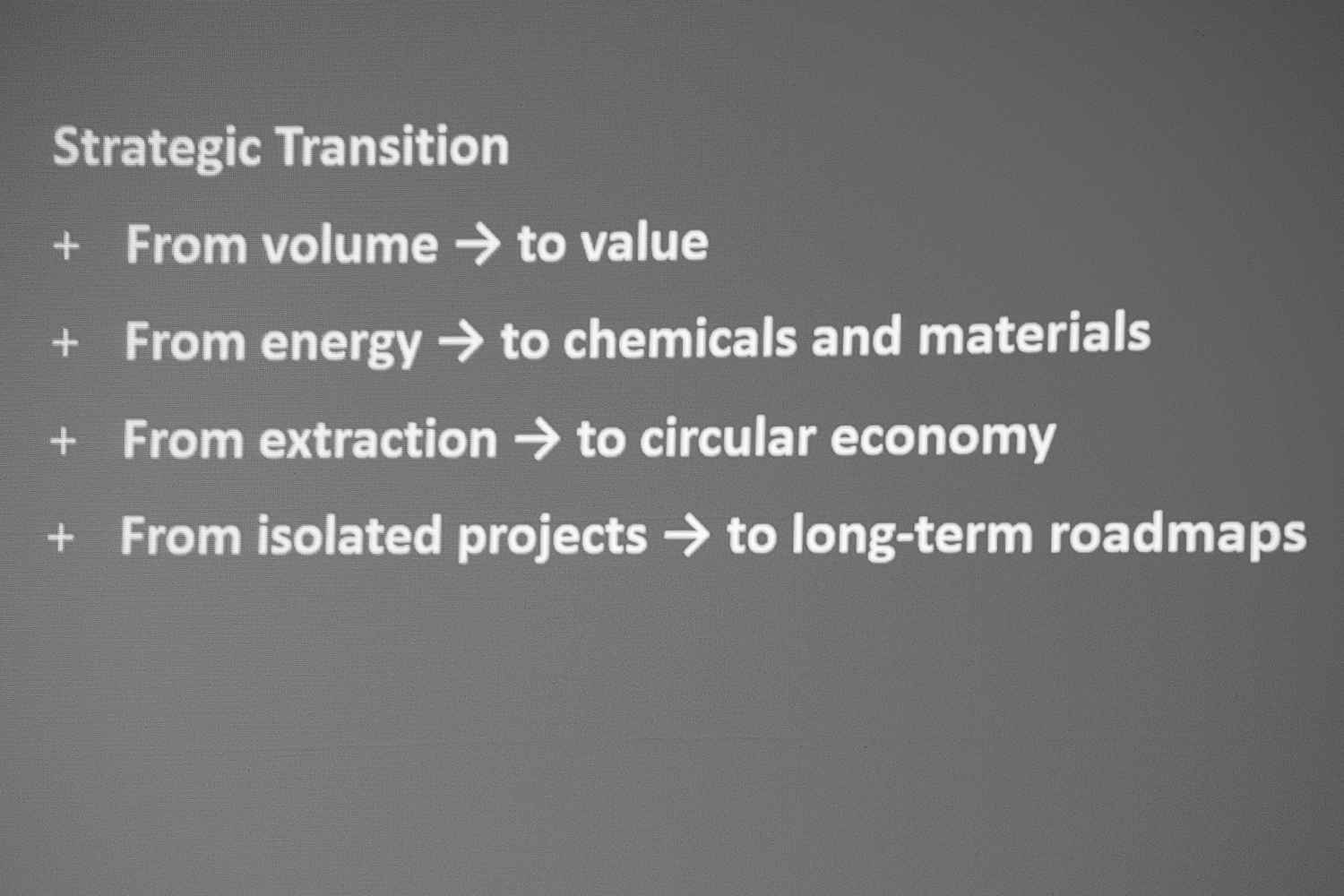
An overview of the Estonian business environment and of investment opportunities along the mining value chain in Estonia was presented by Mr. Toomas Meltsas, Deputy Head of Global Business Development at Invest Estonia, and Mr. Tõnu Tuppits, Head of Natural Resources Sector at Invest Estonia. The vital importance of Estonian e-residency was noted. In addition, the speakers noted that the Estonian tax system does not tax profits that are re-invested in the company; only profits that are distributed to shareholders are subject to taxation, thus providing a significant incentive to re-invest. One concluding slide neatly summarized Estonia’s strategic investment transition as seen in the mining industry: from volume to value; from energy to chemicals and materials; from extraction to a circular economy; from isolated projects to a long-term roadmap.
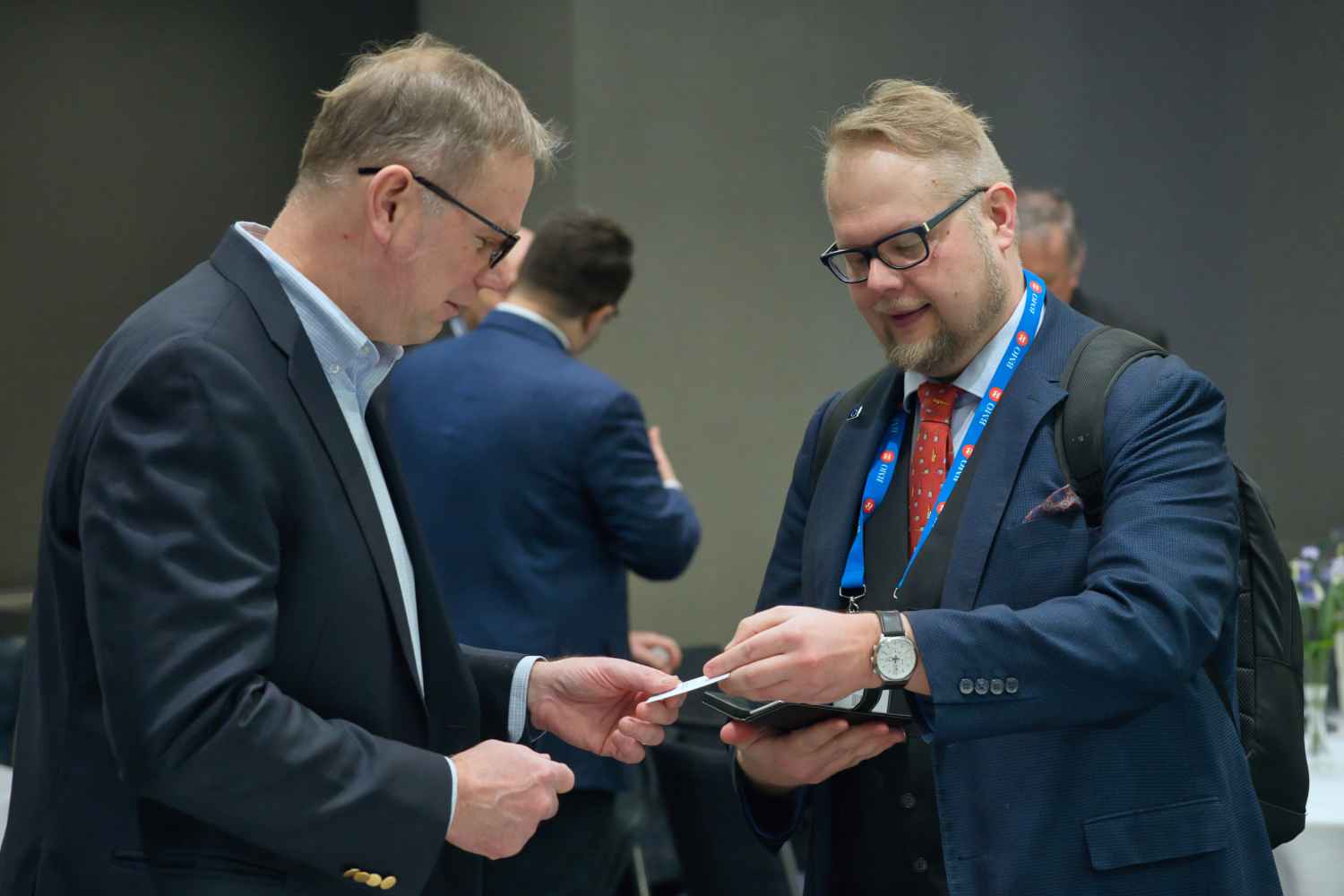
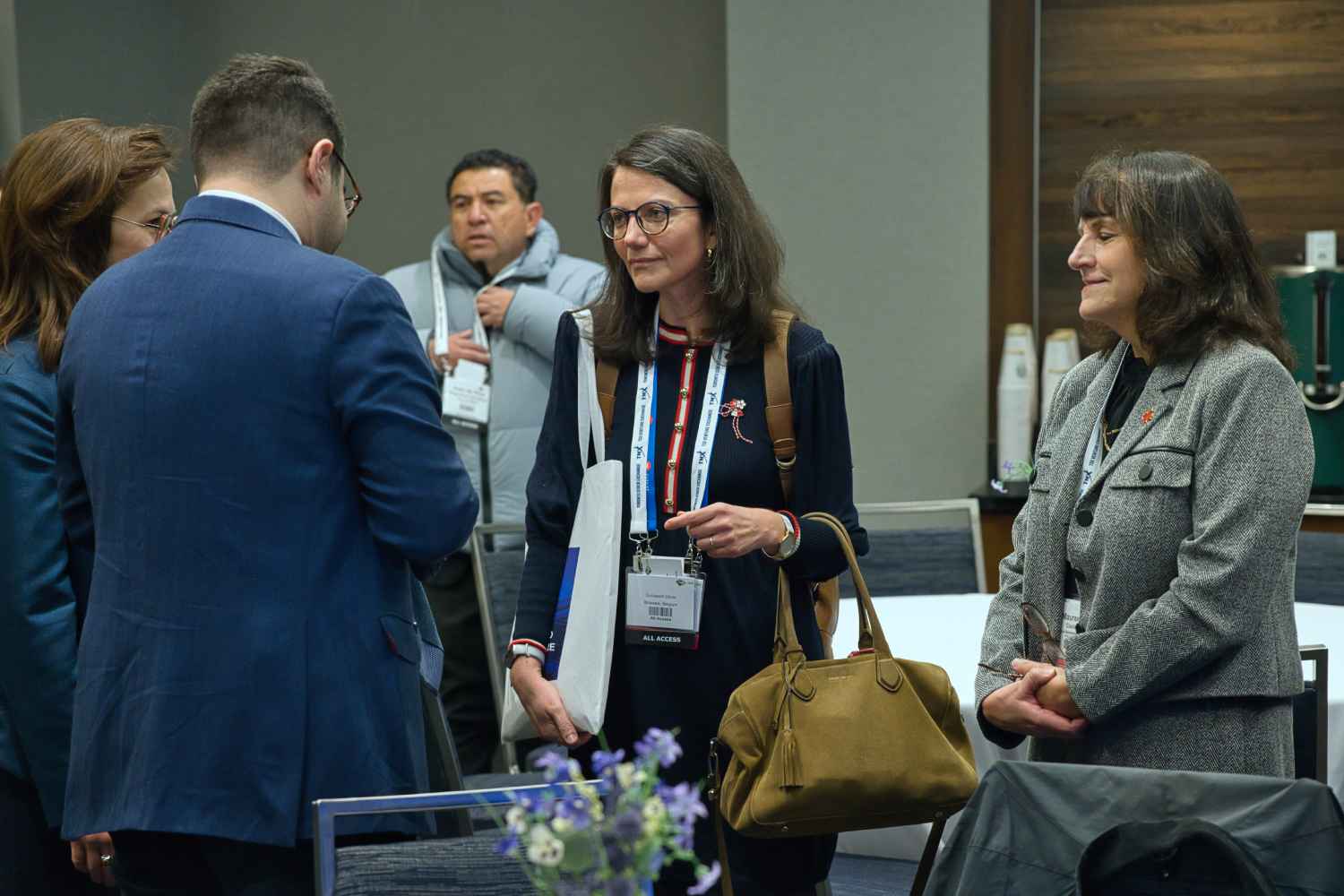
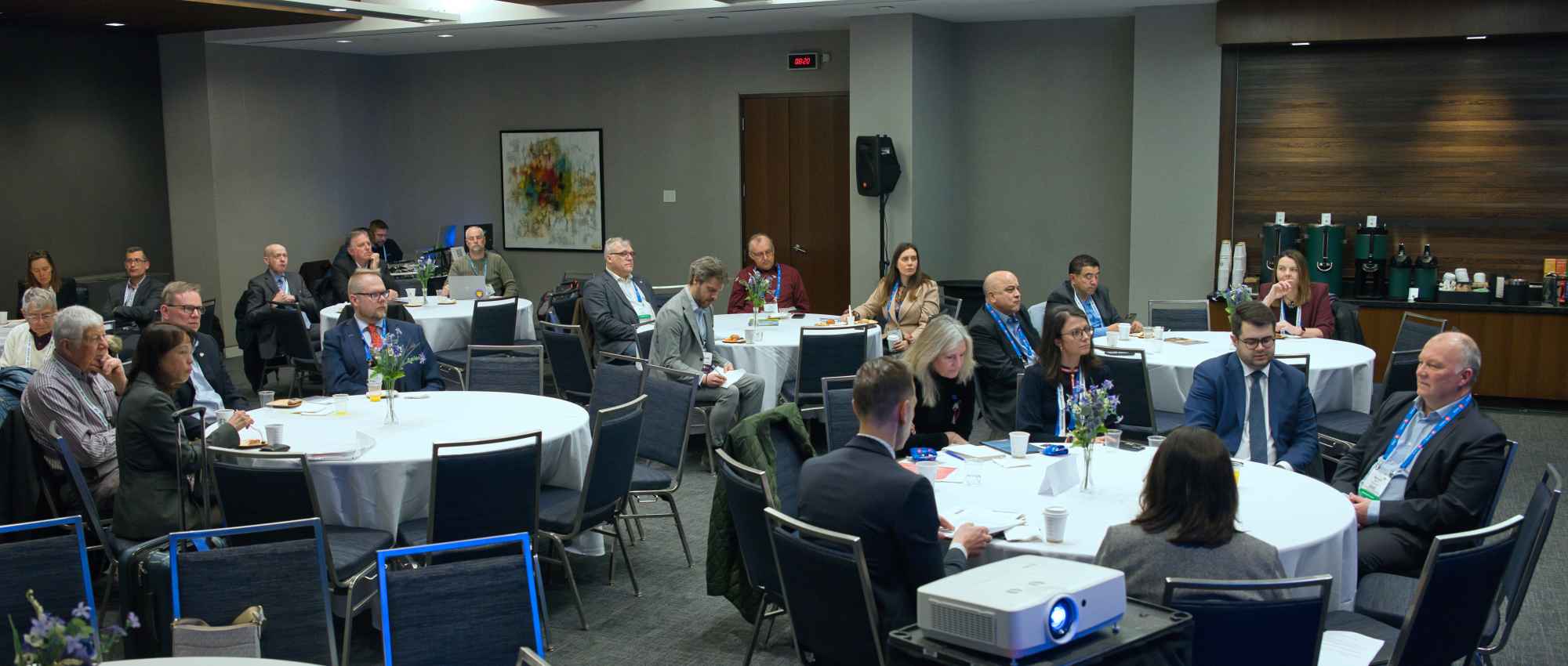
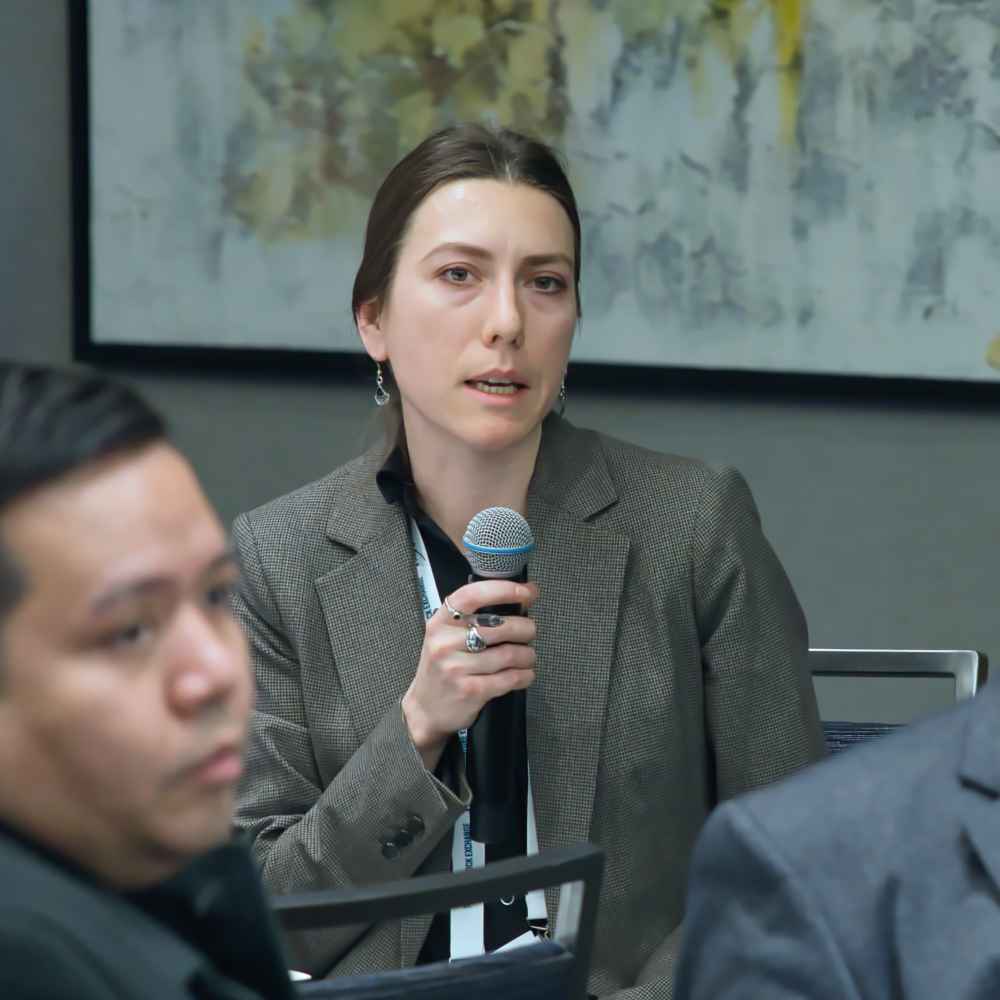
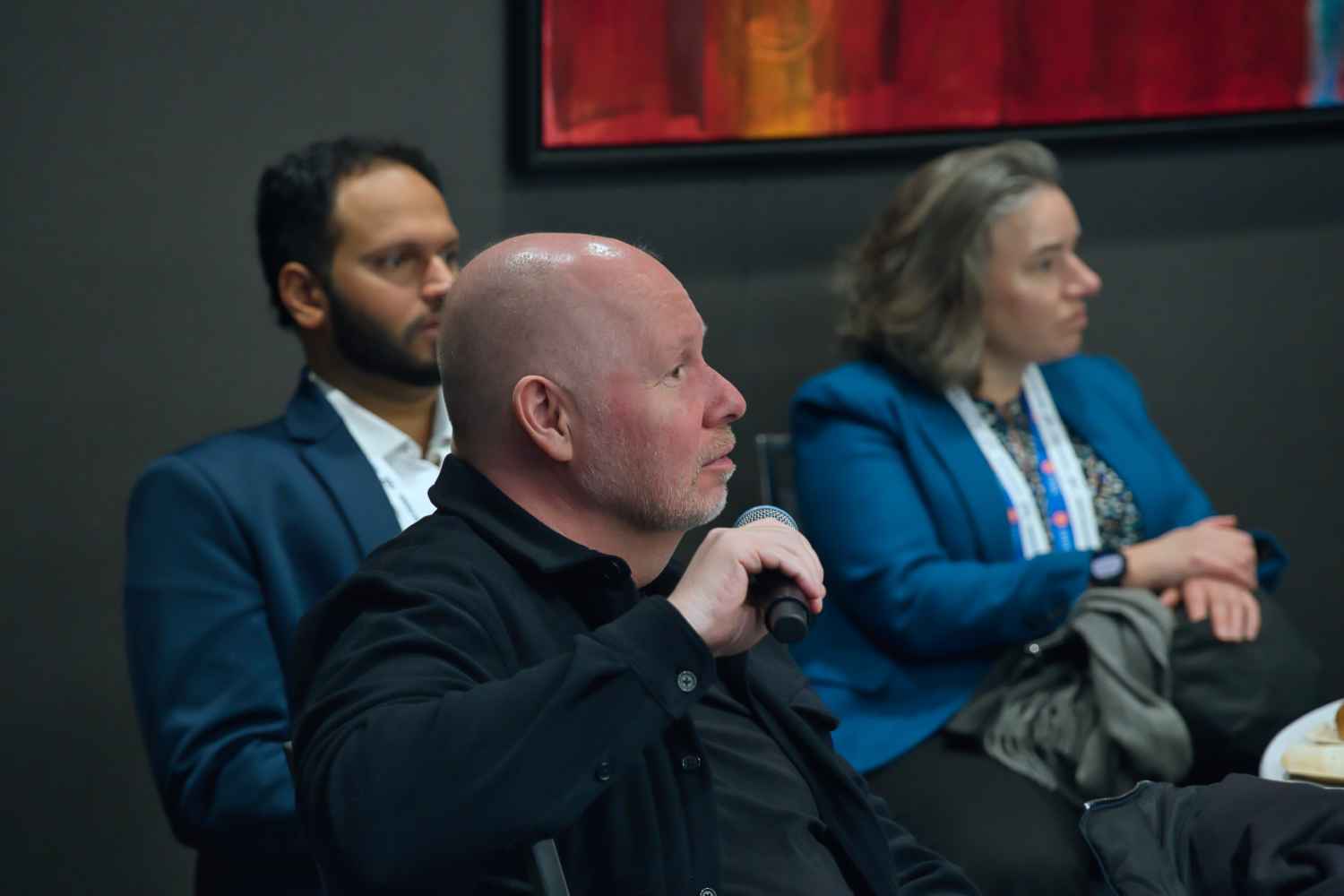
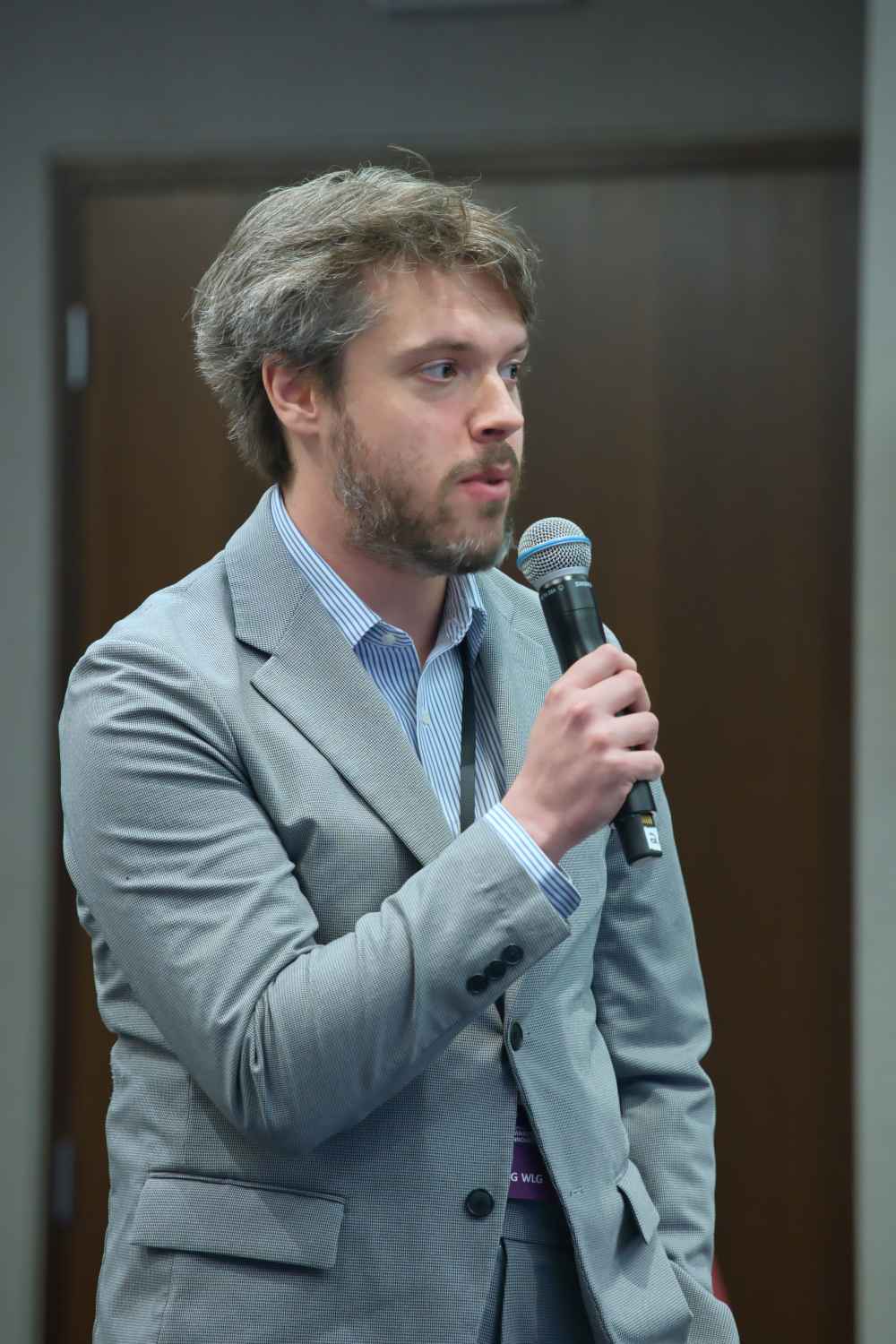
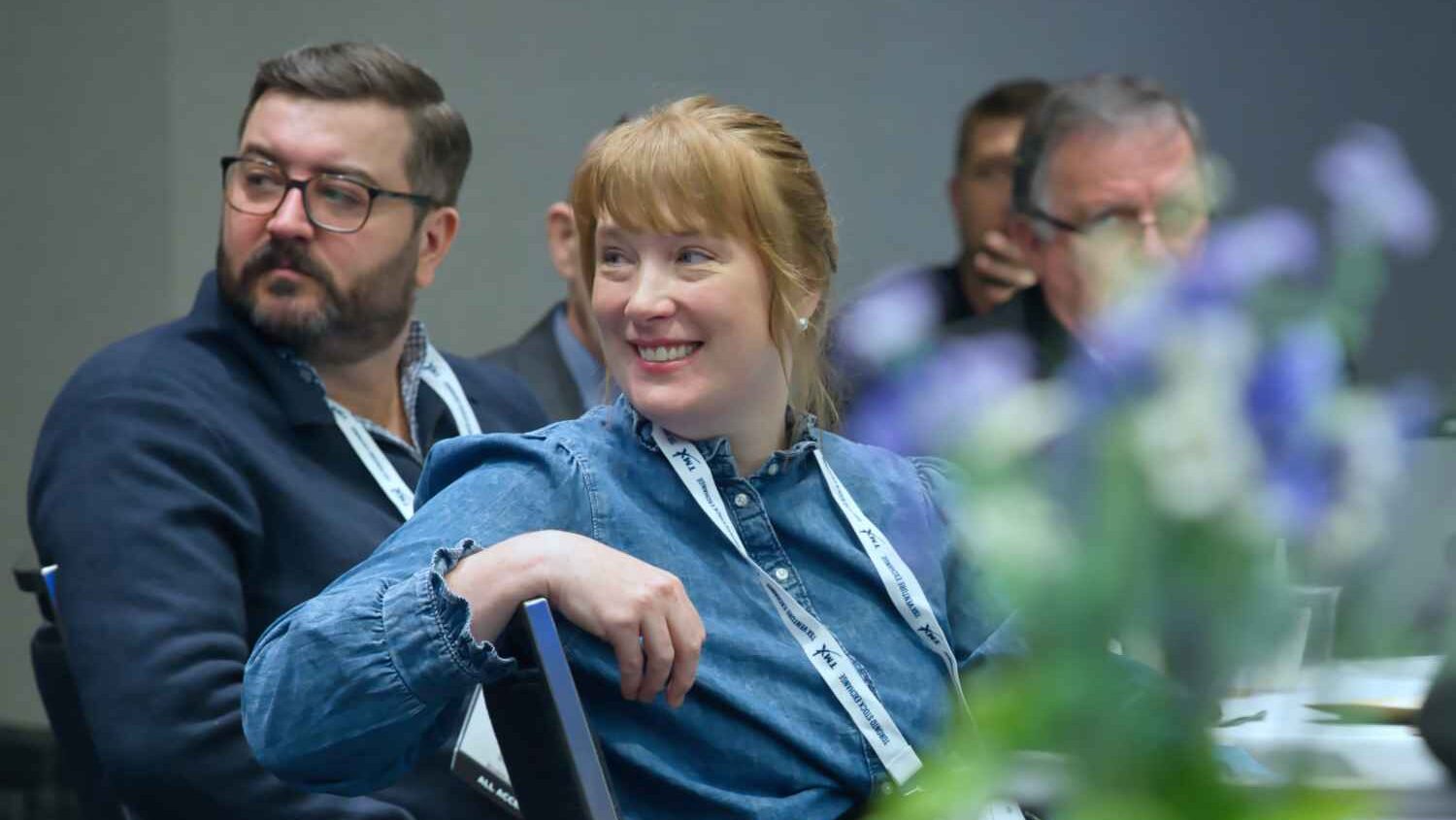
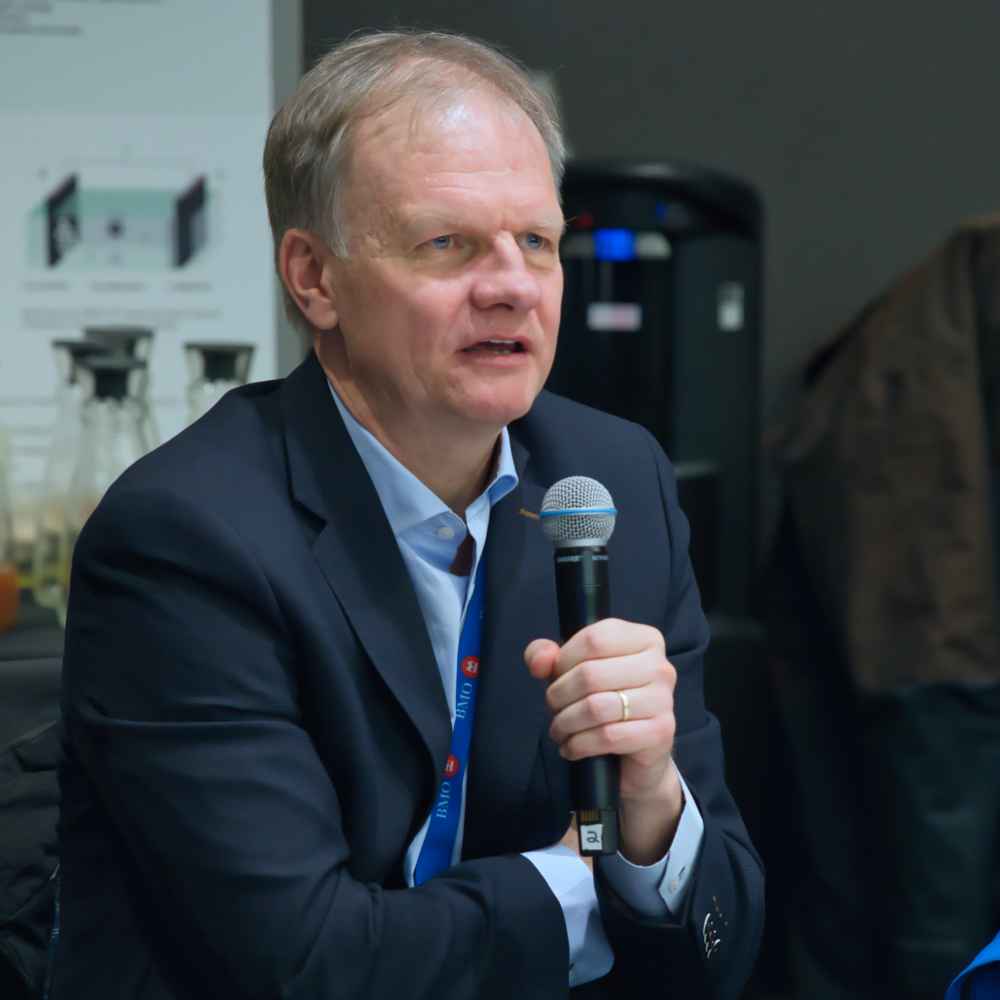
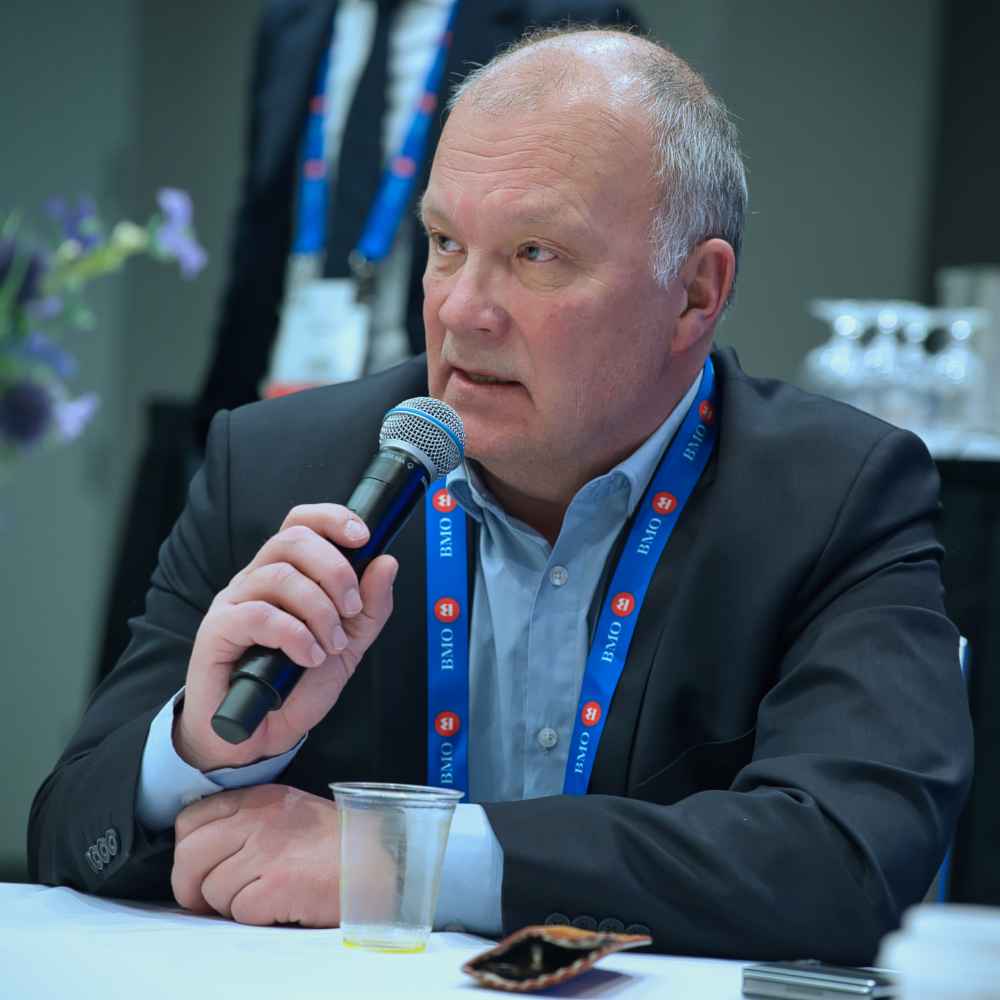
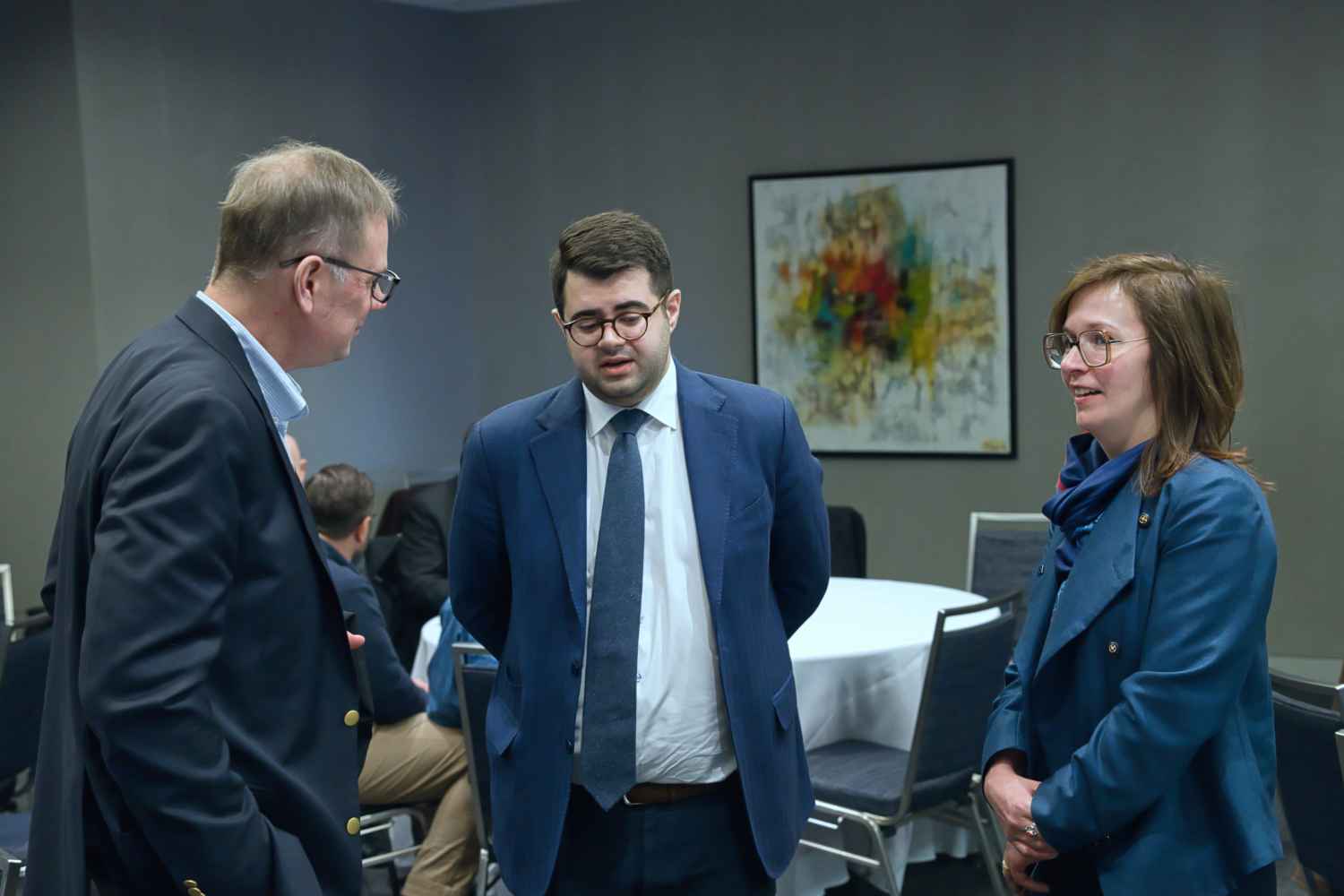
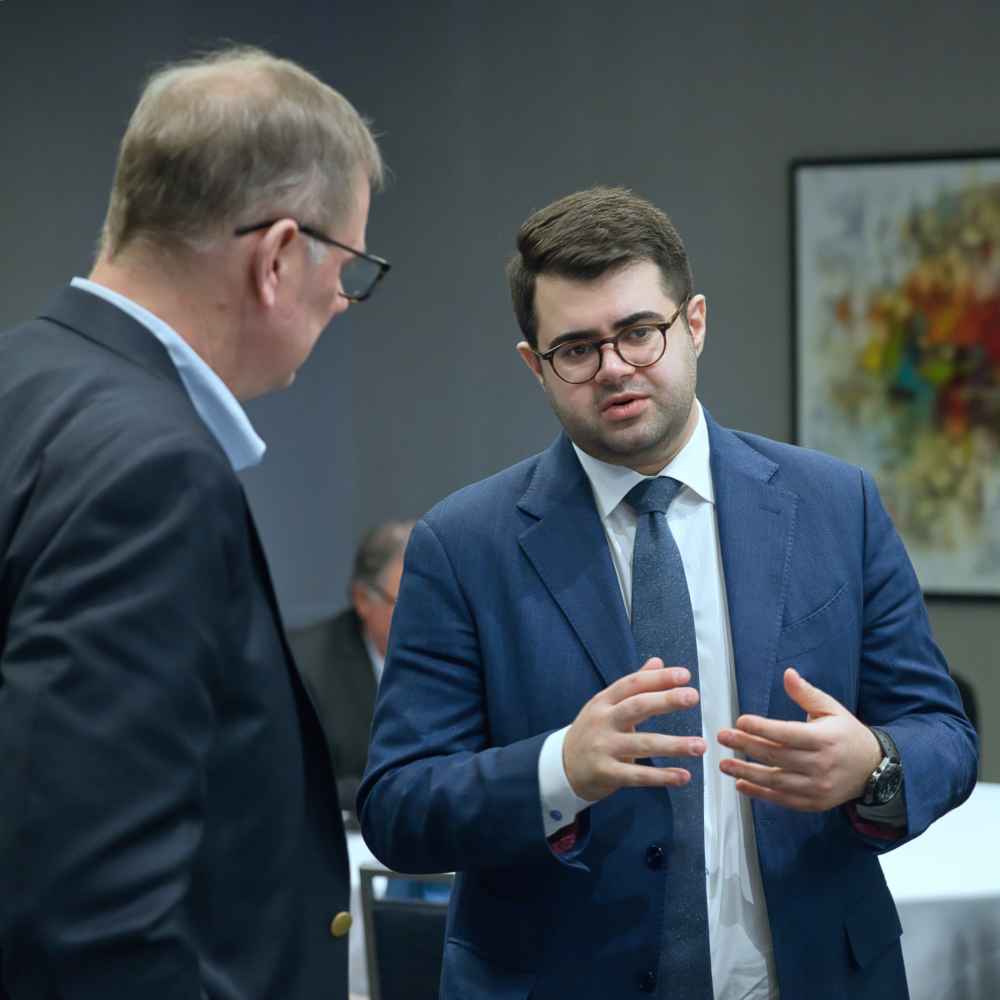
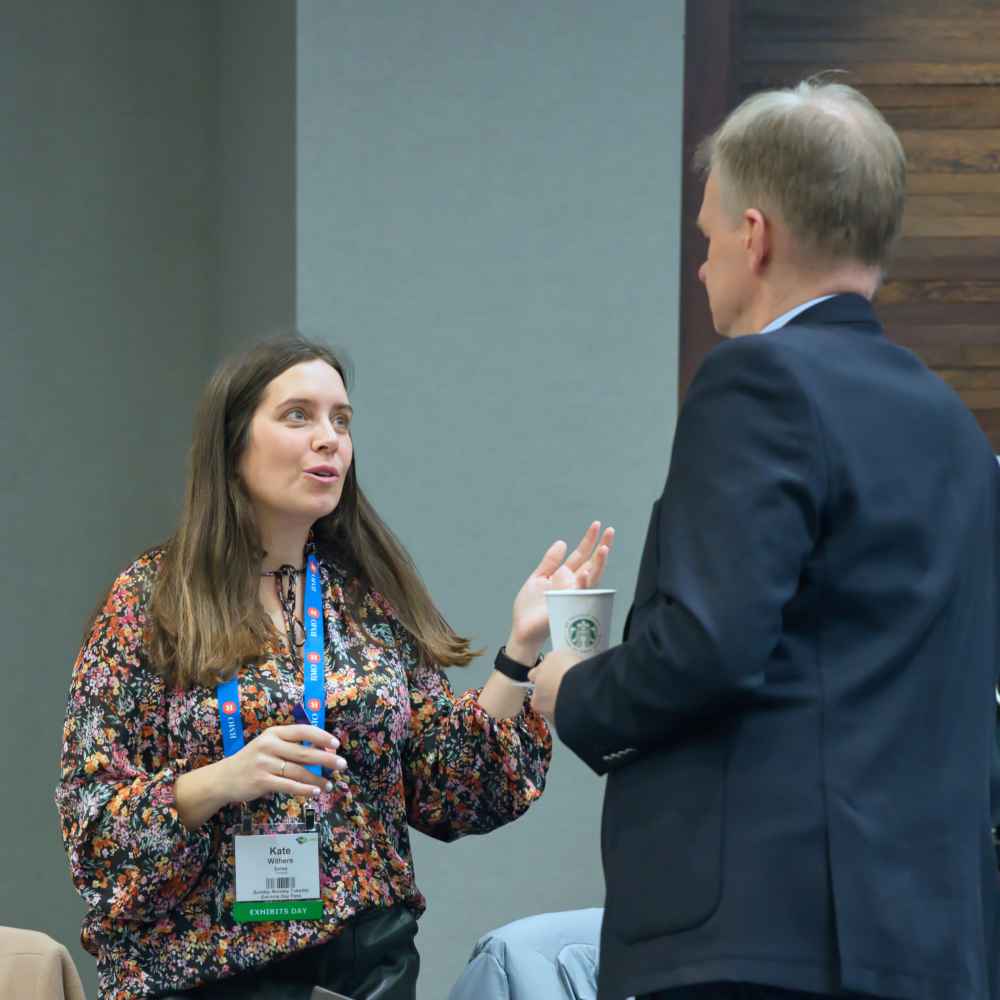
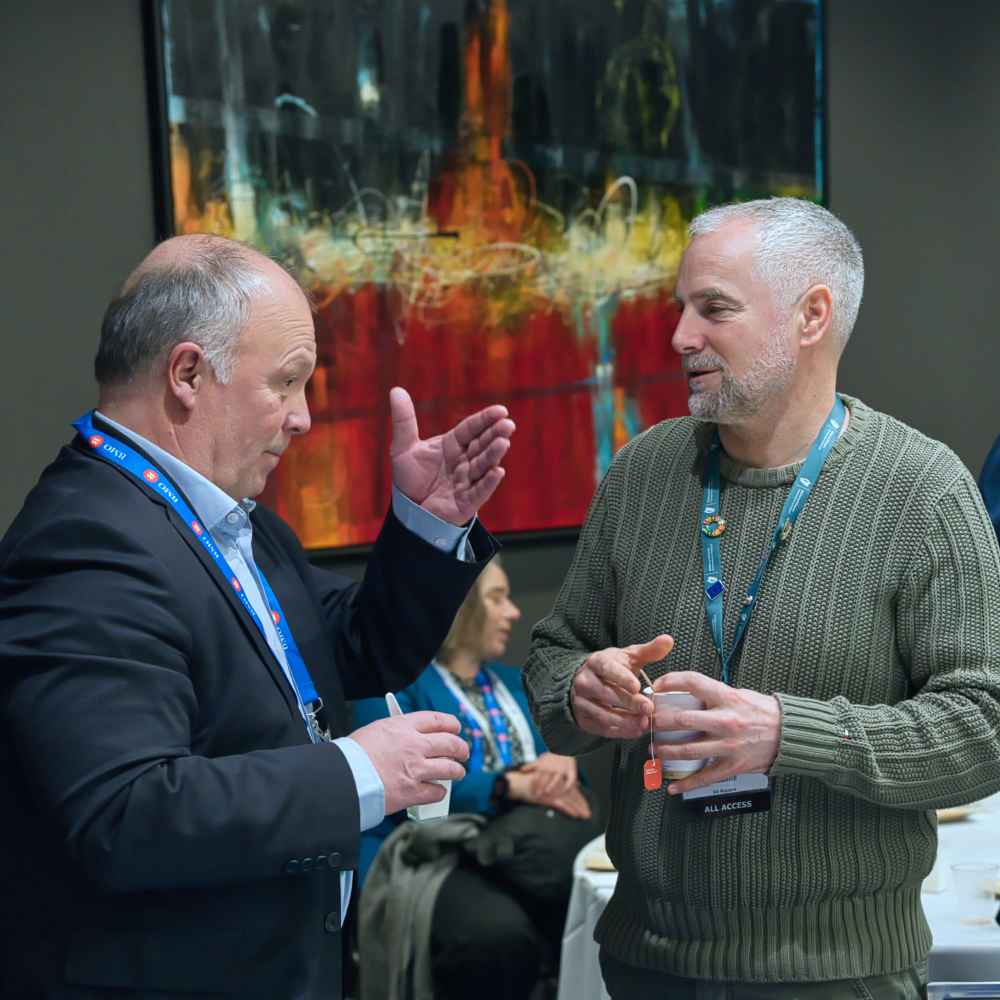
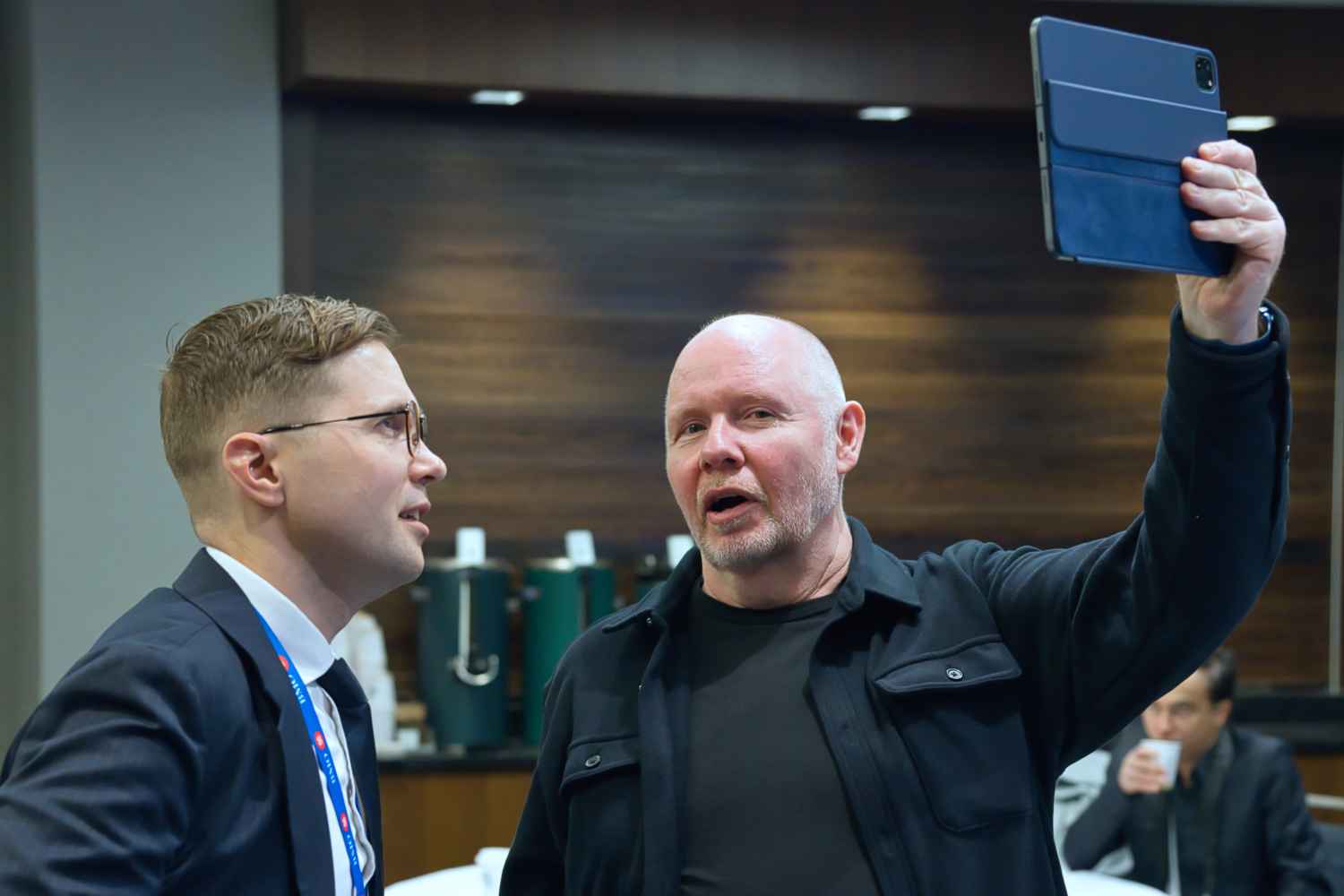
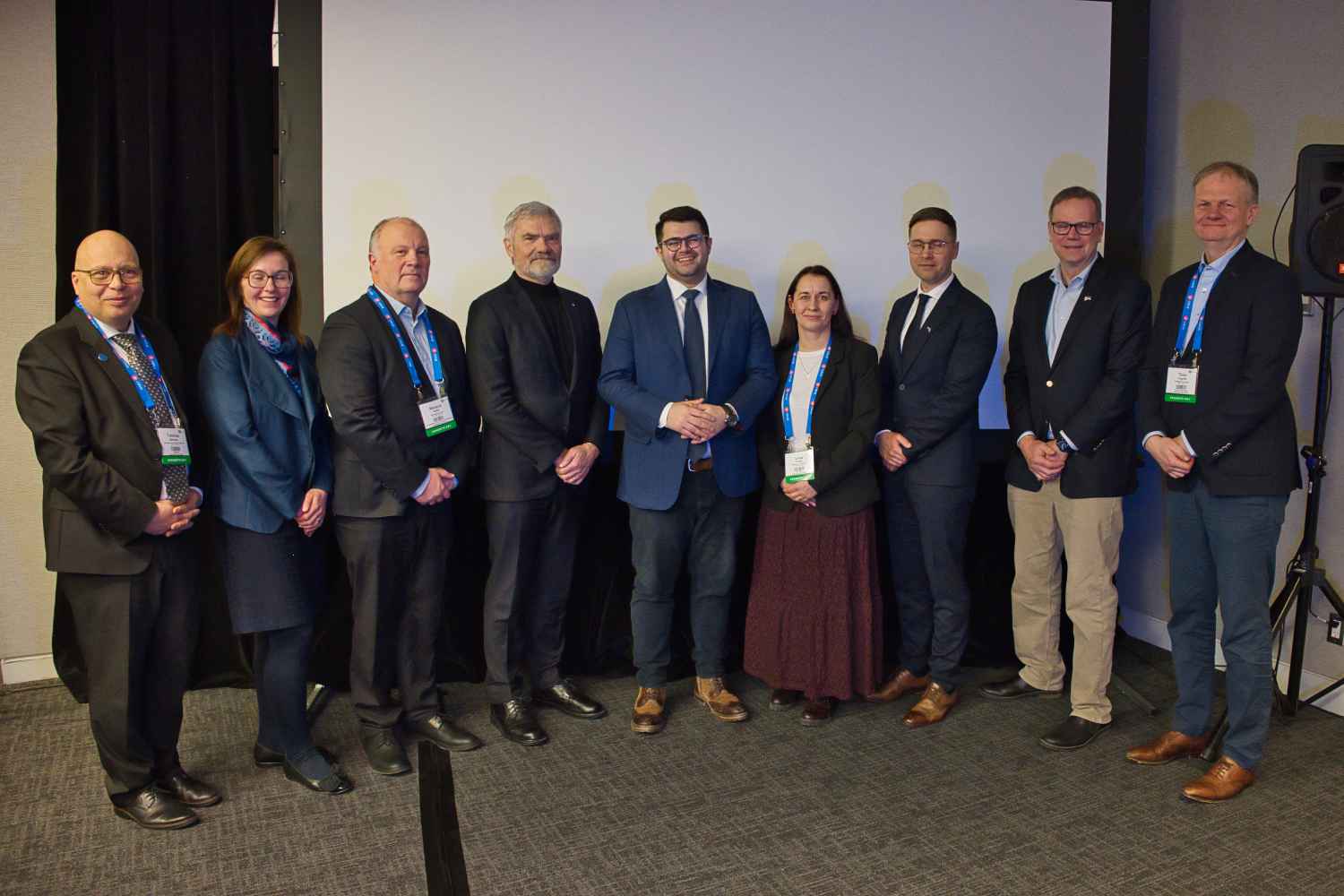
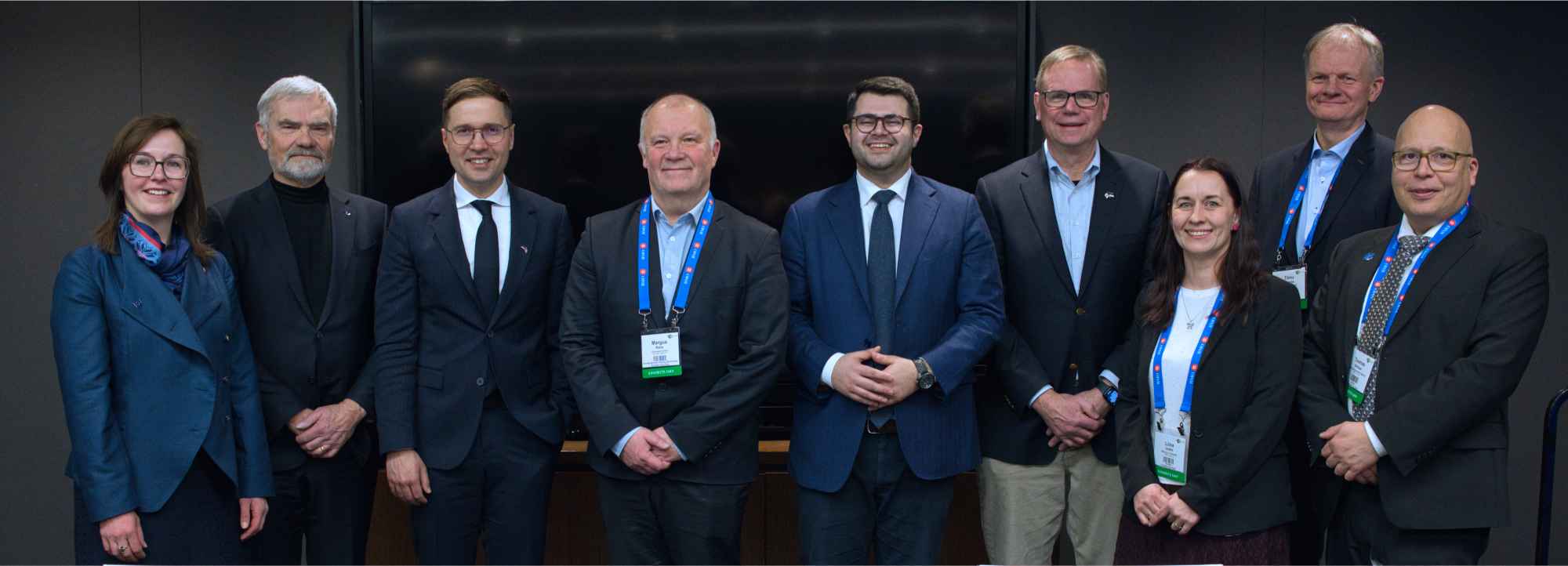
A vigorous question and answer session occurred, followed by a networking opportunity that concluded with the traditional group photo of the key participants.
Text and photo gallery by Peeter Põldre
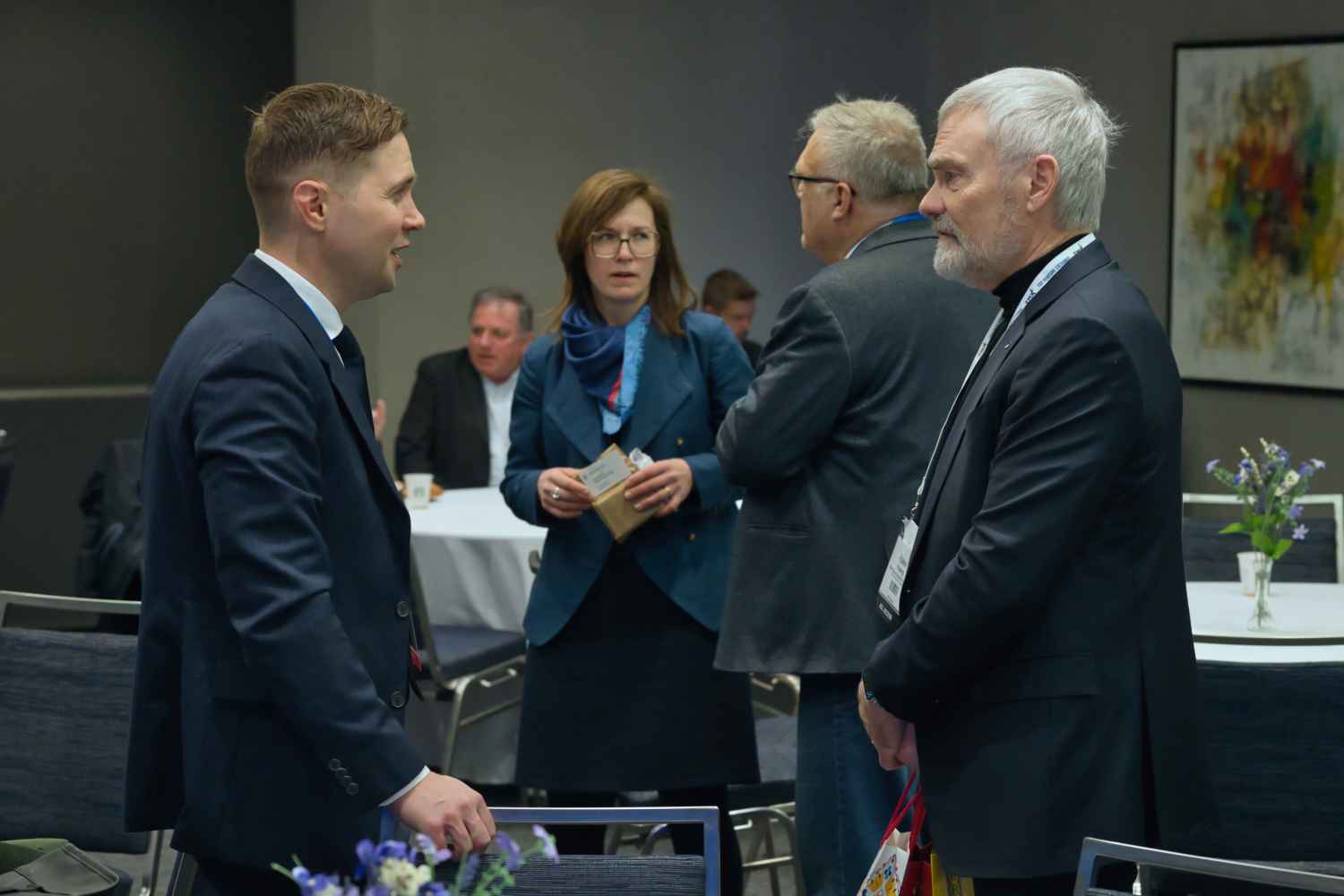
Photo gallery