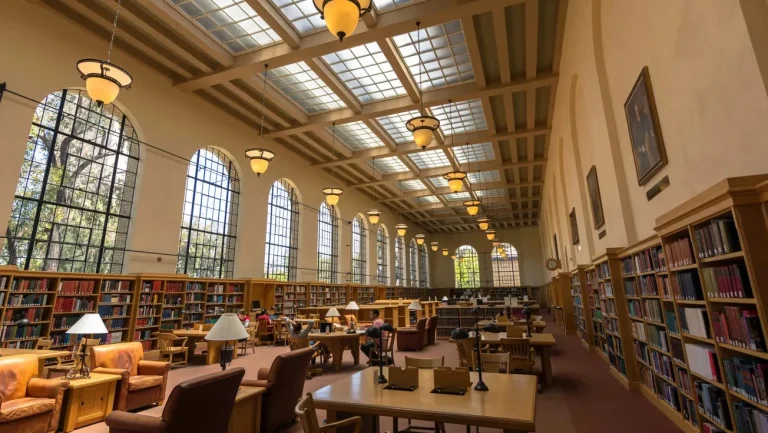
And moreover, the appeal of Doors Open Toronto. In case you’re not familiar with it, for one weekend in May every year, a selection of buildings in the city of Toronto open up to the general public, several of them being closed off or less accessible at every other time of the year. Want to ascend to a preserved mid-century modern office in the sky? Now’s your chance. Curious about the hidden subway platform underneath Bay Station? Get your camera ready.
The options change every year, listed on the toronto.ca website, and the past few years yielded visits to quite a few wishlist destinations such as the elegant R.C. Harris Water Treatment Plant and the Spin Master head office. But a thorough perusal of Toronto’s old and new city halls had yet to be done. If one is going to consider themself from a place, being acquainted with the city hall feels appropriate.
Knowing how popular the Doors Open weekend is, just like the art crawl that is Nuit Blanche, lineups were expected. So it’s a good idea to choose what your top two destinations are, get up early, and head to the first one so you can be in line by 9:30 a.m. at least and walk in at 10:00.
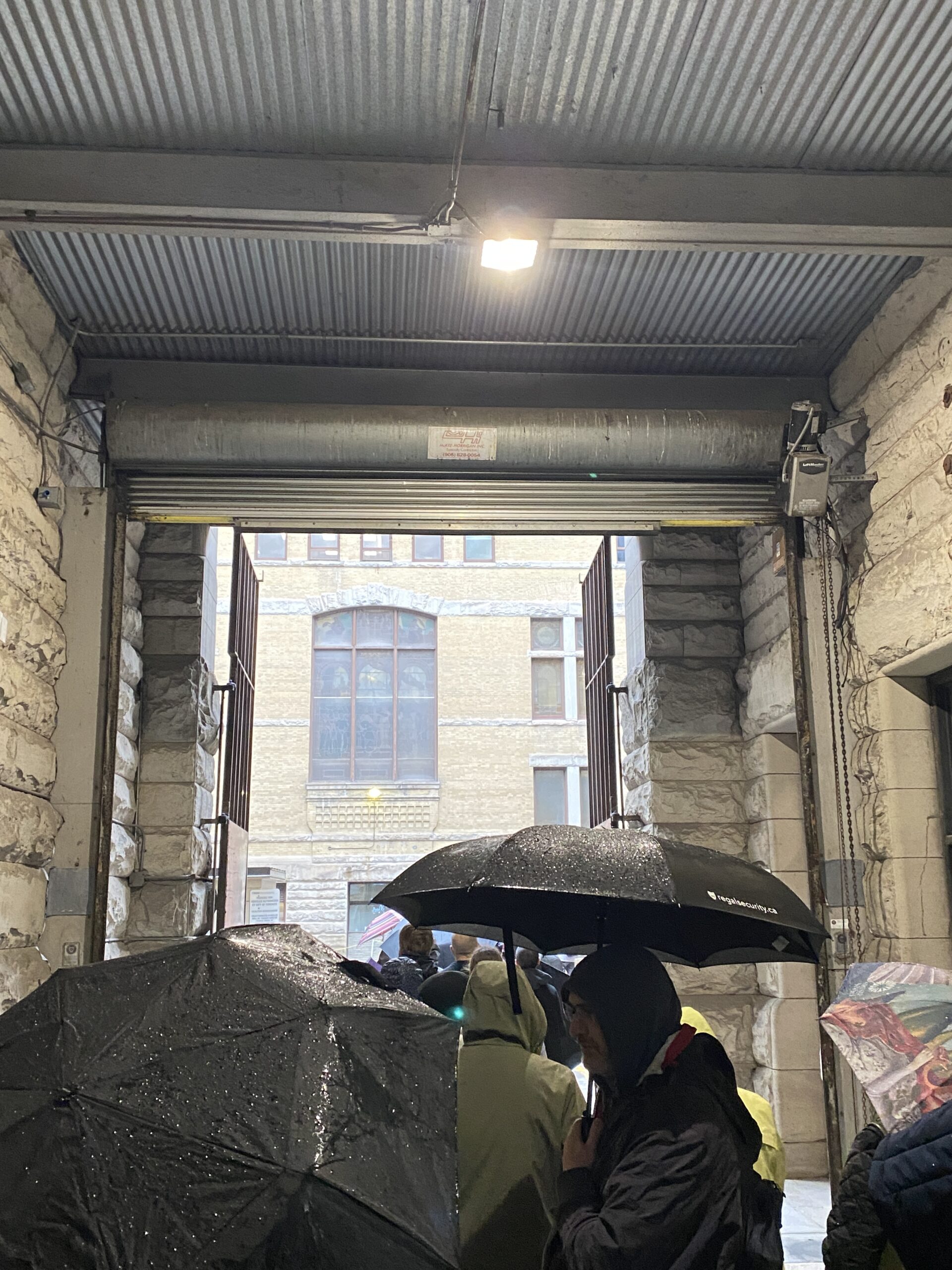
The trouble was the weather. For the entirety of Saturday (and pretty much Sunday as well), a continuous downpour of cold rain was expected. It was certainly welcome having a longer, heavy duty rain jacket on. Even so, any clothing lower than the upper thighs was soaked through after waiting in line, passing under dribbling eaves, and walking from place to place.
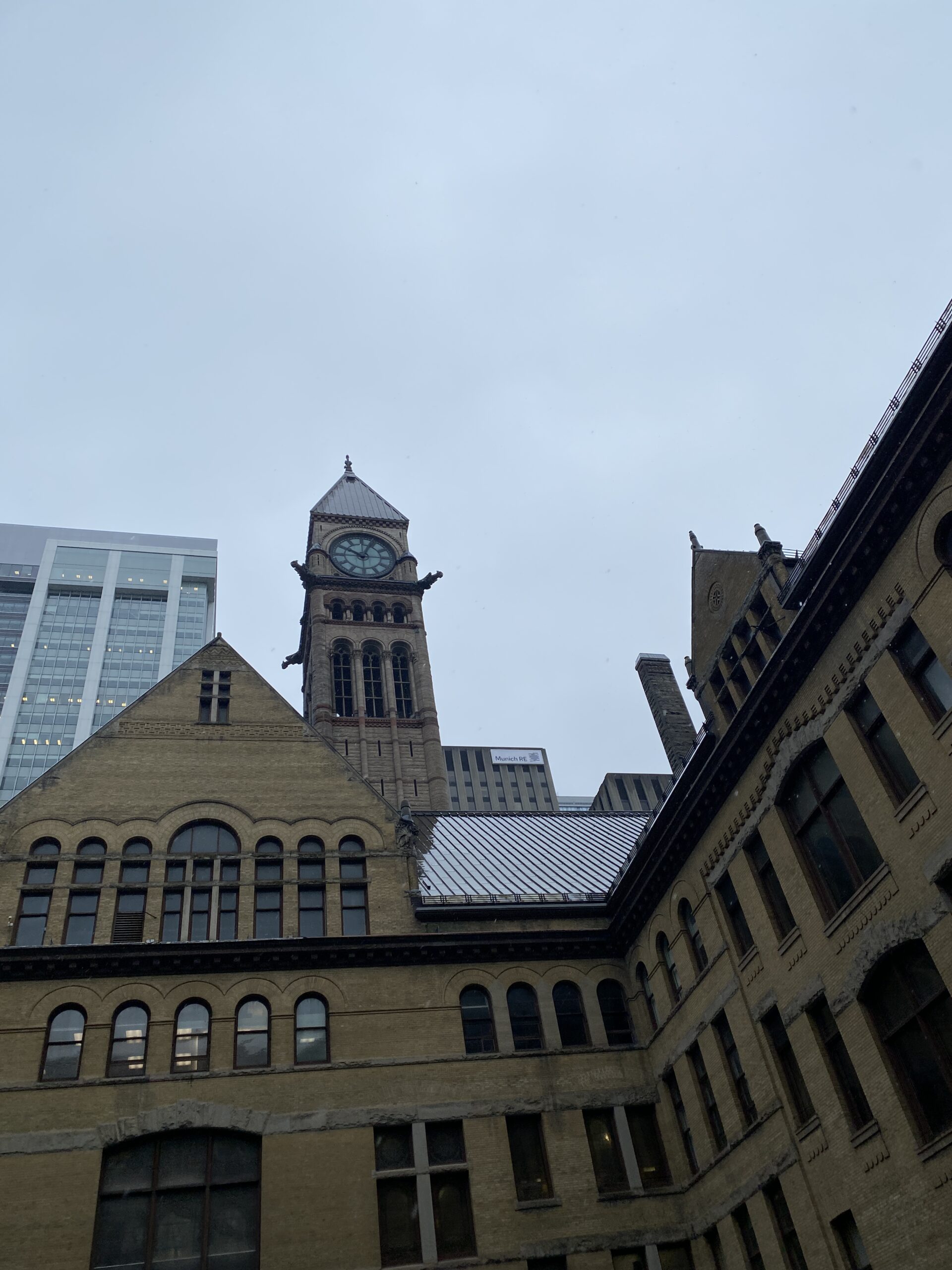
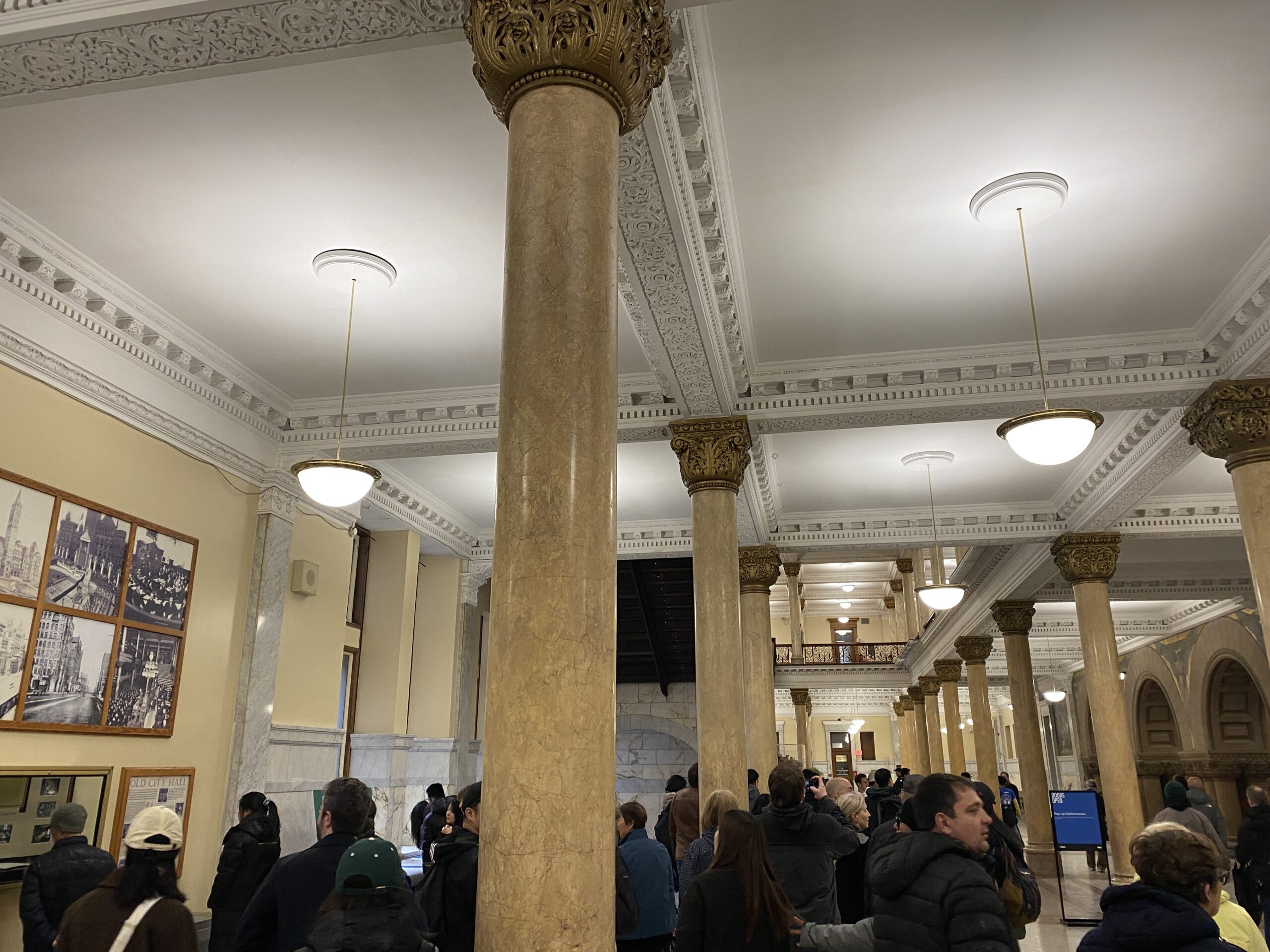
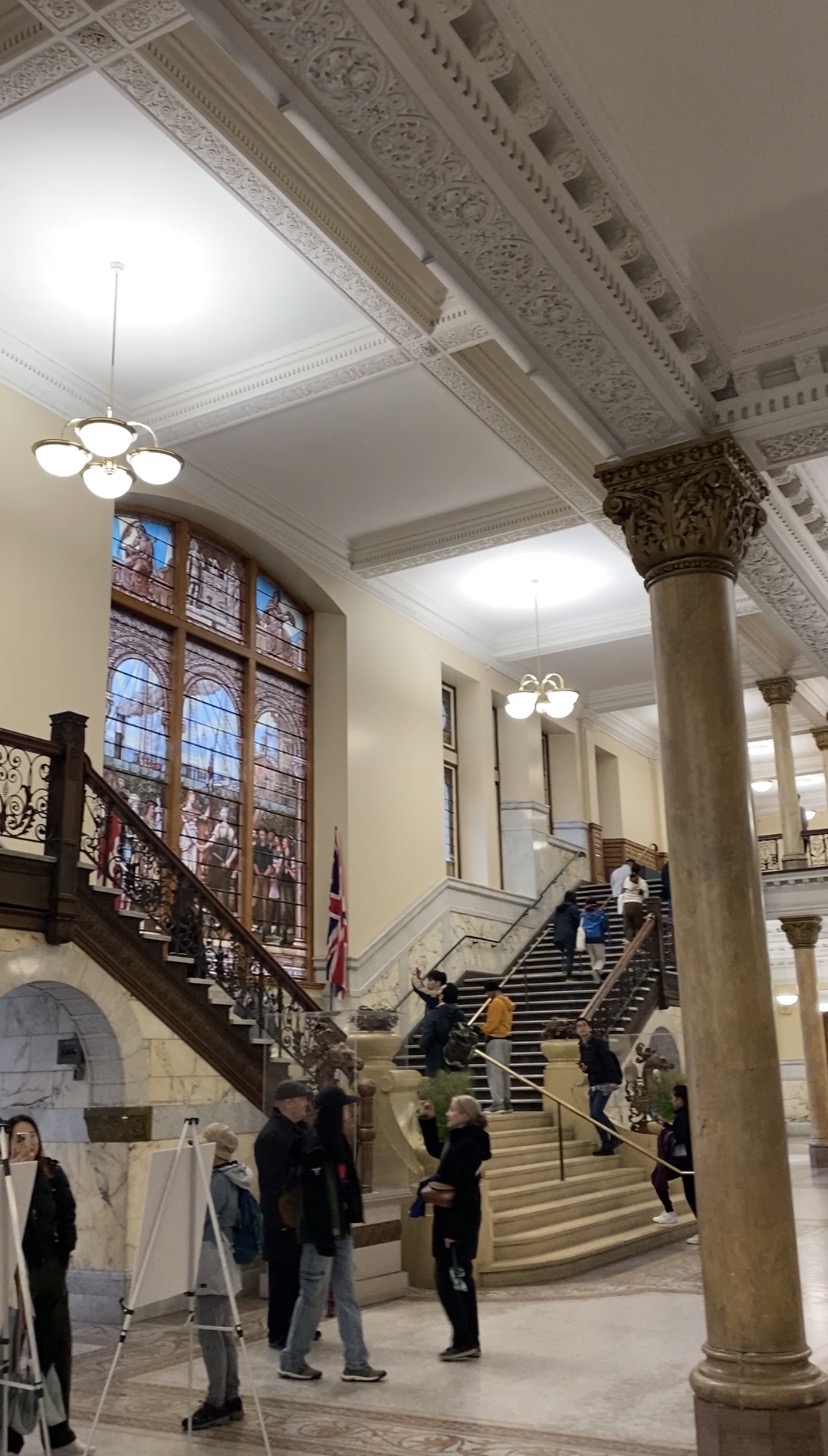
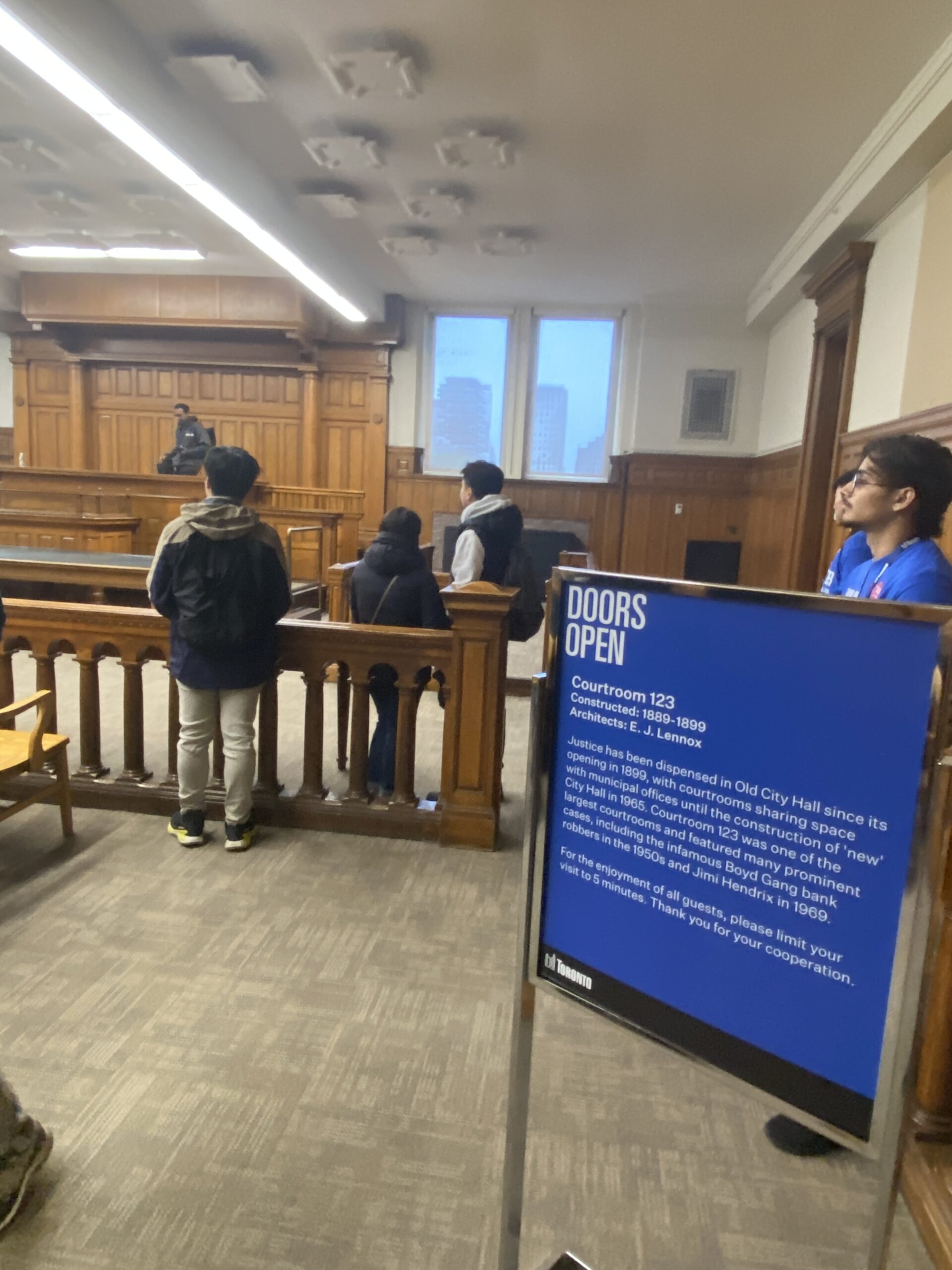
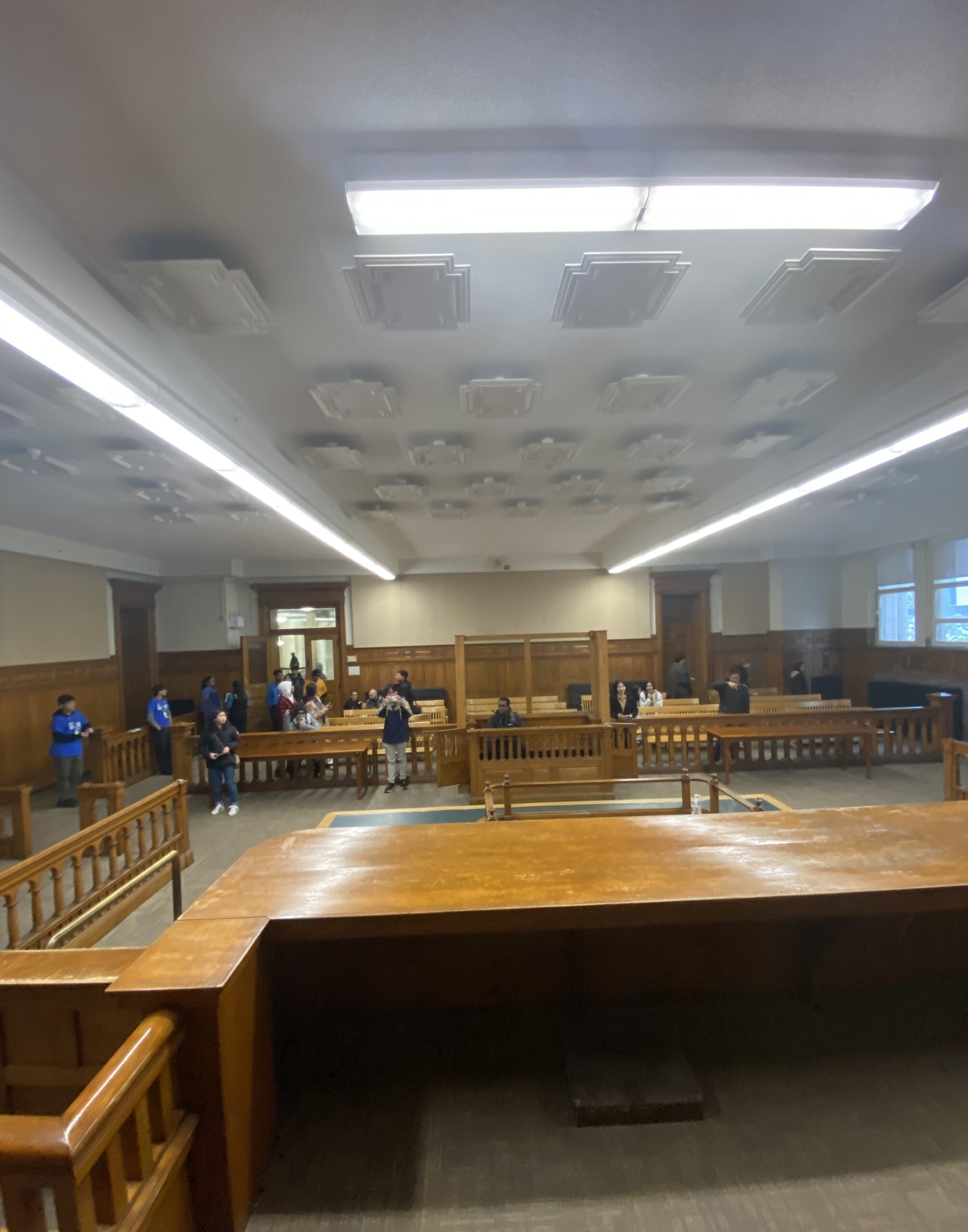
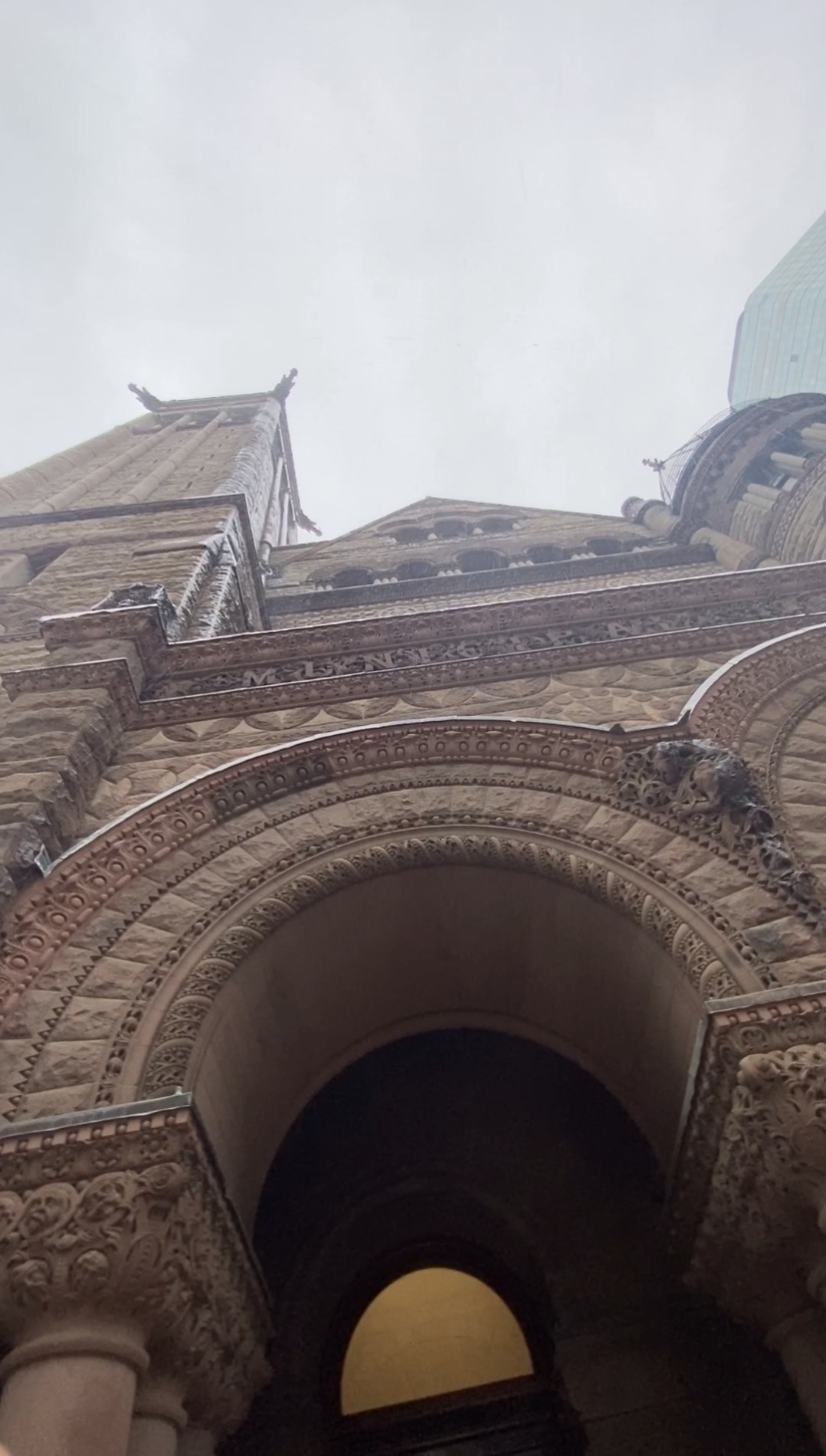
But let’s forget about precipitation, because once you get inside, you are soaking up hidden gems of architecture, design, and/or history, all put together in a finely curated package. Toronto’s Old City Hall, like other official buildings in Ontario, was handsome, with grand British interior design, columns, paintings, historical photographs and architectural plans, and even a VR component through which volunteers shared information about Indigenous peoples and history. Looking at the fine details of the structure, it’s mind-boggling to think of how it was going to be demolished in the ’60s or ’70s to make room for the Eaton Centre. Going up each flight of stairs revealed more and more courtrooms—fairly typical, functional rooms but for the dramatic cases settled within. Consider that Jimi Hendrix was in one of these rooms for an arraignment hearing in May 1969 for drugs found in his luggage at Toronto International Airport prior to performing at Maple Leaf Gardens.
The city should really make these places open to the public on other days of the year… it’s a gesture of trust and openness between citizens and institutions.
Before continuing to the current City Hall, flipping through a paper map (which proved easier to use than the map on the city’s website) revealed a few thorough sightseeing routes. If you have the entirety of Saturday and Sunday available, both city halls could be complemented by a peek inside Osgoode Hall, along with a day in another urban zone, like the Financial District, Harbourfront, or further out to Etobicoke and Scarborough.
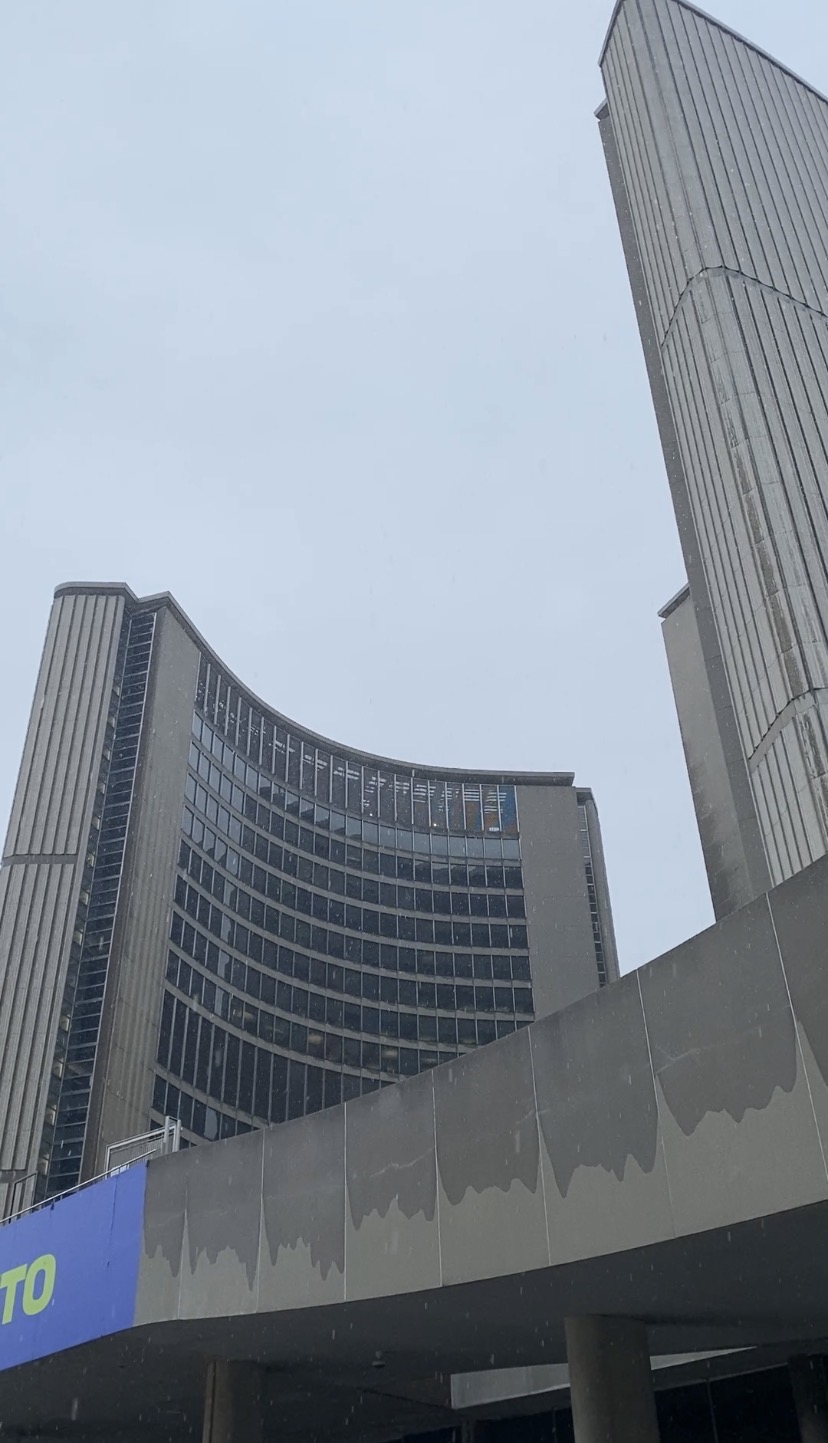
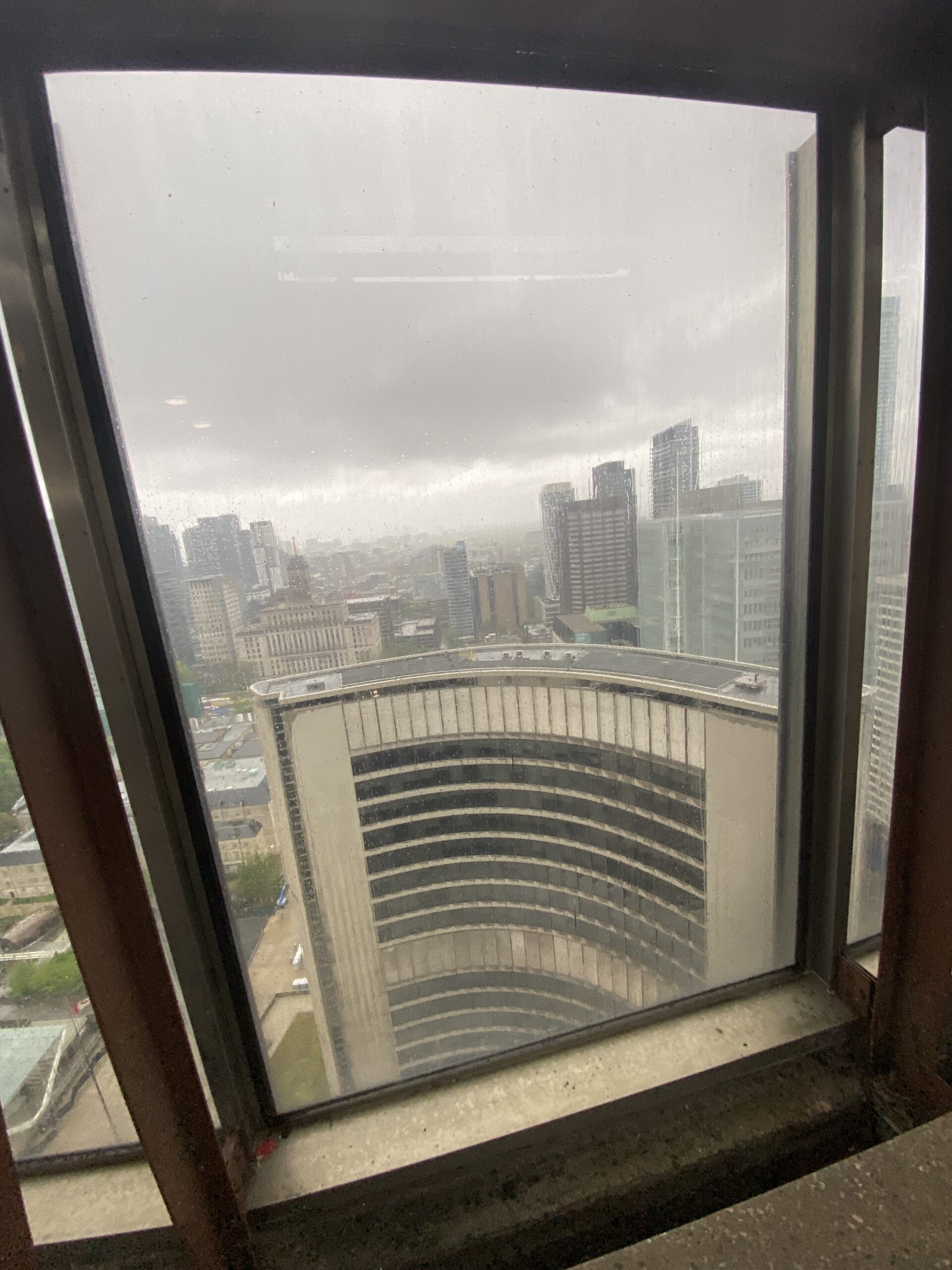
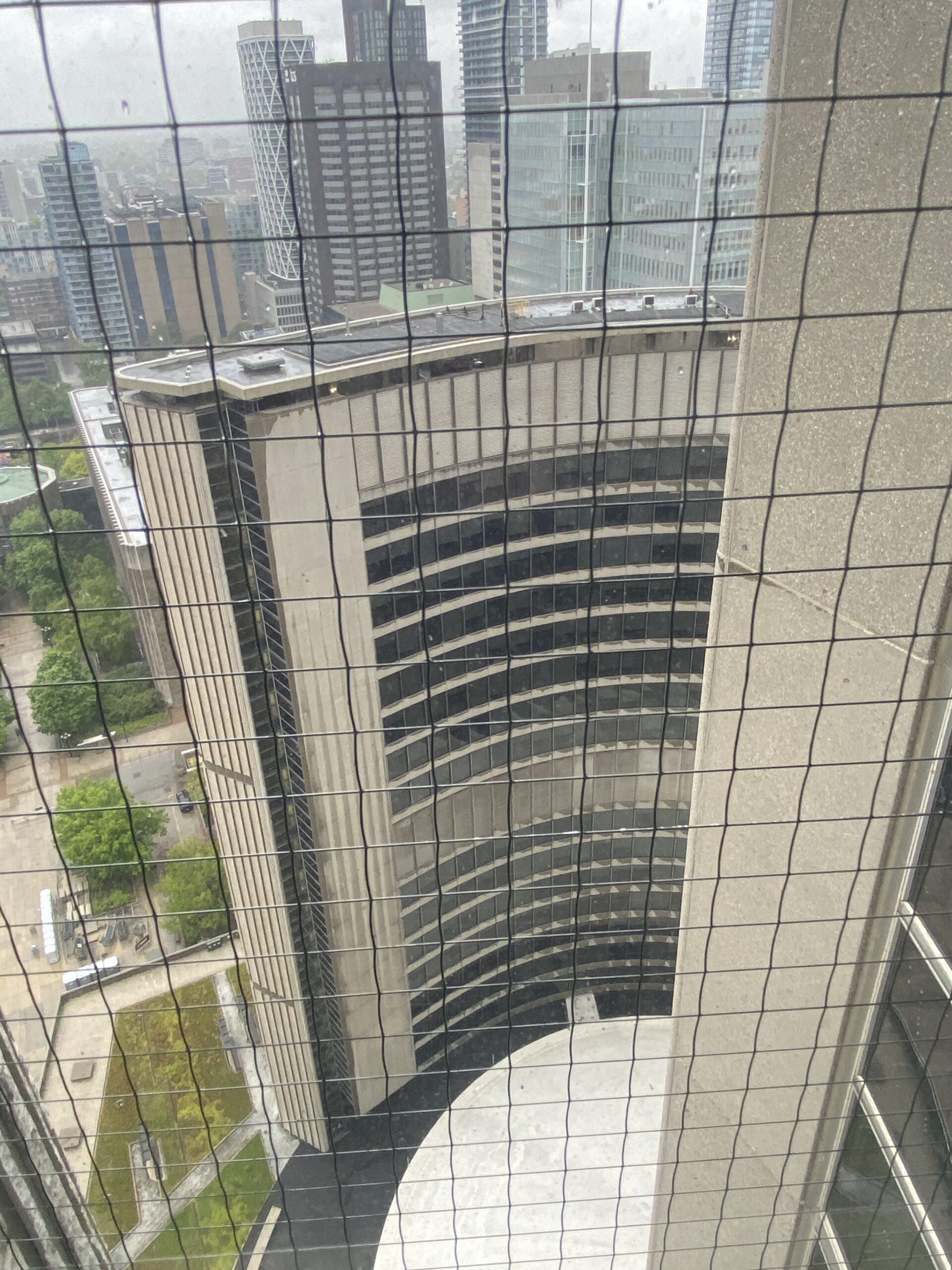
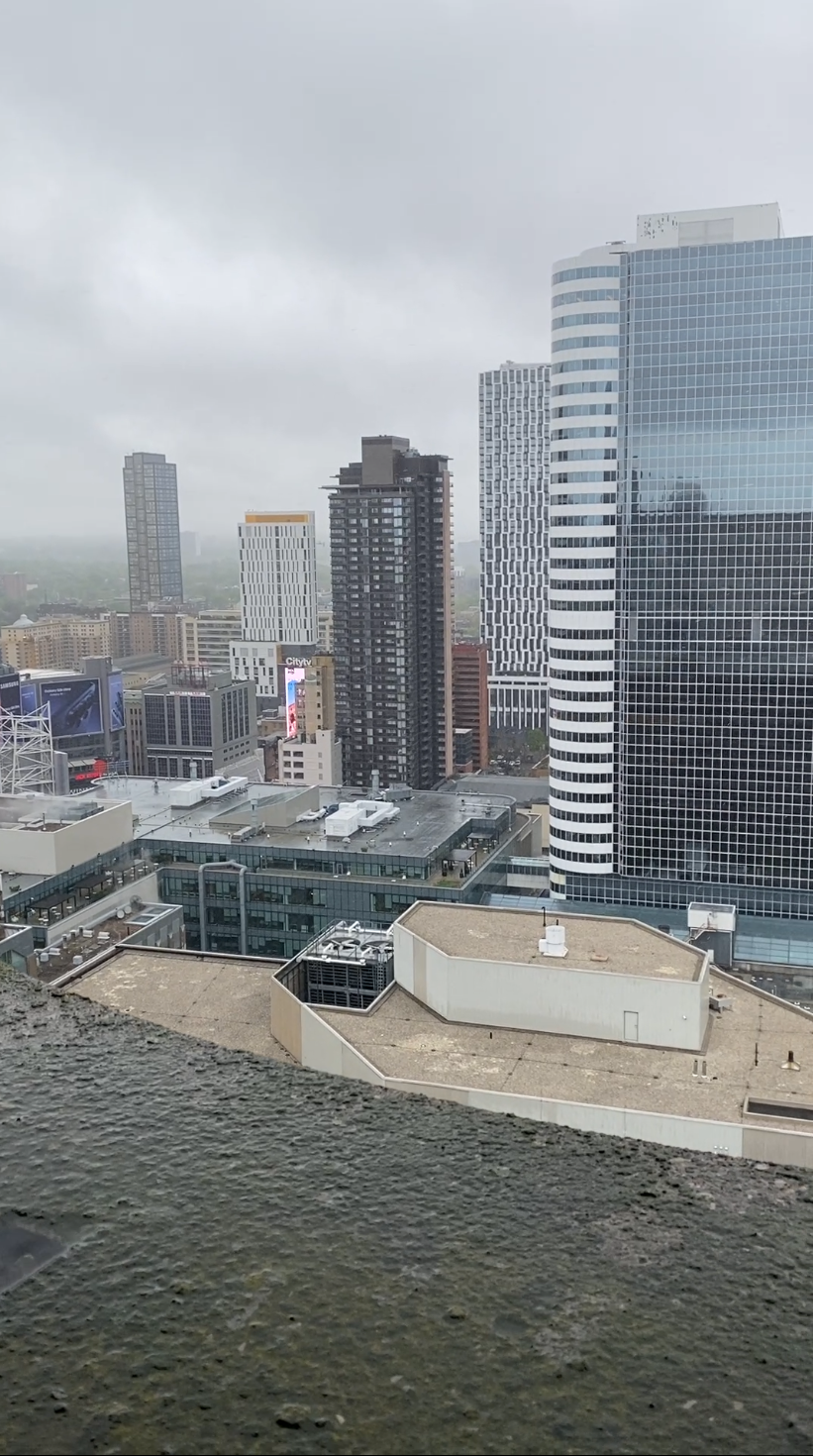
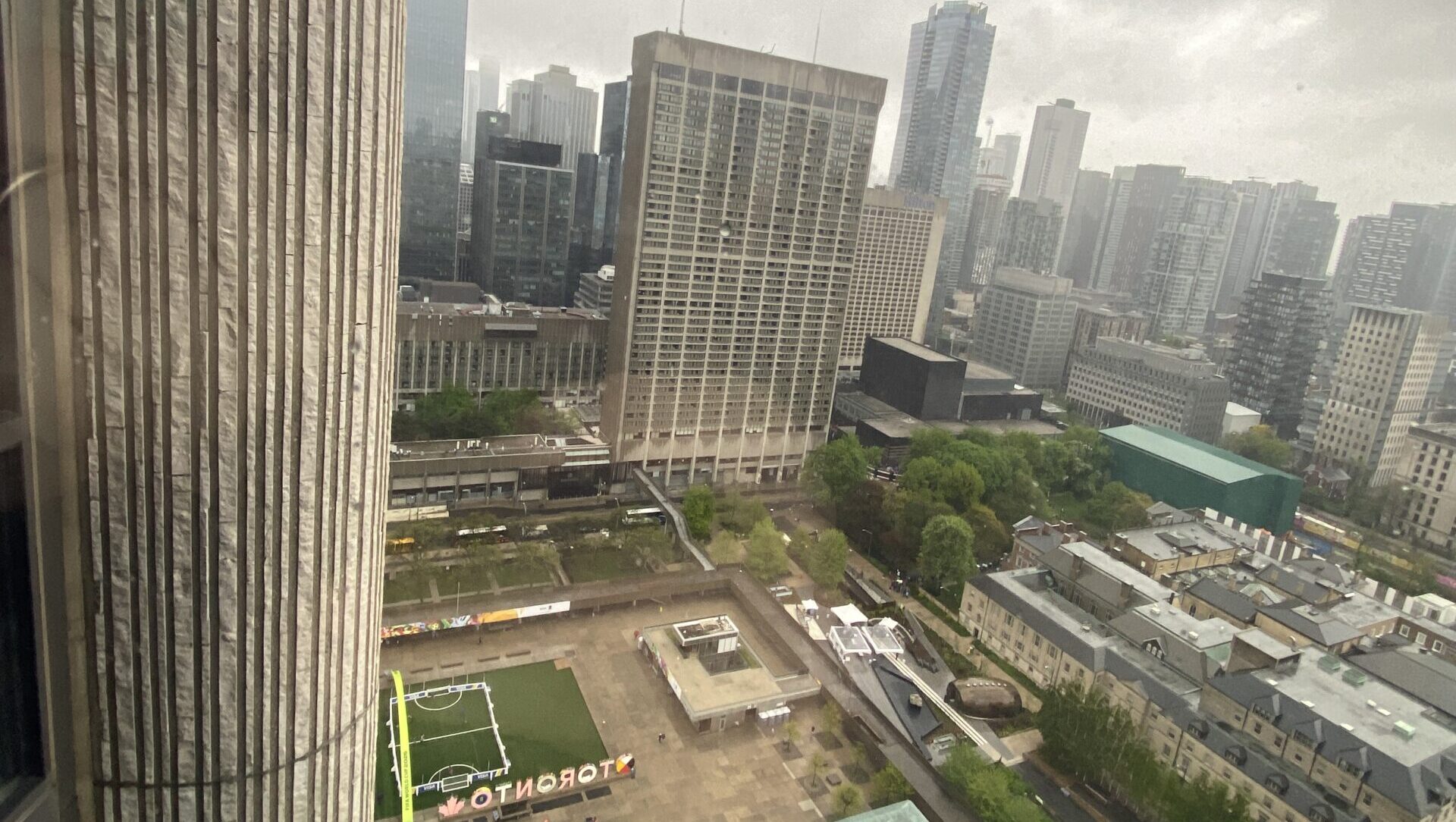
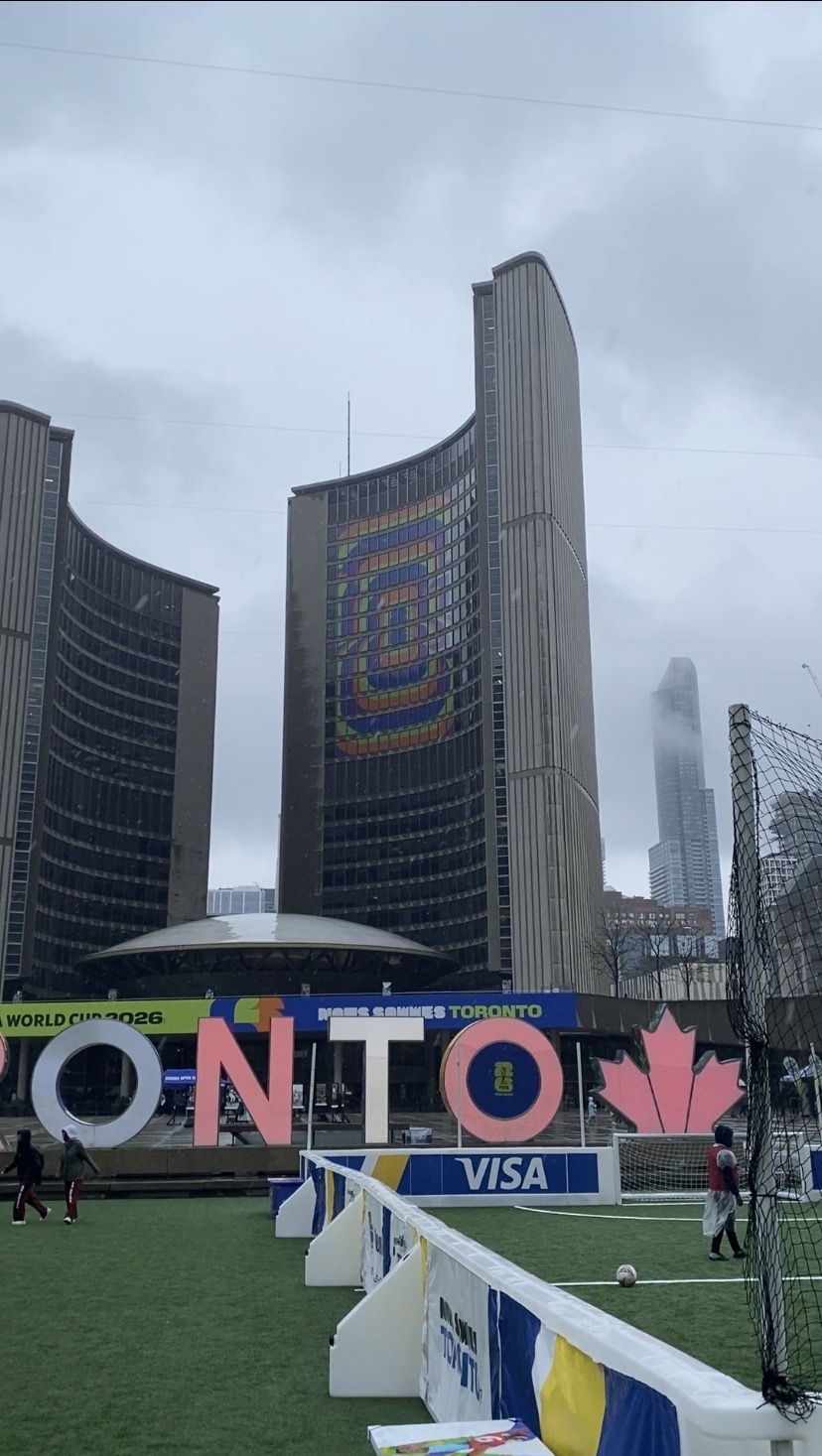
The wait to get into the newer city hall (completed in 1965) was lengthy, but improved by the sounds of Sikuris St. Lawrence, a Chilean-Peruvian folk band. Then it was time to pass through security and yet another queue for the elevator. Having already seen inside the Council Chamber previously, the aim was the top of the East Tower. The 27th story. The view is quite unobstructed, allowing one to see over to Yonge Street and to University Avenue and deeper into the downtown core. Down below, FIFA World Cup fanfare was simmering. High winds blew the fog around. Looking down at the action, it was like being Spider-Man.
It would’ve been nice to see the recently-added Netflix and Toronto Star offices on Spadina after lunch, but alas, the crowds were wrapped all the way around The Well shopping mall. It’s beneficial to narrow down your plans for Doors Open Toronto.
But in fact, the city should really make these places open to the public on other days of the year. When the number of places you can exist without spending money dwindles all the time, it’s a gesture of trust and openness between citizens and institutions.
Fotogalerii