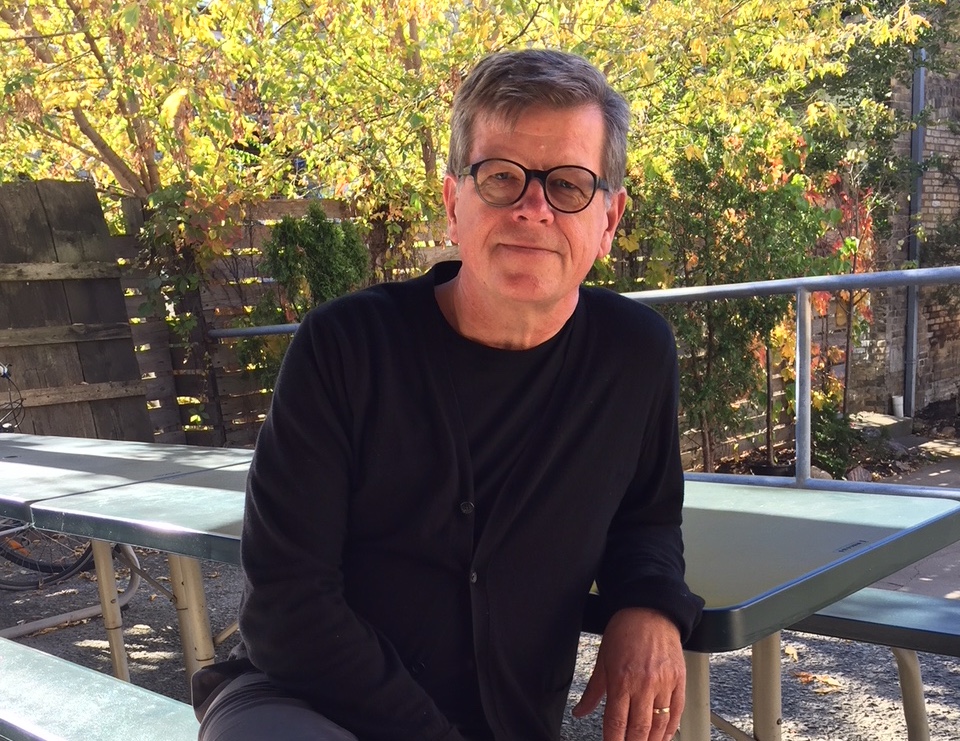
Fitting in to the community is a really important issue, and the detailed planning undertaken by the project team is helping ensure that this will happen.
“Toronto has always been welcoming to immigrants,” Alar said. “We have prospered and built our lives here.”
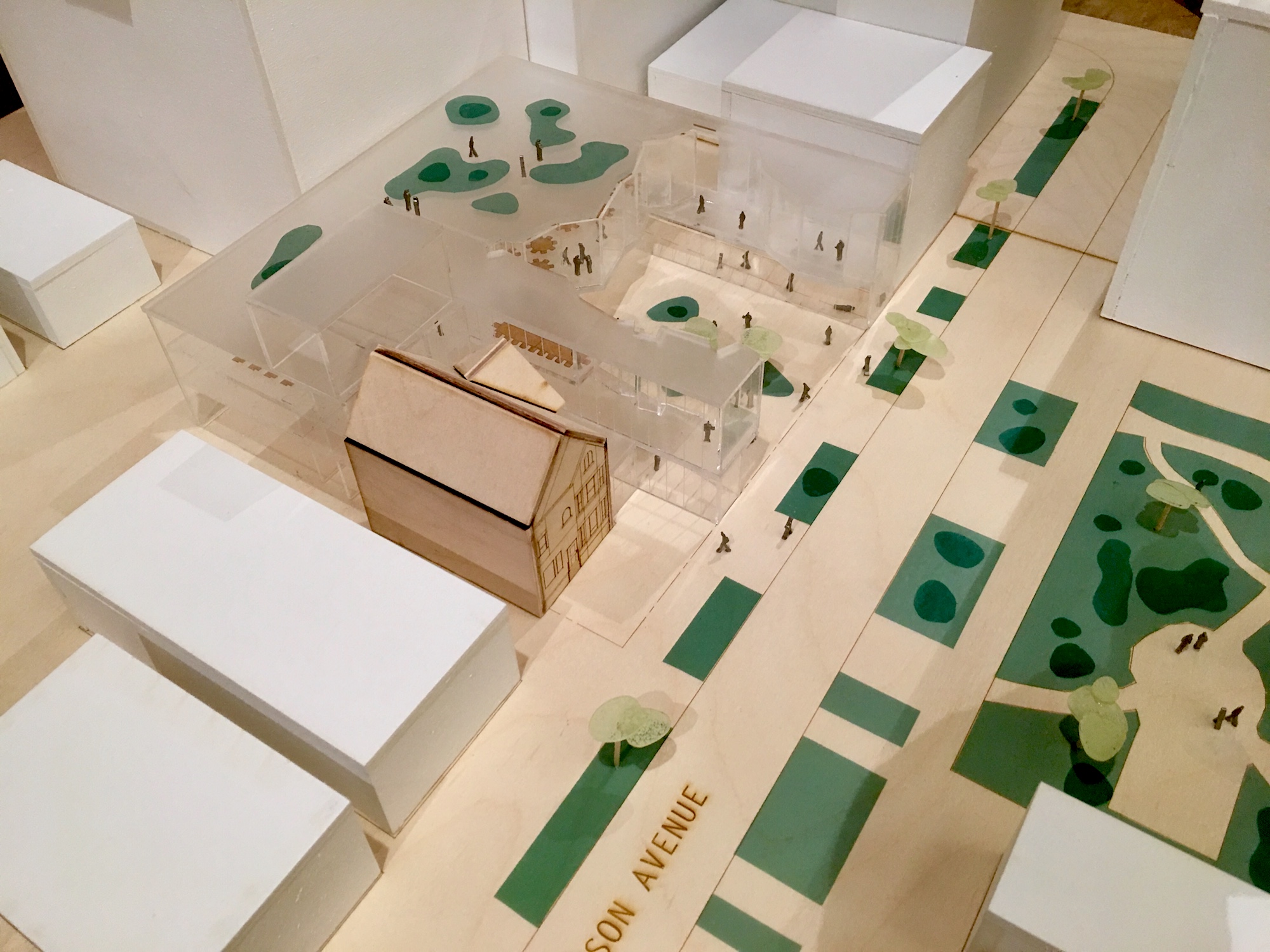
How the building will be configured in its final form is to be determined in the new year through consultations that Alar will lead, along with the project team, with different user groups.
“It’s important to consider how the building will perform over time,” he explains. “It needs to serve a variety of needs and cater to everyone.”
The design team is planning that the new Estonian Centre would have spaces that are flexible in how they function.
For example, the “great hall” could be designed so it can be used for a wide range of uses, such as large gatherings and even light sporting activities.
The classrooms, or breakout rooms, could also be flexible in their sizes and configurations so various kinds of events could be accommodated.
There can be built-in storage so user groups can leave their materials in place and not worry about having to move them around.
“There will also be lots of places to just sit and relax,” he added.
There will be elevator access to each floor and washrooms on every level.
“It’s just a civilized approach to design – a comfortable space for everyone.”
Alar is also enthusiastic about the downtown location on Madison Avenue in what is known as the “Bloor Street Cultural Corridor.”
“There is a real vibrancy to this area – there are a lot of people and activities all around and this will help build strong interest in using our building,” he said
There is excellent public transit access – the site is a short walk from the Spadina and St. George subway stations – and plenty of parking in the immediate area.
“The need for cars is also slowly changing in urban locations,” he said. “This site is so accessible to public transit, and it’s close to many other city amenities. It’s really ideal.”
There are 206 parking spaces in the immediate vicinity of the centre, 30 underground parking spots, and currently 32 in the parking lot directly to the east of 9 Madison Avenue.
More analysis on parking spots and potential drop-off areas will be conducted.
“This is a once in a lifetime opportunity to make something significant happen to sustain the Estonian-Canadian community,” Alar said. “We need to embrace the potential this project represents.”
“We have the chance to do something really special here.”
Part 2 of the interview with Alar Kongats will appear next week.