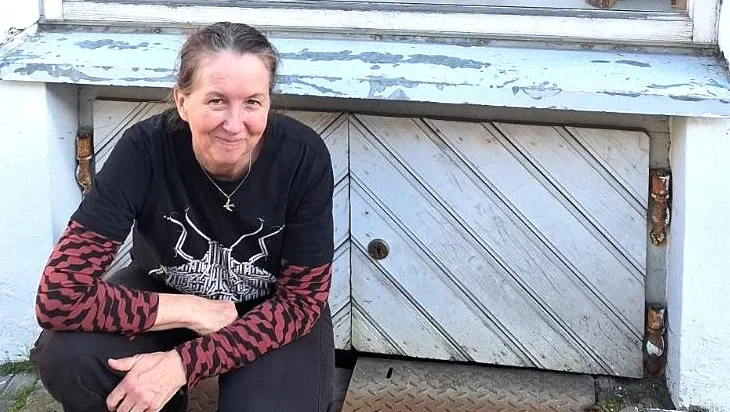
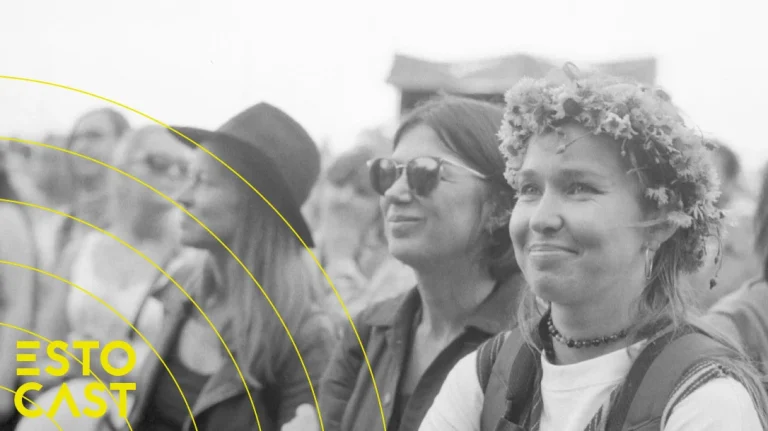
Many readers will be familiar with the brother–sister team of Tom Mae and Reet Mae and their decade-long work preserving the stories of the Baltic diaspora. Their parents fled Estonia in 1944, as did tens of thousands across the Baltic countries – a shared history of displacement that reshaped communities around the world.
Their earlier feature film, Patterns of Freedom/Vabaduse mustrid, explored how Estonian women in the global diaspora preserved cultural life after the war, maintaining heritage, community, and identity in exile. Their long-running project, In Search of Our Fathers, broadened this work to include men’s wartime experiences and the generational legacy of flight, survival, and rebuilding.

As they completed Patterns of Freedom (2014), Russia’s attack on Ukraine through the occupation of Crimea forced the filmmakers to reassess the direction of their future films. A period of downtime during the pandemic opened space to reconsider their focus – to draw connections between the experiences of the Baltics under the first Soviet occupation and the realities of the ongoing Russian war on Ukraine.
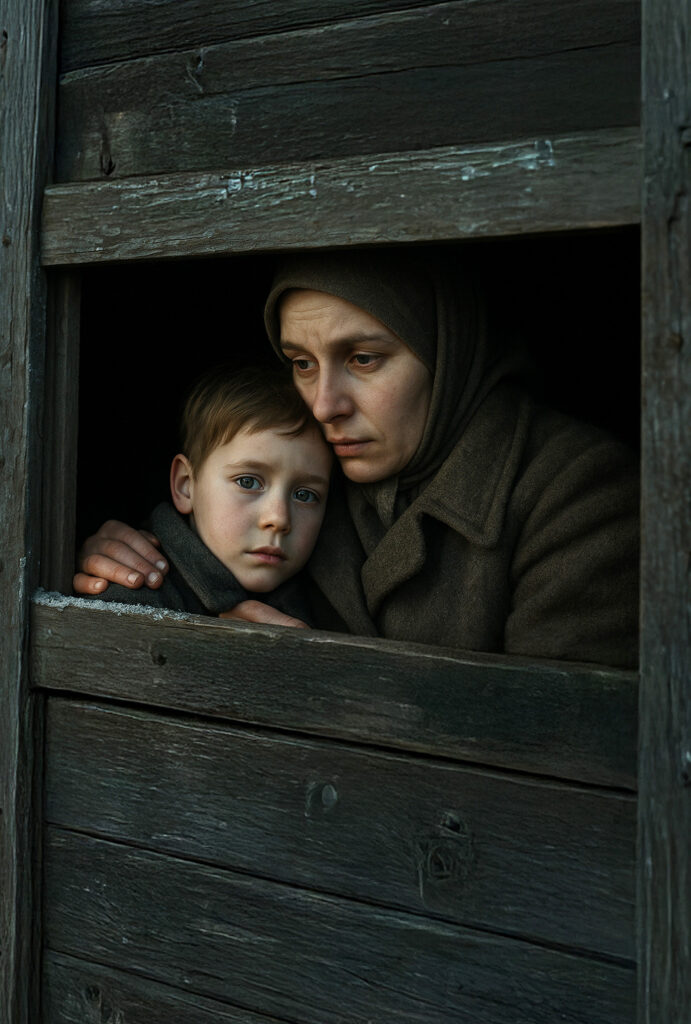
As films often do, the projects evolved. Working through a time of renewed war, the filmmakers turned their attention back to the stories of those who lived under the first Soviet occupation: their memories, their flight, and the echoes of that history now visible in Ukraine. Their initial plan was a three-film series, offered as pre-release screenings of the Suurpõgenemine80 / Great Baltic Escape 1944 triptych to organizations marking the 80th anniversary of the mass flight in 2024. The response was overwhelmingly positive, and the feedback received has guided their careful revisions over the past year.
Alongside this work, Tom and Reet began another film focusing on those who were children during the era of independent Estonia and then witnessed the first Soviet occupation. This new film, Deportations and Disappearances: Memories of Soviet Occupation in the Baltic States, features first-person testimony of Estonian and Latvian elders. It examines the traumatic realities of the first Soviet occupation – arrest, deportation, disappearance – and reveals why so many risked everything in 1944 to escape the second Soviet advance.
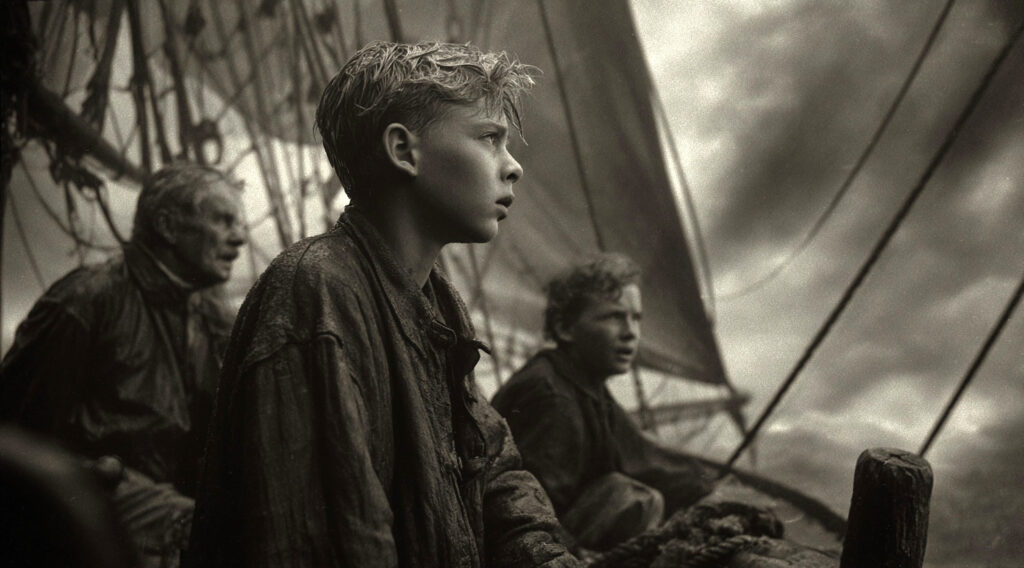
All four films are now moving through their final stages of preparation for theatrical release. The filmmakers are honoured to announce that the Estonian premiere of the complete body of work will take place at VABAMU – the Museum of Occupations and Freedom – in February 2026, during the period of Estonia’s Independence Day celebrations. It is a deeply fitting venue for the first unified public screening. More details will follow, and the filmmakers hope to be present at the events.
Screenings for community groups and organizations outside Estonia will become possible beginning mid-March 2026. Those interested in hosting an event are encouraged to reach out at the end of February.
•••
Call for Archival Images: Honouring 80+ Years of Estonian Life in Exile
As the filmmakers finalize Exodus, the film focusing on the children who fled Estonia in 1944, they are expanding the ending to highlight something profoundly meaningful: how Estonian communities grew and thrived worldwide over the last 80 years.
To illustrate this legacy, they are seeking one or two images from Estonian organizations across the globe – early days, landmark events, posters, celebrations, choirs, scout groups, cultural societies, camps, schools, festivals, and other moments that reflect the communities built in exile.
To contribute images:
Email Reet at reet.mae(at)gmail.com or message her through Facebook.
All contributors whose materials are used will be credited.
Early submissions are appreciated, with a December 20th preference. The final deadline is December 30th.
The goal is to include as rich a tapestry of our global community life as possible.
•••
Finishing Funds: A Final Push Toward Completion
Earlier fundraising covered roughly 36% of the total needed to bring this multi-year project to completion. Tom and Reet continued the work regardless – conducting interviews, commissioning digital artwork, refining edits, and shaping four films with limited resources and extraordinary commitment.
As they enter this final stage, they are seeking community support to help cover remaining costs associated with completing and preparing all four films for festival submissions and their 2026 premiere. These include artist fees, software and platform expenses, editing and mastering needs, and other essential production costs that ensure the films meet a strong professional standard.
Their goal is $10,000, a modest amount across four films, and every contribution truly helps.
How to support:
• Canadian donors: tax-deductible contributions may be made at eestilood.com, indicating the donation is for In Search of Our Fathers.
• International donors: please contact Reet or Tom to arrange a PayPal donation or bank transfer.
During this busy holiday season, the filmmakers extend their warm thanks to everyone whose support helps carry this work across the finish line.
•••
Why These Films Matter
The films feature testimony from individuals such as Fred Ise, familiar to many in the Baltimore community, who shared deeply personal memories of deportation and loss; Toomas Marley and one of his Ukrainian house guests, whose stories create a moving dialogue between the Baltic wartime past and Ukraine’s present; and historians Prof. Andres Kasekamp and Dr. Lubomyr Luciuk, who illuminate the parallels between the Baltic experience of the 1940s and Russia’s war on Ukraine today.
Using digital artists and carefully crafted AI-enhanced imagery, the goal is to convey the emotional and psychological reality of Soviet terror without sensationalizing it.
With deep respect for those who entrusted their memories – many now gone – the films weave historically grounded storytelling with evocative, artistically rendered visuals. Using digital artists and carefully crafted AI-enhanced imagery, the goal is to convey the emotional and psychological reality of Soviet terror without sensationalizing it.
Together, these four films present a sweeping, intimate portrait of trauma, resilience, cultural continuity, global community, and the enduring bonds between the diaspora and the homeland. Reet and Tom are glad that the premiere of all four films will be at VABAMU and hope that many will join us there.