That’s more than any other generation. Millennials are close behind, at 14%. If you look at which decades each generation is most nostalgic about, you'll find that 56% of Gen Z is nostalgic for media from the 2000s. 61% of Millennials love the 90s. 65% of Gen X is into the 80s. 67% of Baby boomers are dreaming about the 70s.
There's a correlation here between nostalgia and when each respondent was likely a child. For example, Millennials (born between 1981 and 1996), built core memories in the 90s. The second most nostalgia-inducing decade (42%) would be the 2000s, probably reflecting the younger end of the Millennial generation who were still in school at this point.
On Facebook, there's a group with over 40 thousand users discussing examples of the “Utopian Scholastic” aesthetic that was pervasive in educational books and software from the 90s.
Companies look out for these stats and pay handsomely for the information supplied by trend forecasters. There are also many people out there who admire and re-create media of the eras and aesthetics they are nostalgic for. On Facebook, there's a group with over 40 thousand users discussing examples of the “Utopian Scholastic” aesthetic that was pervasive in educational books and software from the 90s. Publisher Dorling Kindersley's Eyewitness non-fiction book series is an especially good example of this, for its use of stock photography, bright and spacious graphics, and a celebration of learning.
For a very thorough overview of mainstream design aesthetics from the 1970s to the present, look through the database created by the Consumer Aesthetics Research Institute (CARI). You’ll be amazed at just how many design styles you’ve seen and forgotten, collated by their team of design experts.
You might wonder, however, how this nostalgia varies from country to country. Not every place had the same brands or went through the same commercial trends. Let’s compare a few aesthetics in Canada and Estonia.
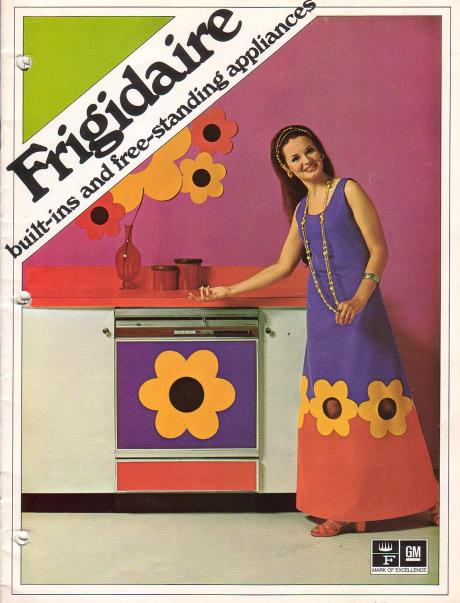
The 70s: While hippy culture began as counter-culture, by the 70s it had become more mainstream in North America, with technicolour drawings and photos used in print advertisements, vinyl record artwork, and commercials. CARI calls this “Corporate Hippie.”
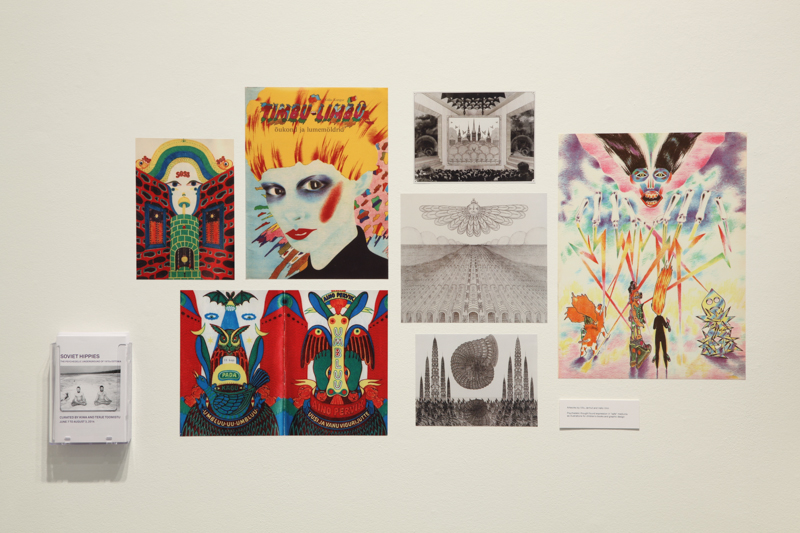
Meanwhile, in Soviet-occupied Estonia, being a hippy was dangerous. As anthropologist and filmmaker Terje Toomistu showed in her documentary Soviet Hippies, Estonian hippies were harrassed, arrested, and sent to psychiatric facilities, the army, or camps far away. And yet, we can find some examples of visual art created in this style from Estonia, as seen in the exhibition Soviet Hippies- The Psychedelic Underground of 1970s Estonia.
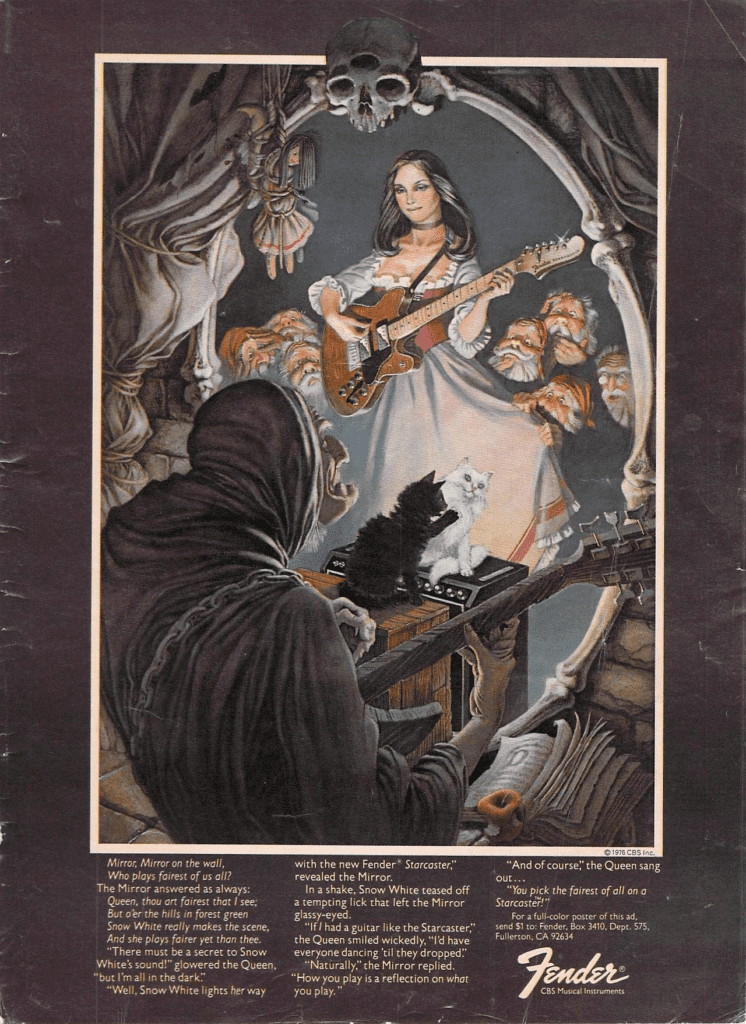
Showing up at around the same time in North America was the art of the “Mid Century Medieval” movement, one that celebrated the whimsical side of the Middle Ages and its stories. It’s puzzling what exactly brought this time period back, from jesters and kings to stockings and tankards of ale, but you’ll find evidence of it in a number of dining establishments and pop music imagery from the time.
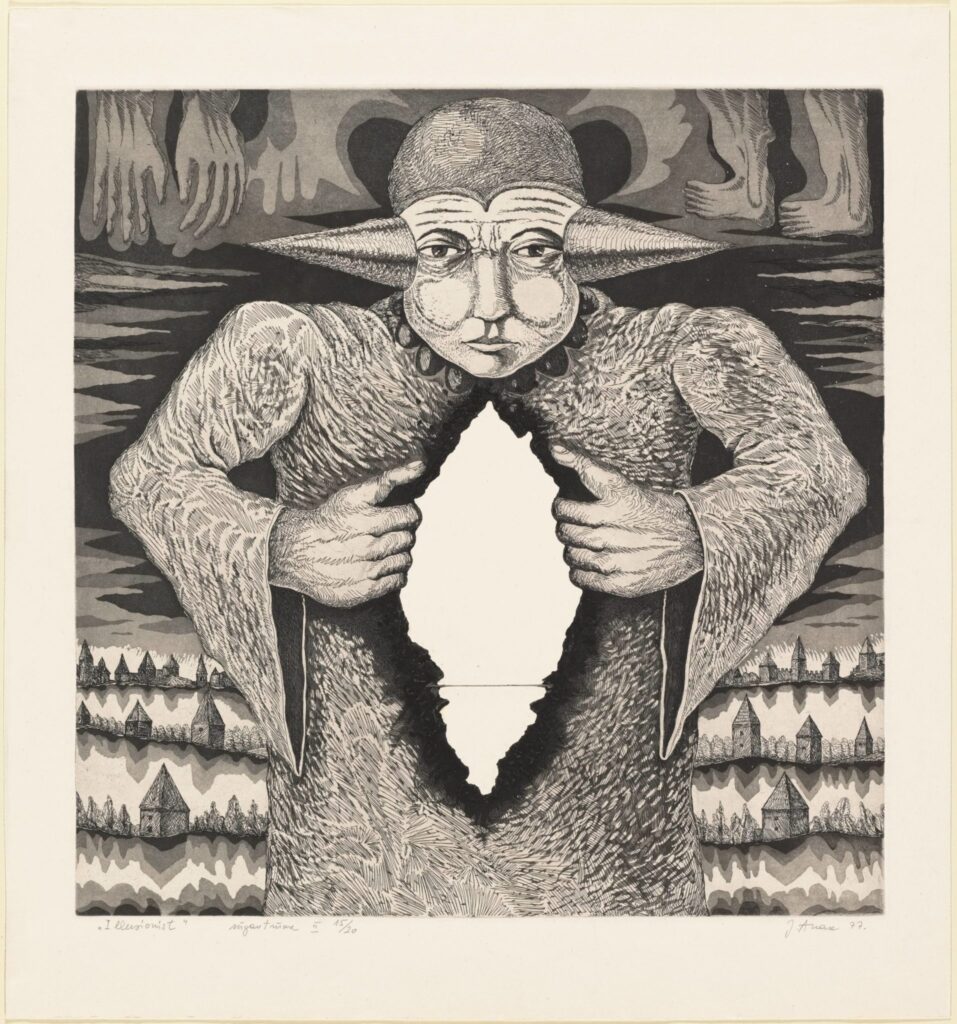
One can find plenty of designs with a medieval feeling from 1970s Estonia (and other times), such as the illustrations of Jüri Arrak, well known for his depictions of the Kalevipoeg epic. But in this case, it’s borne from Estonians’ strong connection to their medieval history.
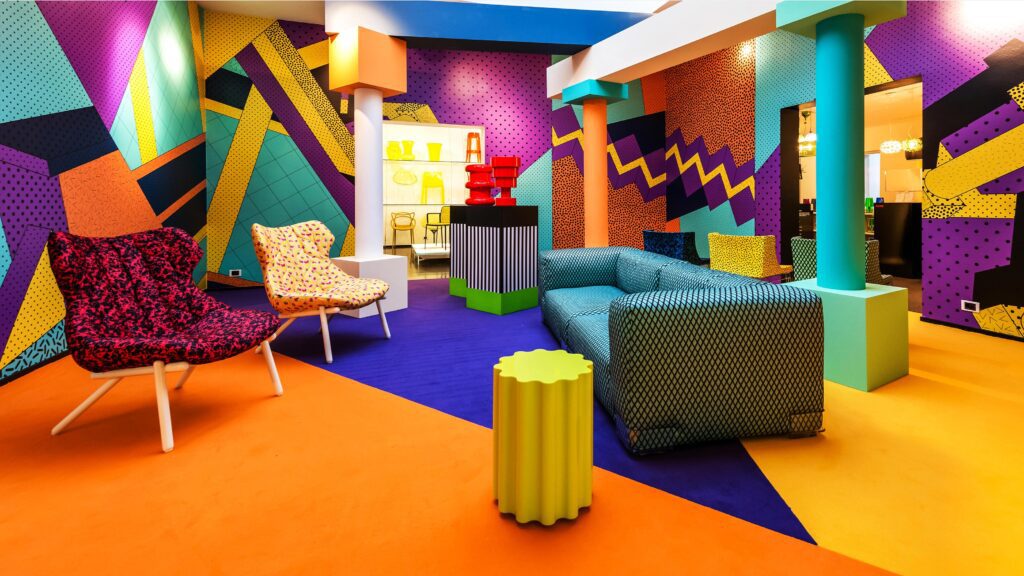
The 80s: Lovers of bright primary colours, geometry, and bold angles will find much to enjoy from the 80s. This was the defining moment of the Memphis Group, an Italian collective of architects and designers who designed interiors, furniture, and decor as “a protest against the neutral, understated and functional Modernism that preceded them” as Nick Carson writes in Creative Bloq.
North America in the 80s also saw the growth of “Factory Pomo”, another geometrically-focused aesthetic with an industrial edge. As CARI describes, this style emerged from “Bauhaus, Russian Constructivism, [Works Progress Administration] graphics, and general industrial vernacular from the 1900s-1940s.”
In these 80s aesthetics, there is a visualization of and connection to historic economic and social upheavals. As with communism, upheavals like these can leave death and destruction in their paths.
However, there is a positive side to future-minded people. Consider the techy focus of the “Cassette Futurism” aesthetic or the playfulness of “Googie Kitsch.” In this vein, the Estonian Museum of Architecture's exhibit Bold and Beautiful. Estonian private houses from the 1980s featured the Venna maja (Brother’s House, designed by architect Veljo Kaasiku). This home evokes images of an Art Deco factory with its large quarter-circle window, angles, and its block-like approach to forms. At the same time, its rusty red coat of paint is reminiscent of barns and covered bridges in rural New England. It’s an optimistic structure.

The 90s and early 2000s: Moving ahead, we find a mélange of aesthetics, many of them throwbacks to previous decades. This is where we start to notice an alignment in mainstream design styles between Estonia and Canada, after Estonia regained independence in 1991.
A collection of Estonian TV ads from 1994 includes videography that fits the motifs of the early internet and aesthetics like “Wacky Pomo” and “Frasurbane” (a sophisticated, cosmopolitan style associated with the TV show Frasier). Other styles are less commonly seen in Estonia during this era, such as the Global Village Coffeehouse aesthetic that has been used by brands like Panera Bread, Starbucks, Fruitopia, and Putumayo World Music.
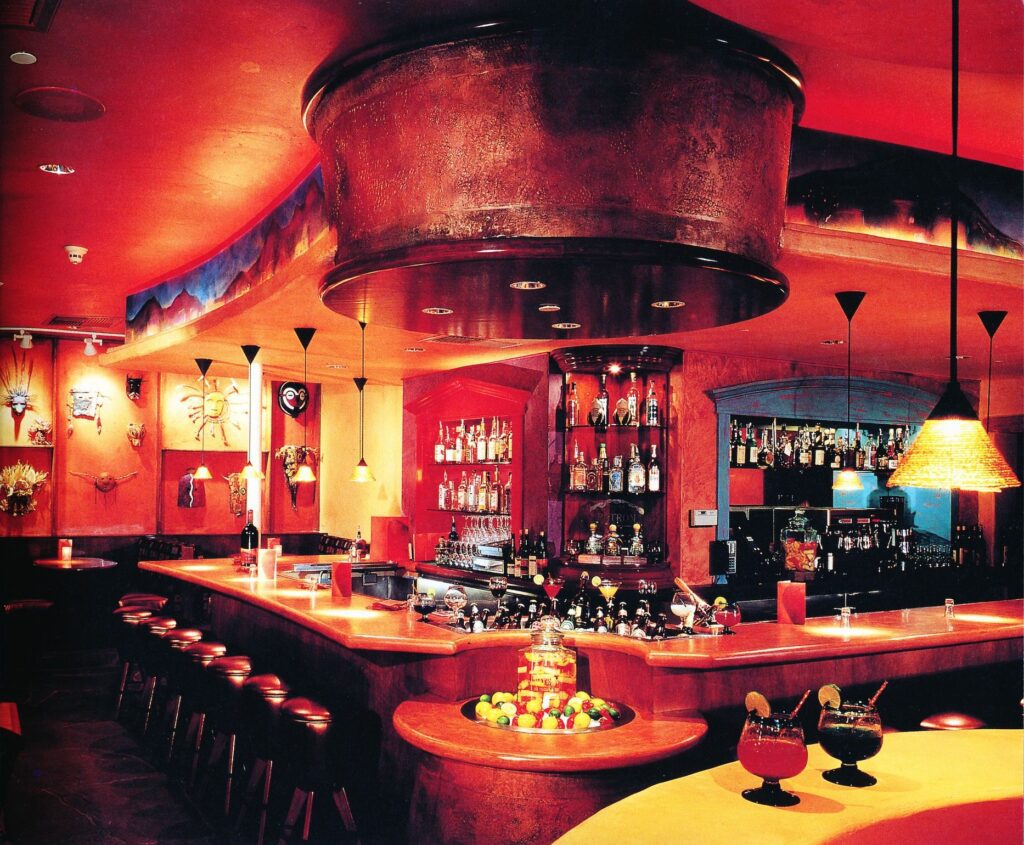
This style — associated with natural materials like wood and clay, earth tones, soft mood lighting, and a celebration of the world's cultures — is representative of nations, like Canada, where a connection to the rest of the world wasn’t cut off. Evidently, a nation or region’s political and economic realities affect design aesthetics.
Look out for the variety of design styles visible in your area and consider how many are a throwback to other eras, as well as which ones make you feel the most nostalgic based on your age and where you’re from.