Seriously, it must seem like I spend lots of time around cabbage and potatoes of different varieties. But still, there’s a cool recipe in store for you here, should you ever be cooking breakfast for house guests and want a side dish for a big fry-up.
This dish first came onto my radar a few months ago, while on a road trip through Scotland. The first time eating it was at The Edinburgh Larder on Blackfriars Street. It came along with the typical full Scottish breakfast components of haggis, back bacon, black pudding, roasted mushrooms, blistered cherry tomatoes, eggs, beans, and a piping hot, milky cup of tea. Enough to satisfy you for pretty much the rest of the day of sightseeing. And on the side of the plate were two perfectly browned little triangles.
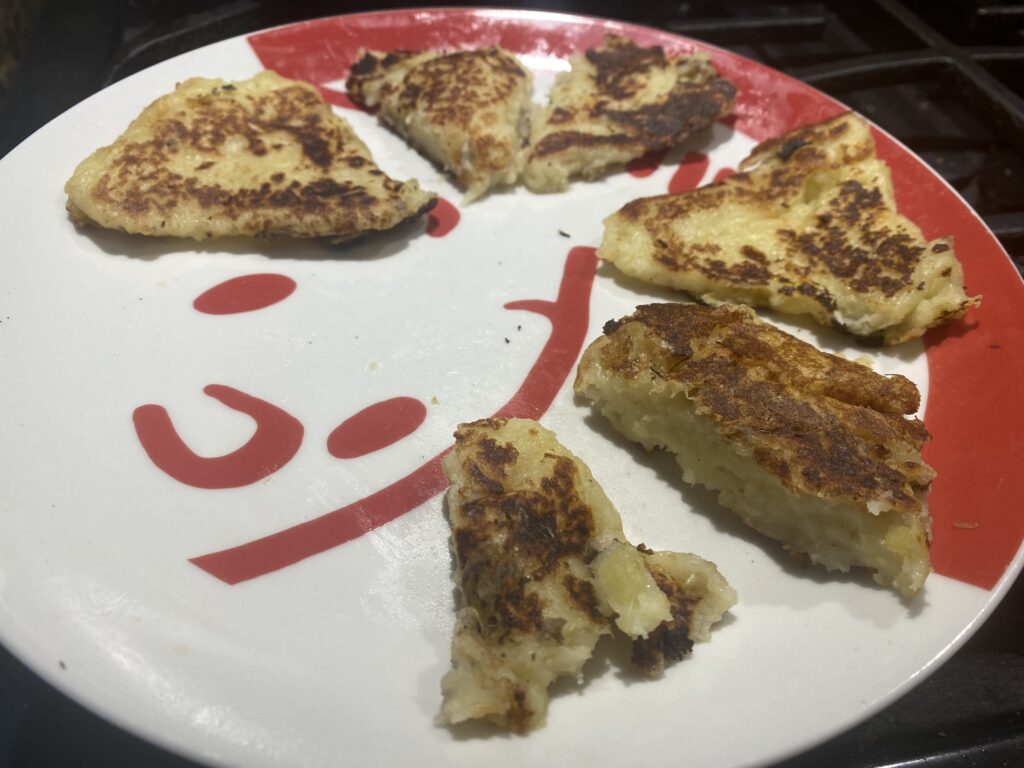
They were a bit squishy. Thin. Fried somehow. A pleasant saltiness. It could have passed for grilled halloumi cheese actually. Upon asking further, I was told they were potato scones. I found them on my plate again in Fort William, at the heart of the Highlands on a dark and gloomy day. This time as part of a vegetarian breakfast plate, for which the scones were a bit more substantial.
Some say that they were devised as a solution for what to do with cold leftover mashed potatoes. Other Scots say that it would be a travesty to use anything other than freshly cooked mashed potatoes after lunch is over.
Research into their origins offers up conflicting stories. Some say that they were devised as a solution for what to do with cold leftover mashed potatoes. Other Scots say that it would be a travesty to use anything other than freshly cooked mashed potatoes after lunch is over. The principles behind how to make this are pretty hard to argue about, though.
Yield: Four people, if it’s a side dish.
Ingredients:
-12 small potatoes
-half a stick of butter
-1 cup of flour
-a pinch of salt
-(optional) minced garlic or herbs and spices as preferred
Method of preparation:
1) Fill a pot with several cups of water and put it on high heat until it starts to boil. In the meantime, wash and peel the potatoes and then put them in the pot to boil.

2) Once the potatoes have been in boiling water for approximately 30 minutes (they should be very soft), strain out the water and place the potatoes in a large mixing bowl.
3) Mash the soft potatoes with a fork. Then drop in the butter and mix it thoroughly into the mashed potatoes. Even if the butter is refrigerated, it will melt in the heat of the potatoes. You’ll notice the potatoes obtaining an even, yellow colouration.
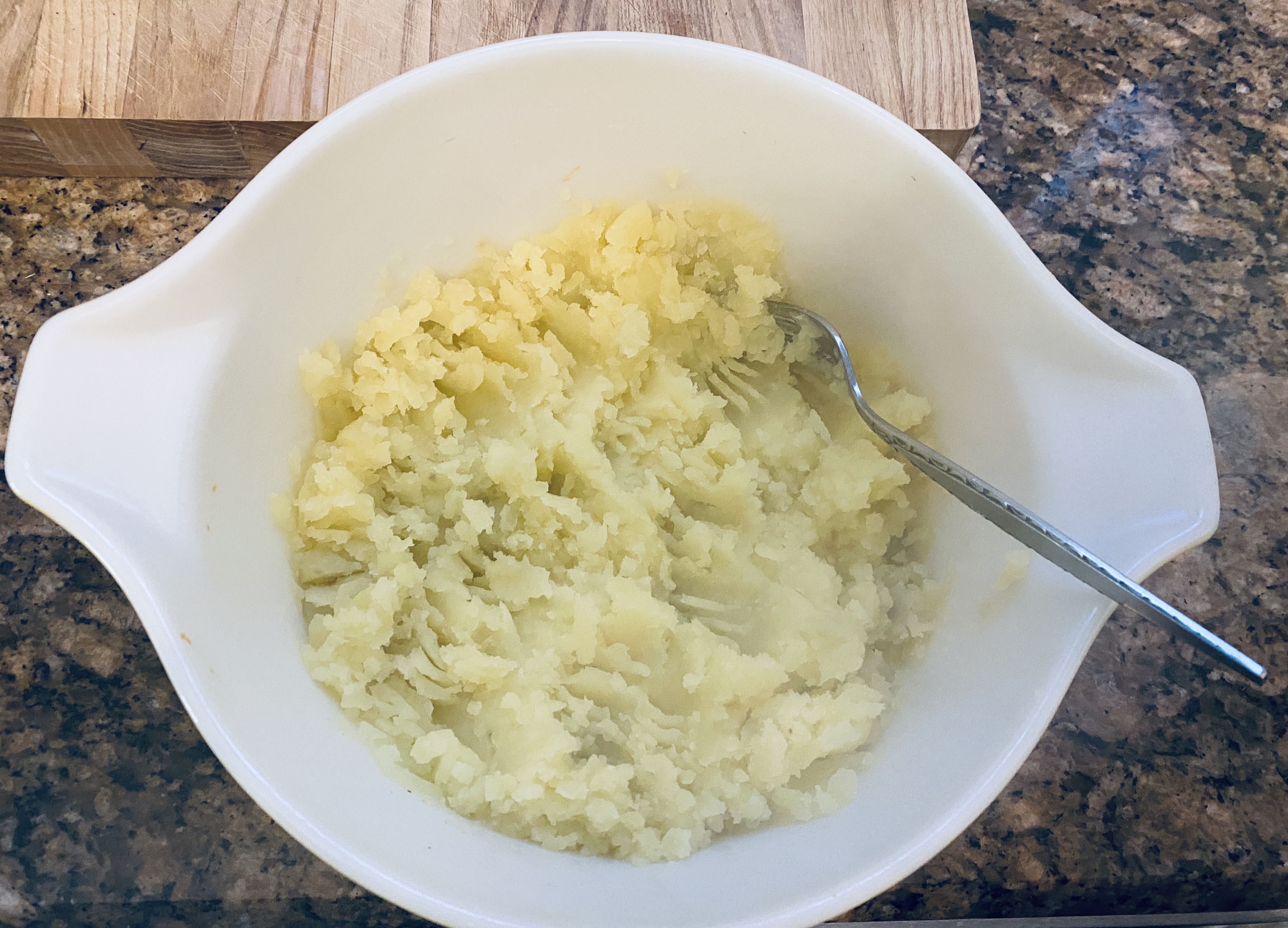
4) Add a pinch of salt to the potatoes and distribute it evenly. Add any other spices or herbs you’d like, minced finely.
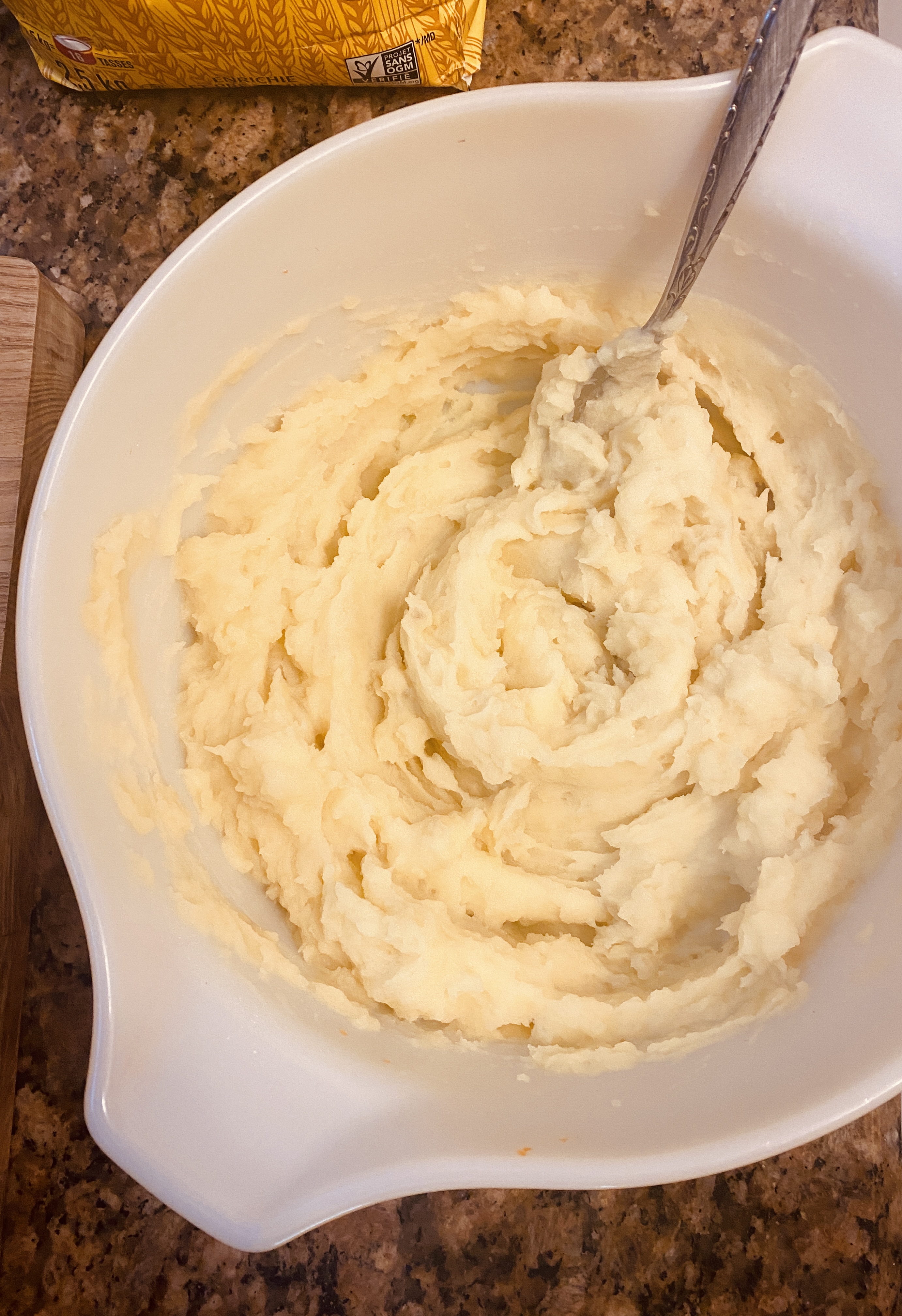
5) Add the cup of flour to the buttery mashed potatoes a little bit at a time, mixing it with the fork so that all clumps of flour are incorporated. The dough you make should be soft and malleable, but not sticky, so add a little bit of extra flour if it’s sticking to your hands too much.
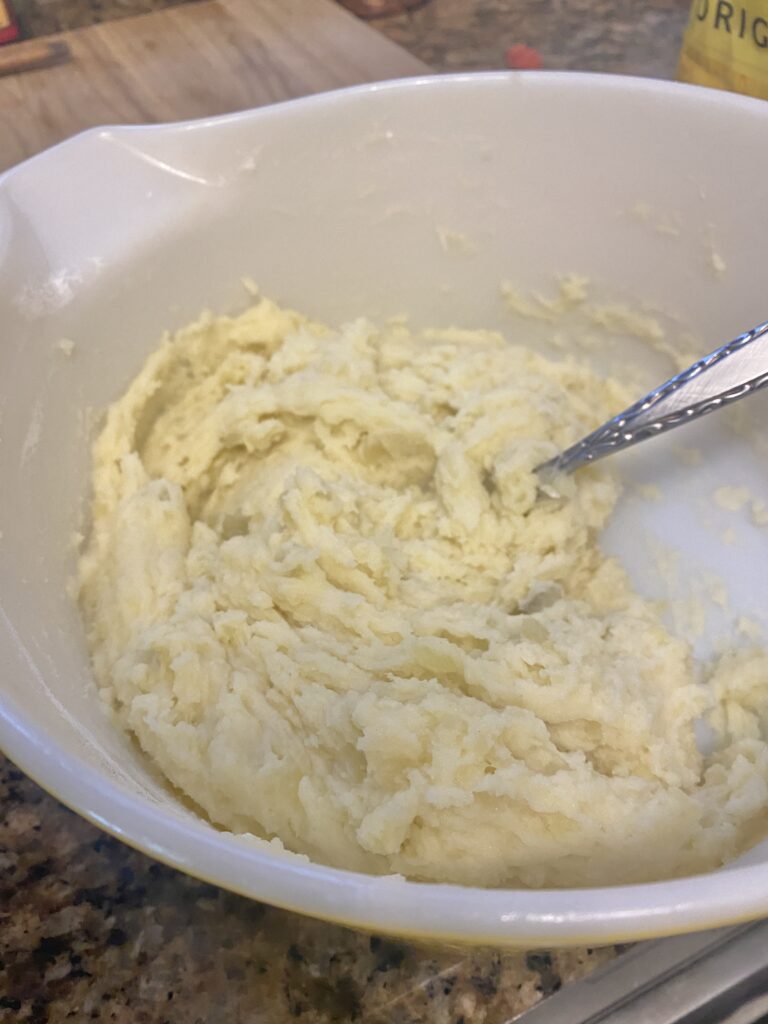
6) Put a bit of olive oil onto a pan at high heat. Once the oil is hot, turn the heat down to medium and place half of the dough onto the pan. The rest can be cooked as a second batch. Use a spatula to flatten the dough and let it cook for six or so minutes per side.
Once the dough is flipped, use the spatula to cut little pieces out—the individual scones. Breaking them up into smaller pieces makes it easier to give more cooking time for some scones and less time for others. Ideally, there will be a golden brown colour to each side of the scones.
7) After all scones are cooked, you can serve it along with breakfast, or just have it as a snack with some hot sauce or a slice of cheese.
Head isu! Ith do leòr! Bon appétit!