Planning this session made me think about my own home and about how often families, including mine, make changes only when they have to. In our case, the ramp came late; the bathroom came earlier, but still reactively.
And it raised bigger questions: when we make changes, are we solving today’s problem, or thinking ahead? Are we designing only for crisis, or for living well?
This session also marked TLPA’s first collaboration with Estonian partners.
Maimu Mölder: inclusion starts at the front door
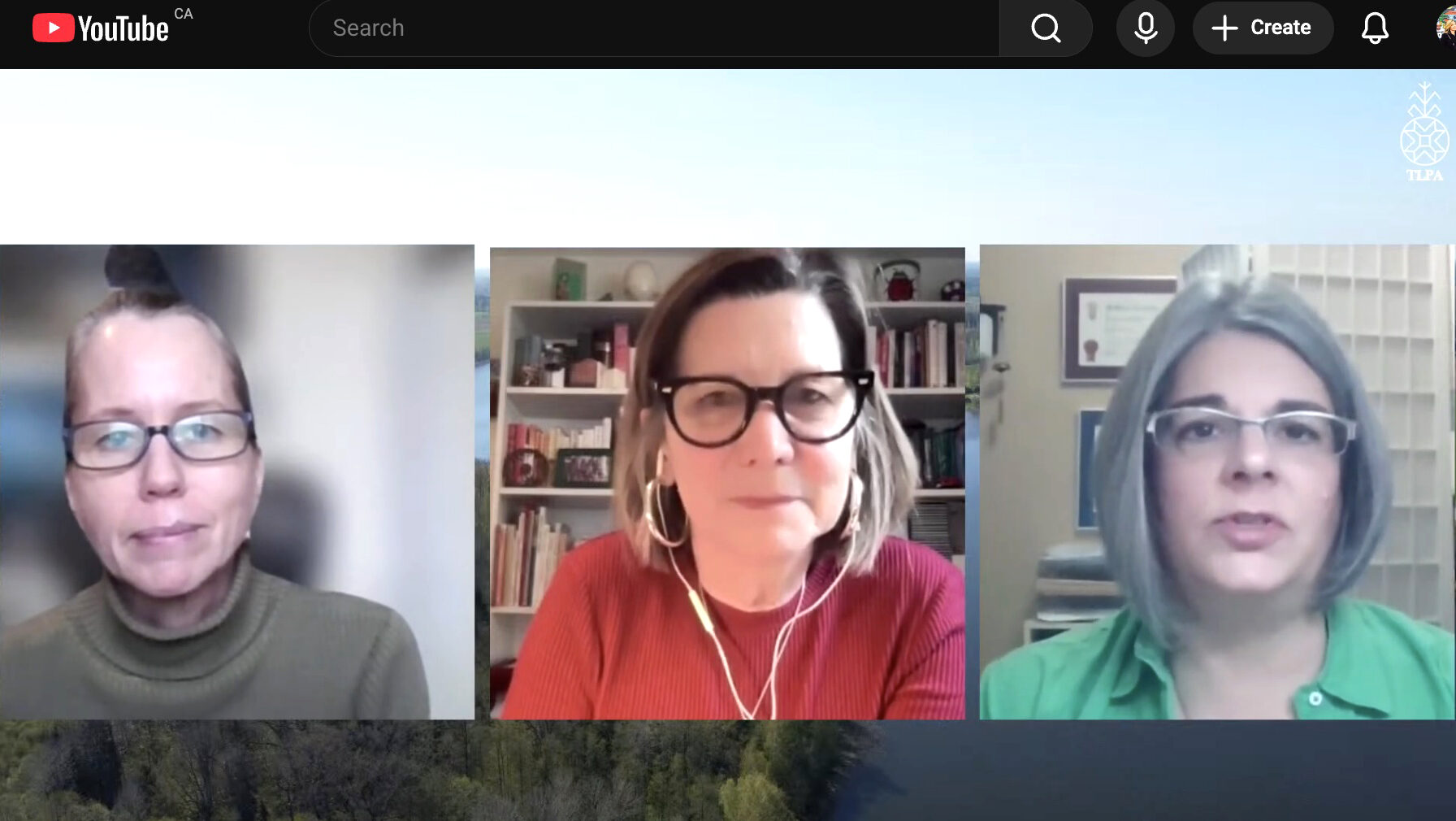
Estonian community leader Maimu Mölder opened the talk by reframing what “aging in place” really means.
Trained in gerontology and universal design, and drawing on her work with accessible home renovation and the Ehatare Foundation, Mölder urged participants to think beyond safety checklists and toward social life.
As Mölder put it: “Can my friend come over for dinner and use the washroom? Because if the answer is no, then these people will not be visiting. And that’s not about architecture. It’s about belonging, being connected.”
Universal design, she explained, is not about special solutions for a few people. It’s about homes that welcome everyone – now and later – without waiting for an emergency to force change.
3 core ideas
- Universal design is about inclusion, not accommodation
- Homes should support social life, not just survival
- Planning early avoids reactive, limiting decisions
Waiting until something feels urgent often means waiting too long. “You’ll never feel ready because ready isn’t a feeling, it’s a decision.”
Margot McWhirter: from surviving to thriving
Occupational therapist and gerontologist Margot McWhirter took the conversation deeper, moving from design principles to mindset. Too often, she noted, conversations about aging at home rely on fear: falls, injuries, loss. That approach rarely works.
Instead, McWhirter encouraged people to focus on dignity, participation and independence.
In fact, one shift can make everything else more manageable. “It can be easier in some cases to think about modifying the home rather than changing the body,” she said.
McWhirter also spoke about readiness or the illusion of it. Waiting until something feels urgent often means waiting too long. “You’ll never feel ready because ready isn’t a feeling, it’s a decision.”
Small, thoughtful changes made earlier, she emphasized, don’t take away independence. They protect it.
3 practical priorities
- Start with lighting – it’s one of the simplest, most effective changes
- Bathrooms, kitchens and entrances matter most
- Design for comfort and independence, not just safety
Q&A: thriving in place, practically
Q: If you can only make one small change, where should you start?
A: Better lighting. It immediately improves safety, confidence and ease.
Q: Isn’t modifying a home admitting decline?
A: No. The goal is staying safe, independent and connected at home.
Q: Should people wait until they feel ready to make changes?
A: No. Readiness is a decision, not a feeling.
•••
Check these out at home
Download from latvianseniors.org/services
- Margot McWhirter’s information on Home Modifications Funding & Tax Support
- Maimu Mölder’s advice on Your Home as You Age
Find out more about inclusive aging: inclusiveaging.com
Watch TLPA programs online: youtube.com/@TLPAToronto
•••
See you at the next TLPA First Thursday!
February 5: Wine tasting – Zinta Steprāns
Following lunch, sommelier Zinta Steprāns will lead an elegant and accessible wine tasting that sharpens how you sip, smell and select wine.
Recognized by Toronto Life as one of the city’s top young sommeliers, Zinta will explore organic, natural and non-alcoholic wines, with a special look toward the Baltics.
First Thursday: 11:50 Chef Ingo’s lunch. 1:00 Special program in ENGLISH
TLPA members: $25 | Guests: $30. Register for lunch by February 3 with Maruta Freimuta: 416-233-9552, mfreimuts@gmail.com
Come to the Toronto Latvian Centre, or join us from anywhere in the world
• Zoom
Mara Gulens, TLPA content and communications lead