The idea for my novel, The Glassmaker’s Secret: A Winter Solstice in Estonia, came to me in 2023. After the challenges of the COVID-19 pandemic, I found myself yearning to write a lighthearted holiday story. A friend asked if I’d ever visited Estonia, because Tallinn’s Christmas market had been ranked among the most beautiful in Europe. I began exploring Estonia’s history and culture and was completely captivated.
And just like that, the book I thought I was writing became an entirely different story.
In this dual-timeline novel, a New York woman, Ava Kallas, chases a wartime family mystery to Estonia. She battles to save a treasured legacy, wrestles with an unexpected attraction and reckons with the life she thought she wanted—all in one unforgettable holiday week. Set against a sparkling Estonian winter backdrop, the novel alternates between her life-changing journey and her grandfather's poignant letters about his childhood experiences during World War II.
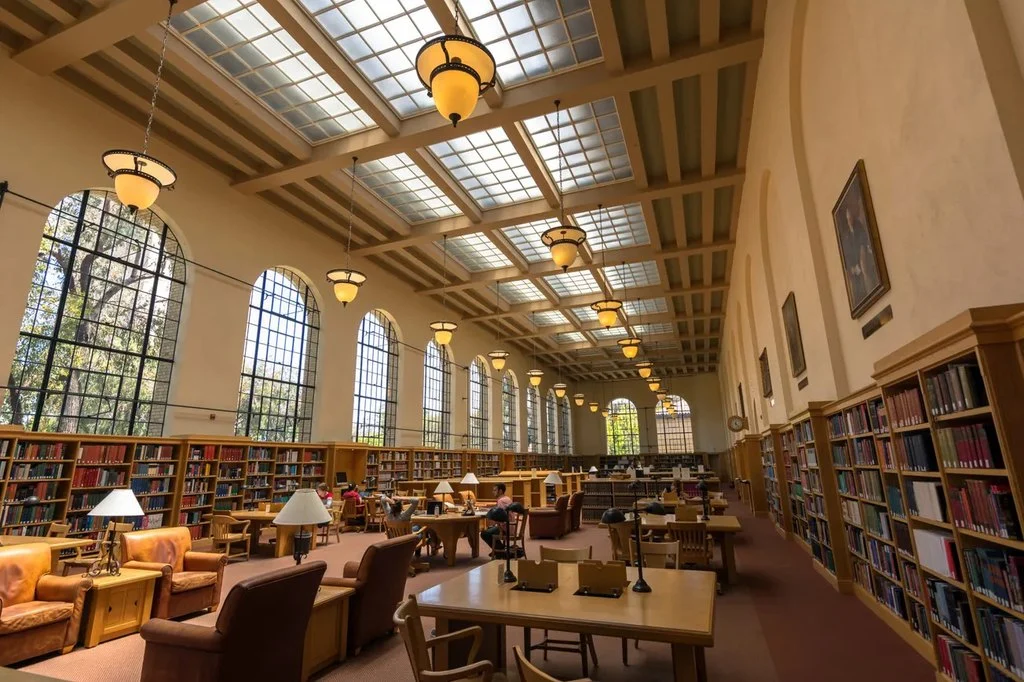
I had previously written seven nonfiction books, mostly histories, so I relished the opportunity to dive into Estonia's 20th century experience. I read histories and memoirs, including Neil Taylor’s Estonia: A Modern History, The Last Train from Estonia by Jaak Jurison, and Kaia Gallagher’s Candles for the Defiant. I spent an entire weekend in the Stanford University Archives, listening to oral histories of Estonian refugees who had escaped during World War II (and at times wishing I spoke Estonian).
In 2025, I traveled to Estonia and visited key cultural and historical sites, including the Vabamu Museum of Occupations and Freedom. I was deeply moved by the heartbreaking personal narratives in the museum’s interactive exhibits and by the incredible courage and resilience of people thrust into impossible situations during the occupations.
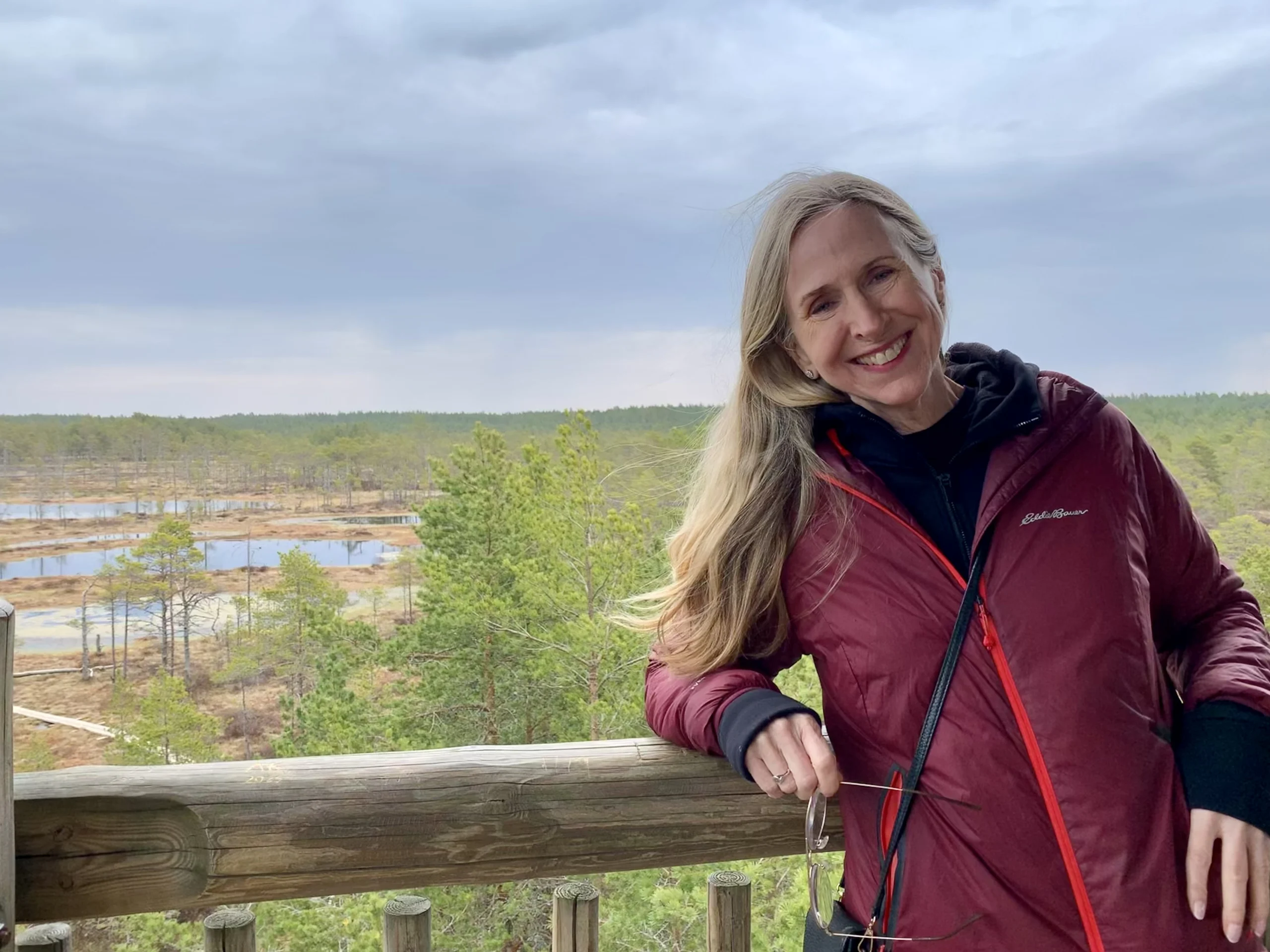
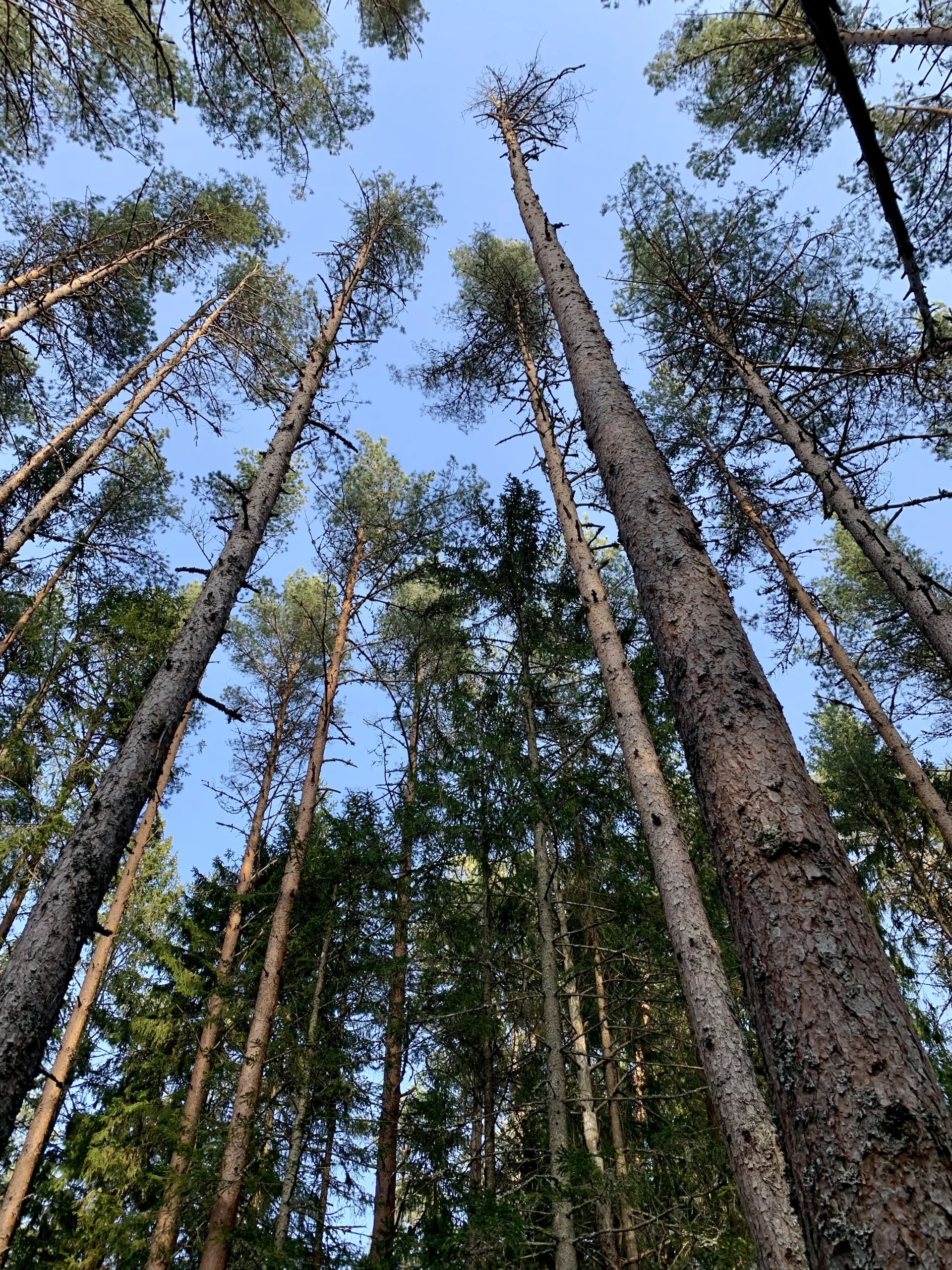
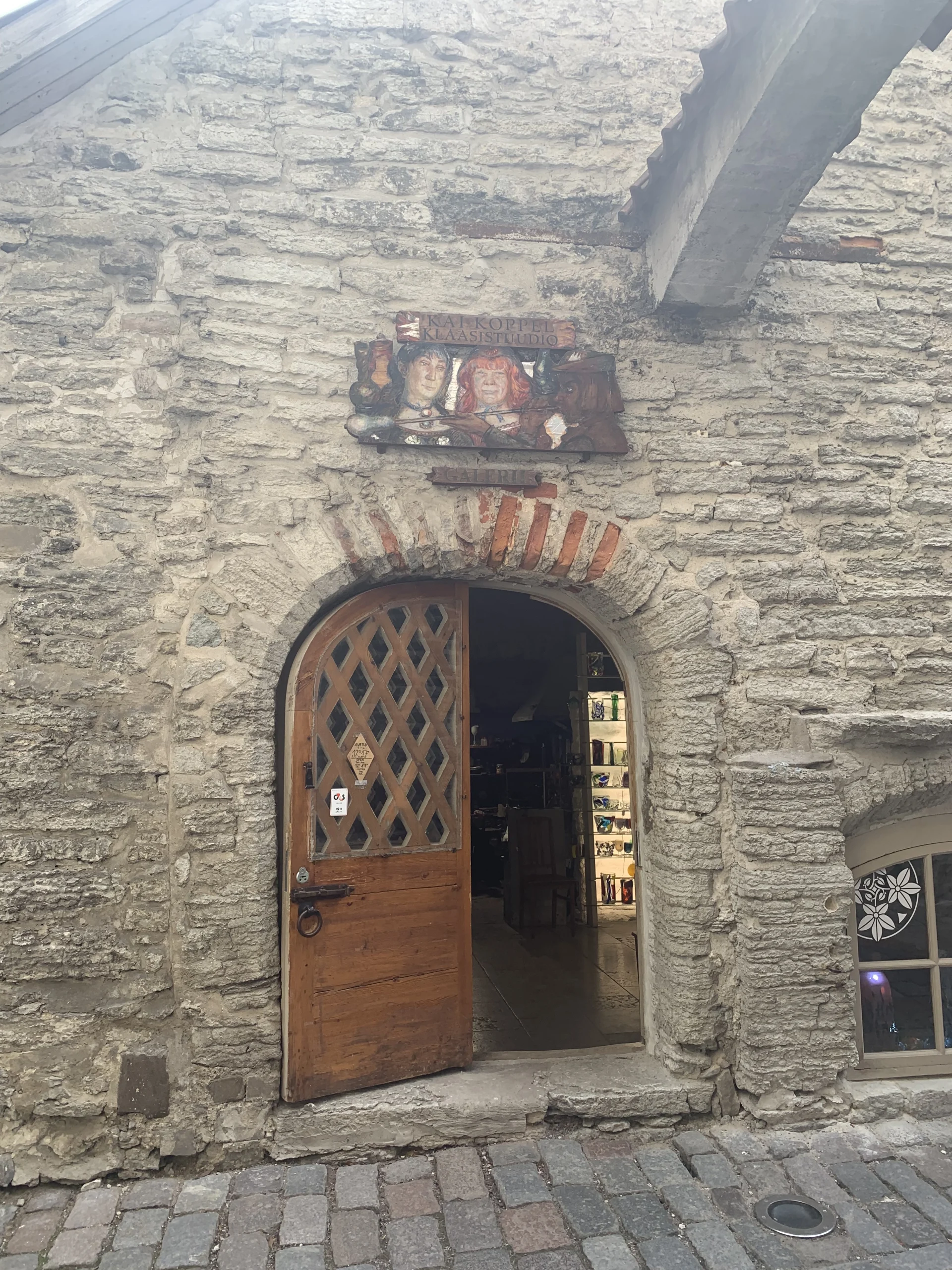
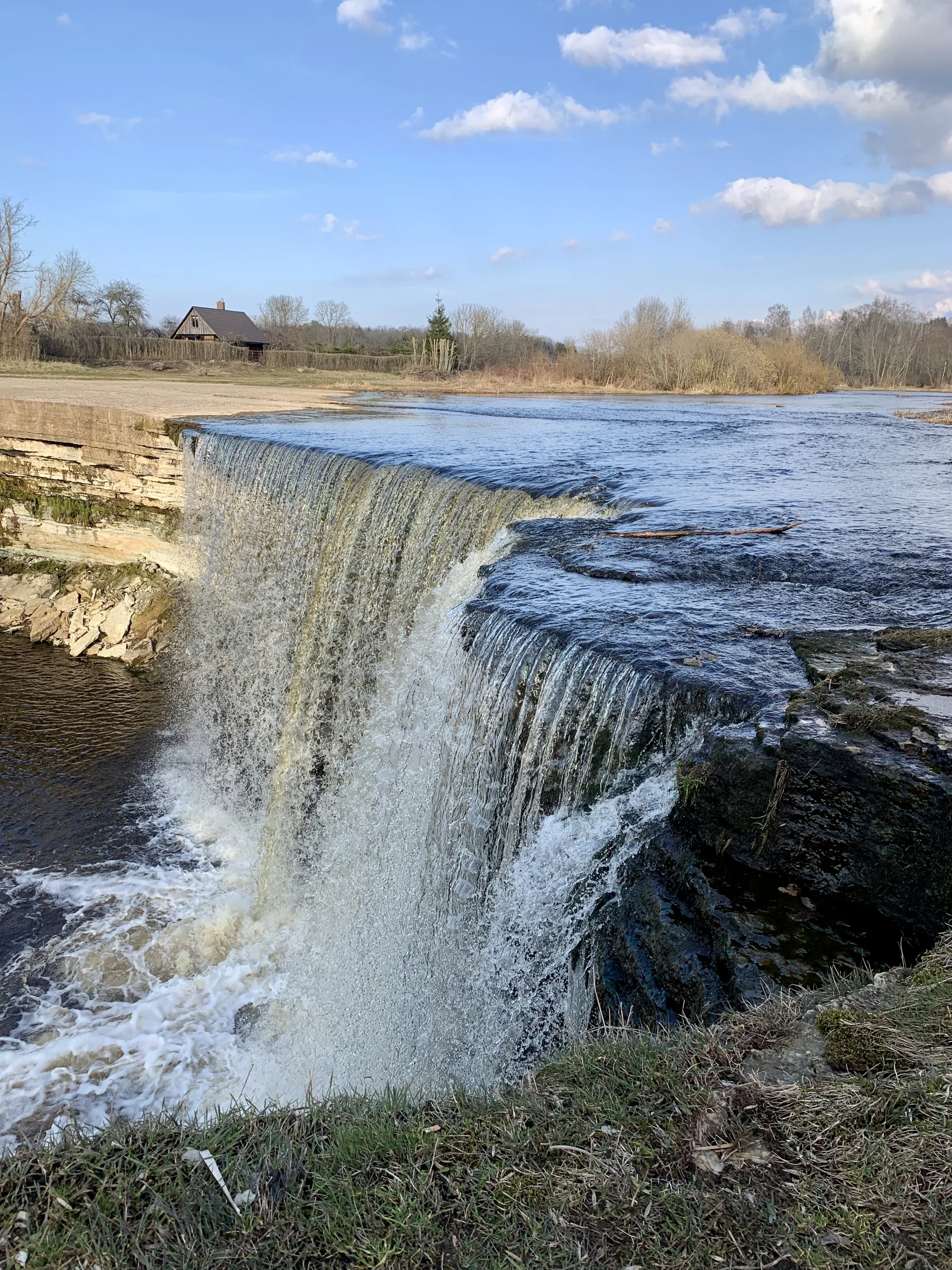
The grandfather in my novel, Anton Kallas, is born in Juminda in 1931. I toured the forests, bogs, and gulf coastline of Lahemaa National Park and visited the Estonian Open Air Museum to get a sense of the landscape and surroundings he might have experienced growing up as the son of a farmer and fisherman. Anton apprentices with a glassblower, and part of the mystery turns on the history of glassmaking, beginning in the 17th century. A 2022 exhibition on glass production at the Estonian History Museum proved particularly helpful.
Anton’s letters describe what happened to his family during the Nazi and Soviet occupations, as well as The Great Escape of 1944. I was struck by a haunting anecdote in the Vabamu Museum about the discarded furniture, bicycles, and open suitcases scattered on the shore during the latter event. That heartrending image inspired Anton’s last glimpse of his homeland. His time in Geislingen, the largest displaced persons camp for Estonians in the American zone in Germany, was informed by Time magazine articles from the late 1940s. I was deeply surprised by the vitality of the post-war community that blossomed there. In New York City, I toured the Estonian House, the dynamic centre of the Estonian-American population, which serves as a refuge for Anton when he arrives in Manhattan at age eighteen.
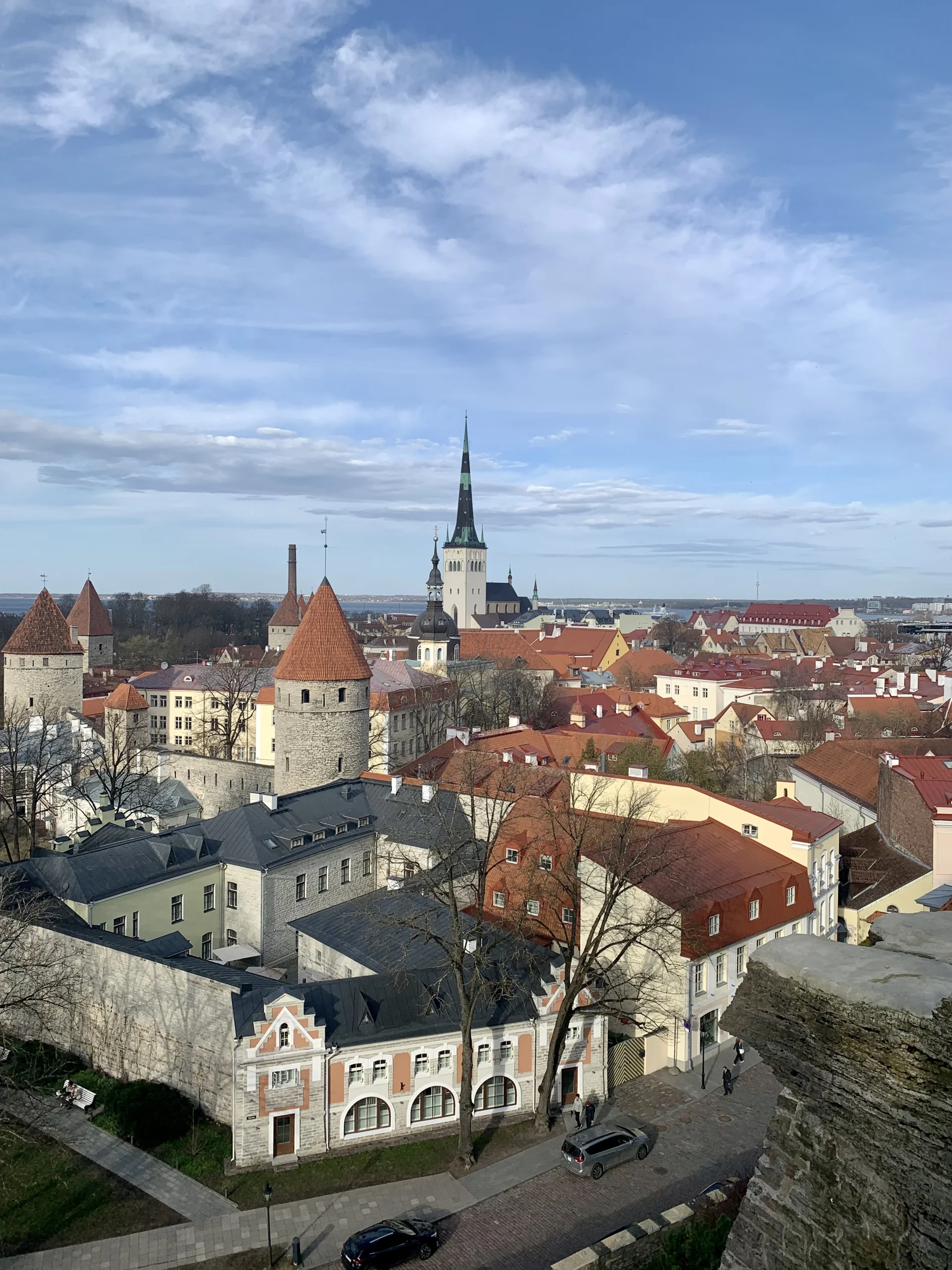
Photo gallery
Photos courtesy of Laura Rowley
I also explored academic works about collective memory and the psychological scars that persisted long after Estonia regained its independence. Particularly fascinating was the research showing that trauma was often shrouded in silence. This influenced the storyline: it is only after the birth of his granddaughter Ava in 1991, the same year Estonia regains independence, that Anton decides to recount his story in letters, and give them to Ava when she is an adult. But he never gets the chance.
The sensitivity reader offered valuable insights on the complexities of reclaiming property confiscated during the Soviet occupation, drawing on her family’s experience recovering her grandfather’s home. She also, somewhat hilariously, flagged my description of leib—“fluffy as peat moss”—with two large question marks and the notation: “Estonian black bread is very dense.”
Another key plot twist emerged from research into Estonia’s conservation movement, which has been fighting to protect the country’s ancient forests from industrial logging, driven in part by global demand for wood pellets used as biofuel. The book delves into Estonia’s deep cultural reverence for its forests, and some of the characters practice indigenous spiritual traditions, rituals, and seasonal celebrations (hence “a winter solstice” in the book’s subtitle).
Once the manuscript was finished, I engaged an Estonian-American sensitivity reader to provide feedback on cultural and historical nuances. That perspective was crucial. My family came to the U.S. from Ireland in the 20th century, so while I'm familiar with the immigrant experience, I don’t have Estonian heritage. The sensitivity reader offered valuable insights on the complexities of reclaiming property confiscated during the Soviet occupation, drawing on her family’s experience recovering her grandfather’s home. She also, somewhat hilariously, flagged my description of leib—“fluffy as peat moss”—with two large question marks and the notation: “Estonian black bread is very dense.” Of course I knew this, having eaten leib at nearly every meal in Estonia. But in the quest for a lyrical description I had zoomed right past the facts. (I rewrote the passage.)
While the novel retains its roots as a charming holiday tale, centering it around Estonia provided a remarkable history, fascinating culture, and cast of characters that brought vital depth to the narrative. When I went looking for that Christmas market in Tallinn, I never imagined I’d end up writing a love letter to the country. I’m so gratified when readers tell me The Glassmaker’s Secret has encouraged them to learn more about the Baltics. As one reviewer commented, “I felt like I was in Estonia right by the main character—need to add this to my travel bucket list now!”
The Glassmaker’s Secret: A Winter Solstice in Estonia is available for purchase on Amazon.com, other major bookstore websites, and select independent bookstores. For more information, visit laurarowley.com.
Details: The Glassmaker’s Secret: A Winter Solstice in Estonia
Publication: October 1st, 2026
ISBN: 979-8-9953945-1-8
List price: $15.99
Publisher: Rough Meadow Press
Distribution: Amazon, IngramSpark
Category: Women’s Fiction / Historical Fiction / Family Mystery