Subscribe Menu

Iga asja peale mihkel: making the most of the herbs and spices in your kitchen

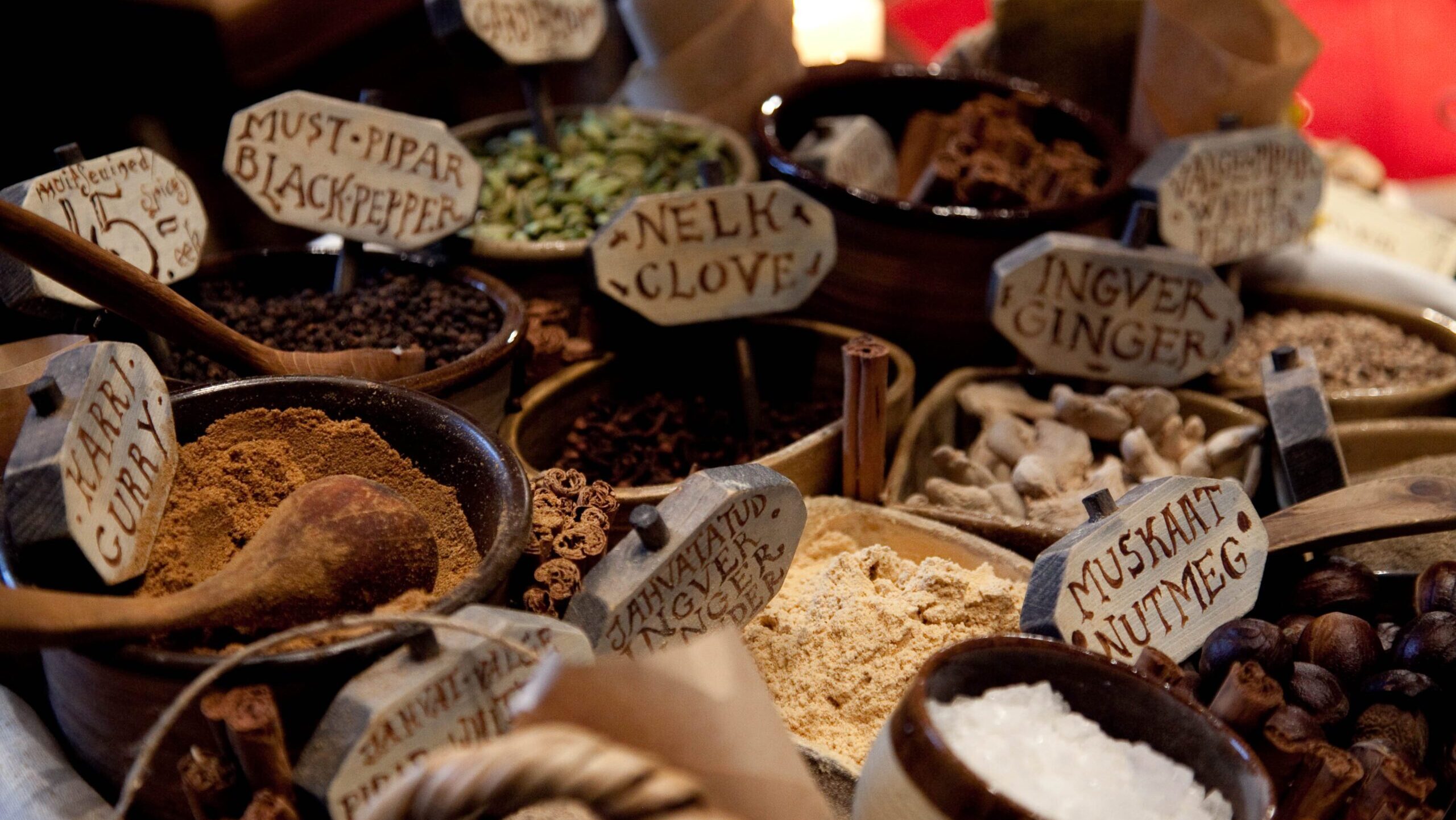
The presence of a spice rack or pots of fresh herbs in our kitchens may or may not actually be helping to make our food more enjoyable.

Photo by Maks Karochkin, used under a CC BY 2.0 license

On one hand, sometimes the jars and bags just sit there, collecting dust as we rely on salt and pepper alone. Herbs grow faster than we can possibly consume them. At other times, they are thrown into food haphazardly, creating an unclear mixture of flavours or too much emphasis on one flavour over everything else.

…how might we organize herbs and spices more effectively to make cooking more exciting when we’re at home?

When spices and herbs aren’t used as well as they can be, it’s no wonder dining out or ordering in becomes so tempting. The expert-level seasoning of this cooking, where the potential of each ingredient is maximized, is one of the things that keeps us going back for more chef-prepared meals.

So how might we organize herbs and spices more effectively to make cooking more exciting when we’re at home?

Labels: If the spice jars and fresh herb containers in your kitchen aren’t already labelled—if they’re from a bulk package or a garden cutting that someone gave you, for instance—this is the first thing you can do to encourage their use even more.

If there is a lack of smell or loss of colour, the spice might be past its best.

Use a thin marker to write the name of the spice and when you purchased it. With timing in mind, the Food Network states that “Ground spices lose their freshness the quickest and typically don't last past six months… Whole spices, on the other hand, can be fine for up to five years.” Moreover, if there is a lack of smell or loss of colour, the spice might be past its best.

From here, write on the label either a) what dishes it would go well with or b) what cuisines it is used in. More on this later.

Spice blends: Make your own spice blends to simplify the seasoning process. Pre-made spice blends from the grocery store offer an element of convenience, but aren’t necessary if you’re on a tight budget. Take note of the ingredient listing on the packaging, buy the individual spices, and put it together yourself. If you liked the flavour profile of a certain recipe, combine those spices in a separate container and add the recipe name for reference. You may wish to mix the spices using the same ratio of the original recipe. The next time you’re grilling fish, you can take that one jar out and sprinkle it on in one go.

The hall of fame: Deciding which spices and herbs to use can be daunting. But there are a number of spices we can always count on.

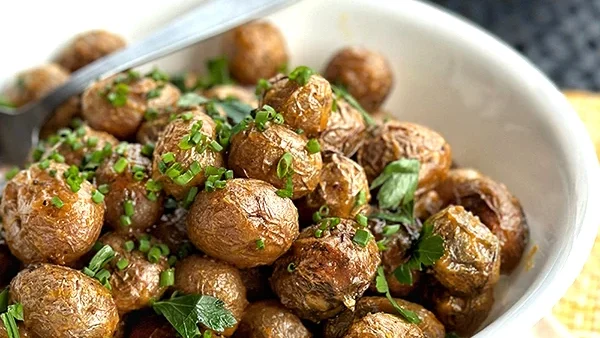
Dill: Although it's originally from South-West Asia and North Africa (receiving mention as part of a painkiller recipe in Ancient Egyptian medical texts), this is of course very popular in Estonian cuisine. It's part of hakklihakaste (ground meat sauce) and rosolje (beet and potato salad). Either freshly cut or dried, dill is a lovely, fragrant addition to roasted potatoes, crackers with smoked salmon and cream cheese, cucumber salad, and naturally, as one of the ingredients when making pickles.

Garlic is a part of pretty much every cuisine in some shape or form.

Garlic powder: When all else fails, there’s always garlic. Add it to ground chickpeas when making hummus. Apply it generously when a pasta sauce is simmering away. You might even consider combining it with yogurt as a mild dip for a vegetable platter. Garlic is a part of pretty much every cuisine in some shape or form.

Paprika: Mark this one down for when you're making hearty Central European dishes, such as Hungarian goulash or chicken paprikash. If there's meat or stew involved, paprika will insert an earthy, sweet flavour.

Ginger: The sweet spice and warmth of thinly sliced ginger is an instinctive choice for Chinese, Japanese, Korean, Indian, and Thai food. Let it sizzle in a wok when making a stir fry, for example. But also have it around in powder form for when you have a sore throat, mixing it with fresh-squeezed lemon juice and hot water. When Christmas approaches, combine ginger with cinnamon, cloves, and allspice for piparkoogid (gingerbread cookies).

Coriander: Do you want to dive into Caribbean recipes? Make sure to stock up on coriander, along with marjoram and Scotch bonnet peppers. When making the sauce for enchiladas, add a teaspoon or so of ground coriander.

Bringing together cumin, garlic powder, ginger, pepper, and turmeric can be a useful starting point for making curries at home.

Curry powder: Strictly speaking, this is a blend of spices, and not an authentic part of Indian cuisine at that. However, bringing together cumin, garlic powder, ginger, pepper, and turmeric can be a useful starting point for making curries at home and acquainting yourself with what each spice contributes to dishes from India that have become popular all over the world.

Bay leaves: Taken from bay laurel trees of the Mediterranean, these leaves are ideal for the cooking of sauces and soups. It can even be added to hernesupp (pea soup) on Vastlapäev (Shrove Tuesday or Mardi Gras). Some things to keep in mind: as Auguste Escoffier School of Culinary Arts advises cooks, “While the bay leaf flavor may start out harsh with hints of menthol, it will mellow as it cooks.” Also, don’t forget to remove the leaves before you serve the food.

This is just the beginning, though! What are your favourite herbs and spices to use, for Estonian dishes and other cuisines? Send us your flavour and recipe ideas to digitaleditor (at) eestielu.ca to share with fellow Eesti Elu / Estonian Life readers.

Read more