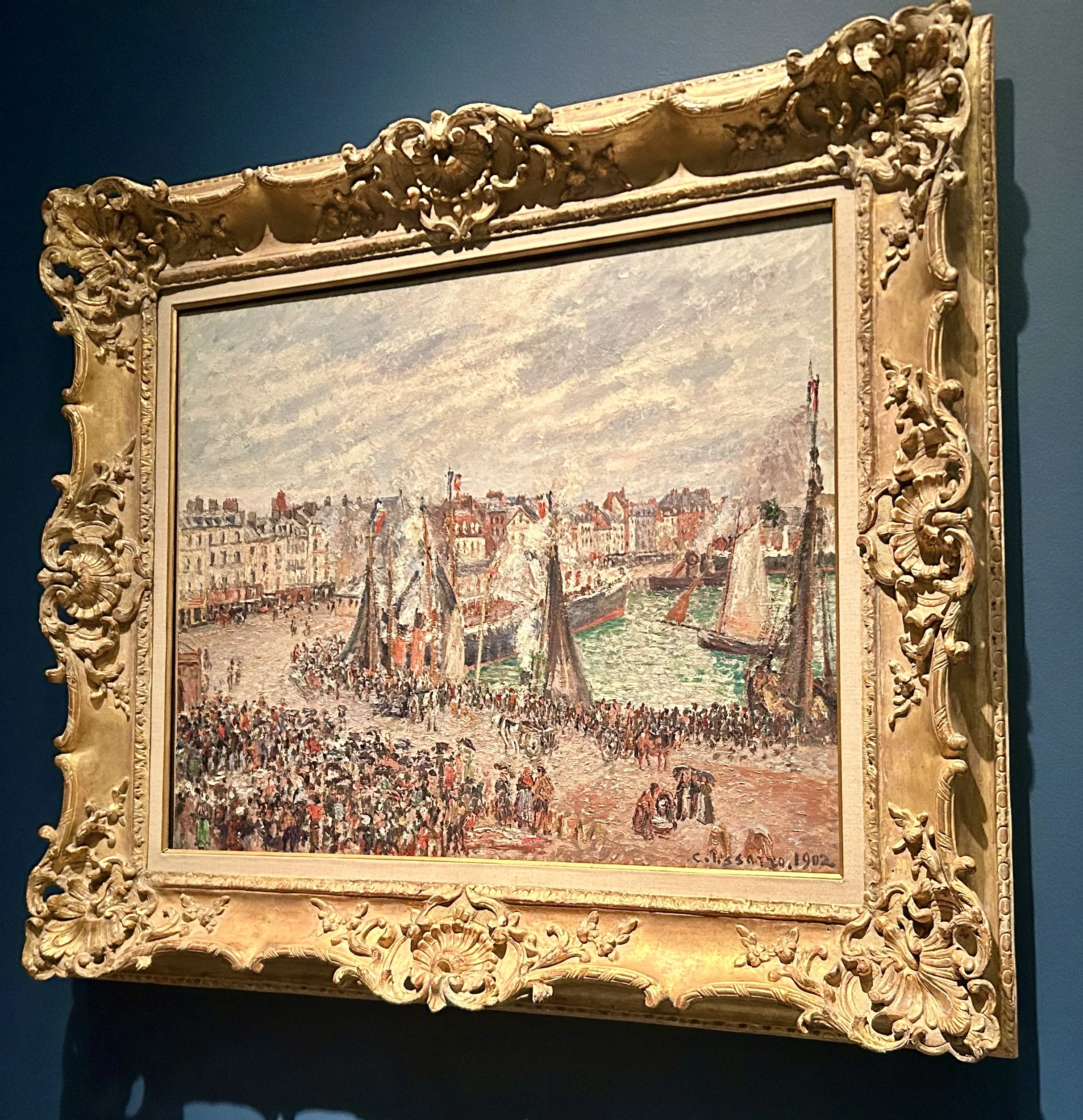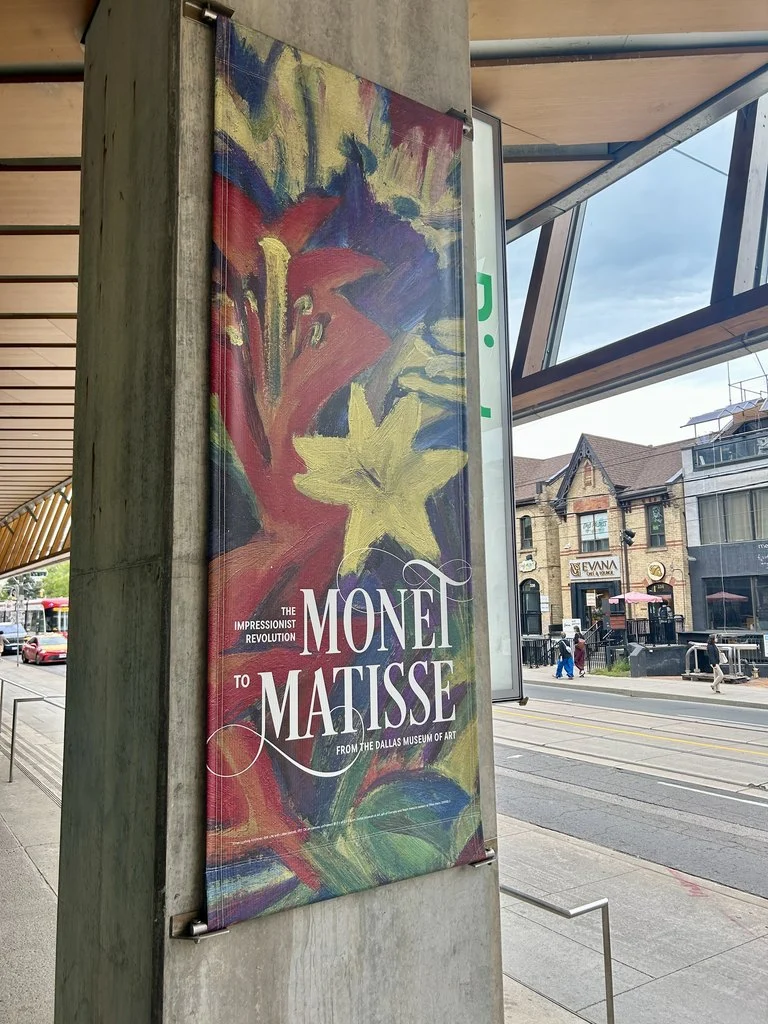
A visit to the Art Gallery of Ontario’s latest exhibition The Impressionist Revolution: Monet to Matisse (drawn from the Dallas Museum of Art) is a lesson in the pivotal historical episode of impressionism’s rise as an art movement. As the official gallery text notes, the show “reveals the rebellious origins of the independent artist collective known as the Impressionists and traces the revolutionary course they charted for modern art.”
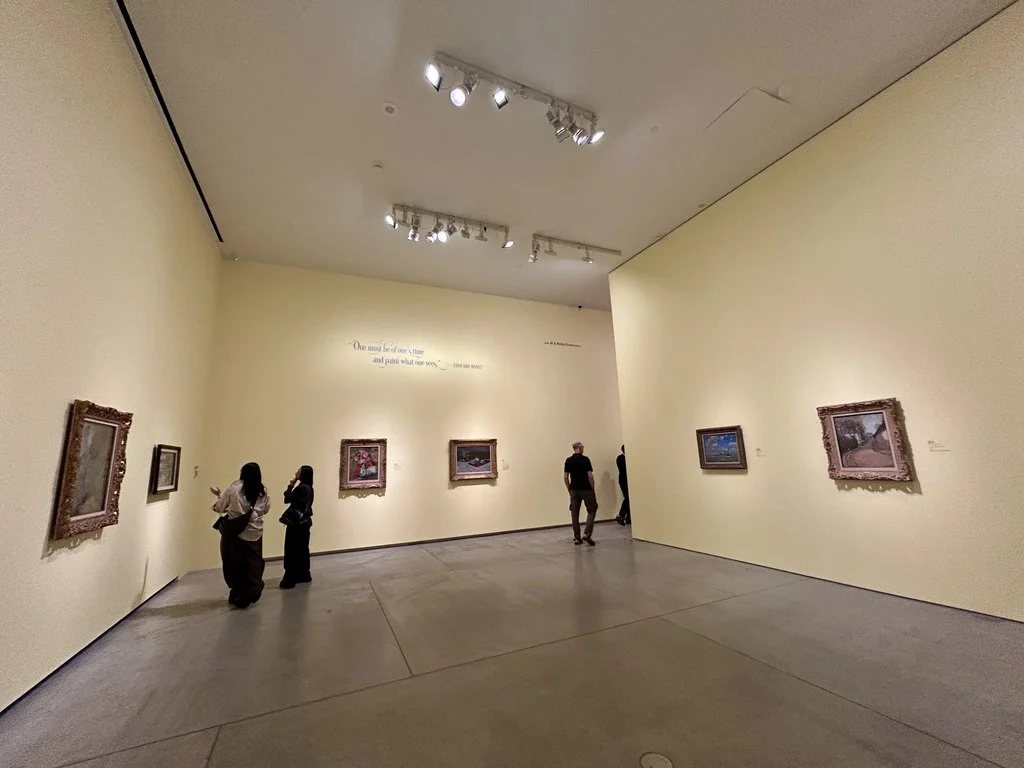
Before this movement, European art was overseen by state academies. In 1874, dissidents bypassed the Paris Salon, an institution so powerful that Sotheby’s now deems it to be “both a dream and a battleground for aspiring artists.” The AGO details how “an artist’s collective in Paris calling itself the Anonymous Society of Painters, Sculptors, Printmakers, Etc. opened their first group exhibition,” on their own, “an act both bold and entrepreneurial.”
This movement stood apart beyond its societal placement, though. It moved away from static studio compositions toward modern, everyday life. Claude Monet’s 1871 piece The Pont Neuf is a piece of city life captured in a loose, sketch-like style, something new for viewers at the time. Monet depicted a damp day with people and carriages rushing by through his loose, unlaboured brushstrokes. Monet’s 1872 Still Life, Tea Service, while less active, looks at domestic objects through fleeting light rather than precision.
In September 1841, American painter John Goffe Rand patented the collapsible tin paint tube in London and the United States... These tubes allowed artists to carry premixed paints outdoors, encouraging plein air work.
This stylistic shift was enabled by new inventions, among these the resealable metal paint tube. In September 1841, American painter John Goffe Rand patented the collapsible tin paint tube in London and the United States. Before that, as Daily Art Magazine describes, “pigments were stored in a pig’s bladder and sealed with string. Using them meant puncturing the bladder with a pin and squeezing out paint. But it proved a messy ordeal. Once opened, the bladder could not be effectively resealed, and the paint lasted only a day or two before oxidizing.” Tubes allowed artists to carry premixed paints outdoors, encouraging plein air work. In these scenes, viewers will notice how the Impressionists discarded black and grey for coloured shadows.
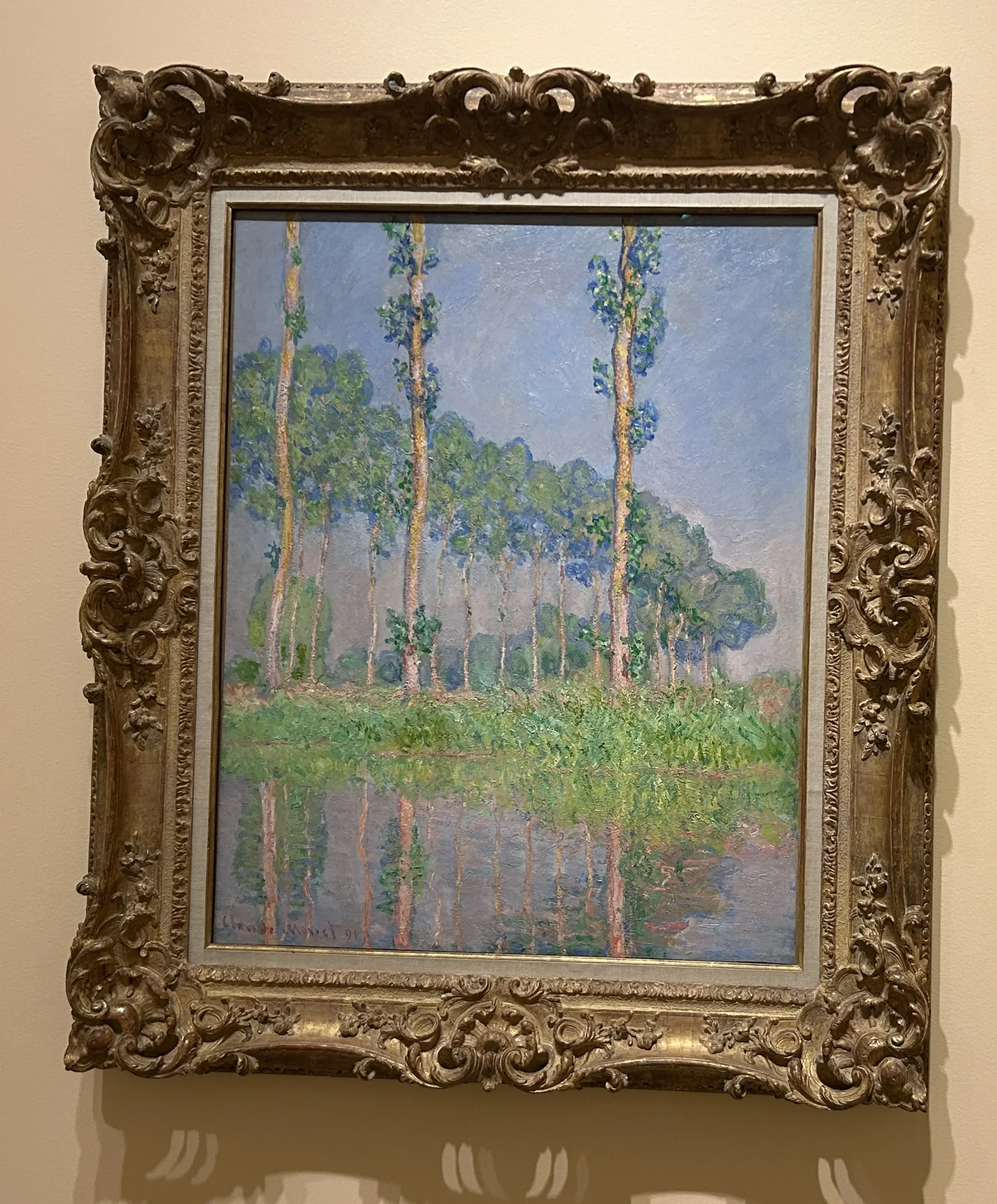
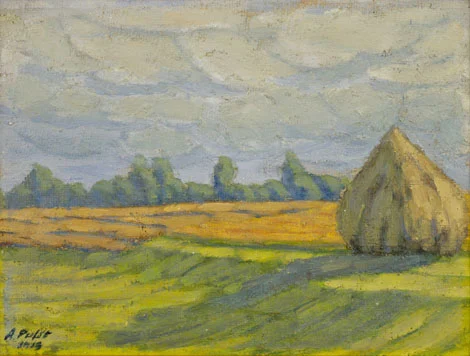
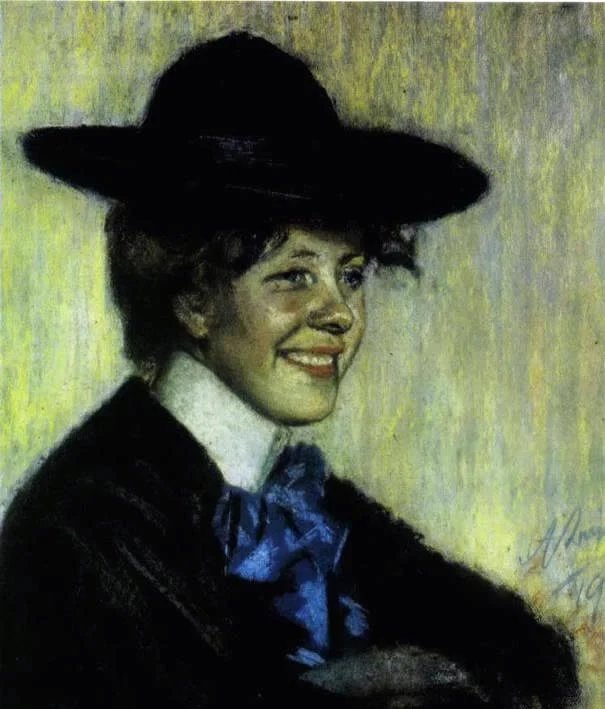
The movement spread across Europe, inspiring Estonia’s art scene. Figures like Ants Laikmaa (1866–1942) and August Pulst (1889–1977) adapted Impressionist principles to Northern European landscapes. Laikmaa, trained in Düsseldorf, depicted transient weather and light from the island of Capri to Taebla, as well as numerous portraits, with fluidity and pastel mastery. August Pulst, educated in Riga, applied Impressionist handling to Estonian scenery like a haystack in the countryside, Pirita Marina, and Toompea. His works are built upon light once again, along with soft colour harmonies, missing very defined outlines.
Halfway through the AGO exhibition, special attention is given to Claude Monet in the form of Sacha Guitry’s 1915 archival film of Monet strolling around and painting in his garden in Giverny, palette in hand.
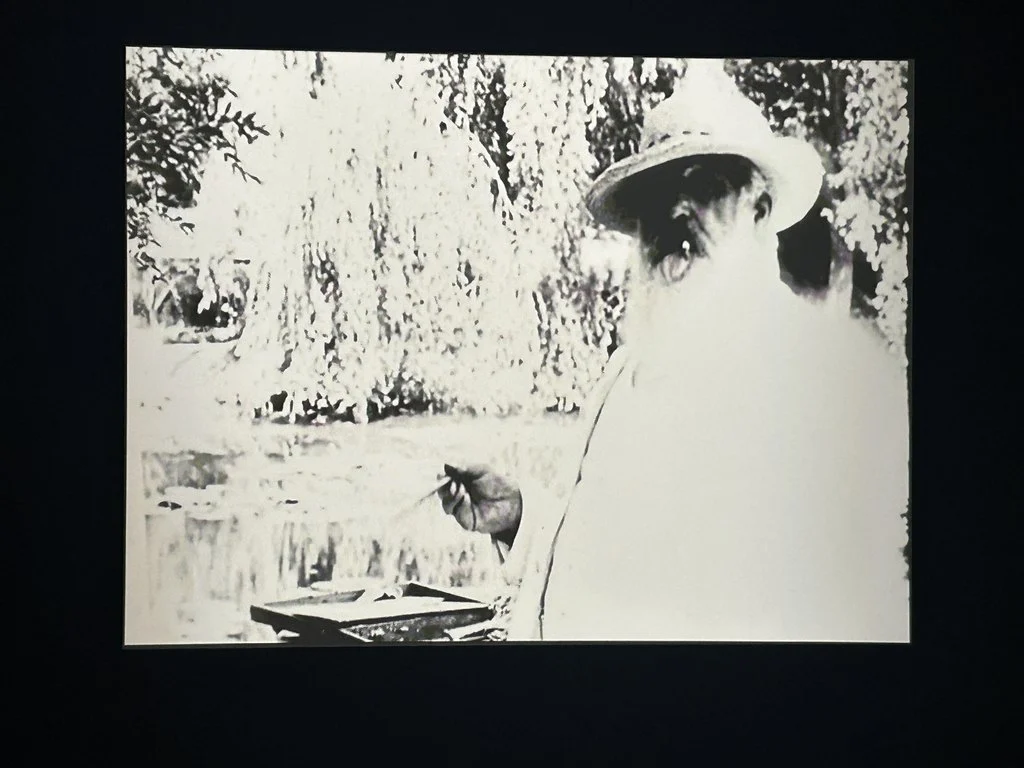
Next door are two of his water lily paintings. Even within a darkened room, a rather compact space, the floating vegetation pulls viewers into the expansive watery scene. We see the pond surface and reflected light. Clouds and branches glide across the water. This perspective bewildered viewers in his day, with historical accounts recording that critics and visitors were sometimes convinced Monet’s paintings had been accidentally hung upside down, as it was unclear where physical objects ended and reflections began.
On a personal level, as a near-sighted person, the Impressionists’ blurring of structural lines feels familiar and comfortable somehow. Standing before their canvasses reveals a similarity between these painters’ handiwork and the uncorrected way a myopic eye sees distant surroundings.
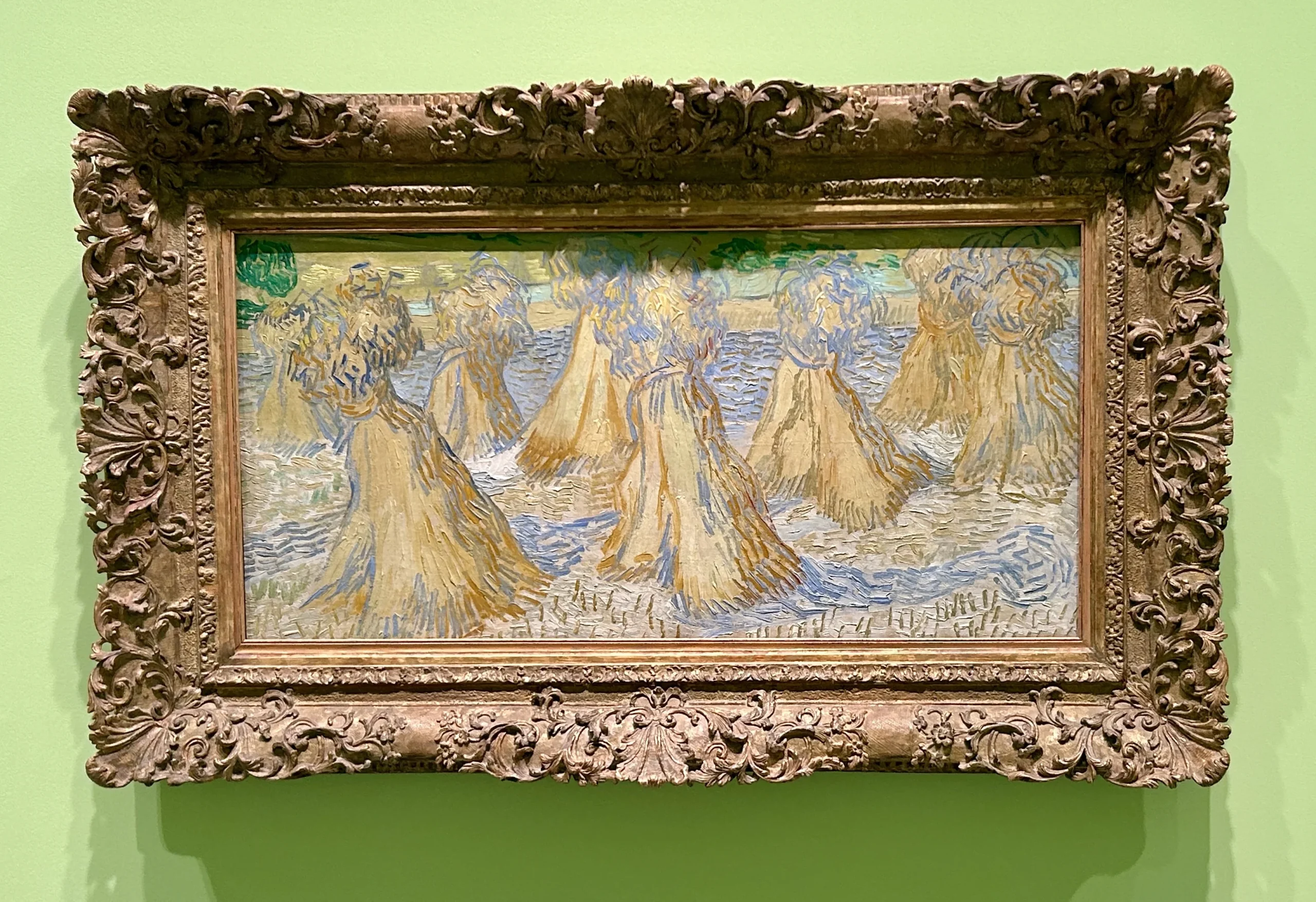
One can imagine how refreshing this aesthetic of immediacy and looseness felt in the nineteenth century, producing a nearly photojournalistic document of life then long before consumer cameras became so common. The style certainly influenced countless artists after it. Now in an era dominated by hyper-processed digital media and crisp imagery, the art prompts questions, as to whether the public will eventually return to imperfection and perhaps the deeper truth found in a human impression over mechanical literalism.