Subscribe Menu

On the Market: Estonian Folk Culture Brought to Our Hands by Instrument Maker Mihkel Soon

The notes from a kannel, the Estonian zither, a historic folk instrument, sparkle and twang in a marvelous way. It’s not as smoothed out and regulated as the notes of instruments you hear in many popular recordings and performances, such as electric guitars, pianos, or drum kits. Those are satisfying in their own right, but there’s a mystery to folk instruments.

You may have heard modern examples of the kannel at the most recent Estonian Music Week, and the festival edition before that as well, played by Tuulikki Bartosik and Mari Kalkun respectively. Similarly, you might have seen folk duo Puuluup, Estonian Music Week veterans and Eurovision contestants, playing the talharpa, a bowed lyre. Estonian folk instruments have been experiencing a steady revival, perhaps based on their use by these major artists.
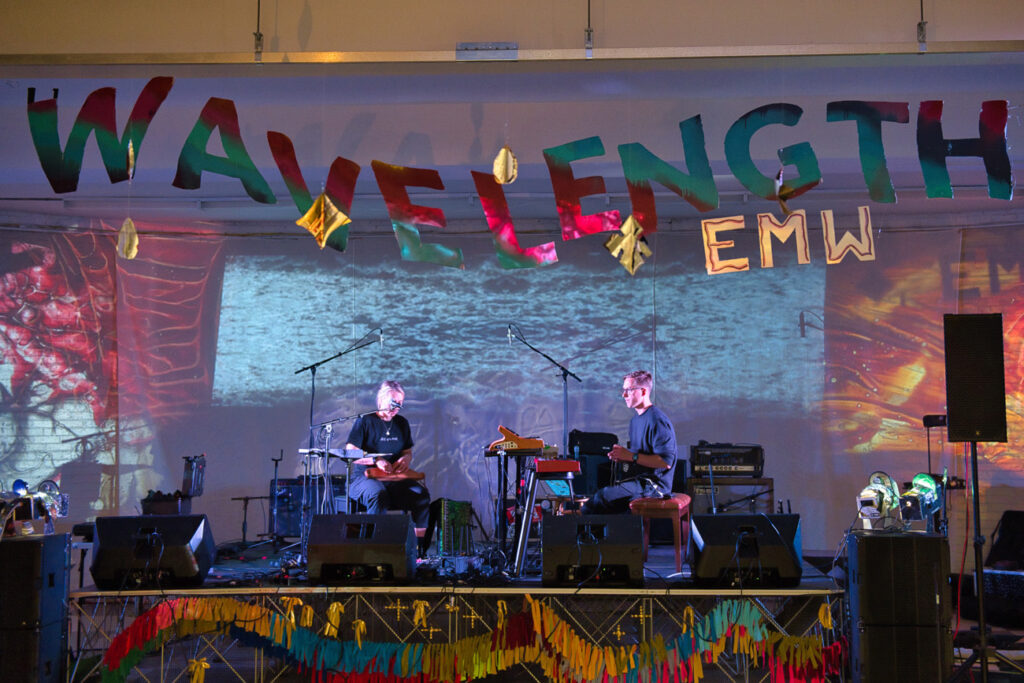
Tuulikki Bartosik (left), playing her kannel together with Sander Mölder (right), (photo: Peeter Põldre)
Tuulikki Bartosik (left), playing her kannel together with Sander Mölder (right) (photo: Peeter Põldre)

While investigating the kannel (among a number of zithers) played by Tuulikki Bartosik in particular, it came up that these folk instruments were created by an instrument maker by the name of Mihkel Soon, based in Võru County.

Become a subscriber to continue reading!

Every week we bring you news from the community and exclusive columns. We're relying on your support to keep going and invite you to subscribe.

Starting from $2.30 per week.

Go to Subscription Plans

Read more