Furthermore, backyard bird feeders are much sought after by winter birds. Those who study birds academically agree that feeding birds in winter is beneficial to their wellbeing, especially if the winter is especially bitter and the birds’ natural food sources are hard to access.
…feeders should be at least four metres from windows to prevent bird strikes against the window. Hanging branches and bushes should be far enough away to prevent squirrels from using them as springboards to the feed.
The optimal placement of feeders may allow them to be close enough to windows so that you can see birds even without binoculars or cameras. In addition, you will be able to observe them while being comfortable inside. Still, feeders should be at least four metres from windows to prevent bird strikes against the window. Hanging branches and bushes should be far enough away to prevent squirrels from using them as springboards to the feed. Squirrel baffles on a feeder pole are a must. Trial and error may be required to find the perfect location. And the selection of seeds will depend upon the type of feeder. A few days of observation will help to define the usual feeding times for the birds in your area.
In southern Ontario, Chickadees and Downy Woodpeckers are usually timid enough that you can stand within a metre of a feeder. Chickadees are also famous for eating seeds from one’s outstretched palm. For most other birds, a distance of at least four to five metres is needed before the birds feel comfortable enough to land. If you intend to capture photos of winter birds outside, dress warmly, find a nice place to sit (as patience is required), and sit still. You may be lucky enough to have an existing protected area, such as a shed, that will provide even more comfort.
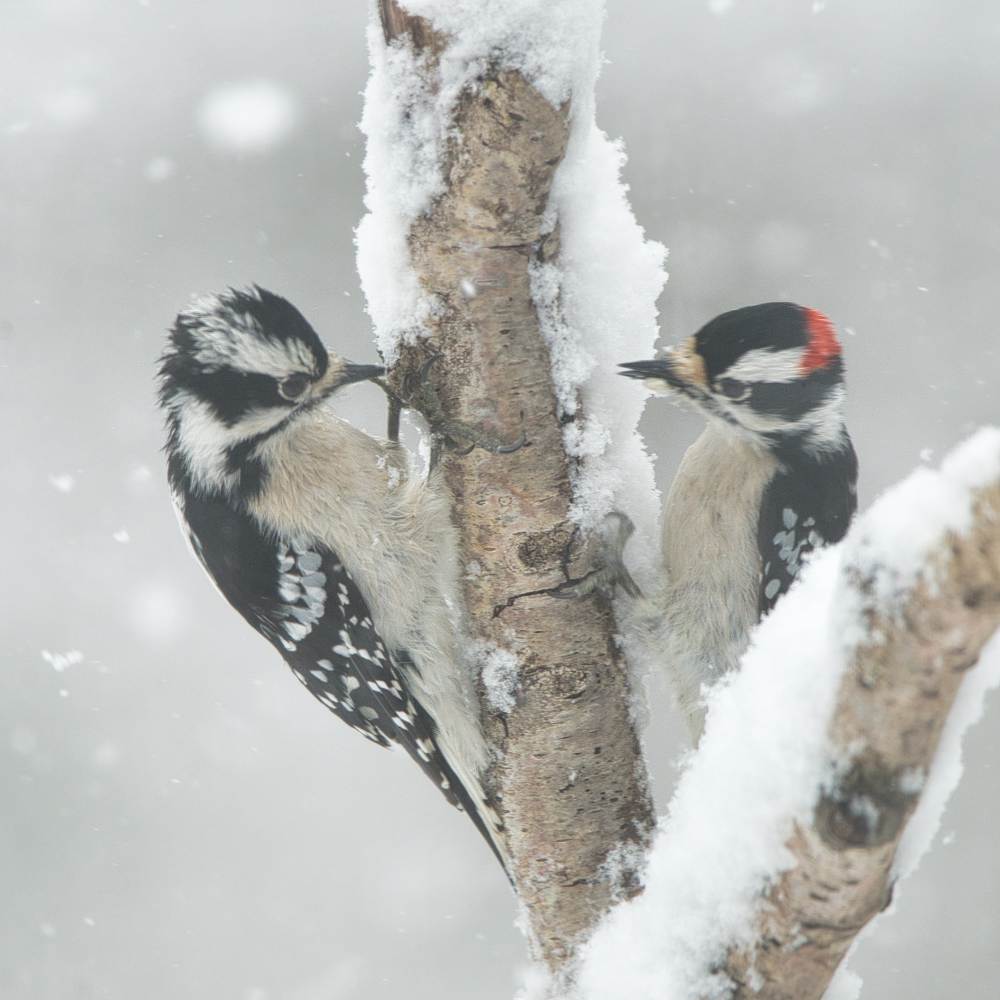
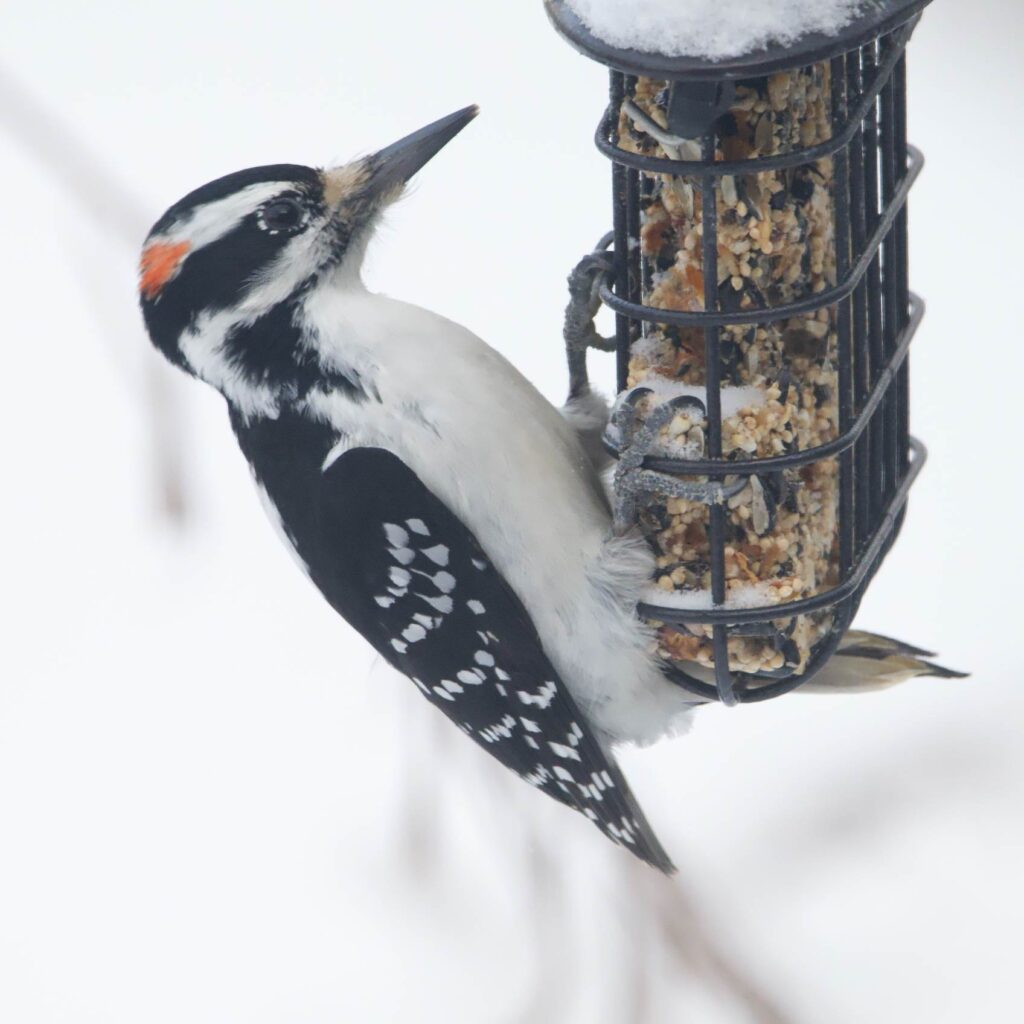
Longer lenses, greater than 100 mm, will allow you to be further away from a feeder. For birds that are perched, a shutter speed of 1/500 of a second will be sufficient to capture details of their feathers. The sample photos included, of common winter birds at or near feeders, were captured with a 400 mm lens.
Getting a sharp image of a perched bird is really the first stage of bird photography. The next step is capturing an image in a more natural setting, such as nearby branches or bushes. Many birds will seek a nearby branch before flying onto a feeder. In my experience, some professionally guided birding tours will set up feeding opportunities to entice birds to a setting that also has many natural features nearby. This allows photographers to capture images without having to spend hours trekking through habitats.
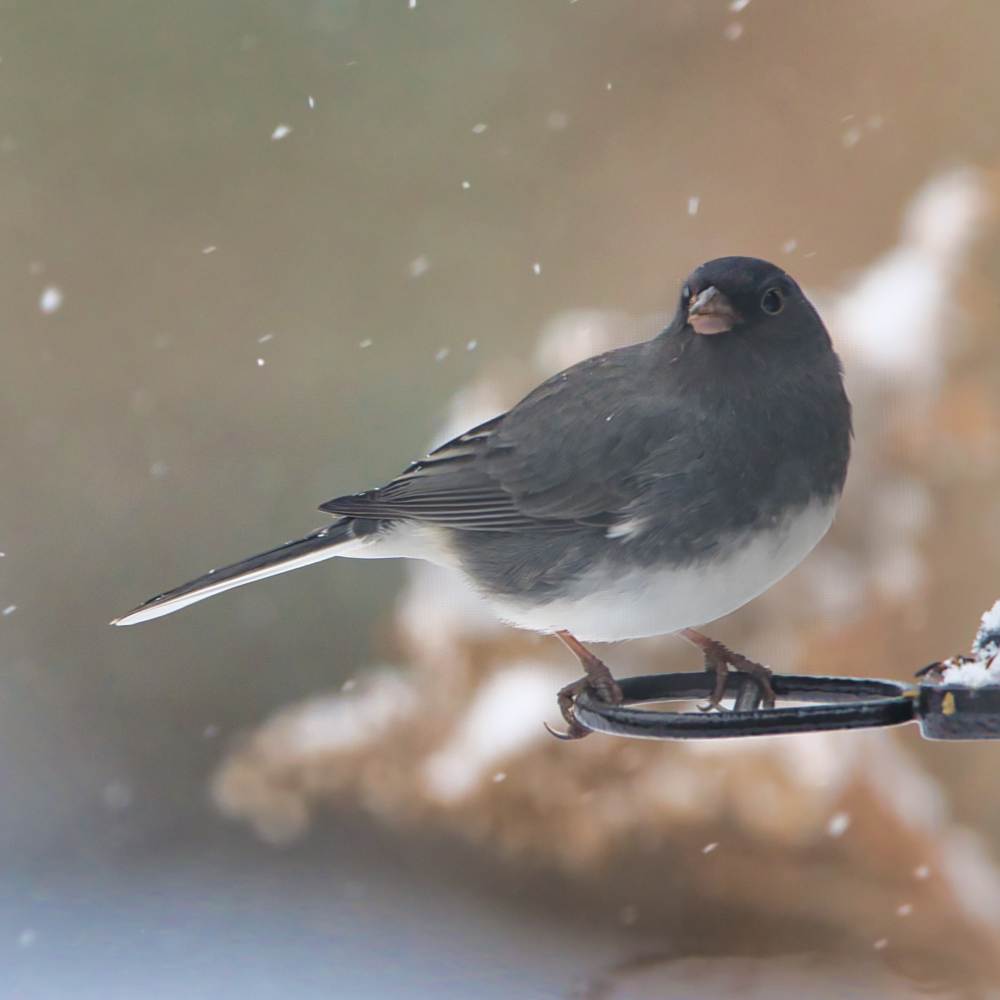
The Dark-eyed Junco is a northern bird whose arrival in southern Ontario is a herald of the arrival of winter.
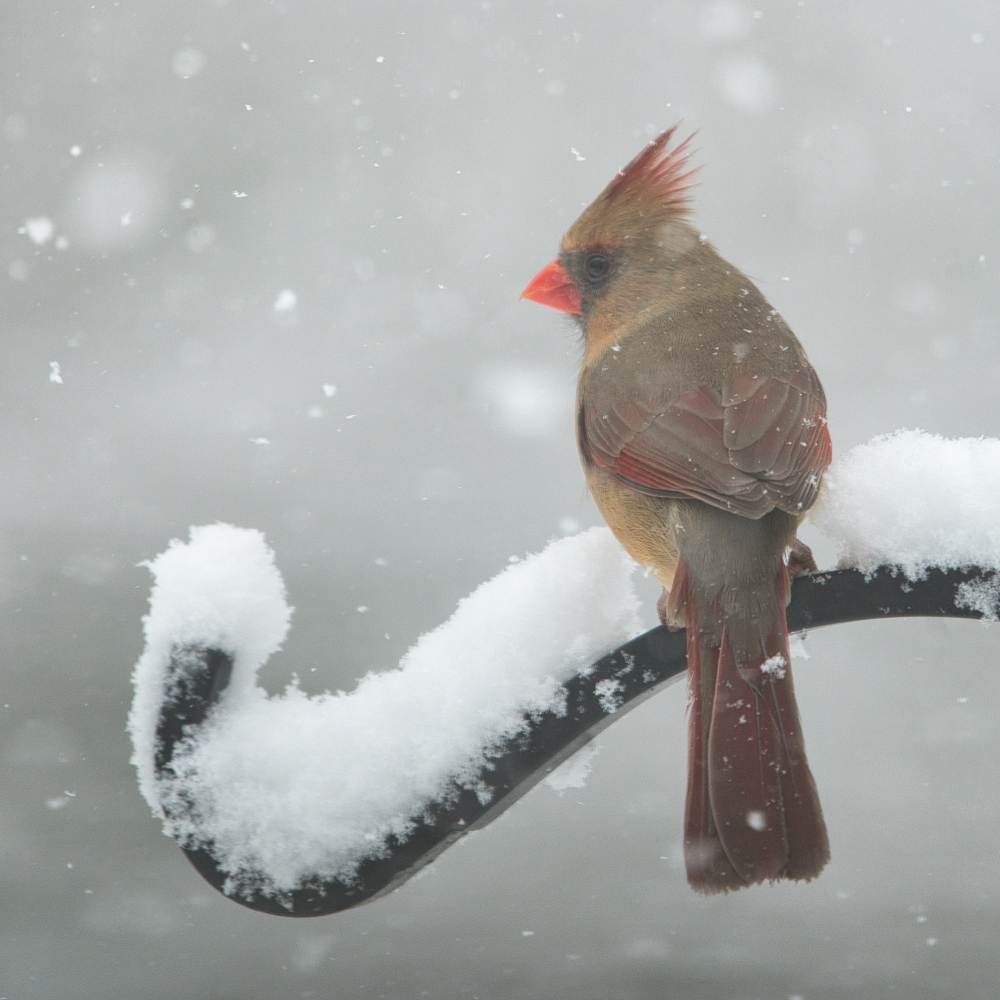
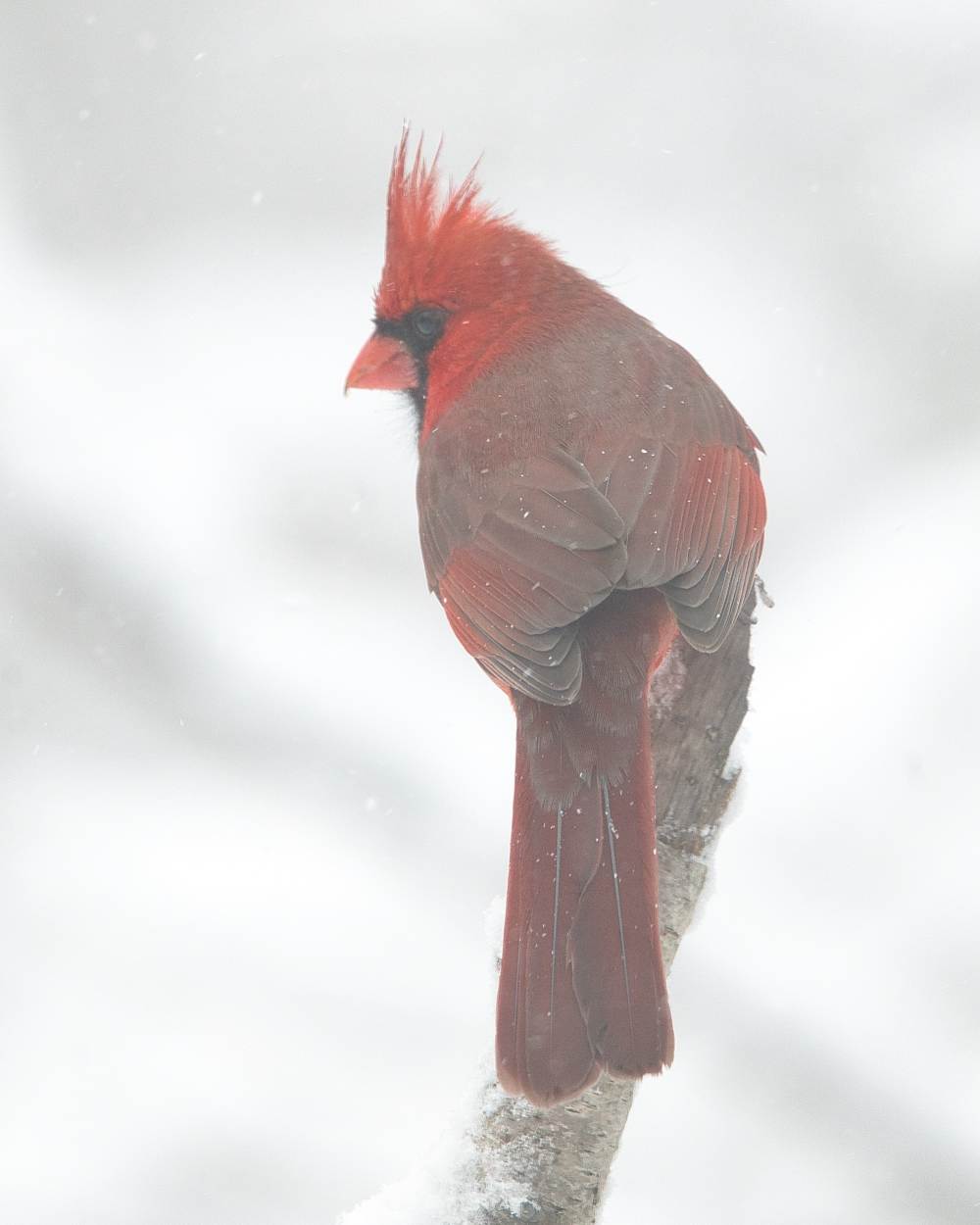
The most typical winter birds in southern Ontario include boisterous Blue Jays, colourful Cardinals, Black-capped Chickadees, White-breasted Nuthatches, Mourning Doves, American Goldfinches, and less commonly, House Sparrows. Three species of Woodpecker can be seen including the Downy, the similar looking but larger Hairy (note the longer beak), and the Red-bellied Woodpecker with its bright red head. The Dark-eyed Junco is a northern bird whose arrival in southern Ontario is a herald of the arrival of winter.
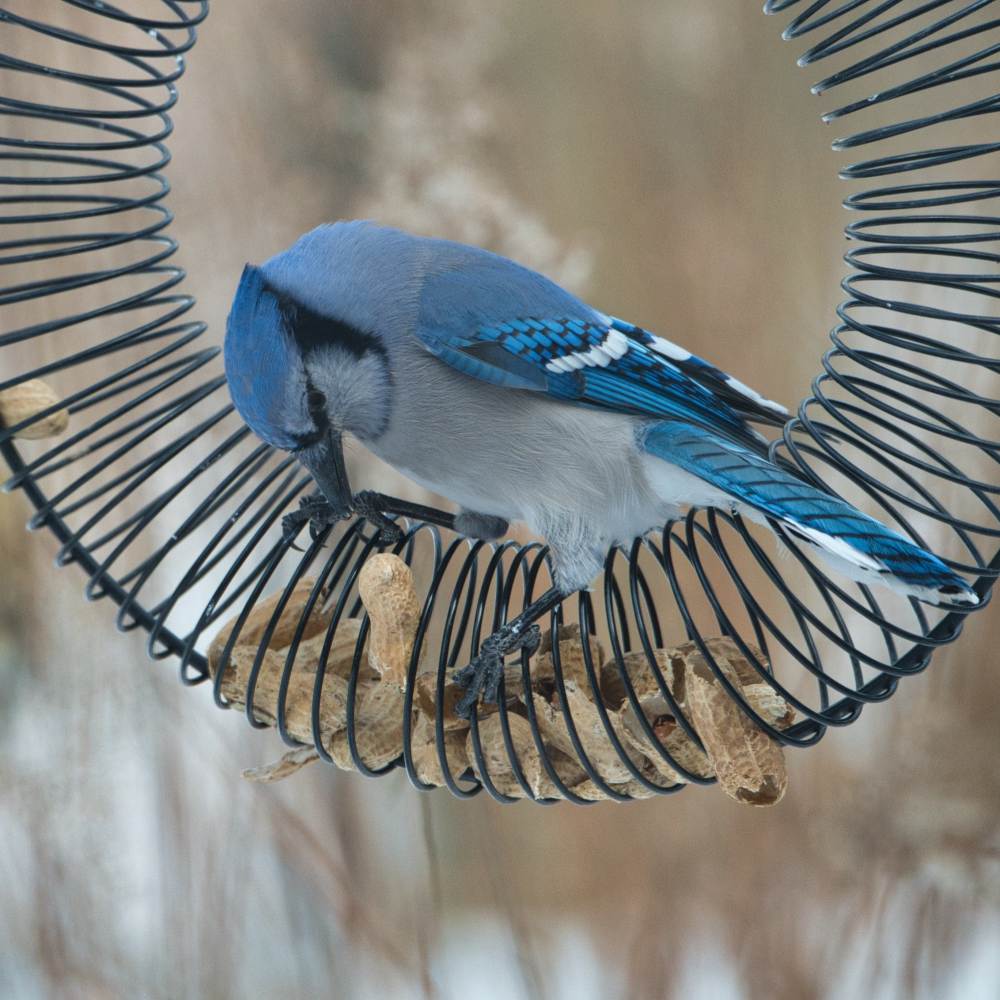
Photo gallery
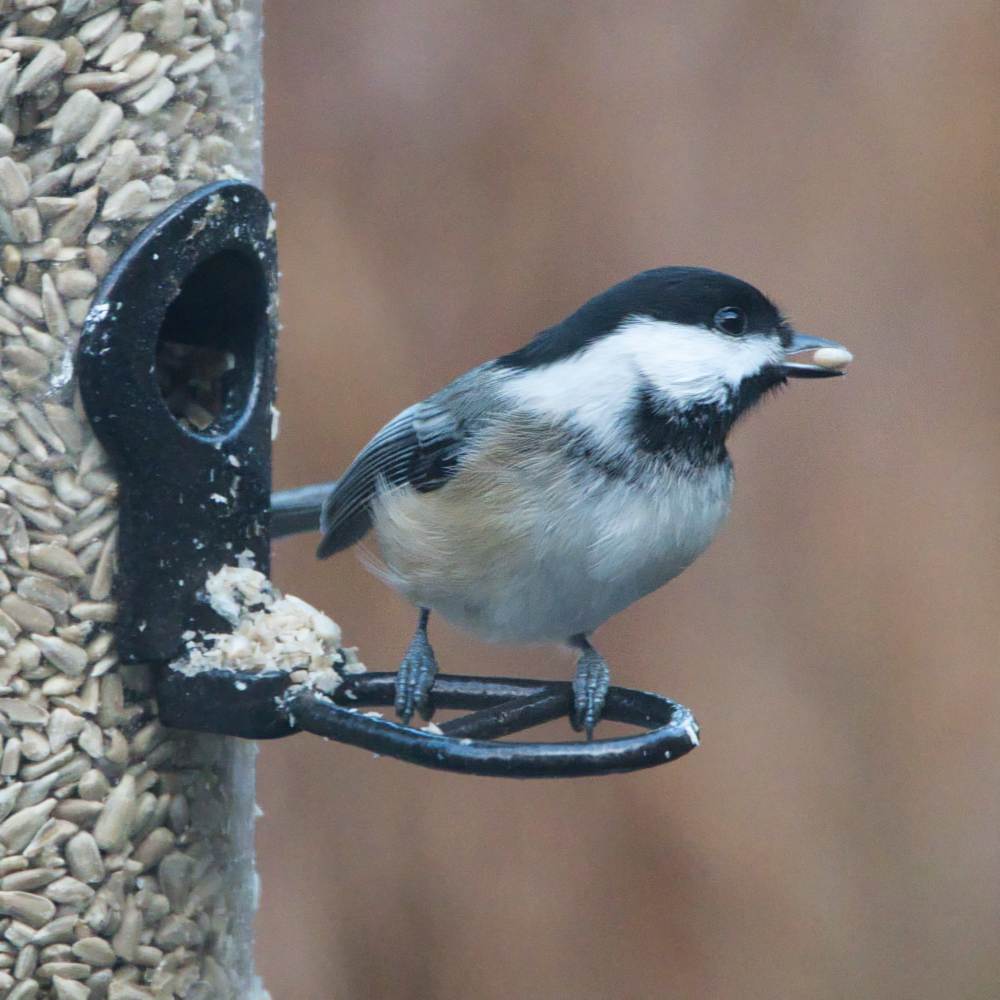
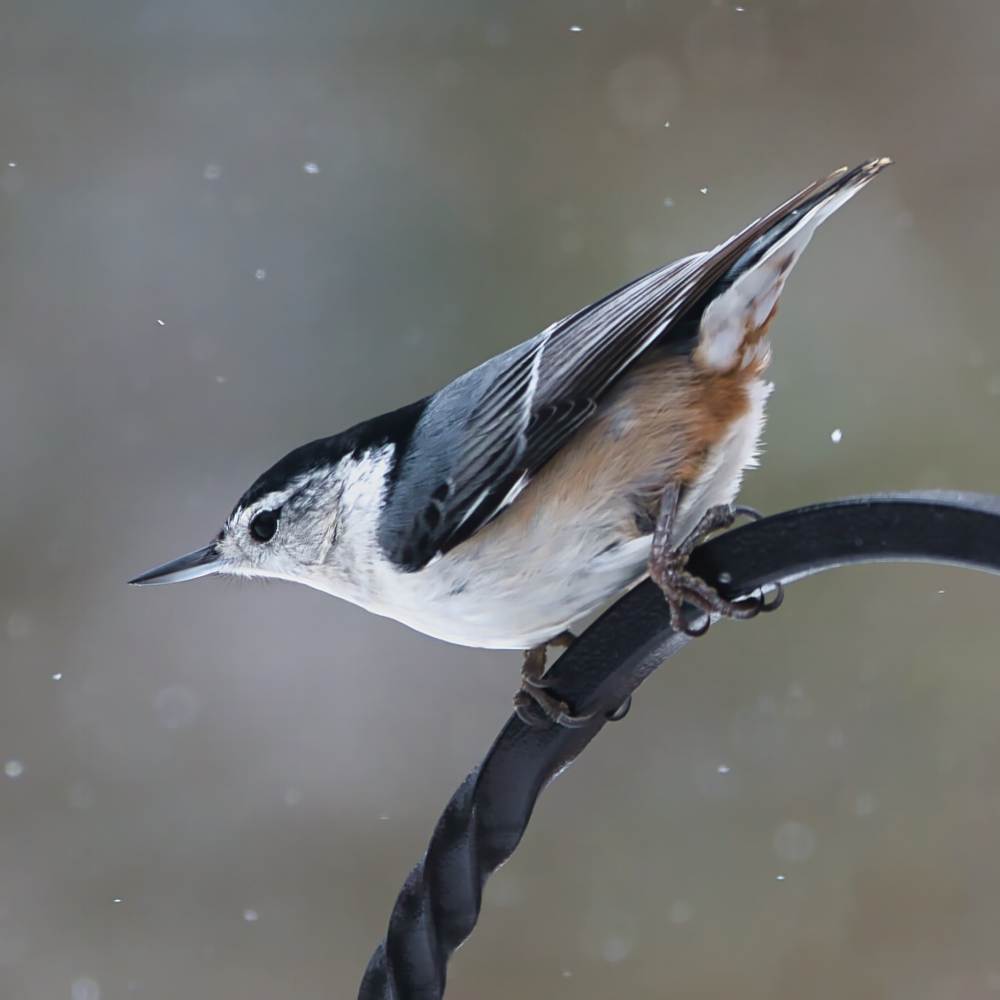
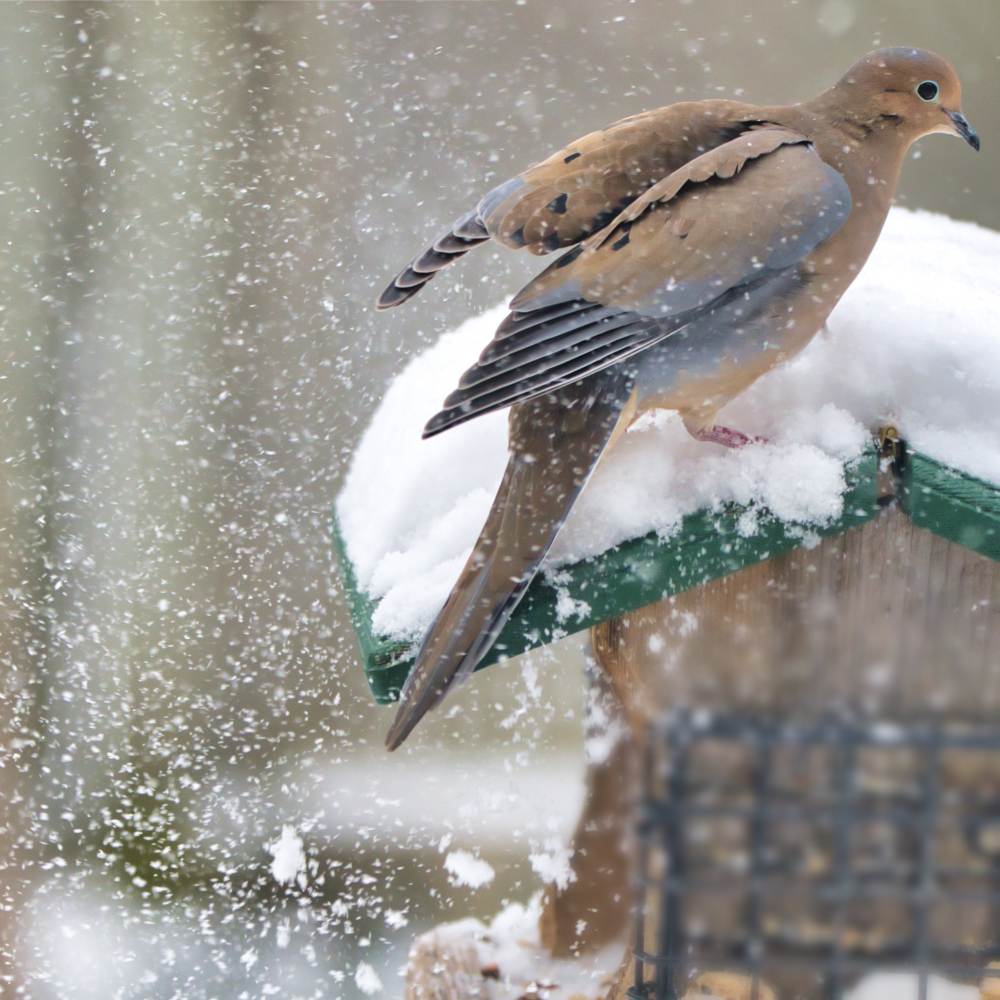
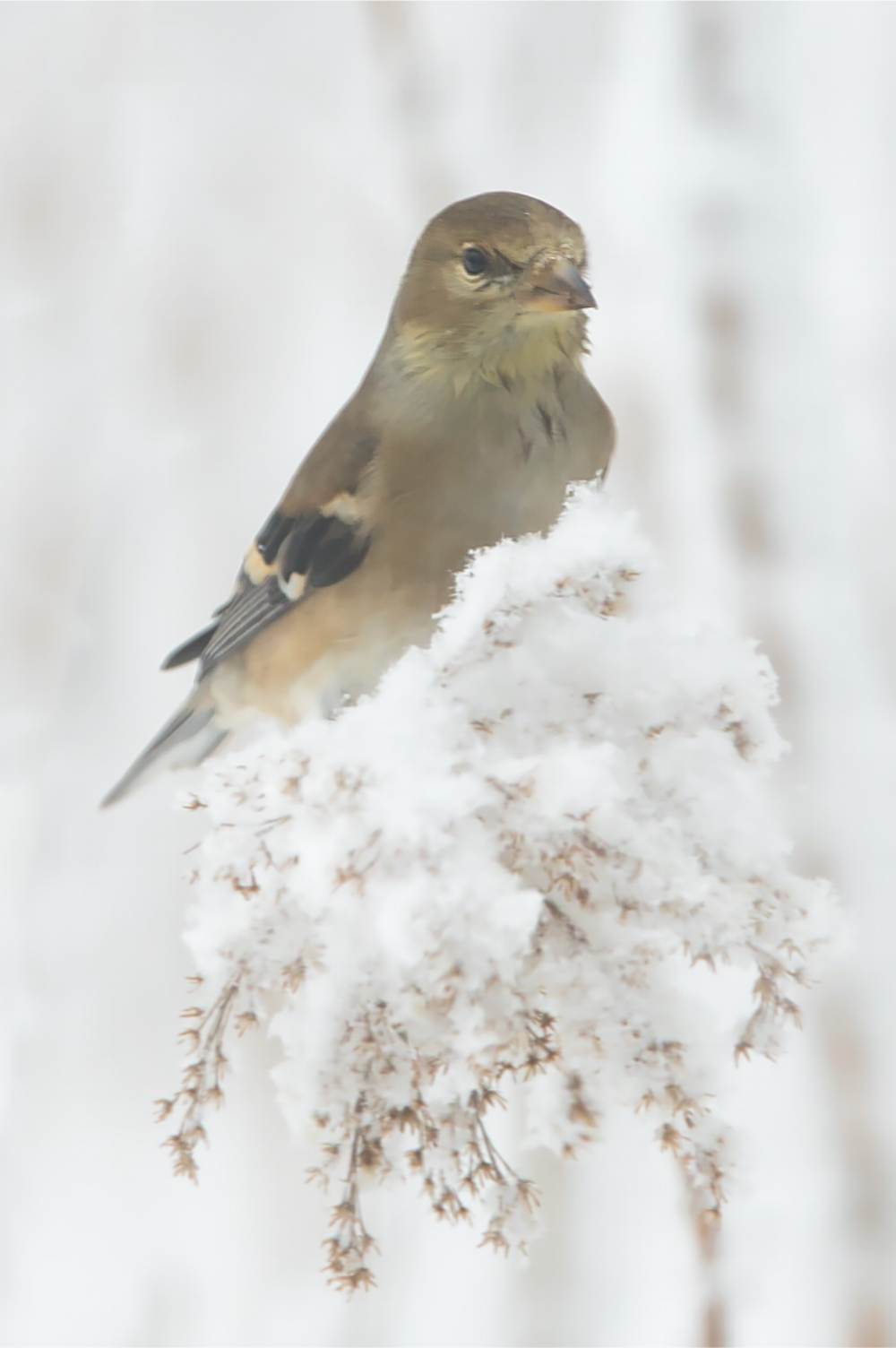
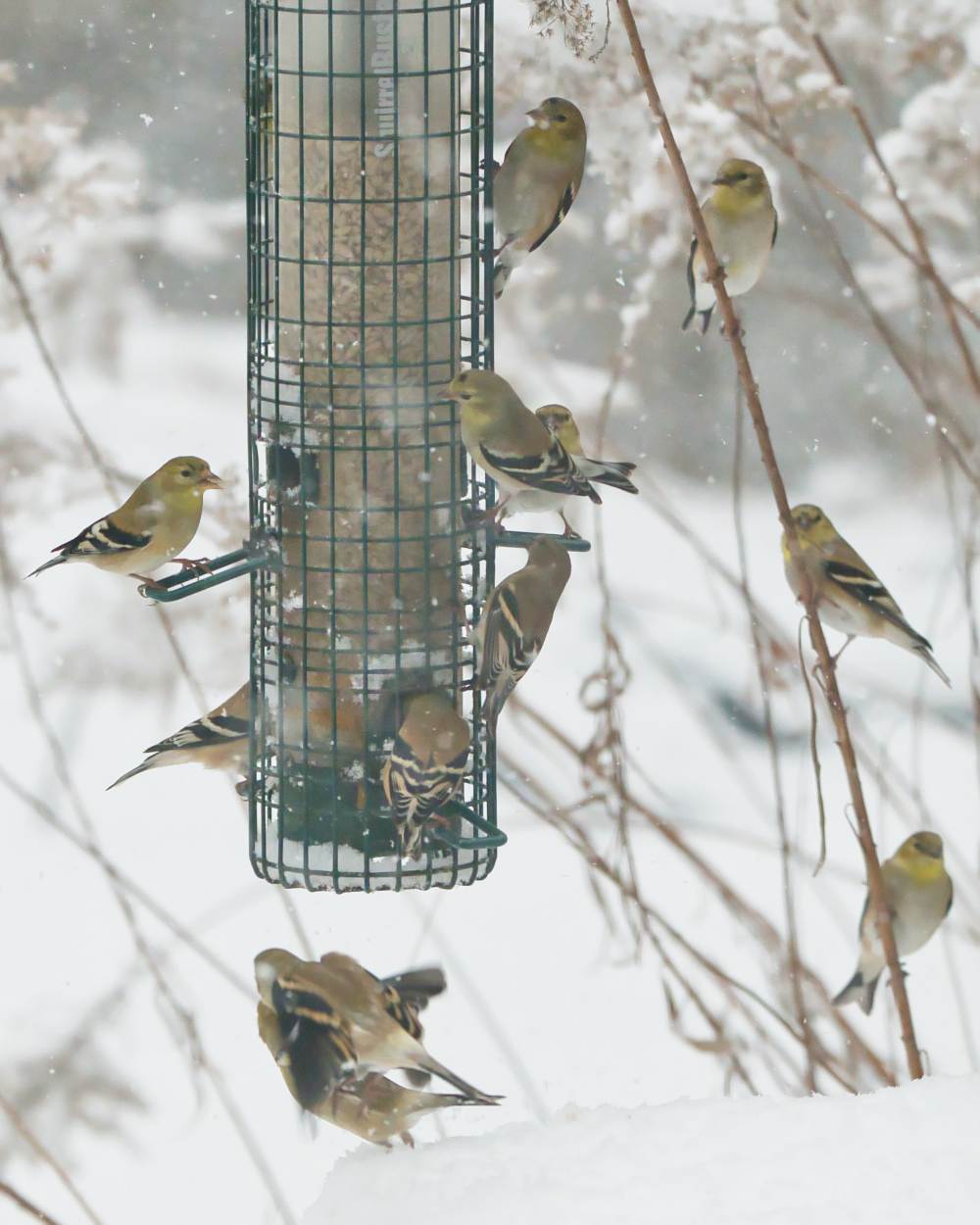
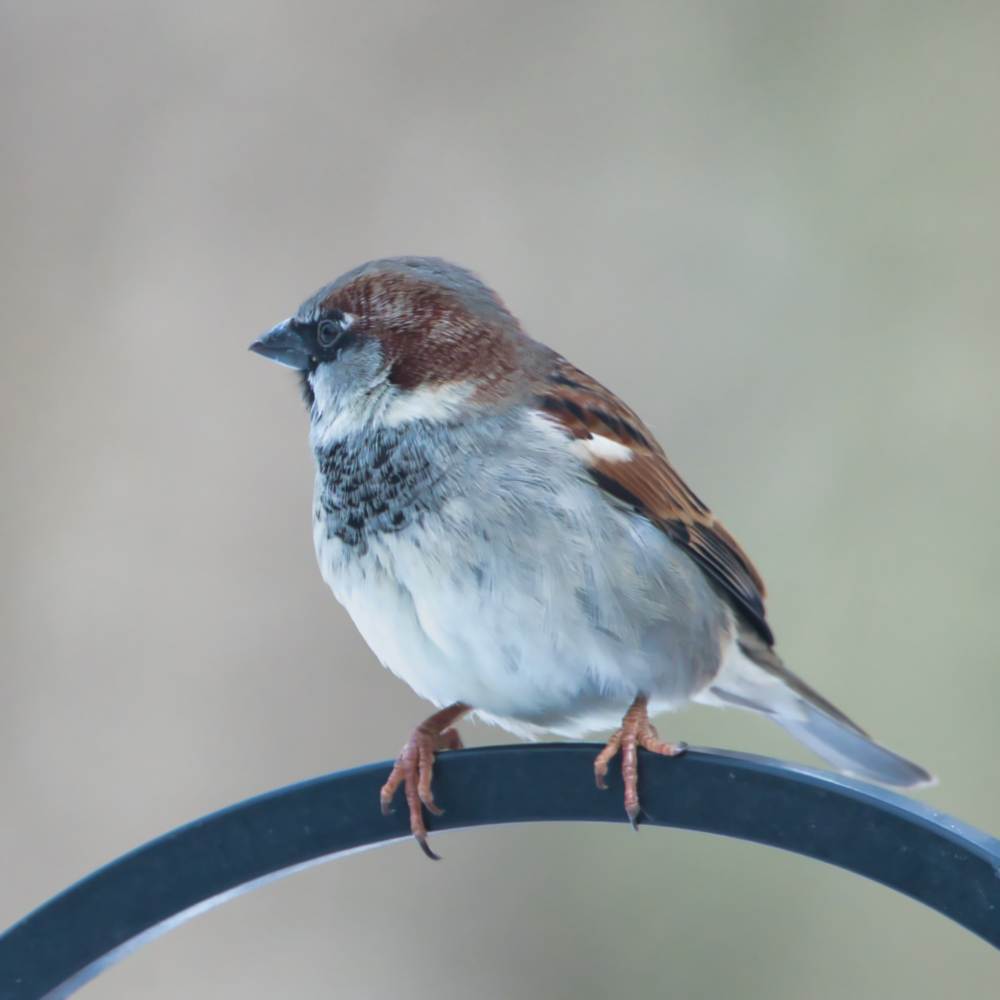
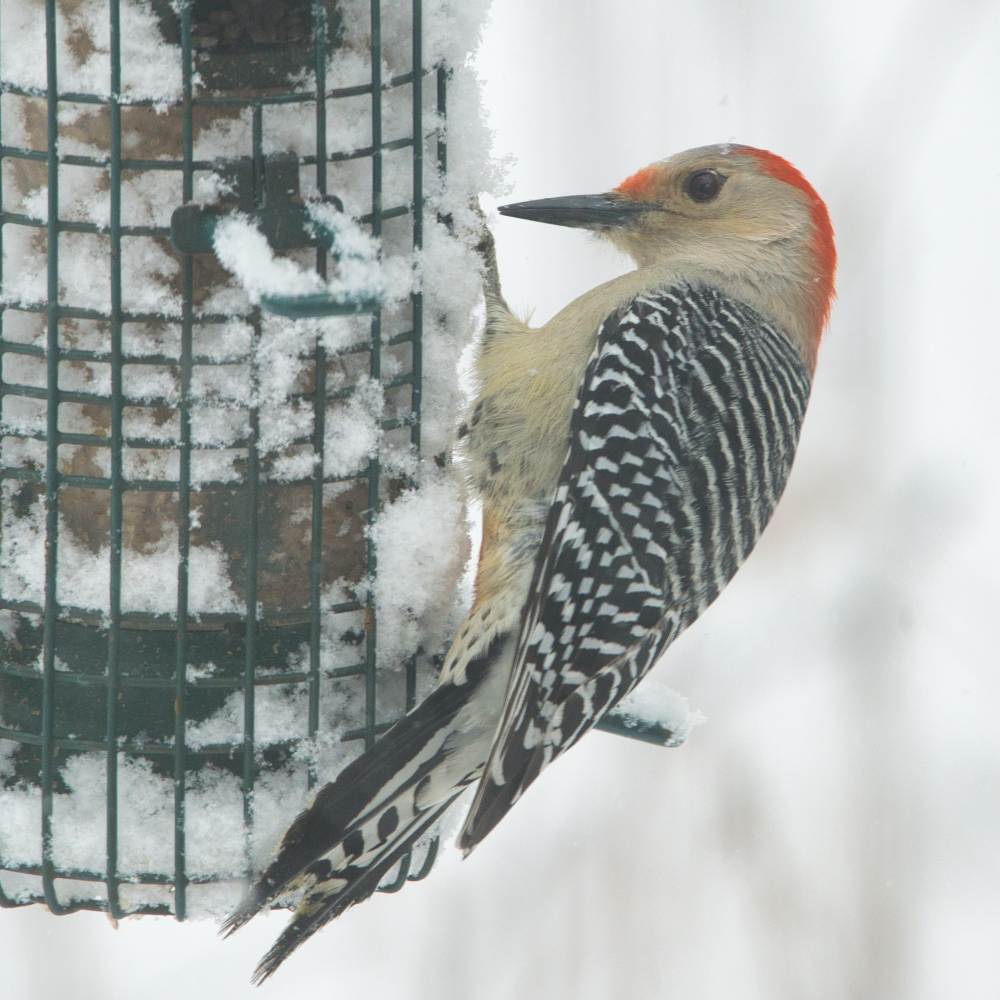
A visit to a local store specializing in bird feeders and feed will guide you to the best type of seed, depending on your bird population. In my family’s experience, it is worth purchasing the more expensive feeds as birds can be very discerning and less expensive feed could be left untouched. Suet cake, typically housed in special square cages, is much sought after by Woodpeckers, Chickadees, and Nuthatches. Juncos and Mourning Doves typically feed on the ground, especially seeds spilled from above. Peanut rings are major attractions for Blue Jays and all three species of Woodpeckers. The smaller birds like Goldfinches, Chickadees, and Nuthatches favour the cylindrical feeder with its built-in perches. These observations are merely generalities, and, in a pinch, any source of reasonable seed will attract all of southern Ontario’s wintering birds.
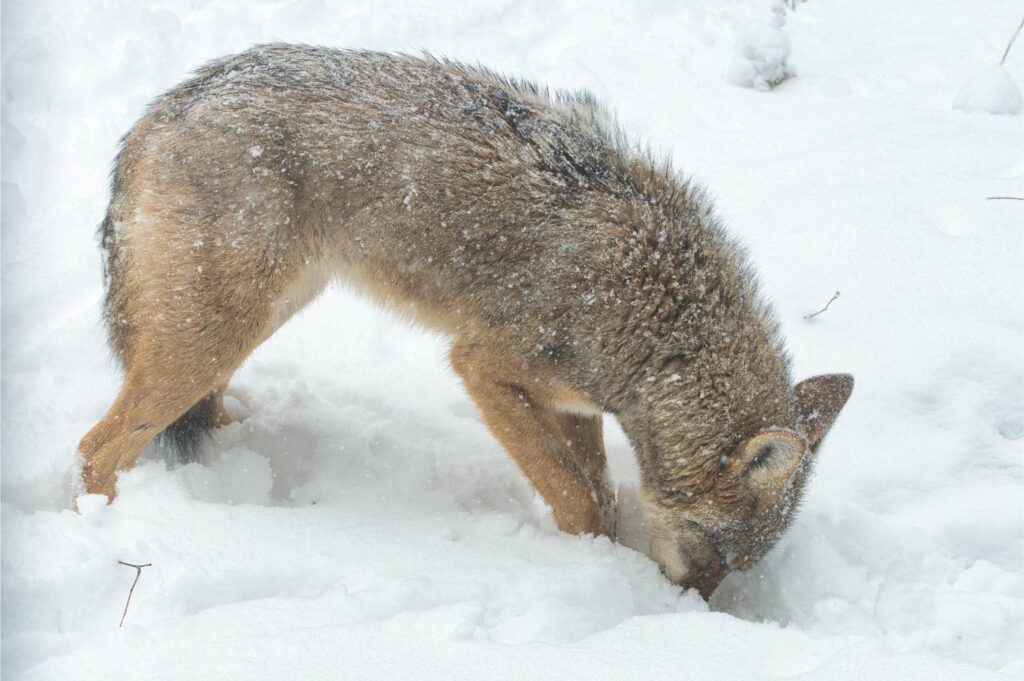
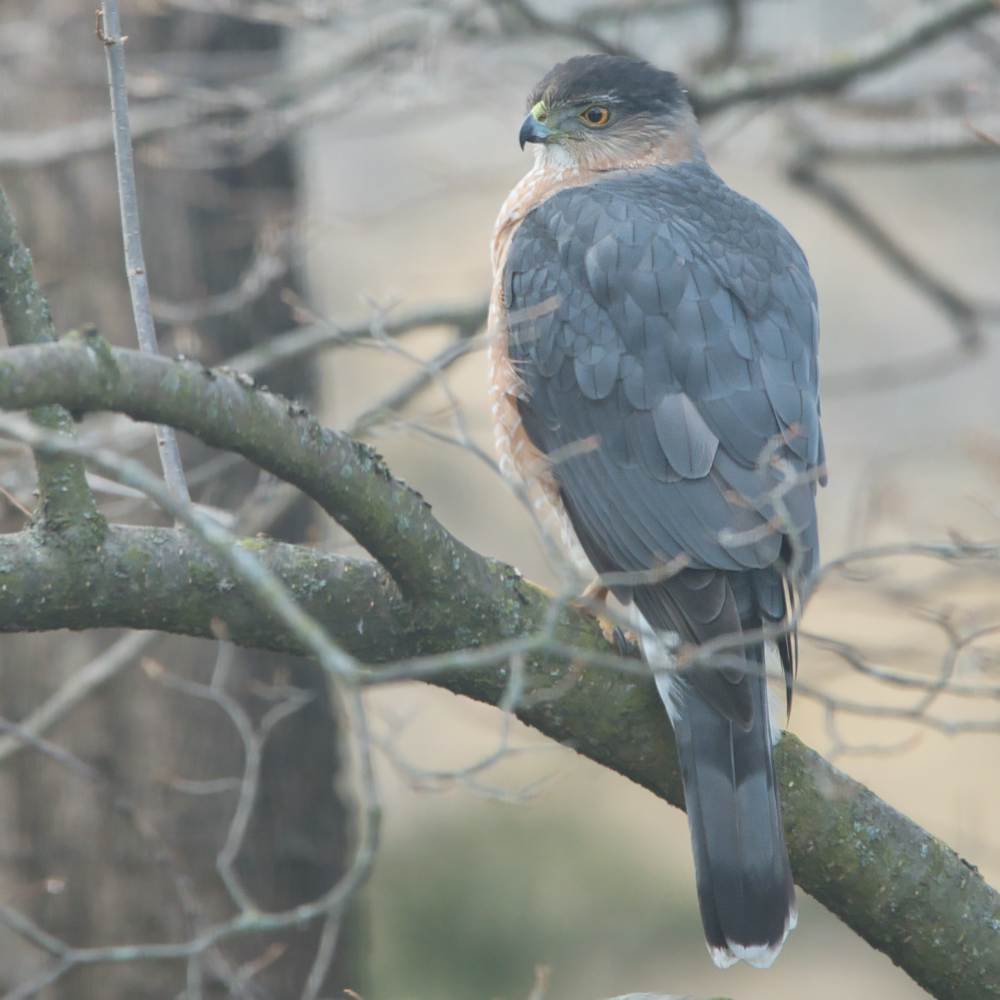
Even though bird feeders are intended to draw birds that are pleasing to observe, there may be invasions of Blackbirds, Grackles, or Starlings. In that cse, a change of feed to something like safflower and sunflower seeds may deter ongoing visits. Birds of prey such as hawks may also be attracted to back yards that have feeders. And if the winter is particularly harsh, coyotes are also known to eat bird seed.
Have fun watching and photographing birds this summer!