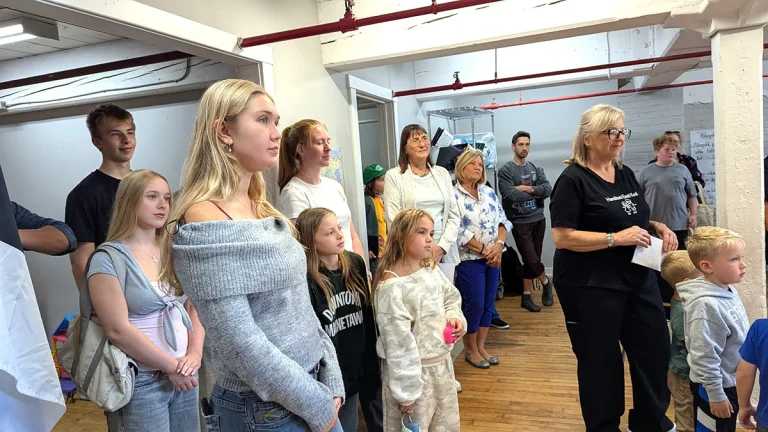
From June 26th to June 28th, 2026, the global Estonian diaspora converged upon San Francisco for the XXXVI Lääneranniku Eesti Päevad (LEP 2026). This year's festival—themed “Kultuur hoiab meid” (“Carried by Culture”) was set simultaneously against the backdrop of downtown San Francisco's high-tech landscape and the timeless hills of Marin County. The festival provided a blueprint for how a diaspora community seamlessly reconciles its ancestral roots with the dizzying digital transition into the age of artificial intelligence.
Opening Ceremony: Celebrating 73 years of LEP
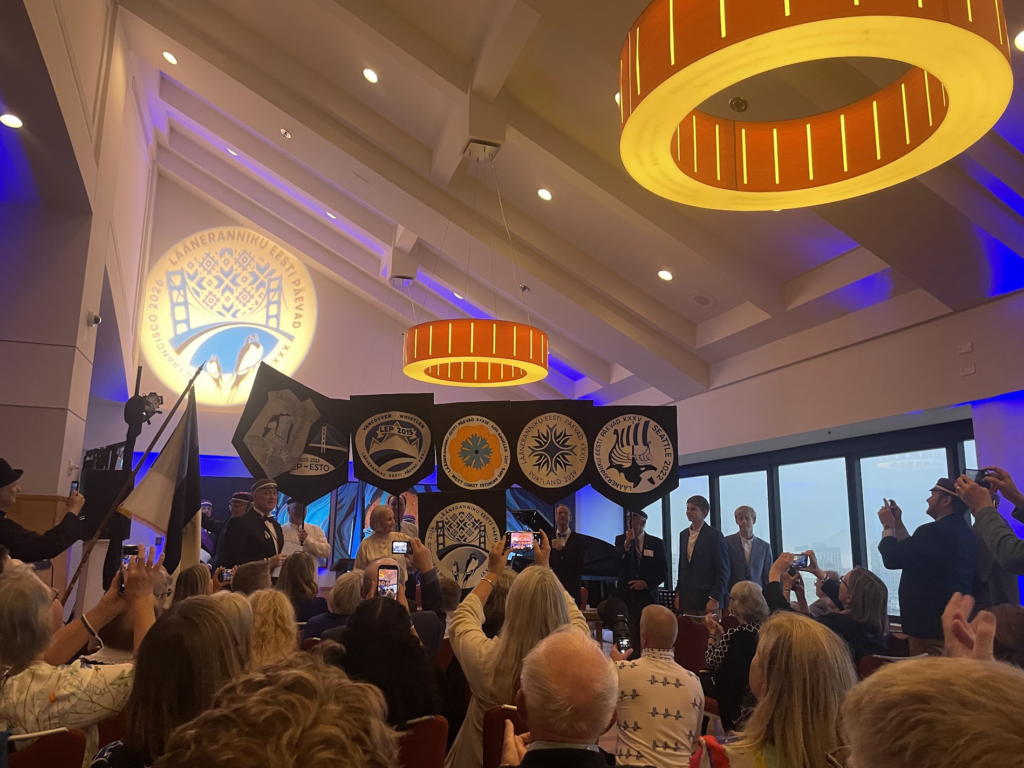
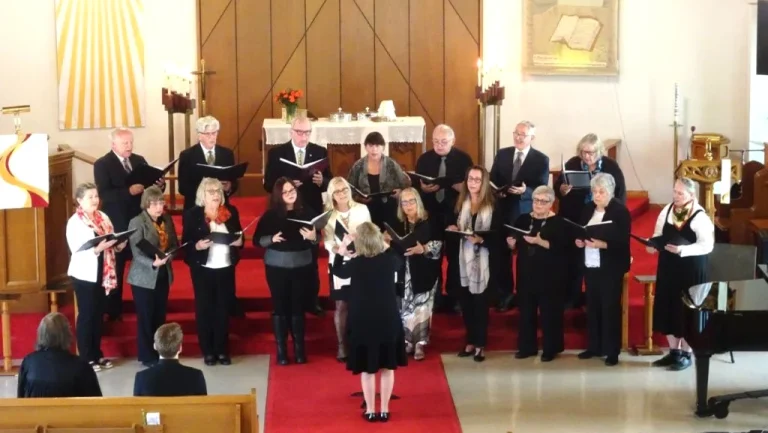
The weekend officially opened on Friday evening, June 26th, at the Grand Hyatt San Francisco Union Square. The tone was set with a parade of flag-bearers marching into the 36th-floor Bay View Room, followed by the combined voices of the LEP Festival Choir, co-directed by Crista Berryessa and Heather McLaughlin Garbes. Dignitaries and guests stood in unity for the anthems of Estonia, Canada, and the United States, signalling the powerful trans-Atlantic network that anchors this community.
The evening paid homage to history by parading the traditional Coats of Arms (vapp) from every past West Coast host city… evoking the memory of the original 1953 San Francisco festival co-founded by John Ostrat…
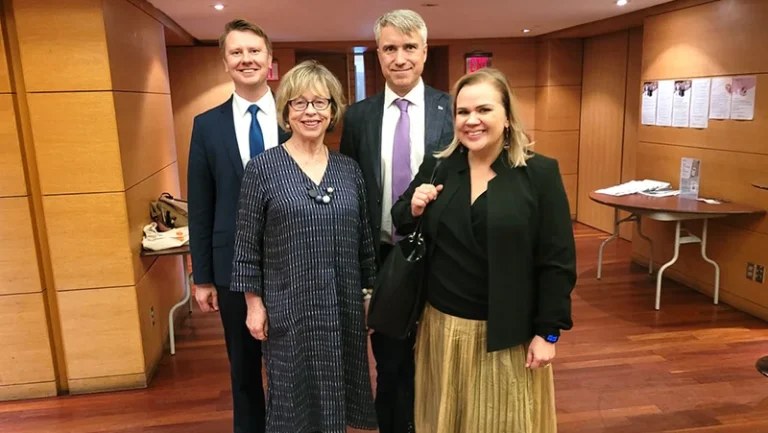
Estonia's Minister of Education and Research, Dr. Kristina Kallas, highlighted the government’s enduring gratitude for the diaspora's role in preserving the Estonian language and spirit during decades of occupation. Her message underscored how heritage is actively re-imagined by each generation. The evening paid homage to history by parading the traditional Coats of Arms (vapp) from every past West Coast host city (Los Angeles, Portland, Seattle, Vancouver, and San Francisco), evoking the memory of the original 1953 San Francisco festival co-founded by John Ostrat, who famously sustained displaced postwar Estonian refugees. Letters of appreciation (Tänukirjad) were presented to pillars of the community, including Lisa Hay, Liina Teose, and Mai-Liis Bartling, alongside festival President Marit Davey and conference organizer Anne-Marie Riitsaar. A warm welcome to San Francisco was given by Estonian Honorary Consul Christine Morgan and Mark Chandler, Director, San Francisco Mayor’s Office of International Trade and Commerce.
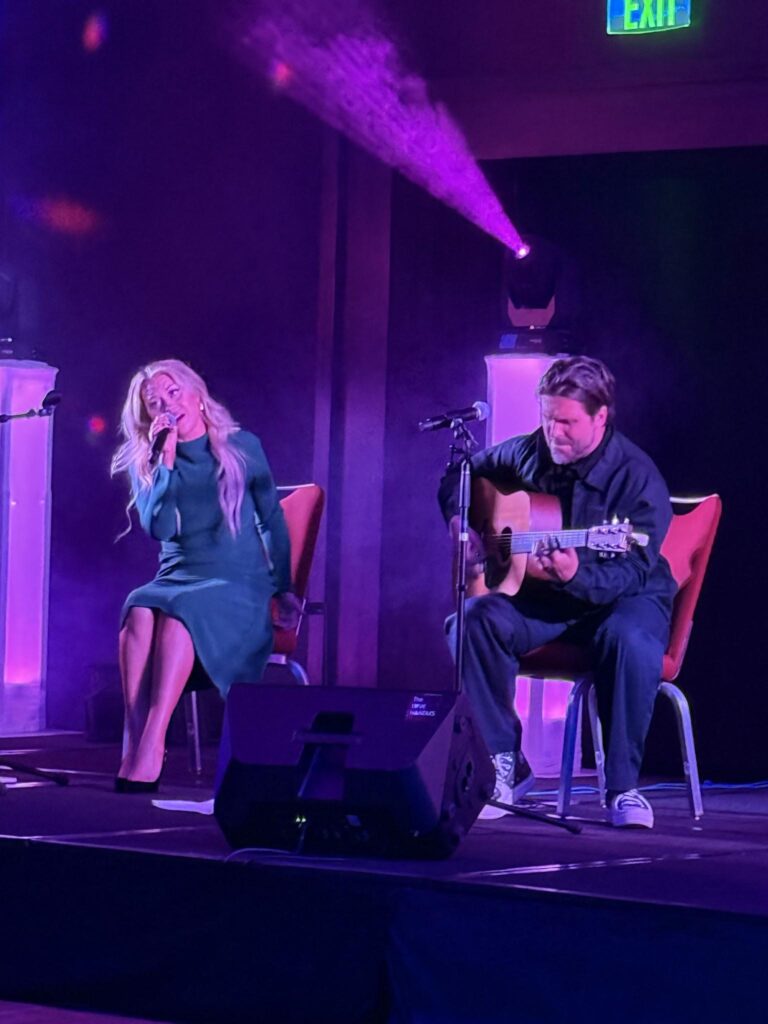
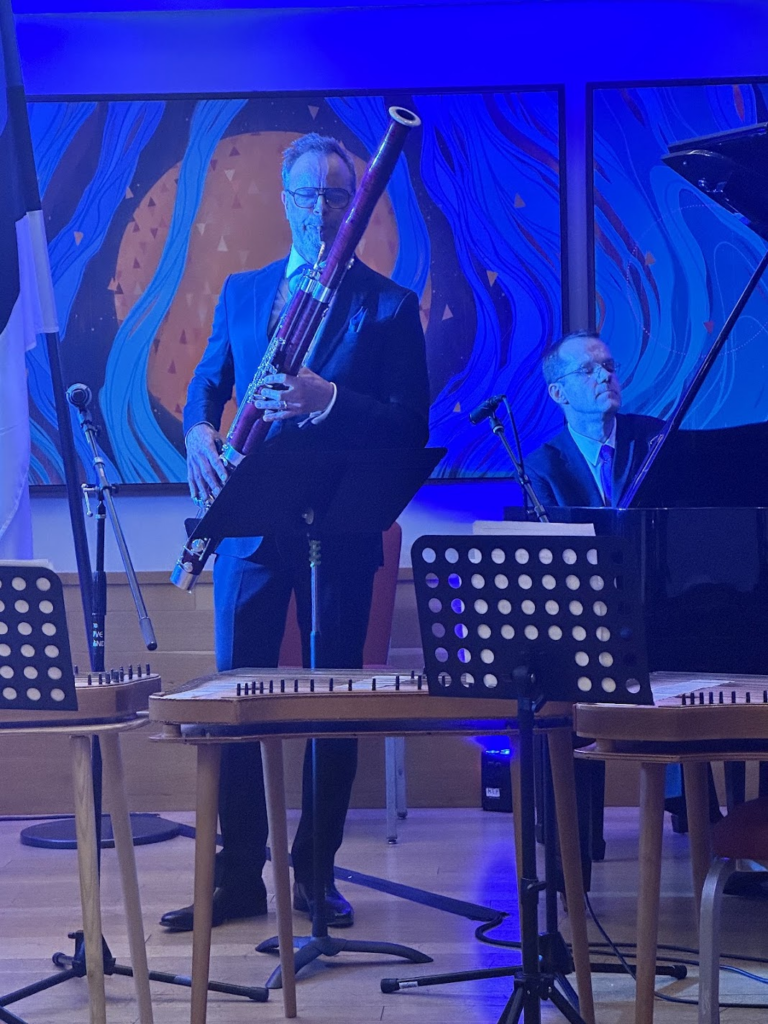
The over 250 attendees enjoyed musical performances by Estonian zither (kannel) players Inglikeeled, pianist Mikk Otsmaa, and internationally-renowned musicians bassoonist Martin Kuuskman and concert pianist Dr. Hando Nahkur. Kuuskmann and Nahkur demonstrated their contribution to contemporary classical music with a breathtaking arrangement of an Arvo Pärt composition. DJ Kiino Villand then spun Estonian classics late into the evening as old friends caught up, danced, and enjoyed the views of the San Francisco Bay.
AI, Global Security, and Resilience
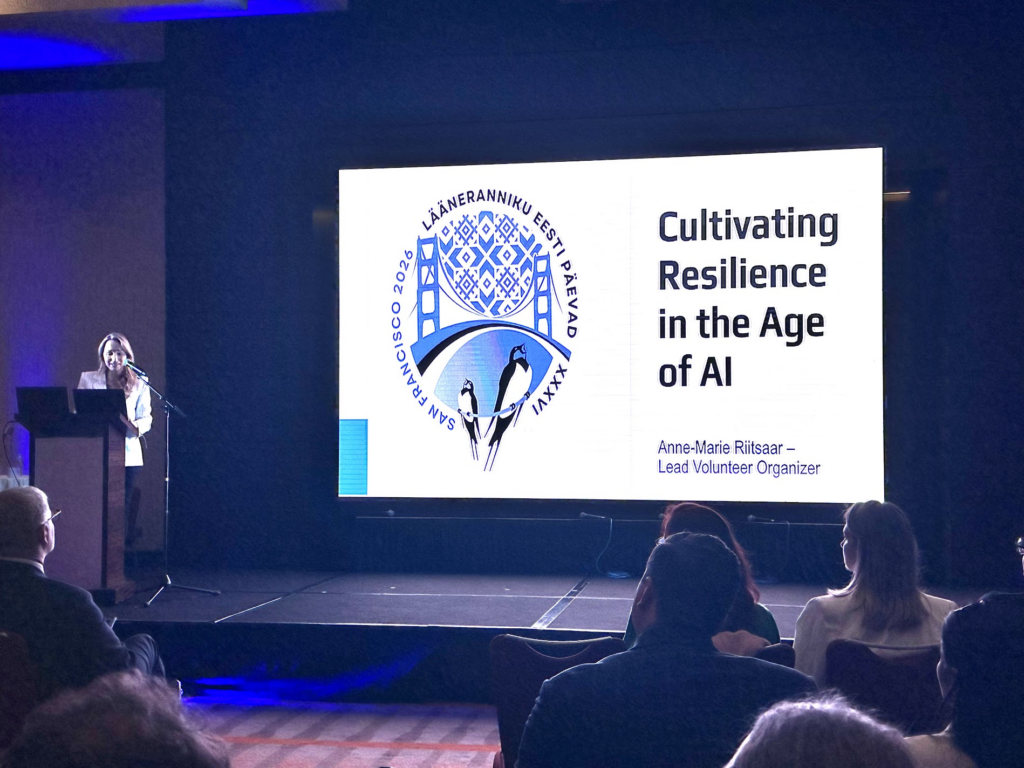
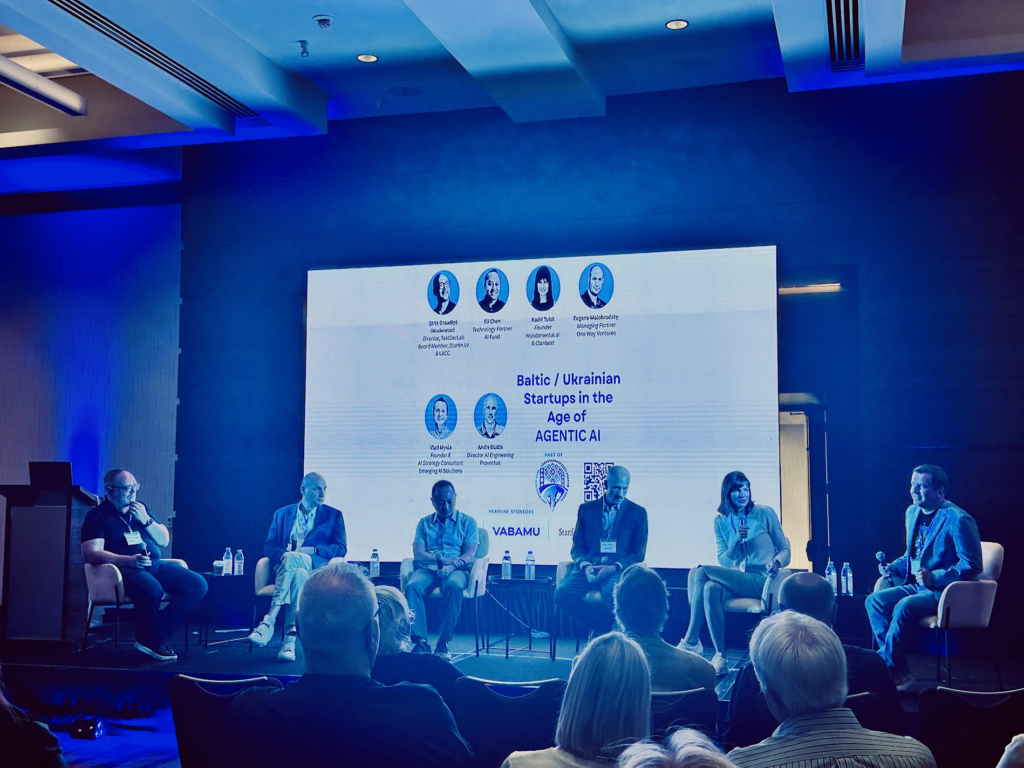
Reflecting its proximity to Silicon Valley, the festival boldly addressed the opportunities and anxieties of the modern technological paradigm. Academic and corporate leaders met during specialized panels, including “Resilience in the Age of AI” and “Baltic Startups in the Age of Agentic AI.” These sessions explored the unique intersection of Estonia’s advanced digital ecosystem with the talent pool of the West Coast diaspora, noting that a new wave of young Estonian professionals is actively arriving in the Bay Area to lead the artificial intelligence revolution.
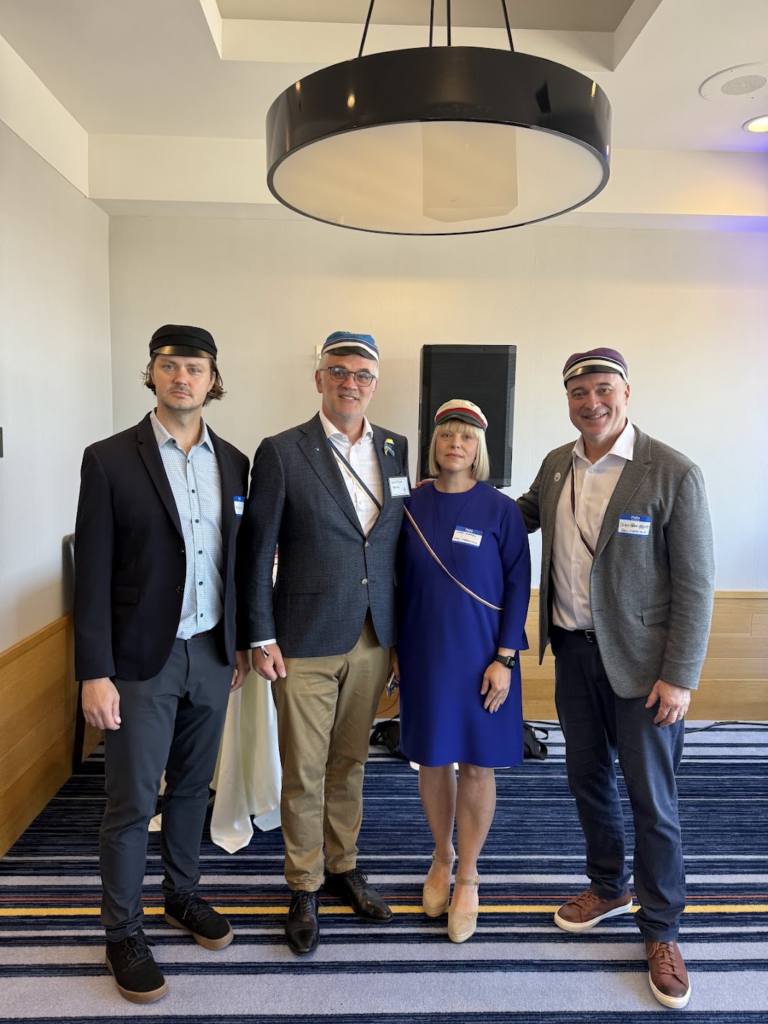
This intellectual vigour carried over into the traditional All Korp! Academic Breakfast on Saturday morning, June 27th. Co-hosted by Korp! Vironia and Korp! Filiae Patriae, a capacity crowd engaged in a vital fireside chat under Chatham House Rules with His Excellency Kristjan Prikk, Estonia’s Ambassador to the United States. The dialogue tackled critical geopolitical realities, specifically analyzing the delicate balance between European strategic autonomy and trans-Atlantic defense cohesion, alongside NATO's crucial operational transition to “Forward Defense” to safeguard Estonia from the very first second.
Jaanipäev in the Novato Hills: Traditional Heritage in a New Light
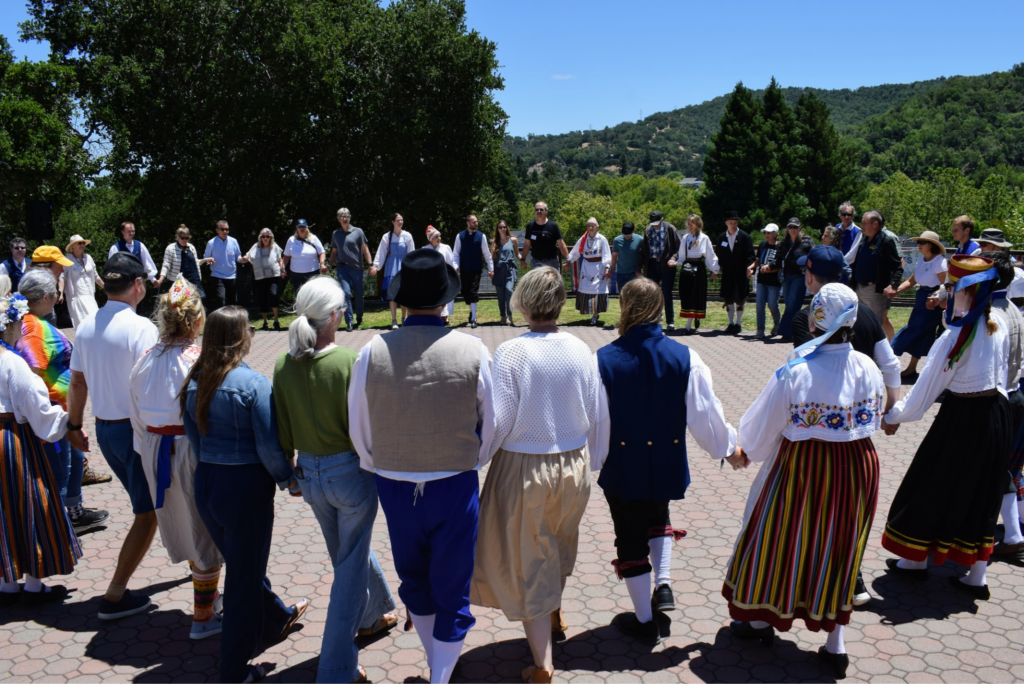
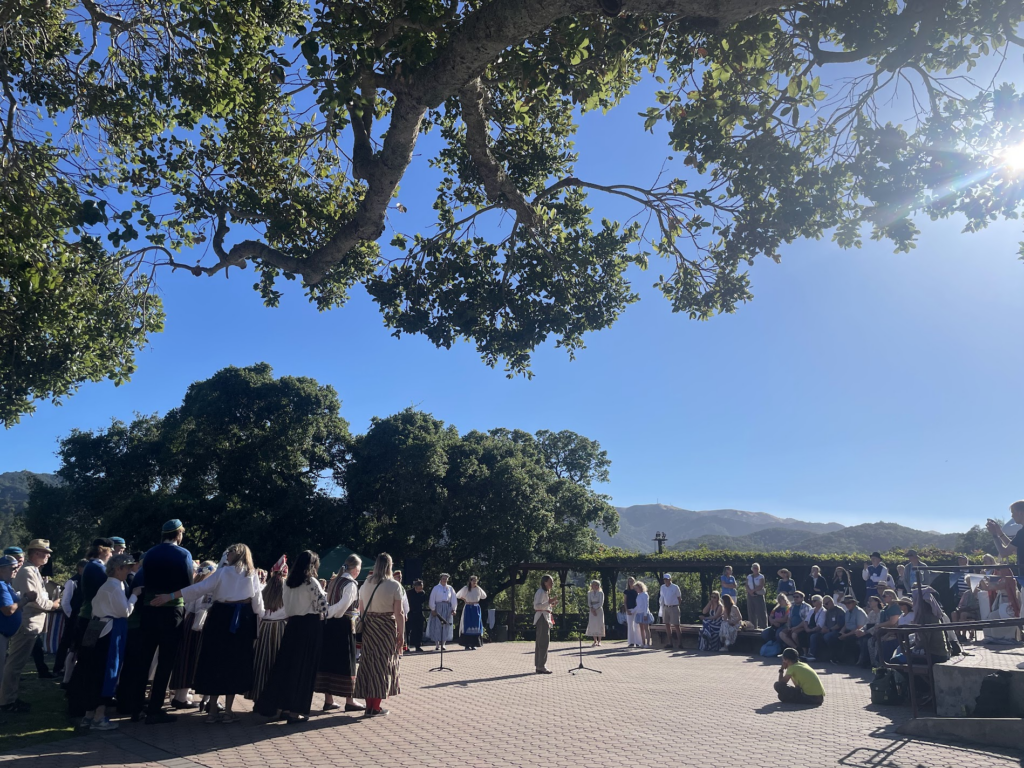
On Saturday, June 27th, the festival expanded beyond urban limits to bring the spirit of an authentic Estonian countryside Midsummer holiday (Jaanipäev) to the Bay Area. Hundreds of attendees traveled to the Nativity of Christ Greek Orthodox Church tucked away in the scenic hills of Novato, California. The setting offered a pastoral escape from the fast pace of downtown San Francisco, transforming the sprawling green hills into a lively cultural fairground.
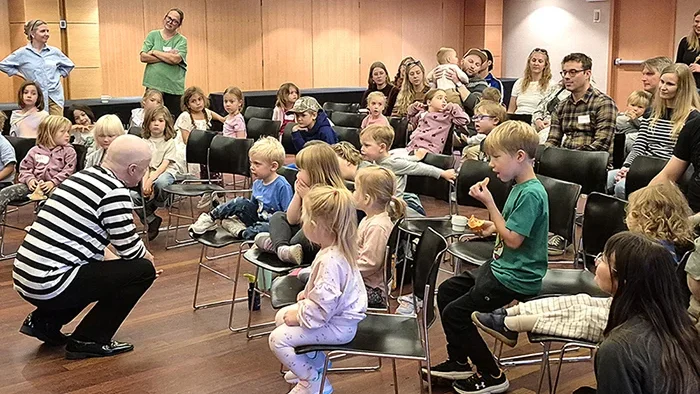
The all-day event beautifully synchronized the past and future. Liina Teose led the West Coast dance couples. Many women were dressed in vibrant traditional folk costumes and their male partners spun in circles to the tunes of a live accordion, while Estonian and Estonian American choirs filled the hills with classic cultural anthems. Simultaneously, the event hosted “The CoolEst Runway” fashion showcase, where models modelled the futuristic clothing concepts of designer MRK DAY, set to the modern, electronic rhythms of Sander Mölder and NOËP’s tracking hit “San Francisco.” Attendees wove delicate flower crowns, played in a Kannel Studio, sampled popular Estonian beers, and browsed an open market filled with hand-crafted jewellery, seasonal jams, and authentic Estonian black bread.
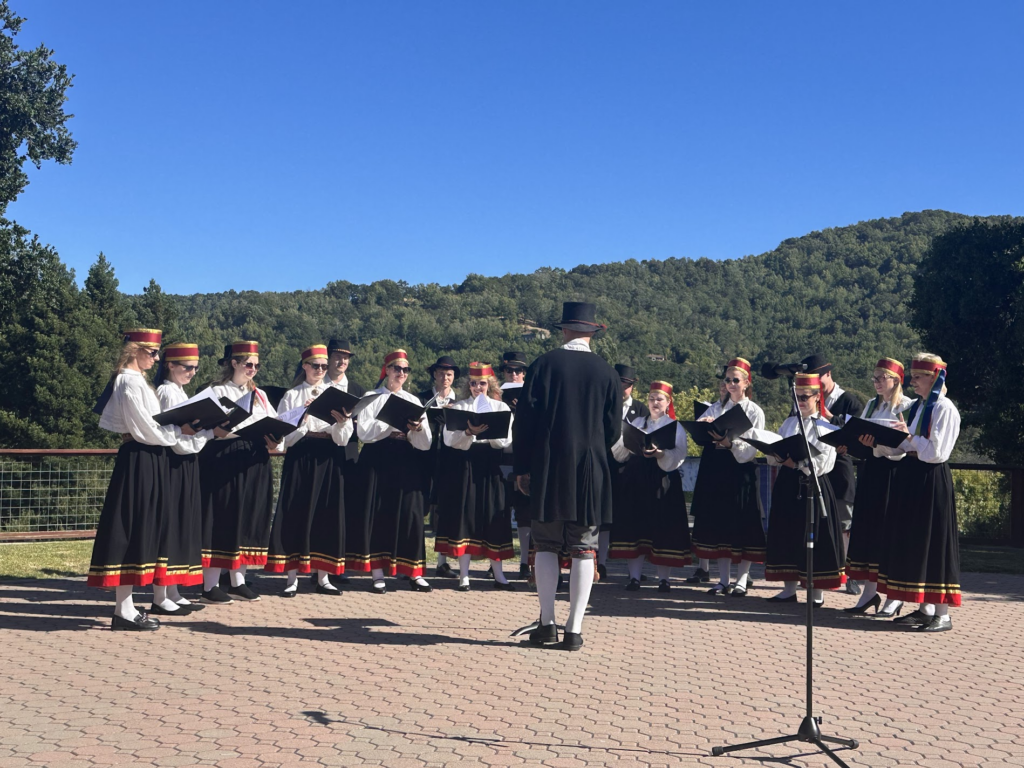
As San Francisco Estonian Society President Mai-Liis Bartling beautifully summarized, the gathering illustrated that regardless of individual origins, shared songs and dances unite the diaspora as one cohesive people.
Leaving a Resounding Legacy
The weekend concluded with a public open-air concert at Union Square and a prestigious Gala Dinner, leaving a profound emotional footprint, many remarking on the inspiring sight of the younger generation enthusiastically stepping up to inherit the cultural mantle. The event closed with an emotional rendition of “Eestlaseks olen ja eestlaseks jään” with the crowds clasping hands and swaying as Estonian flag bearers carried flags onto the dance floor marking the end of a beautiful weekend. LEP 2026 decisively proved that while the pathways of the global Estonian diaspora continue to adapt to a changing world, they remain unbreakably and beautifully Carried by Culture. Vivat, crescat, floreat Eestlus in aeternum!