Language may preserve history in the form of epic texts and high literature, but we also carry the past forward through everyday language. And depending on how they’re used, words can follow and haunt us like a kummitus.
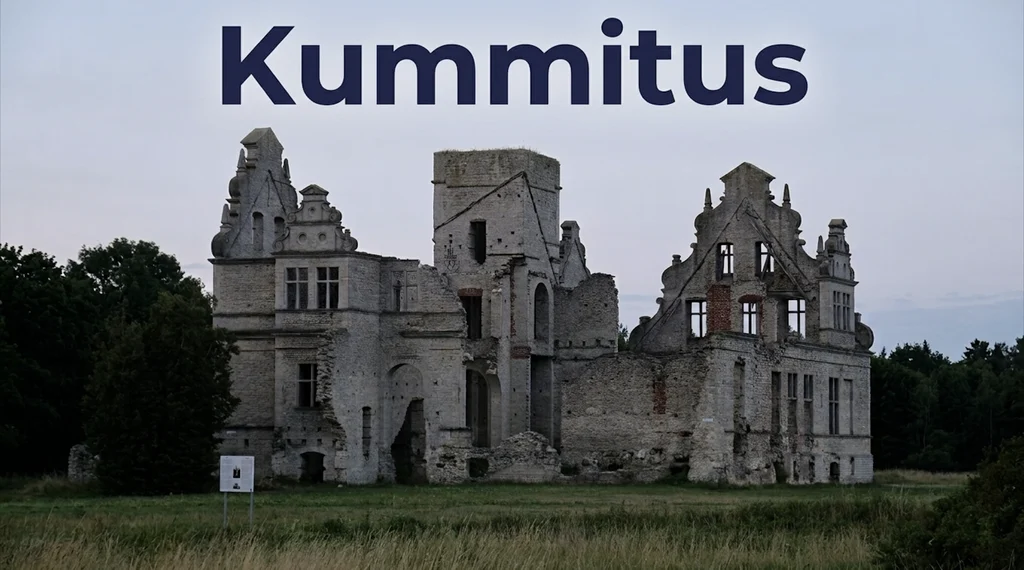
According to Paul Saagpakk’s Estonian-English Dictionary, the noun “kummitus” means a ghost, a spectre, a haunting, or even an obsession.
To understand what it means for a place or person to be haunted by such a being or obsession, one must trace the word back to its origins. Etymologically, kummitus builds upon the Proto-Finnic word “kumma”, which denotes something strange or odd. Kumma transforms into “kummitama”, the verb meaning “to haunt,” and ultimately the noun kummitus. The root also leads us to “kummaline,” the Estonian adjective for “peculiar.”