(All archival photos provided courtesy of Eric Morrison)
Over the past four years, Morrison has brought that wealth of strategic insight to Eesti Elu / Estonian Life as an advisor, helping this historic diaspora publication as it transforms and charts its course ahead. Despite the meaningful flow of events in his work, Morrison states that there was no master plan. More important was going with the flow and maintaining editorial integrity while the ground shifted beneath his feet.
Morrison’s paradigm began to grow during his studies in Llantwit Major, Wales at Atlantic College, an Outward Bound-style international school housed in a medieval castle. Morrison reminisces, “We had kids from thirty-five countries… That really predisposed me to do international things later in life, to be interested in other countries, particularly European countries.”
“… legendary anchor Lloyd Robertson gave Morrison a chance to cultivate his editorial side by personally adding his initials to one of Morrison’s story sheets and slipping it into a pile for consideration.”
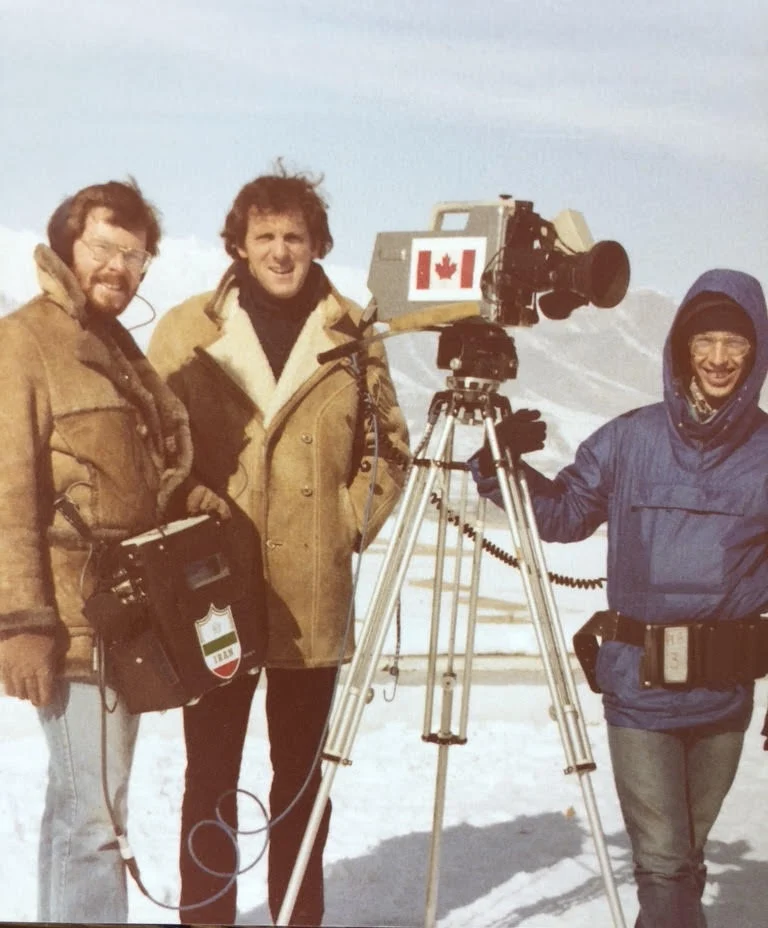
Although, growing up in Ottawa, his parents had backgrounds in government and journalism at CBC, Morrison wasn’t originally aiming for the newsroom. He wanted to be a film director. But after studying politics at Trent University, a government-funded youth grant allowed him to employ friends in community television in Peterborough. From there, working in community TV in Ottawa as a producer and director led to a job interview at a local Ottawa CTV station. Morrison remarks upon how vastly different from today’s hyper-competitive media market it was, as simply calling up the local station led to a meeting with the president, in which he talked about books and politics. Despite lacking formal training, he was hired as a director. Though the line editor constantly rejected the stories of the junior journalist, legendary anchor Lloyd Robertson gave Morrison a chance to cultivate his editorial side by personally adding his initials to one of Morrison’s story sheets and slipping it into a pile for consideration.
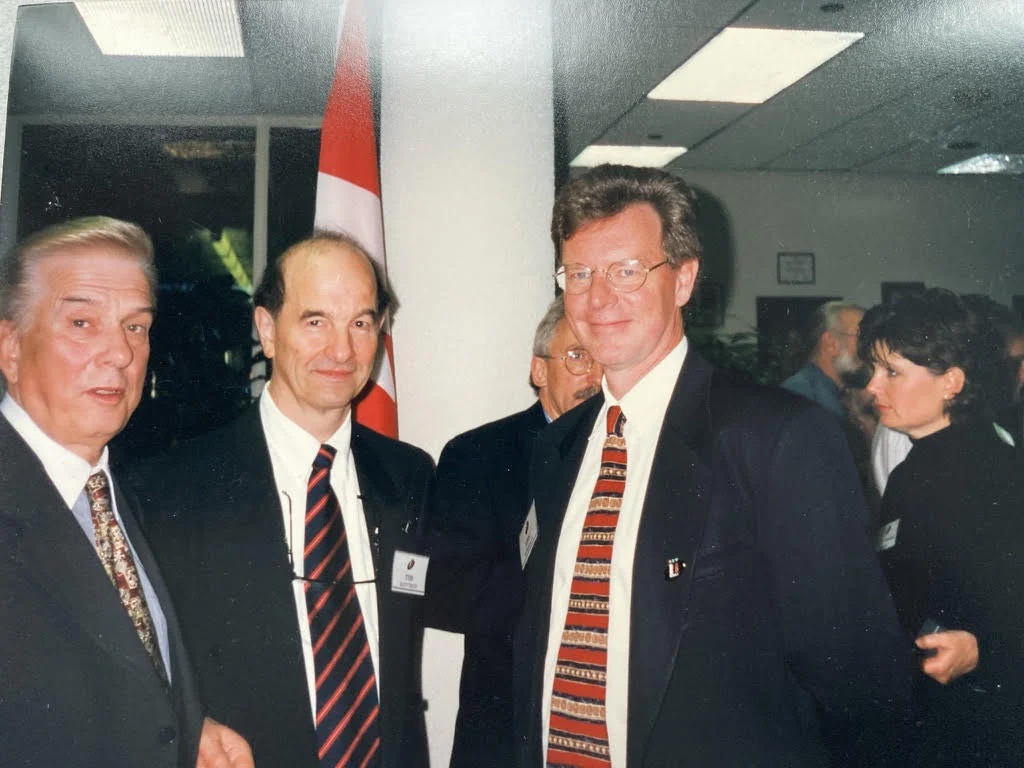
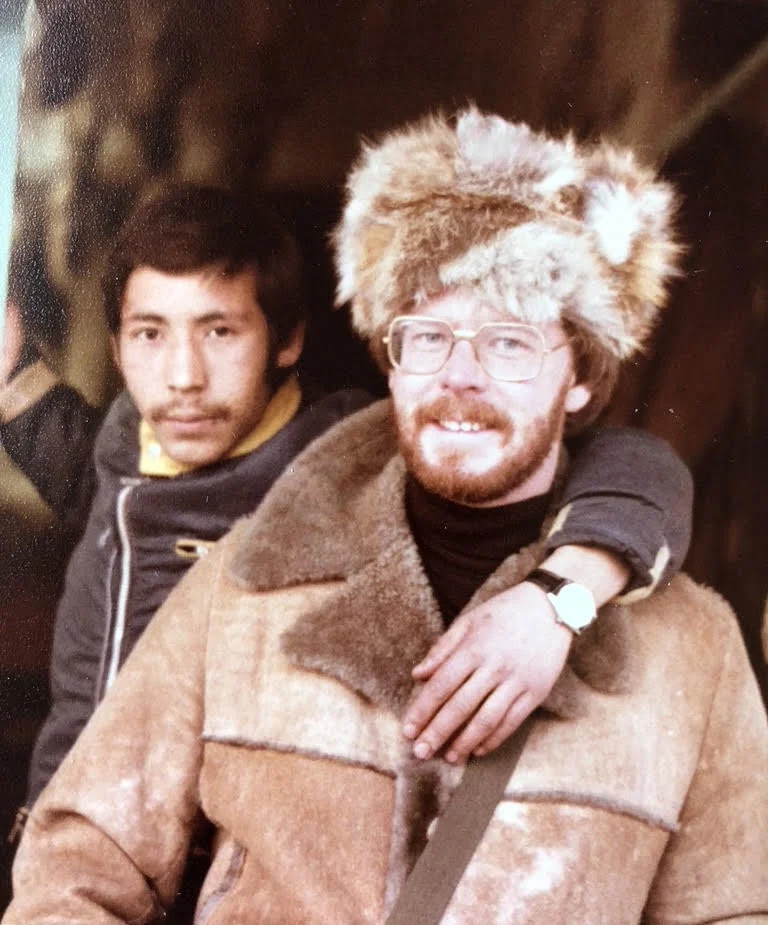
Stints producing for W5, covering breaking international crises from the Middle East to Ireland as part of CTV’s London Bureau, and producing major news specials like for the First Gulf War launched him to the top of CTV News.
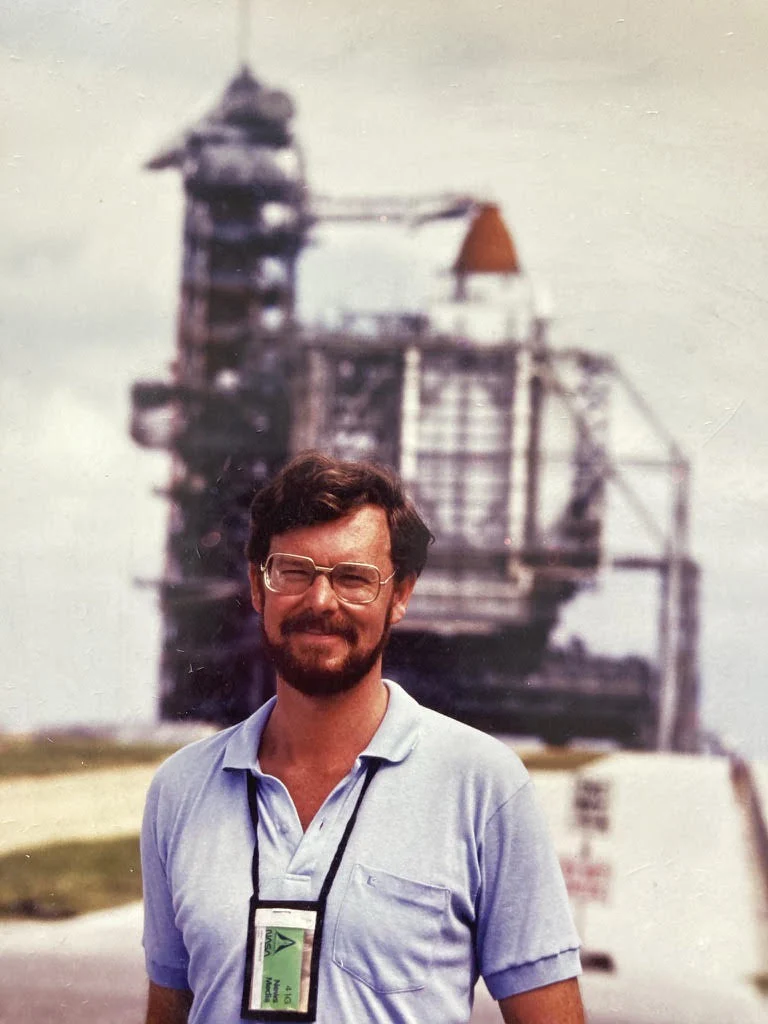
Morrison’s two decades at CTV saw the launch of the network’s 24-hour news specialty channel and drove the flagship newscast to number one. Looking back on defining moments, Morrison describes how navigating that rapid expansion required balancing the insatiable economic demands of round-the-clock news with the need to avoid the sensationalist “infotainment” trap that swallowed many American networks.
When Morrison transitioned from broadcast to lead The Canadian Press as President from 1997 to 2011, the challenge shifted from hourly deadlines to a thorough digital transformation. Guiding Canada’s national news cooperative (founded in 1917) through the collapse of traditional revenue models meant completely rethinking how news was gathered and distributed.
Morrison raises a question: “Do we really care how we’re delivering it? Or do we really care what devices or what techniques we use… as long as values are kept the same?”
During his tenure, CP adopted 24/7 rolling deadlines, integrated video and multimedia, and pioneered early digital syndication deals. The secret to surviving the transition, Morrison believes, was refusing to let the medium compromise the message. As long as verification, original reporting, and editorial integrity remained non-negotiable, the delivery mechanism could adapt.

Just as an appetite for innovation defines the aforementioned work, co-creating The Disruptors on BNN with Bruce Croxon allowed Morrison to examine the mindset of tech entrepreneurs.
It also offered a glimpse of the unintended consequences of technological change, including the erosion of truth and trust in the media. Morrison is a proponent of regulating the use of AI insofar as it doesn’t inhibit innovation.
It was this deep immersion in Canada’s tech space that ultimately connected him to the Estonian community. Through his close friend, music producer Tom Treumuth, Morrison noticed the interplay between Estonia’s tech sector and its cultural output. That realization led to the co-creation of Latitude 44, a tech conference that acquainted Toronto with Estonian innovation and vice-versa.
“If you don’t have the community news, the services above them are built on sand.”
(Eric Morrison)
That collaboration naturally opened the door to his advisory role at Eesti Elu. Reflecting on his work with the diaspora, Morrison says, “It’s really interesting how much can get done just with people who are volunteering and doing things because they believe in something. That’s always fun to be part of. It’s not so much a business thing. It’s a pleasurable experience to get involved with a community like that.” Moreover, with community in mind, when digital noise threatens to drown out nuanced discourse in today’s media landscape, he views robust community journalism as the foundation of democracy. Morrison emphasizes, “If you don’t have the community news, the services above them are built on sand.” How, then, can diaspora publications navigate? With an openness to new tools and not losing touch with the values underneath and the people they serve. This has shaped Eesti Elu’s adoption of a new website with multimedia content, classifieds, and an events calendar, as well as the expansion of the contributor roster.
True to his lifelong habit of following curiosity wherever it leads, Morrison’s latest chapter involves guiding expedition cruises for Adventure Canada, including one around the coast of Japan next spring. It’s a fitting continuation of a career defined by going with the flow, telling stories with clarity, integrity, and curiosity.