[EE: Recently, we received a report from contributor Mihkel Jürima about taking an Alaskan cruise, titled “Is There Wildlife to Be Seen in Alaska?” This report included some insightful points about the visibility (or lack thereof) of wild animals. Below, contributor Peeter Põldre shares his perspective and photographs from a similar voyage, which tells an interesting story about the variability of travel experiences and viewing animal habitats.]
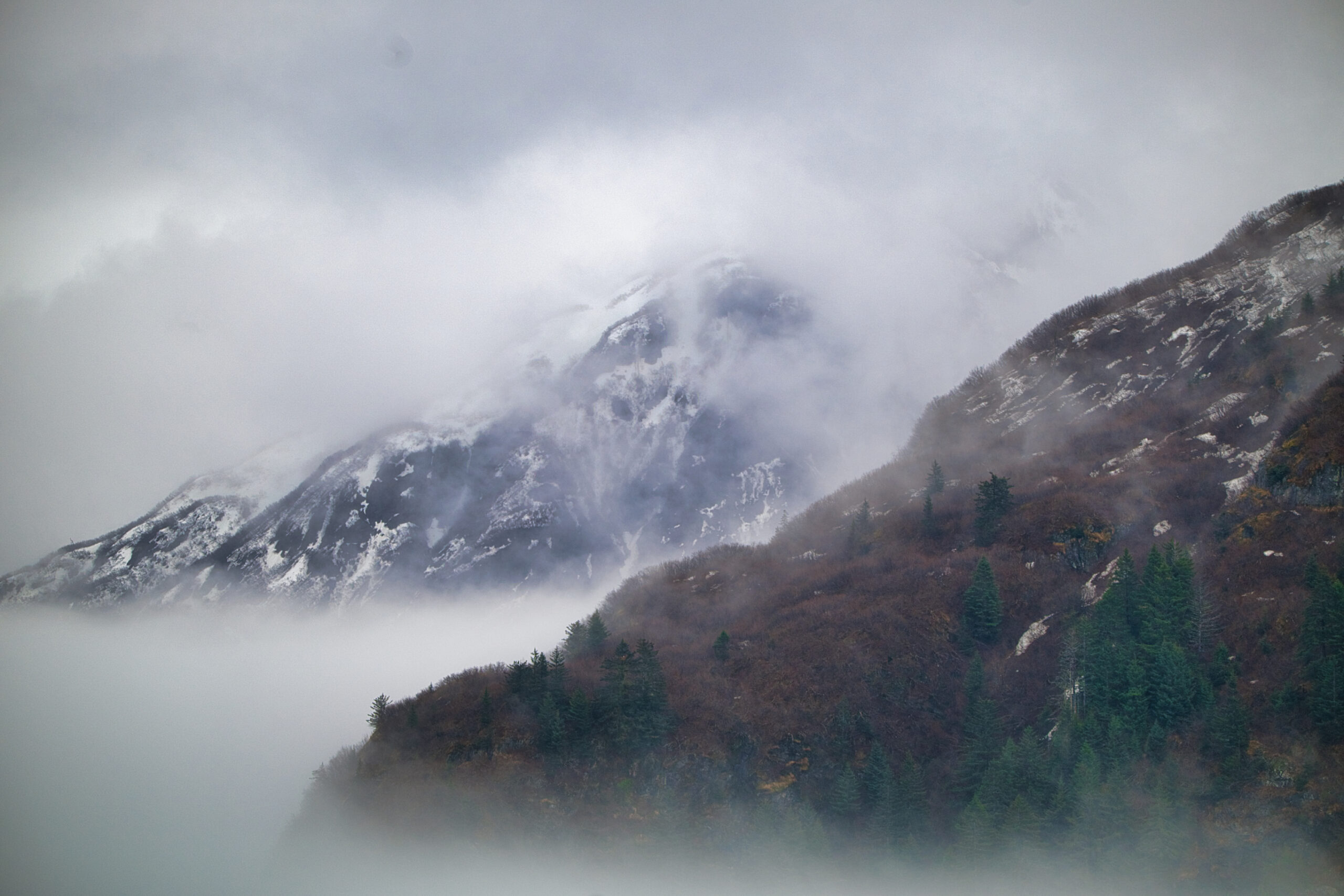
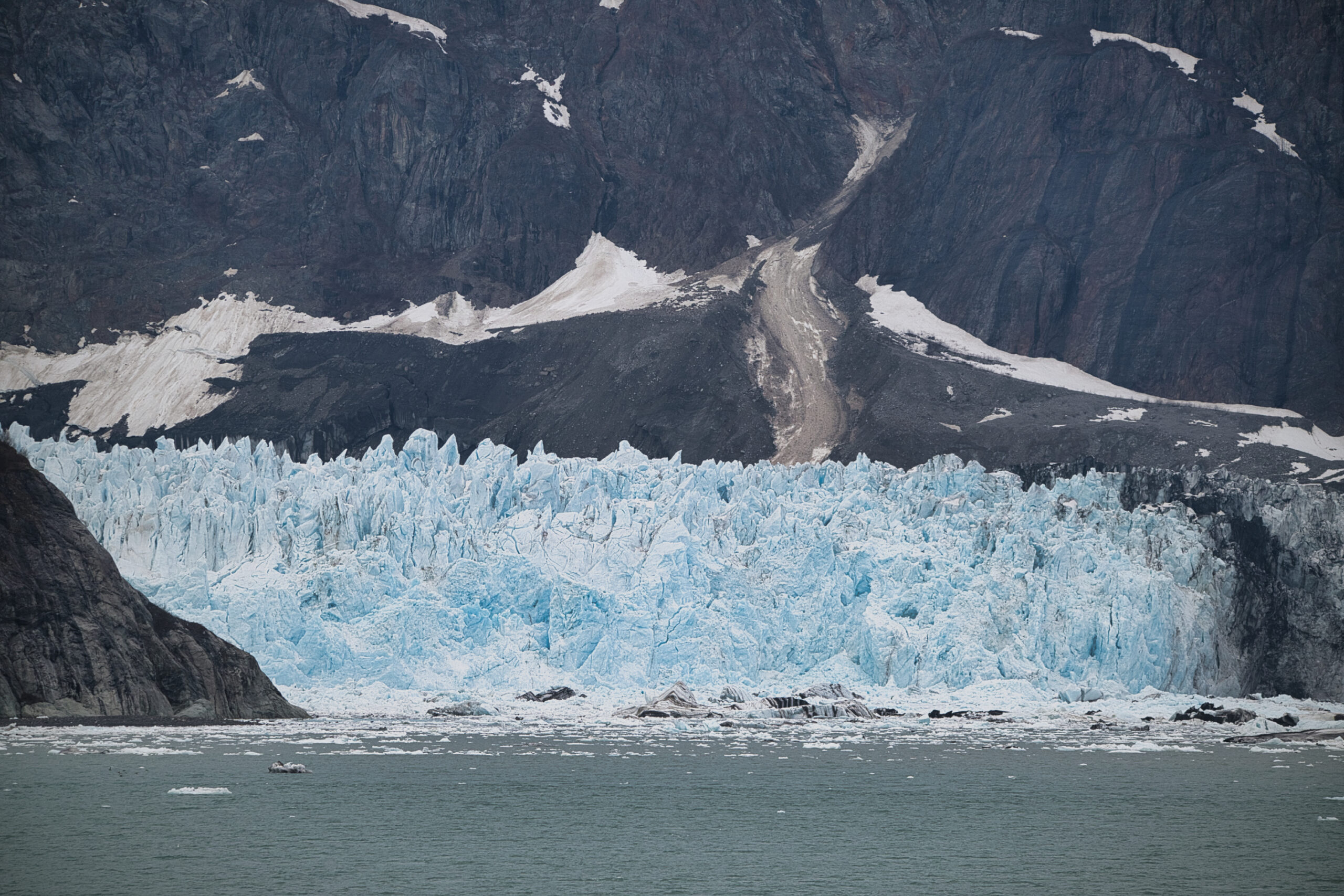
In early May we embarked on our first Alaska cruise. Our itinerary on the Emerald Princess took us from Vancouver to Sitka, Skagway, Juneau, Icy Strait Point, Ketchikan, as well as Glacier Bay National Park and the Hubbard Glacier, returning ultimately to Vancouver. We were not disappointed by the spectacular scenery, especially at a time in the year when snow was still on the ground in places and was certainly on the mountaintops everywhere. But my main priority was wildlife.
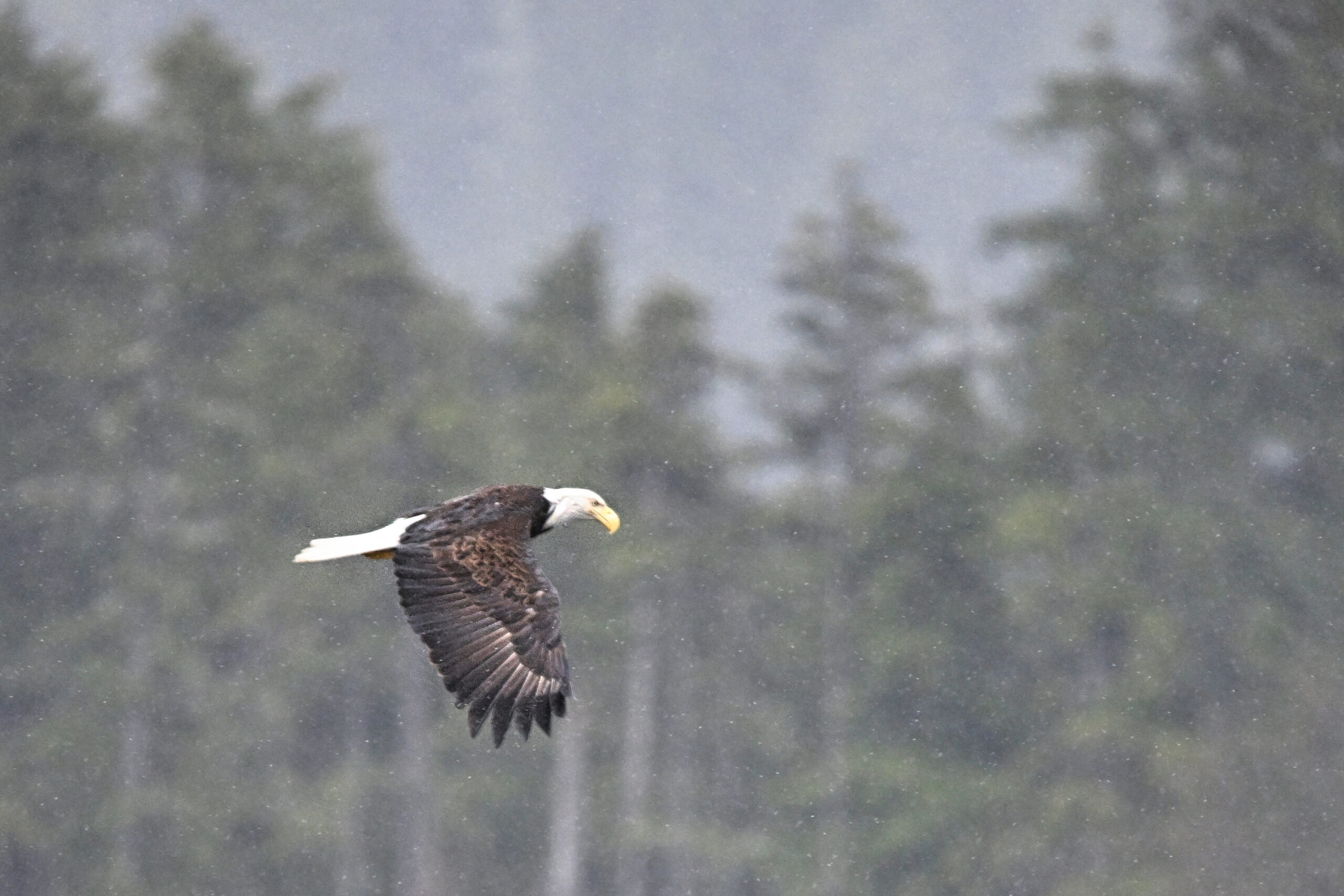
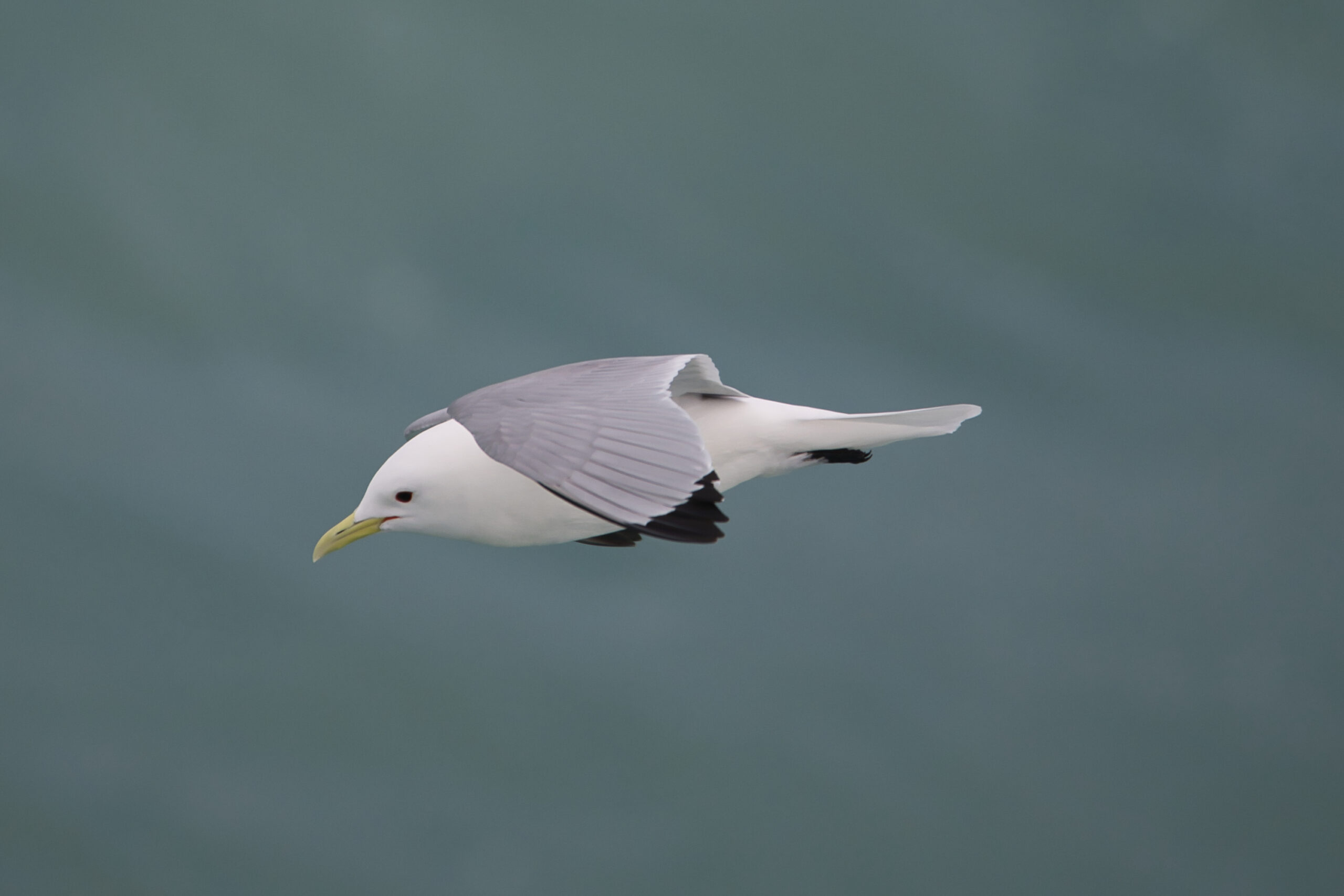
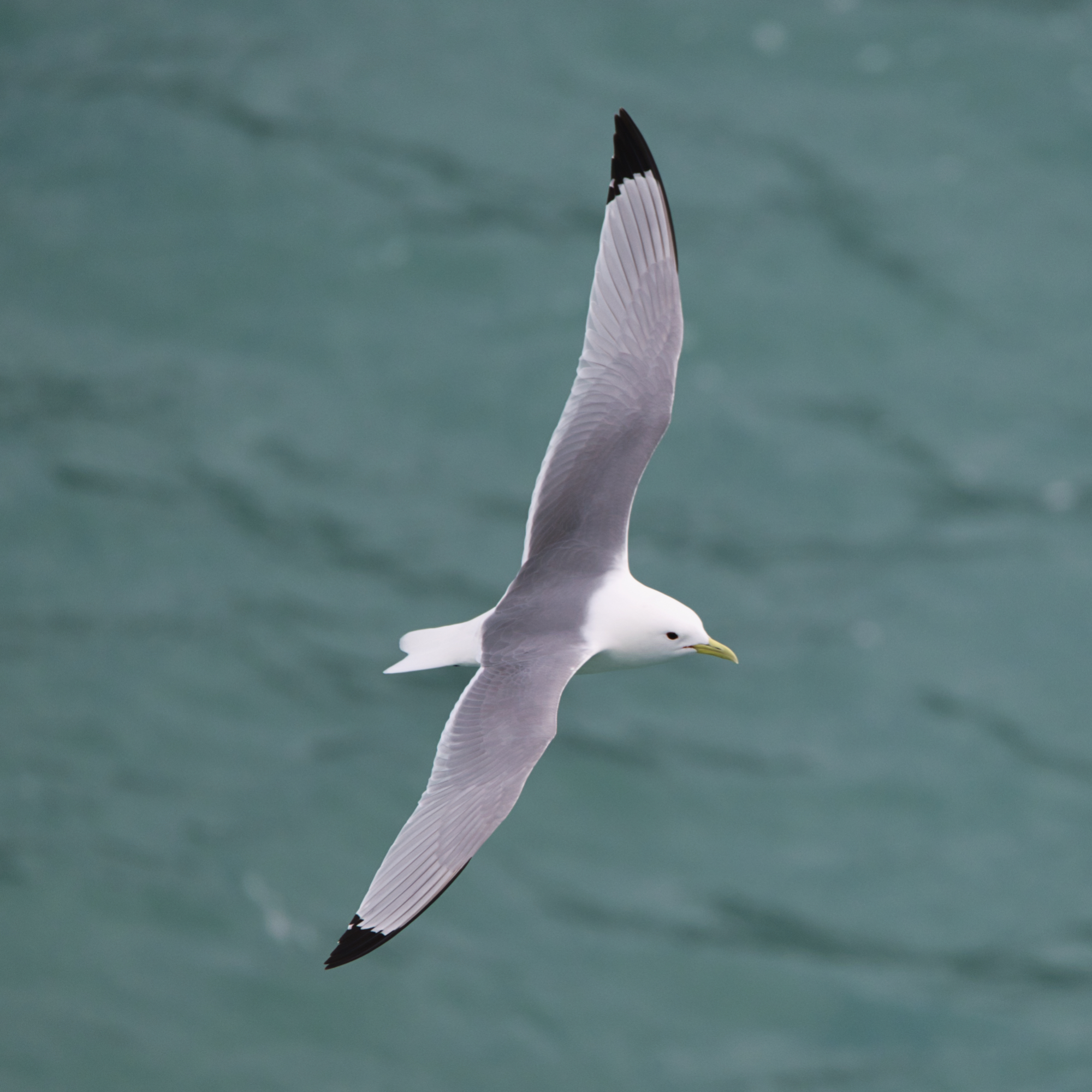
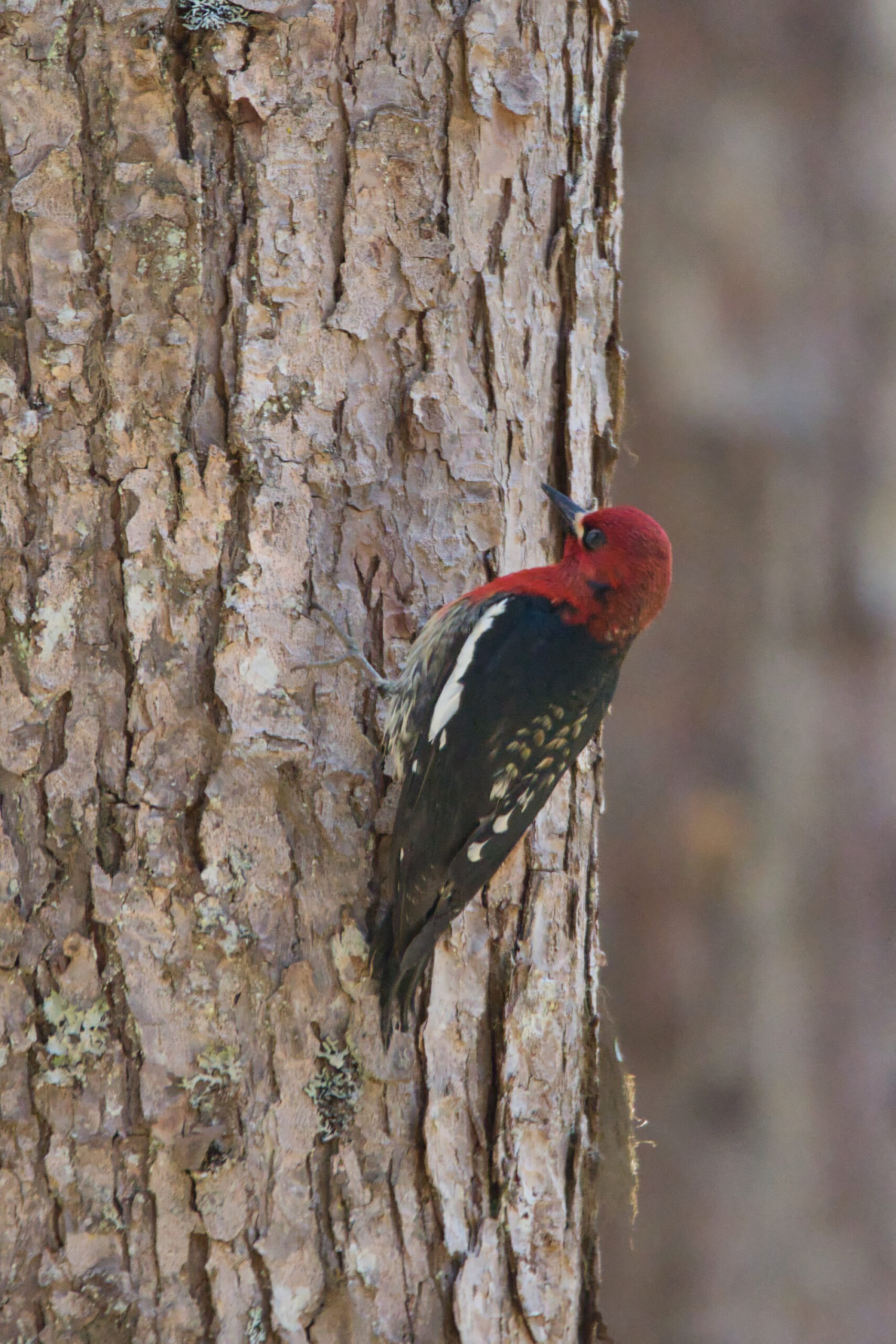
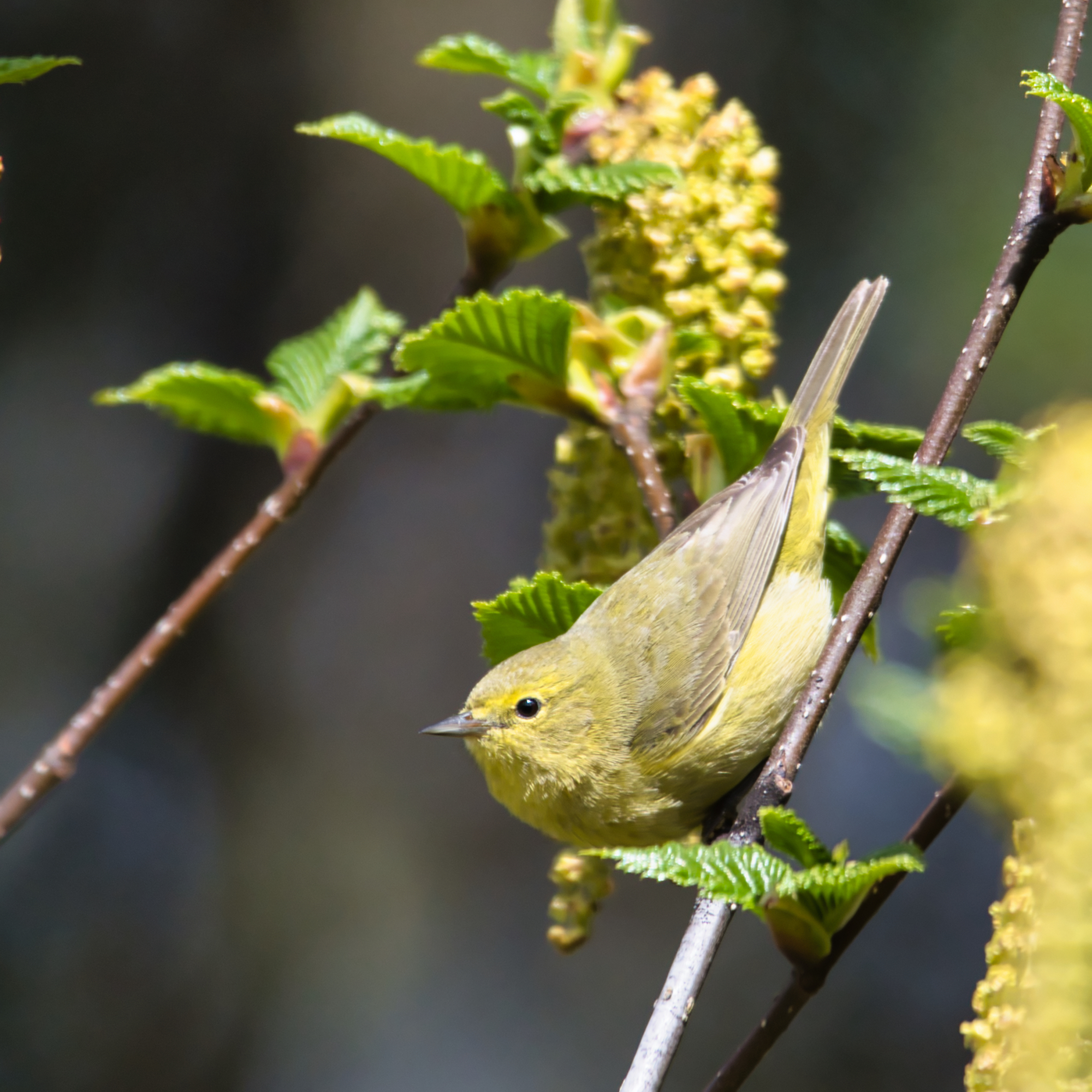
As an avid bird photographer, the Bald Eagle was on the top of my list. I was not disappointed. At our very first port, Sitka, Alaska, Bald Eagles were flying at the same level as our deck nine stateroom. Pouring rain made the first images even more interesting. Fortunately, the rain stopped during our boat excursion, where another eagle calmly posed for us high in a treetop. The backdrop of mountains and clouds made the photos memorable. After Sitka, eagle sightings were not that common. The peak season for eagle photography is late summer and autumn when the salmon run occurs. Being on a cruise ship also provides a unique perspective for other birds such as Black-legged Kittiwakes and Glaucous-winged Gulls who fly at eye-level. To my pleasant surprise, a nature walk at Icy Strait Point brought the camera close to Red-breasted Sapsuckers, Orange-crowned Warblers, and a Townsend’s Warbler.
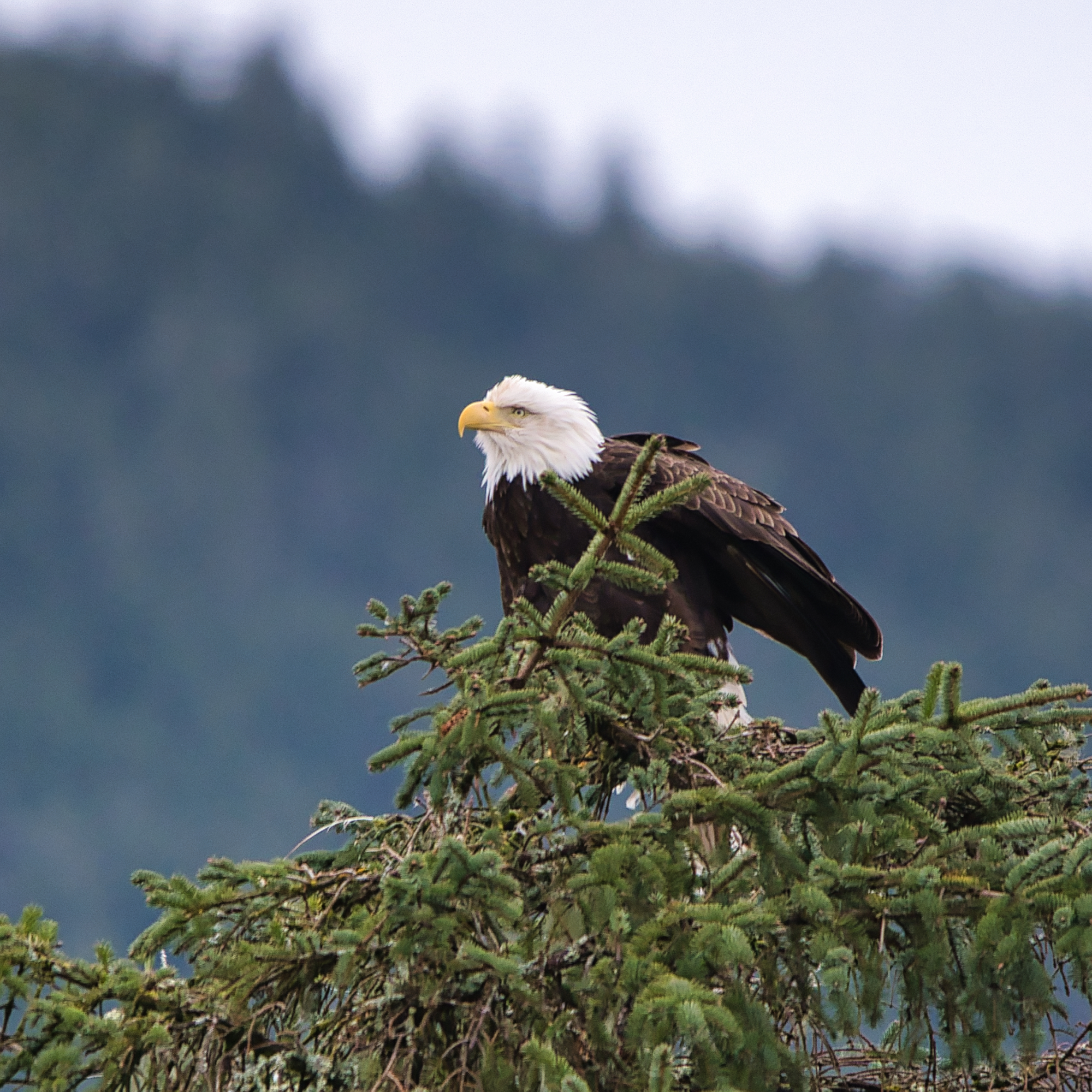
Photo gallery
Photos by Peeter Põldre
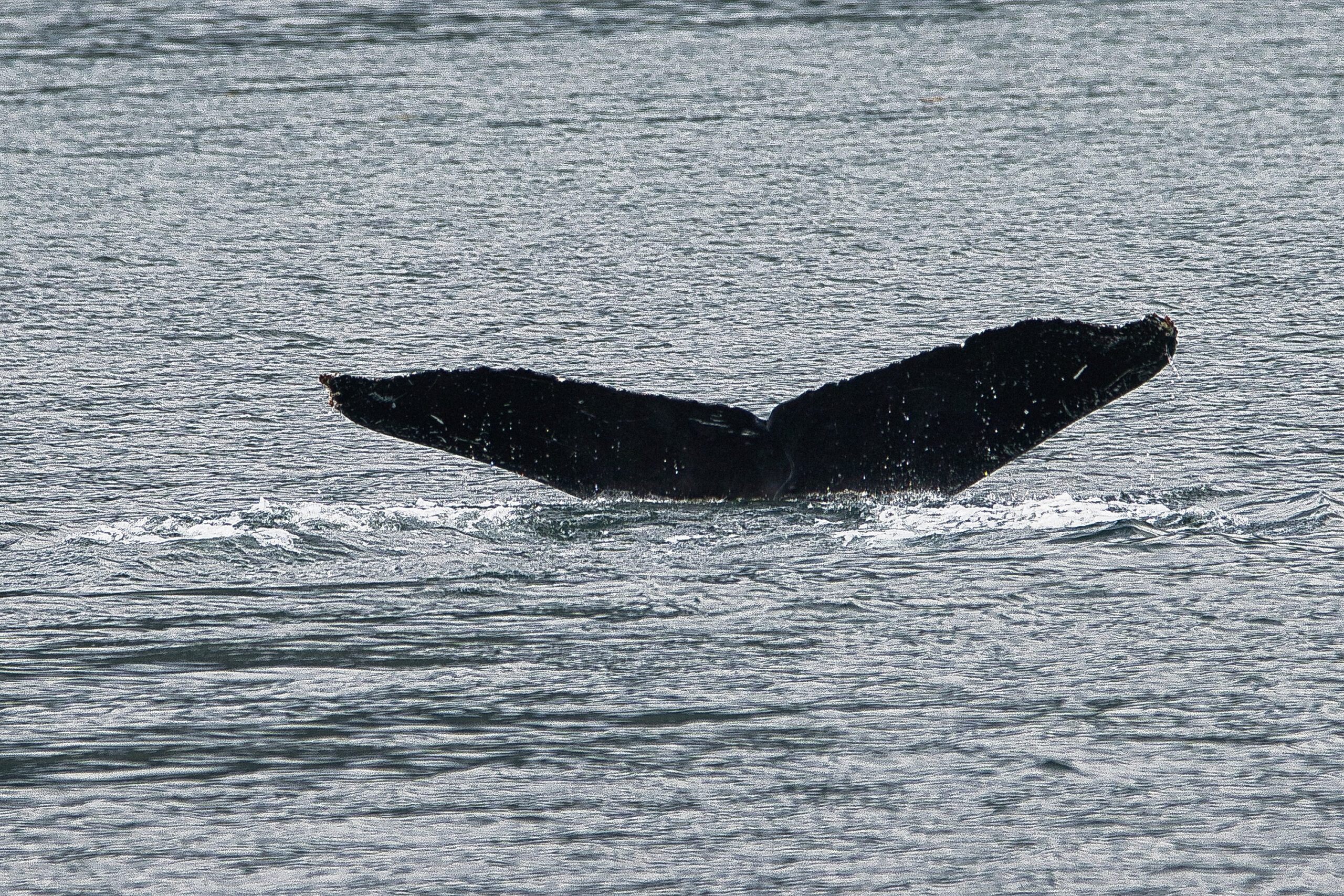
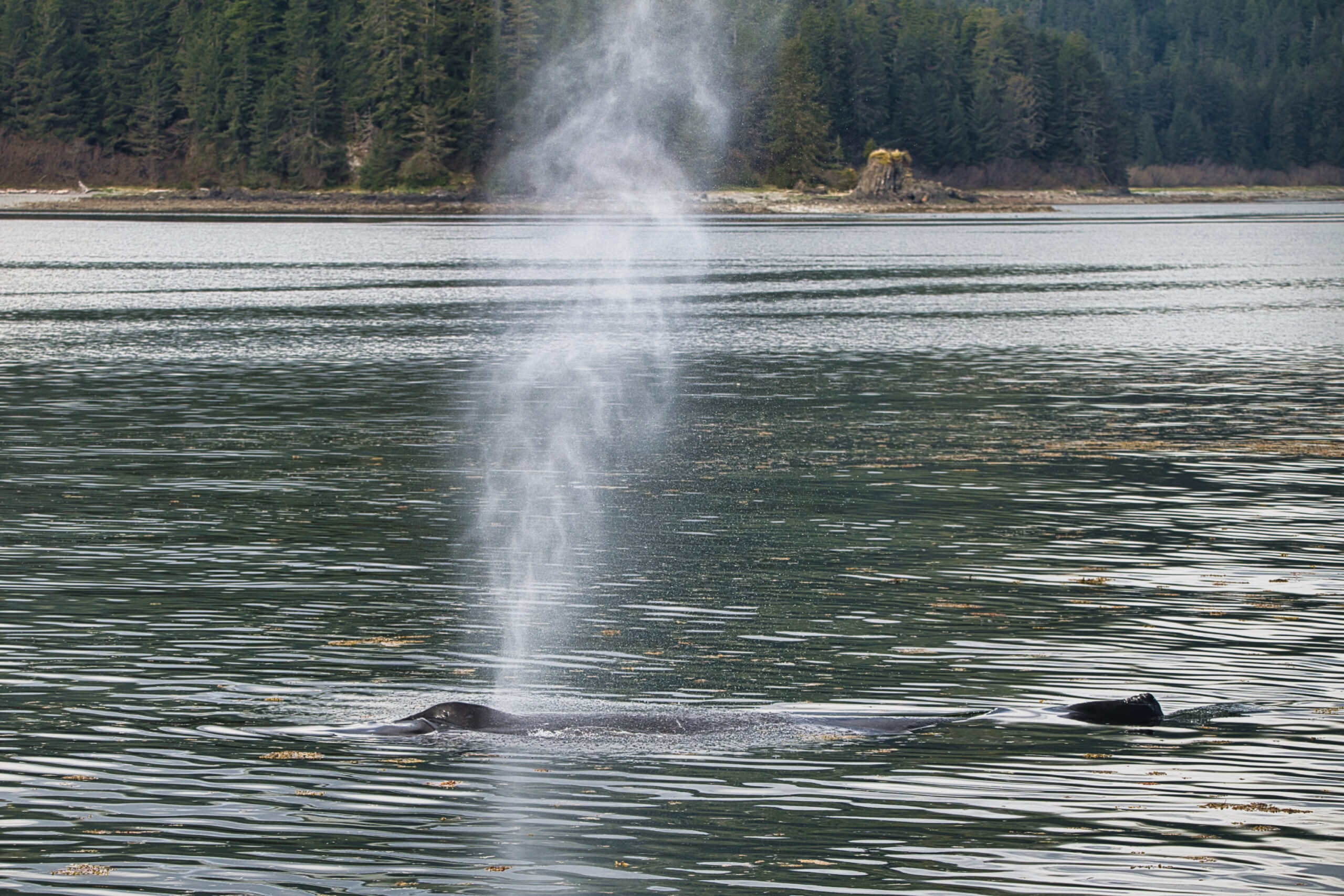
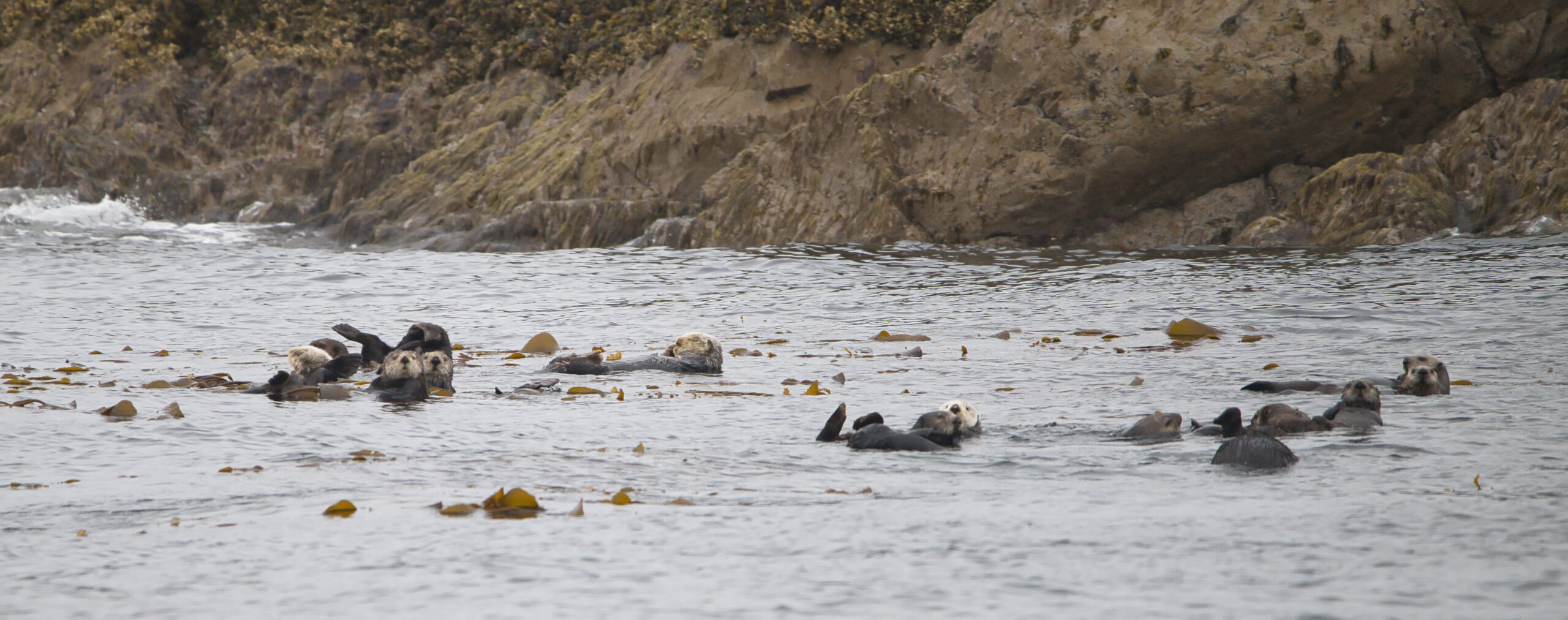
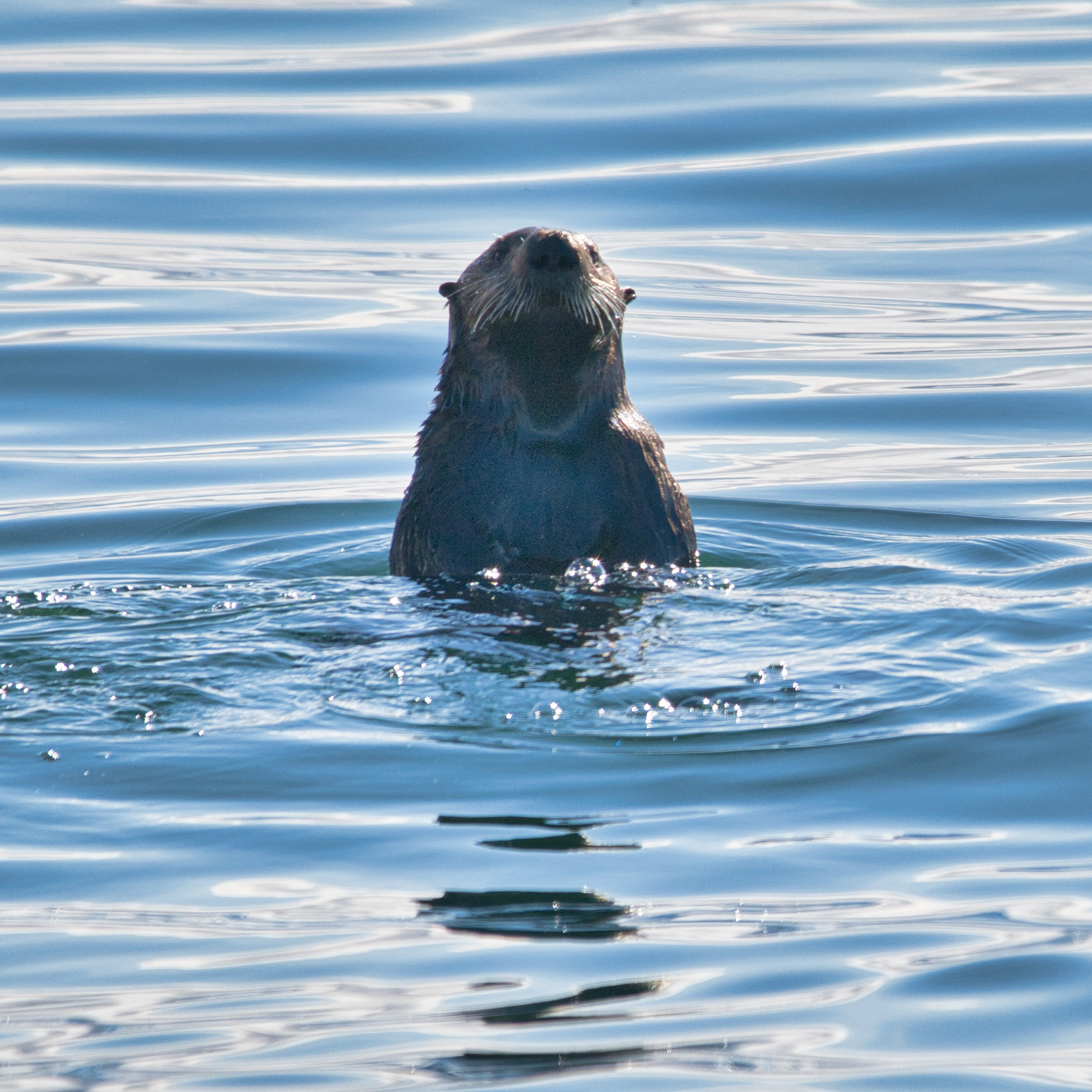
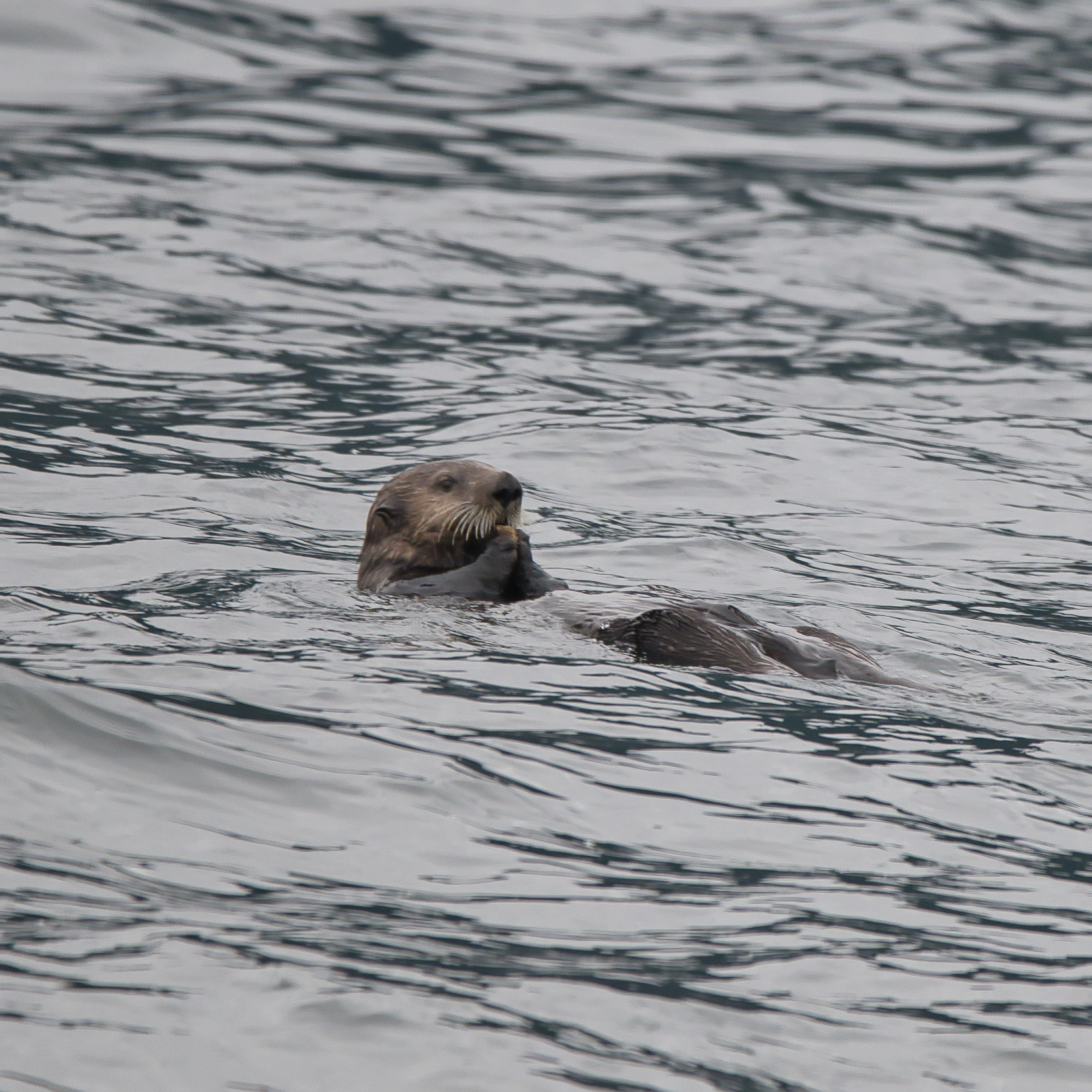
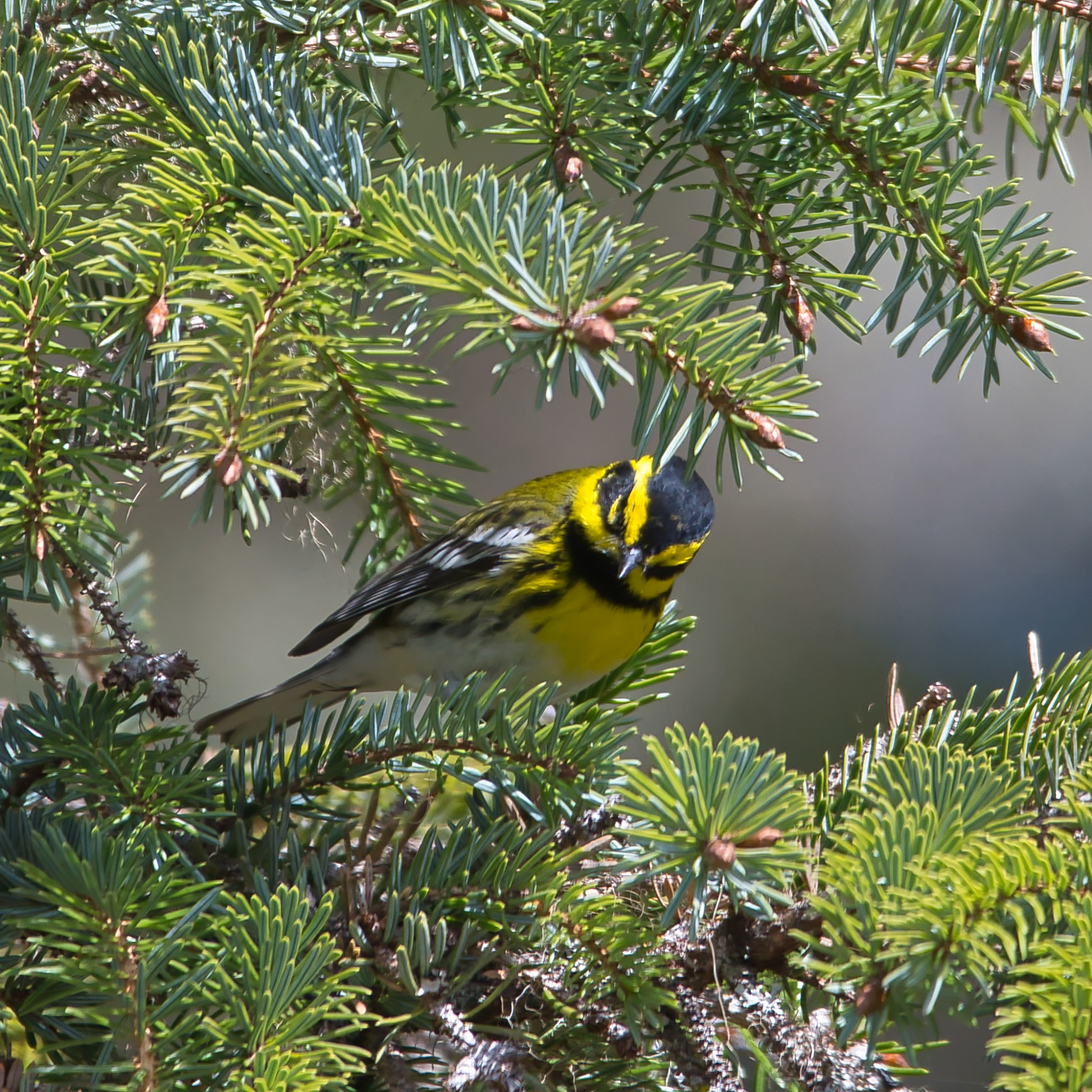
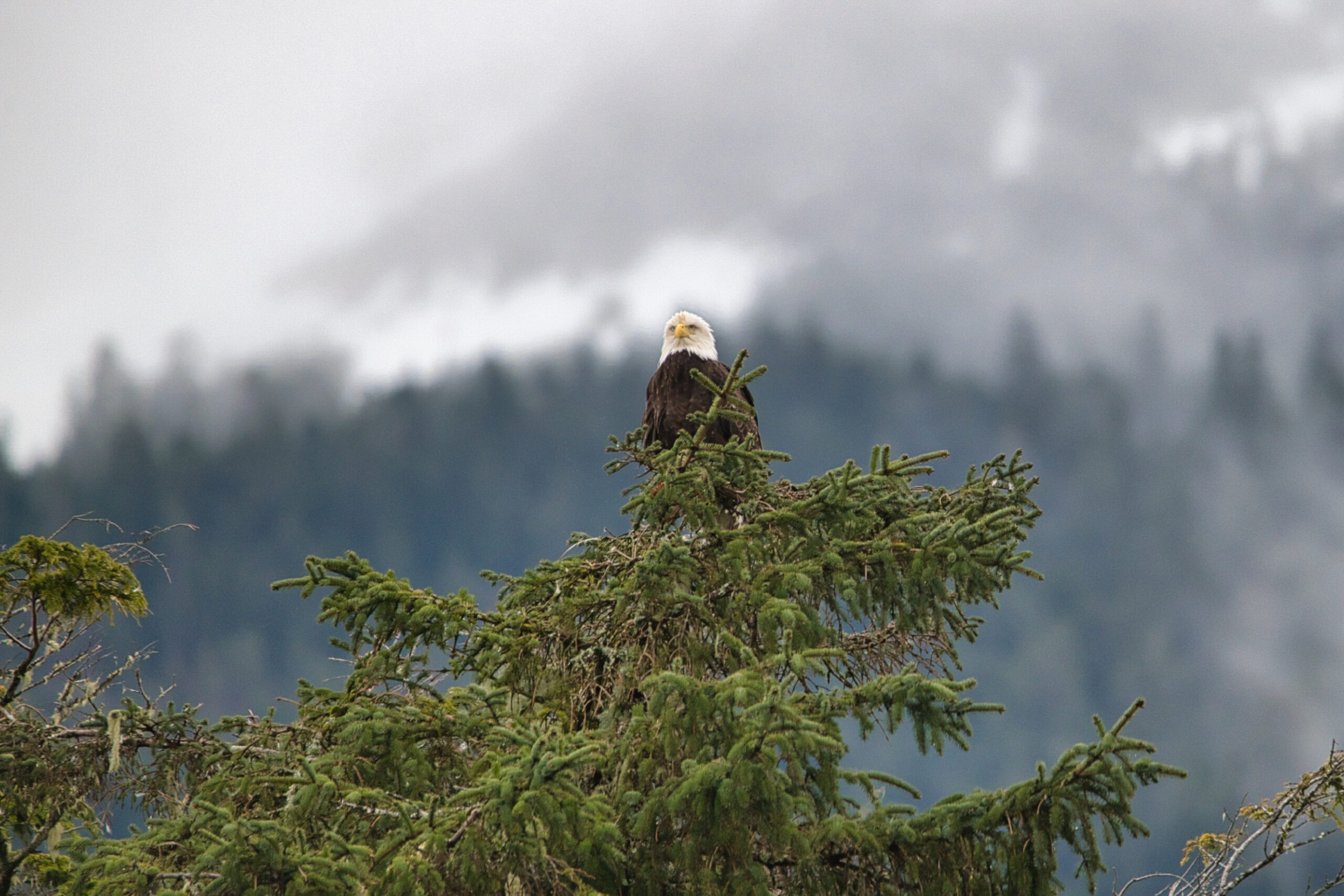
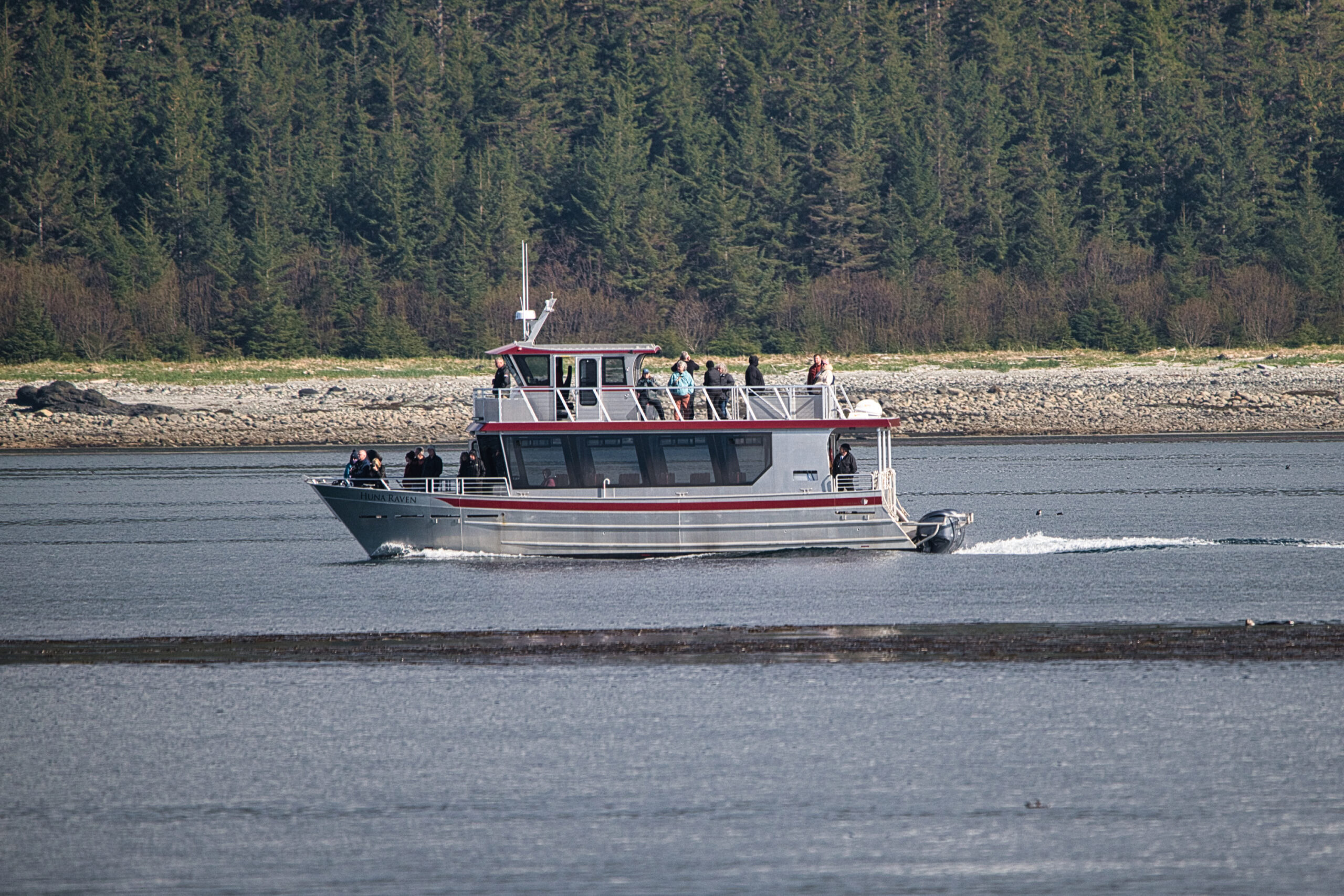
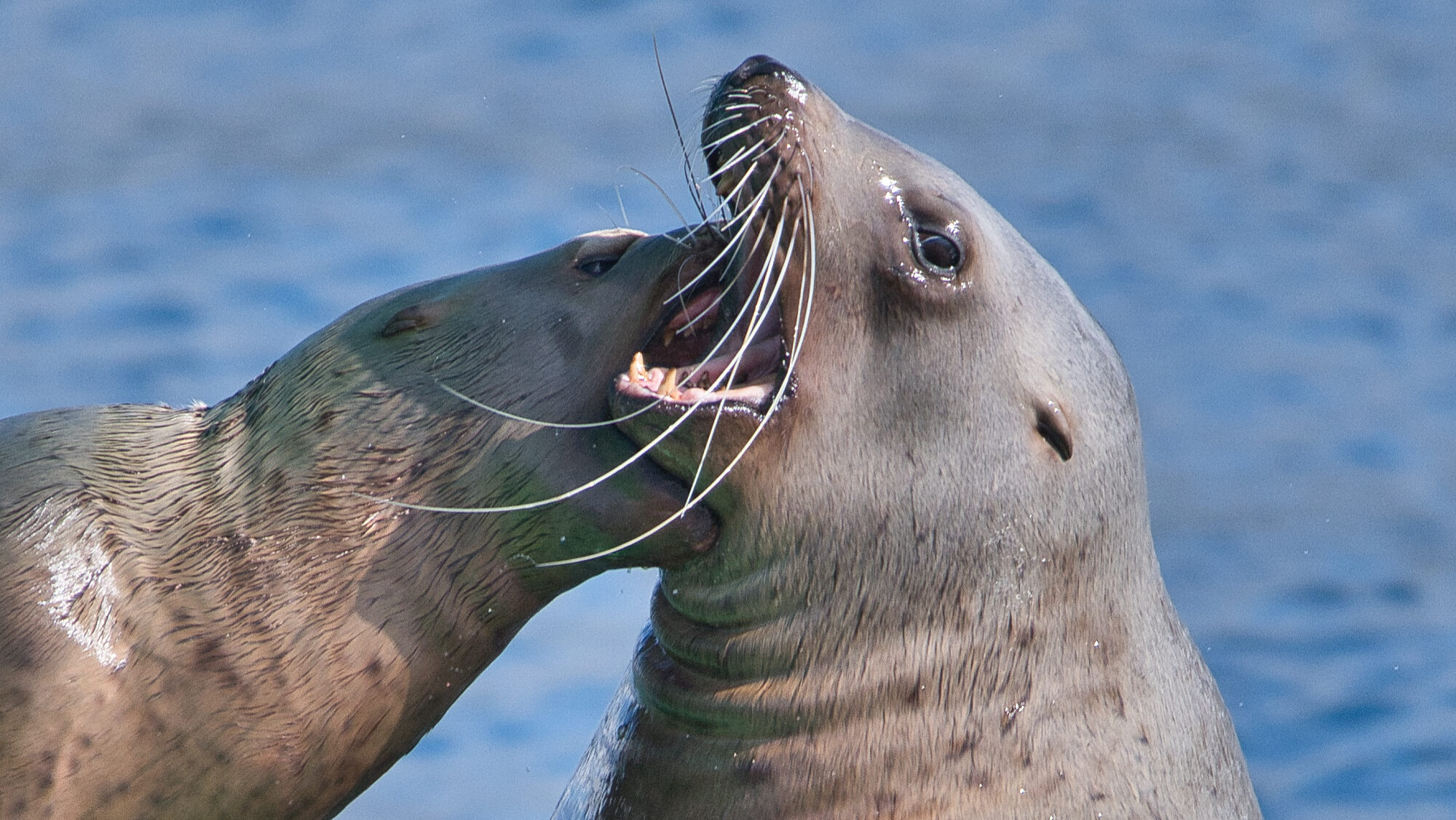
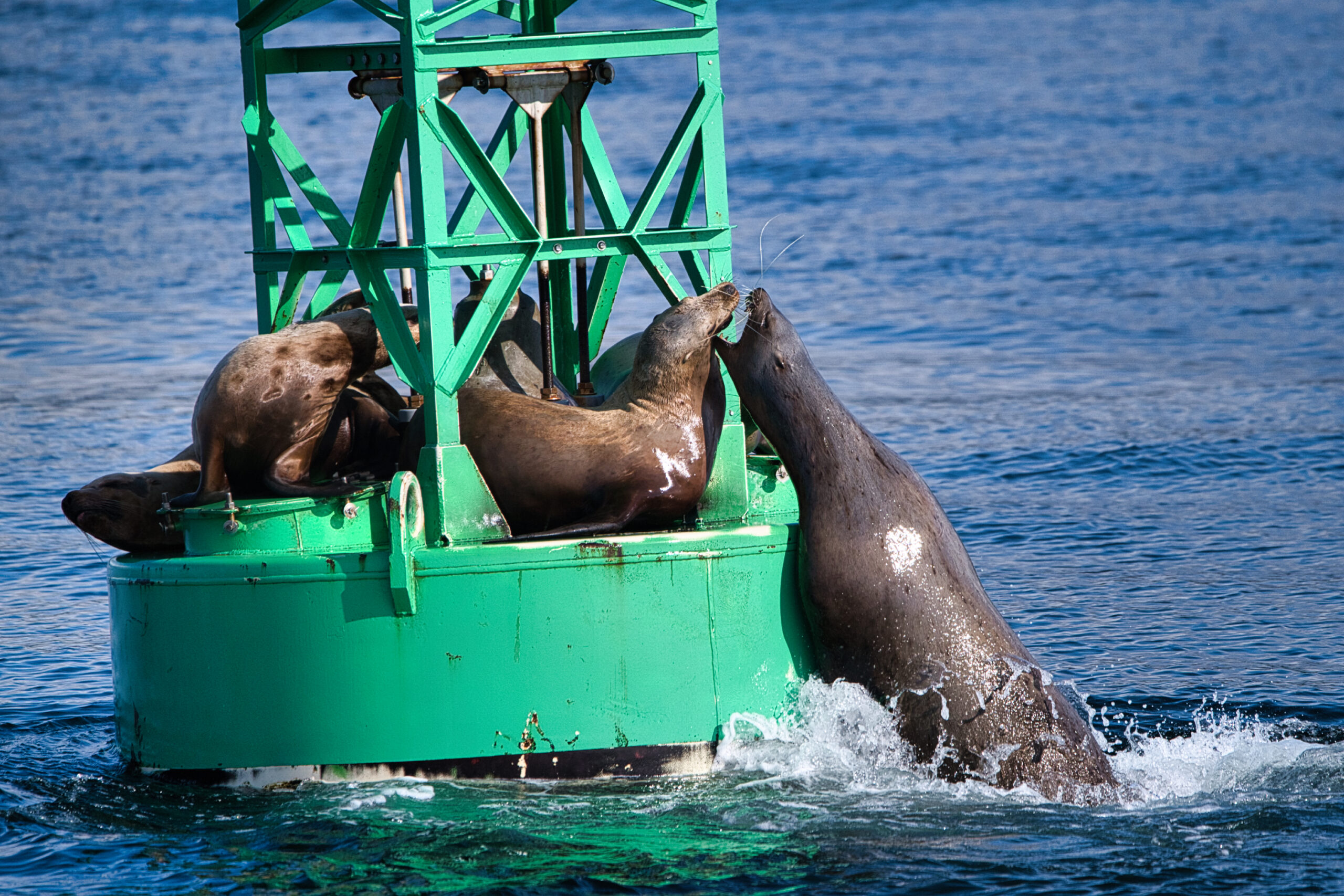
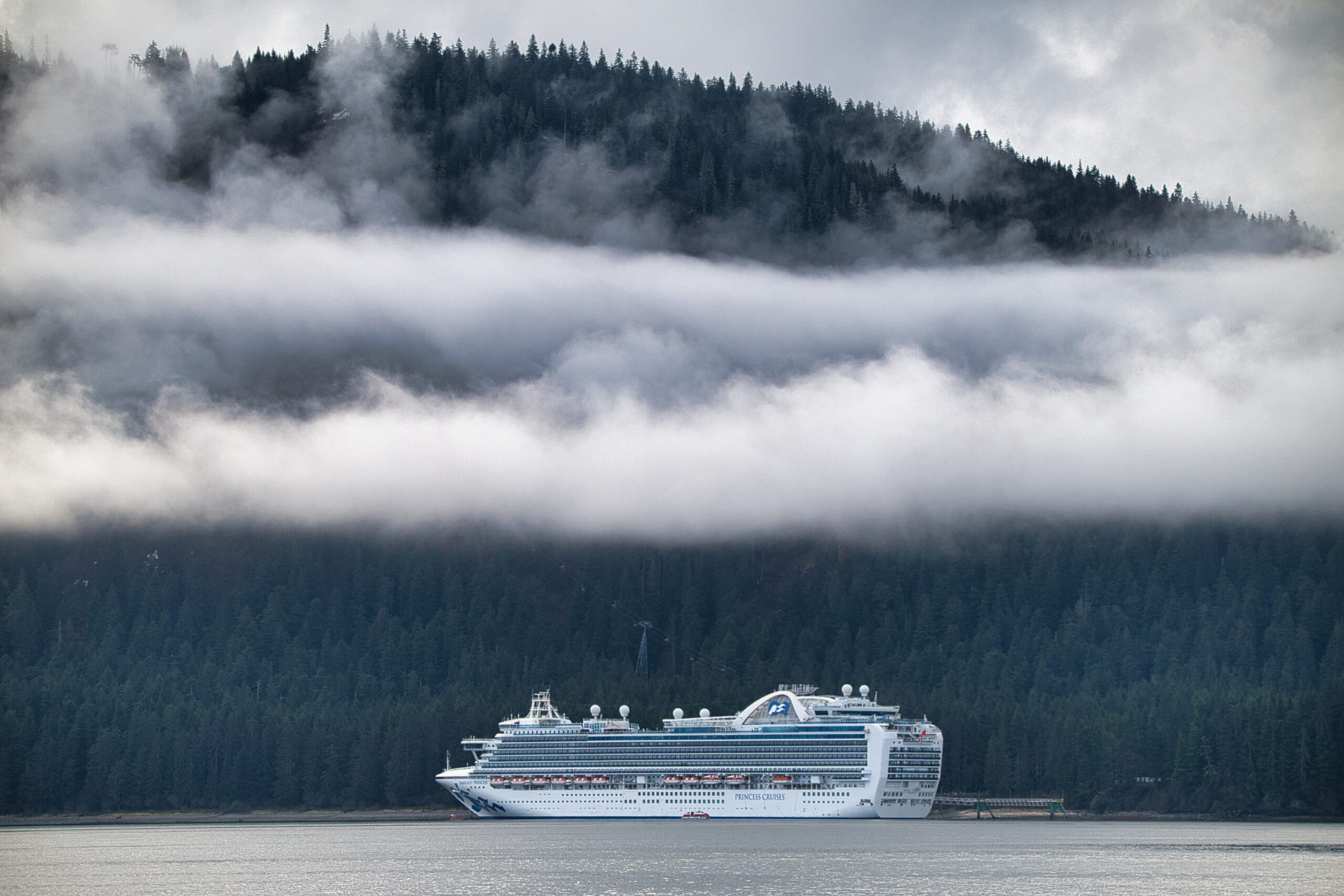
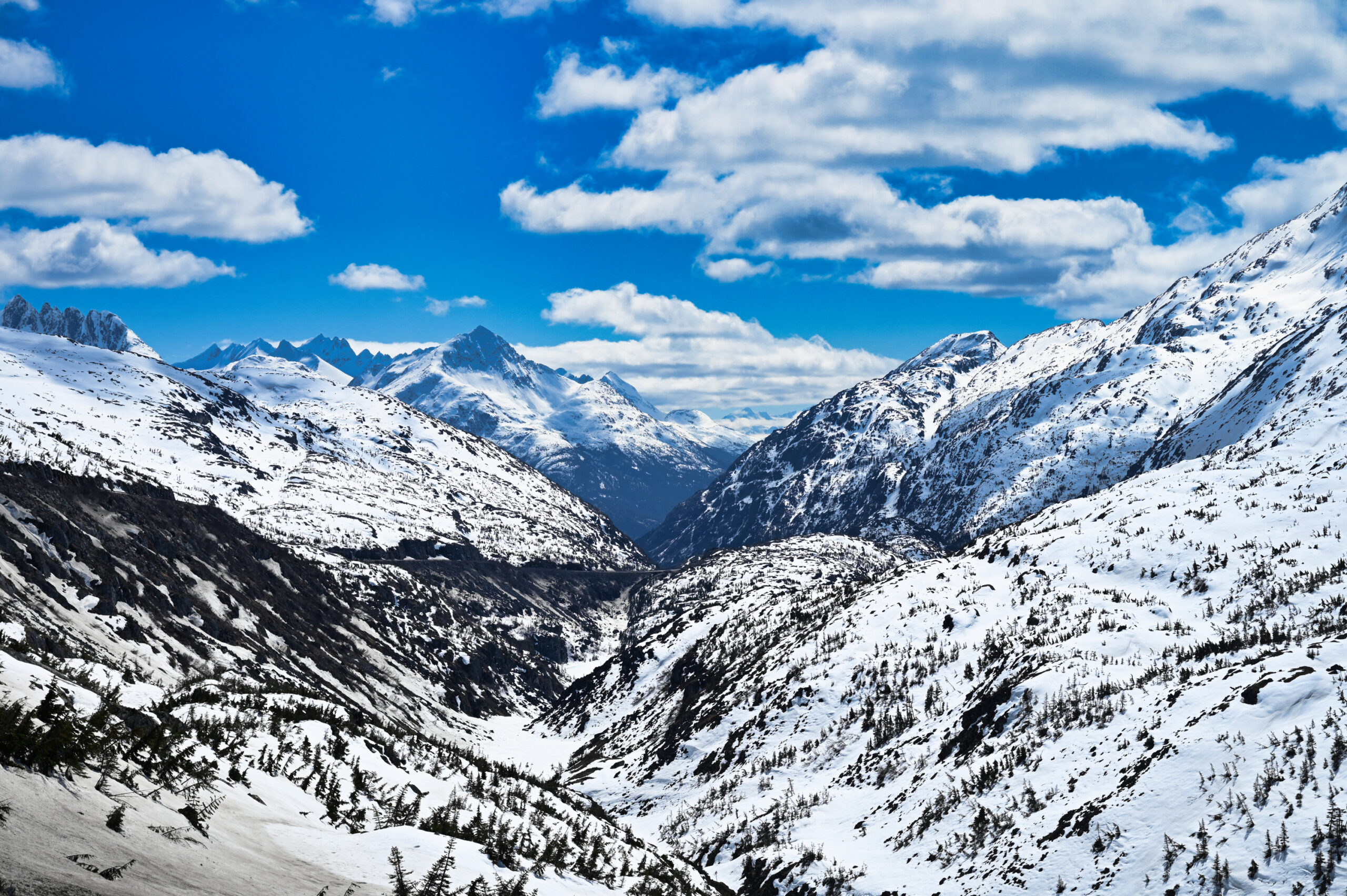
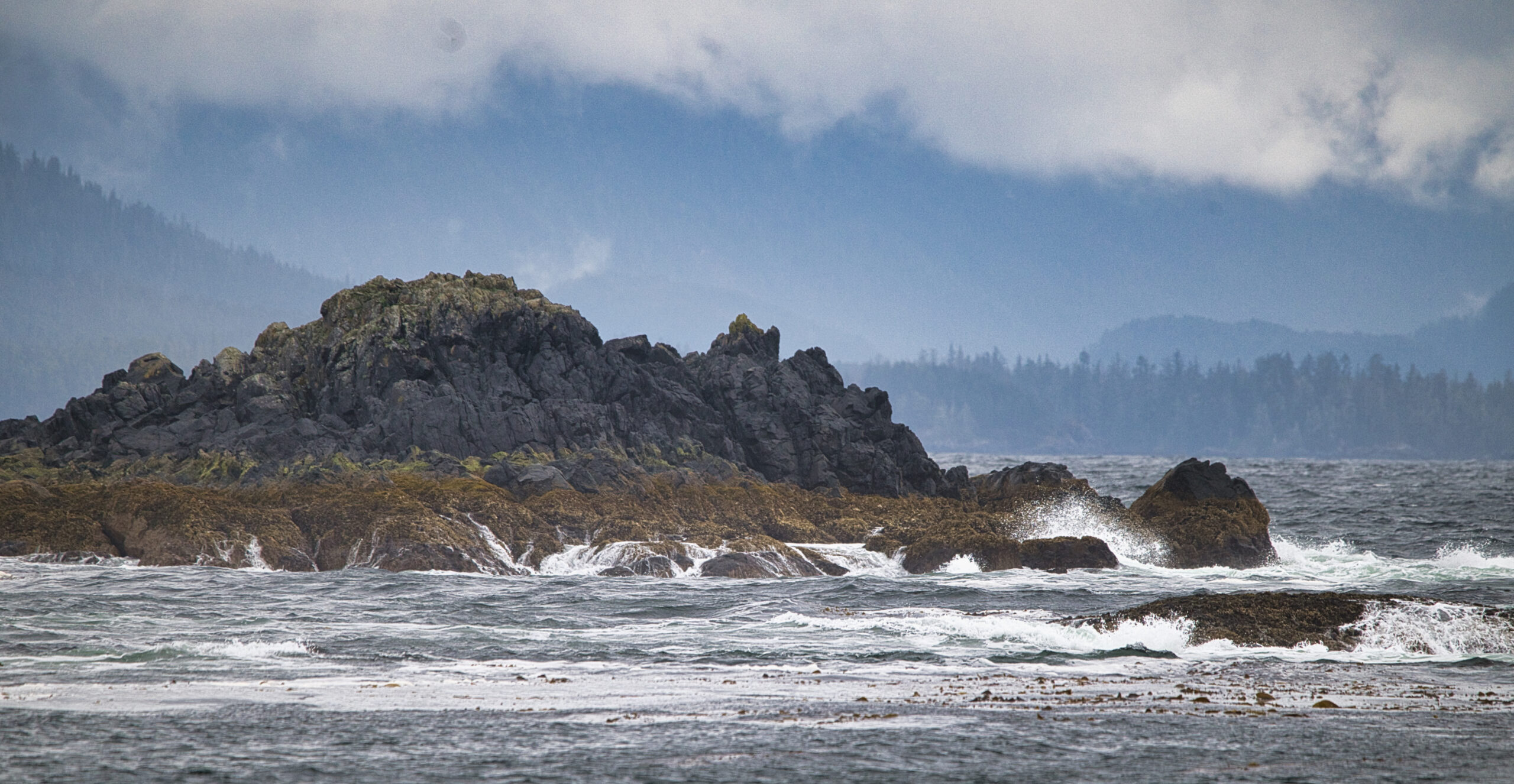
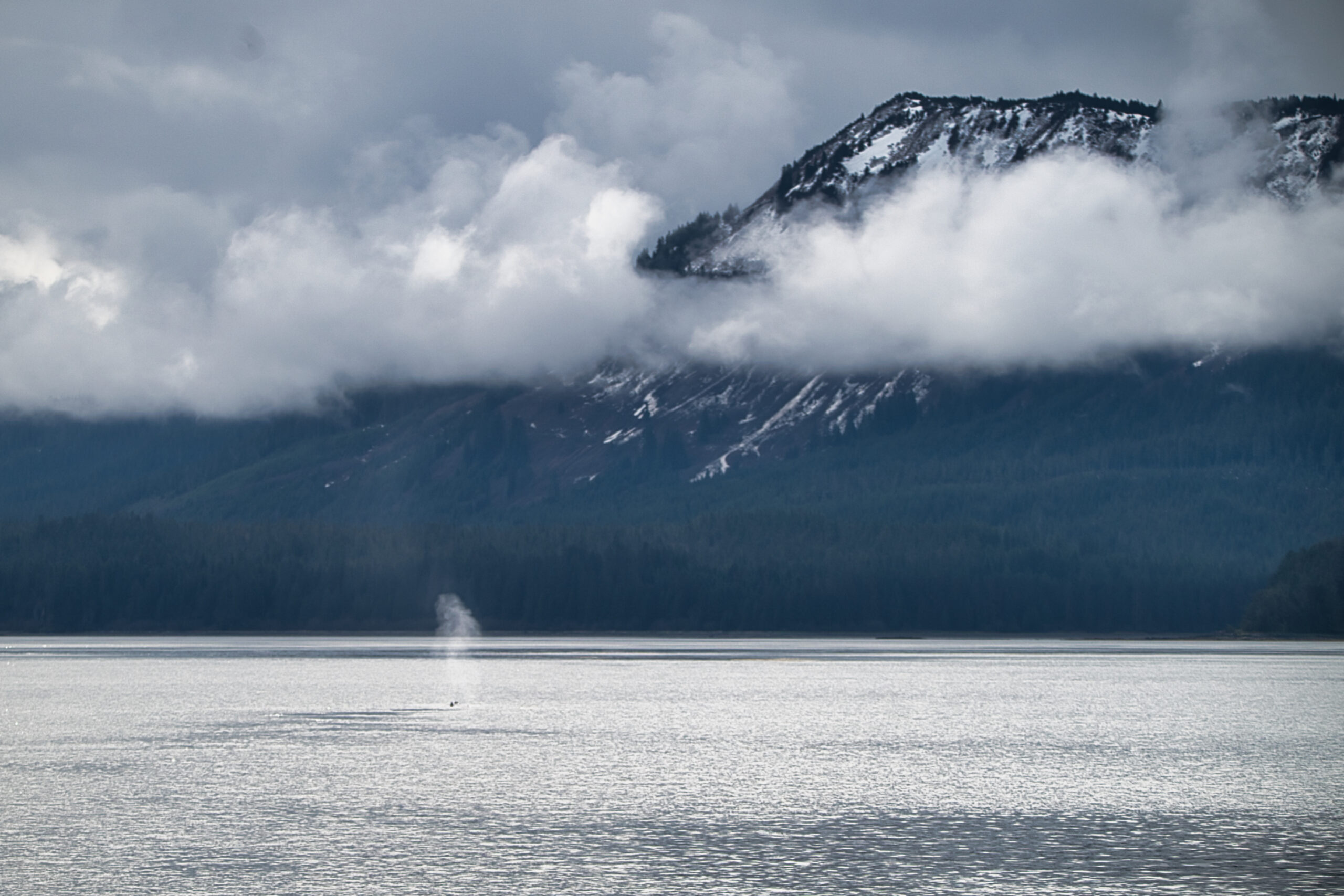
Turning to the mammalian wildlife, there is no doubt that bears, both black and brown (AKA grizzlies) are the top of most visitors’ must-see list, very much like lions are for African safaris and tigers are for Indian safaris. However, much like eagles, bears will be more likely to be seen during the salmon run season. Other mammals were more likely to be spotted, including humpback whales, sea lions, and sea otters. Humpback whale-watching excursions typically utilize small boats with a capacity of about fifty guests. A generous upper deck allows for good sight-lines and all aboard are encouraged to watch for and shout out whale sightings to everyone using a “hands of the clock” system instead of “Over there!” Ideally, whale spouts are seen first, followed by the whale diving, and the tail fluke descending. If the correct angle of the fluke’s descent is captured on camera, the photo can be uploaded to the Happywhales website and the whale can be identified, as was the case with one of my photos.
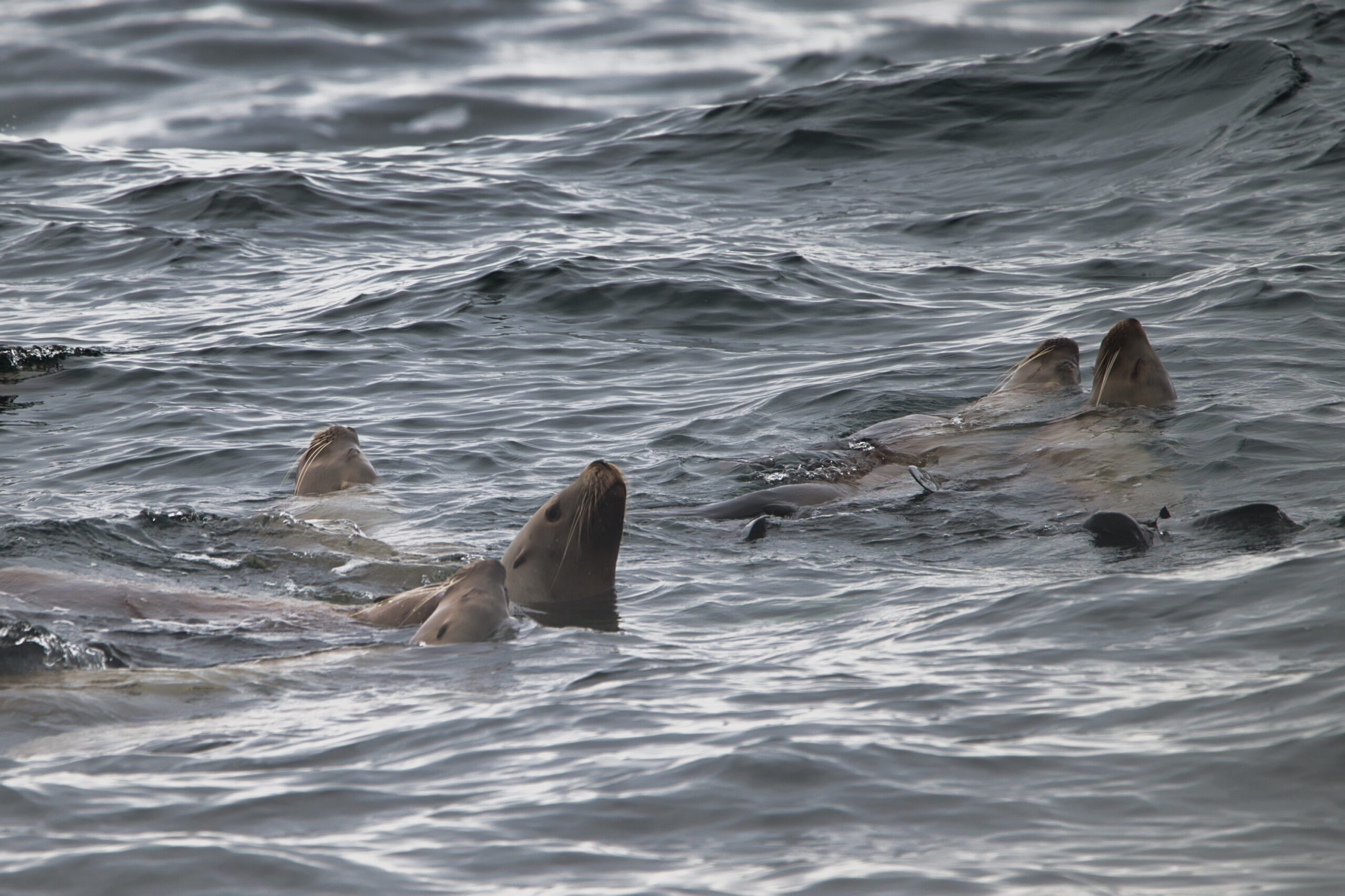
Sea otters are also a delight to observe. They are typically seen floating in groups called “rafts,” usually surrounded by kelp. Occasionally a single one comes close enough for a portrait session. Sea lions are plentiful during most whale-watching excursions. If there are buoys in the area, this sought-after real estate is often the site of conflict.
Although smartphones these days are also excellent cameras, I personally still prefer a traditional camera with telephoto lenses. The images in the photo gallery were taken with a Nikon mirrorless camera and a 150-600mm telephoto lens. That allowed for some wider angle views as well as more usual full 600mm views to get closer to the subject. The other key to wildlife photography is shutter speed, in my case 1/3200 second for these images. Such a fast shutter speed minimizes camera shake both from the photographer’s arms and most importantly from the movement of the boat or ship in the water.
Alaska is a spectacular place to visit. Binoculars, smartphones, and even one’s eyes will help to capture wonderful memories.
Text and photos by Peeter Põldre