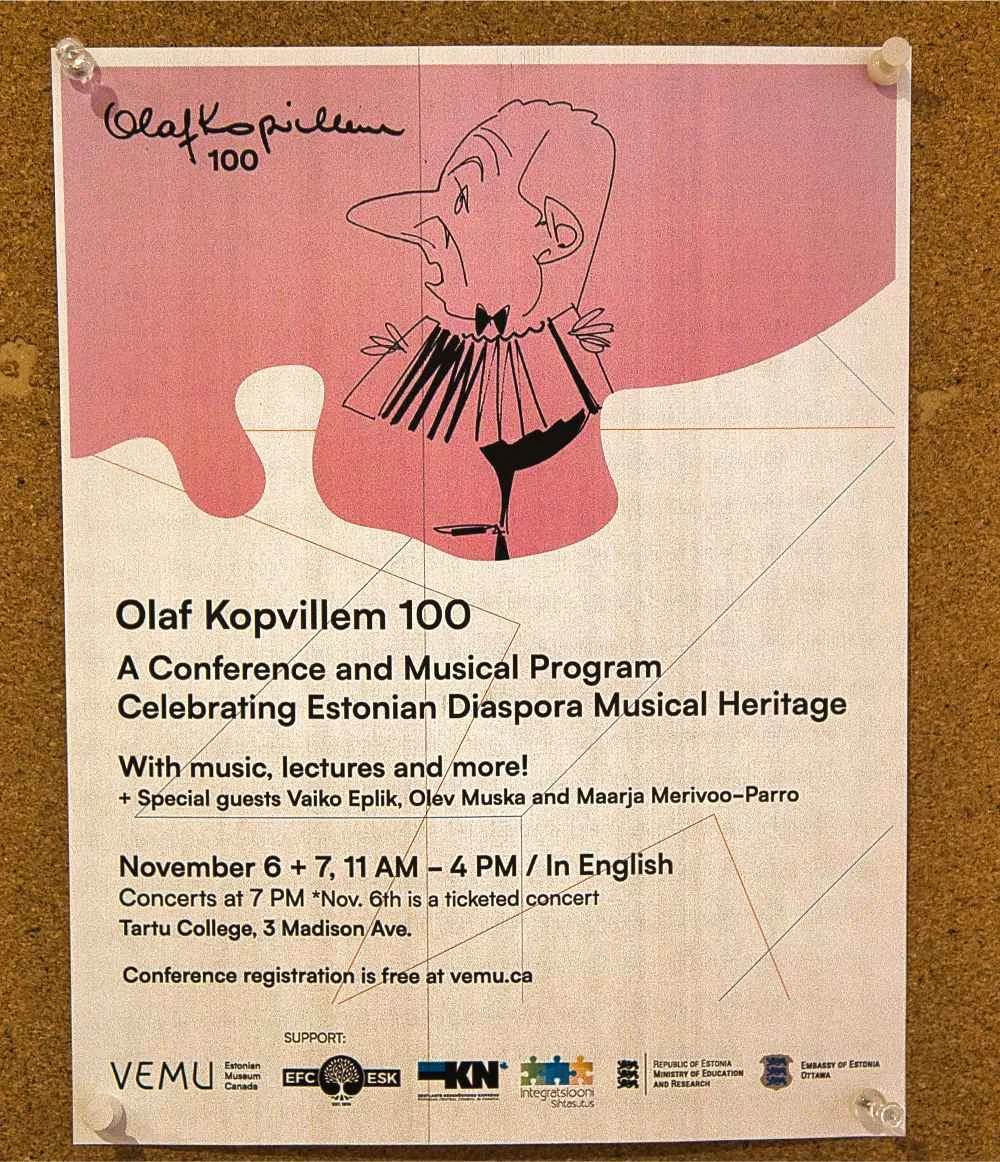
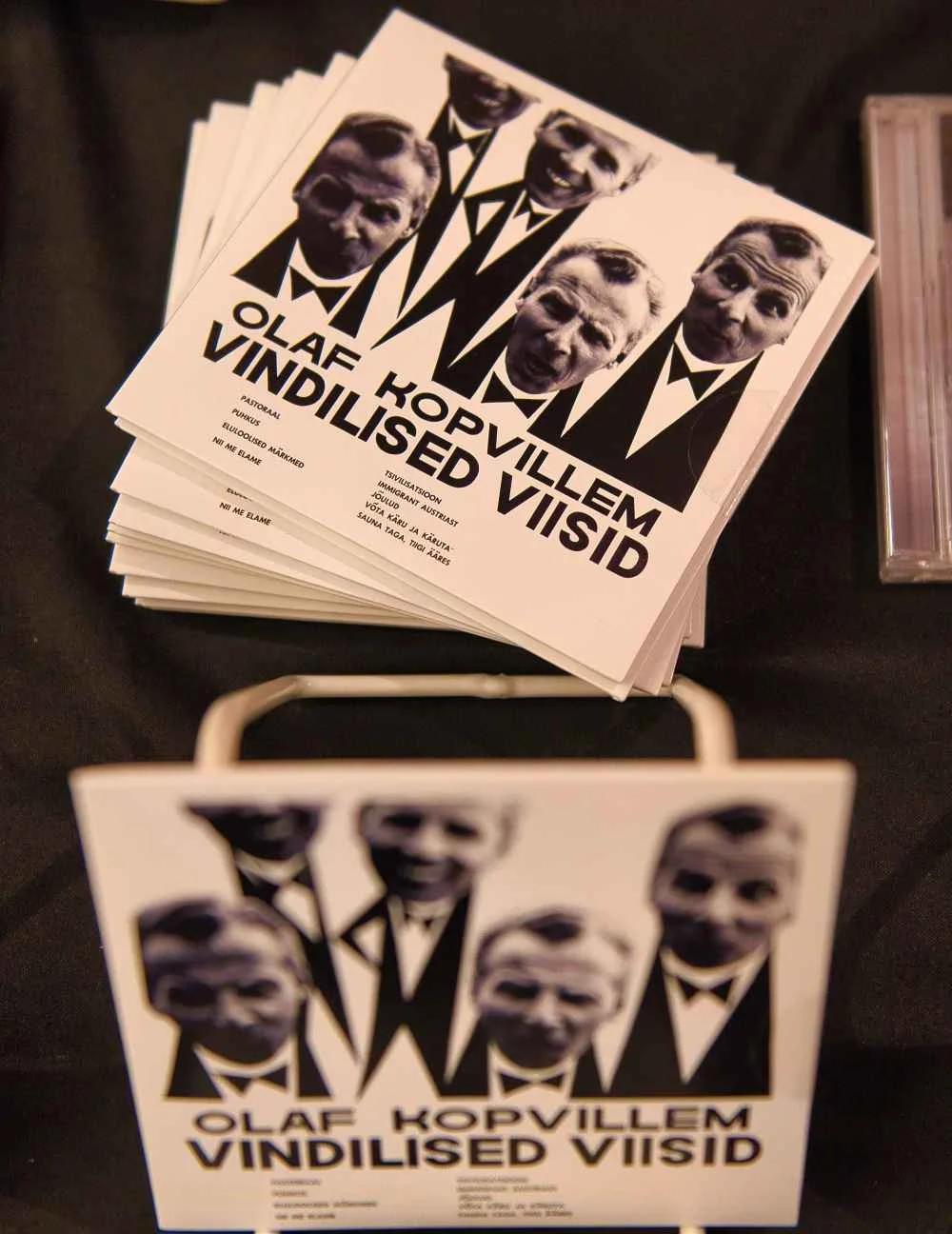
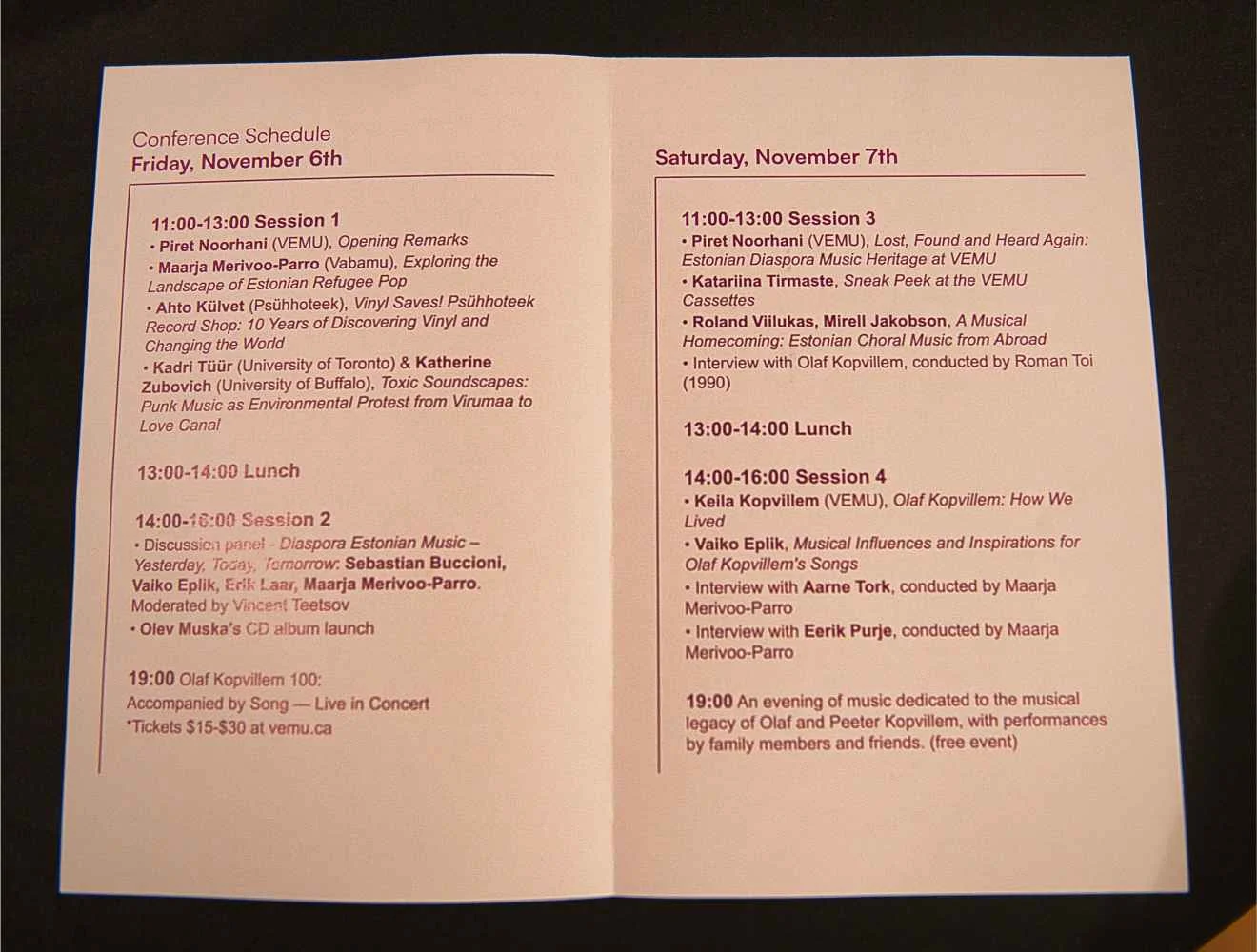
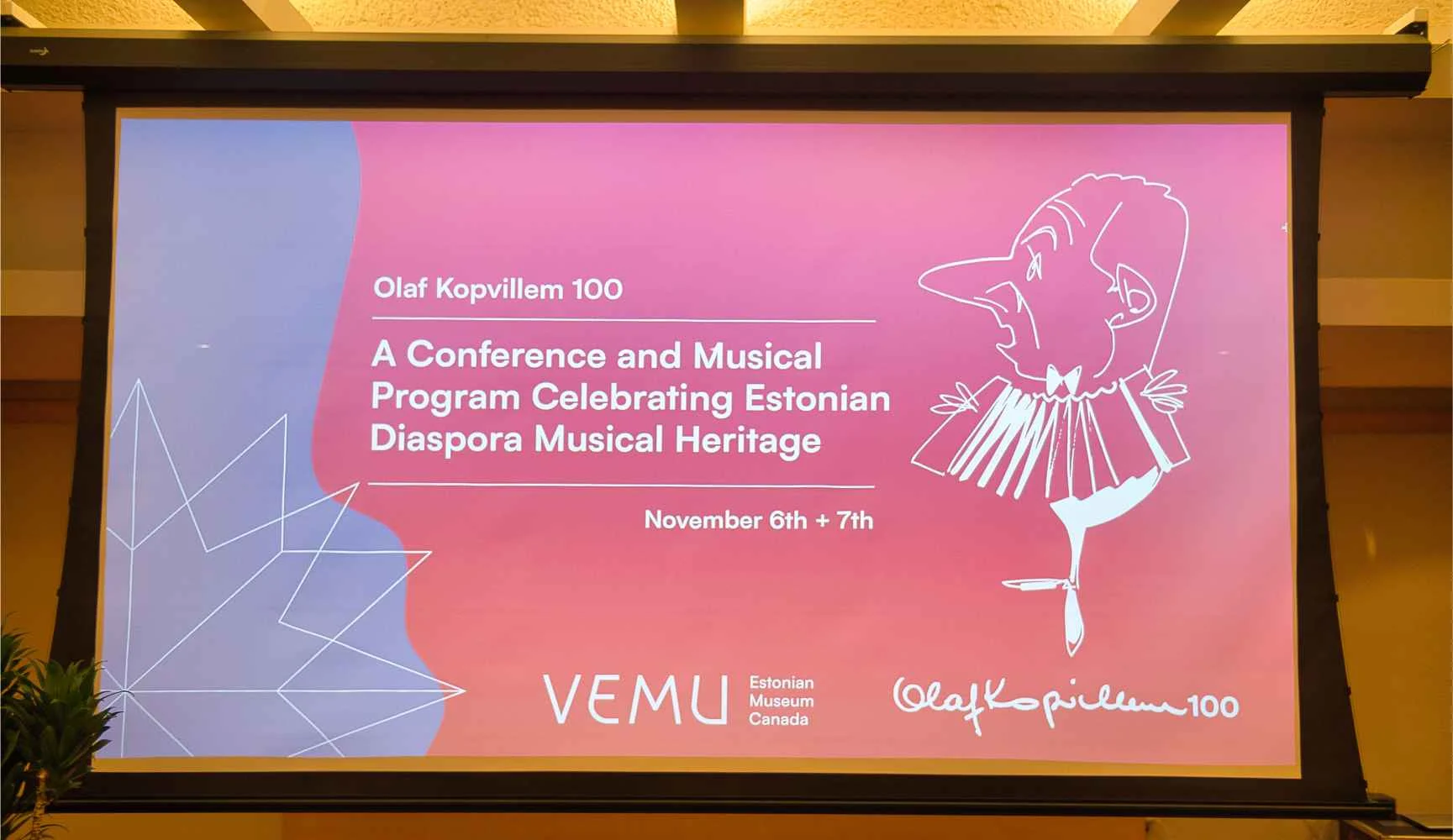
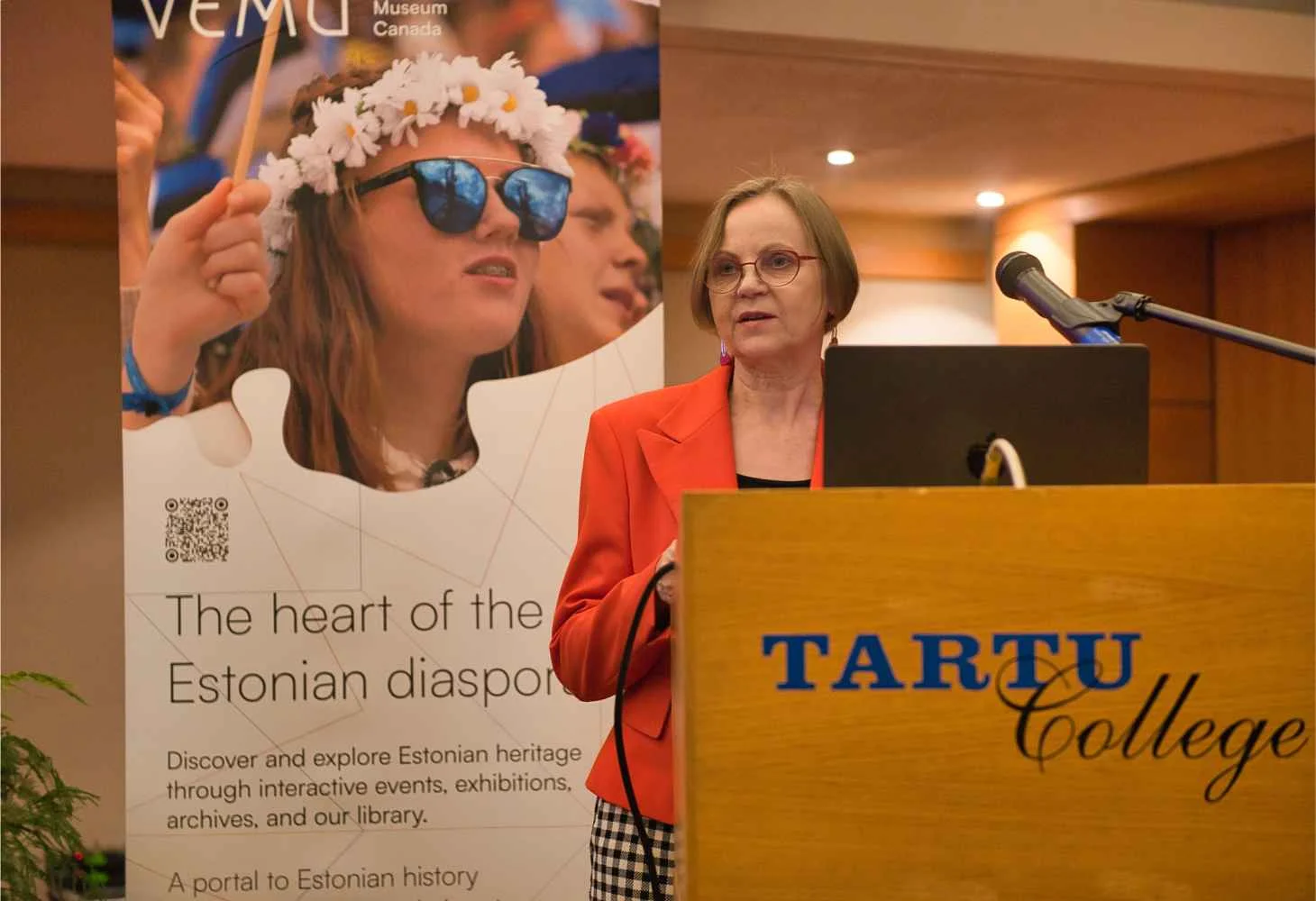
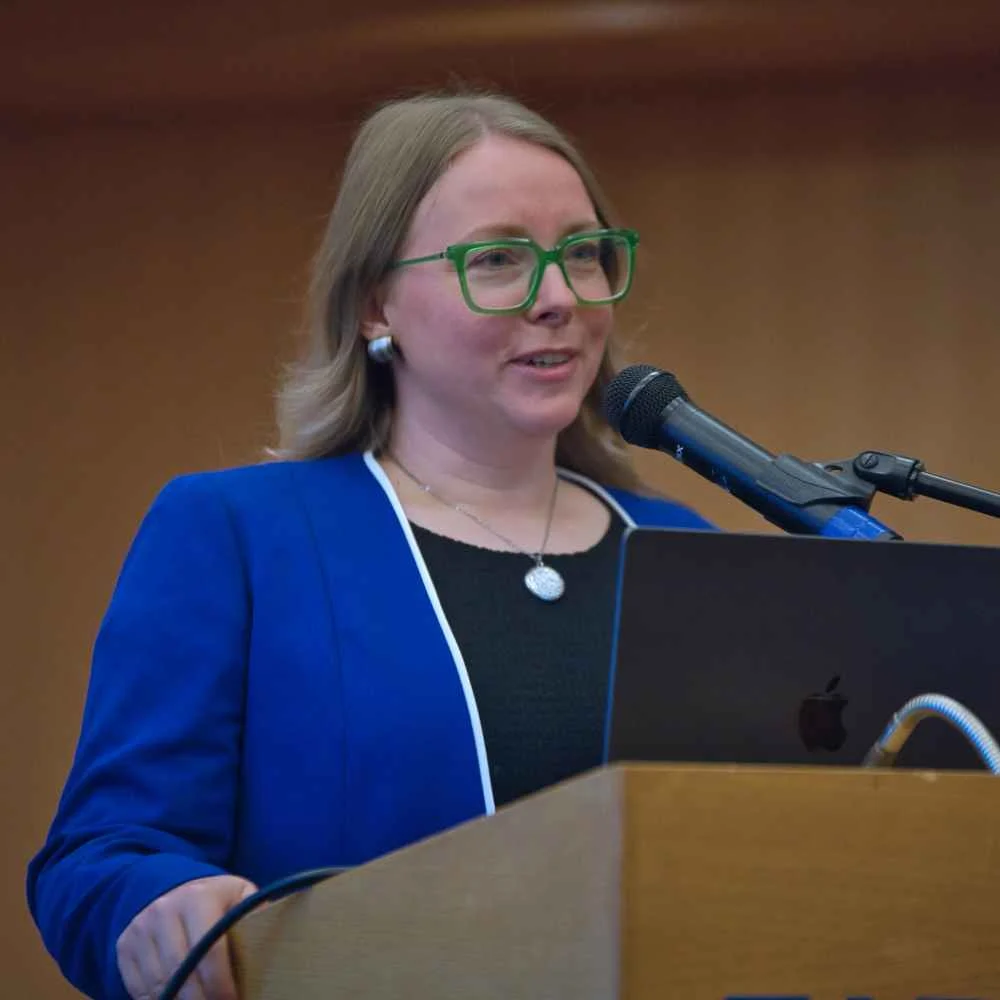
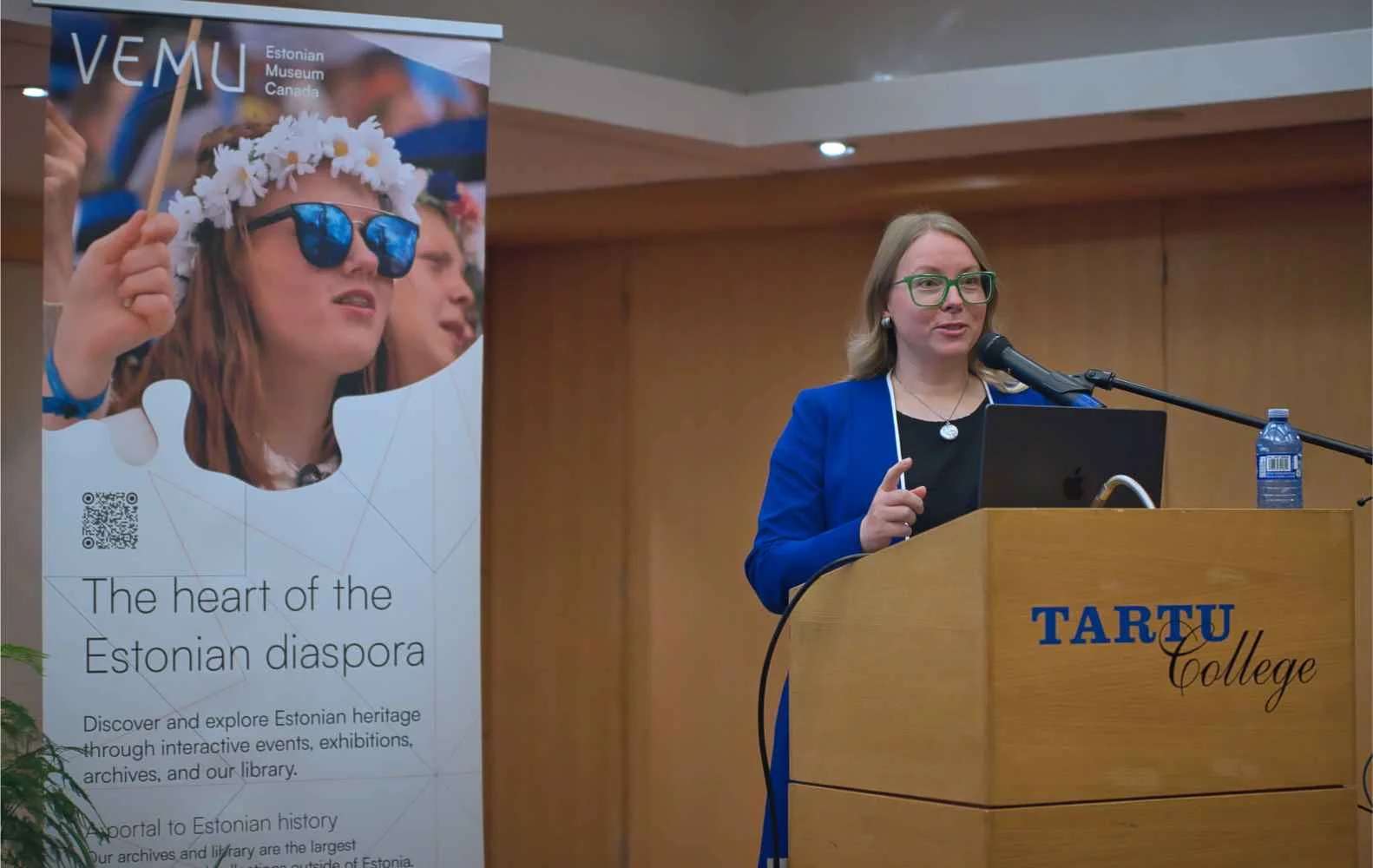
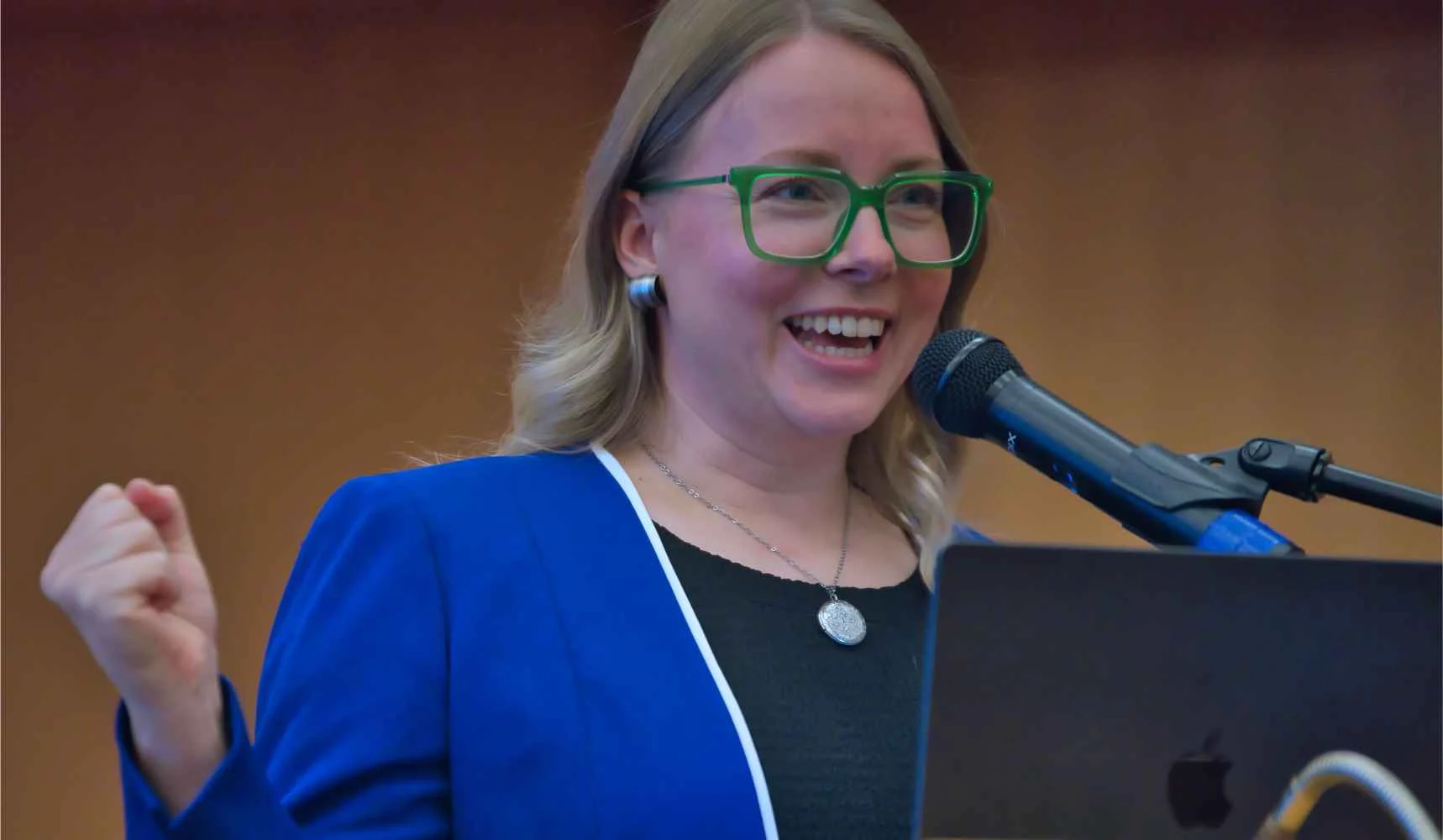
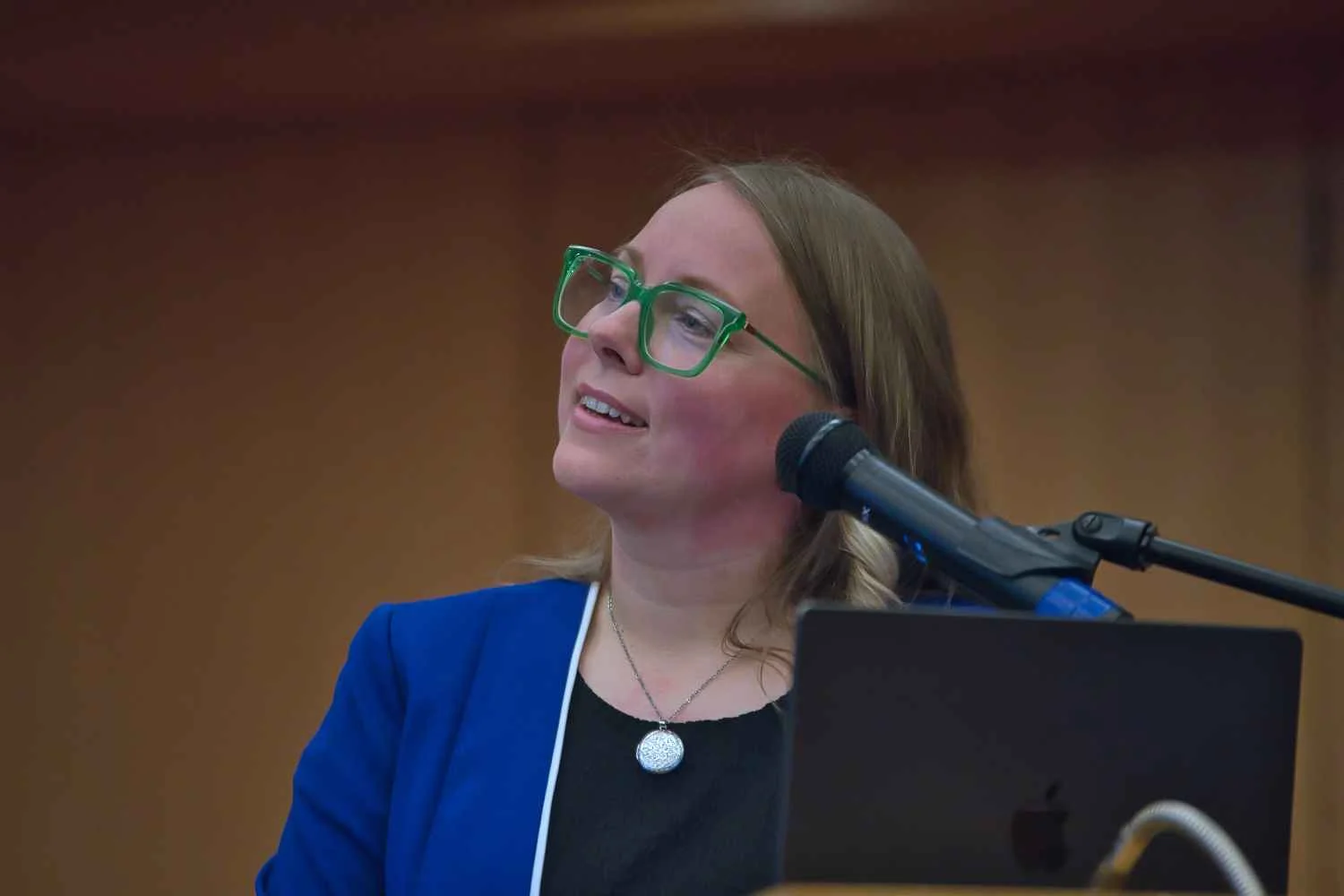
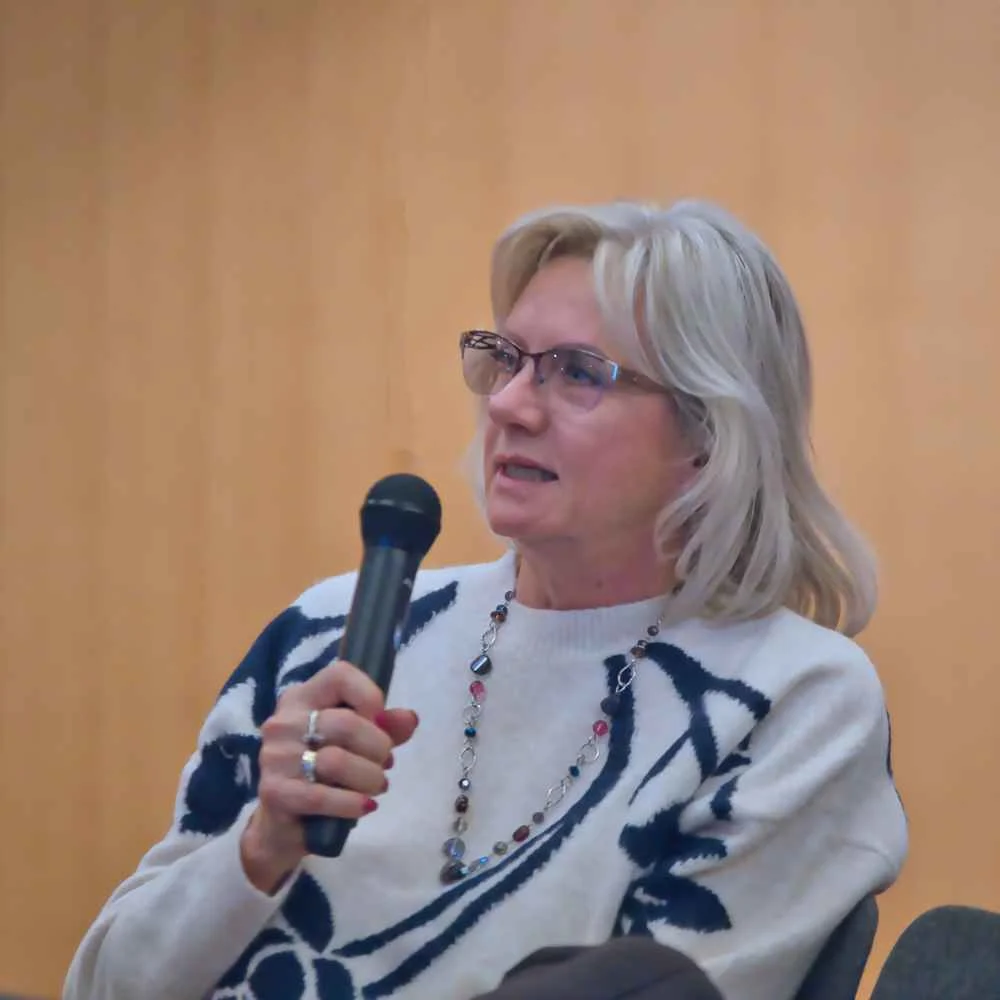
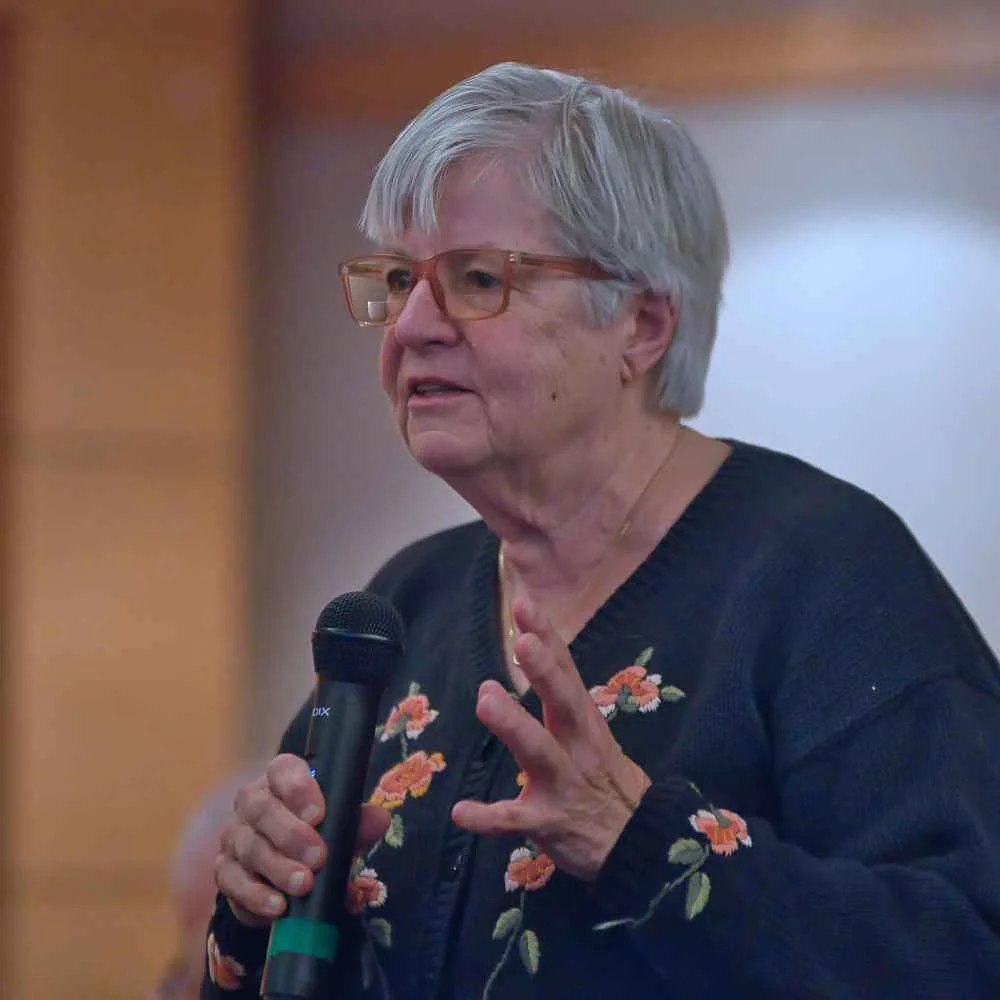
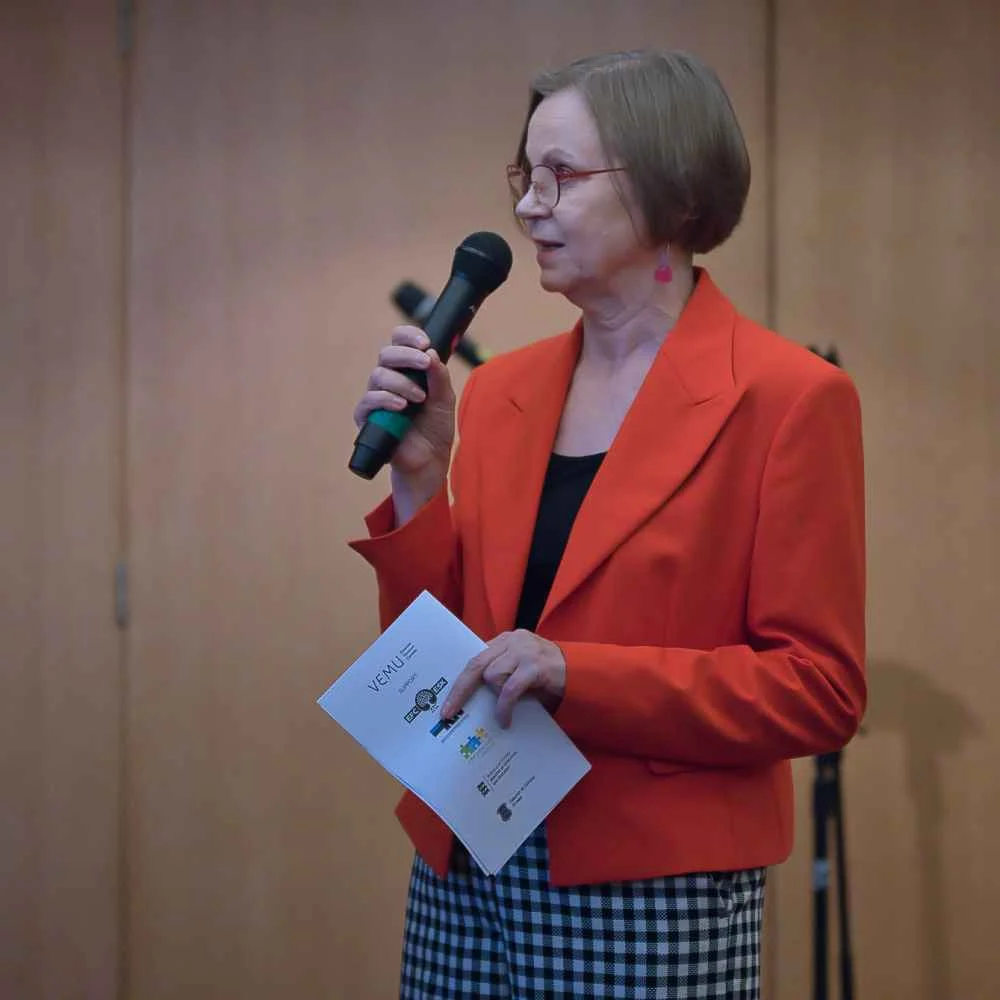
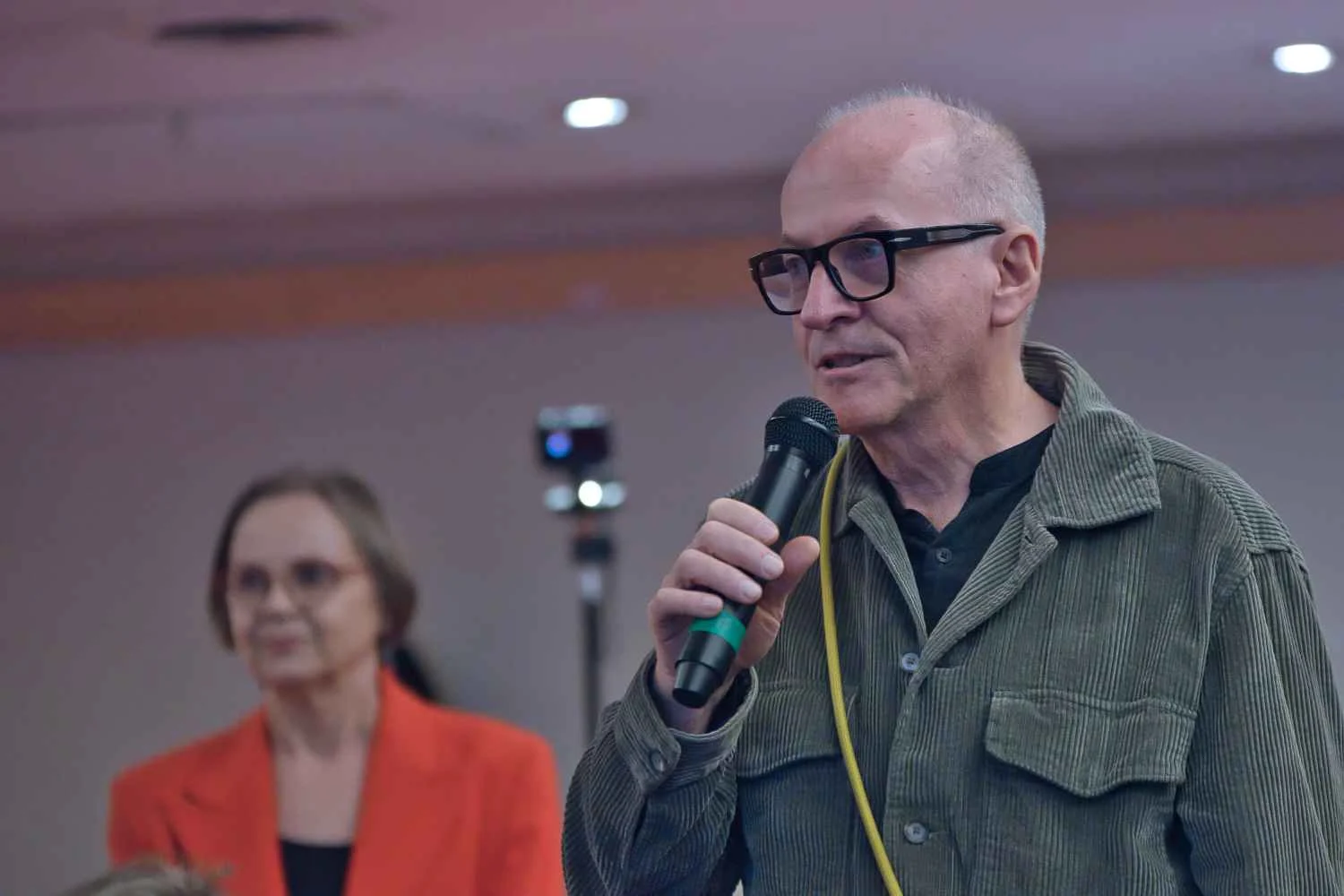
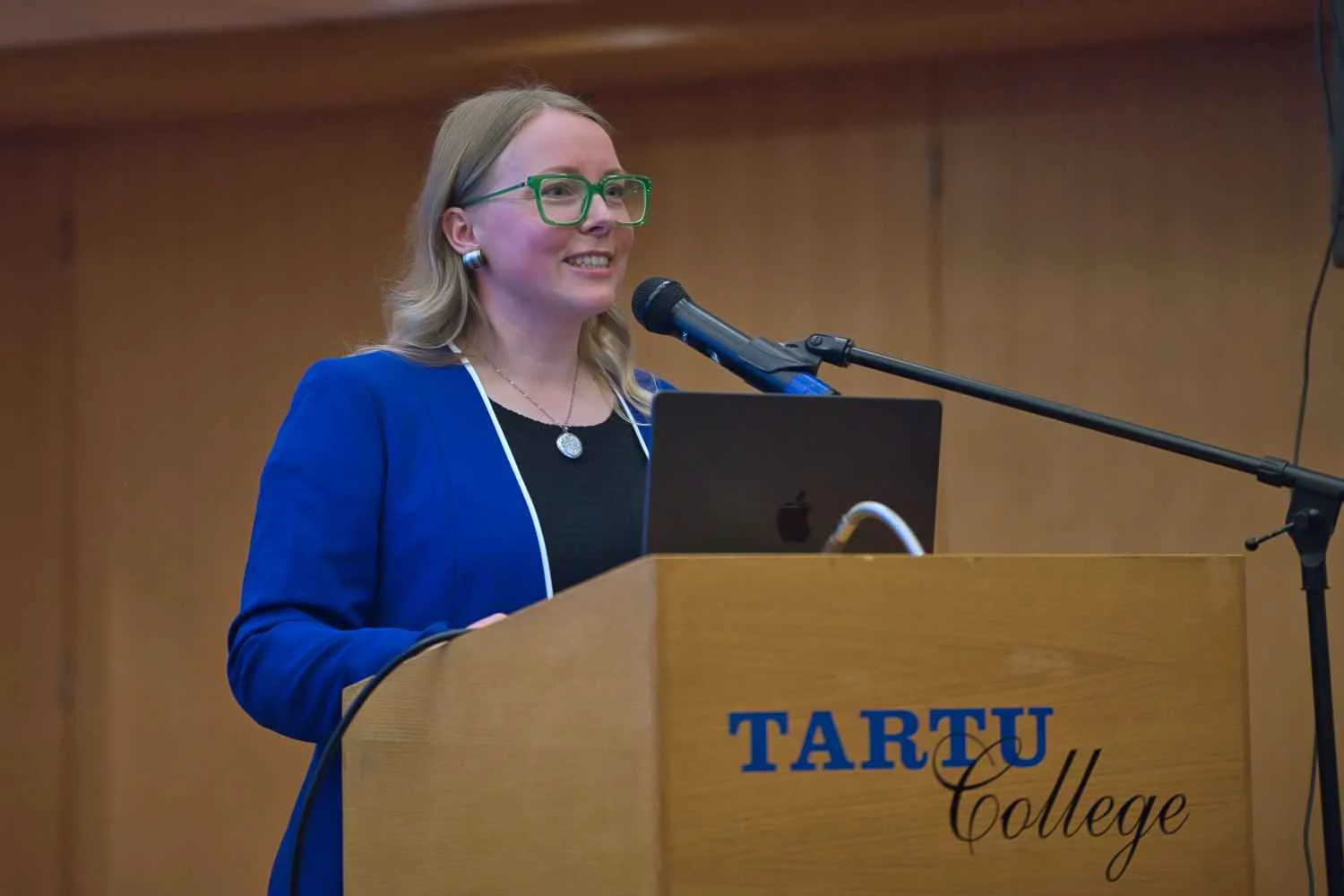
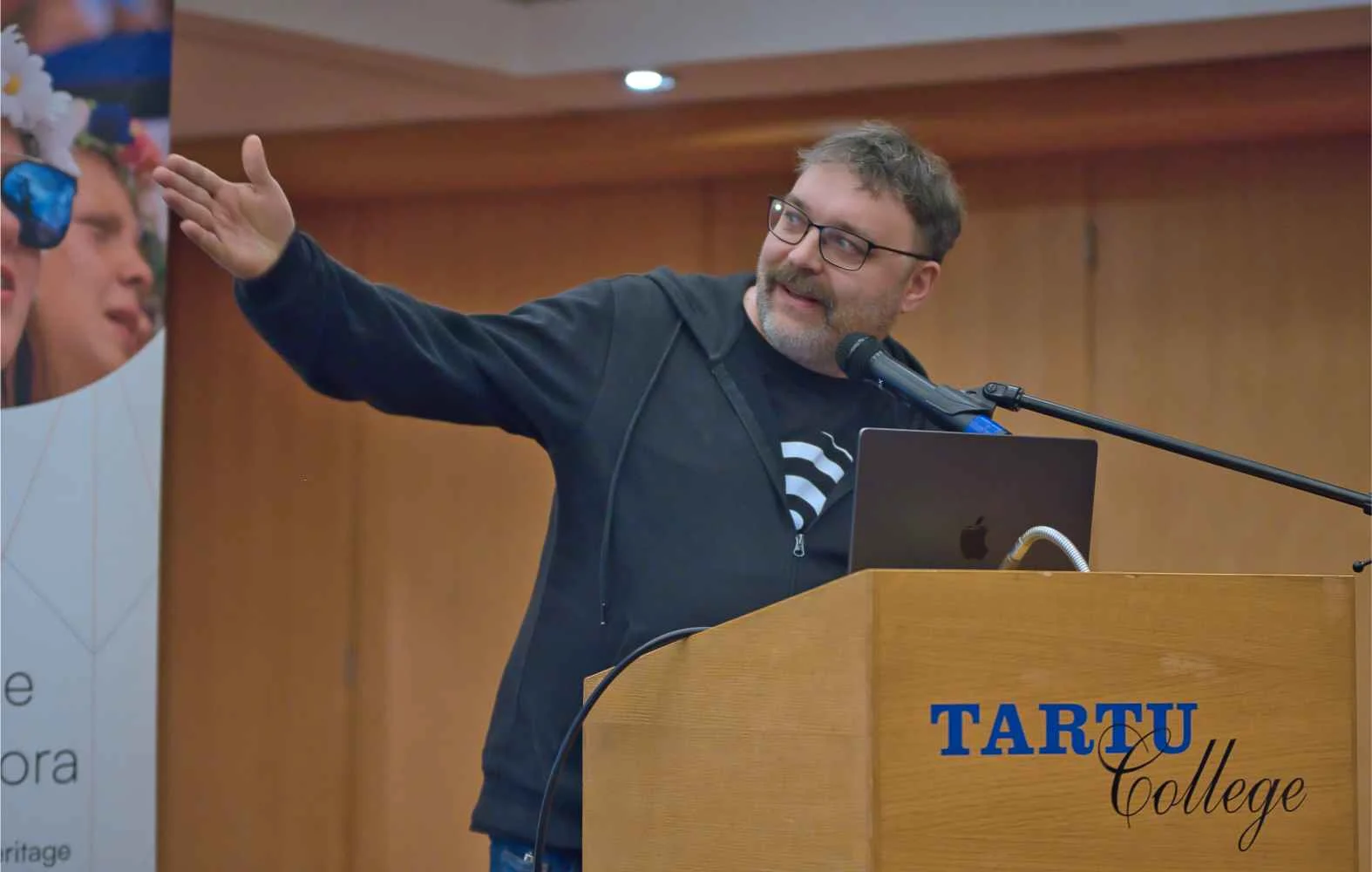
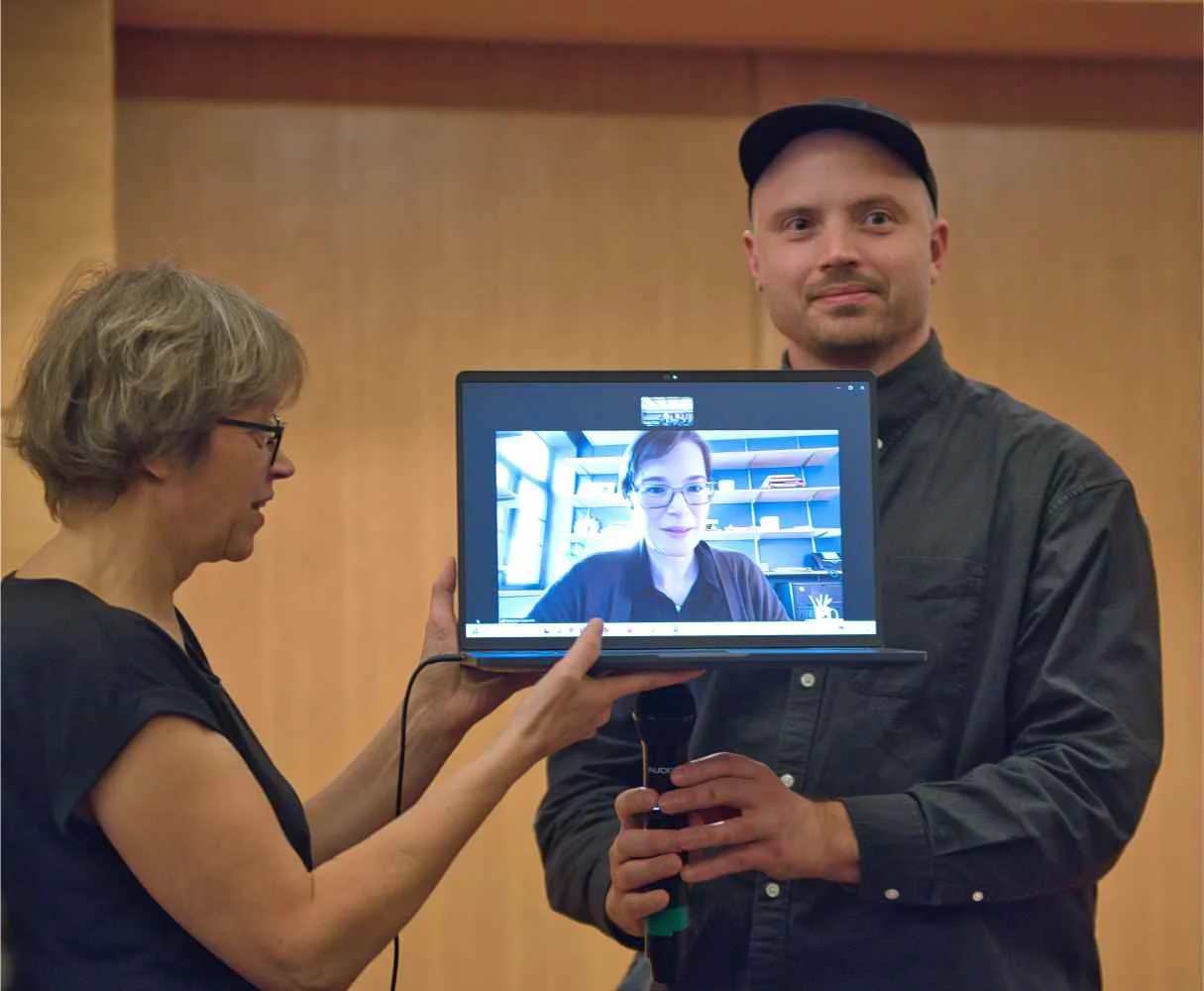
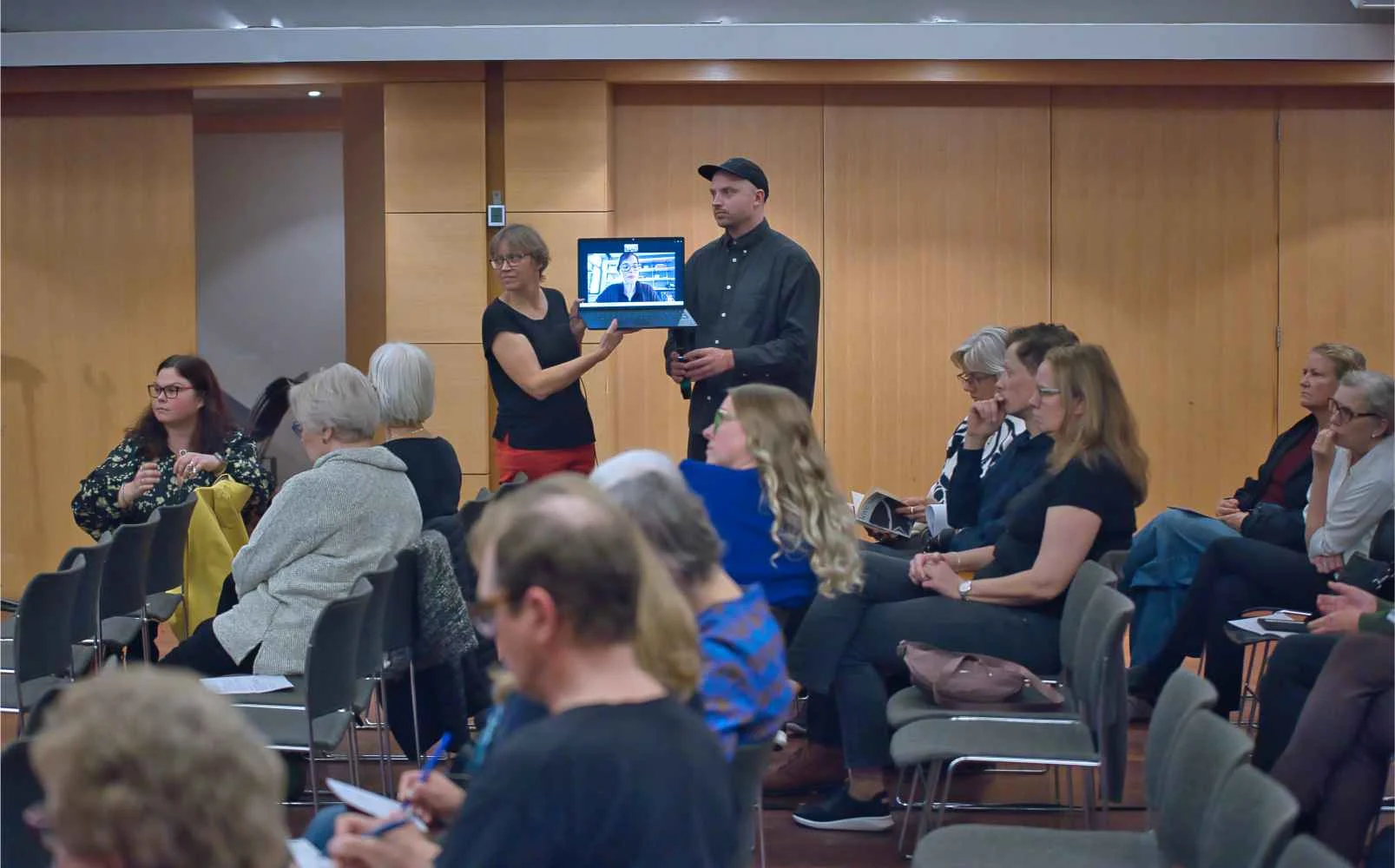
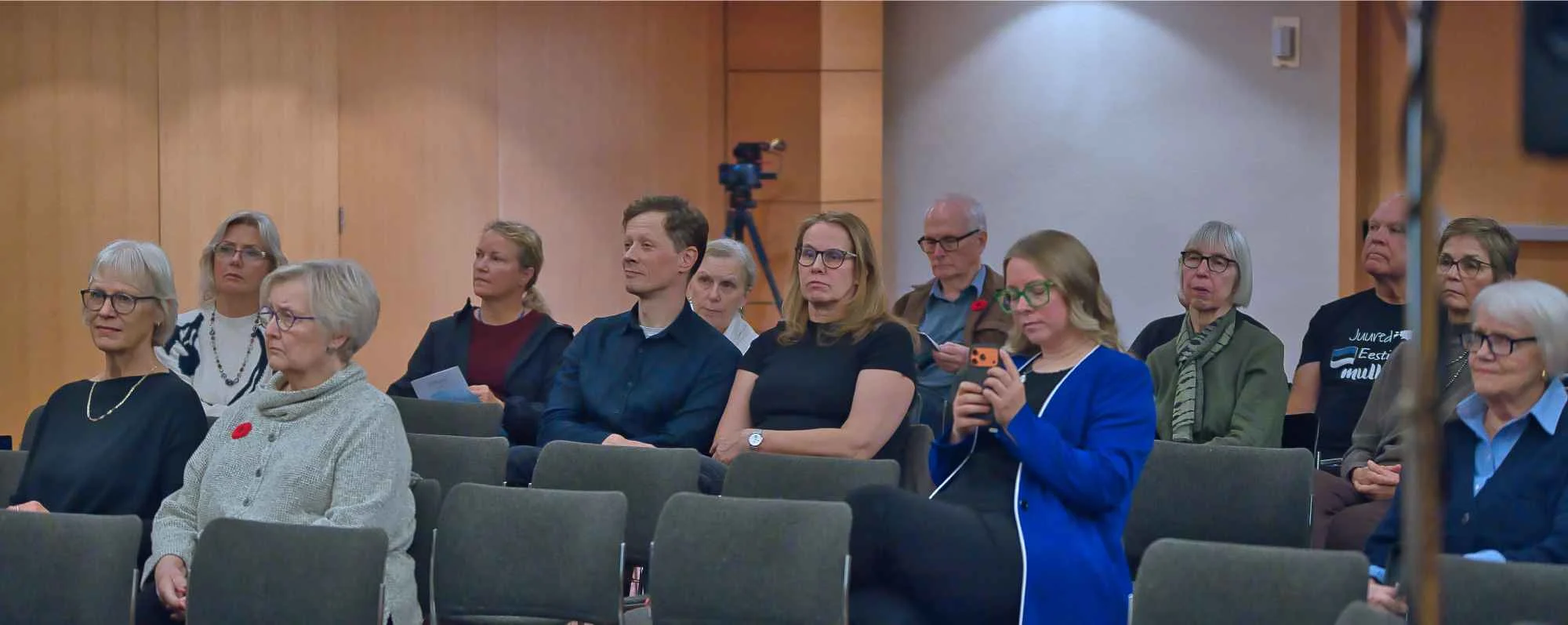
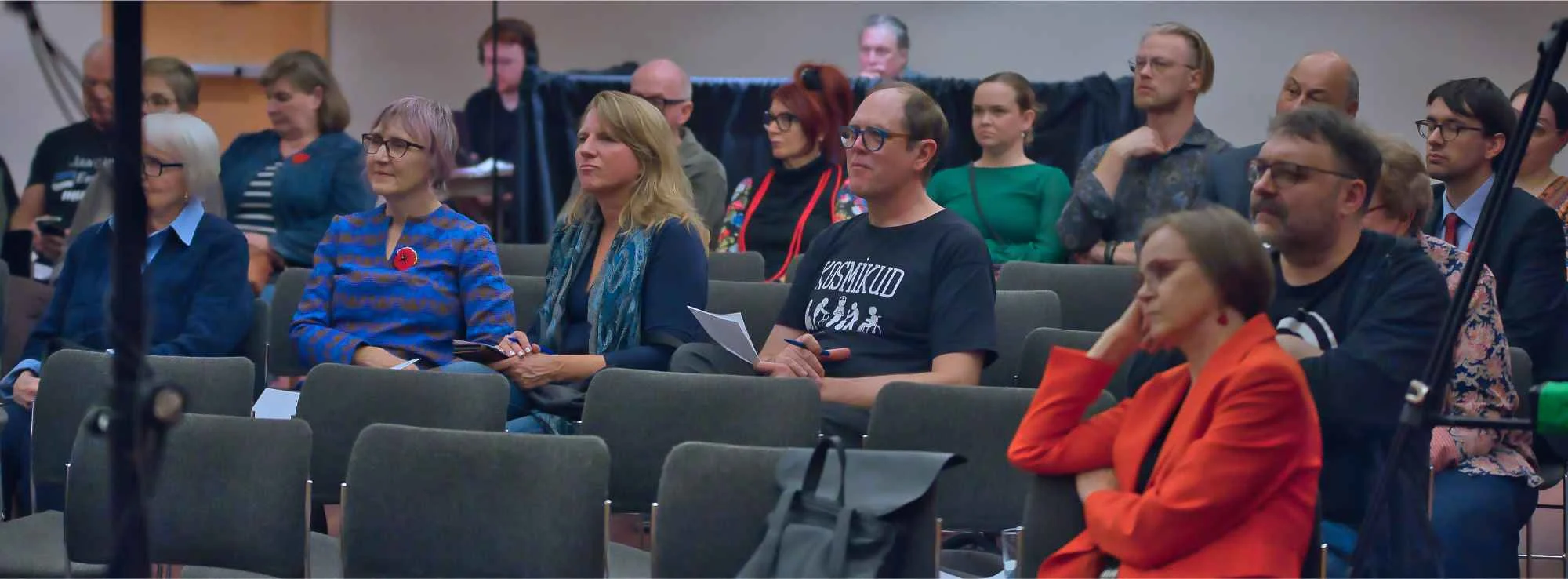
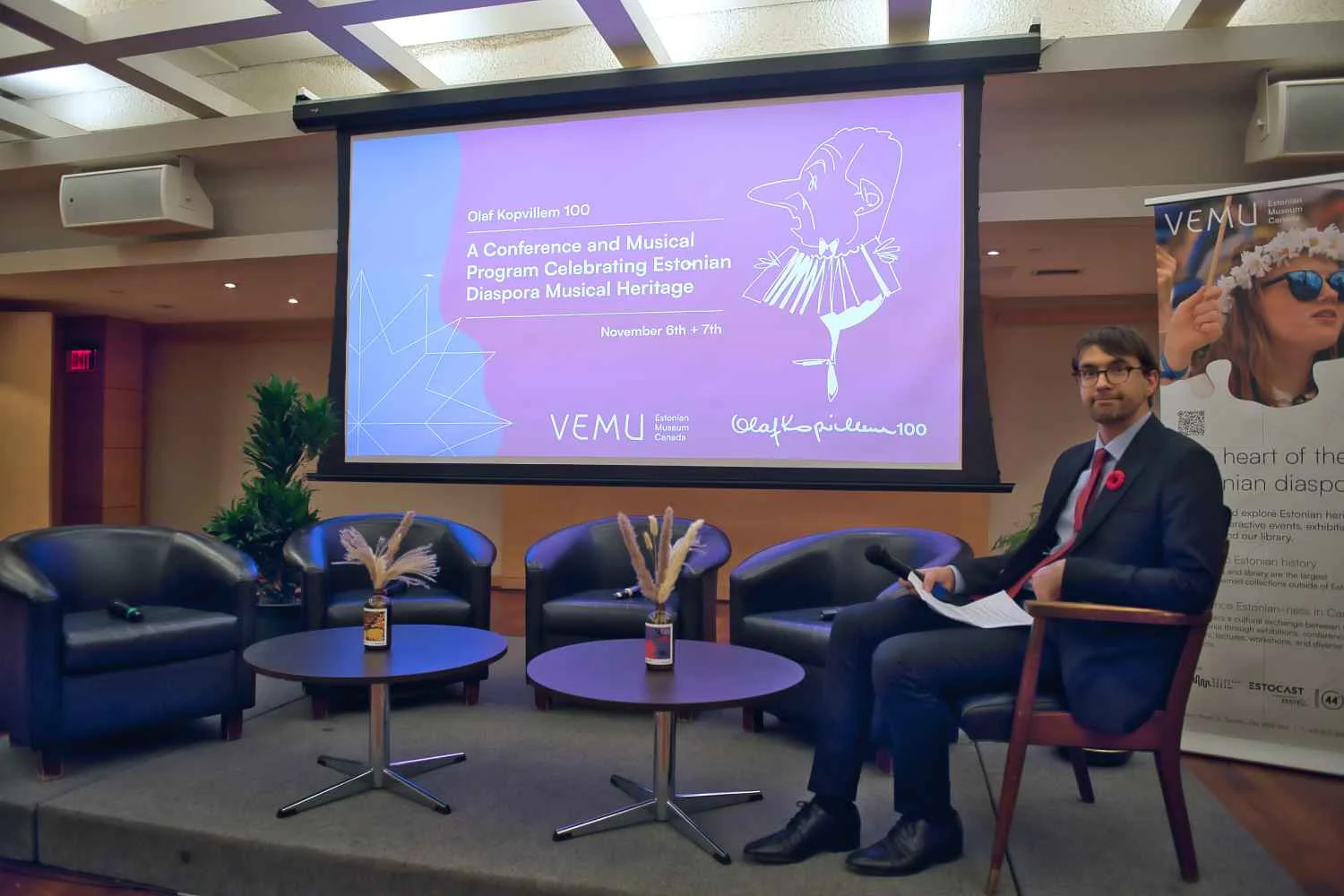
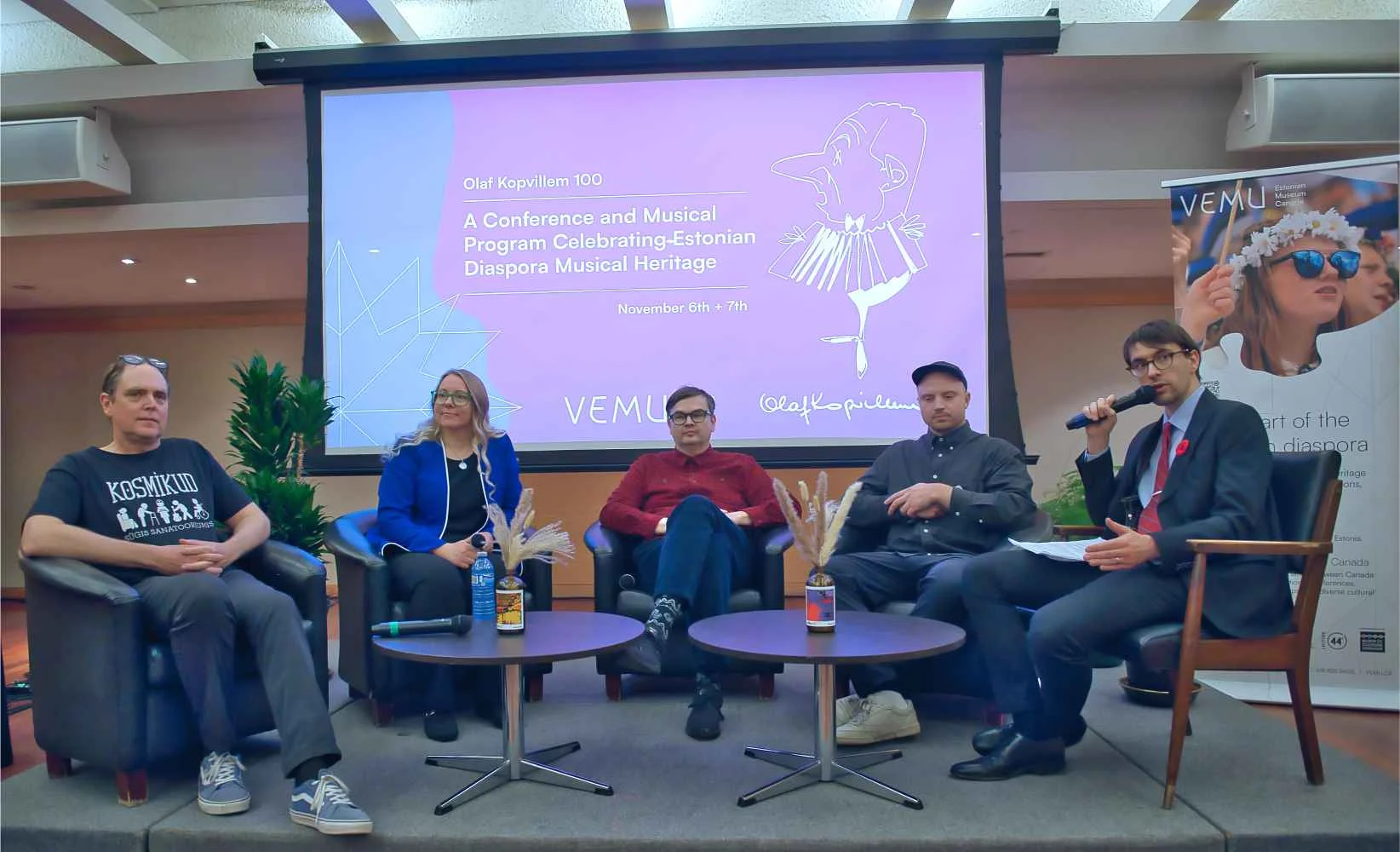
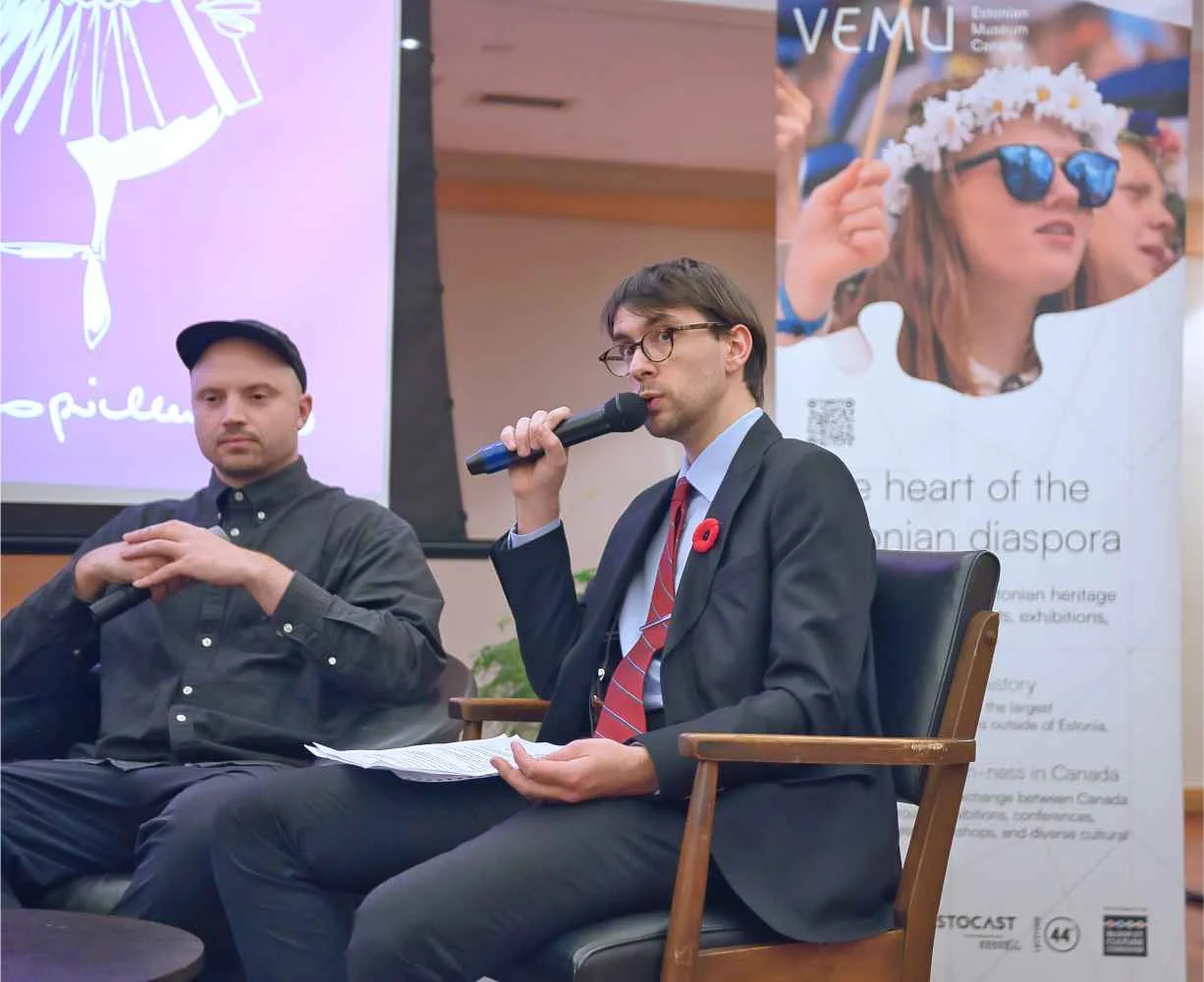
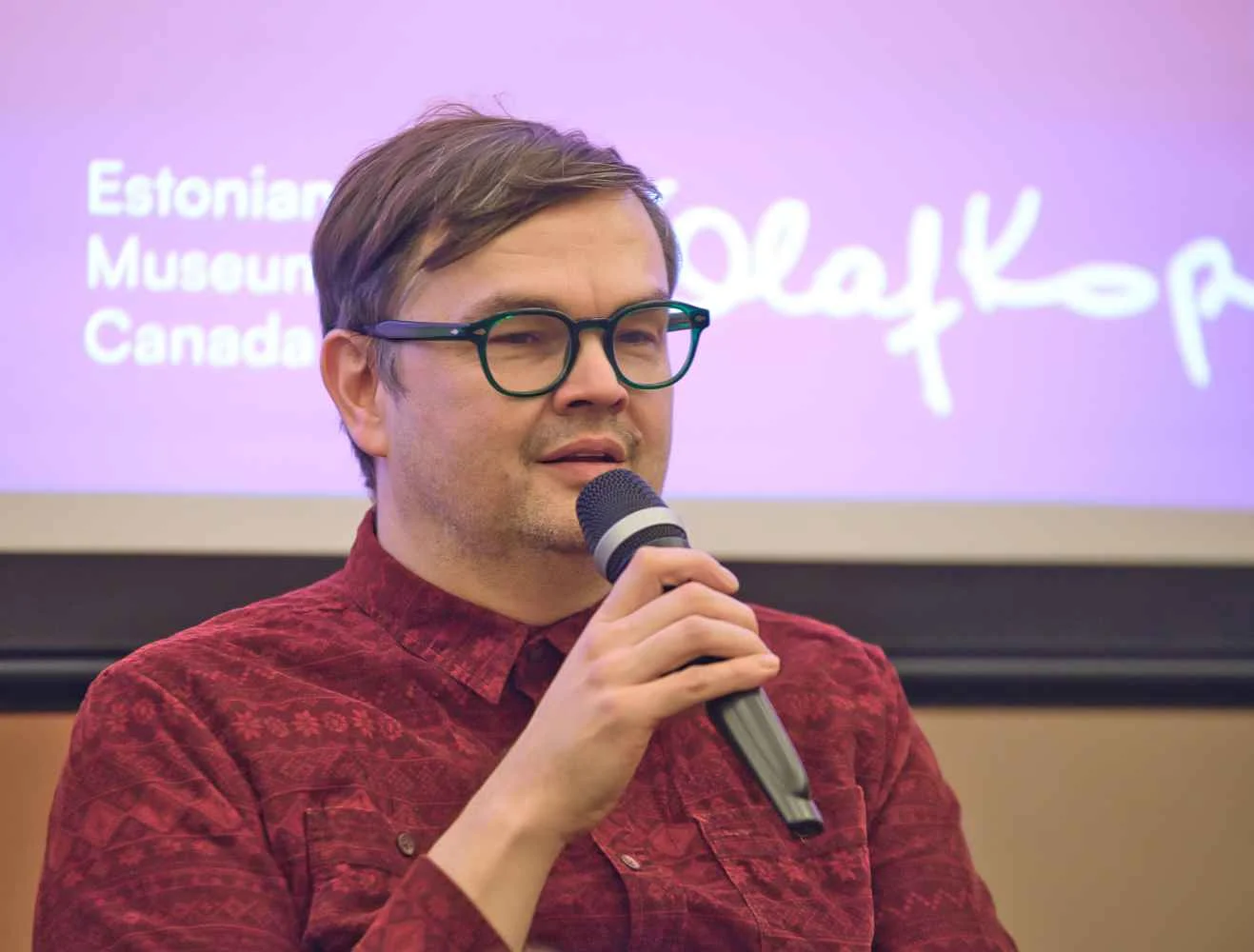
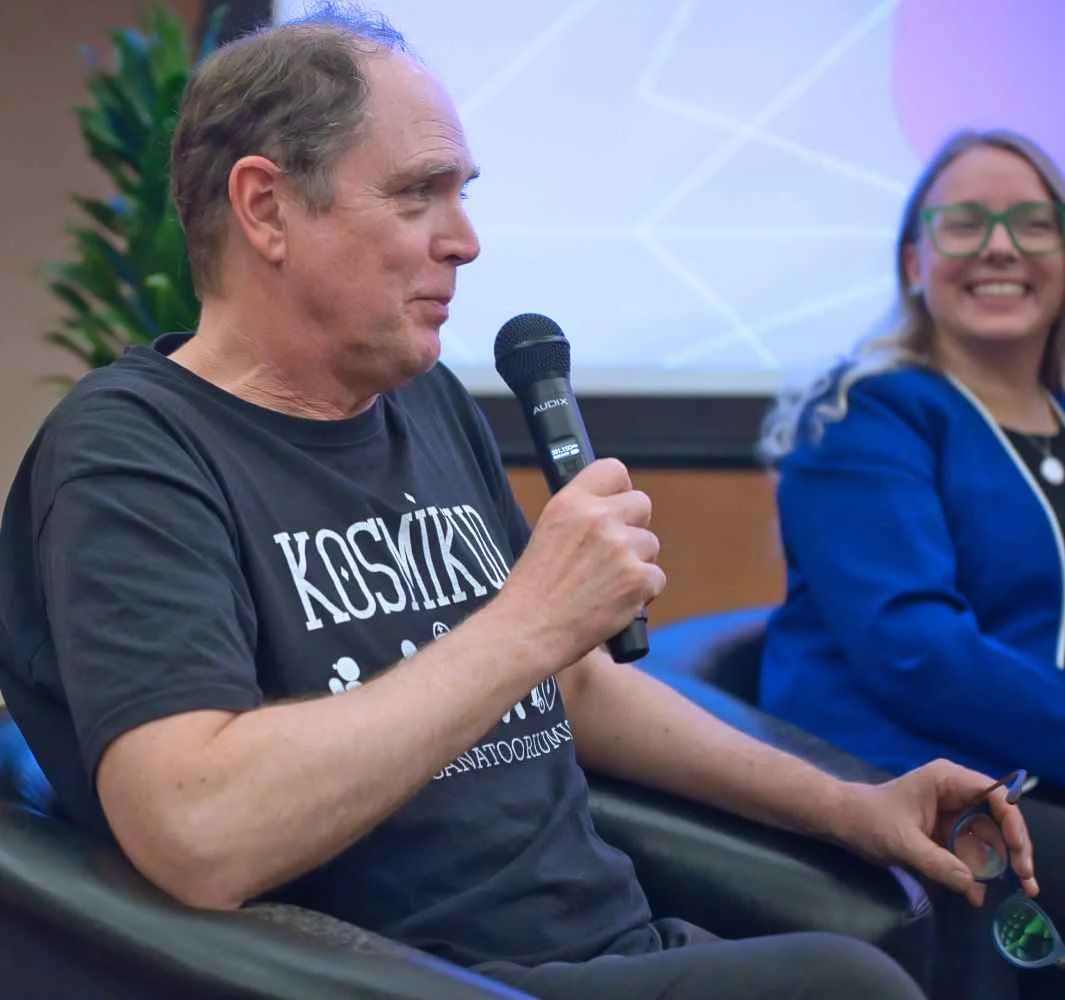
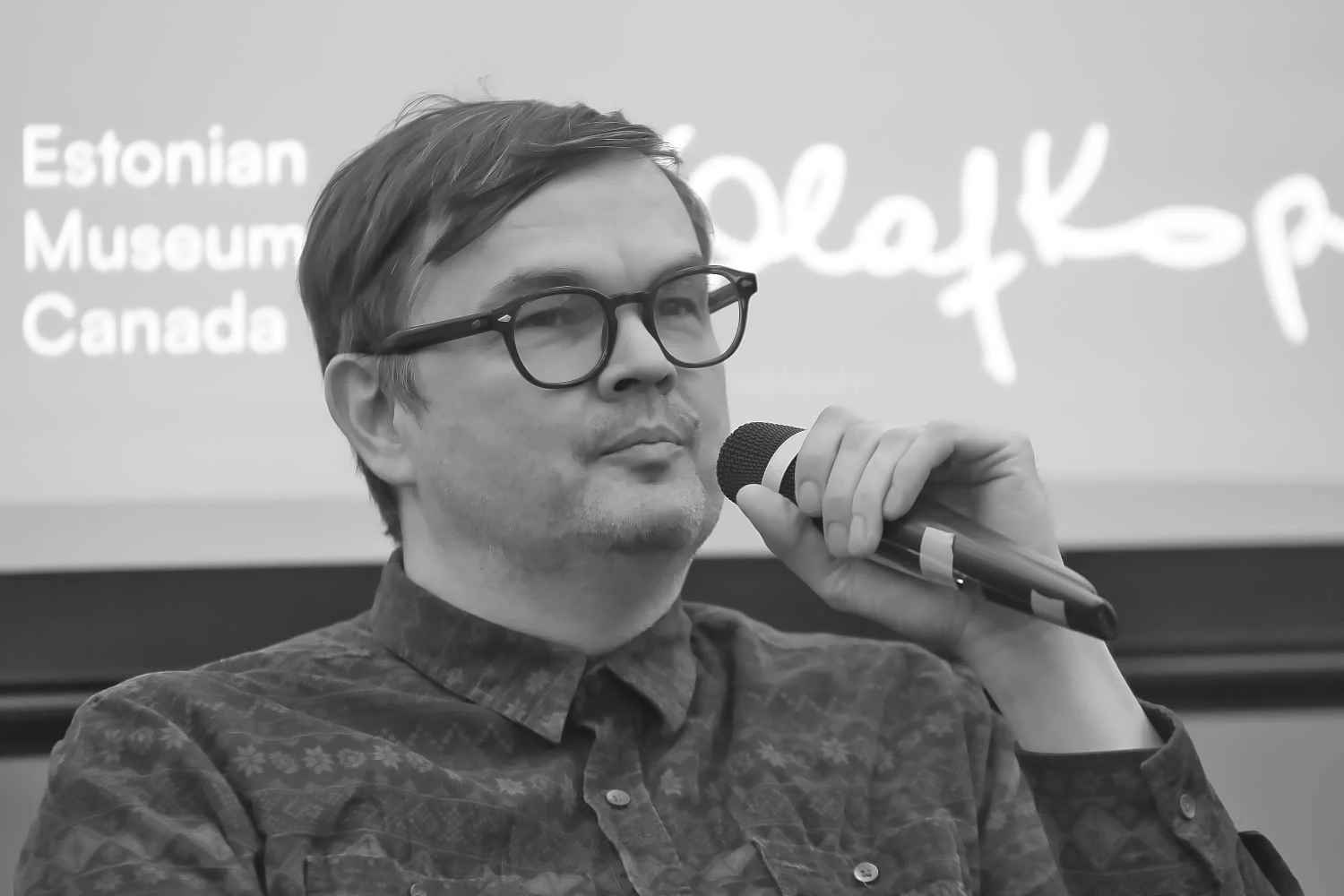
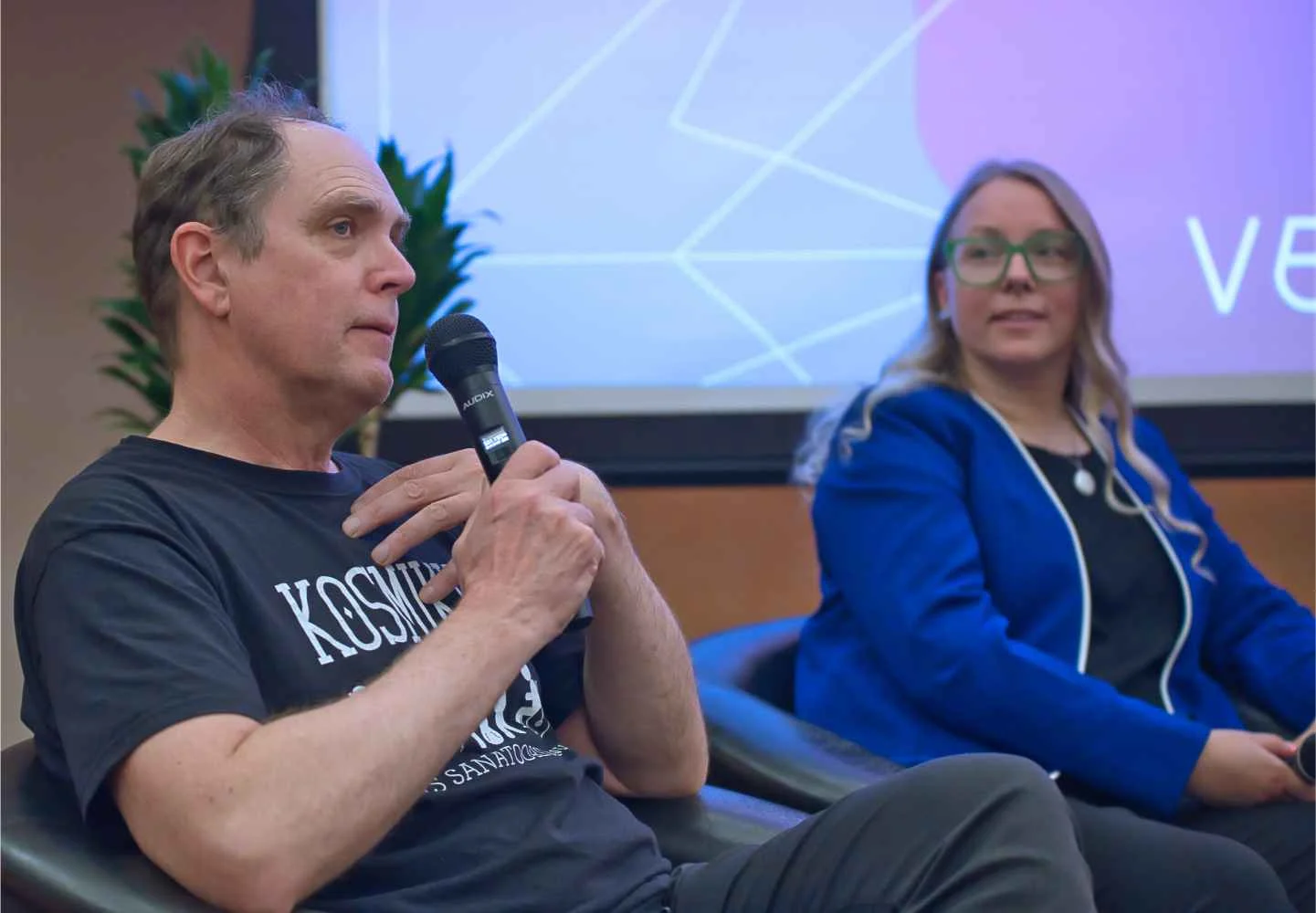
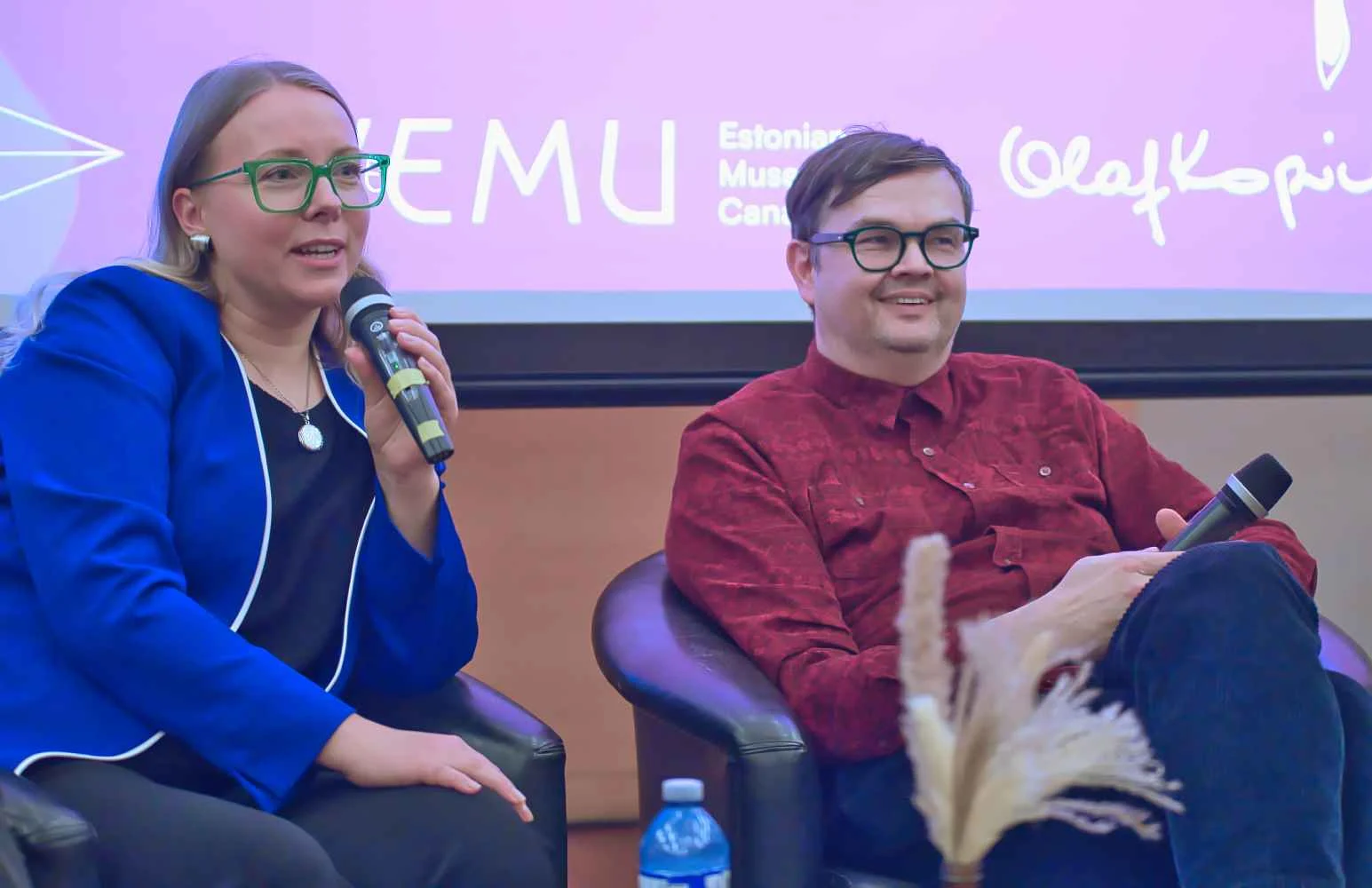
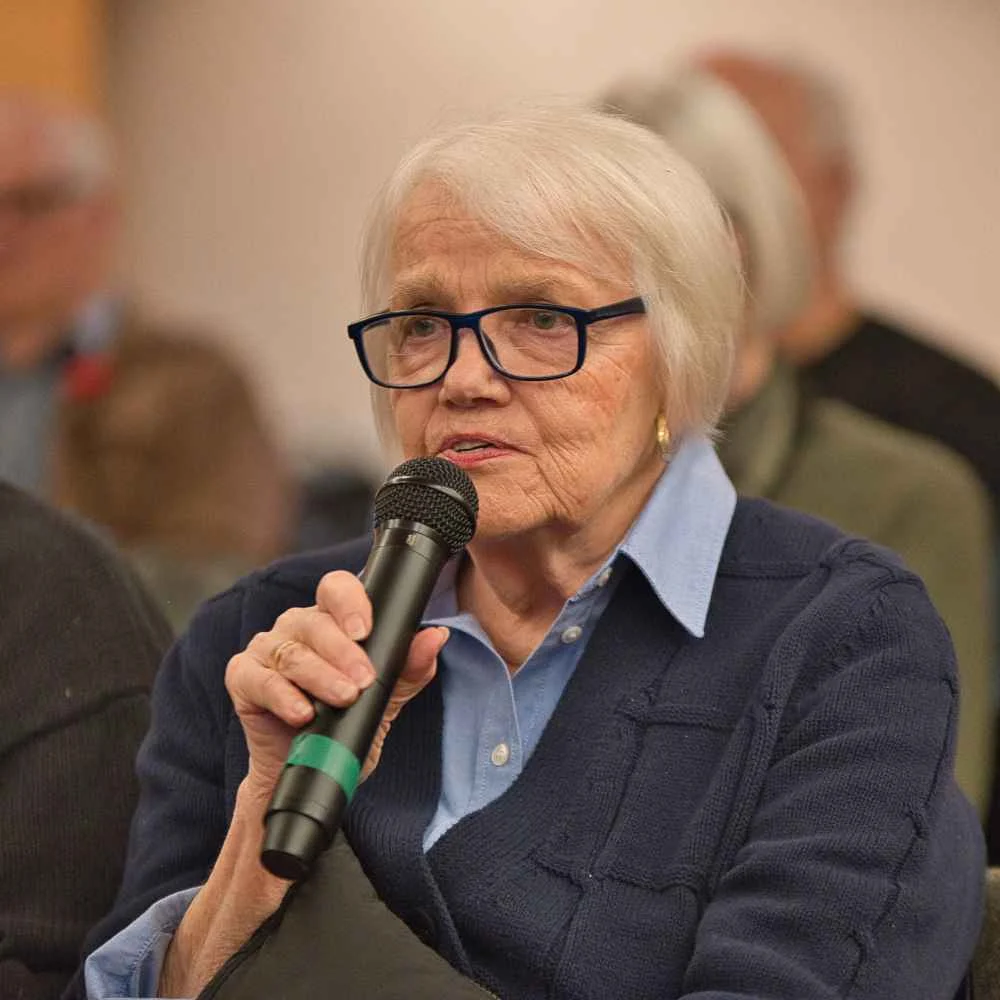
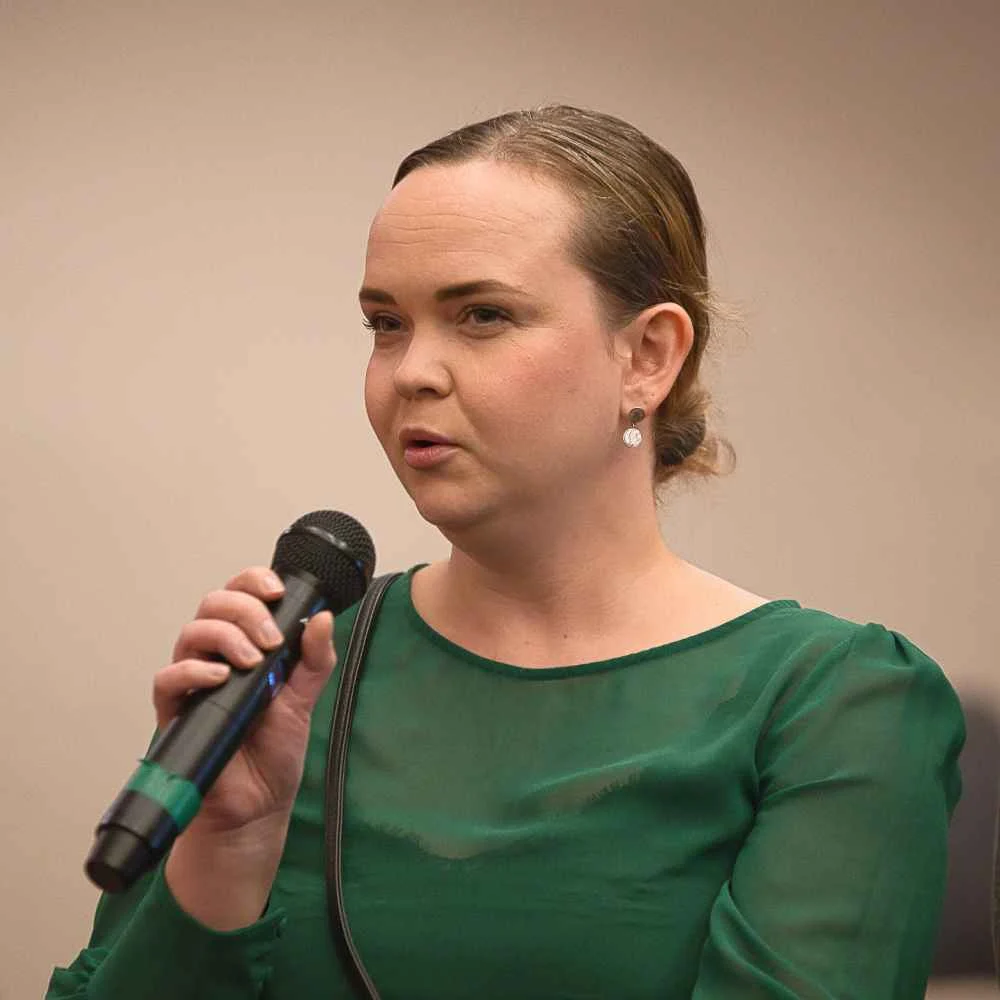
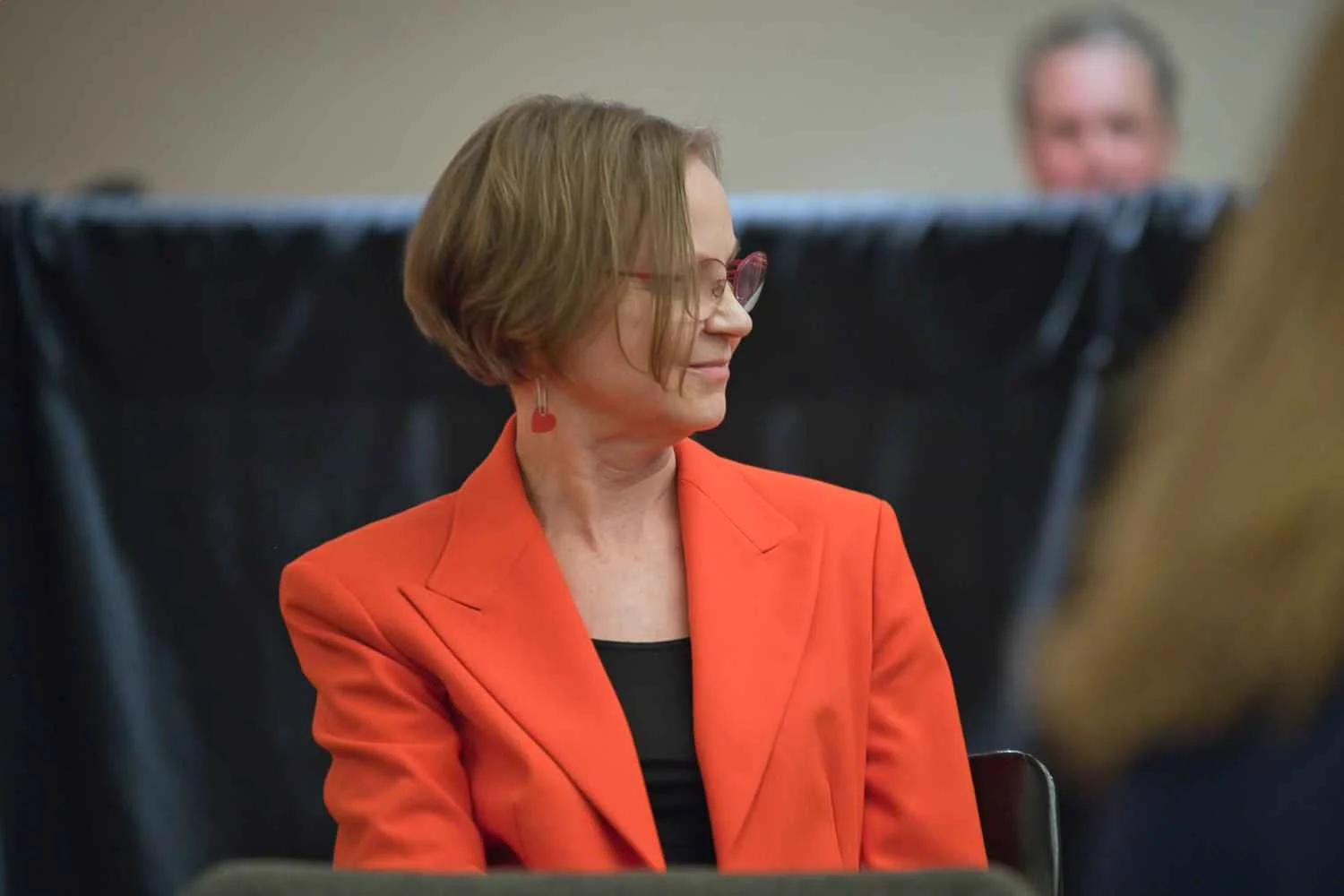
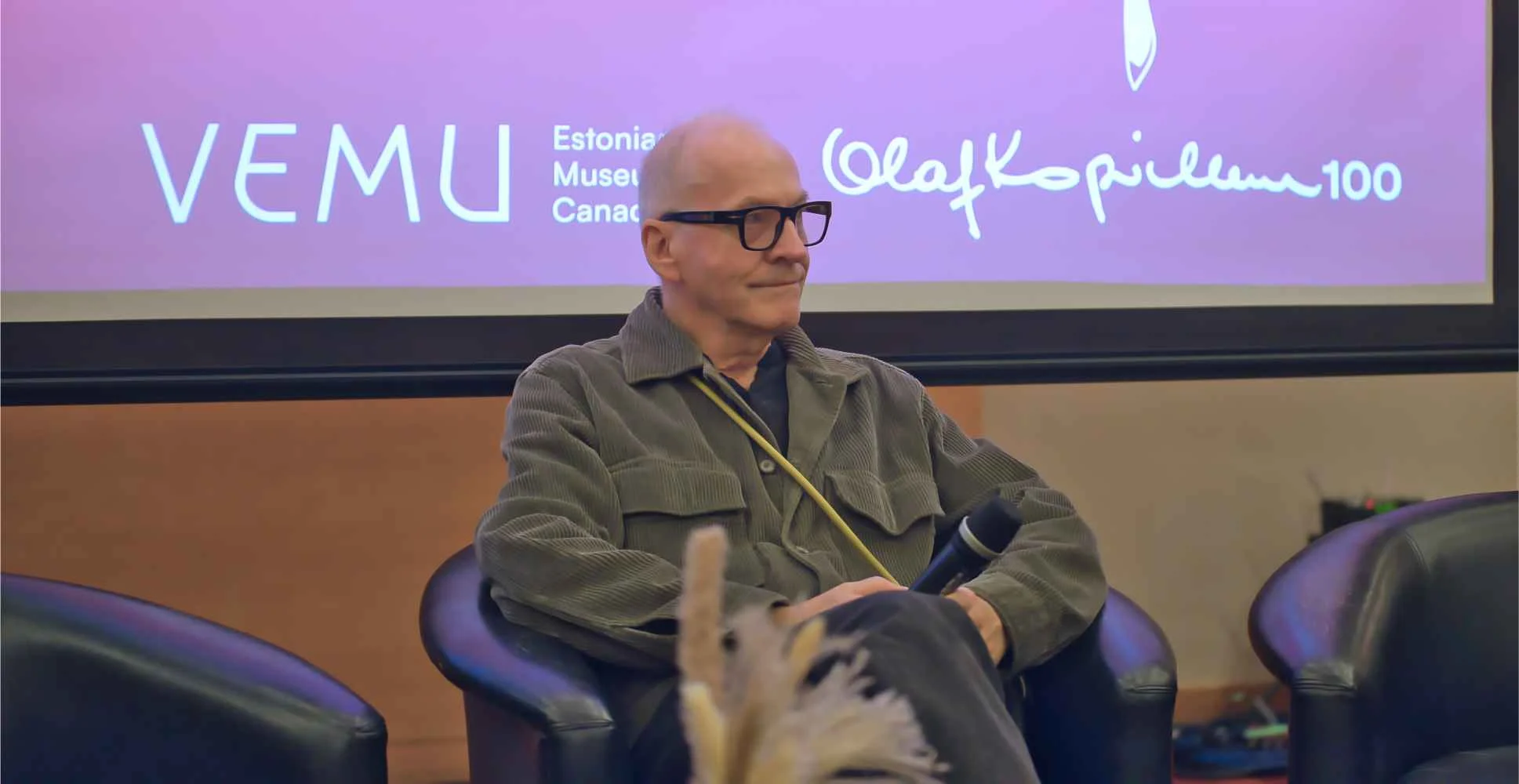
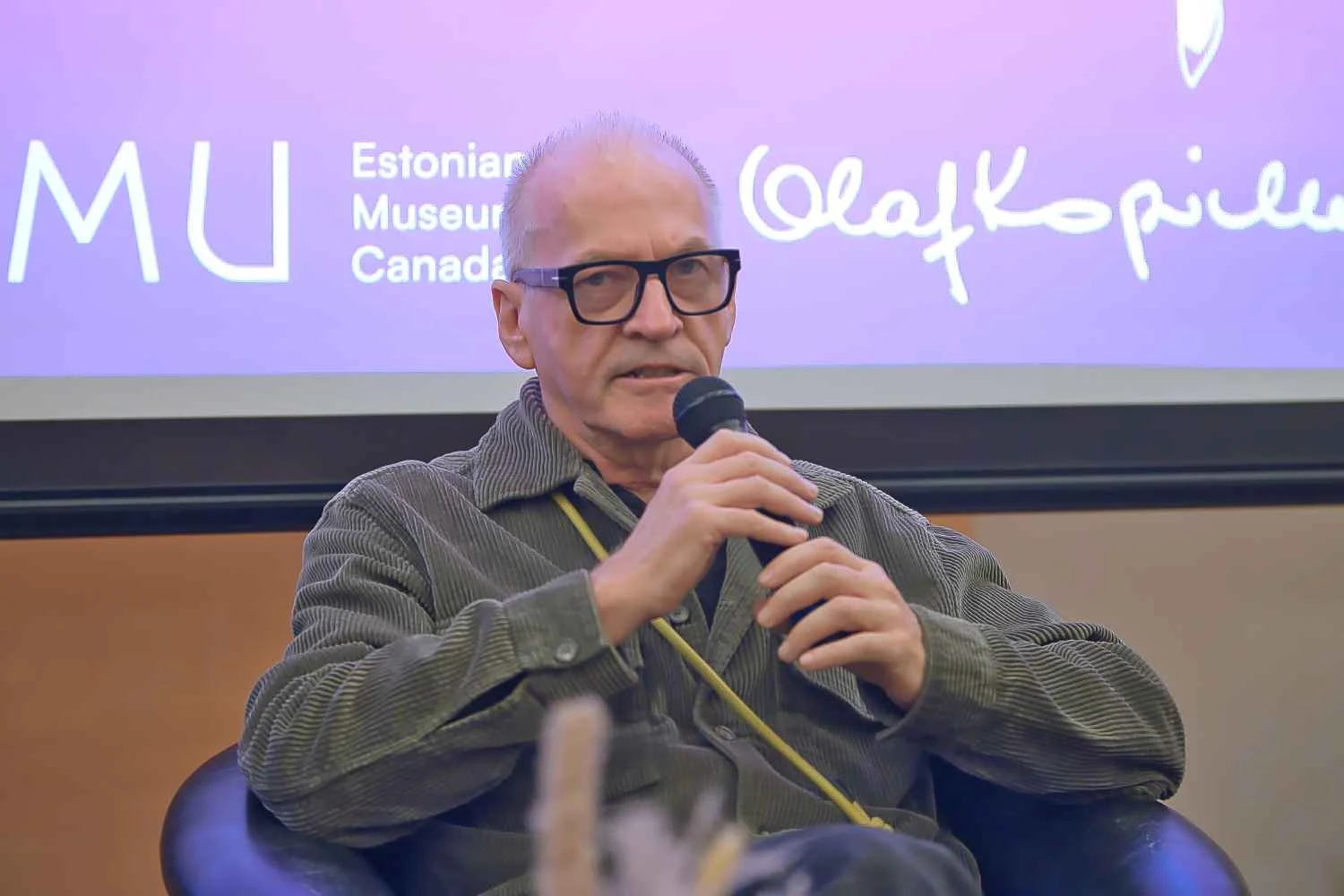
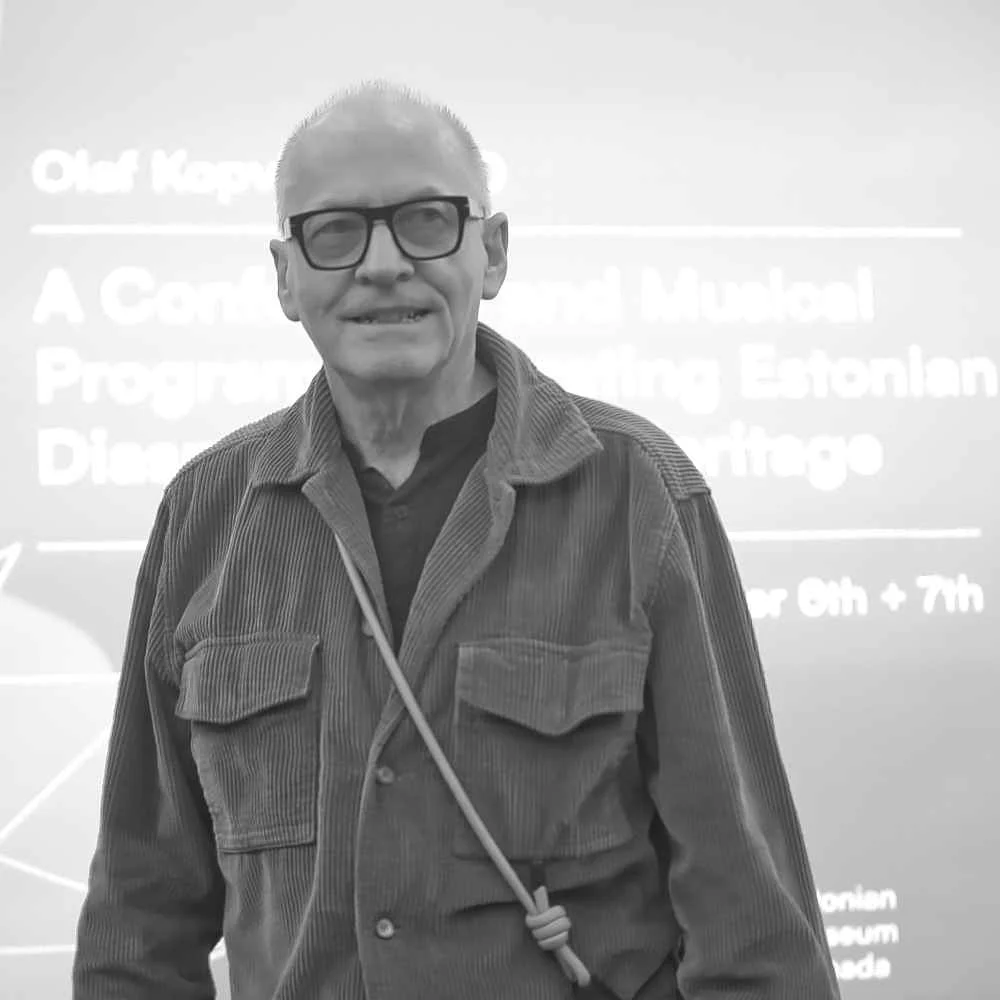
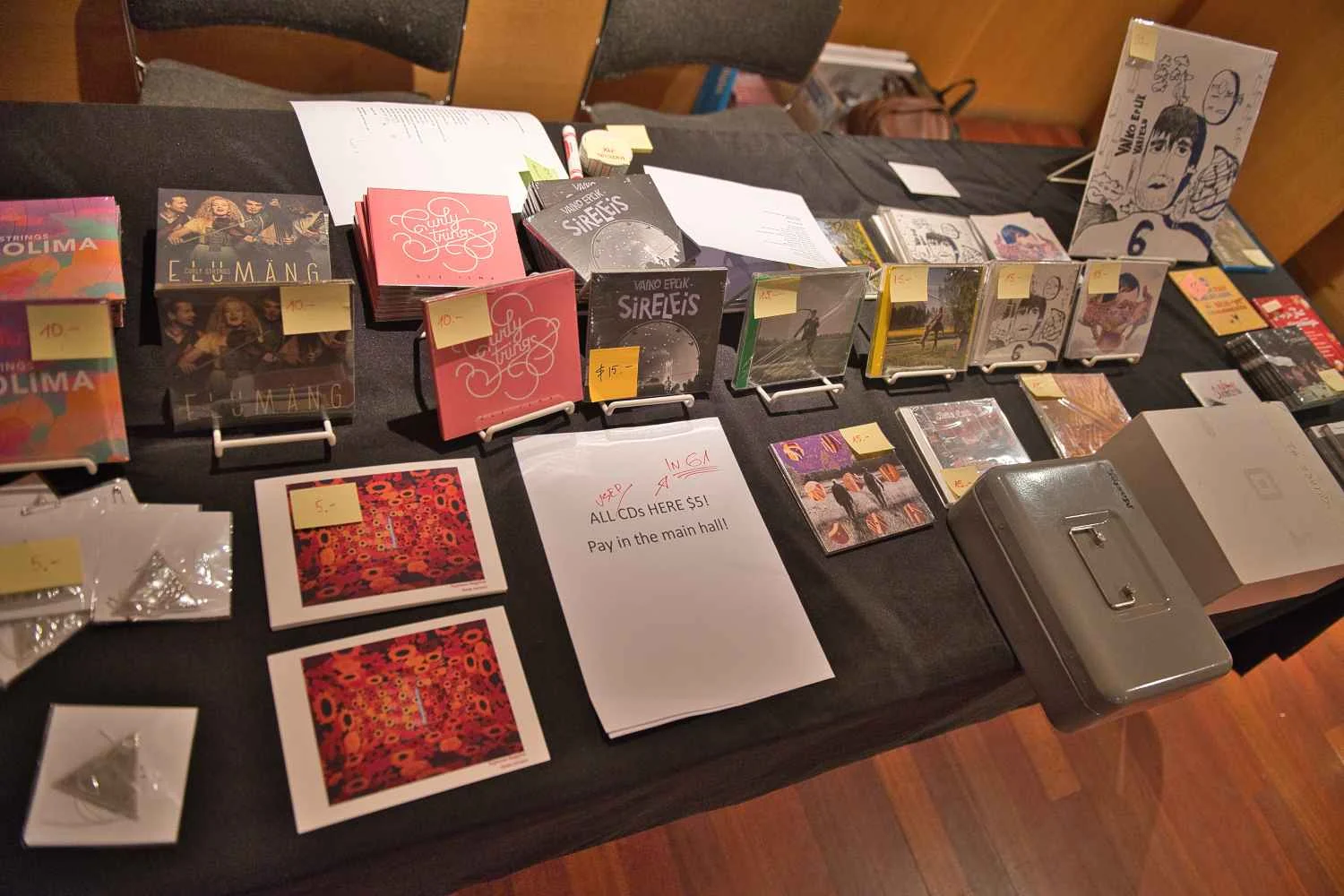
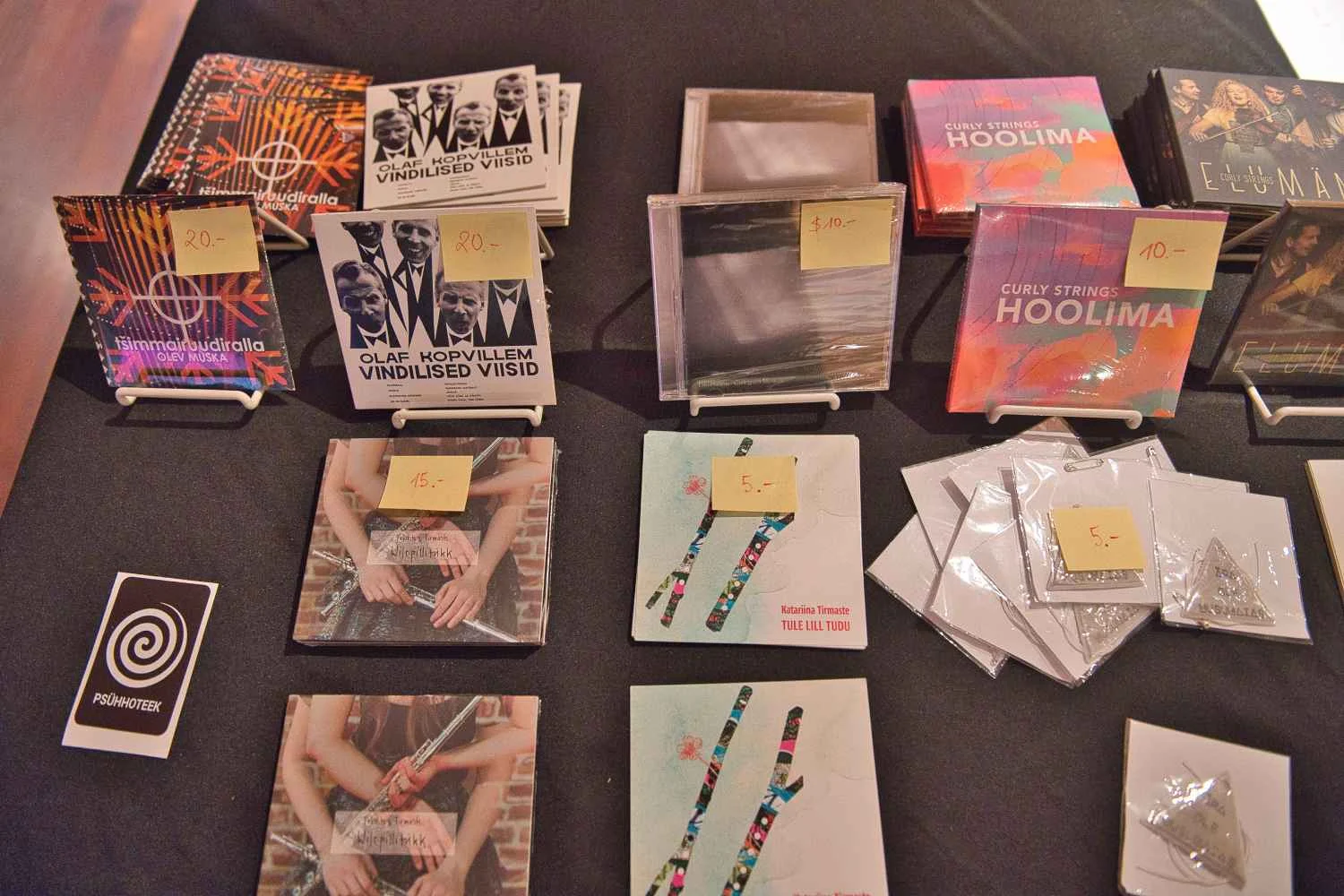
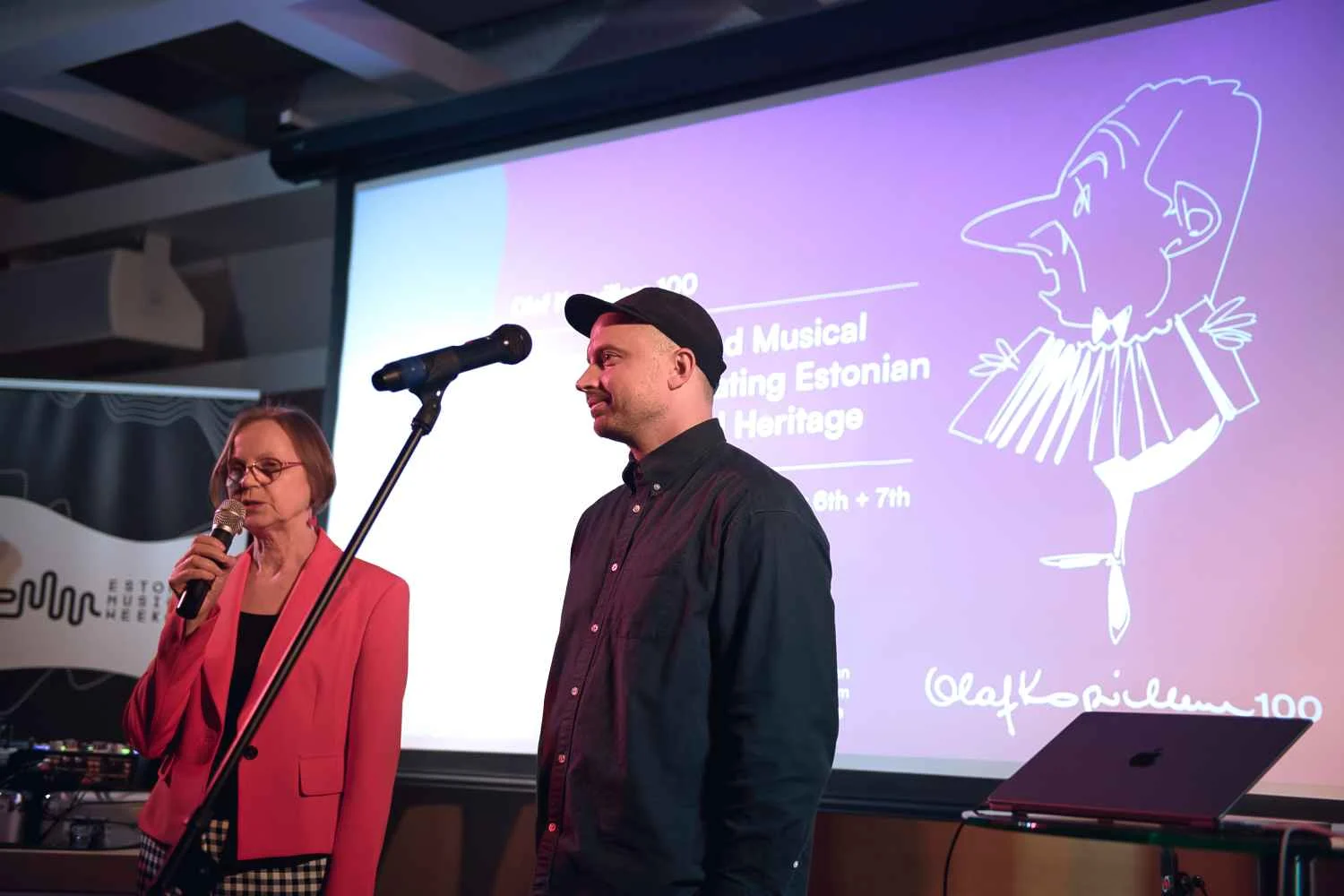
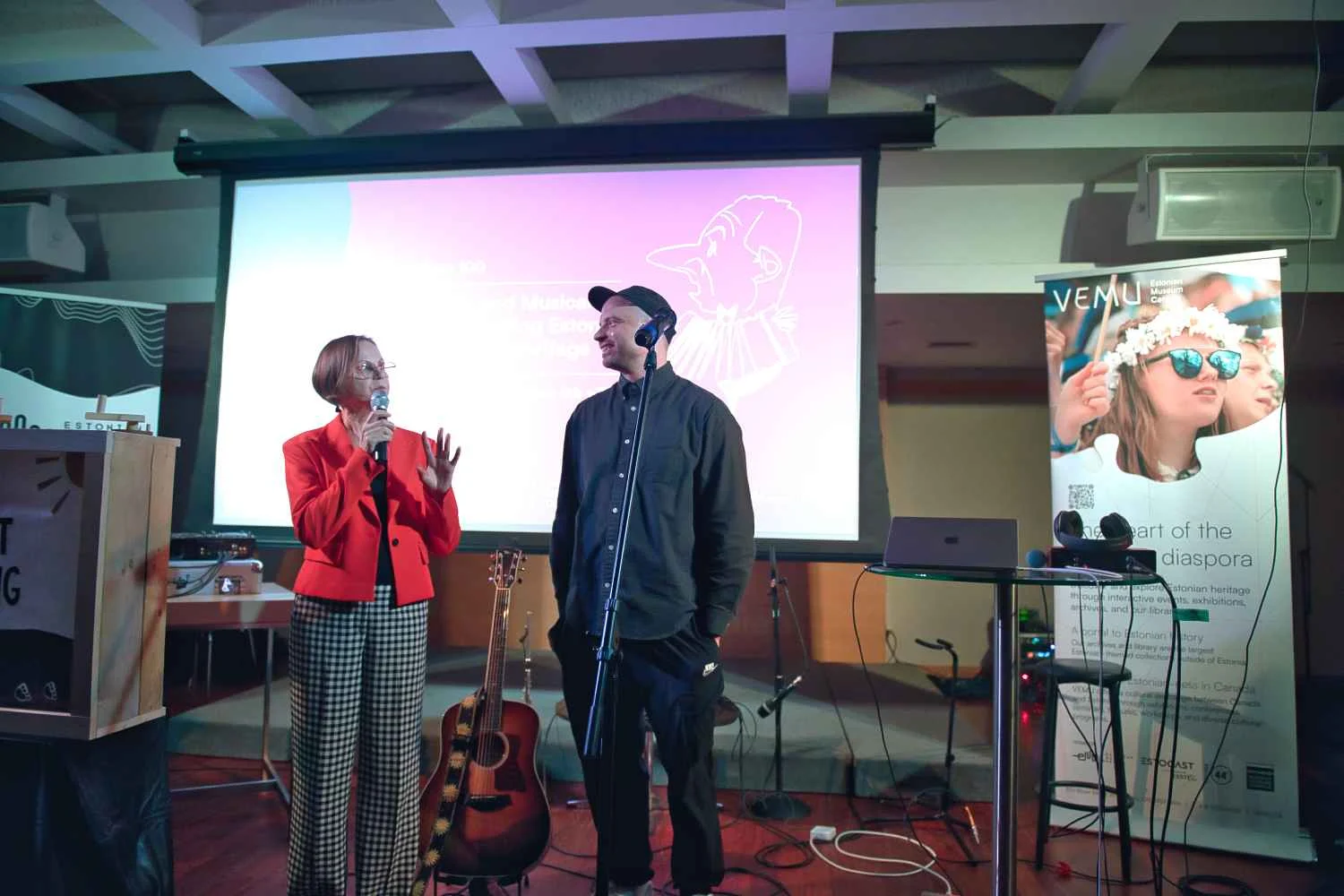
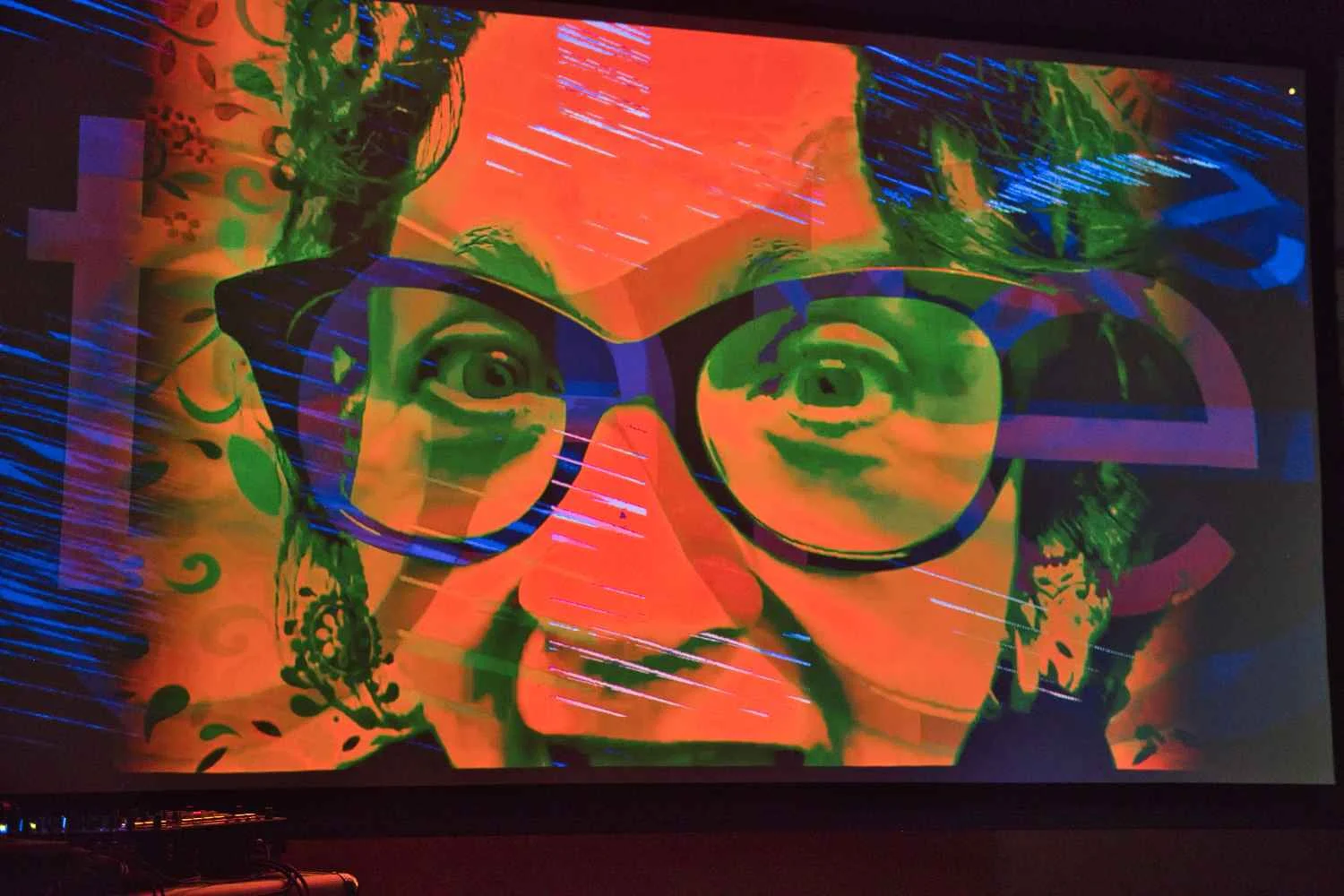
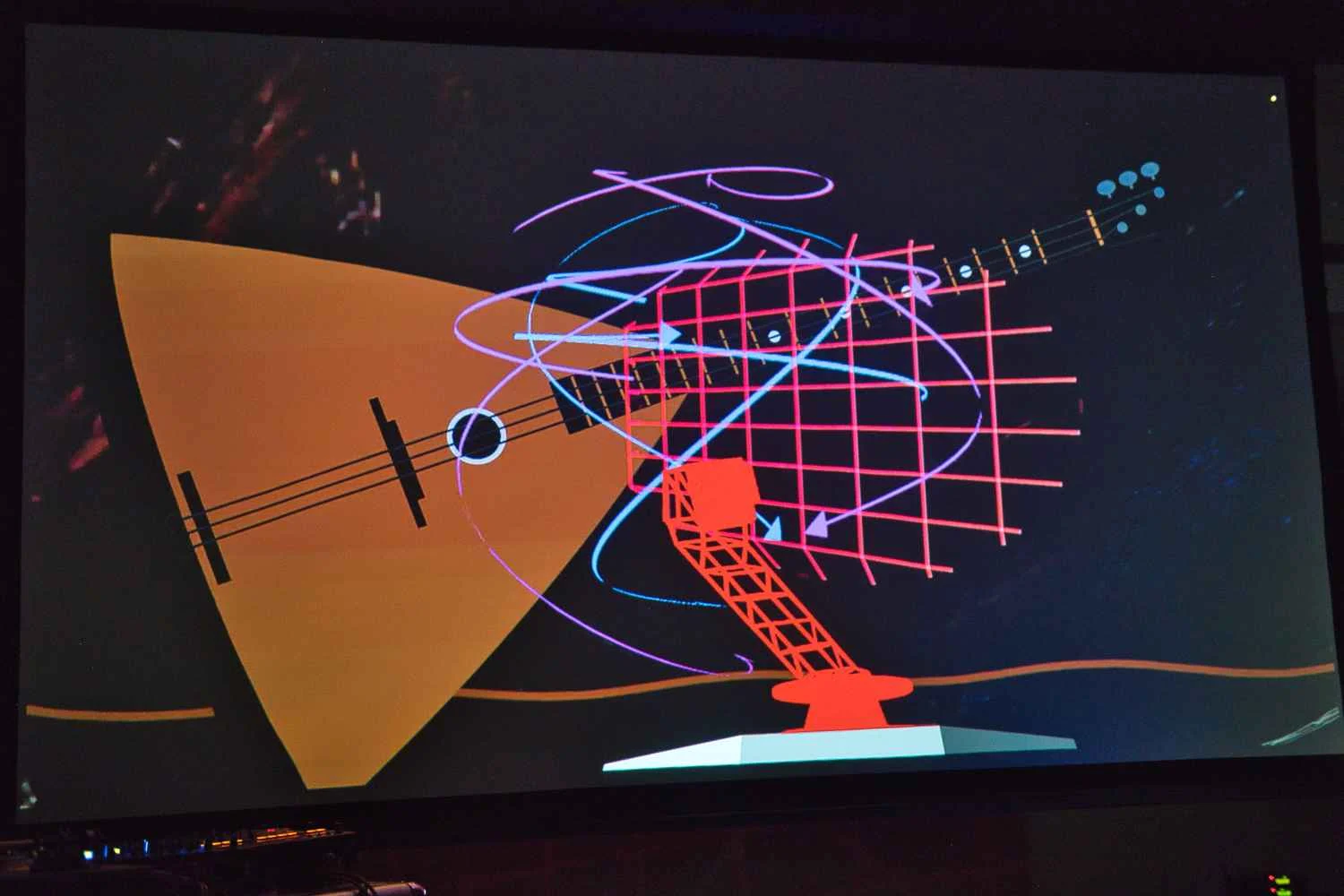
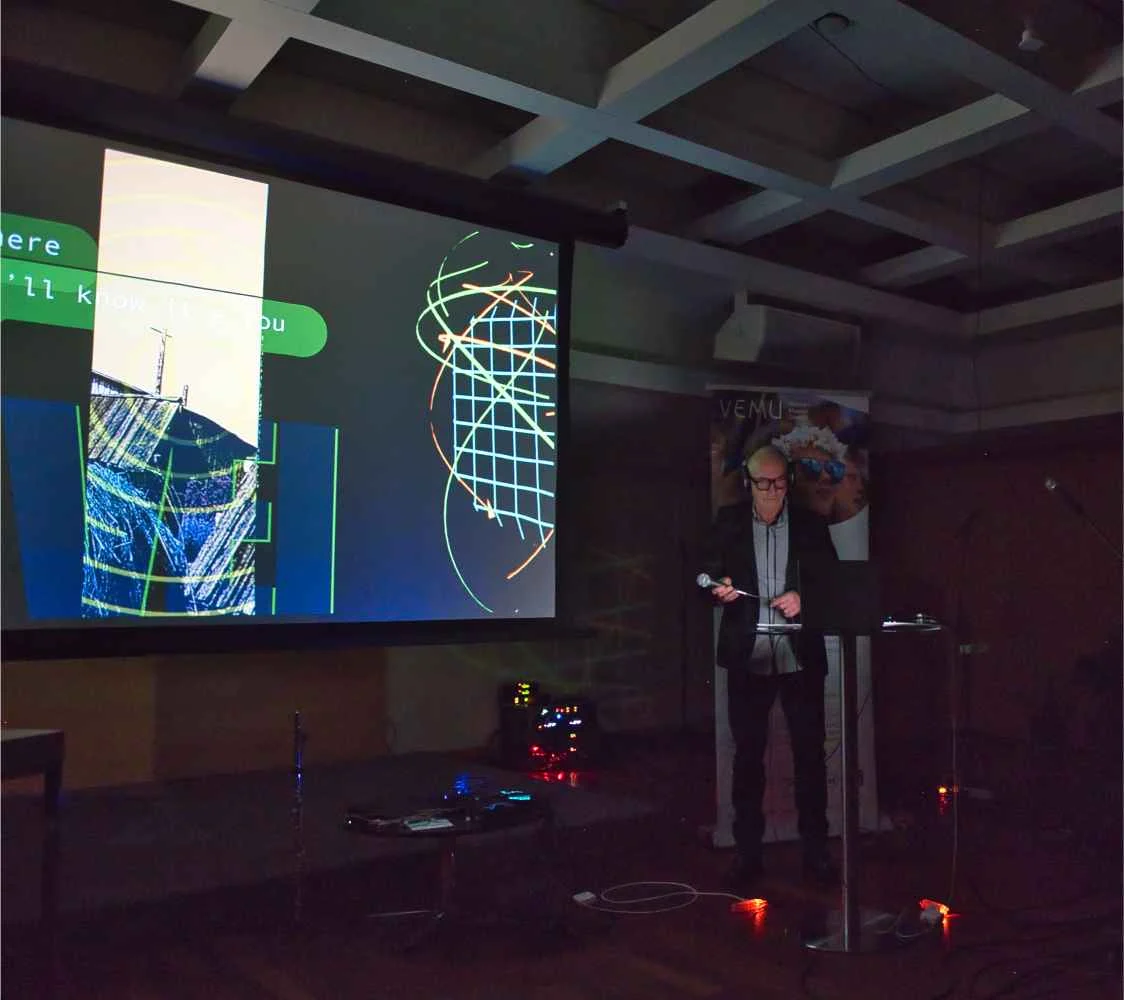
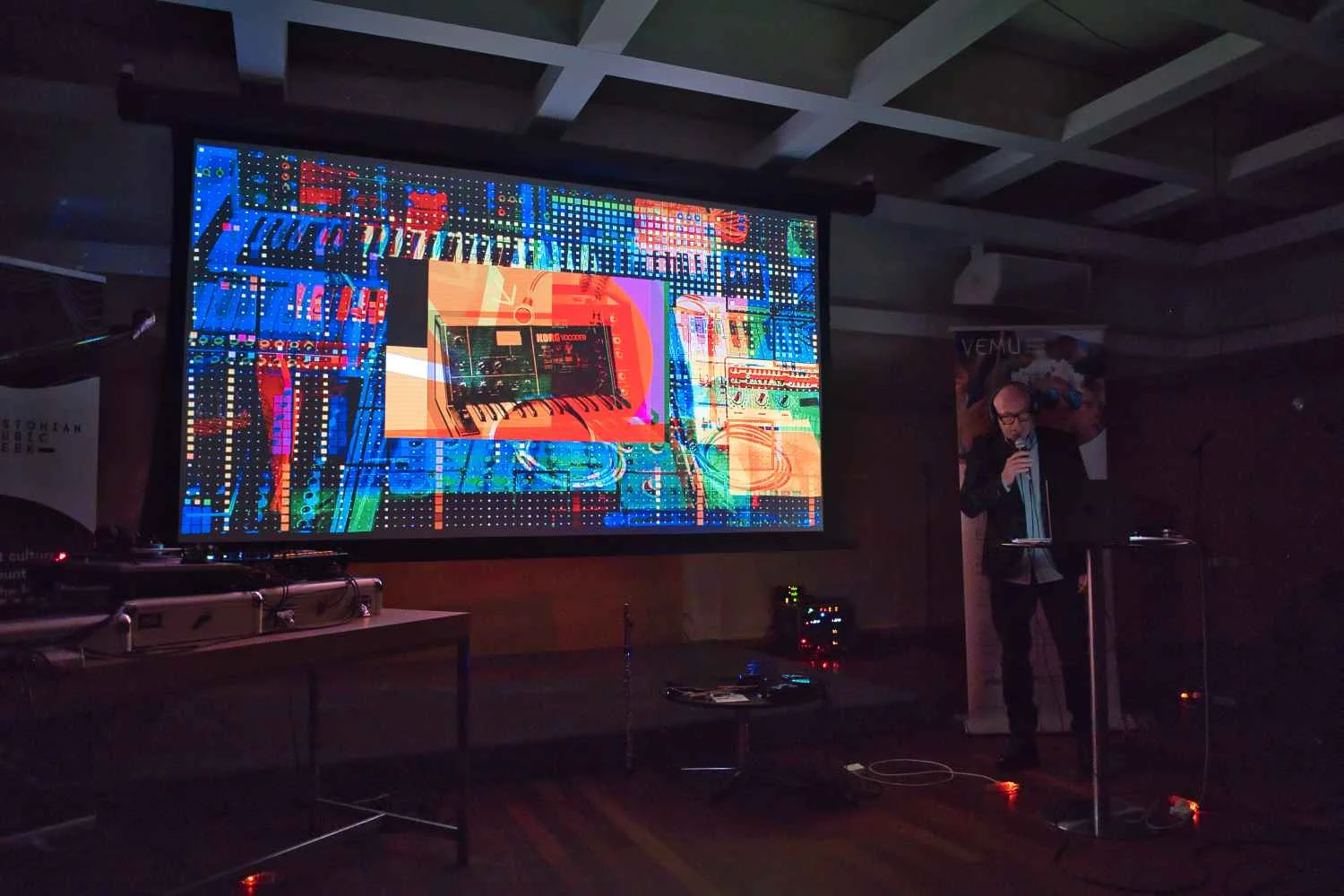
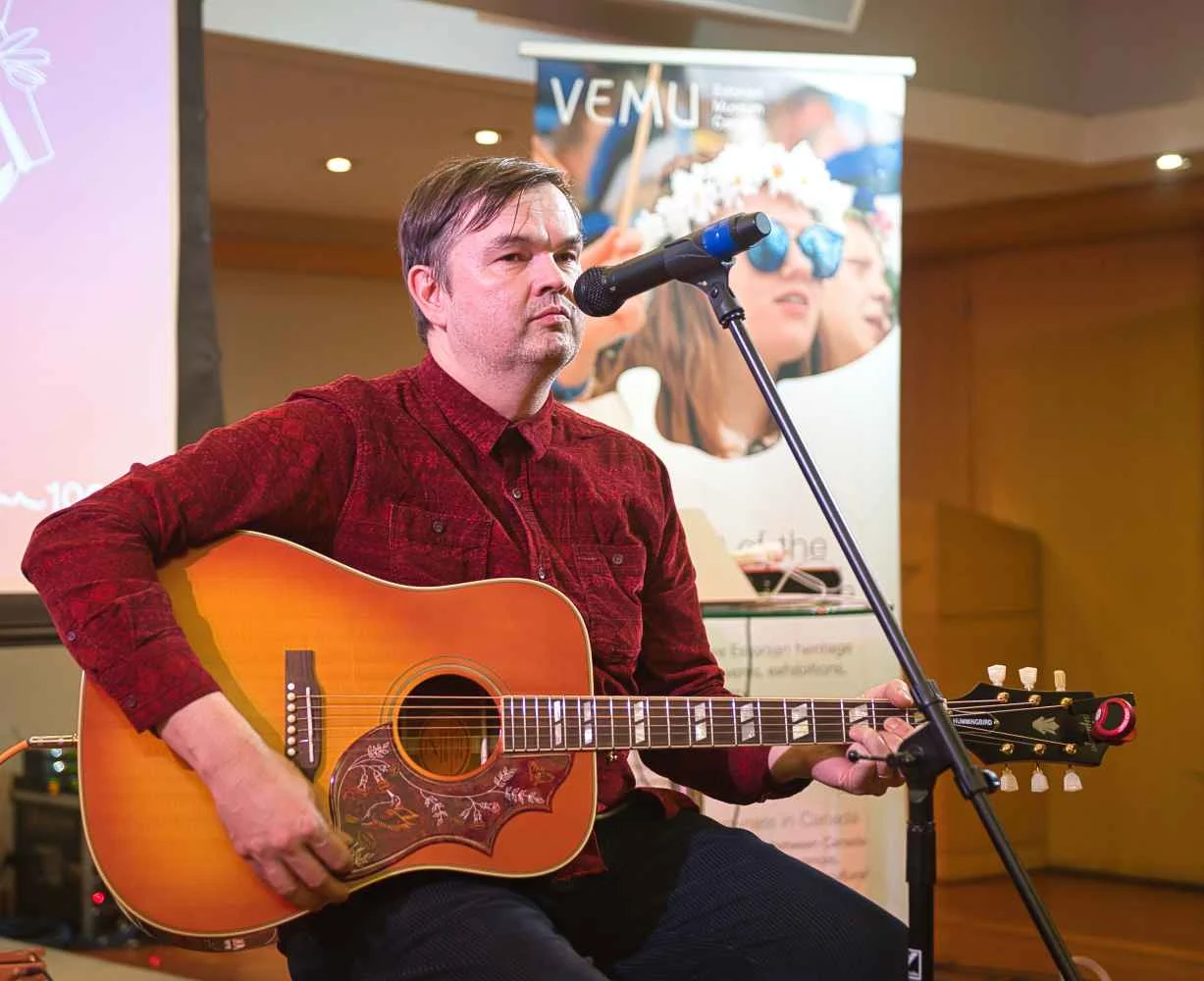
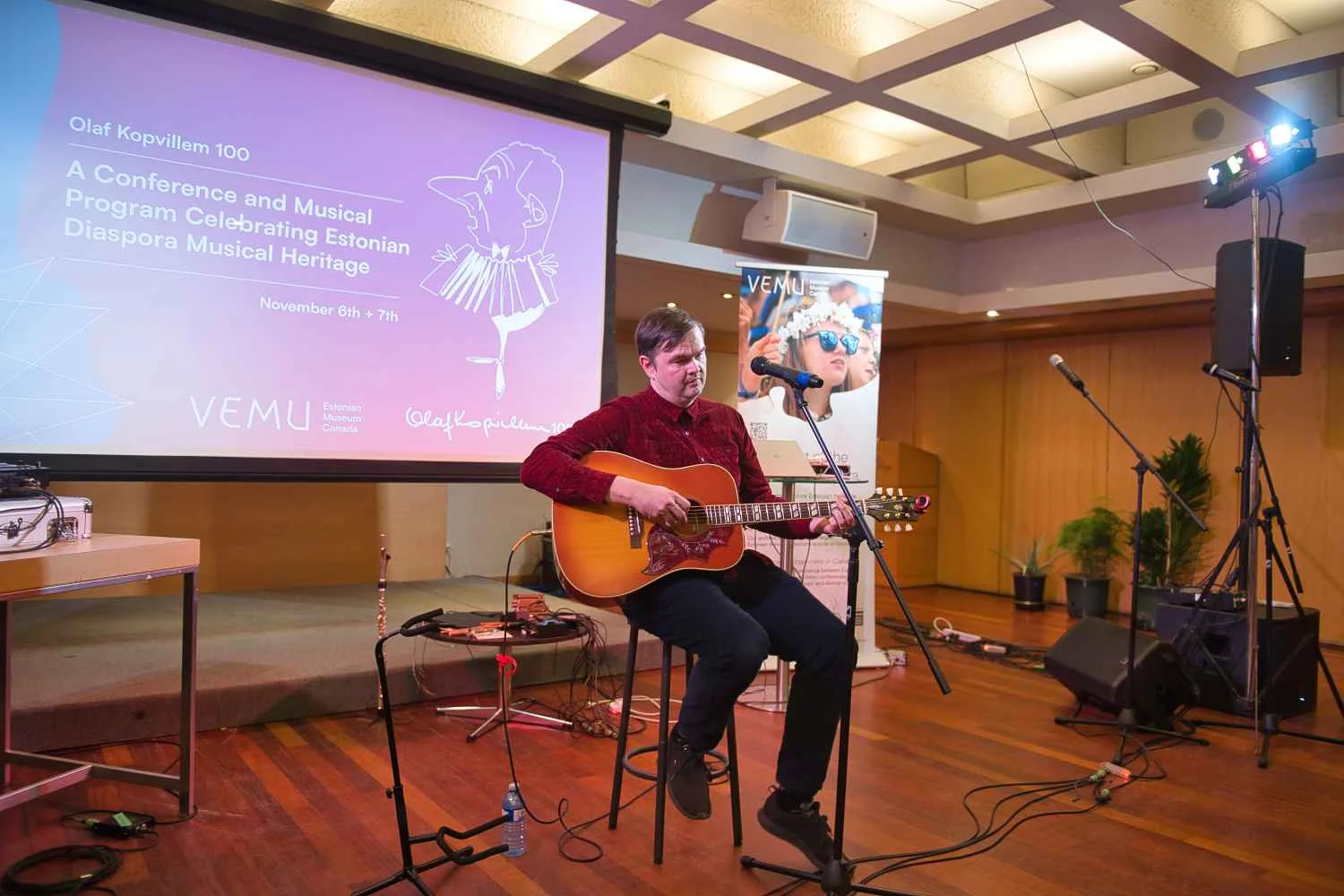
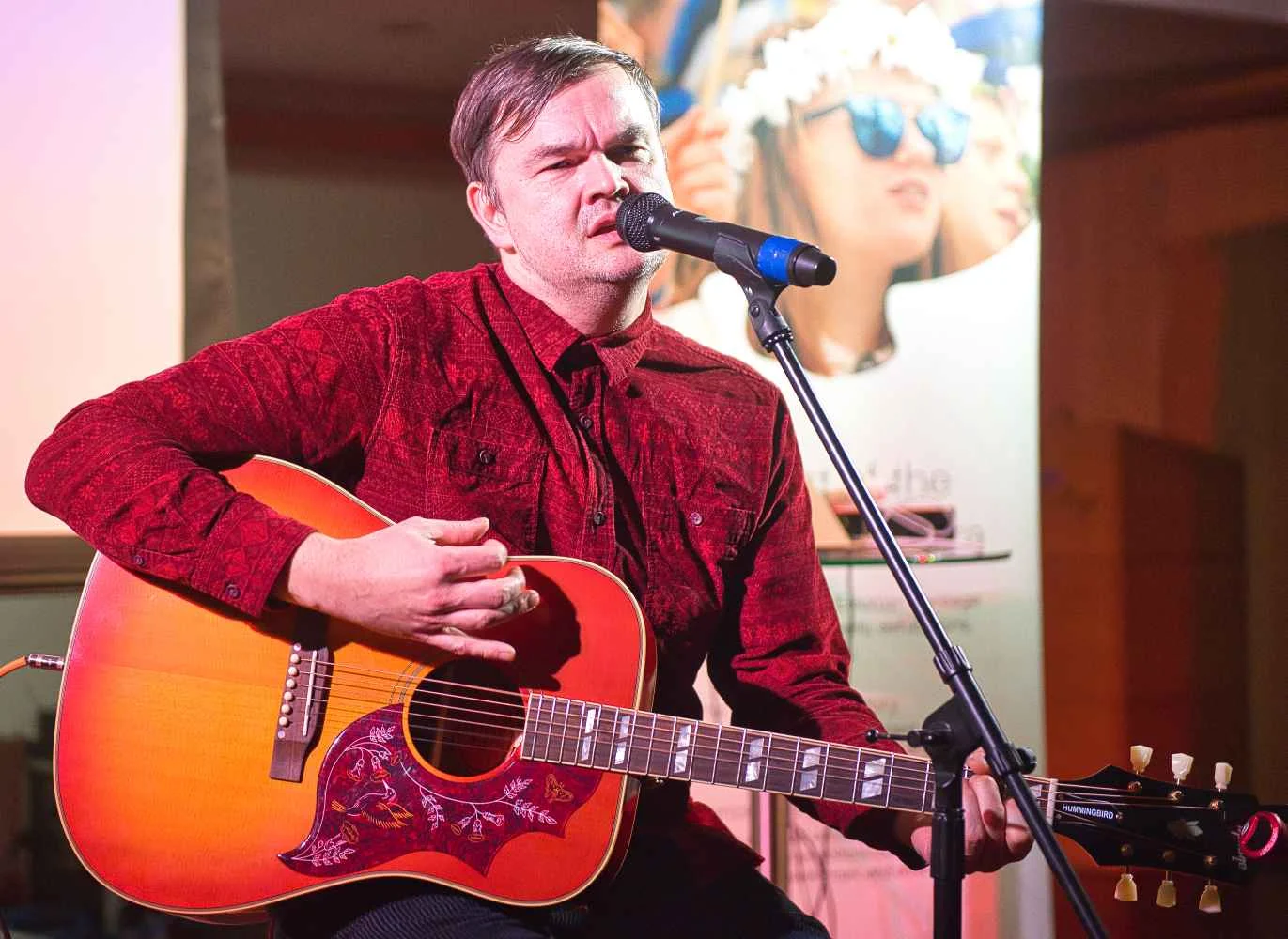
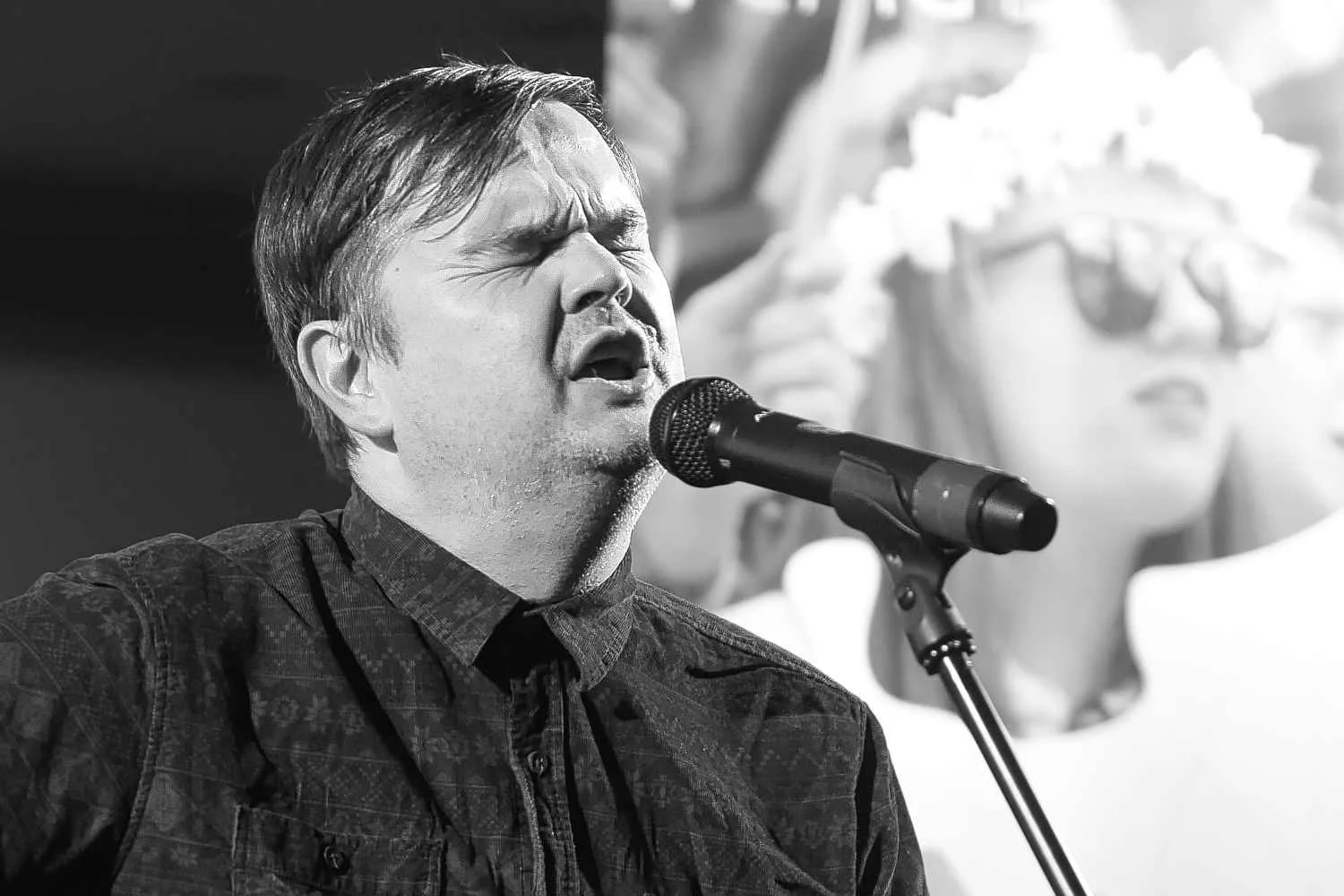
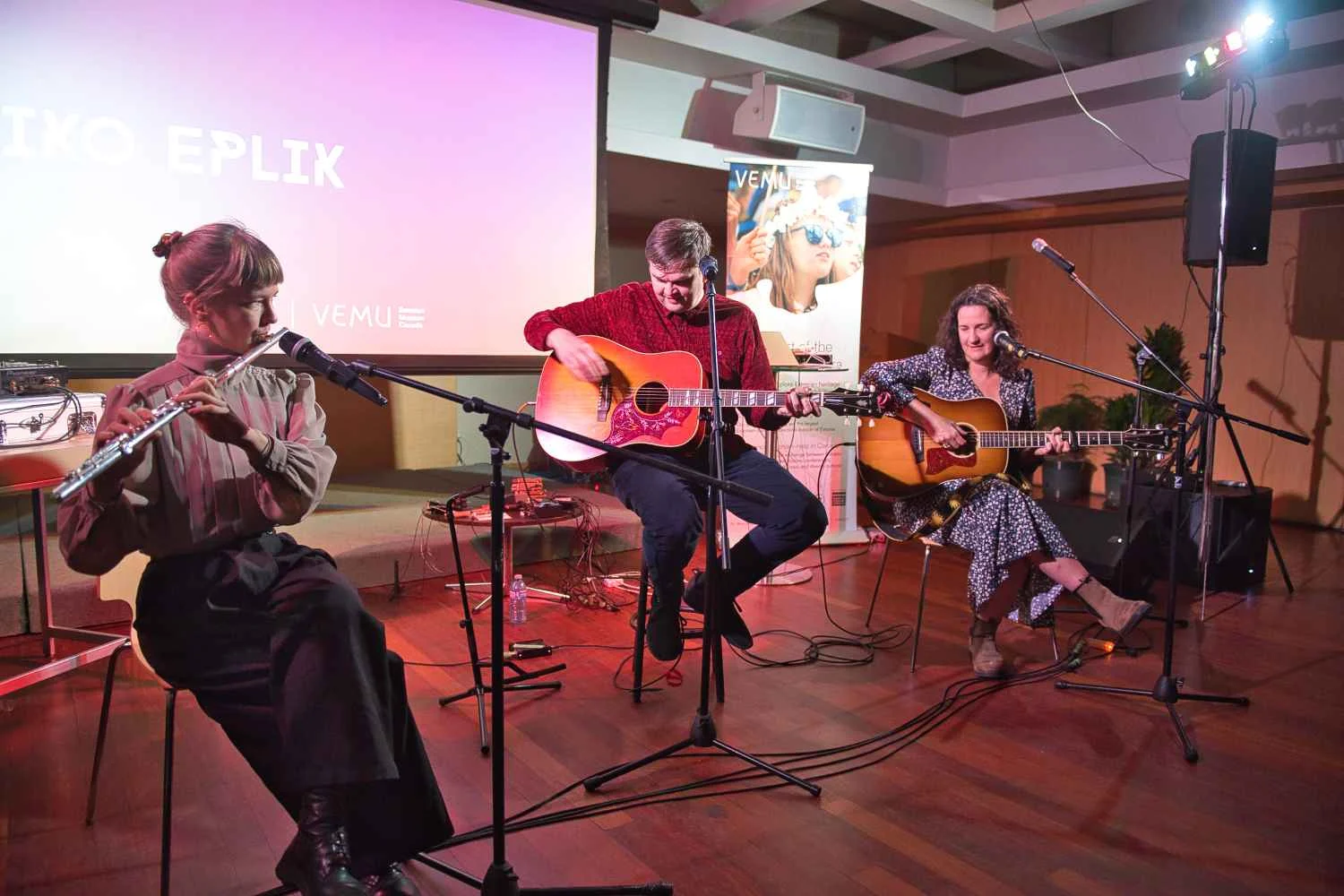
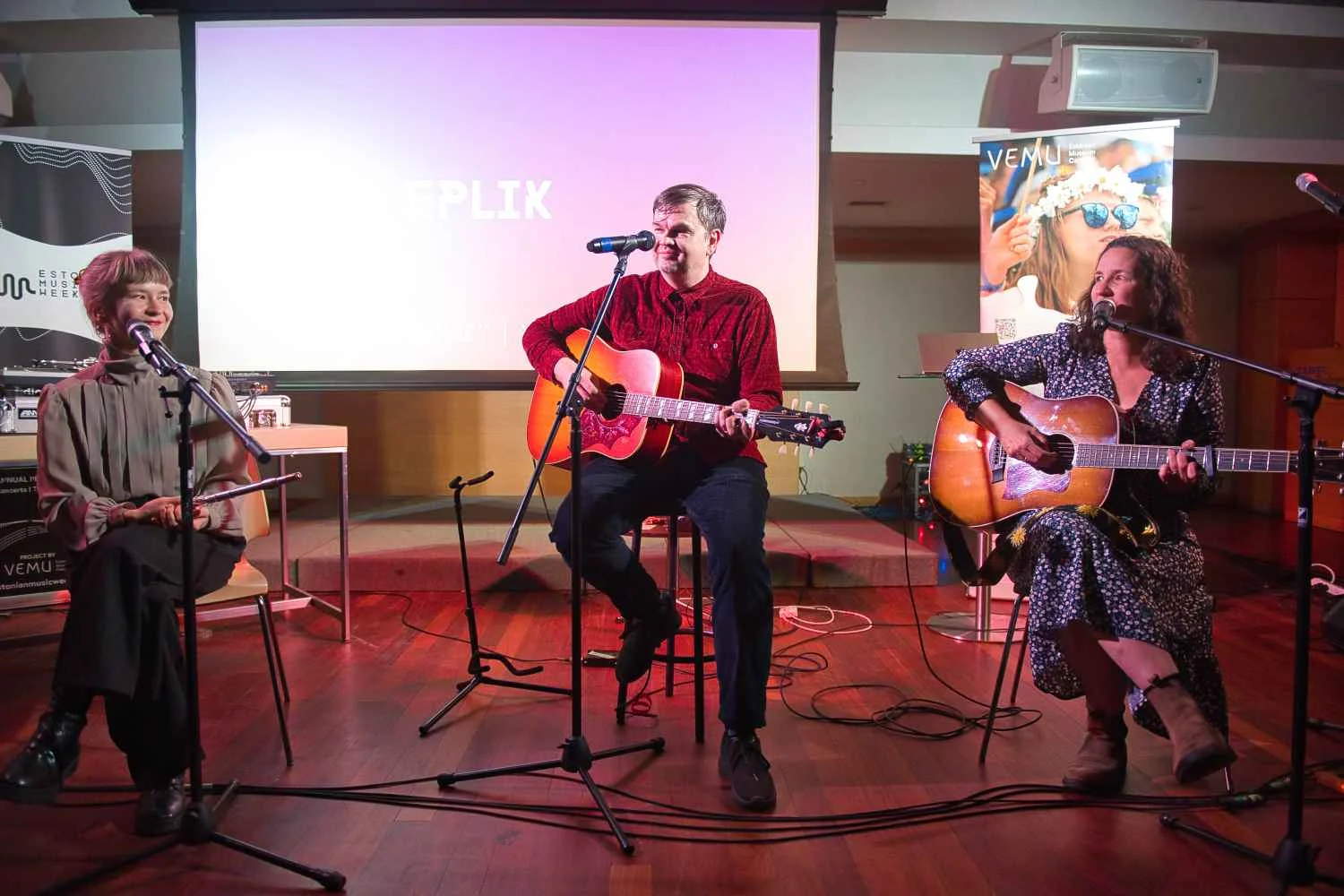
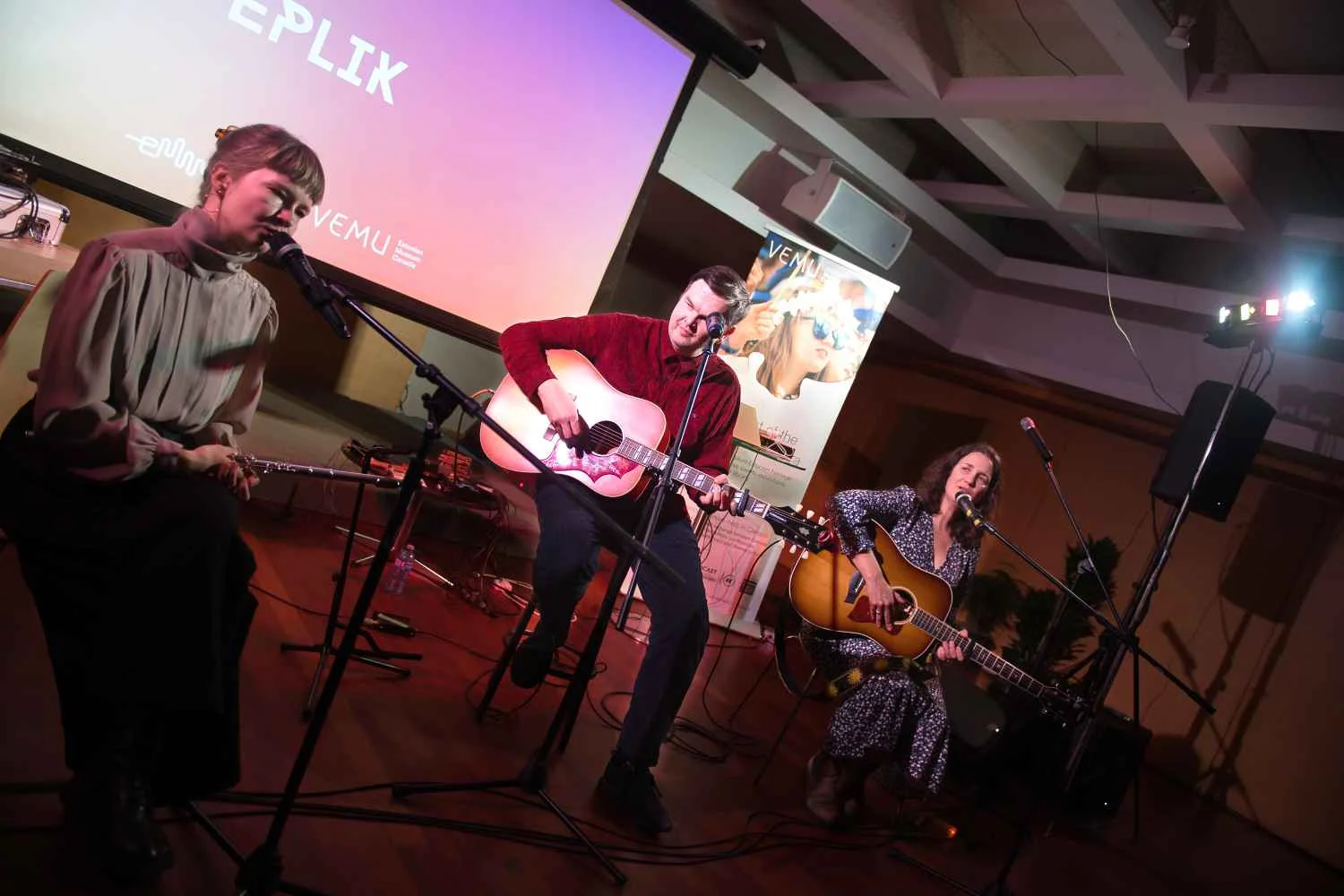
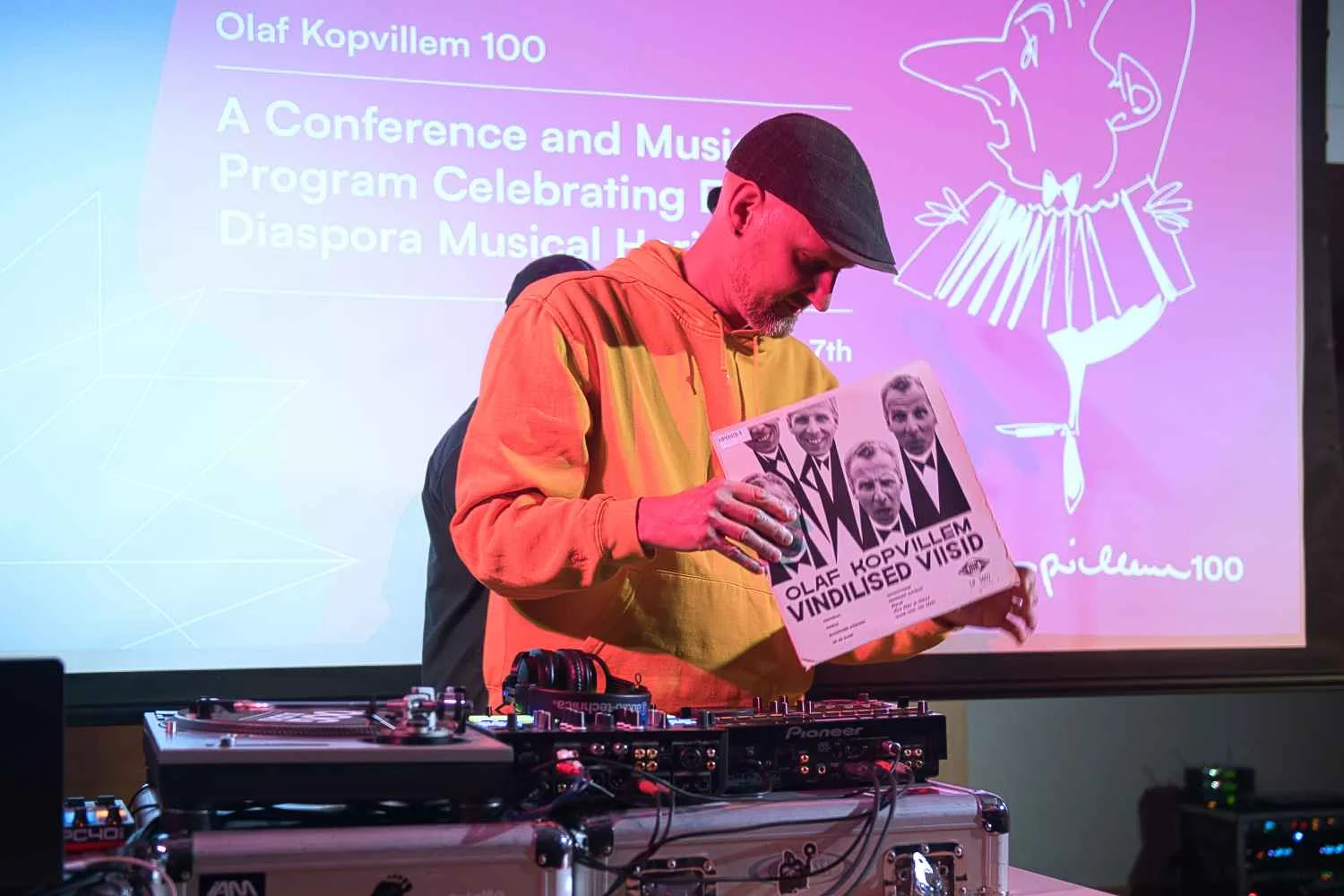
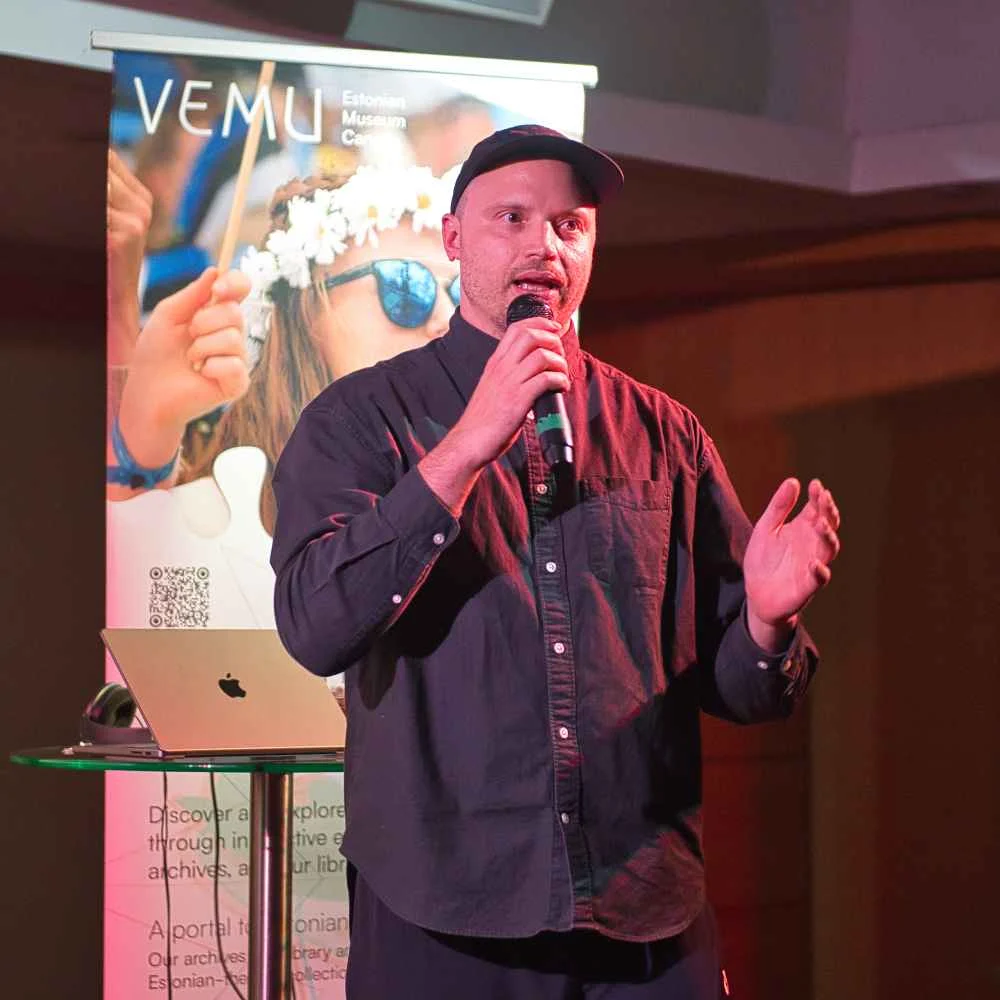
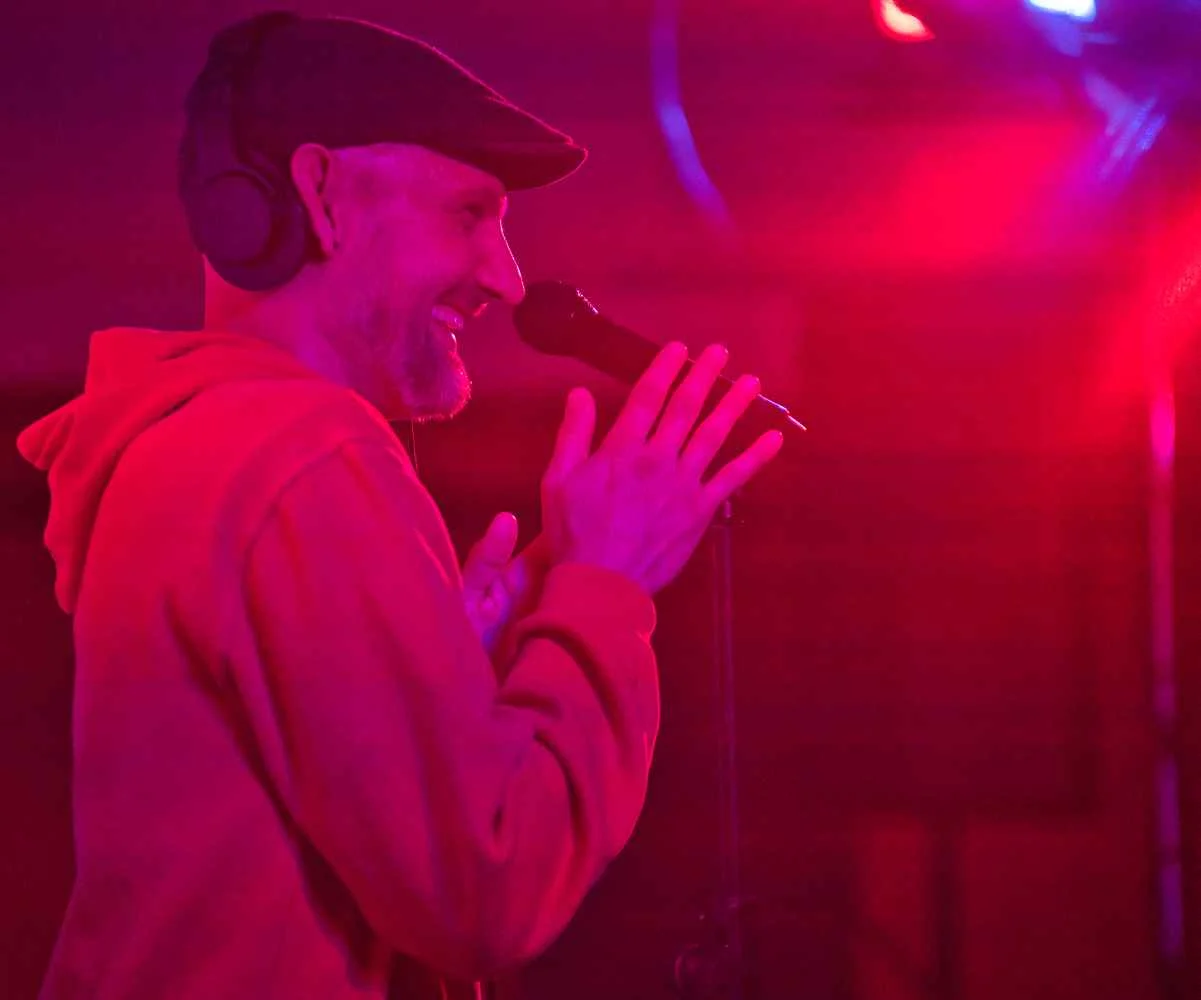
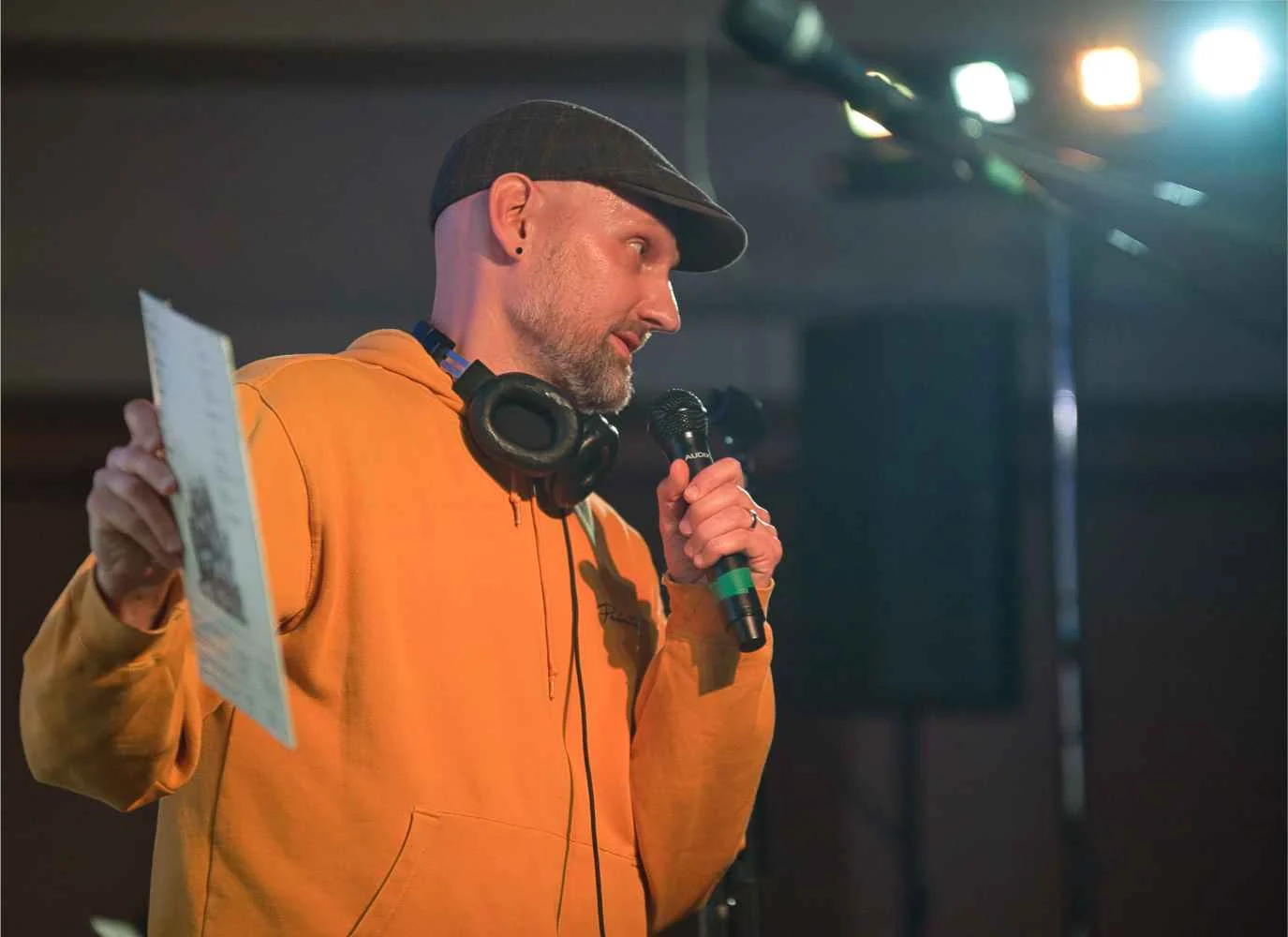
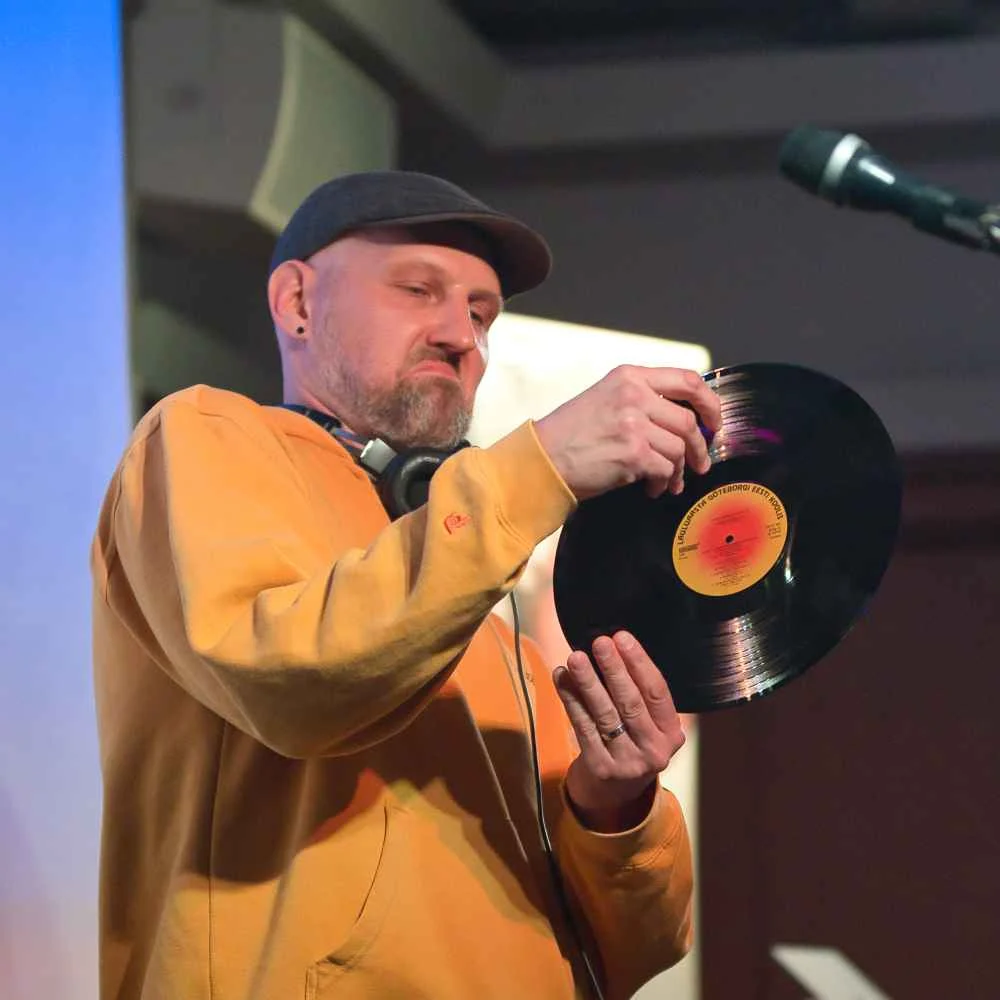
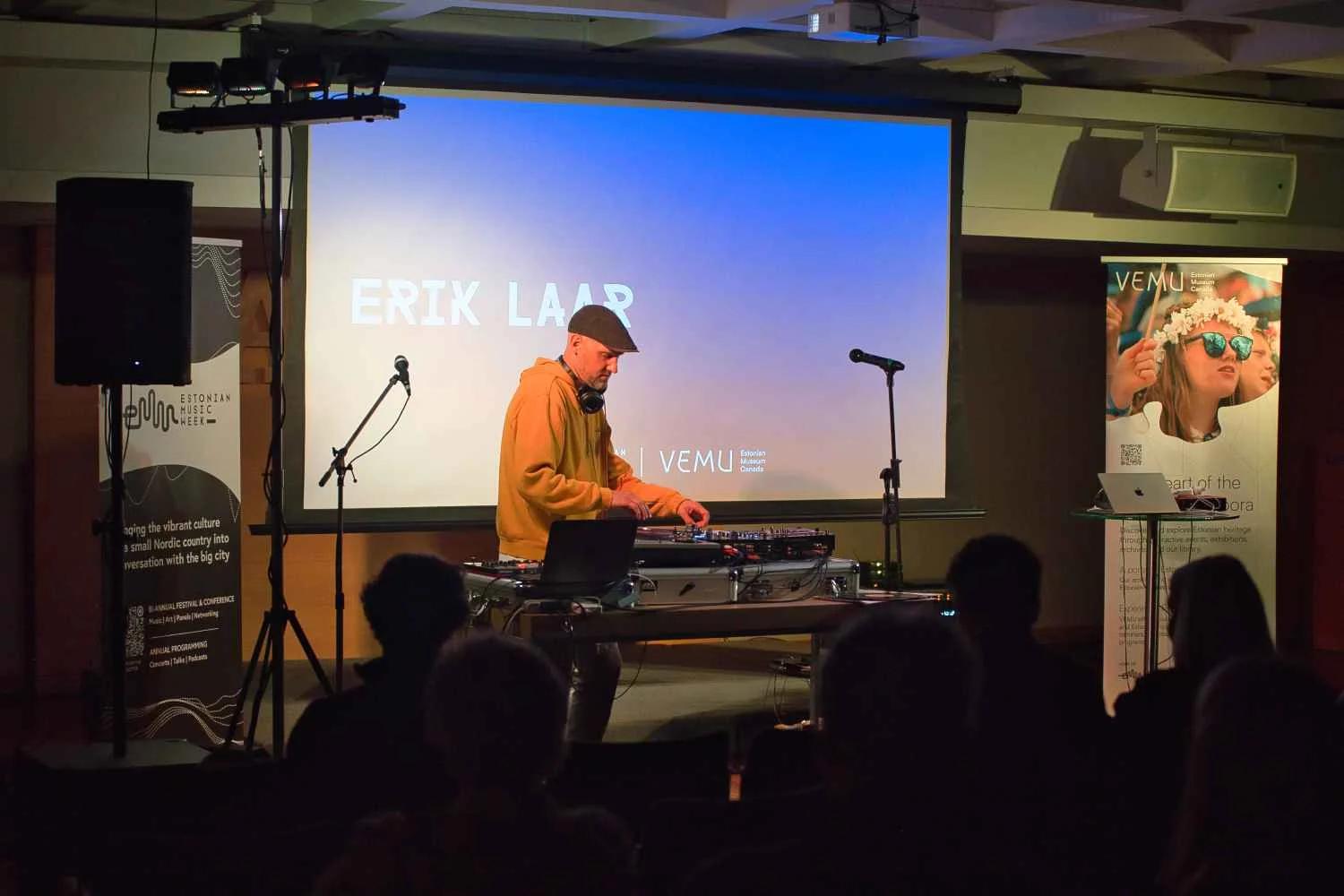
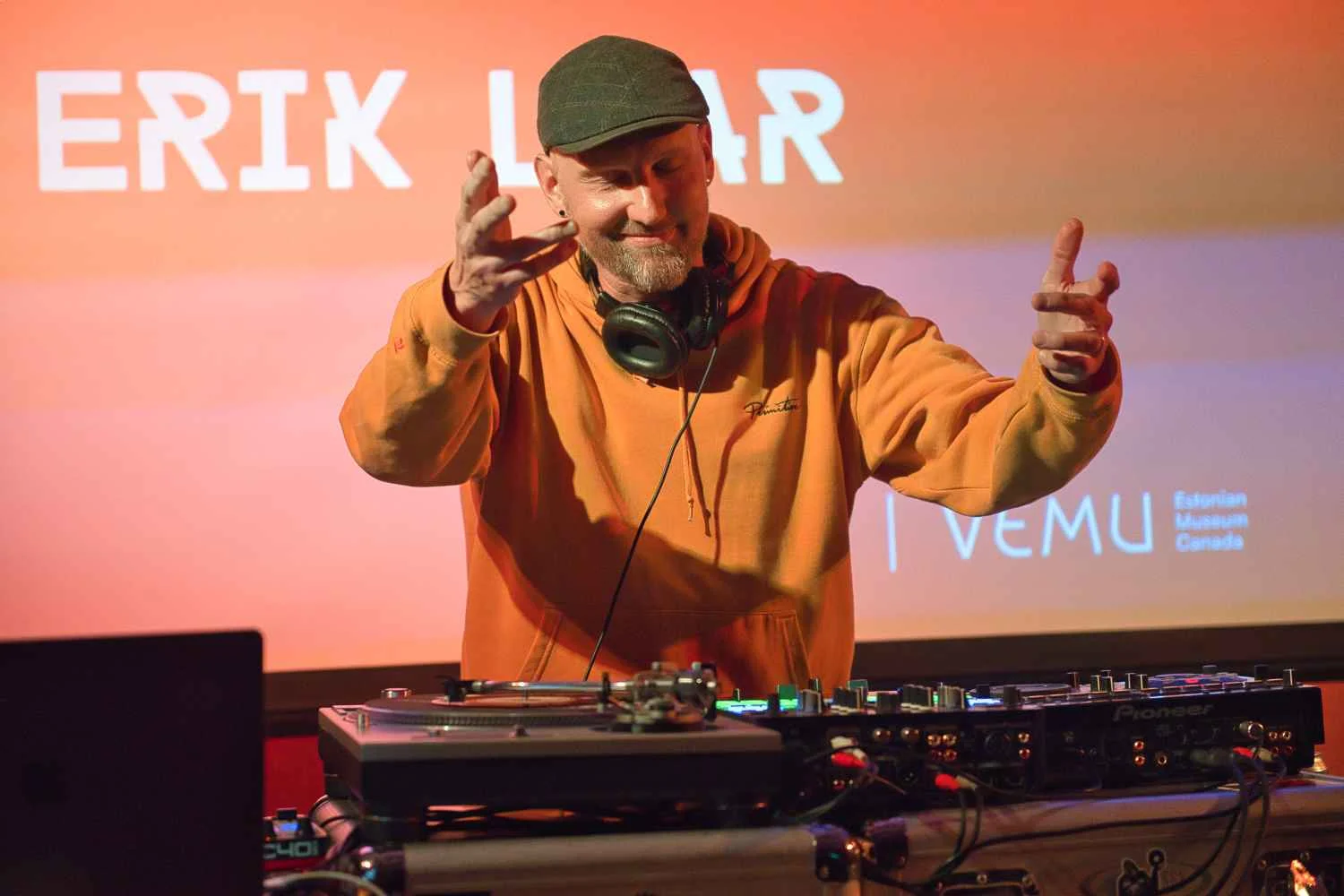
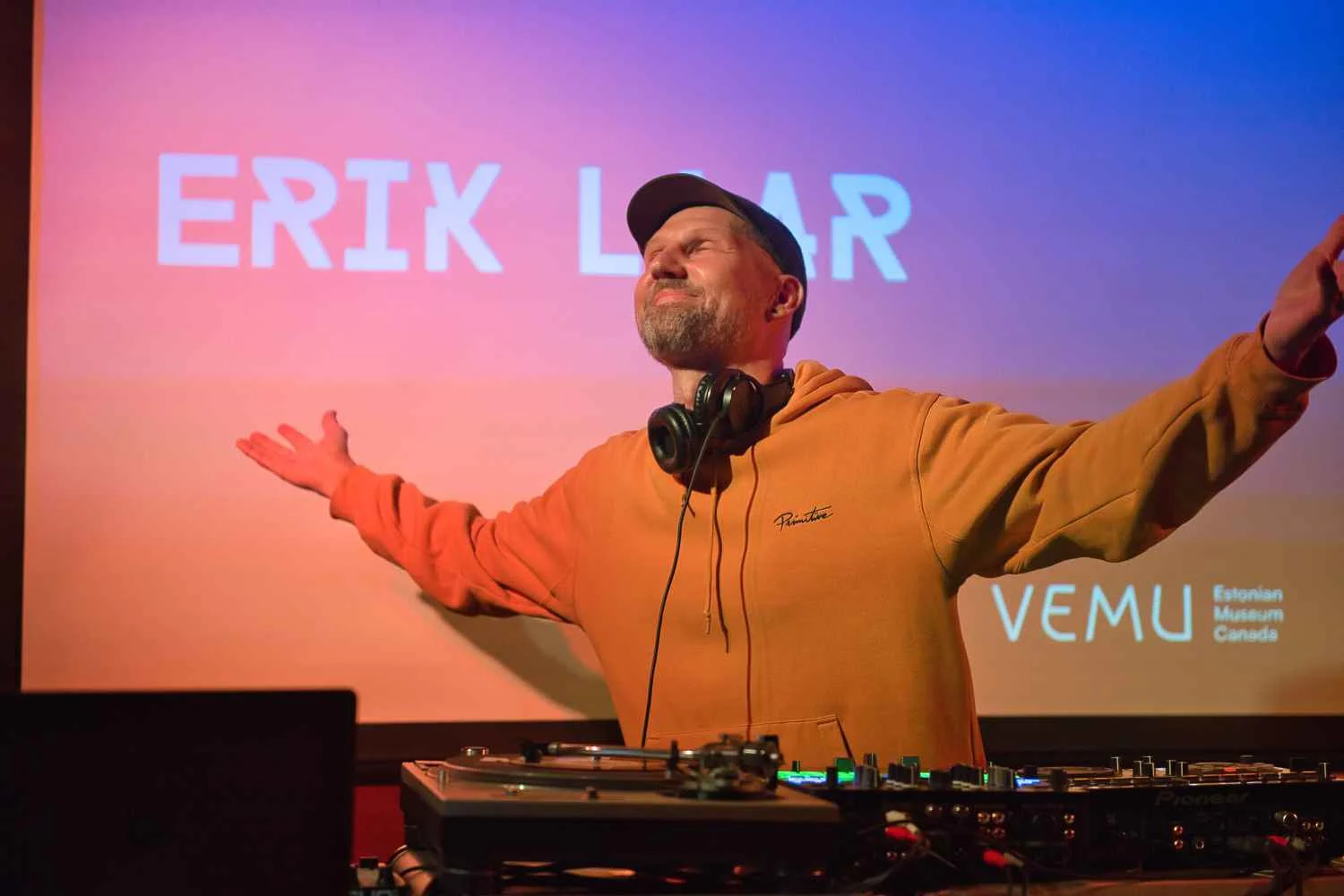
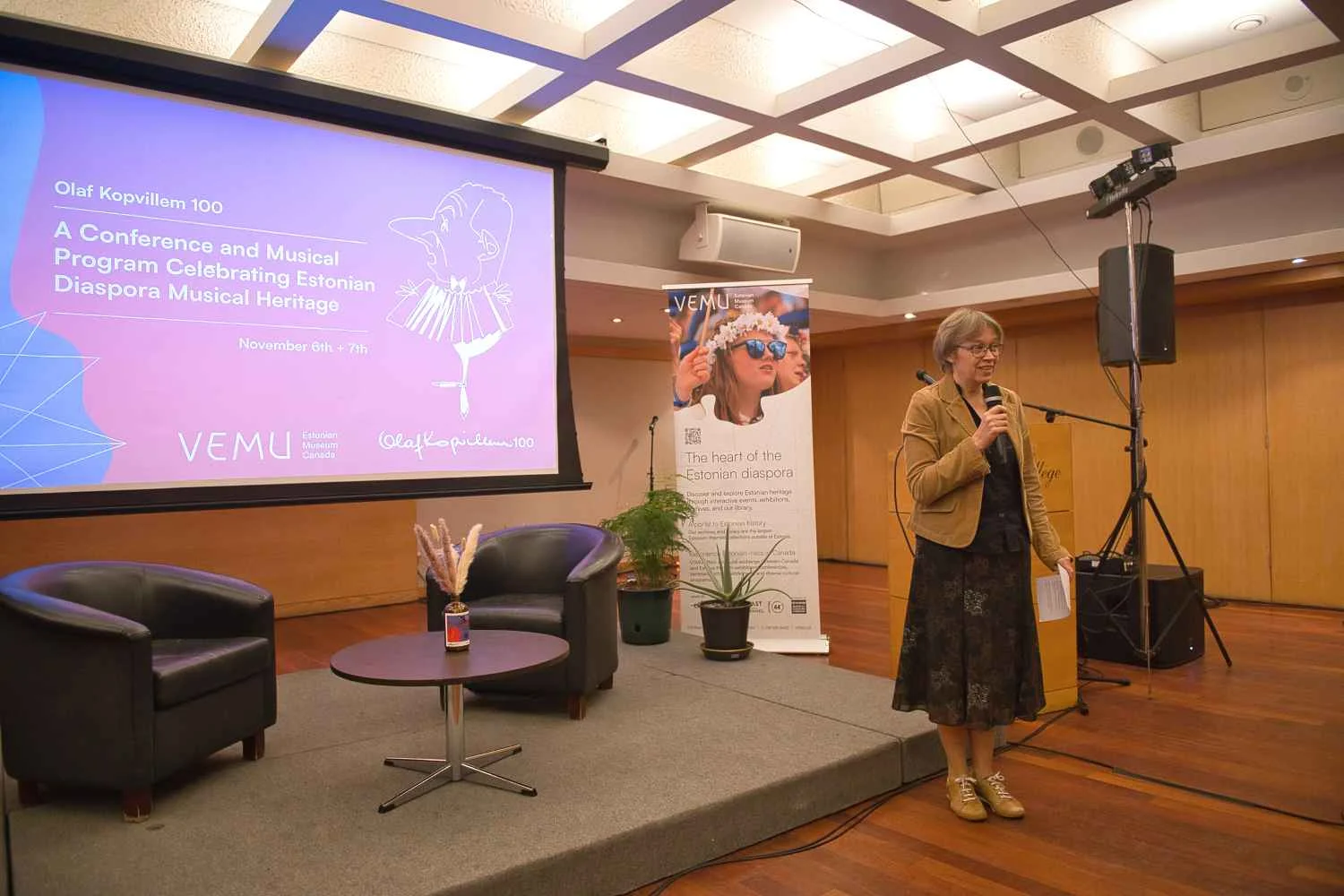
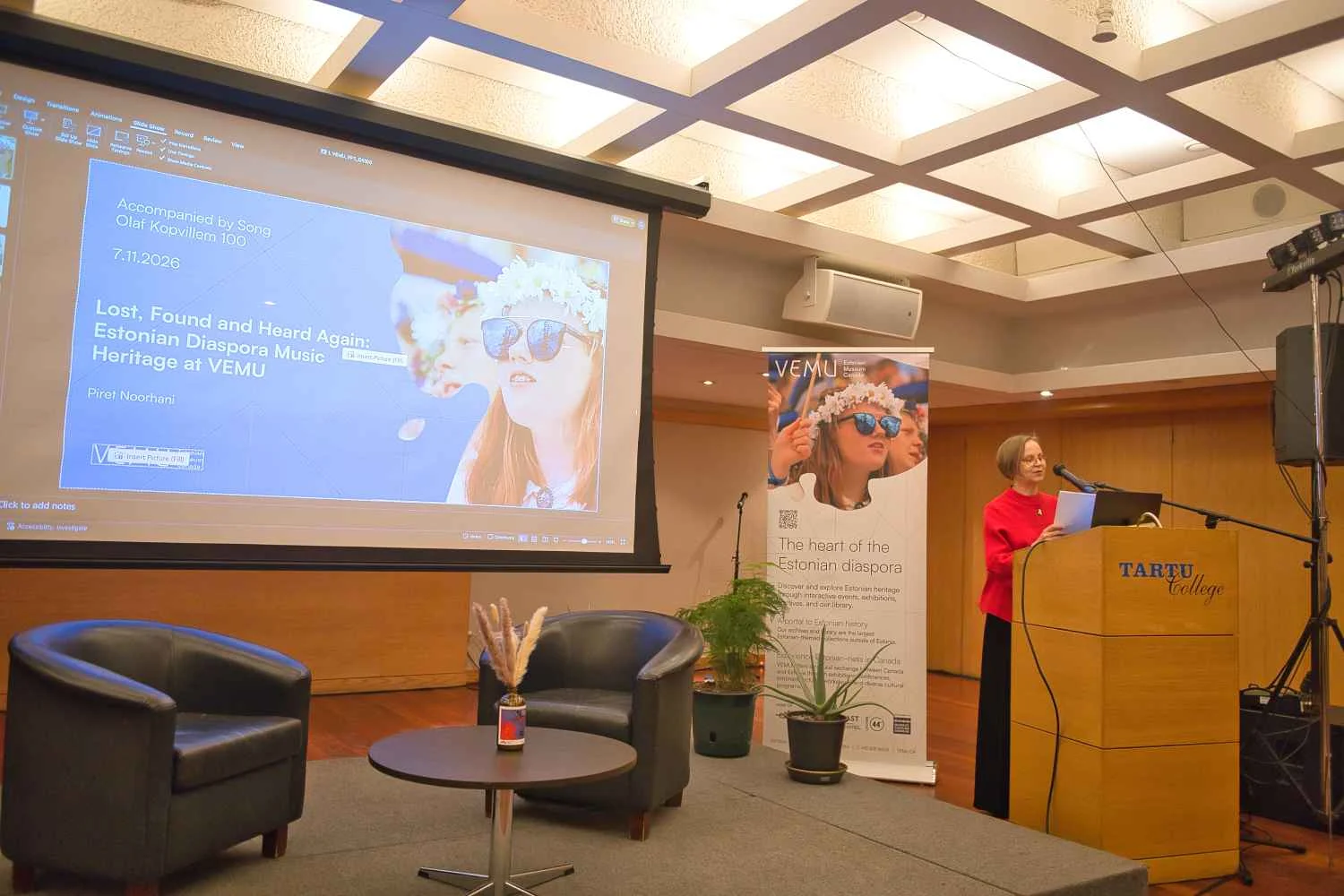
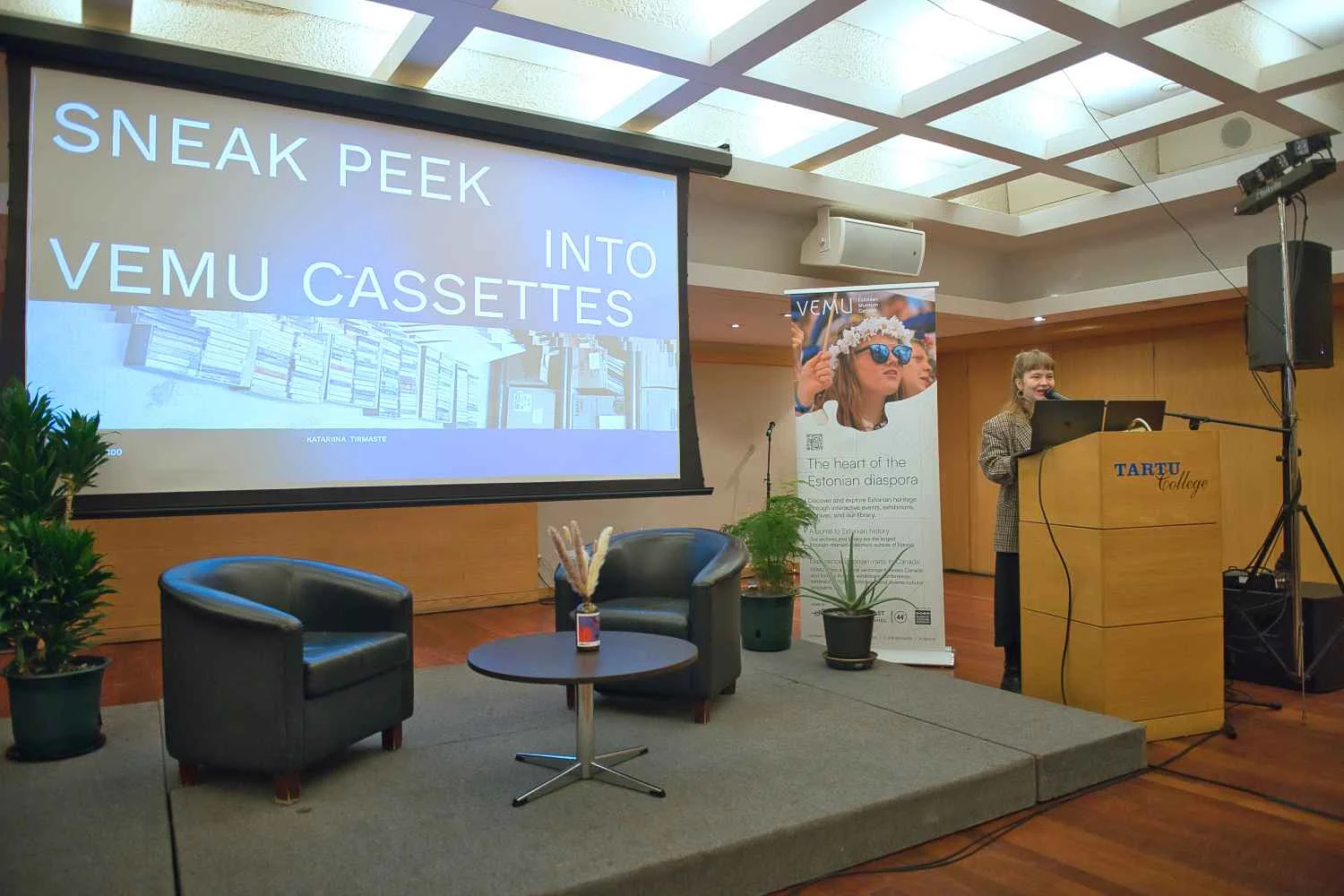
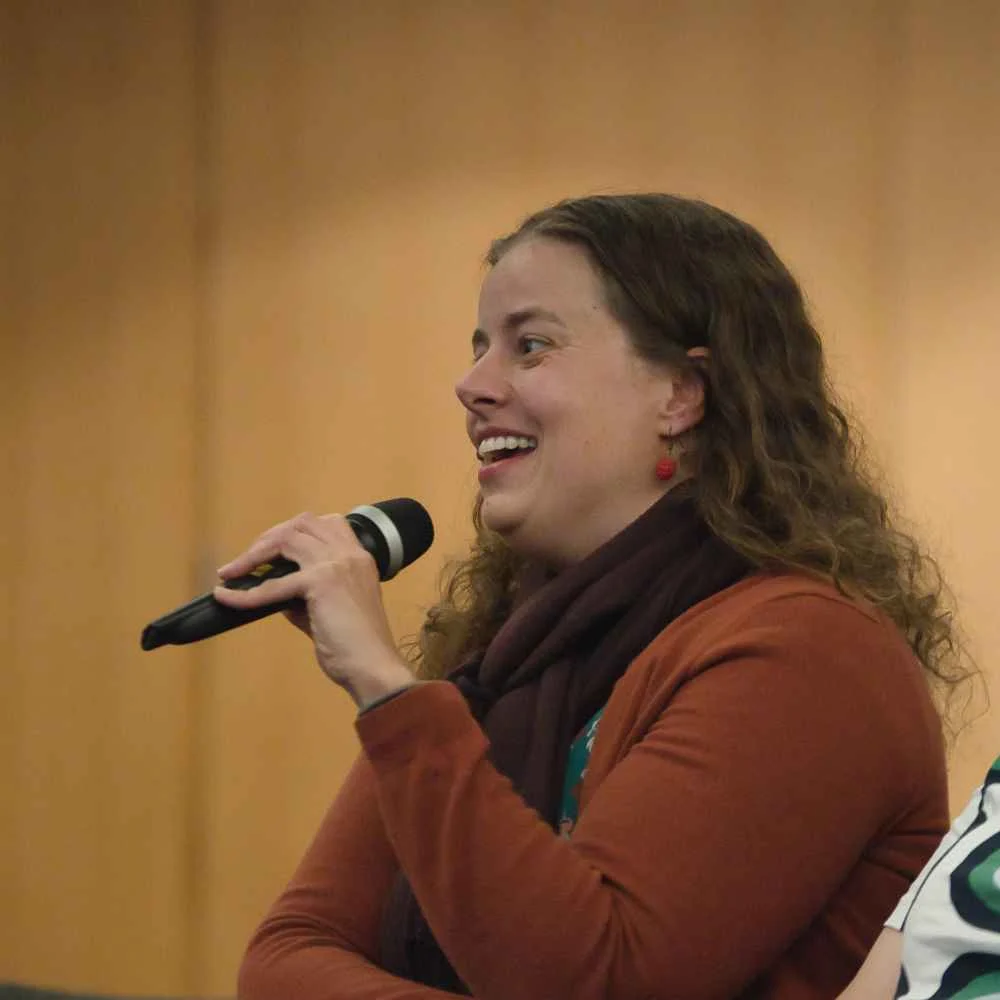
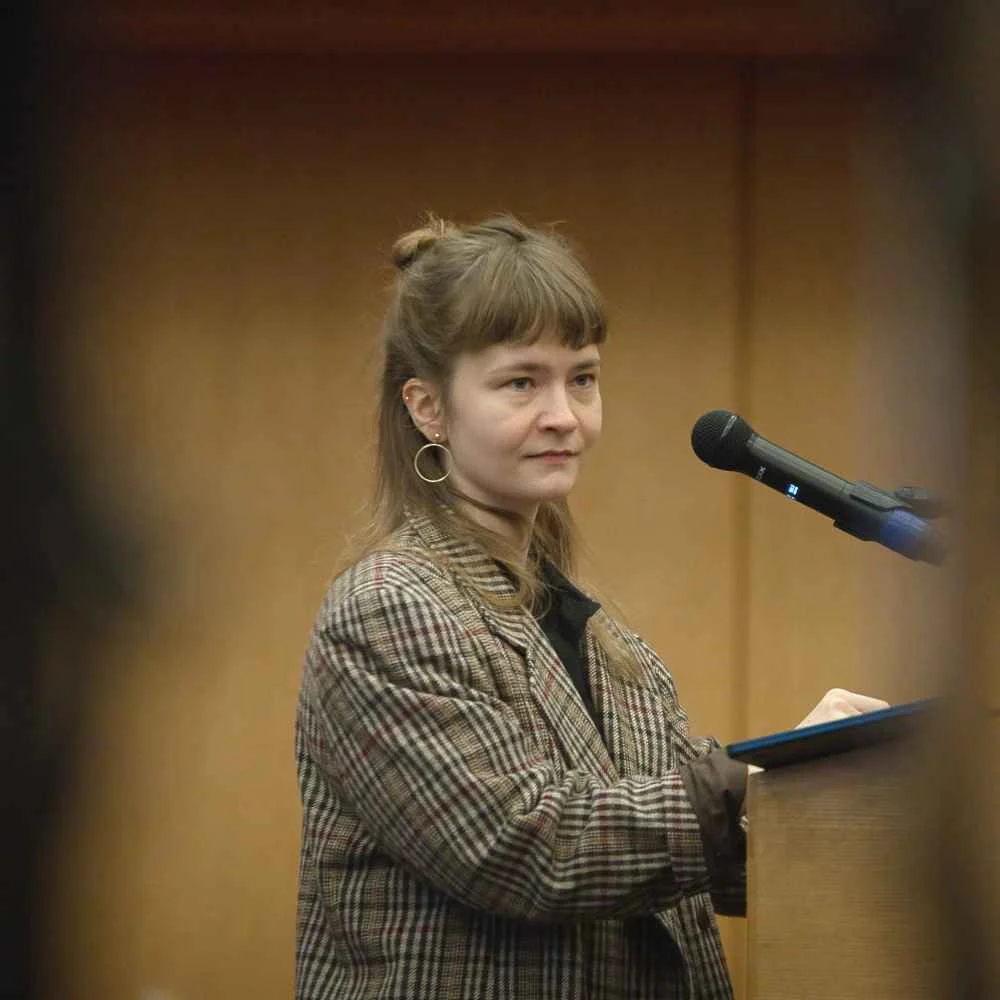
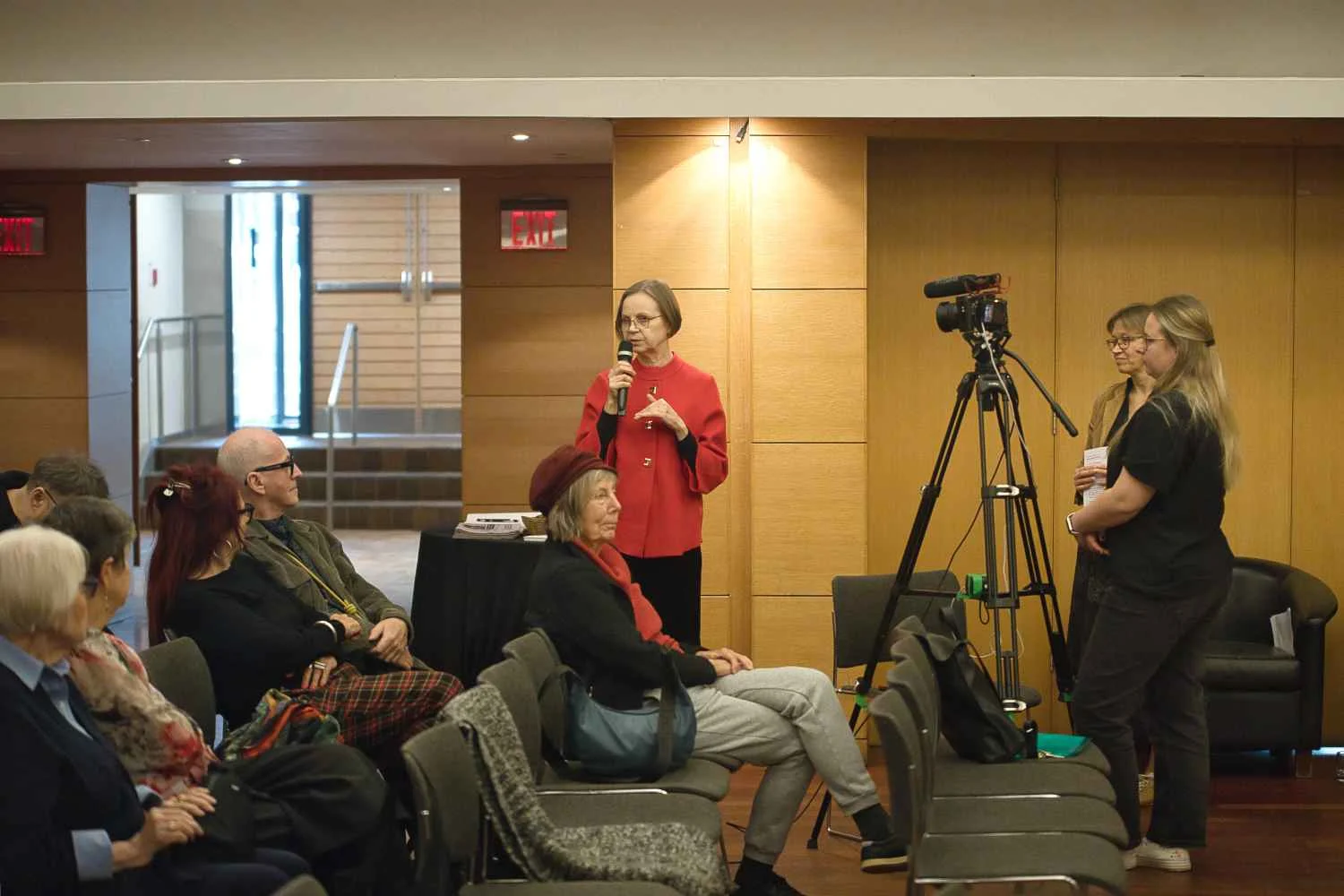
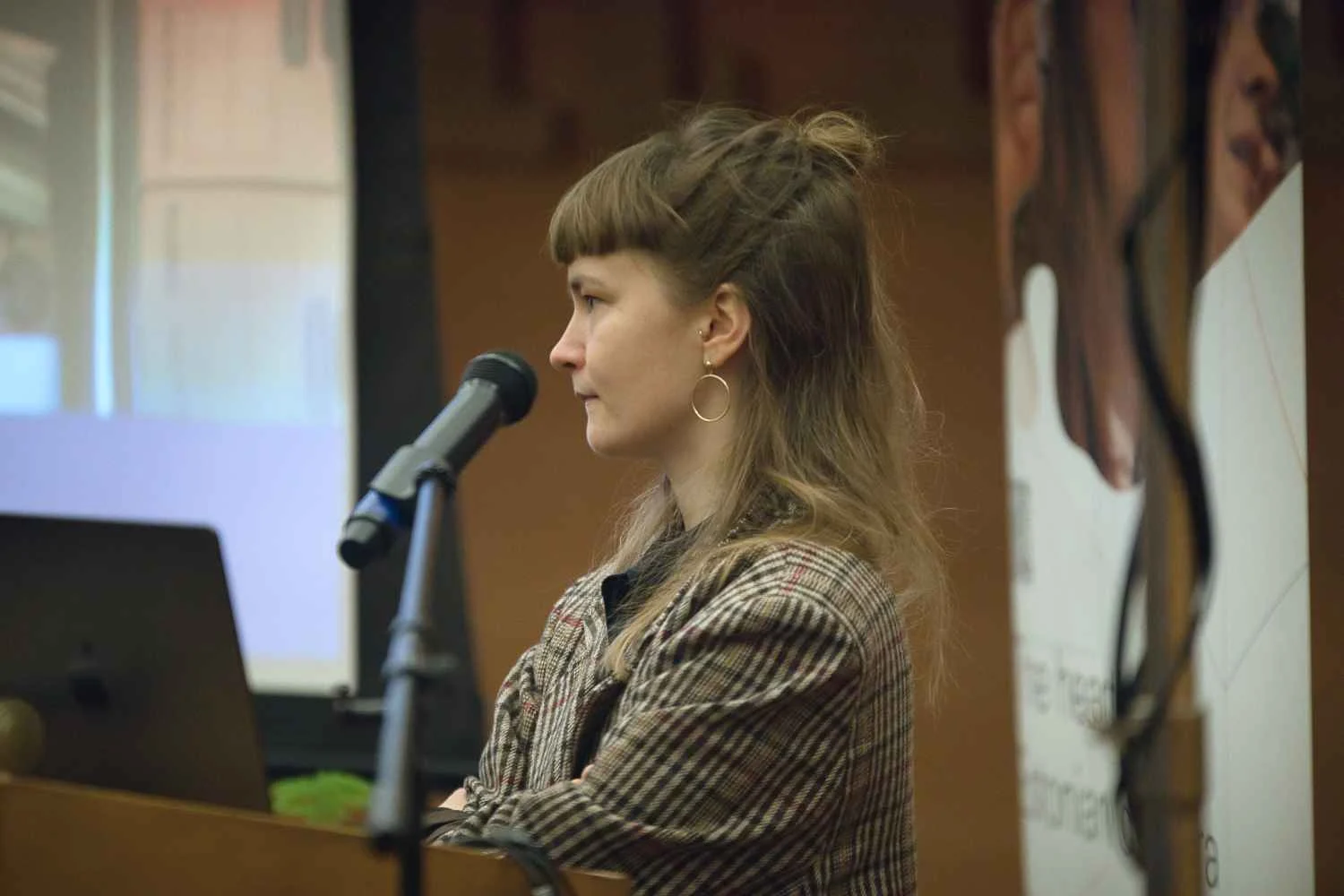
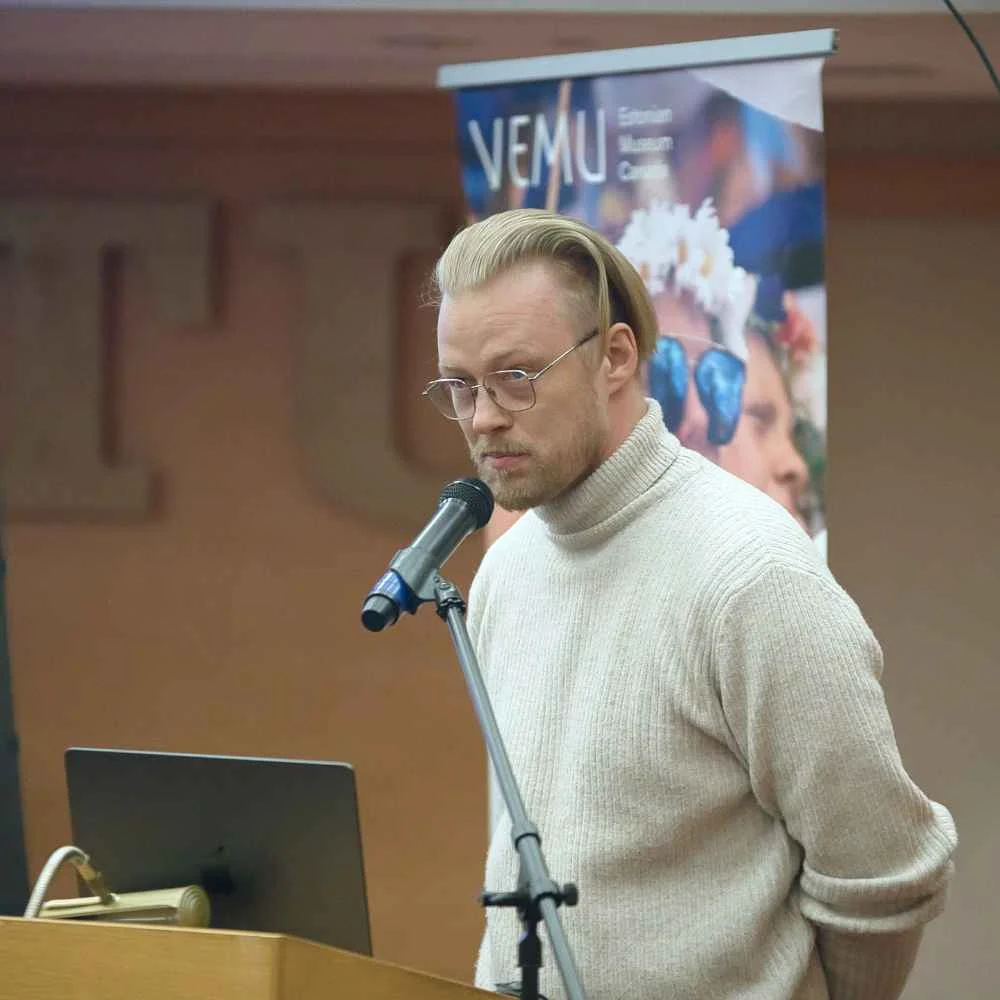
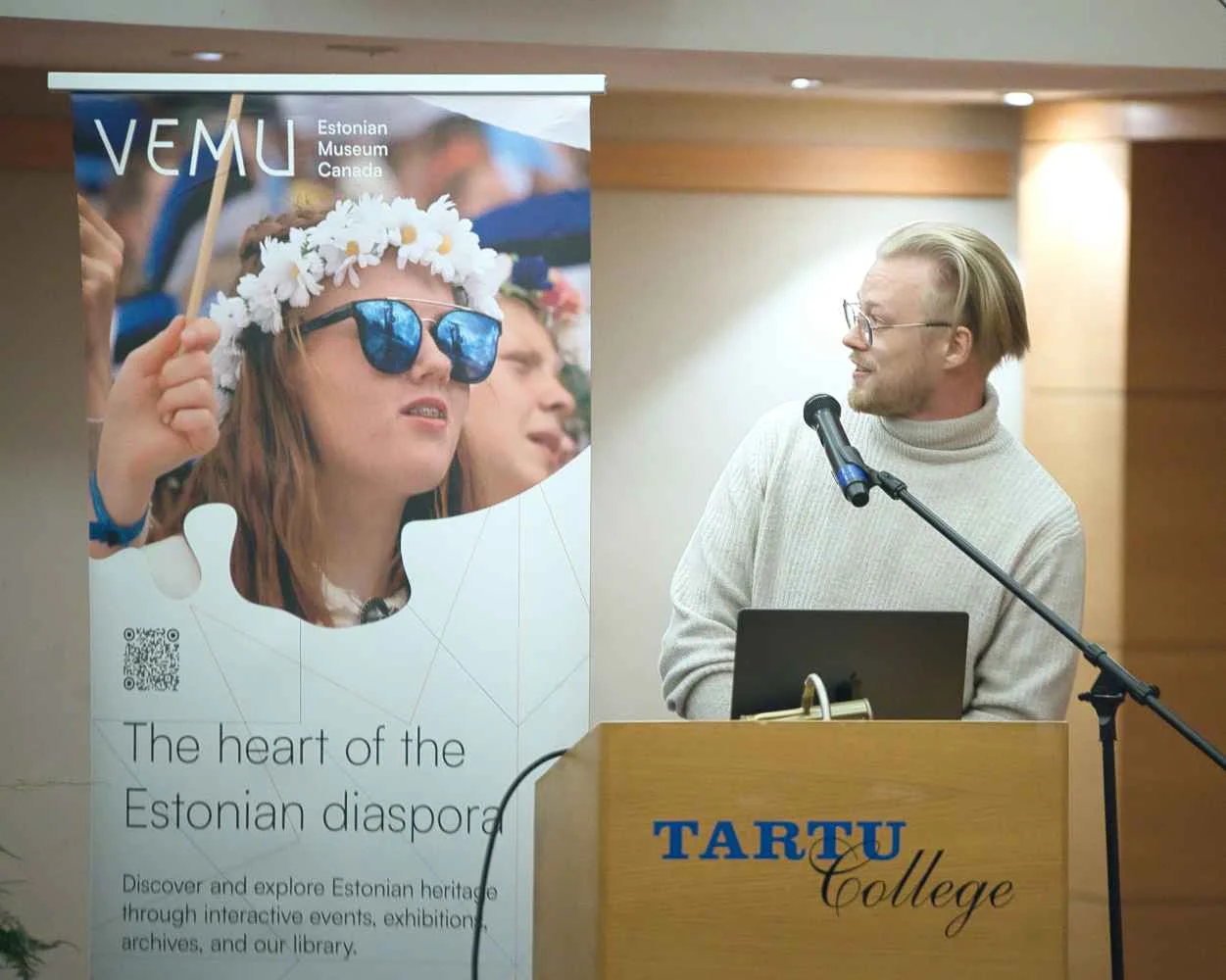
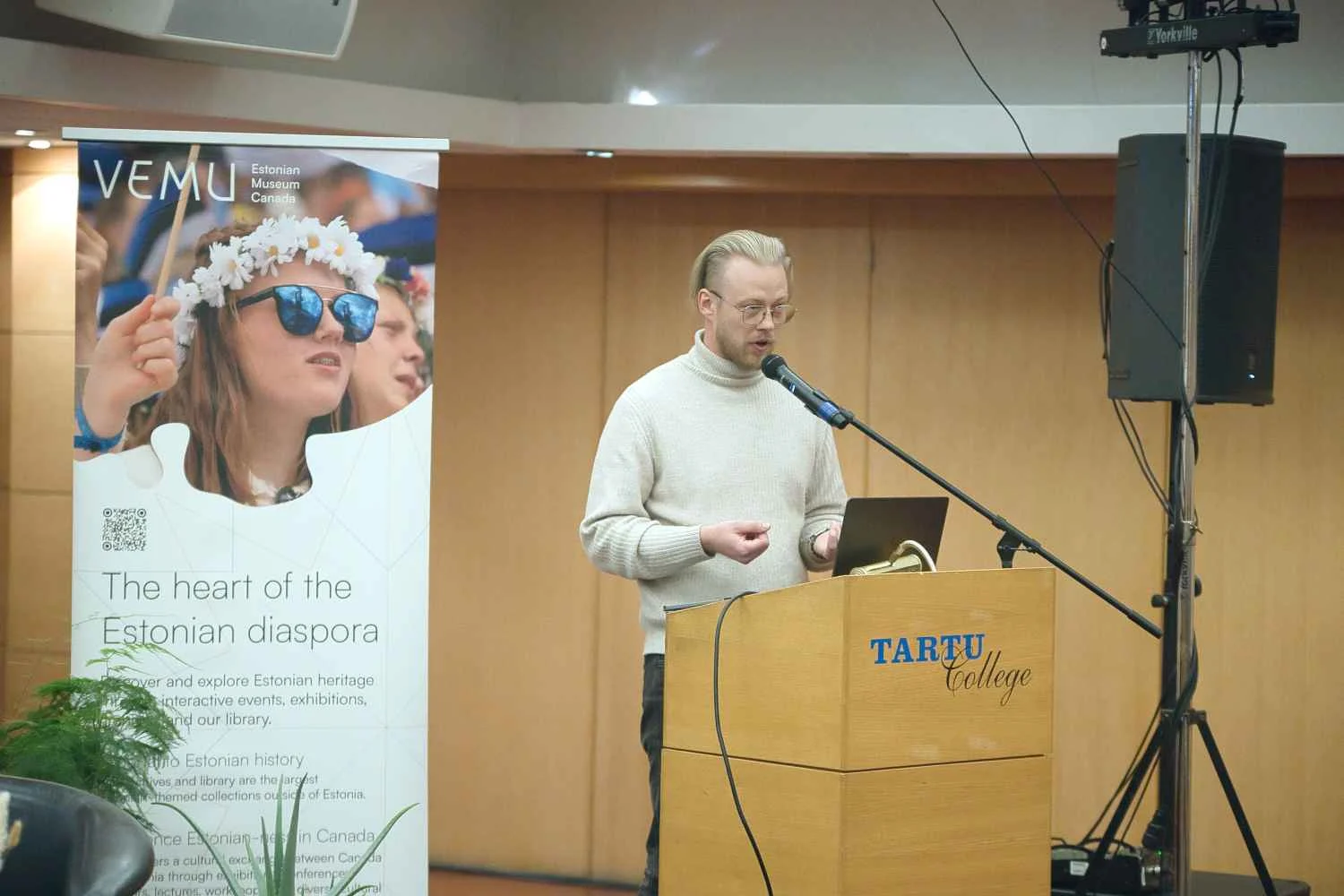
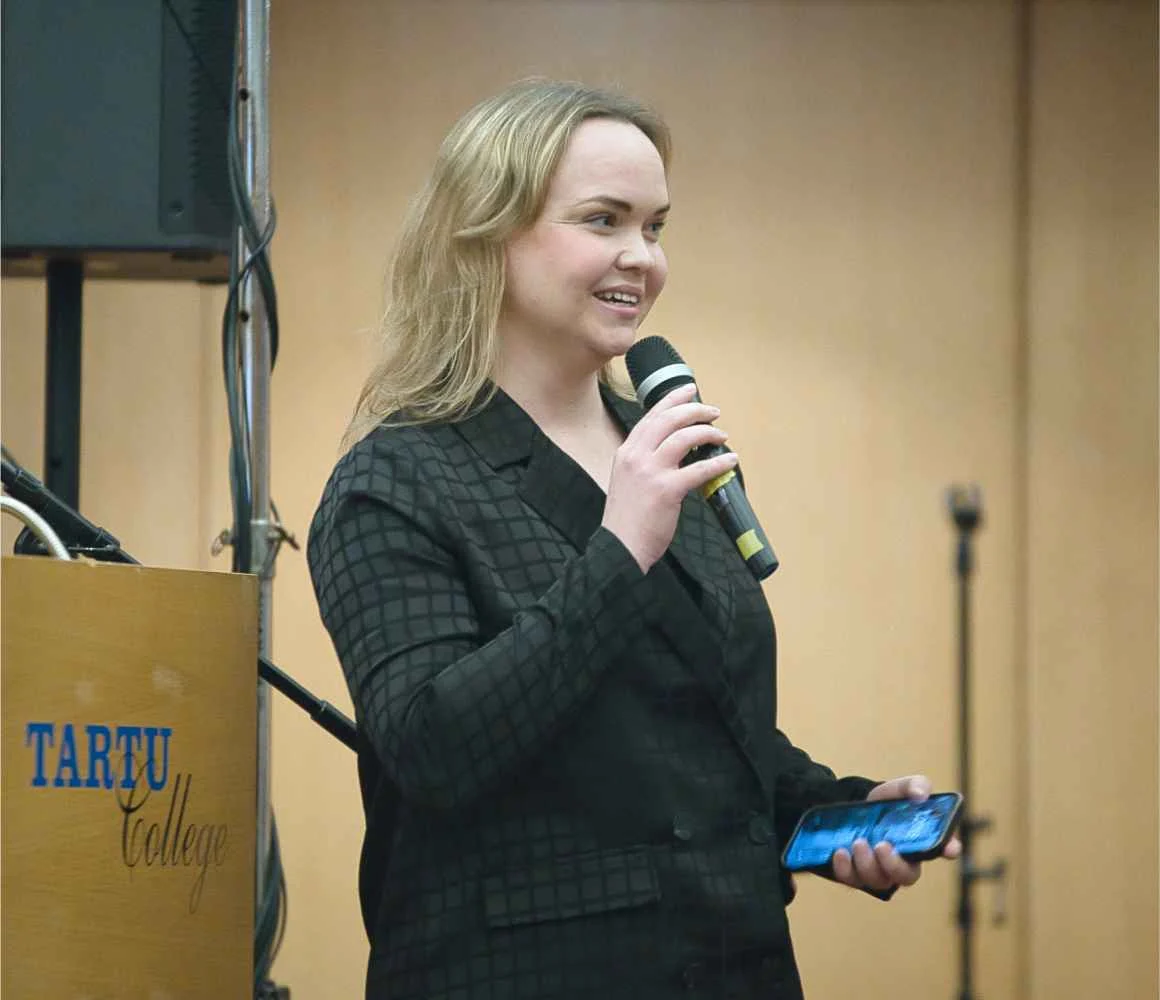
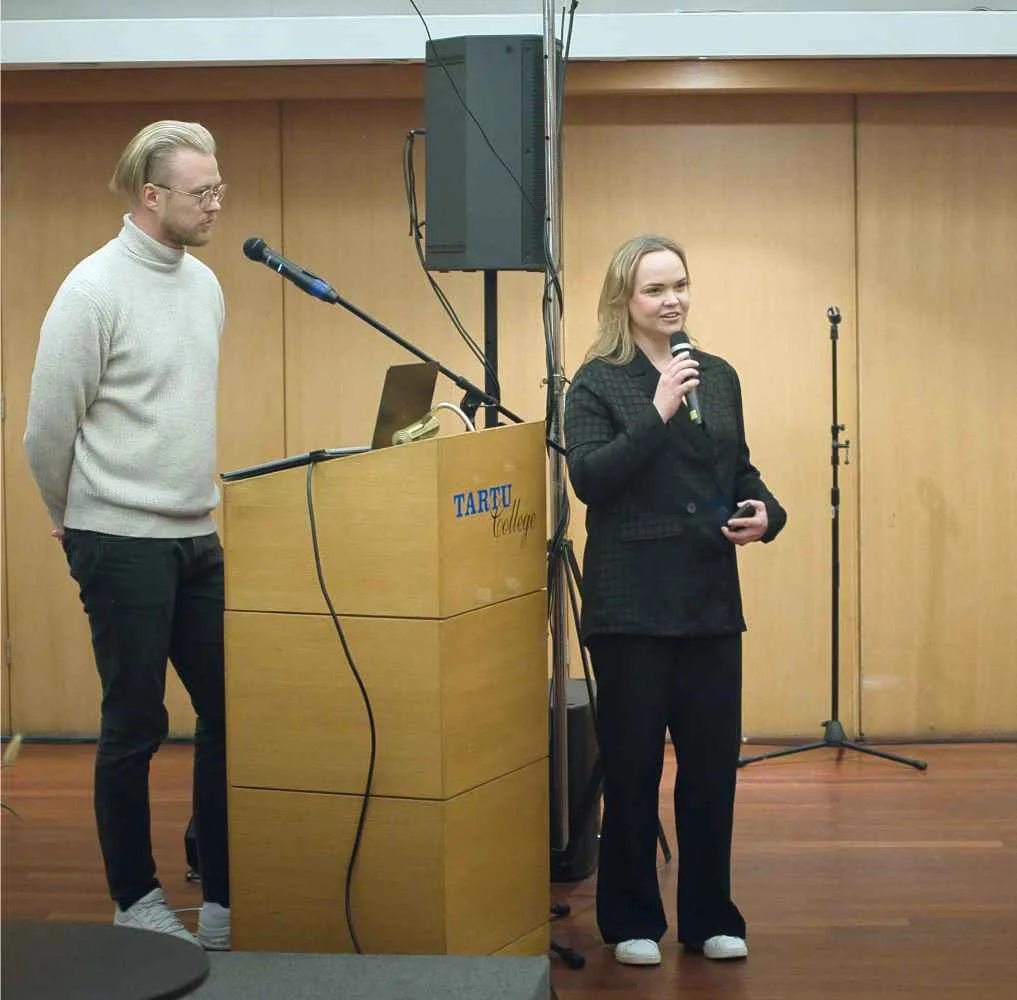
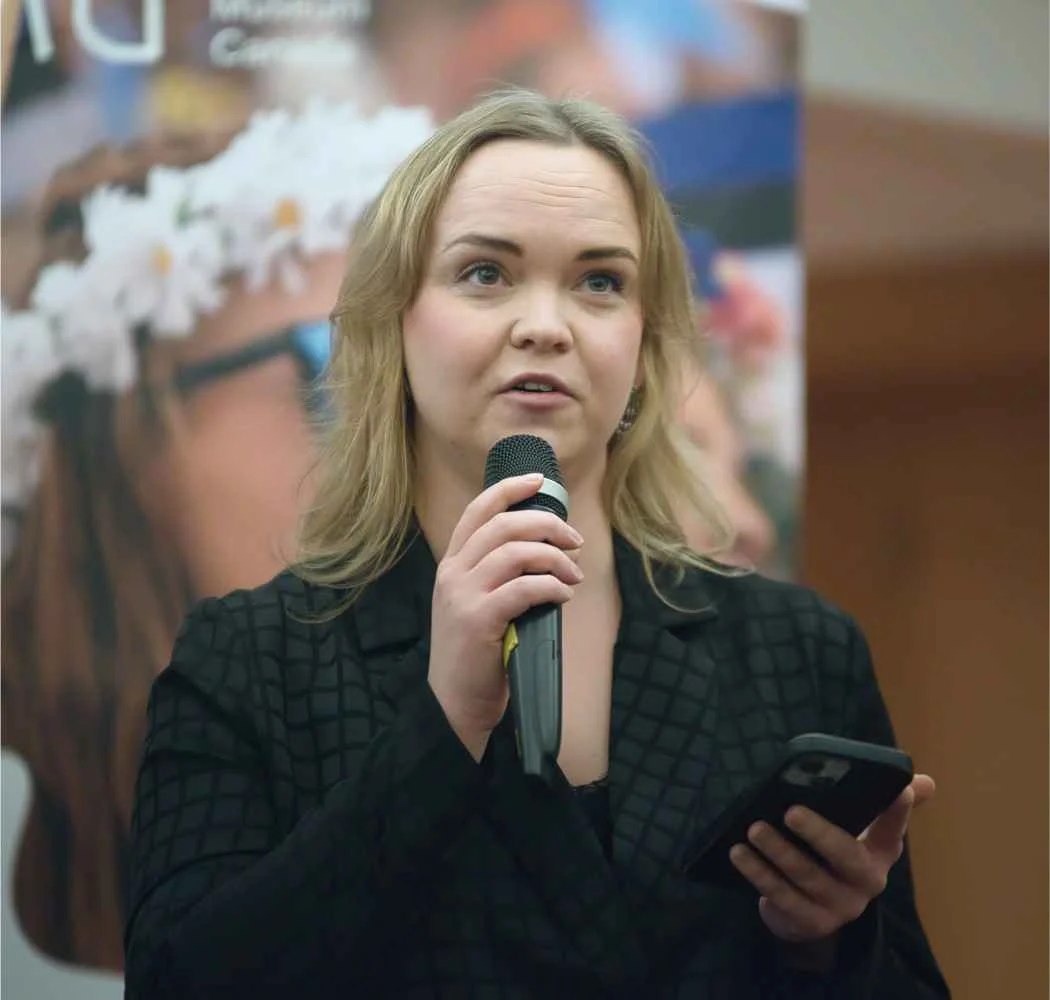
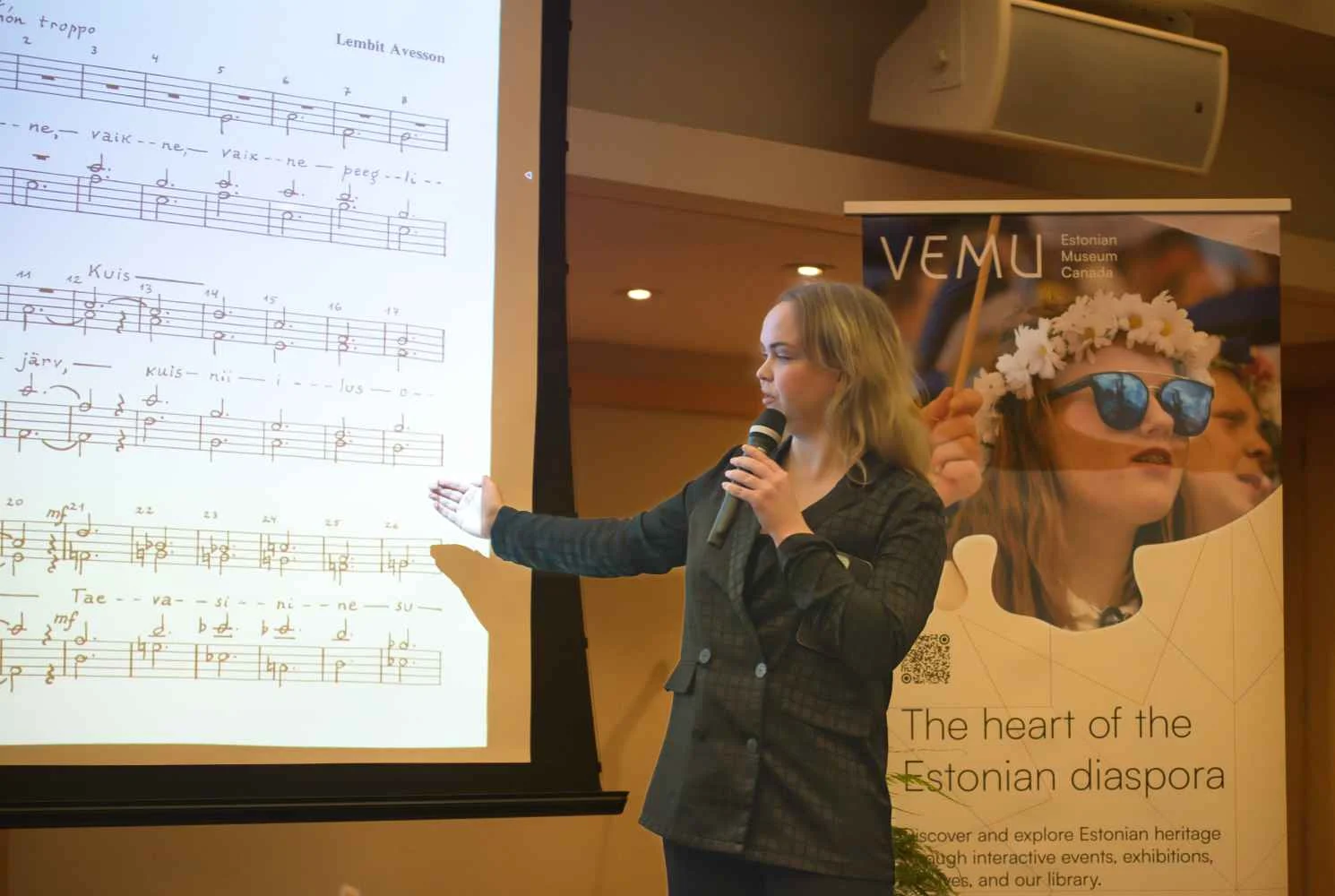
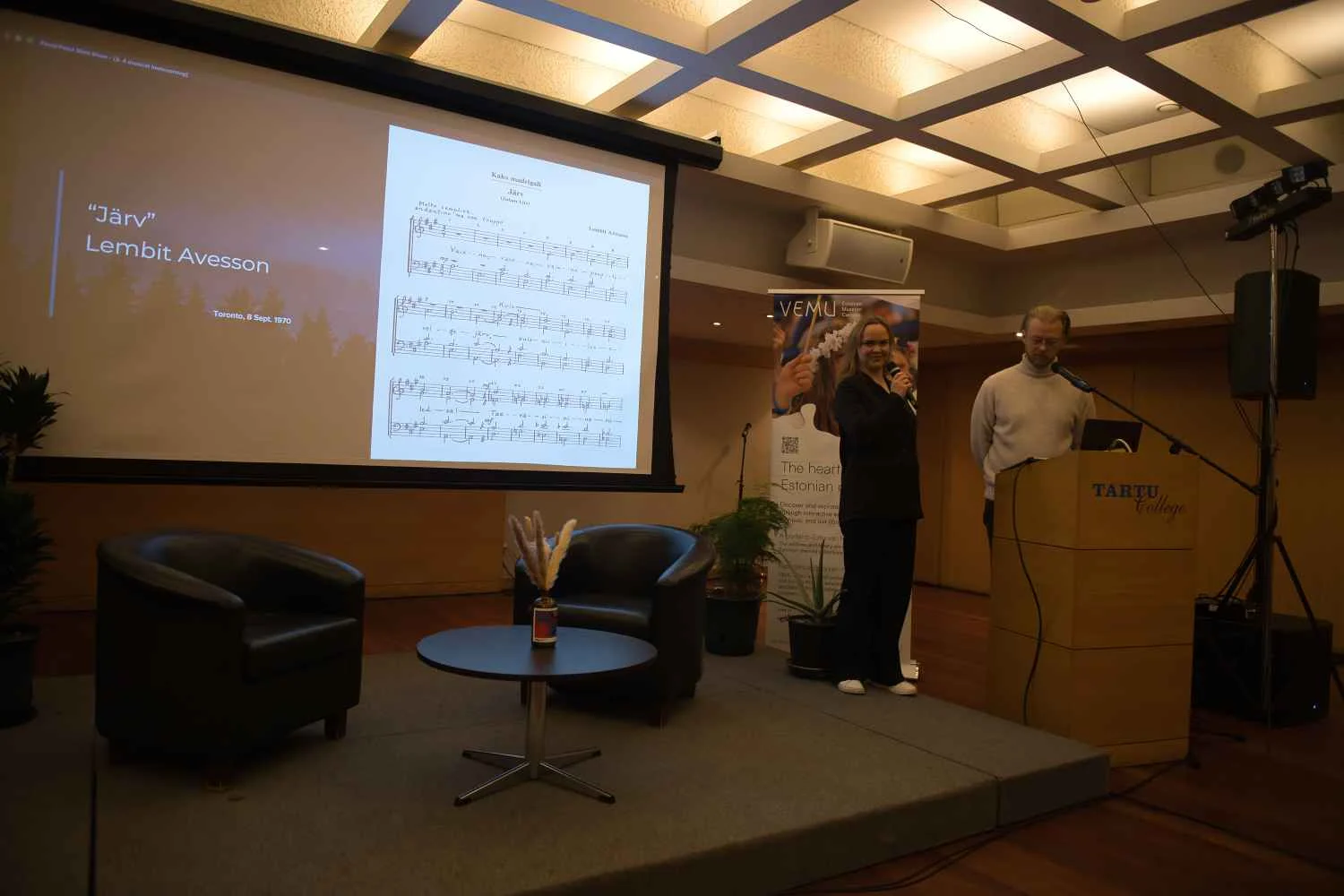
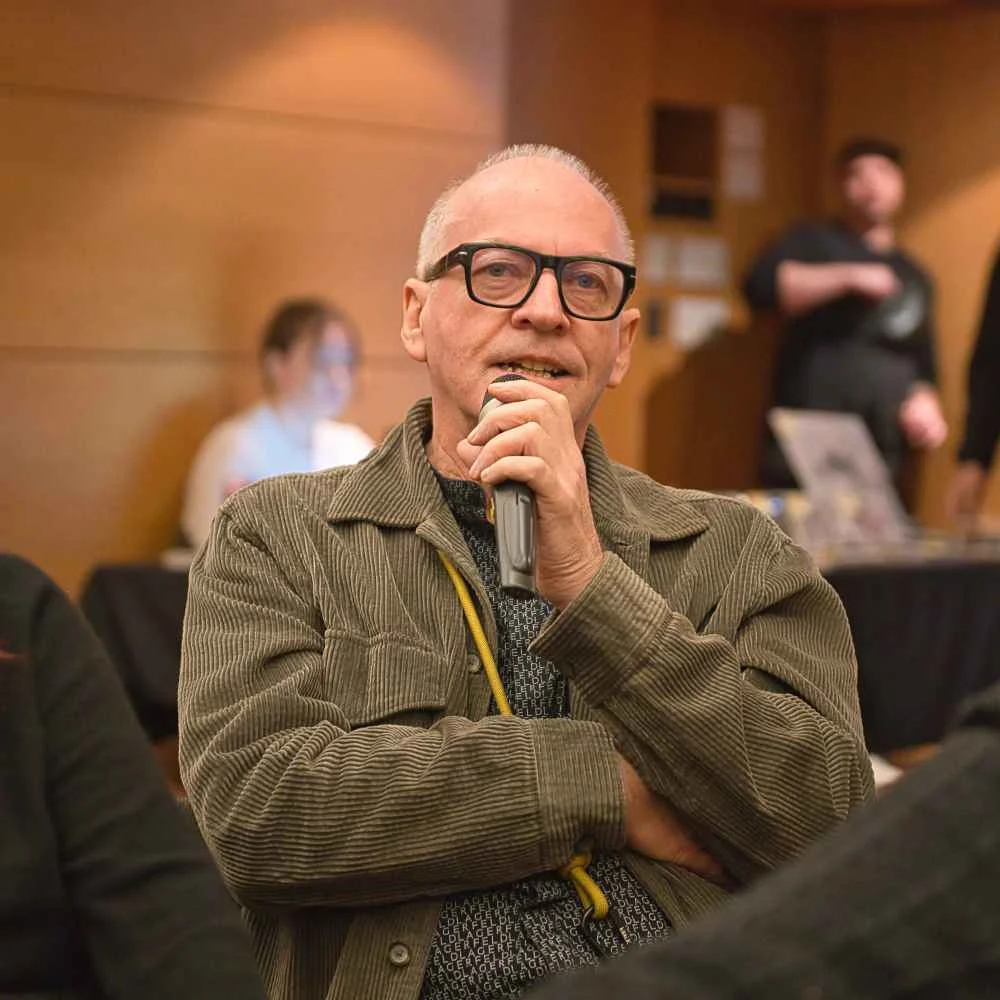
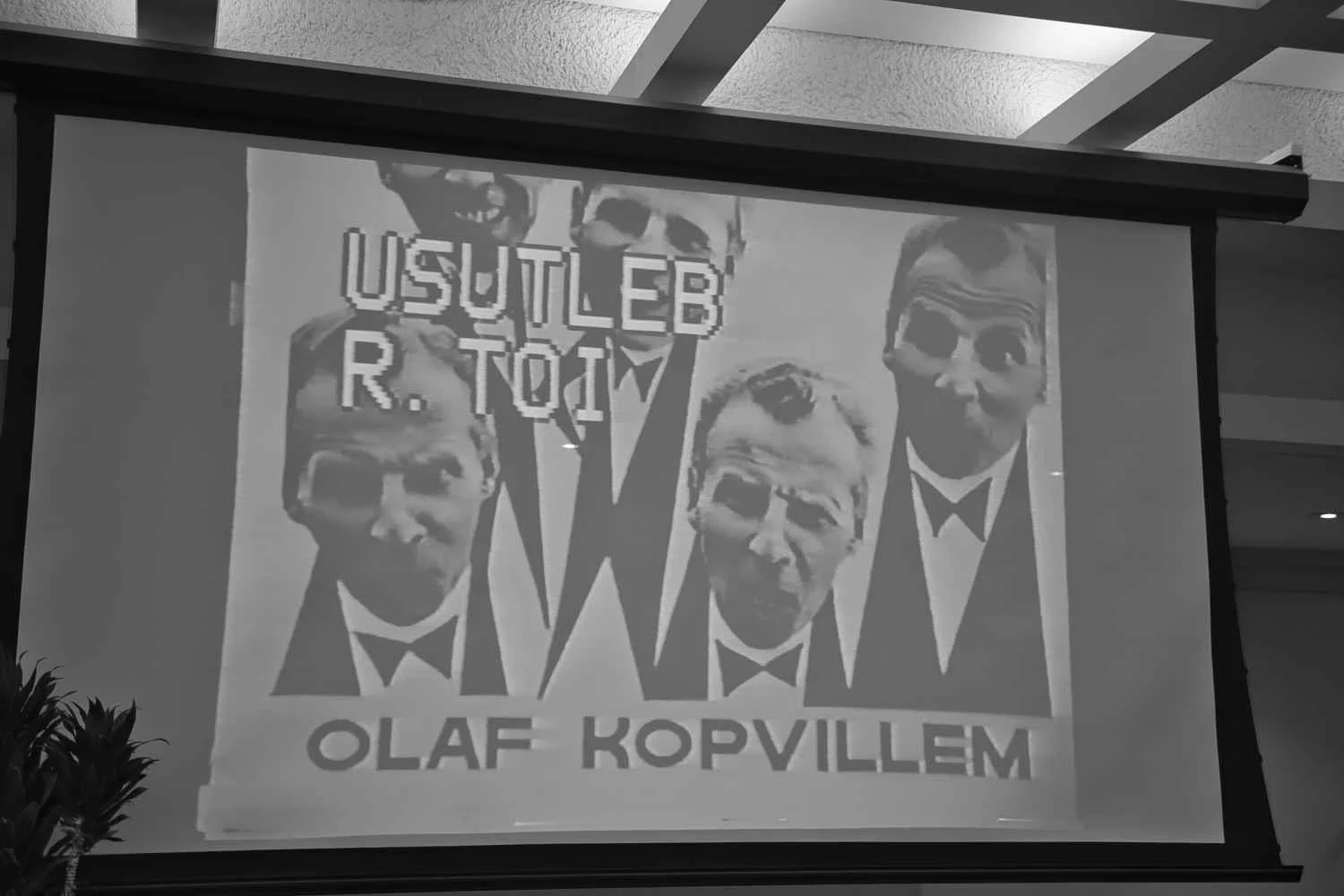
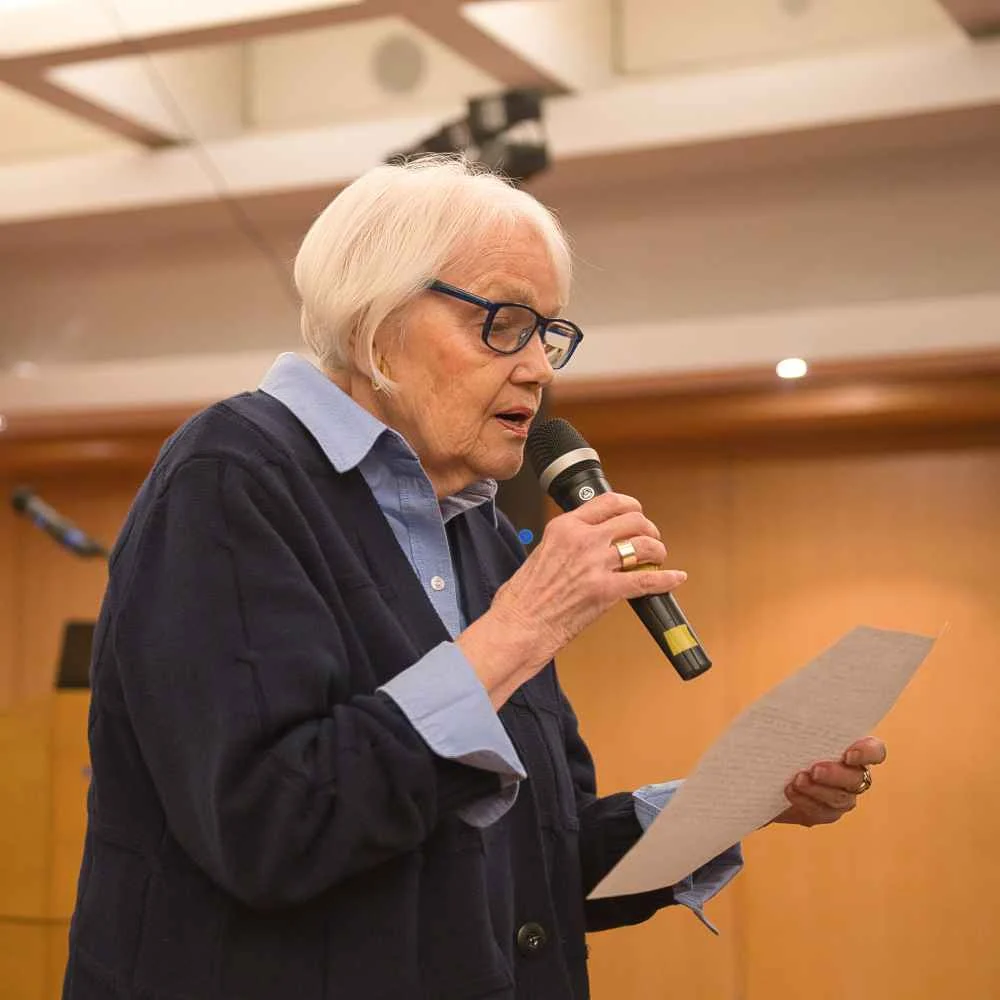
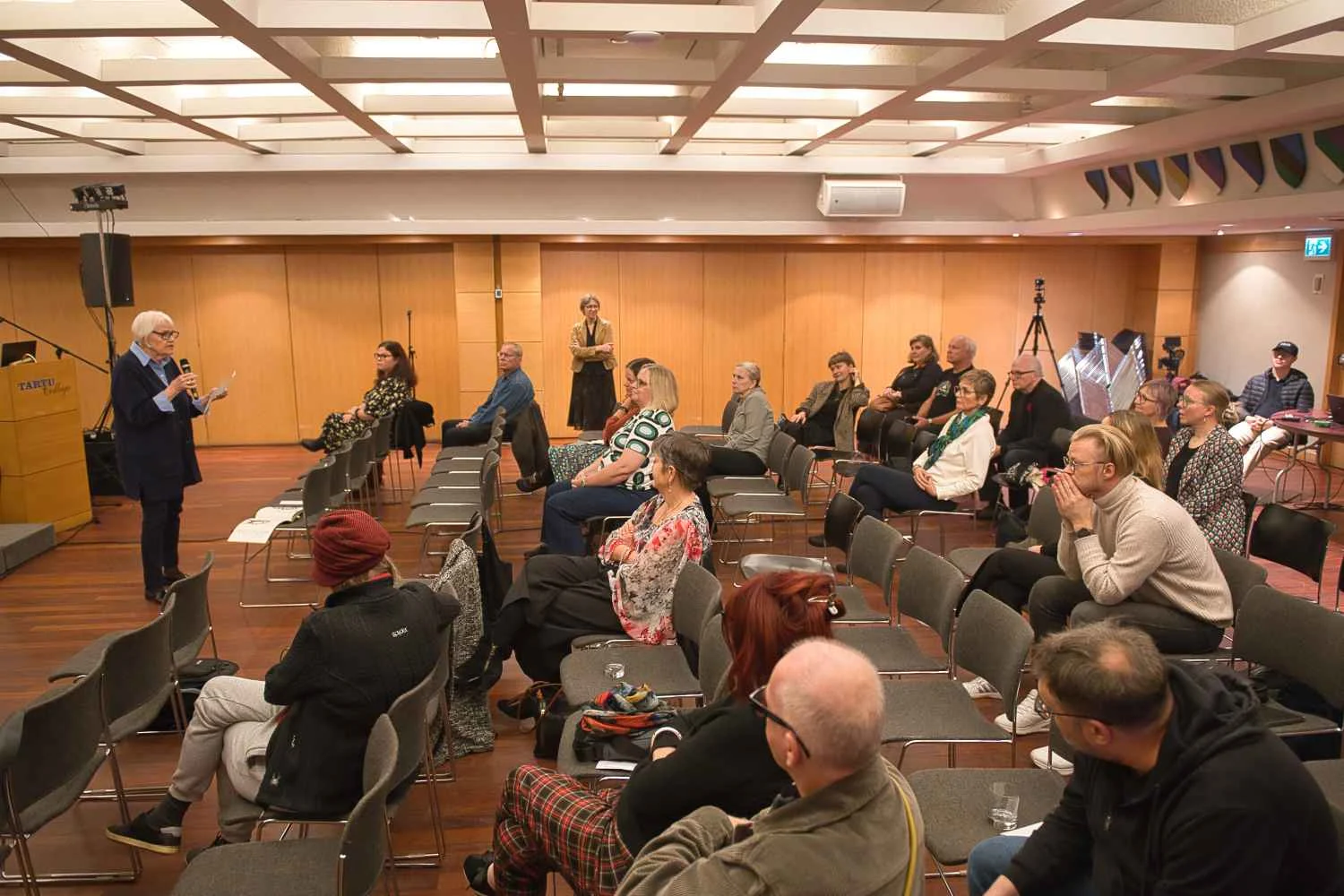
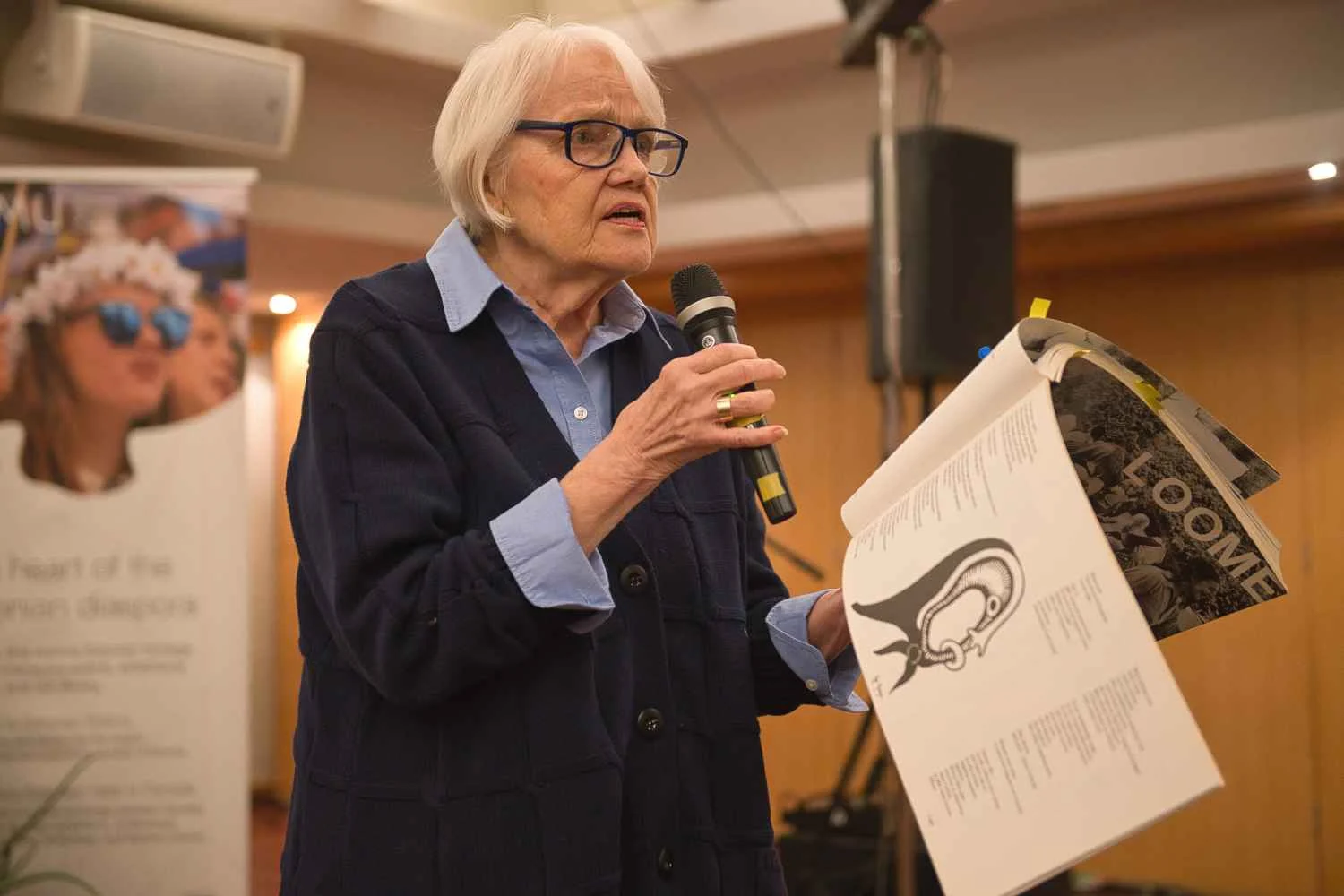
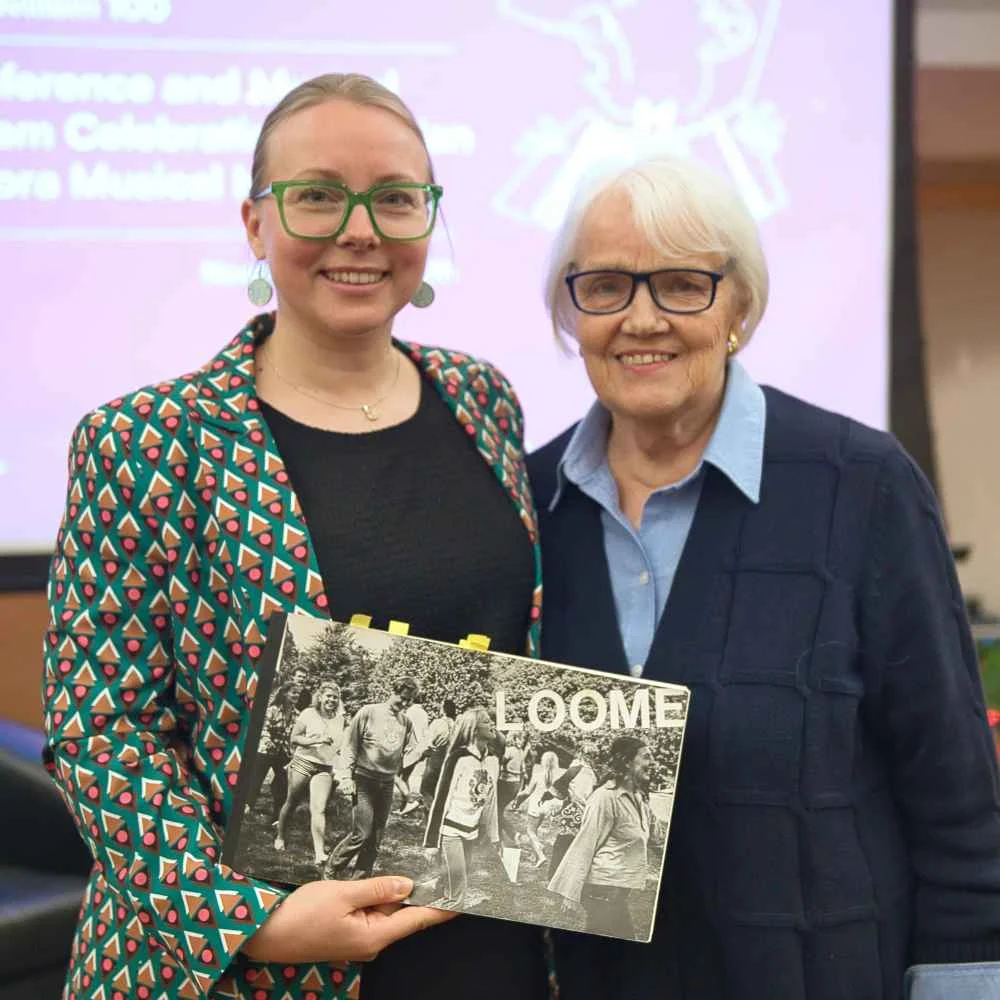
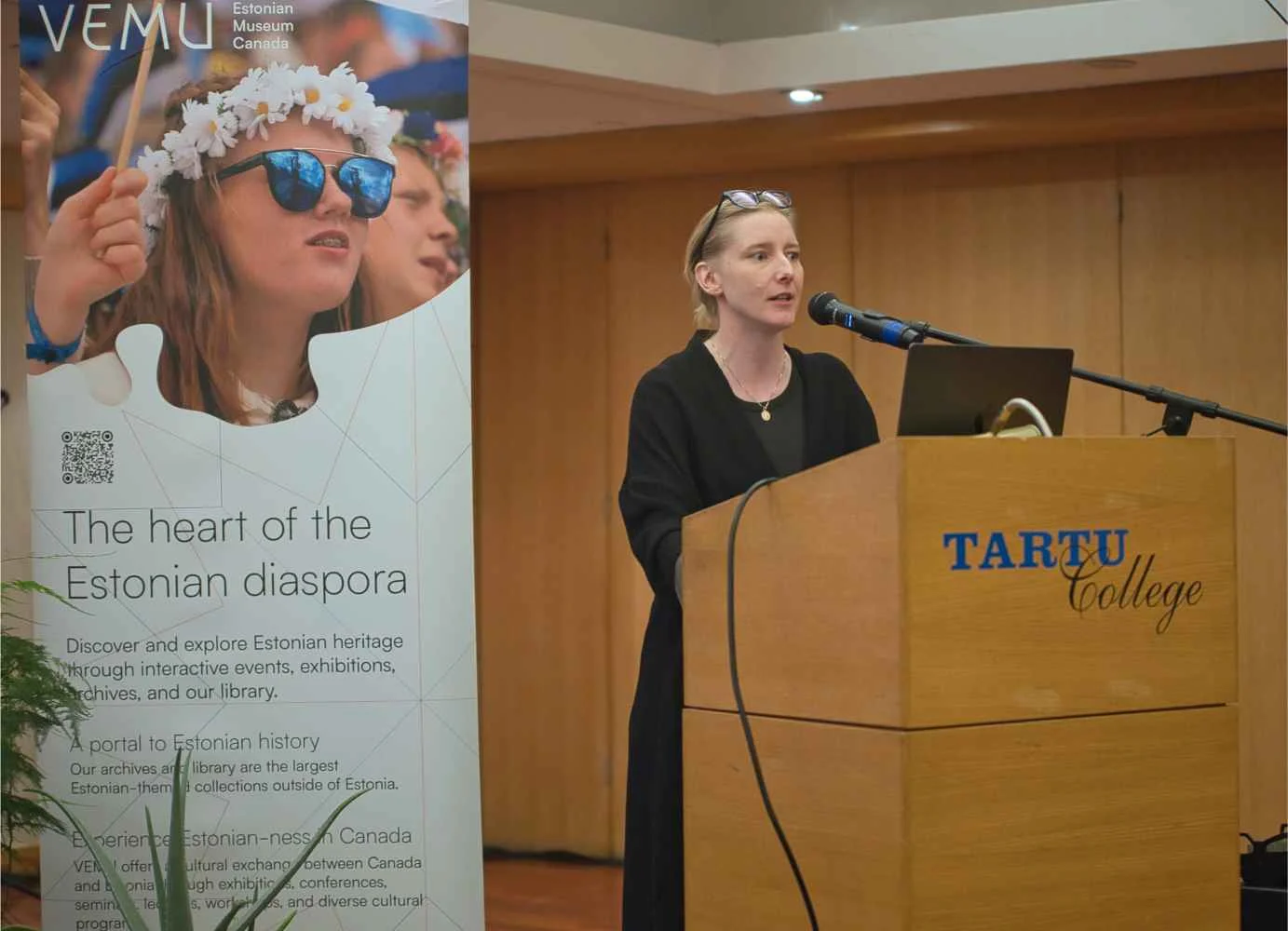
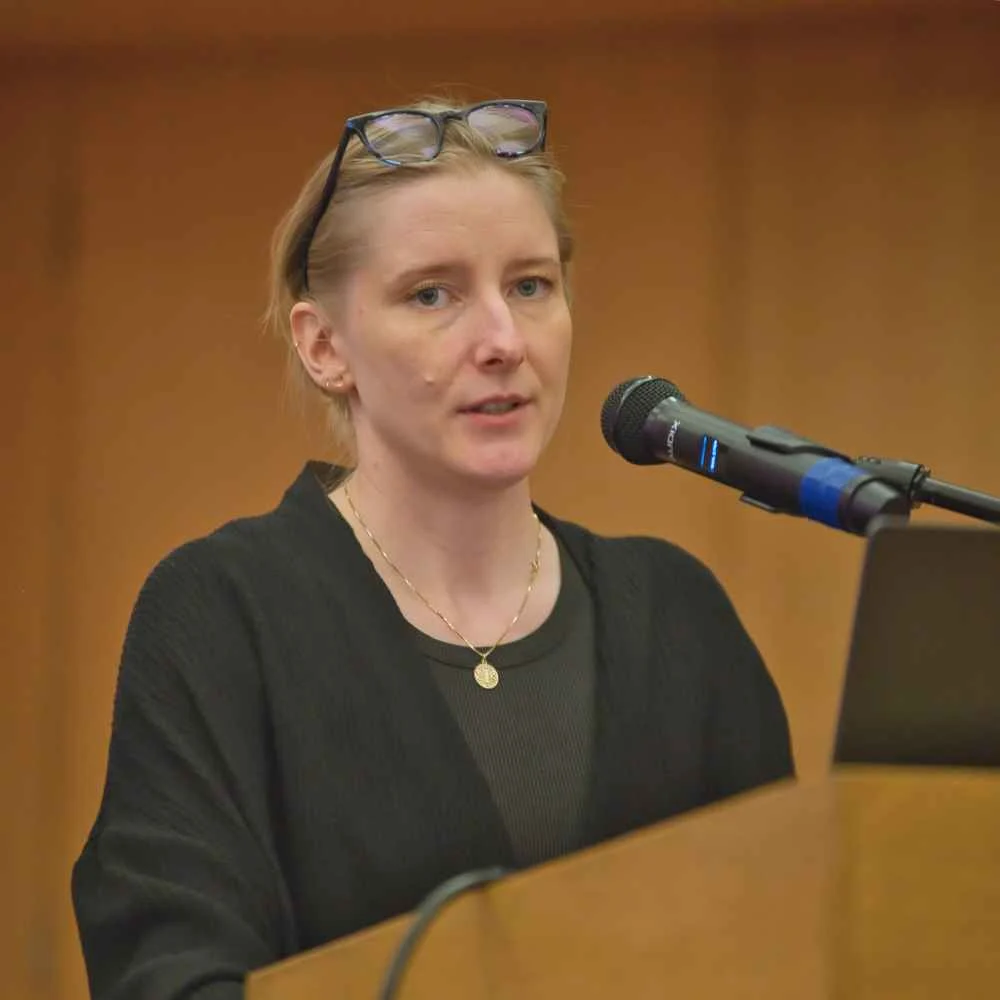
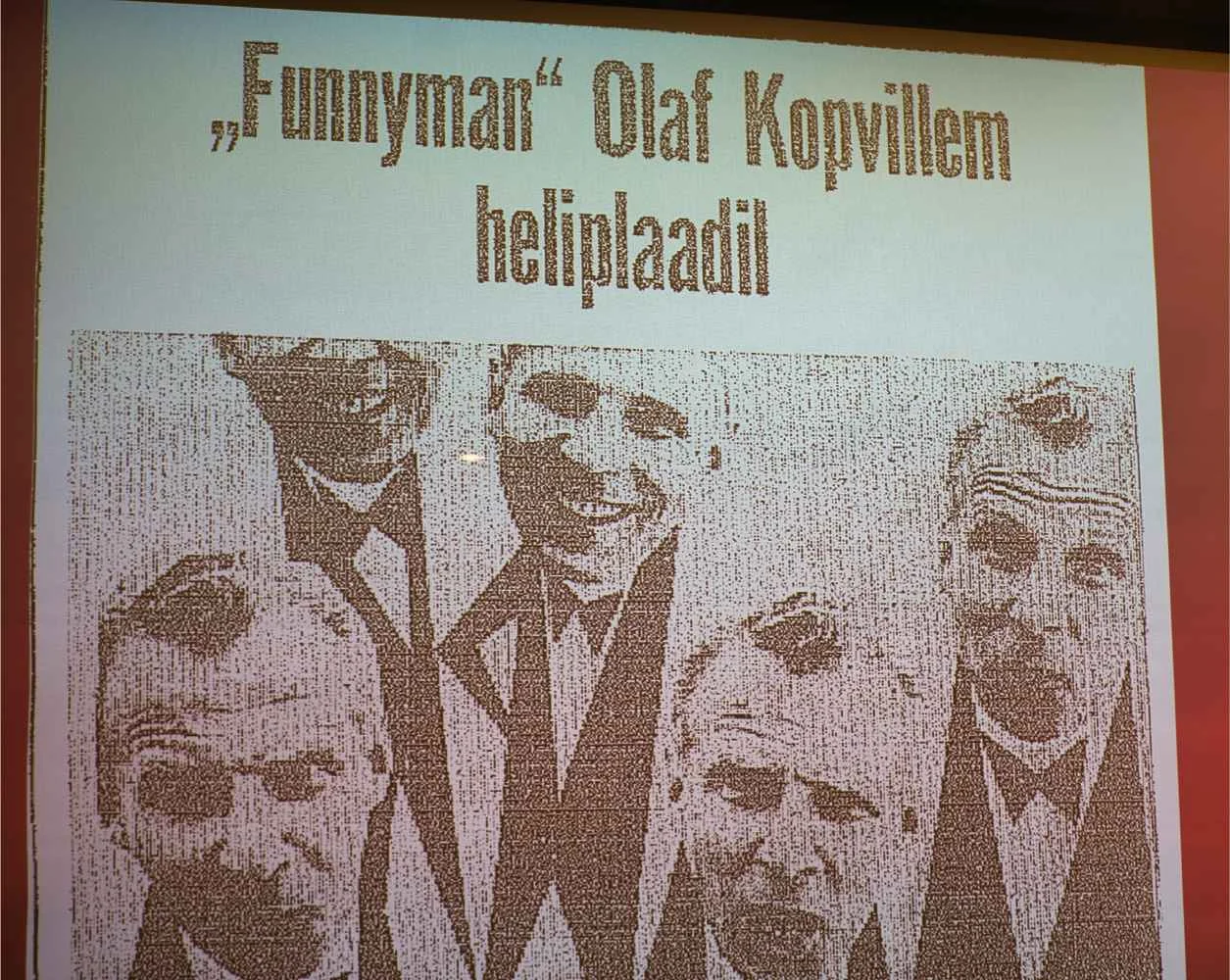
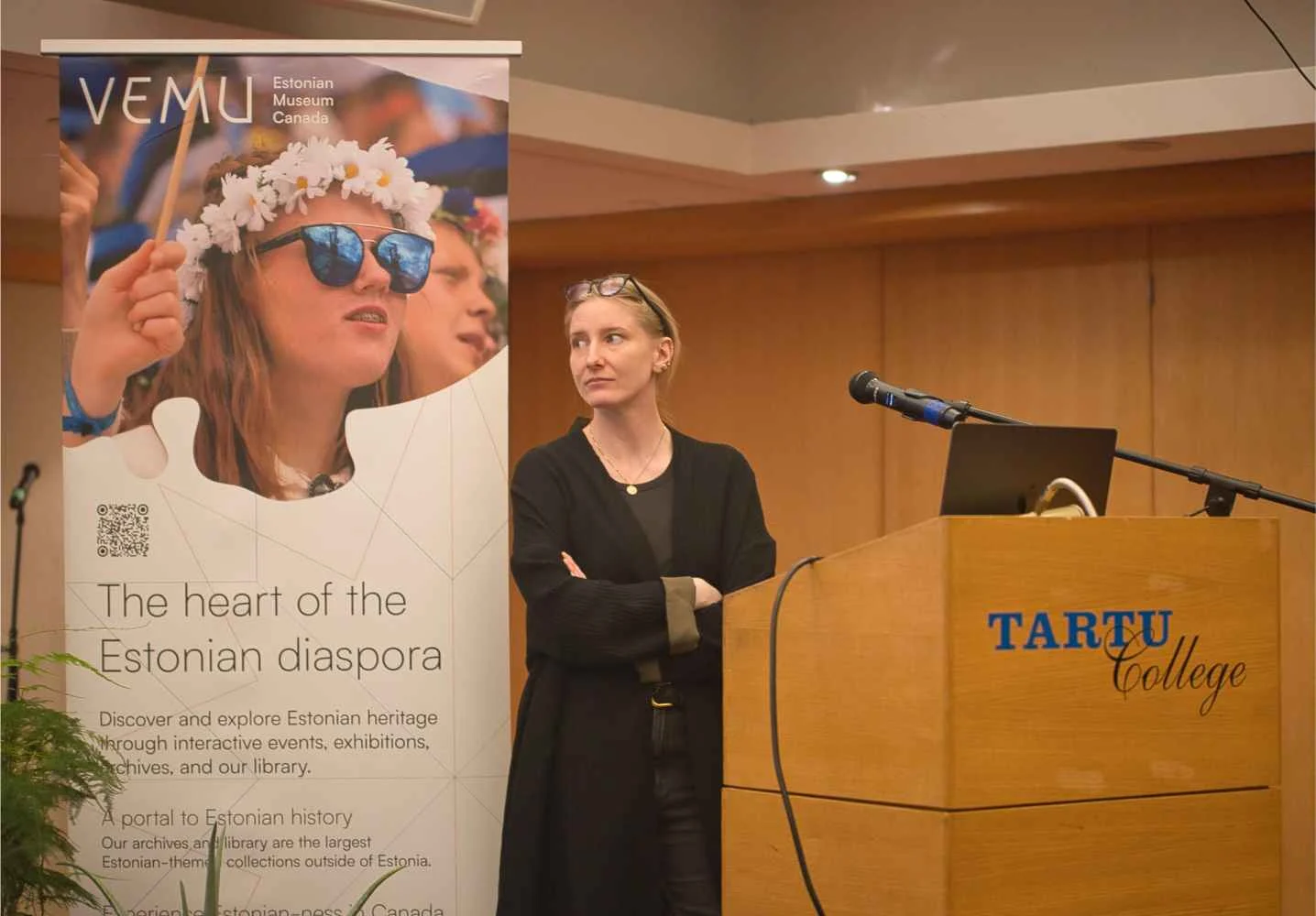
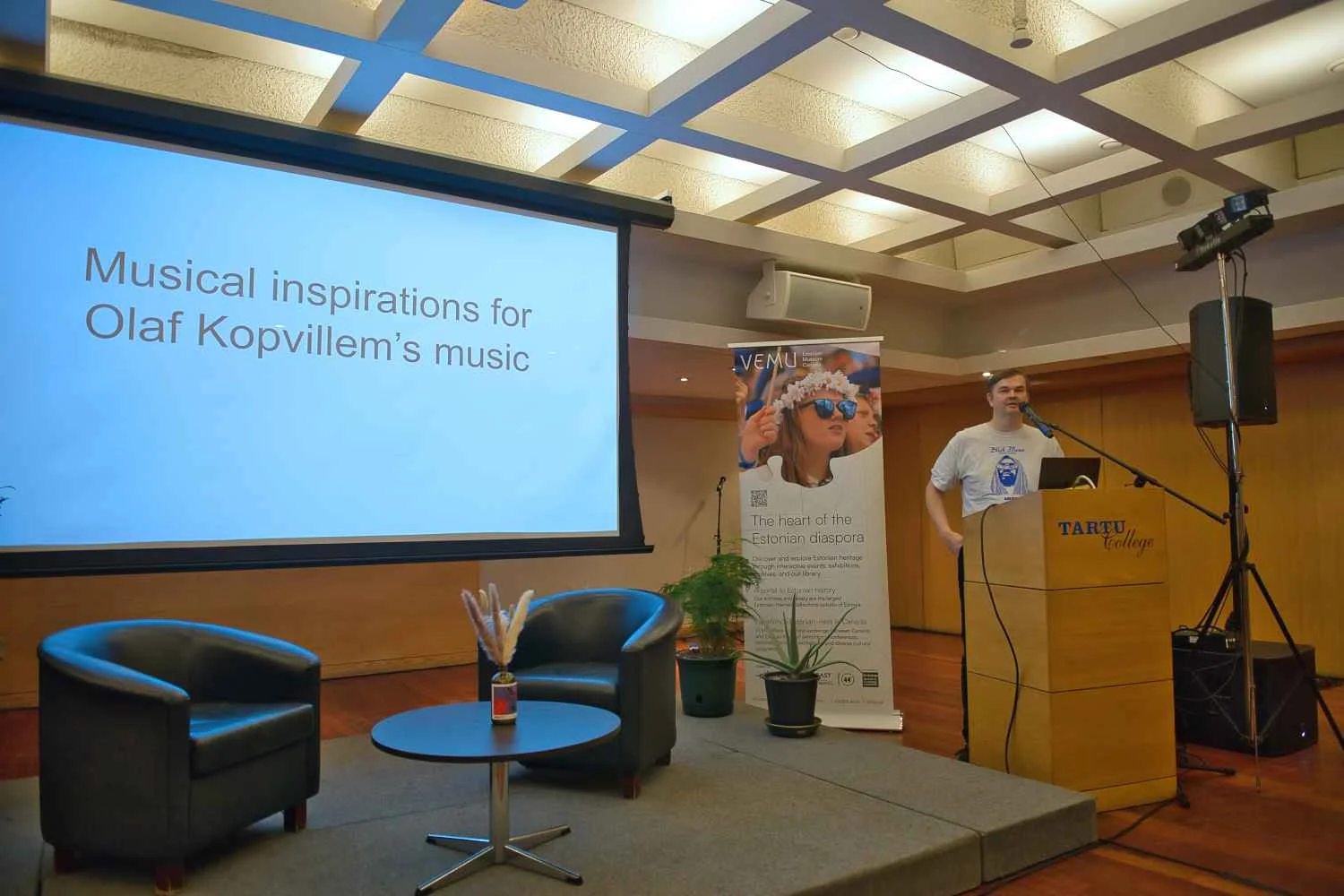
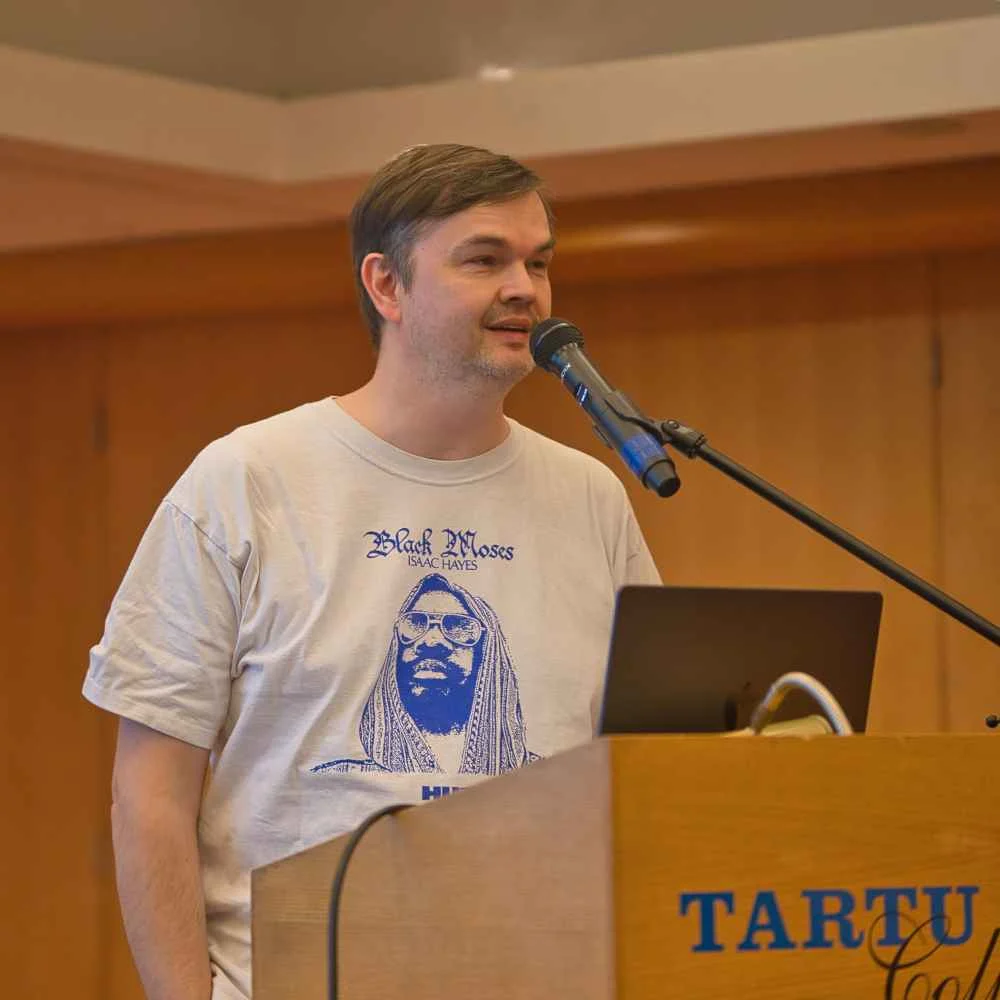
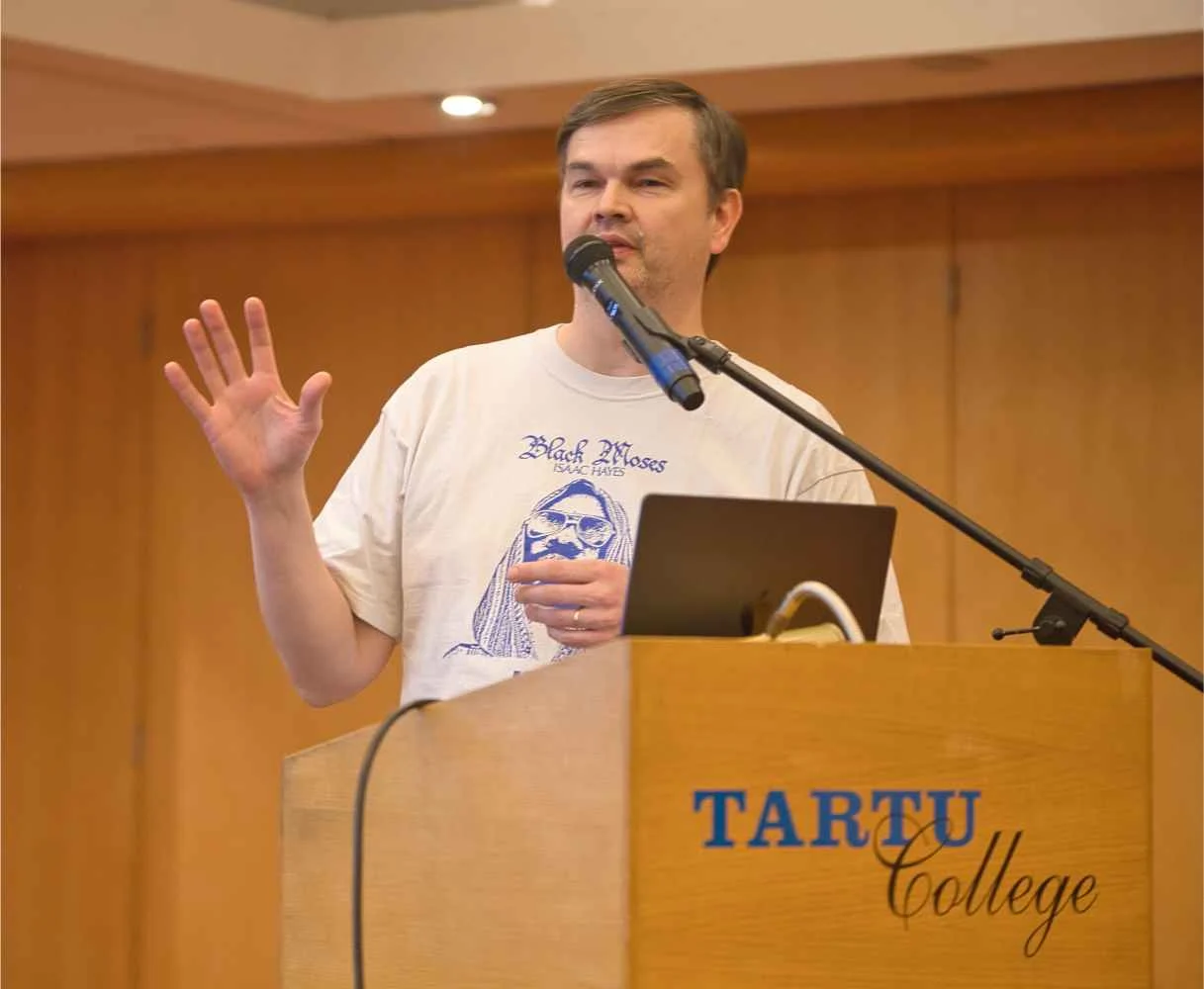
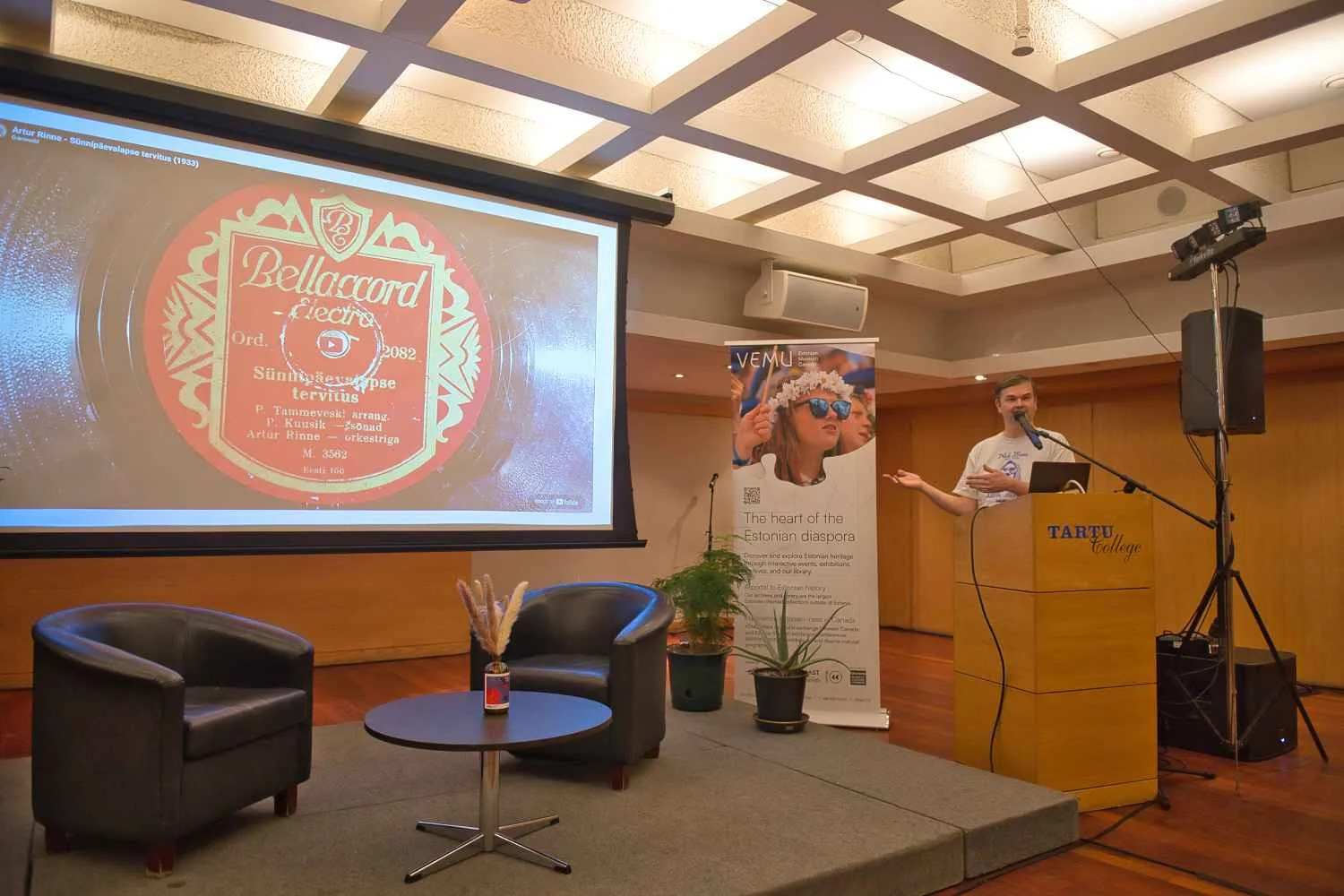
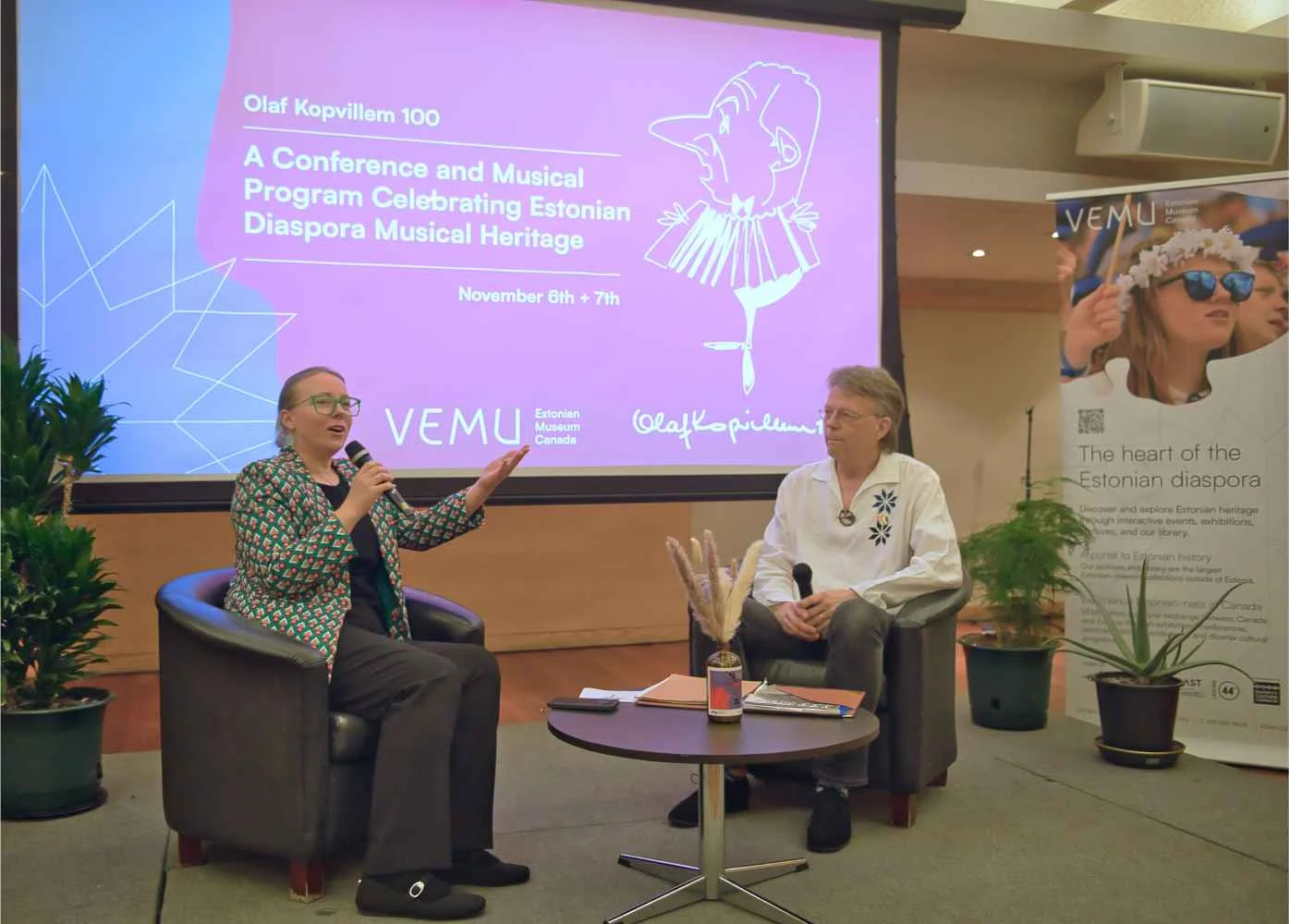
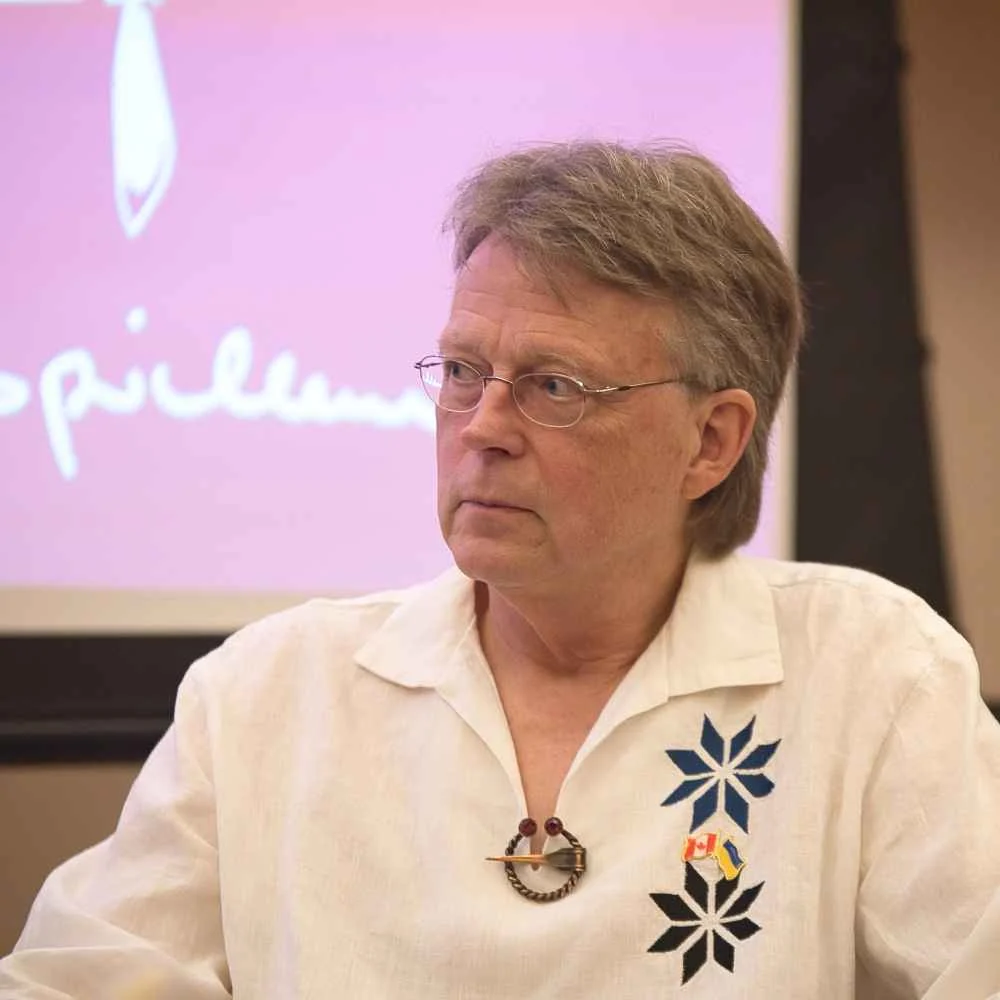
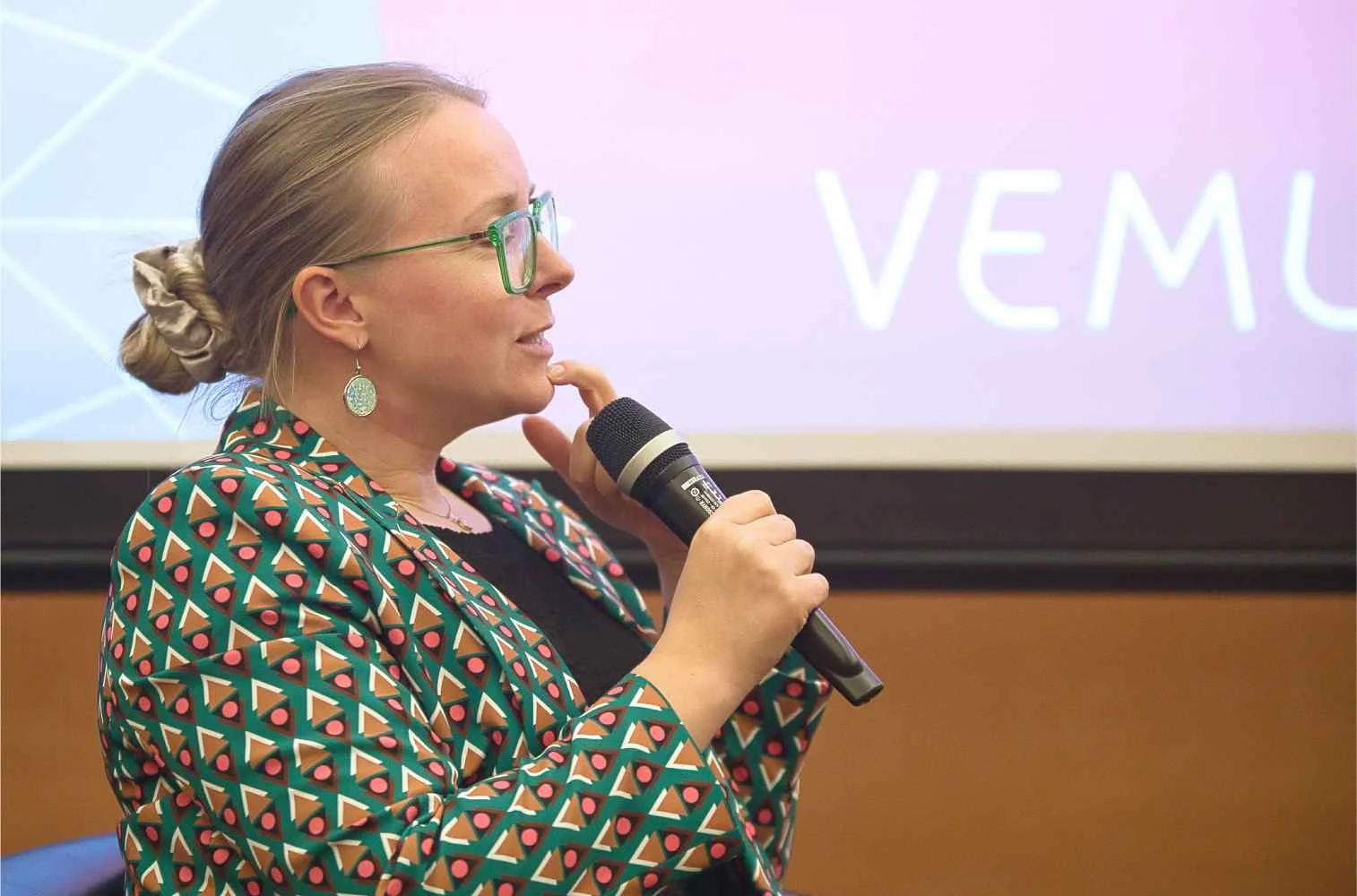
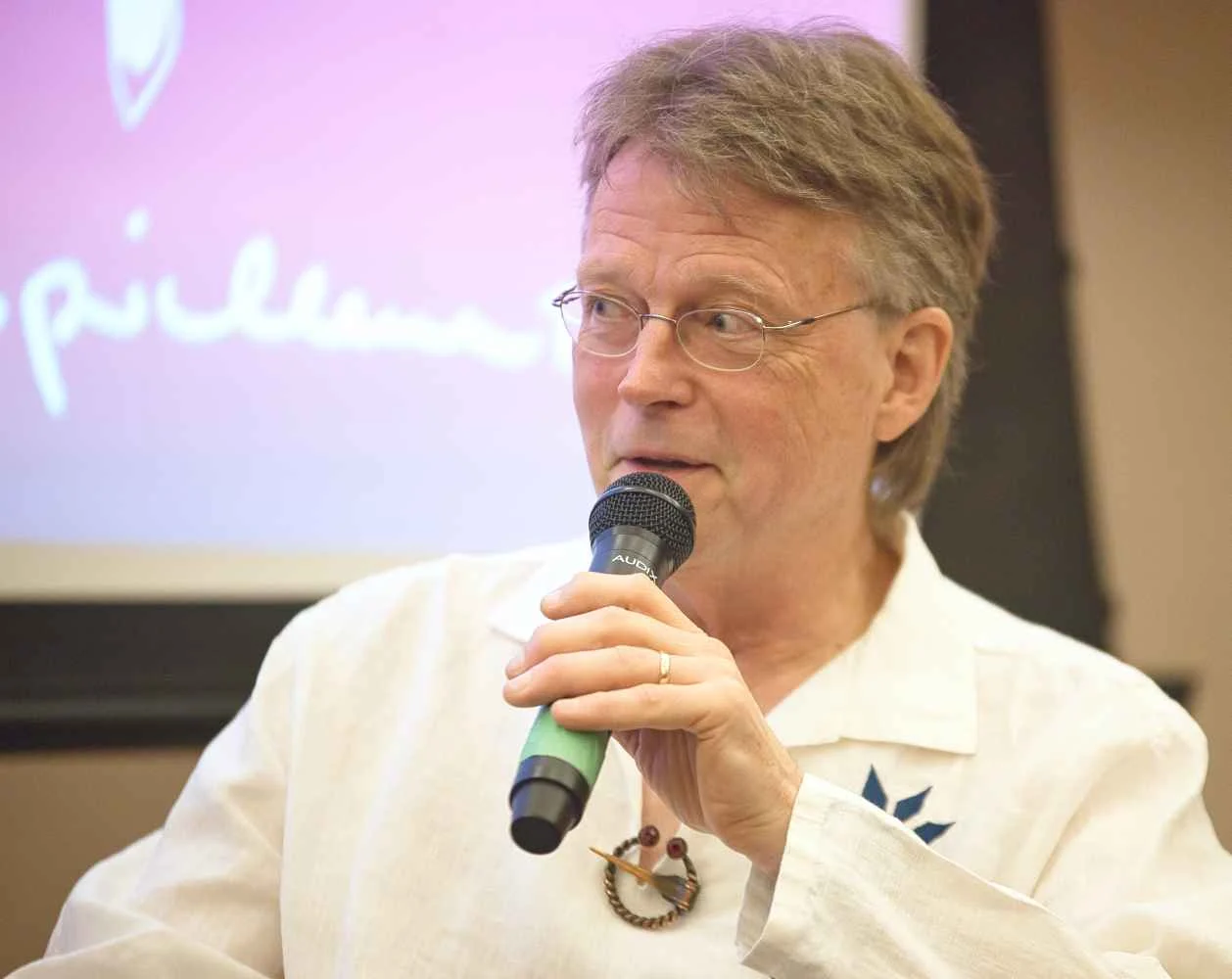
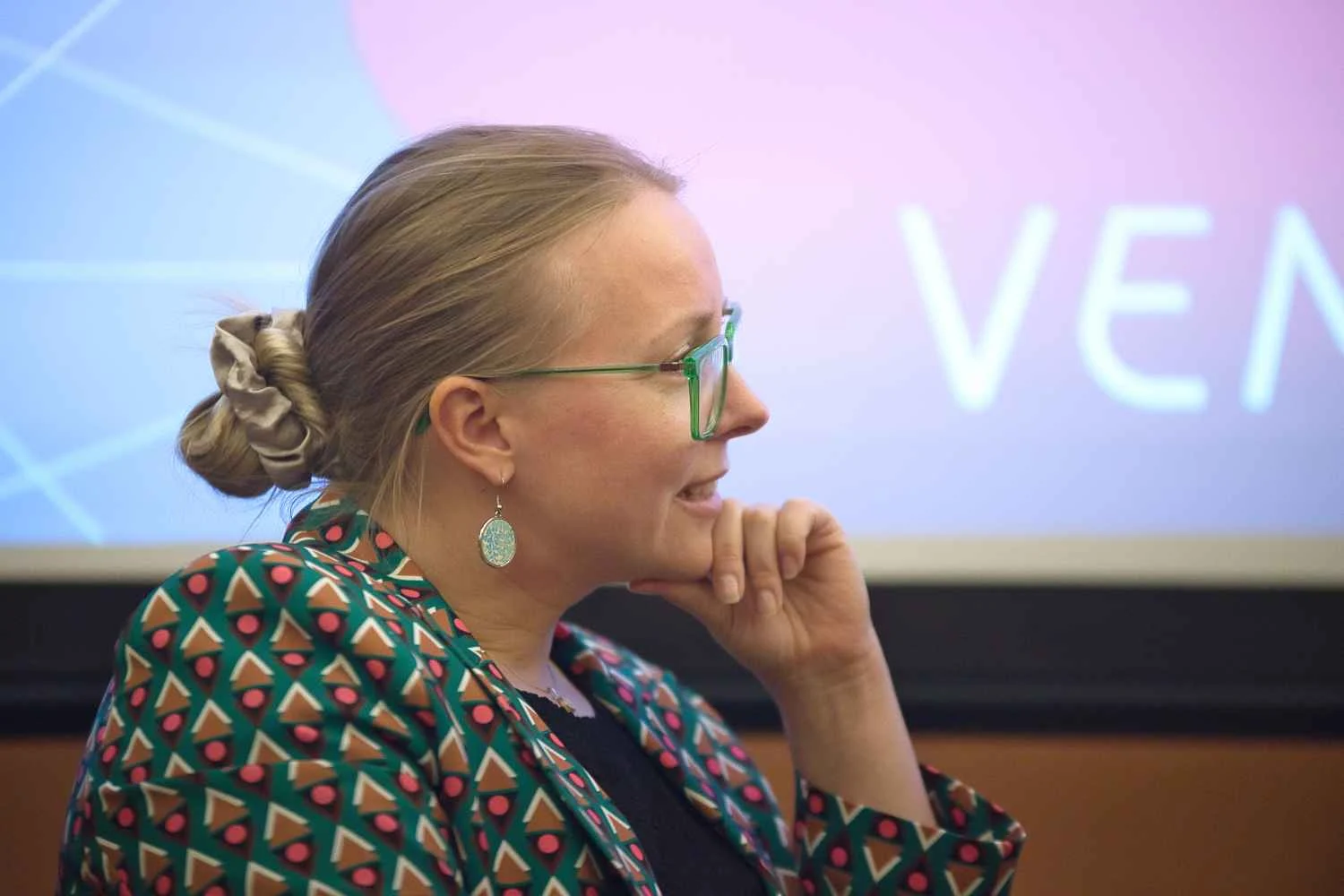
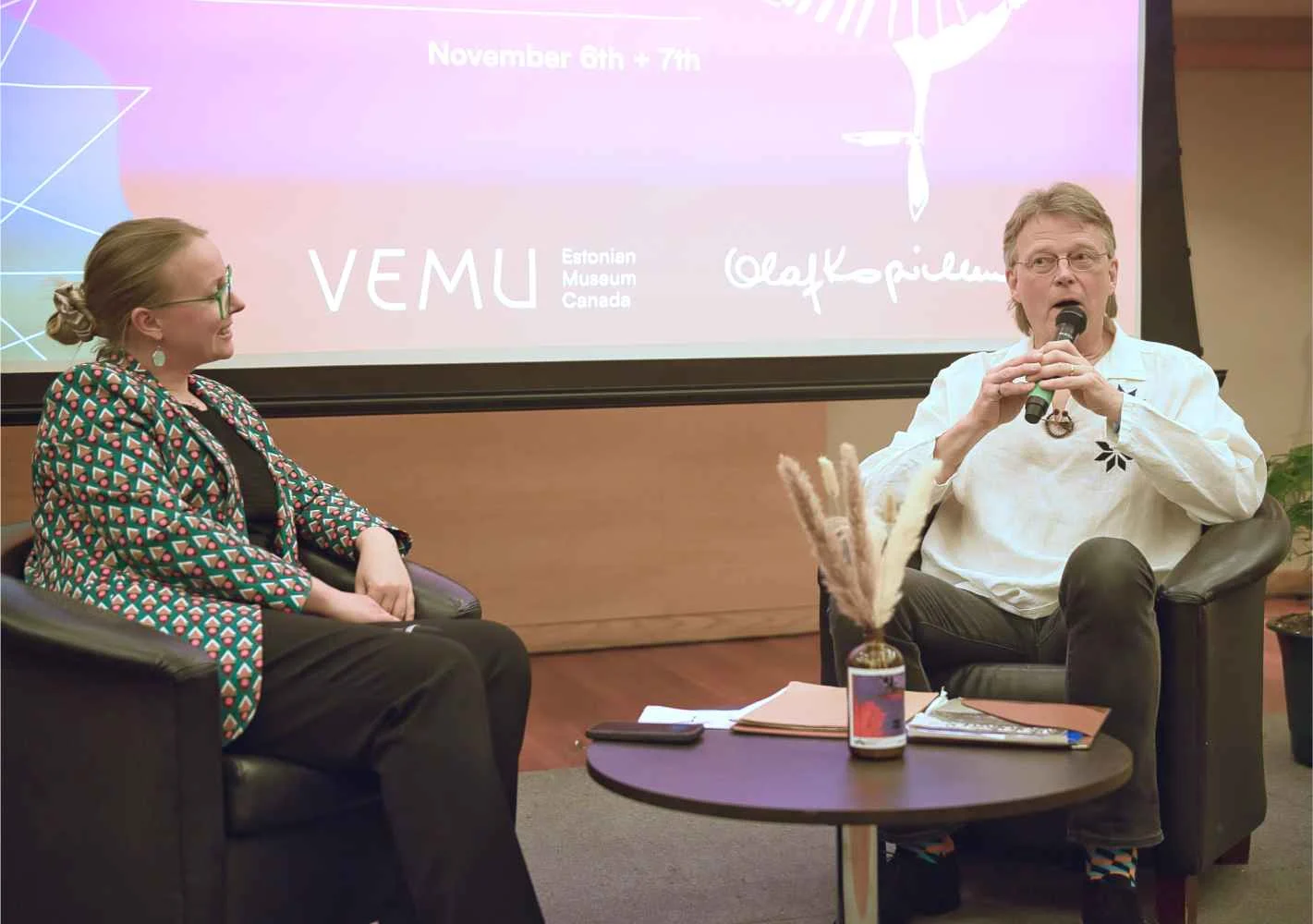
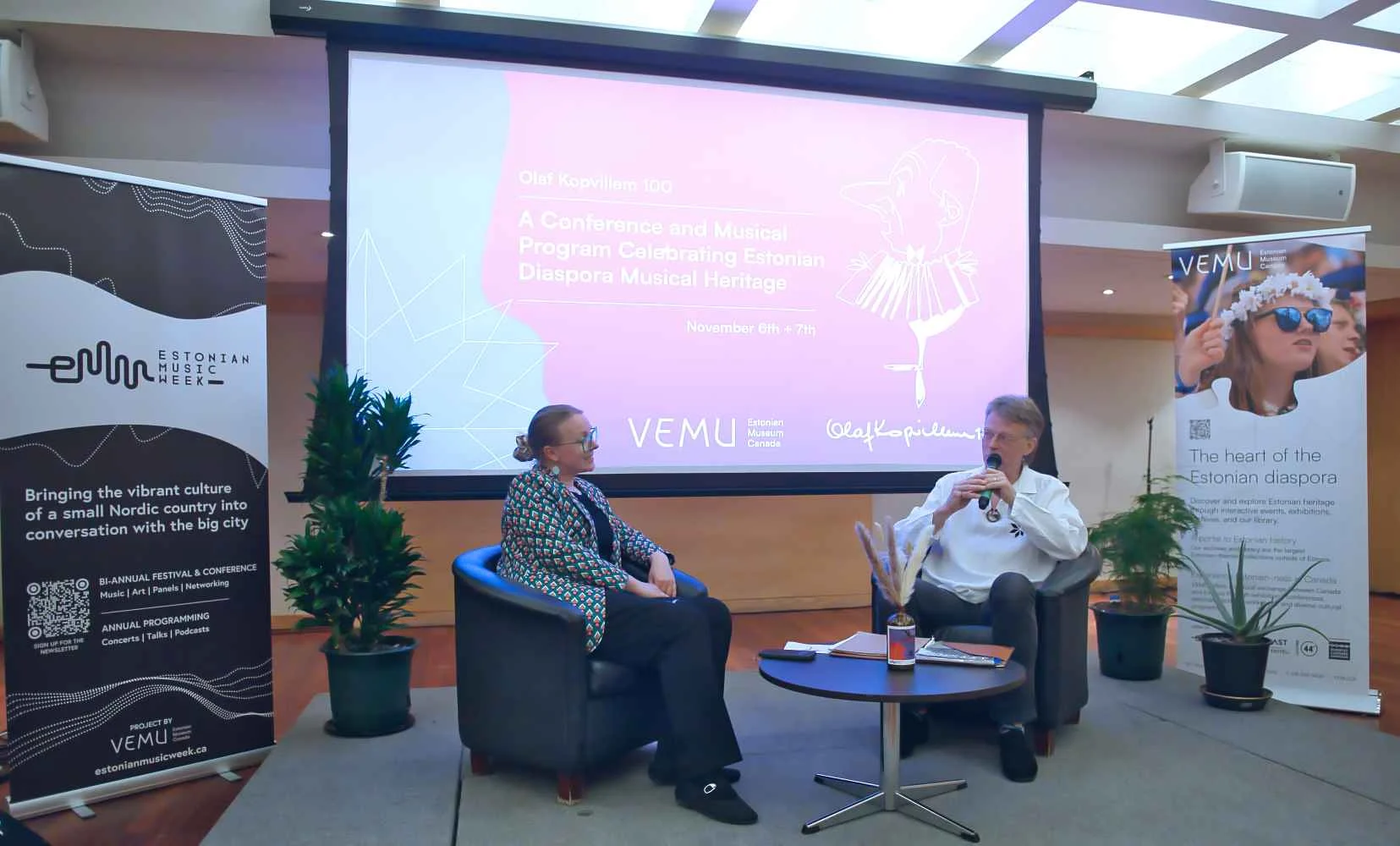
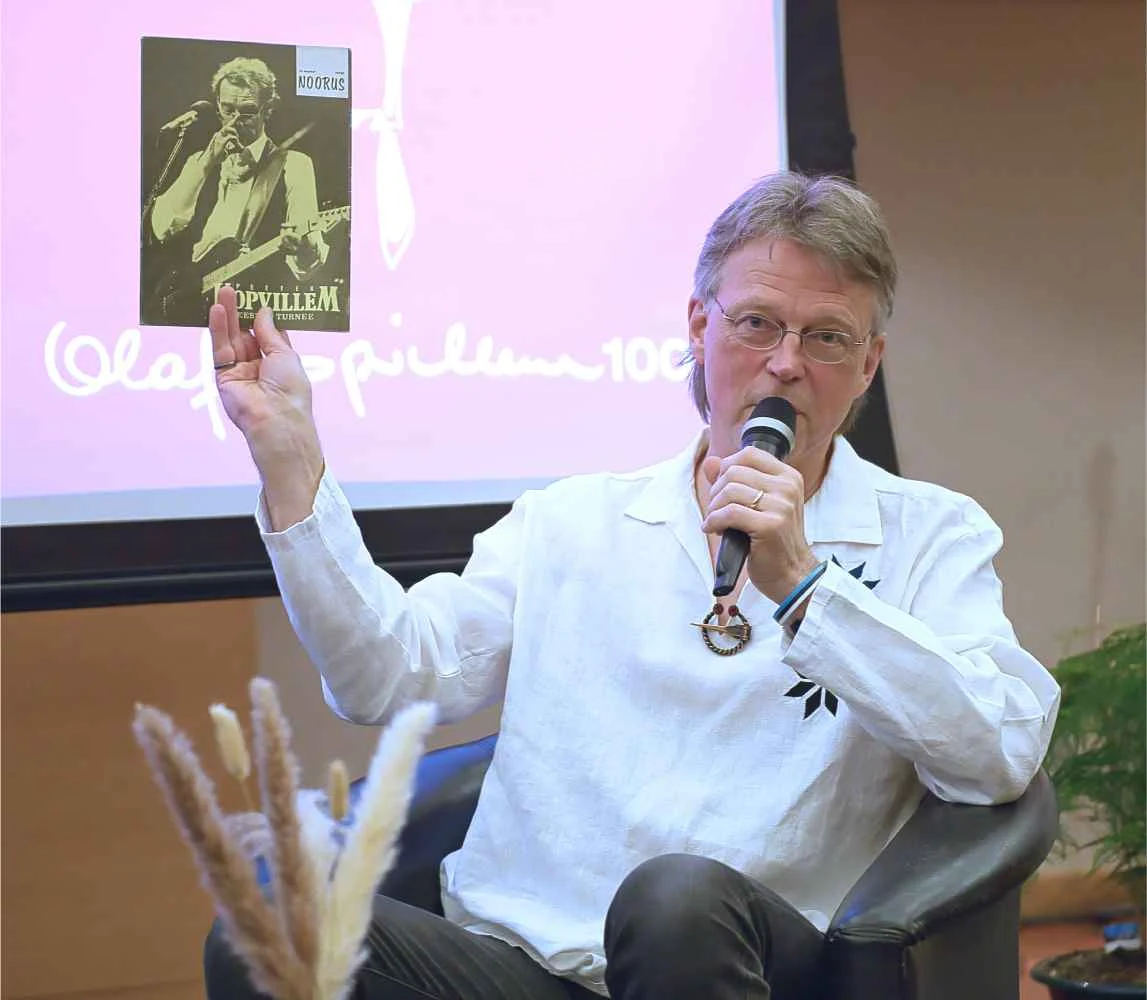
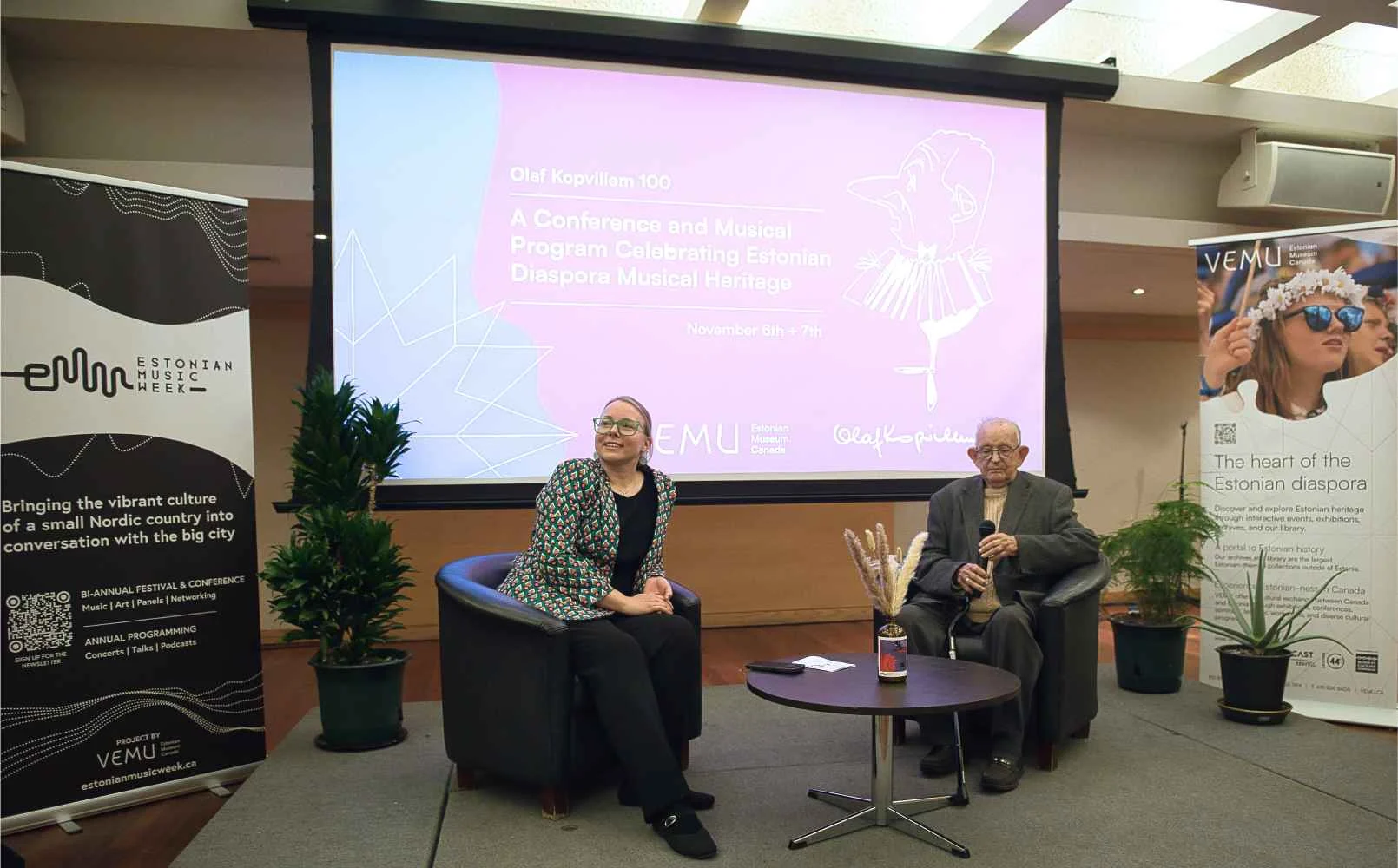
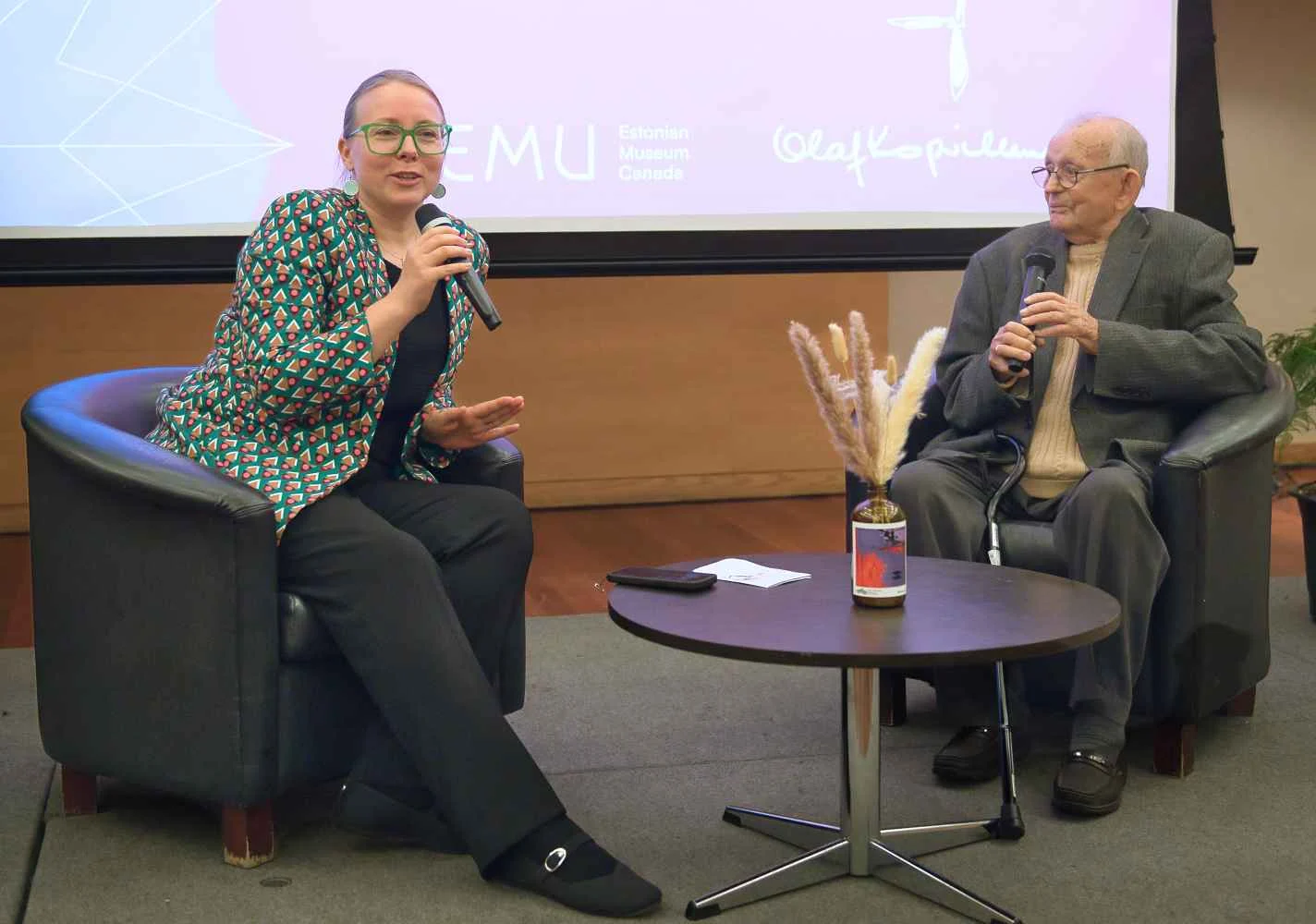
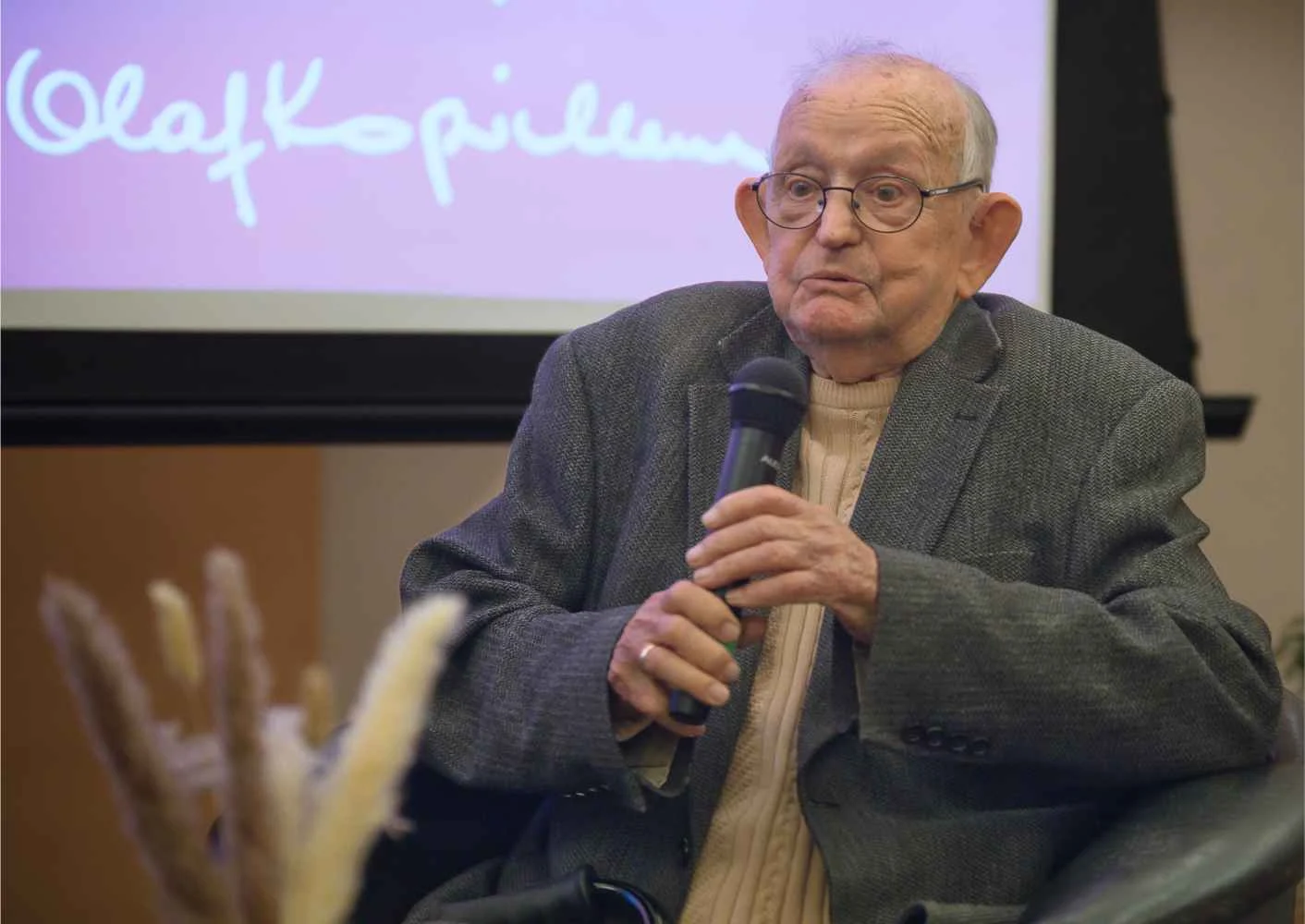
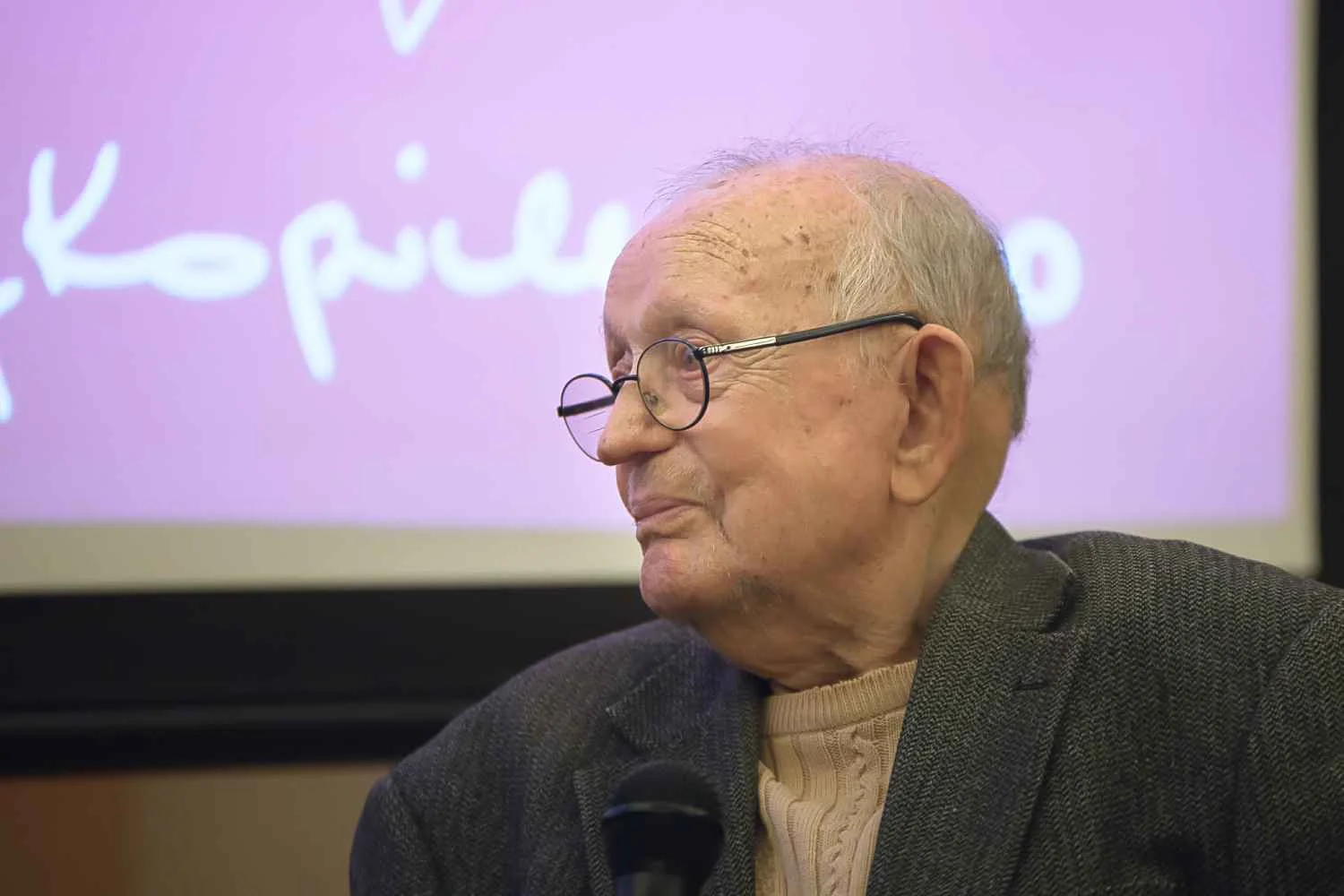
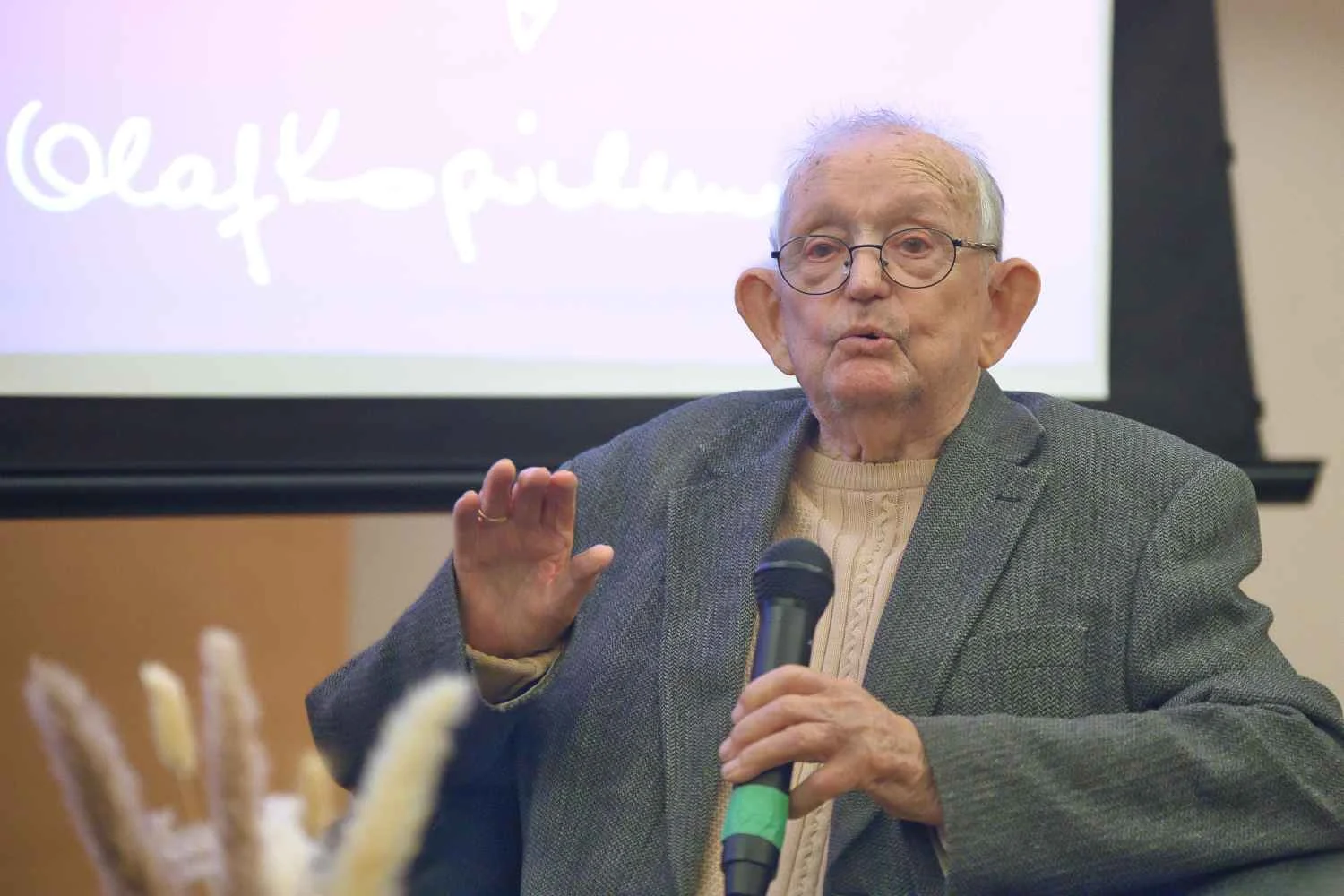
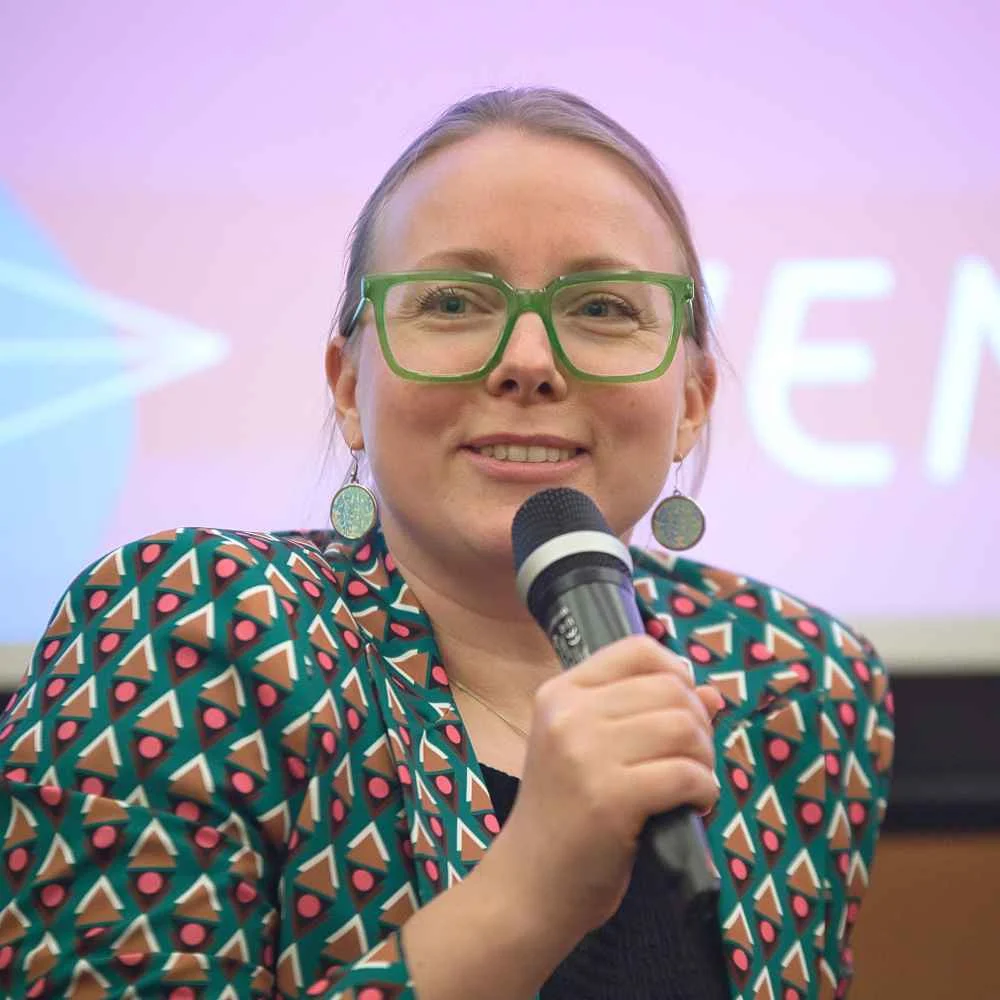
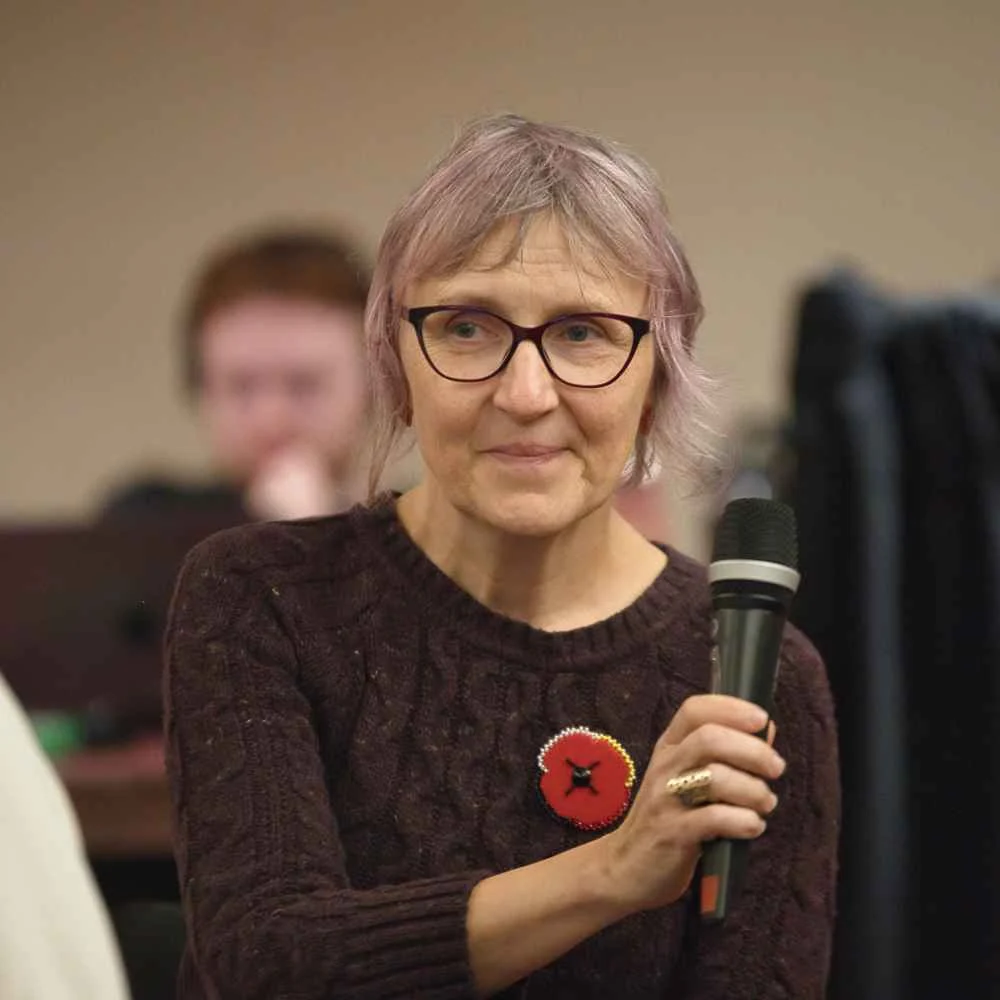
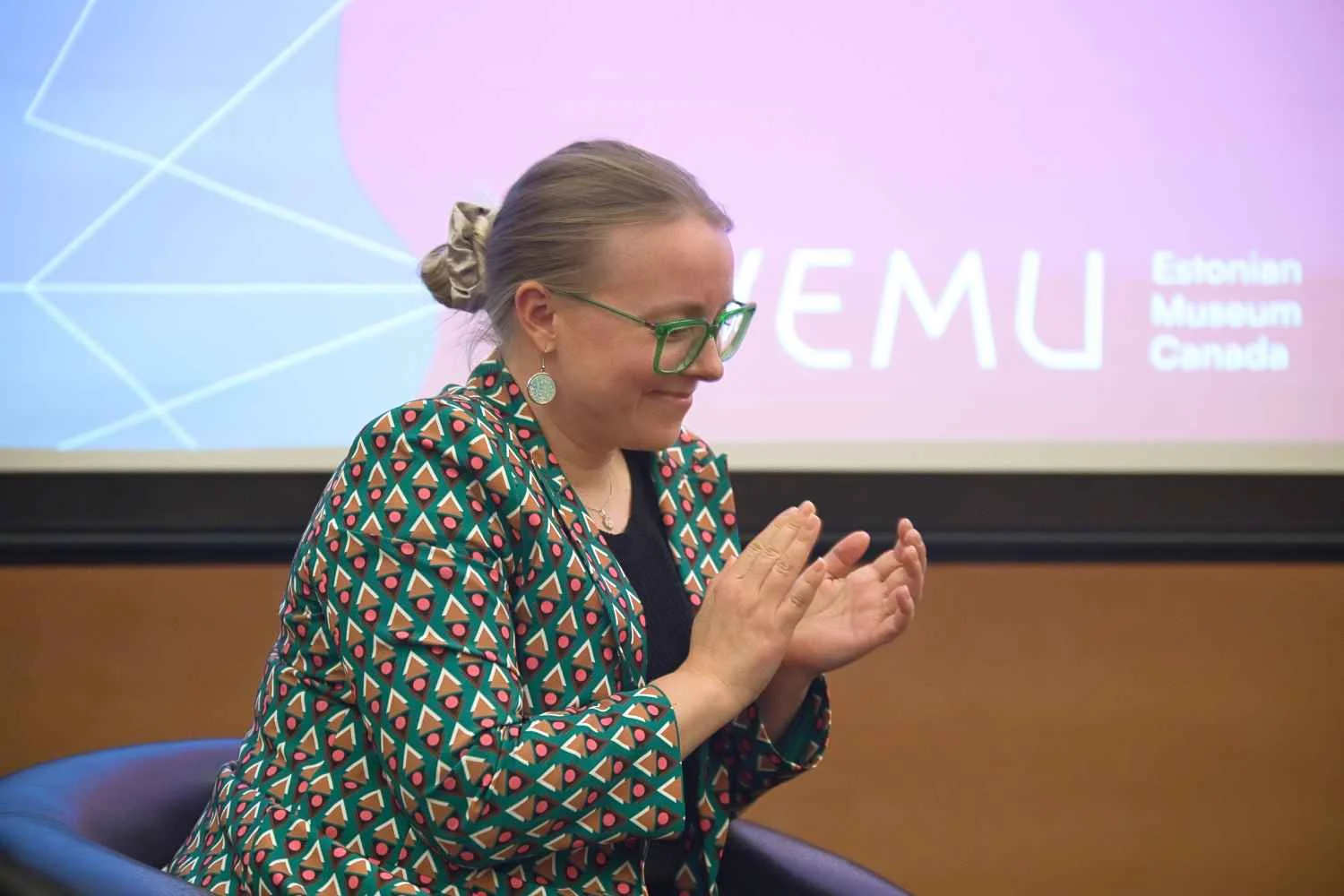
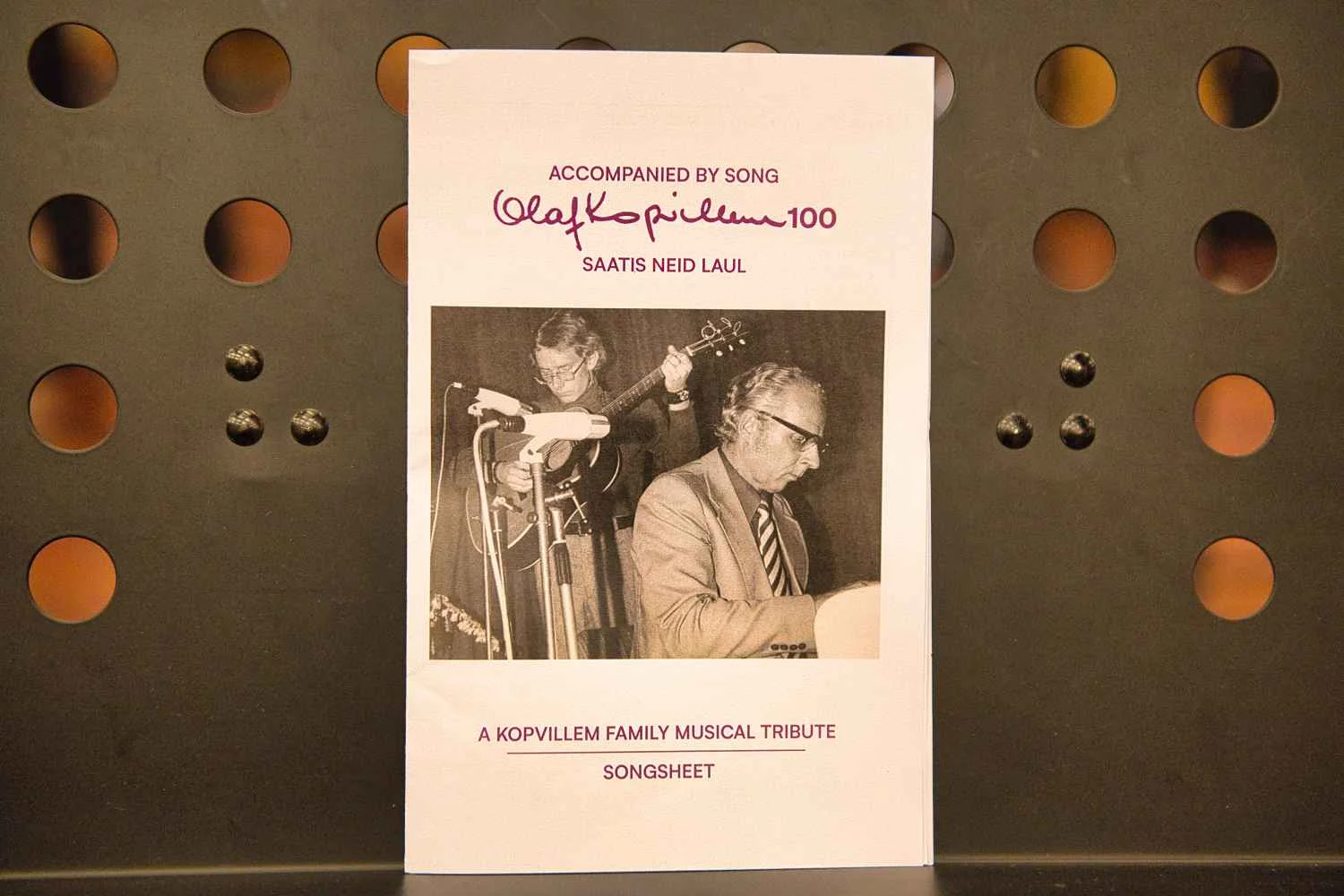
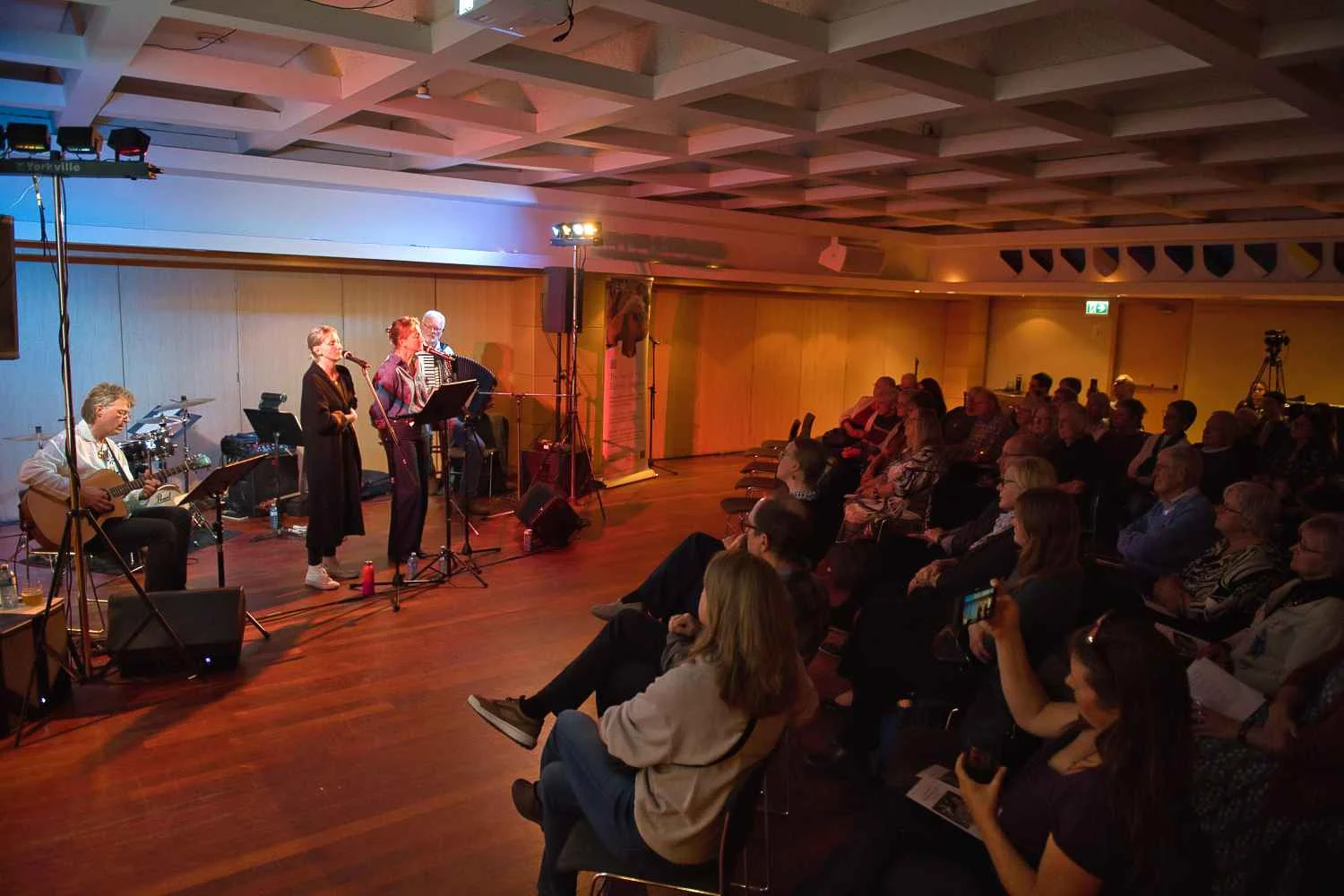
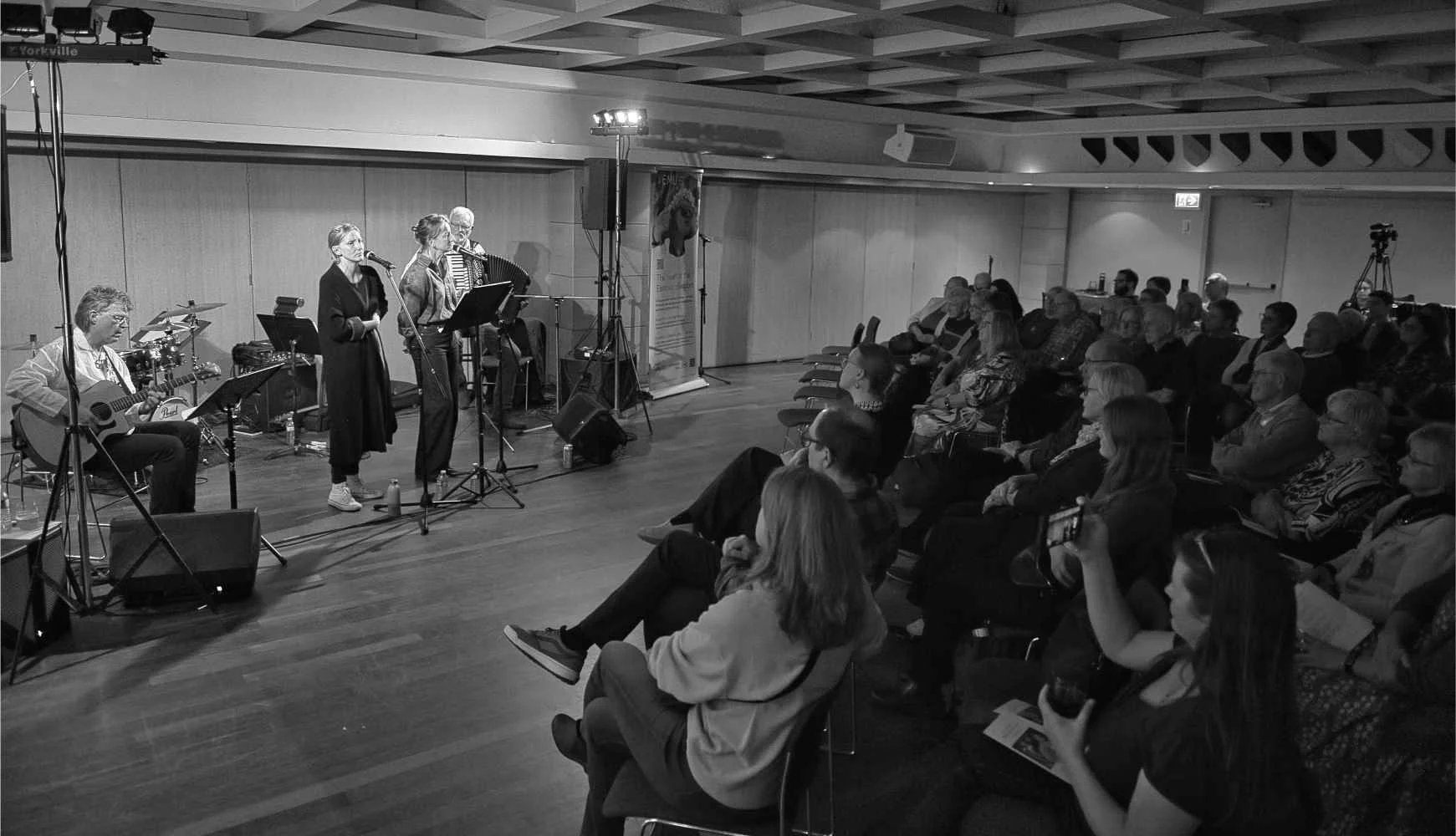
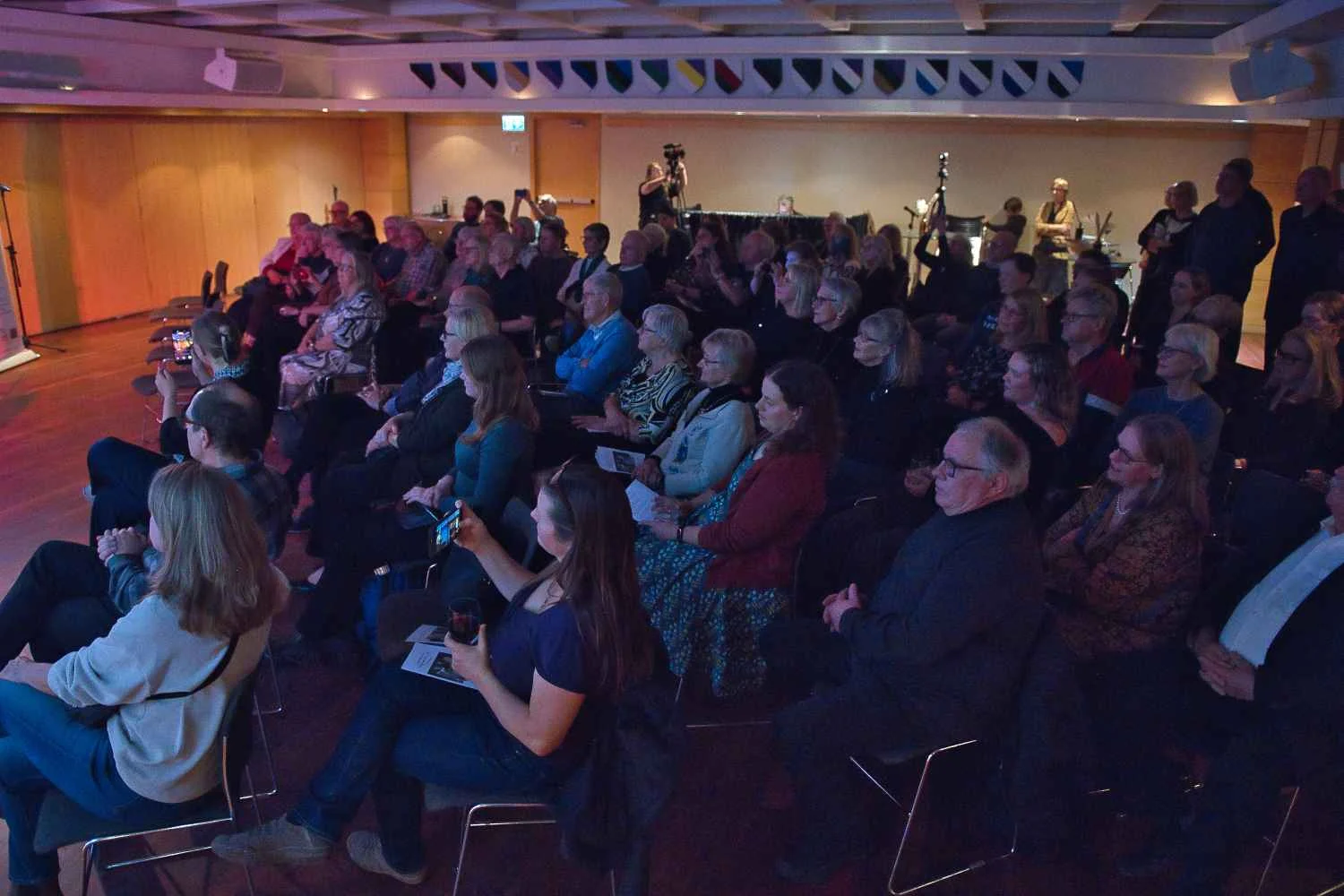
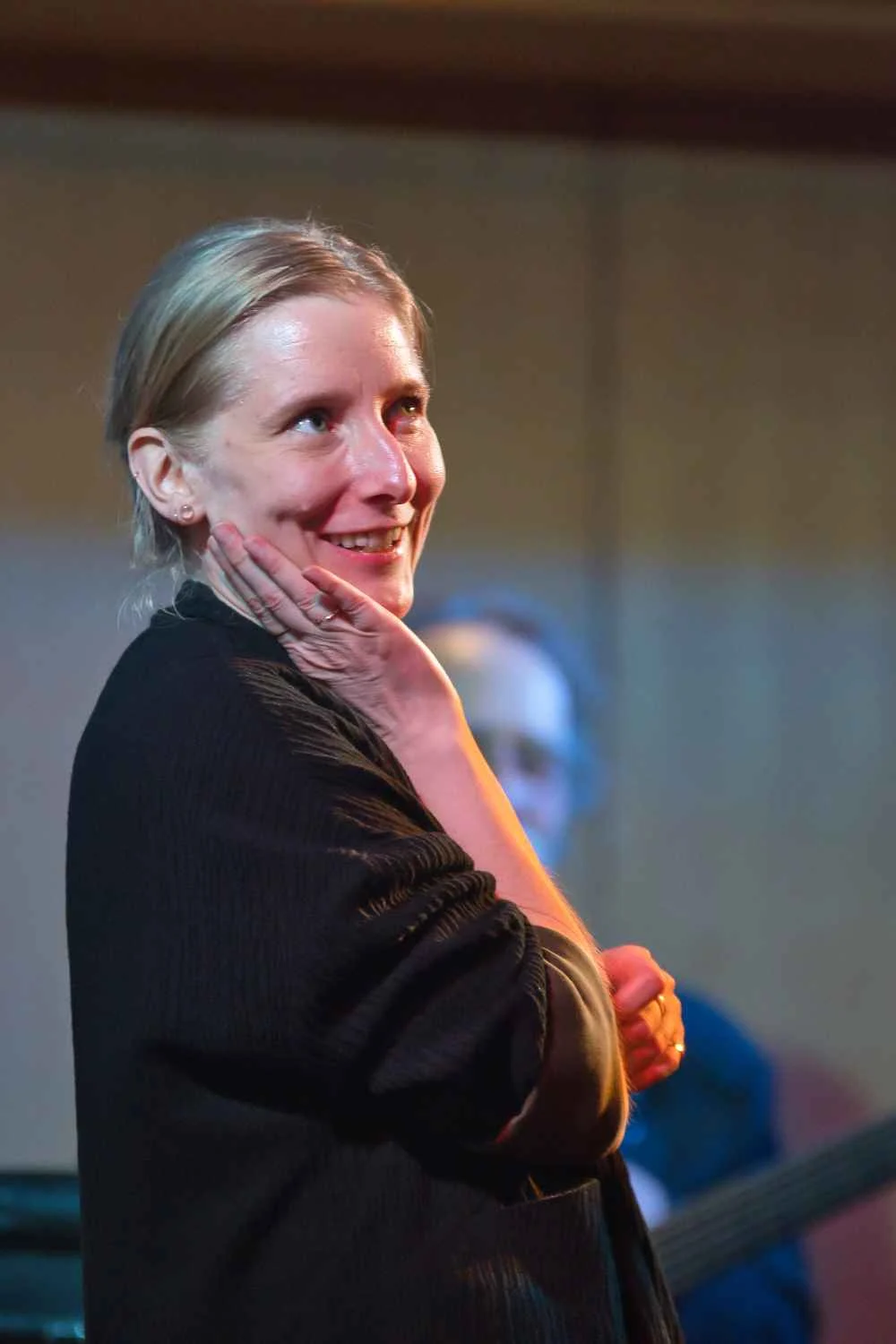
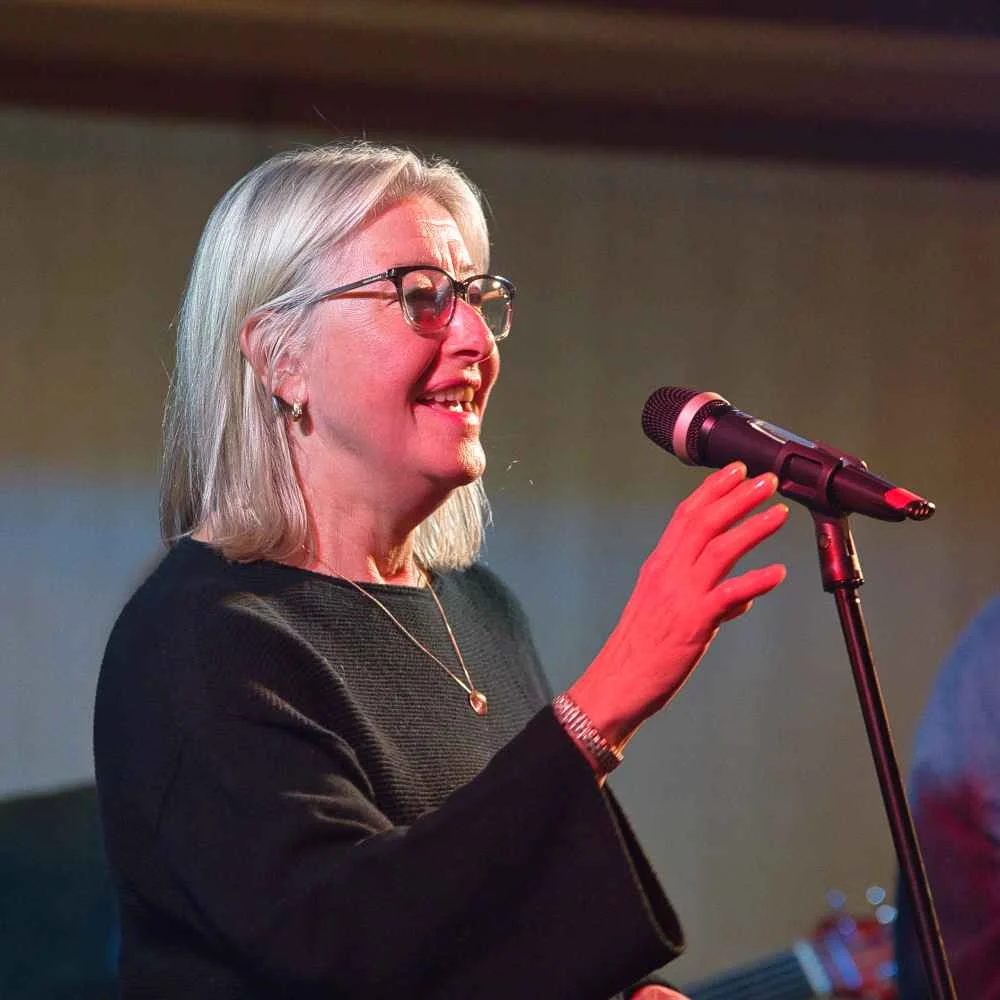
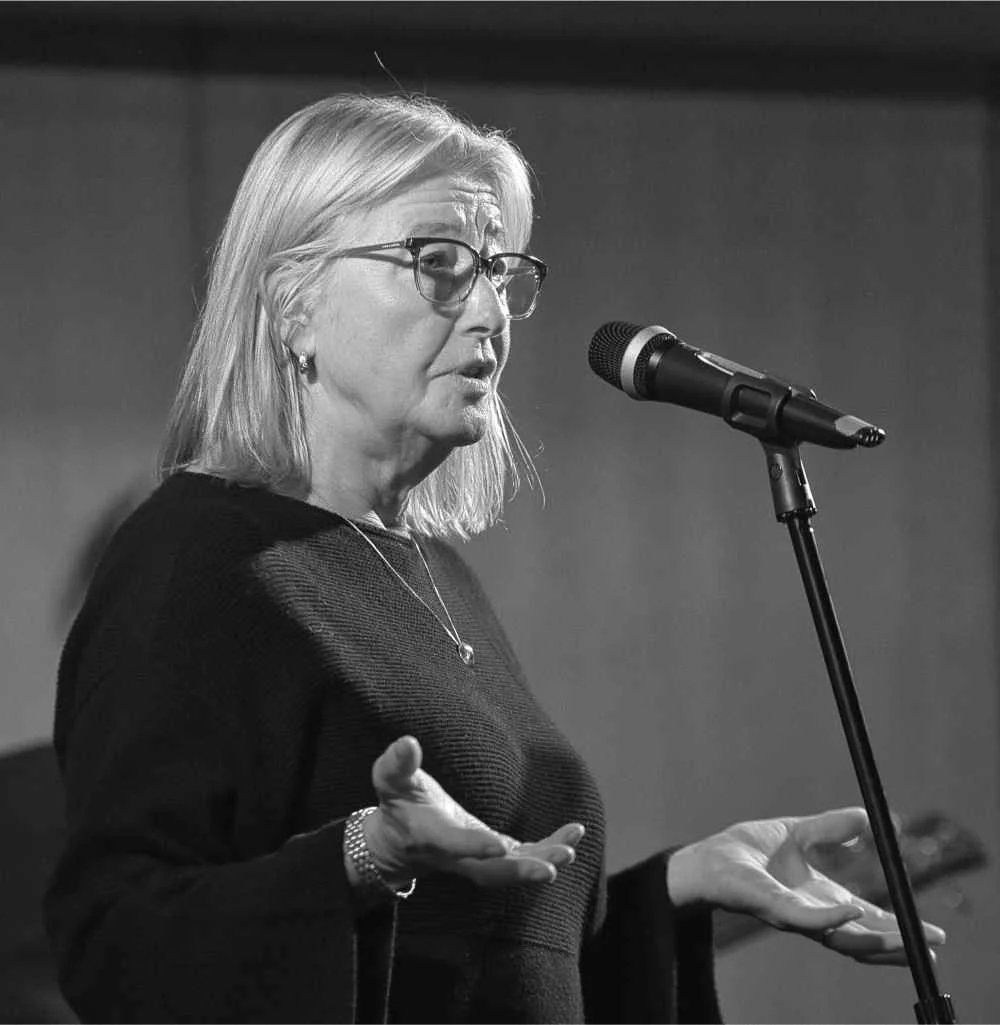
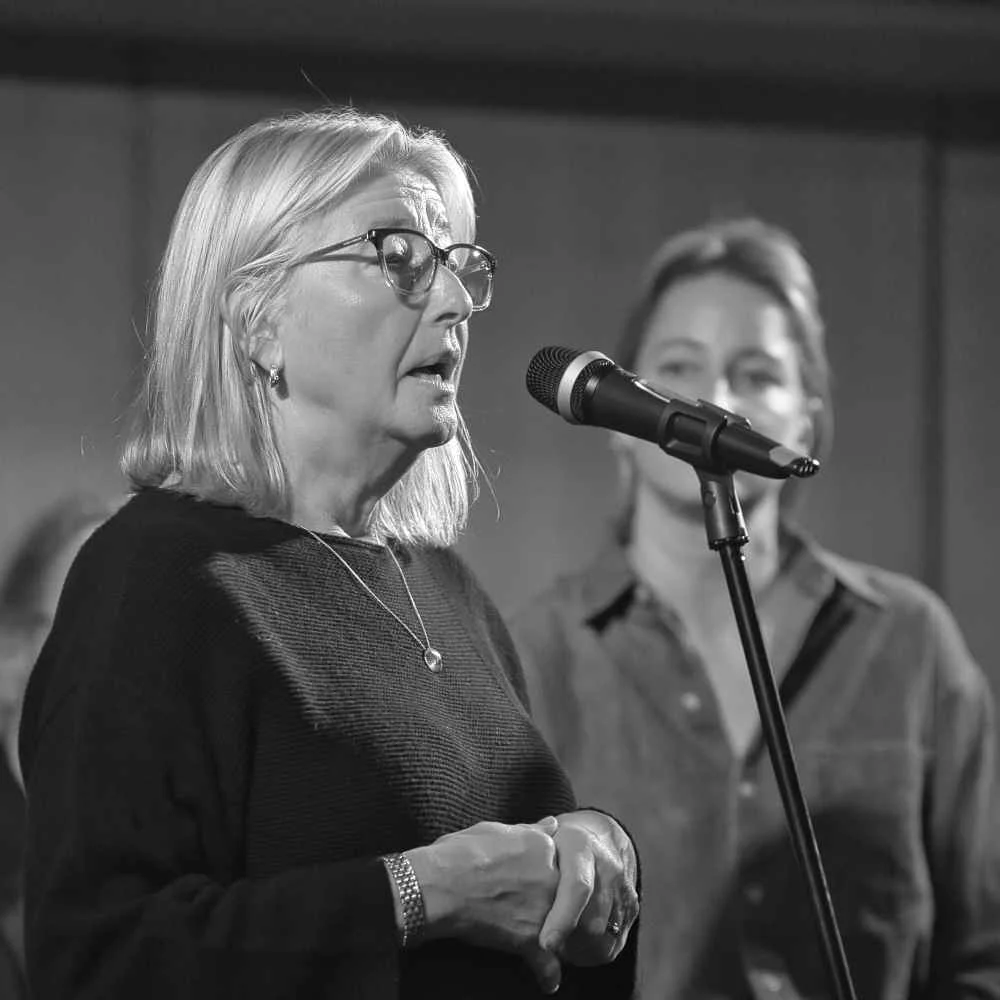
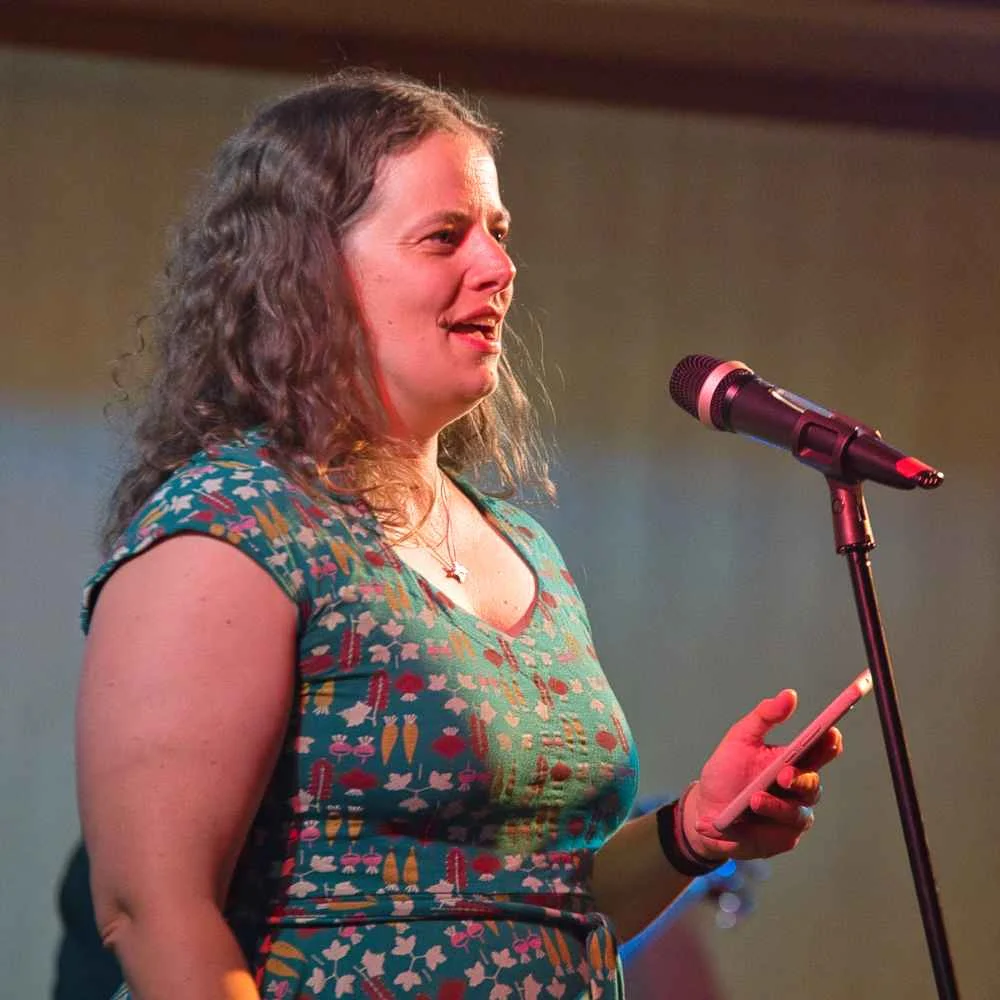
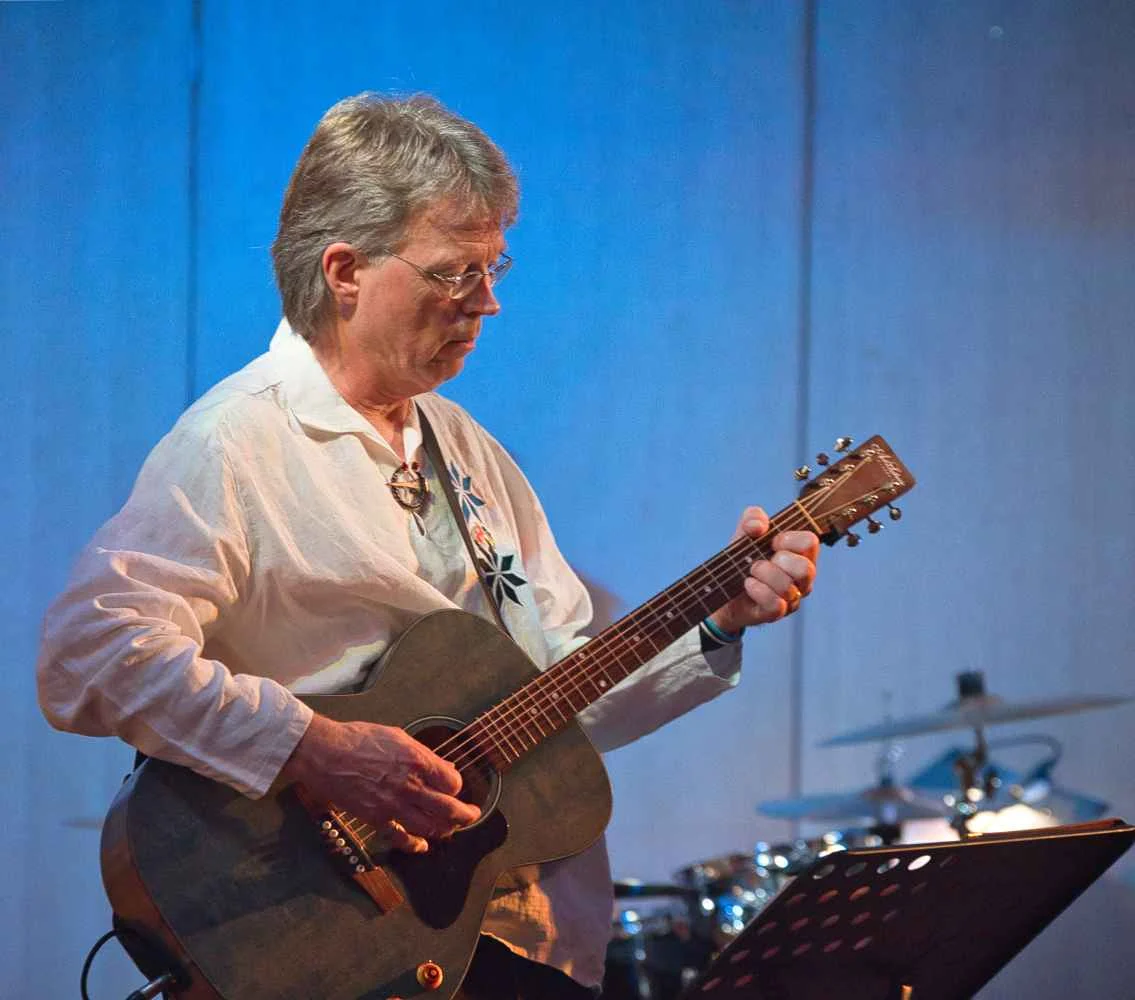
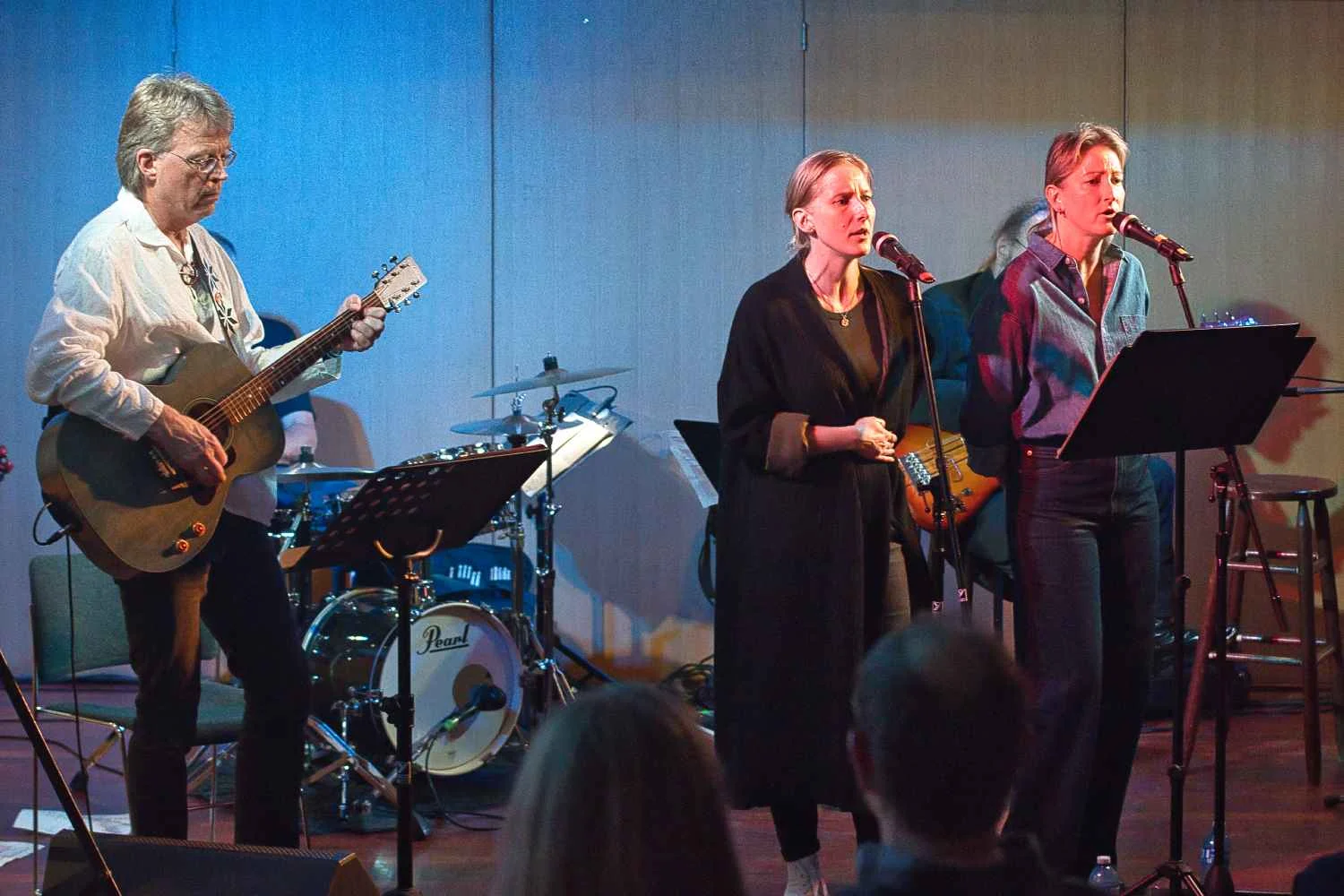
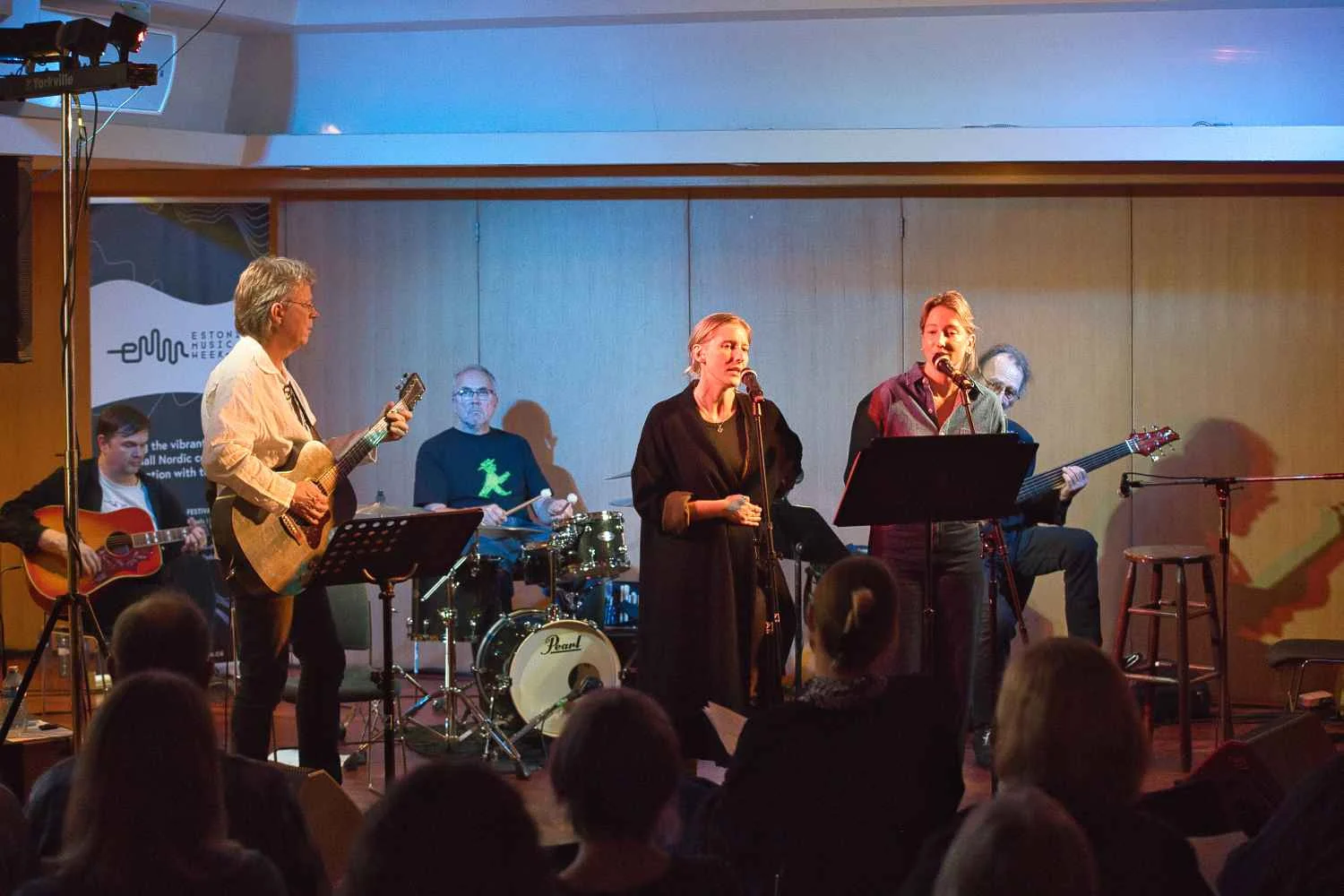
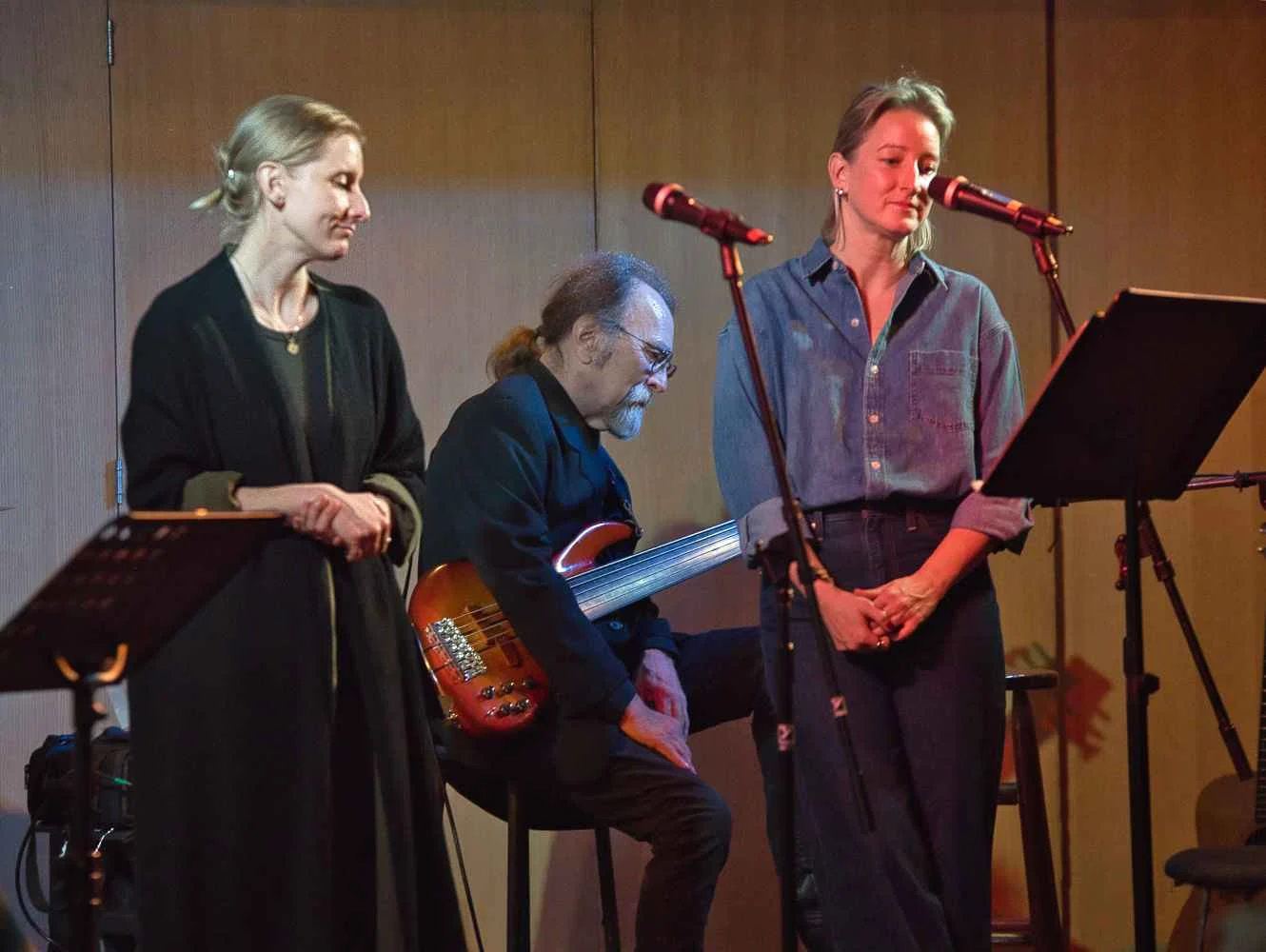
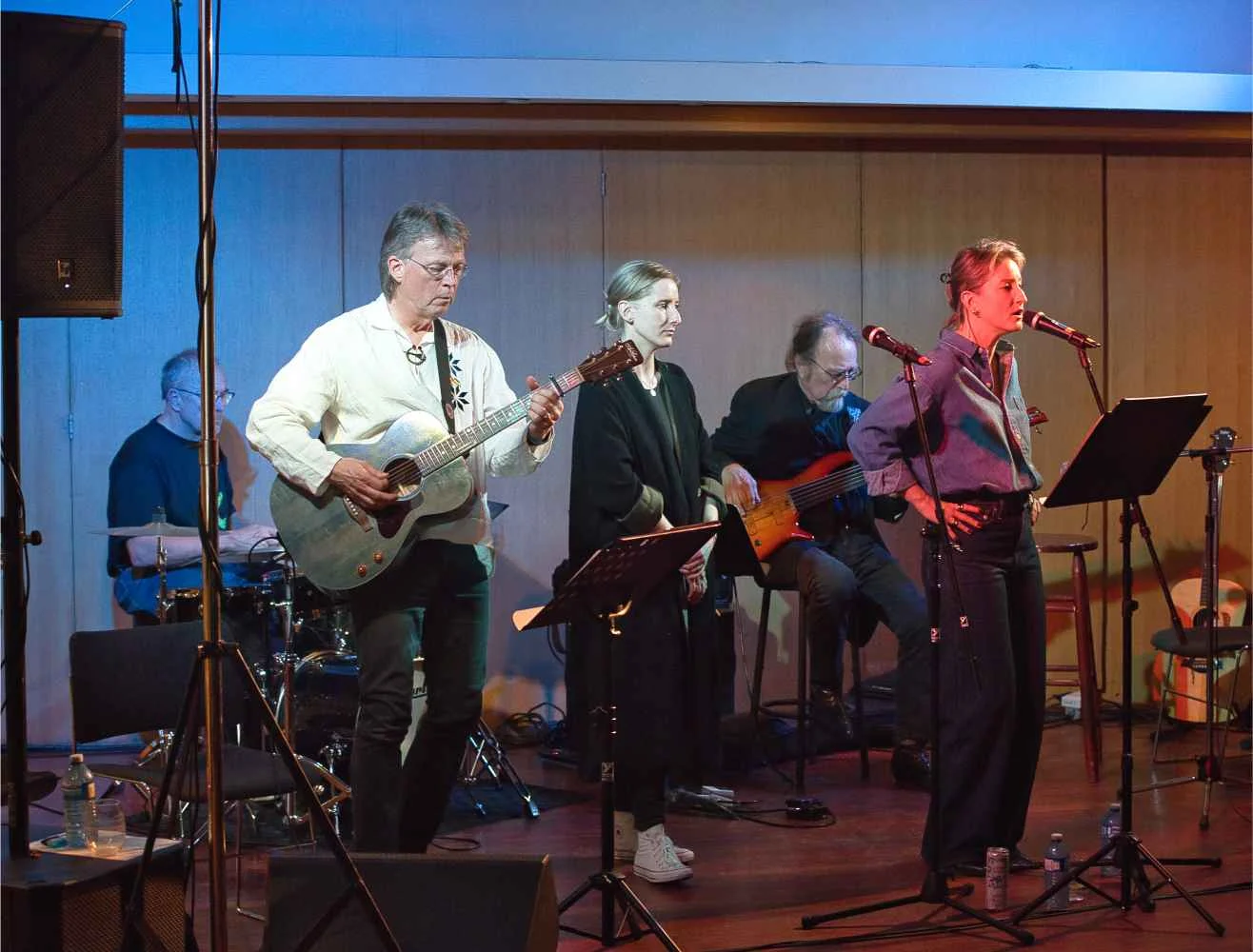
On November 6th, 2026, at Tartu College in Toronto, VEMU Estonian Museum Canada opened “Olaf Kopvillem 100: Accompanied by Song,” a two-day conference celebrating Estonian diaspora music in honour of the centenary of songwriter, singer, pianist, and satirist Olaf Kopvillem (1926–1996).
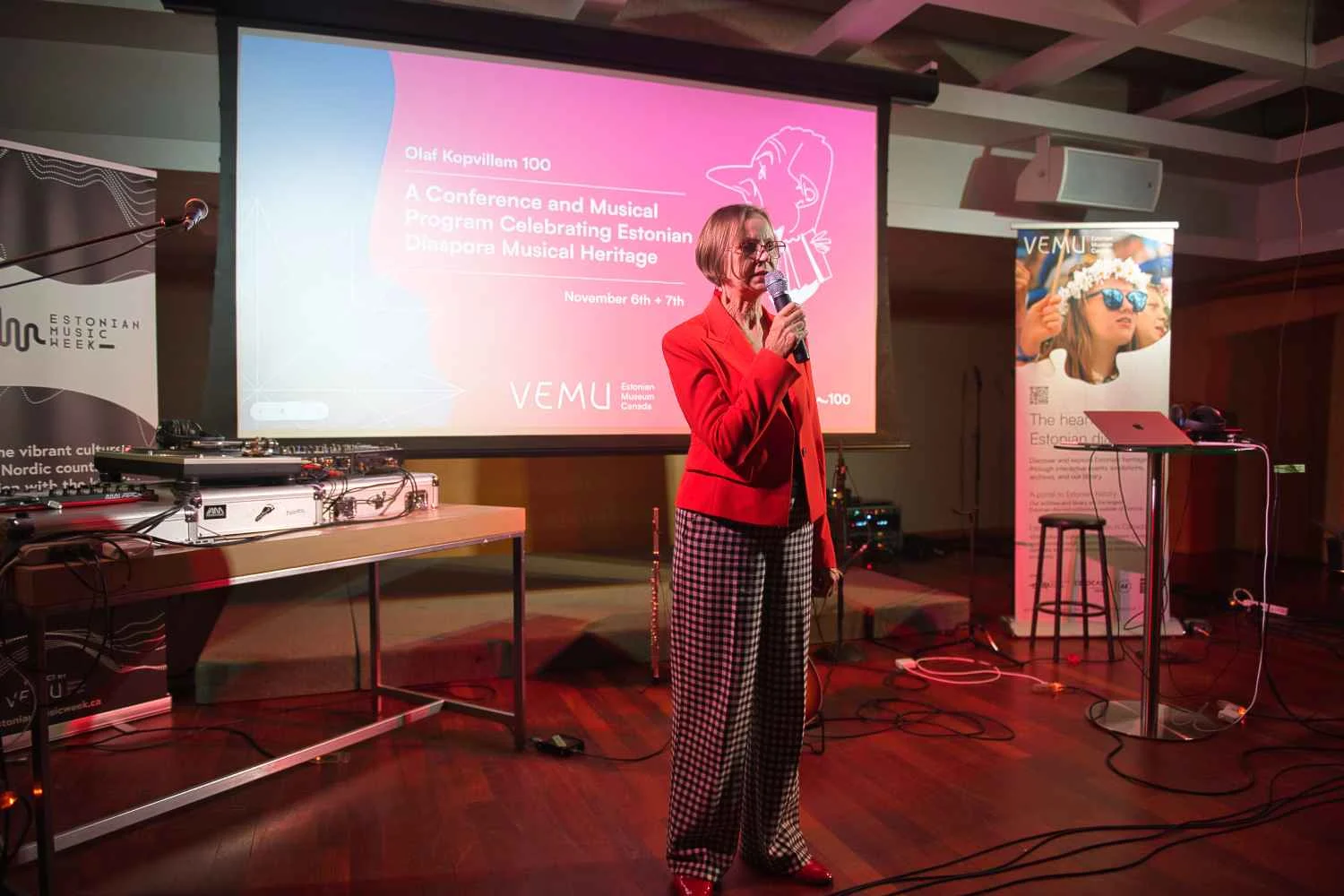
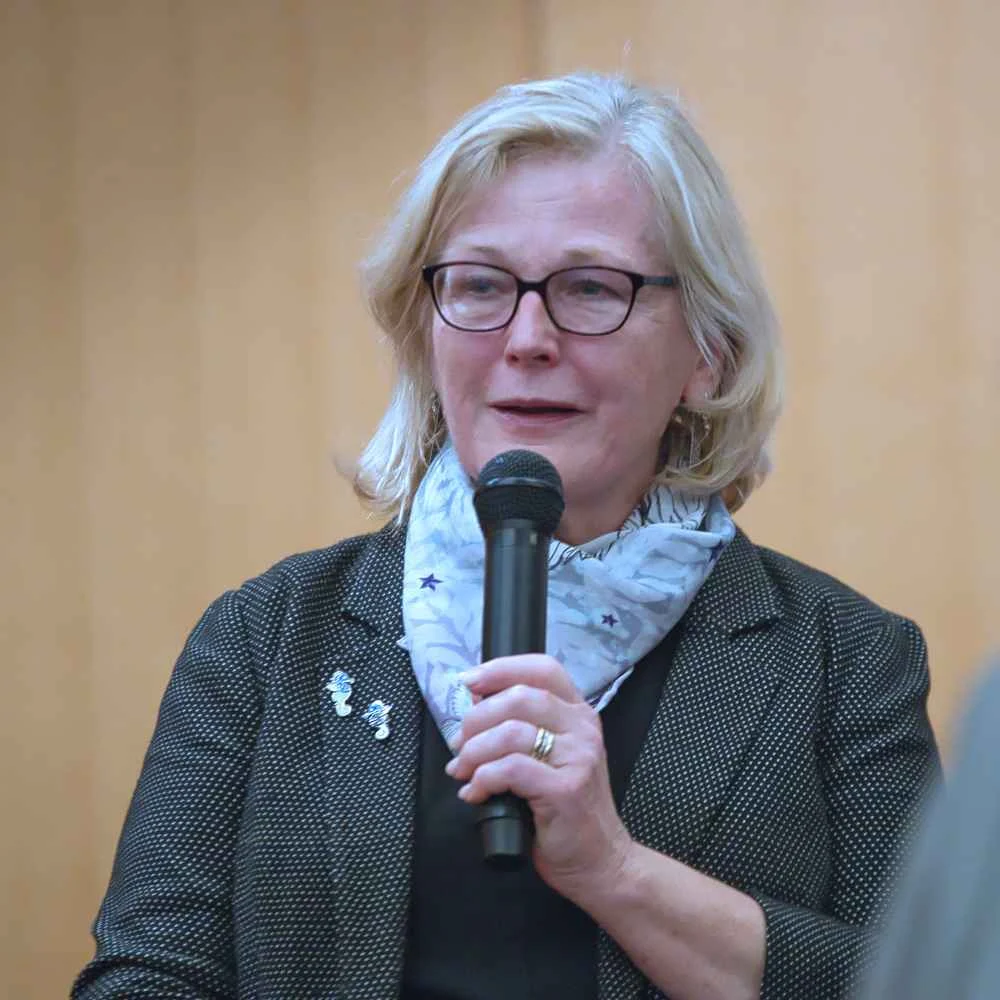
As noted by VEMU Chief Archivist Piret Noorhani in her opening remarks, there is a poignancy in celebrating a 100th birthday without the celebrant, but the Kopvillem legacy continues to fill people’s lives with inspiration and laughter.
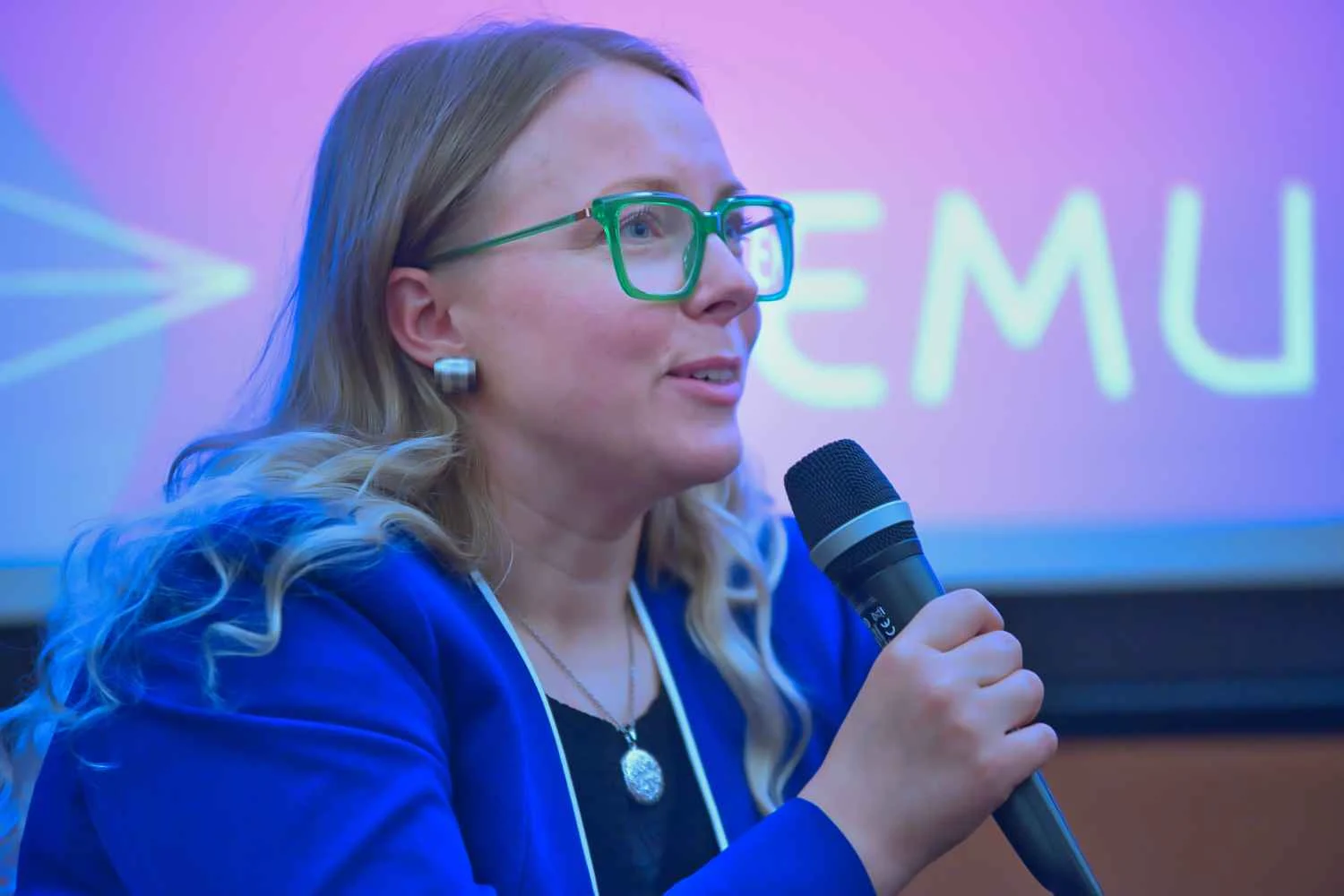
The opening session covered several wide-ranging, perhaps unexpected, aspects of Estonian diaspora music. Dr. Maarja Merivoo-Parro, CEO of the Vabamu Museum of Occupations and Freedom in Tallinn, took the audience album by album through some of the most notable Estonian diaspora recordings from 1958 to 1988, with several instances of critical acclaim from the wider music world (including Reet Hendrikson’s sought-after 1969 album). Merivoo-Parro co-curated the landmark 2015 three-CD compilation Esto-muusika with musician Vaiko Eplik, covering this same date range, with diaspora creators frequently achieving historical firsts in Estonian music. For instance, she cited Jüri Lipp’s 1968 Canadian release Laul sinule as arguably the first Estonian-language rock-and-roll record. Los Angeles engineer René Ufer’s 1968 work is “proto-hip-hop.”
Vaiko Eplik stated that twenty percent of exile pop was “as original and breathtakingly innovative as anything,” adding that Kopvillem “perfected and brought to another level” the traditional kuplee cabaret style.
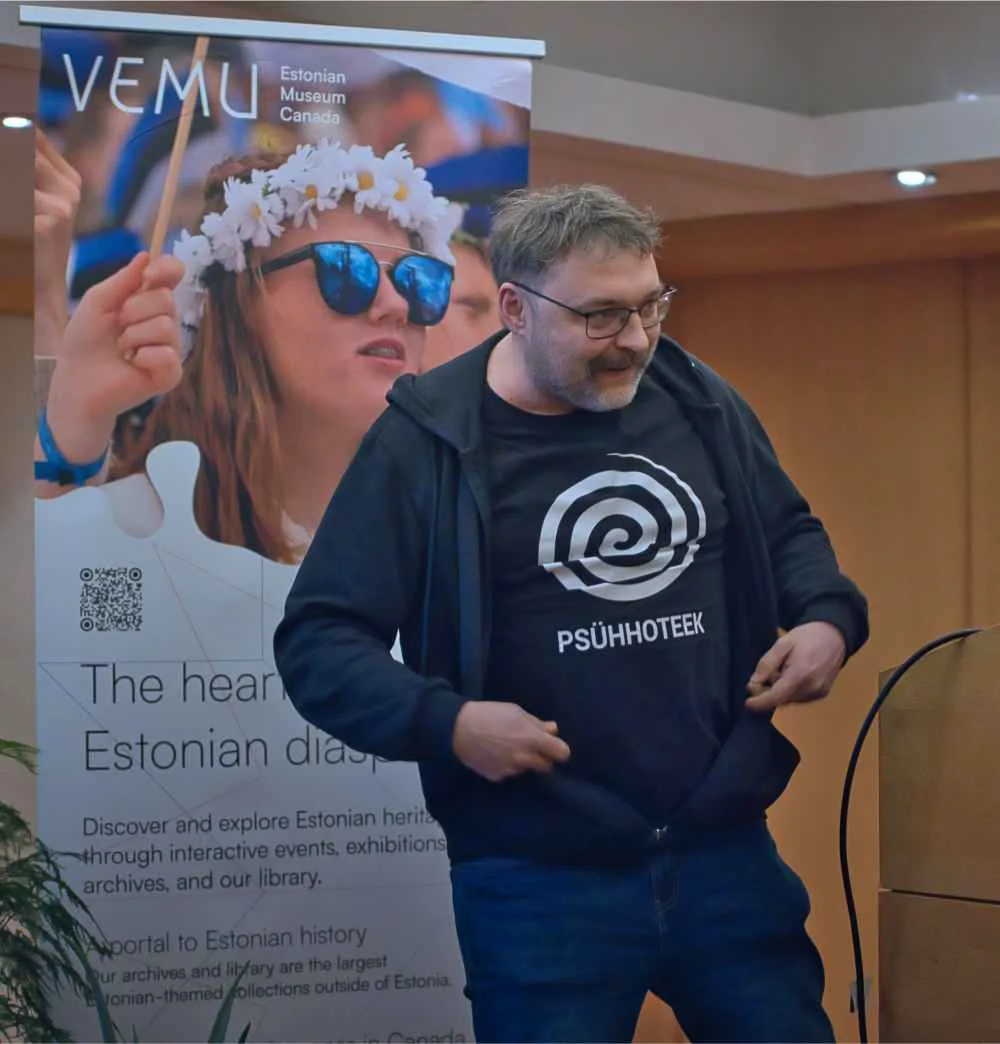
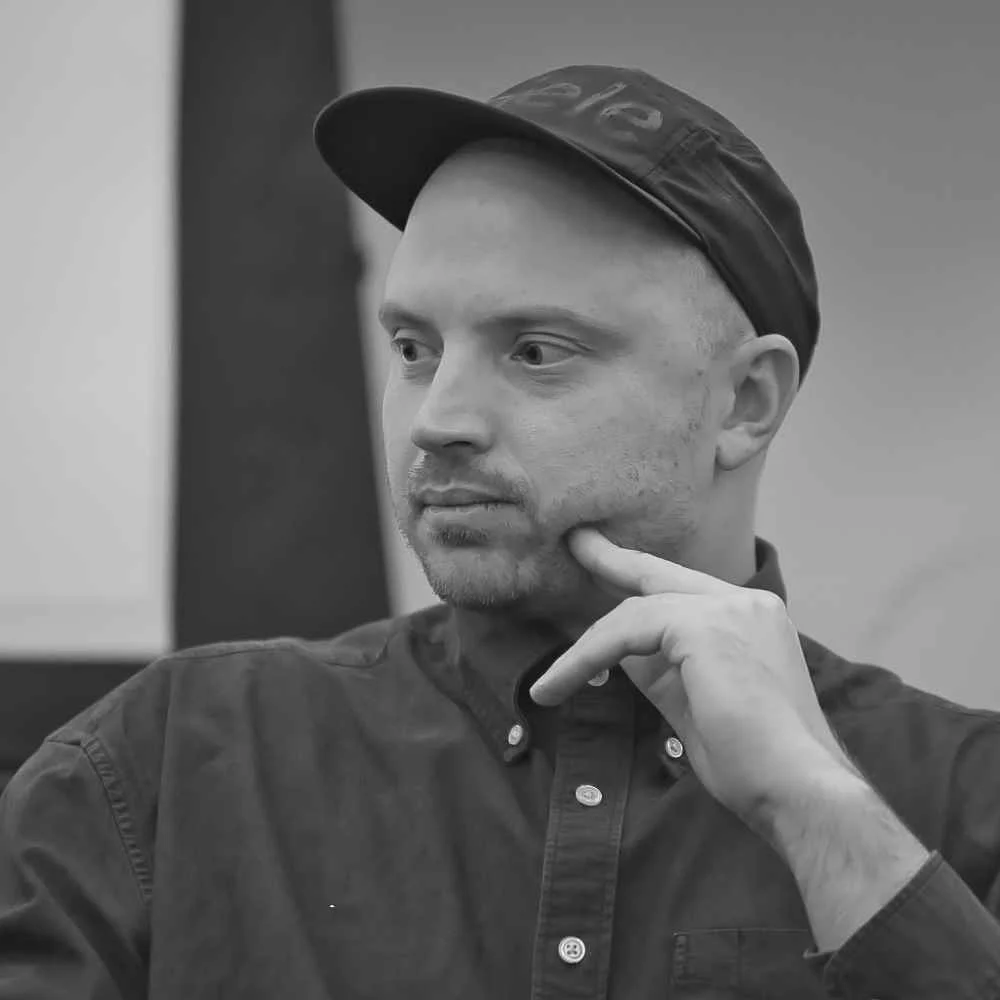
Ahto Külvet, founder of Psühhoteek record shop in Tartu, followed with a talk titled “Vinyl Saves!” Külvet detailed his fundraising initiative for Ukraine, where he auctioned rare exile Estonian vinyl records and cassettes. A mint copy of a René Ufer record fetched 522 euros, setting a documented record price for an Estonian vinyl release. “Through describing these records… they gained a little bit more value all the time,” Külvet explained.
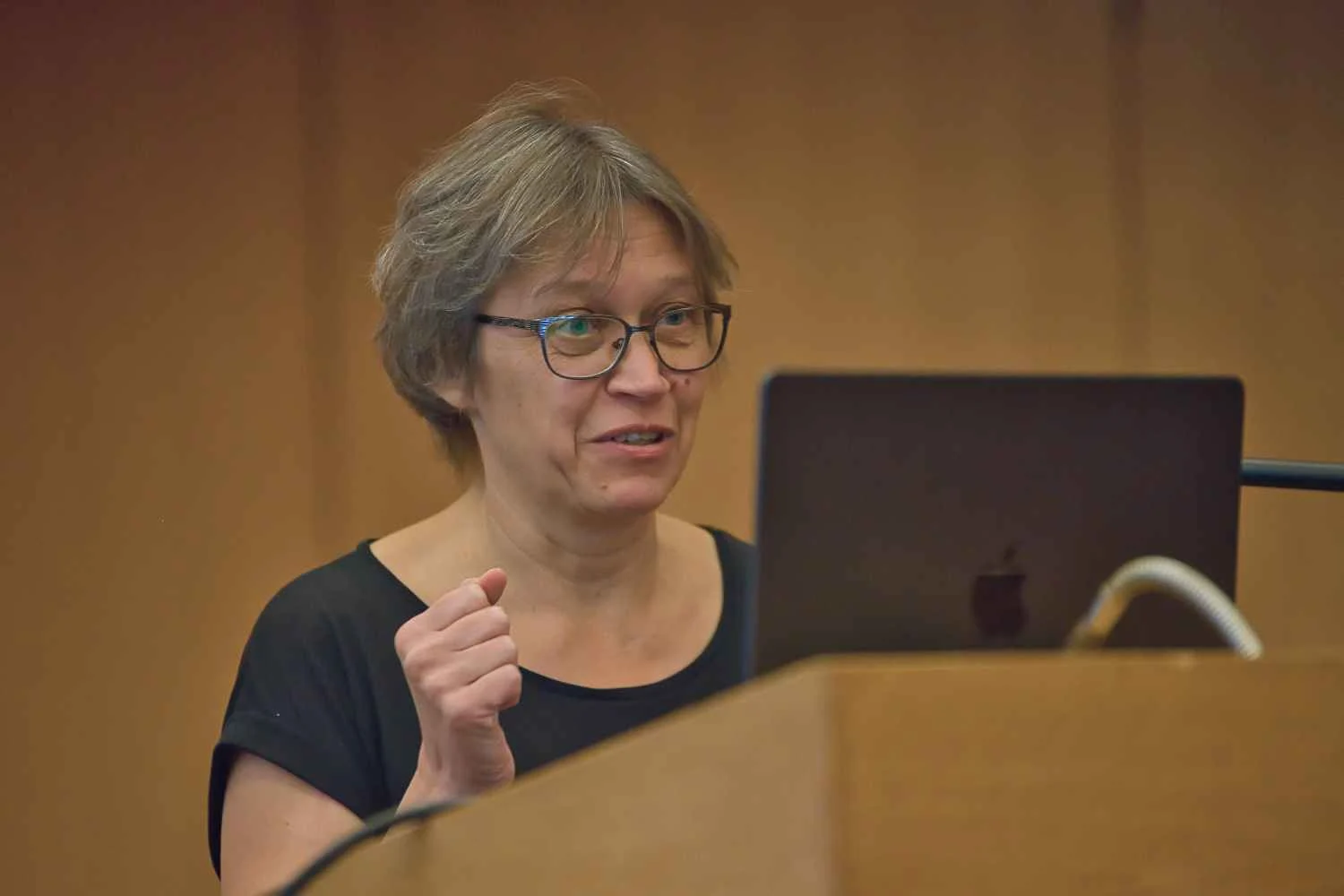
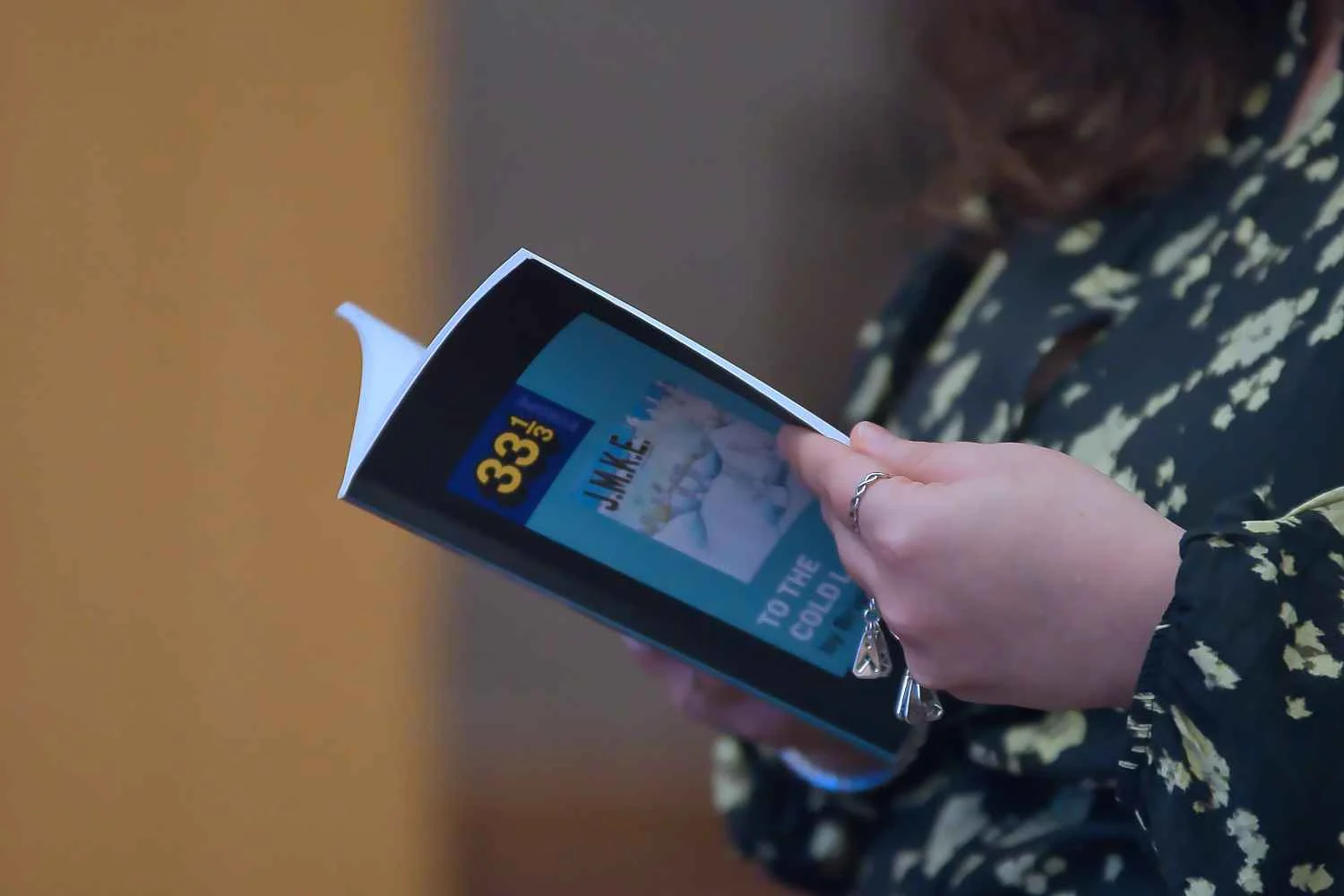
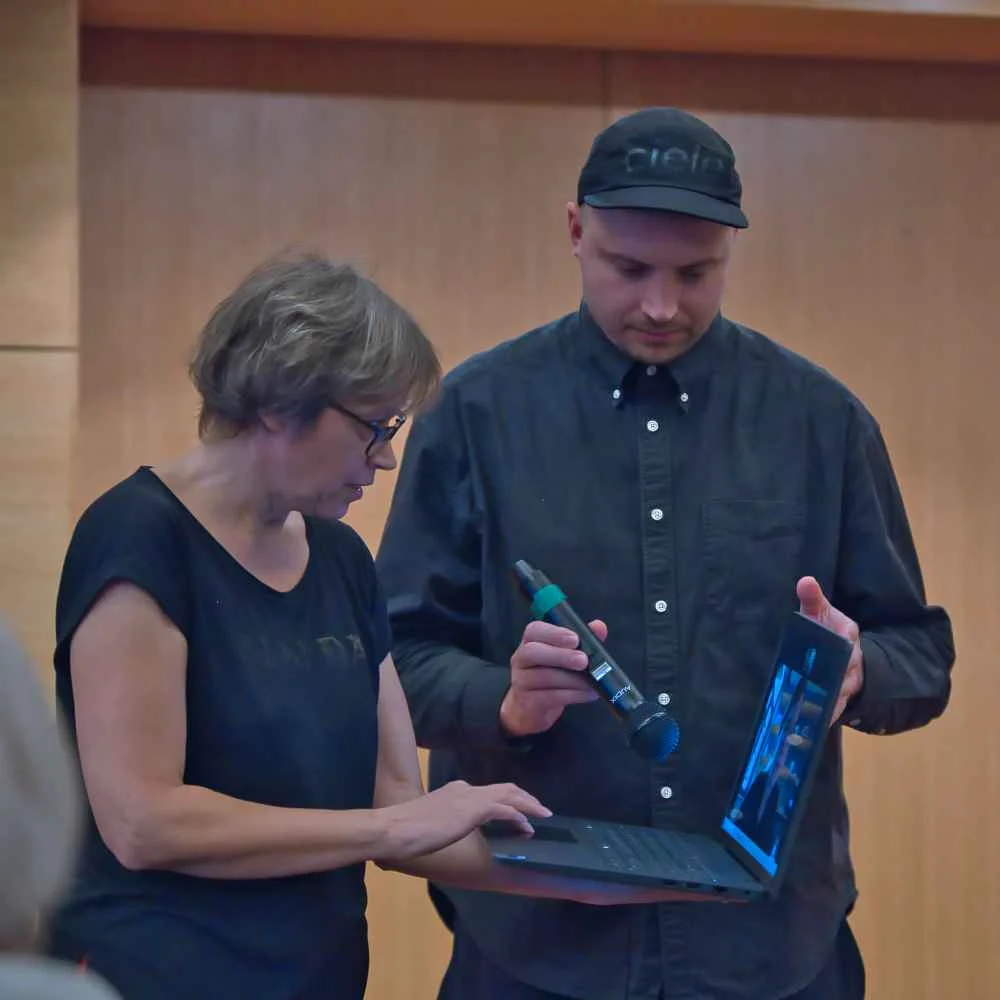
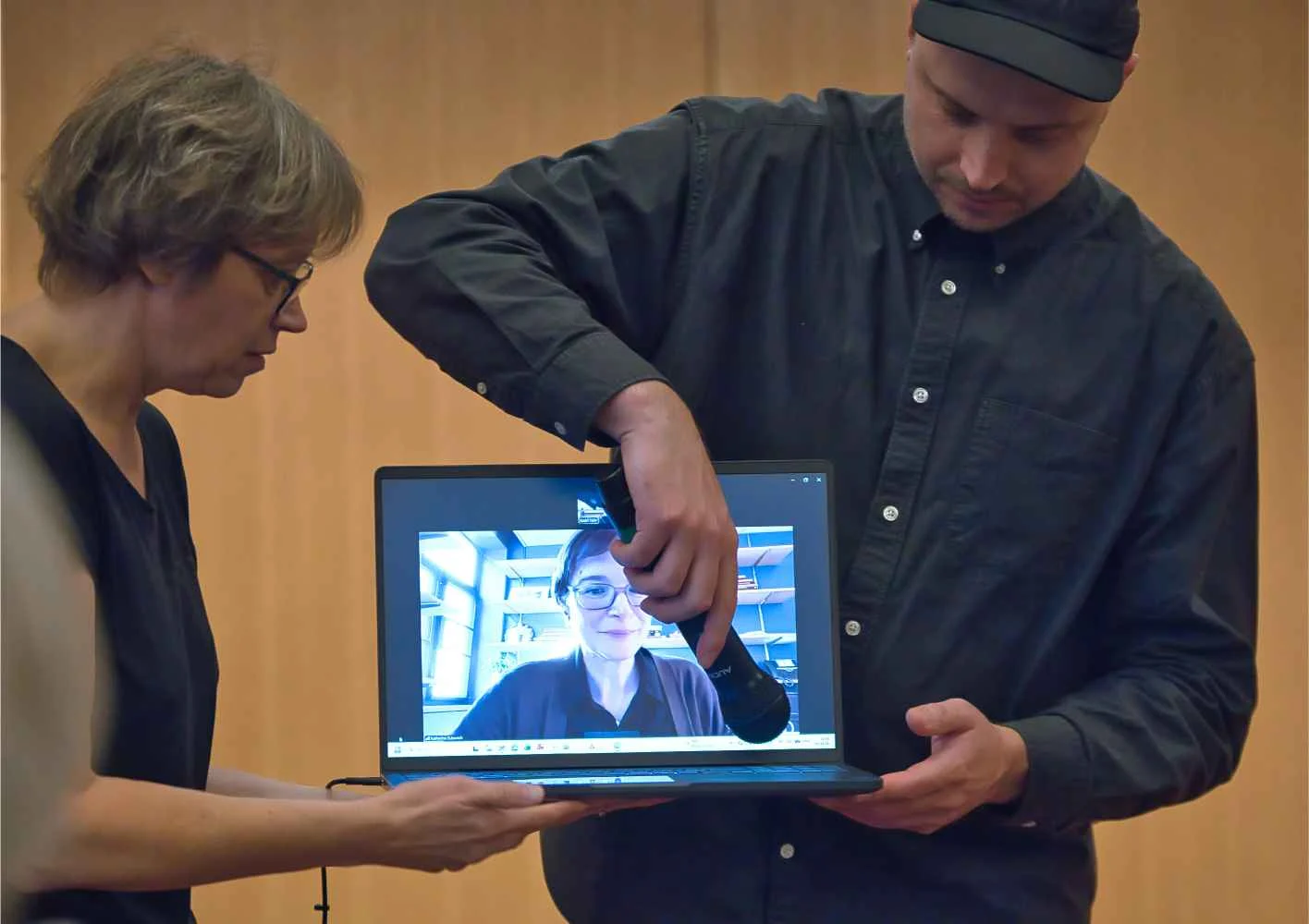
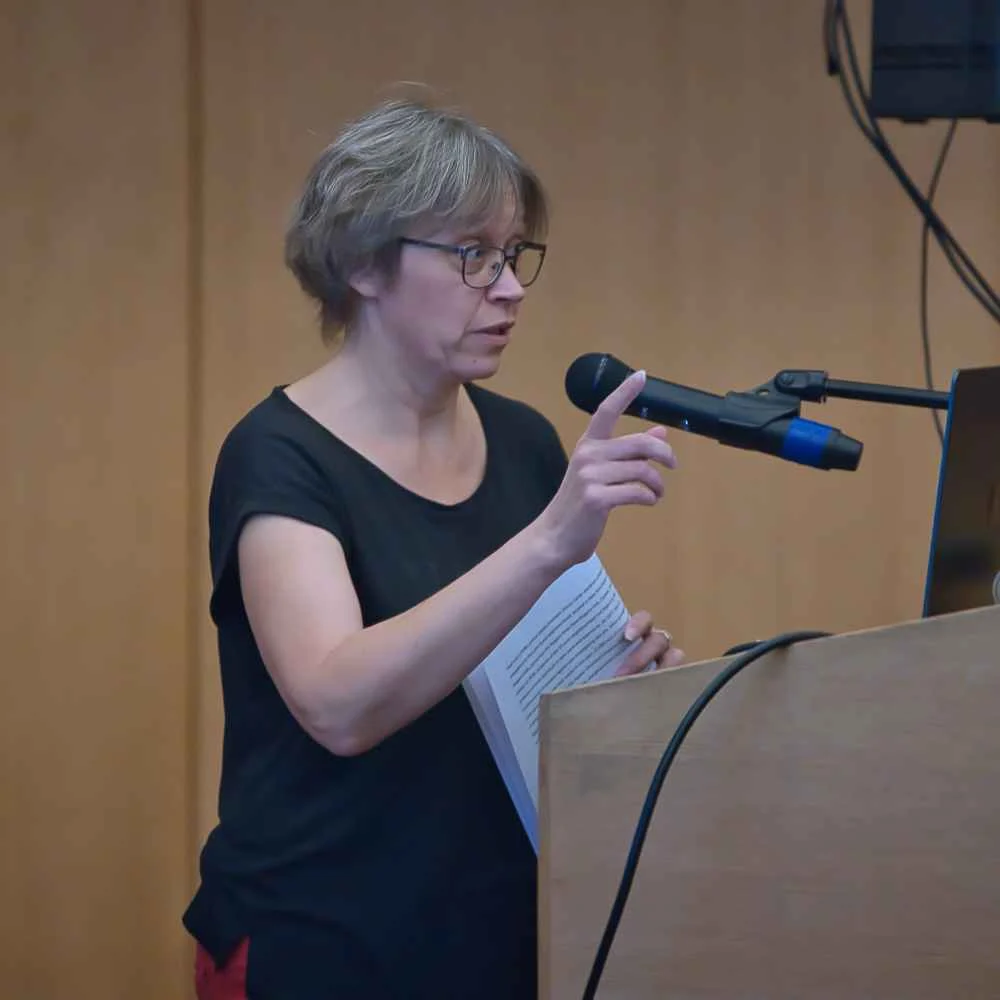
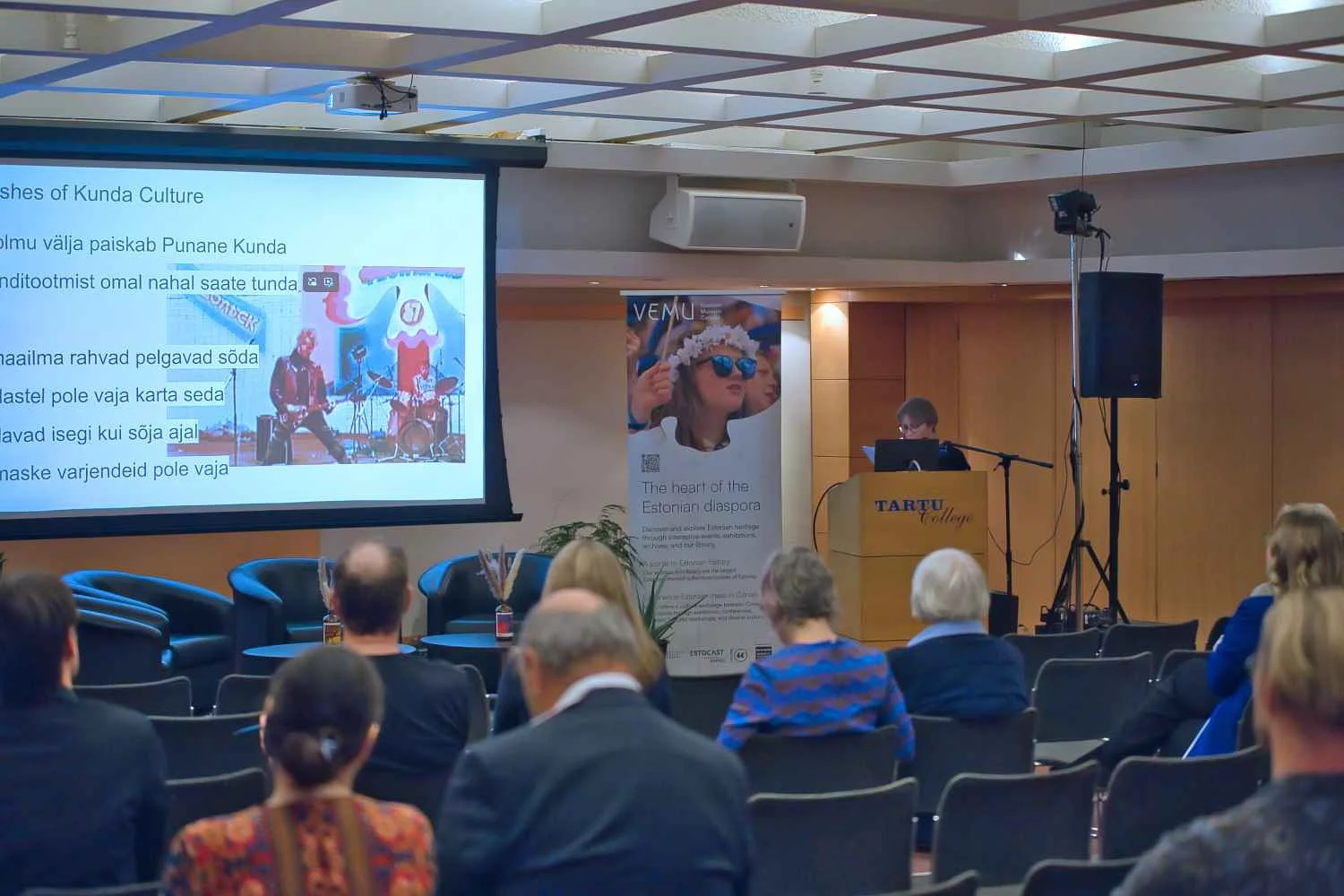
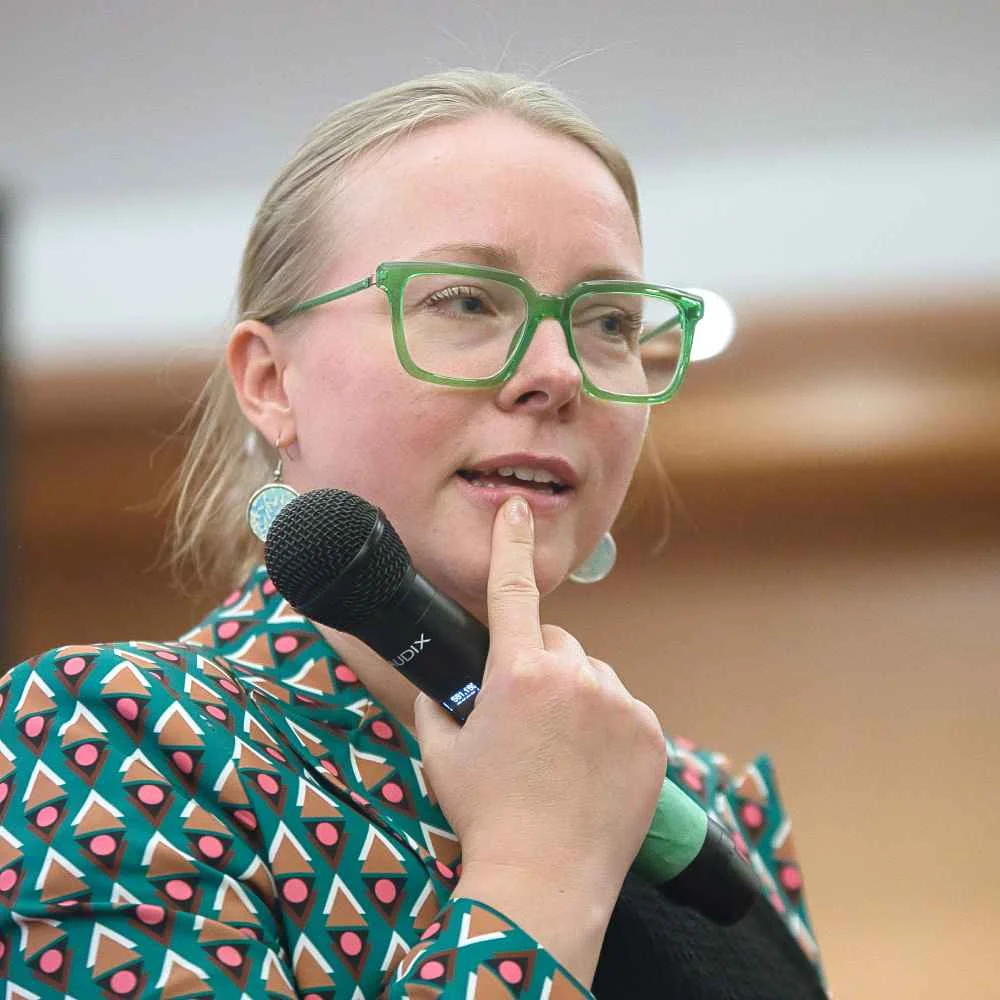
Closing the first half of the first day, Dr. Kadri Tüür (University of Toronto) and Dr. Katherine Zubovich (University of Buffalo) presented “Toxic Soundscapes: Punk Music as Environmental Protest from Virumaa to Love Canal.” In a totally fresh way, Niagara-area punk band The Vores (singing about the 1978 Love Canal chemical disaster) were compared with Soviet-era Estonian punk icons J.M.K.E. (singing about industrial contamination and cement dust in Kunda). In both instances, punk lyrics employed strong bodily metaphors to cut through capitalist and communist secrecy alike.
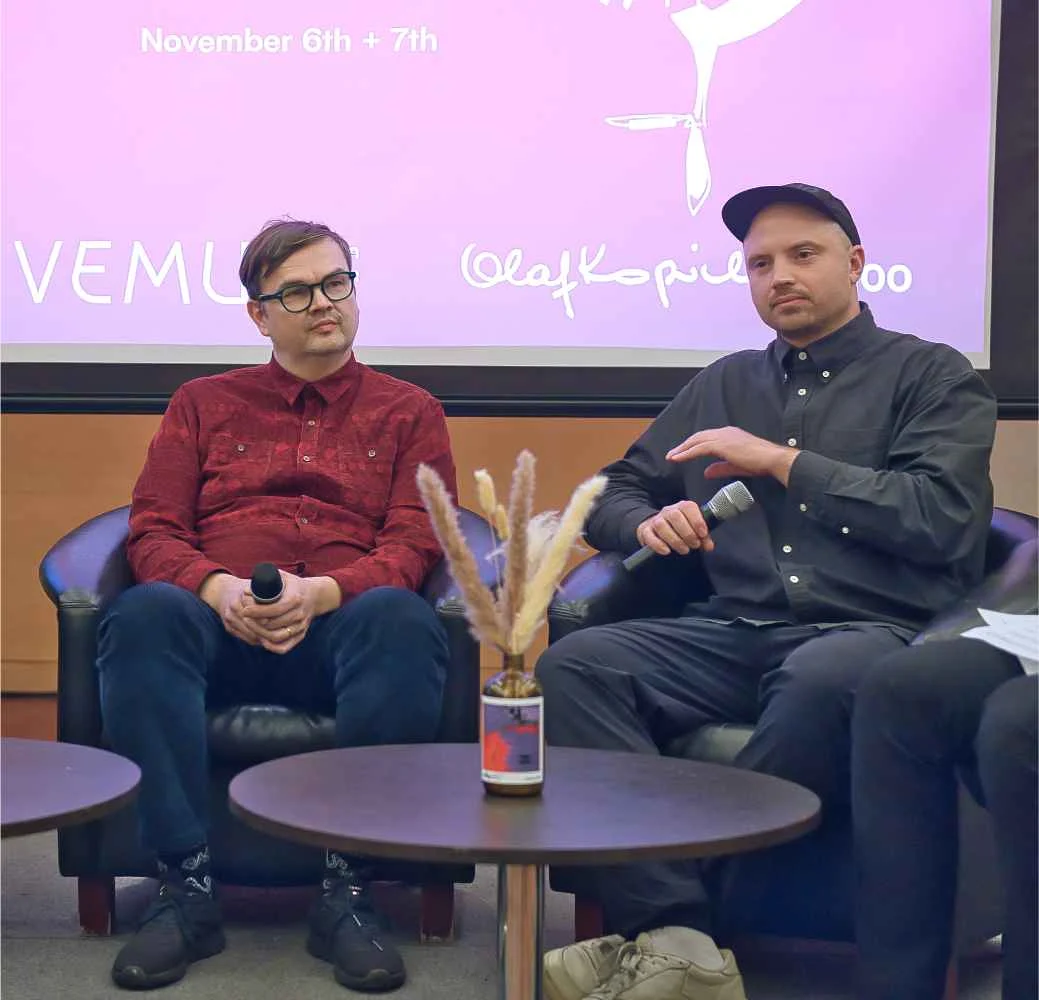
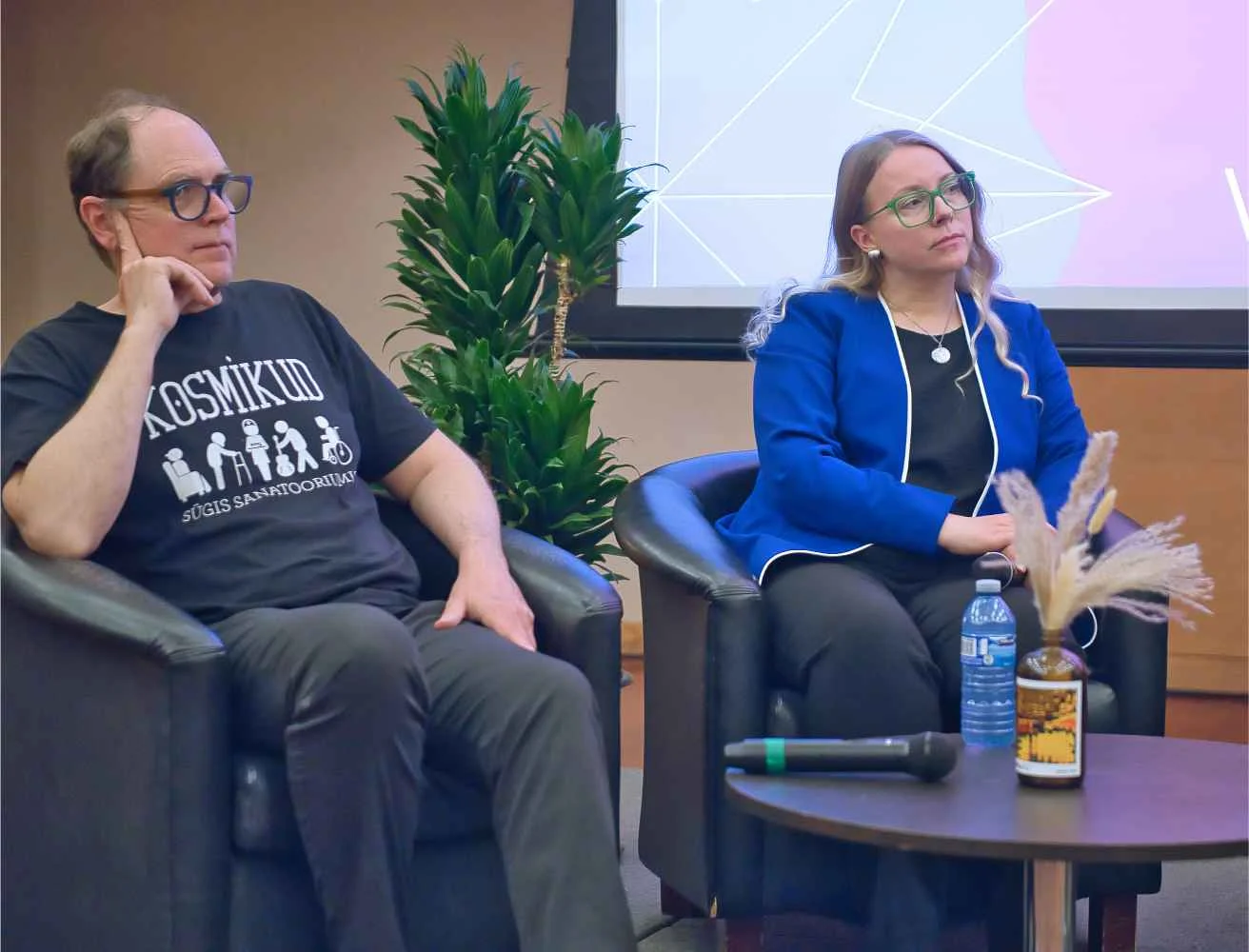
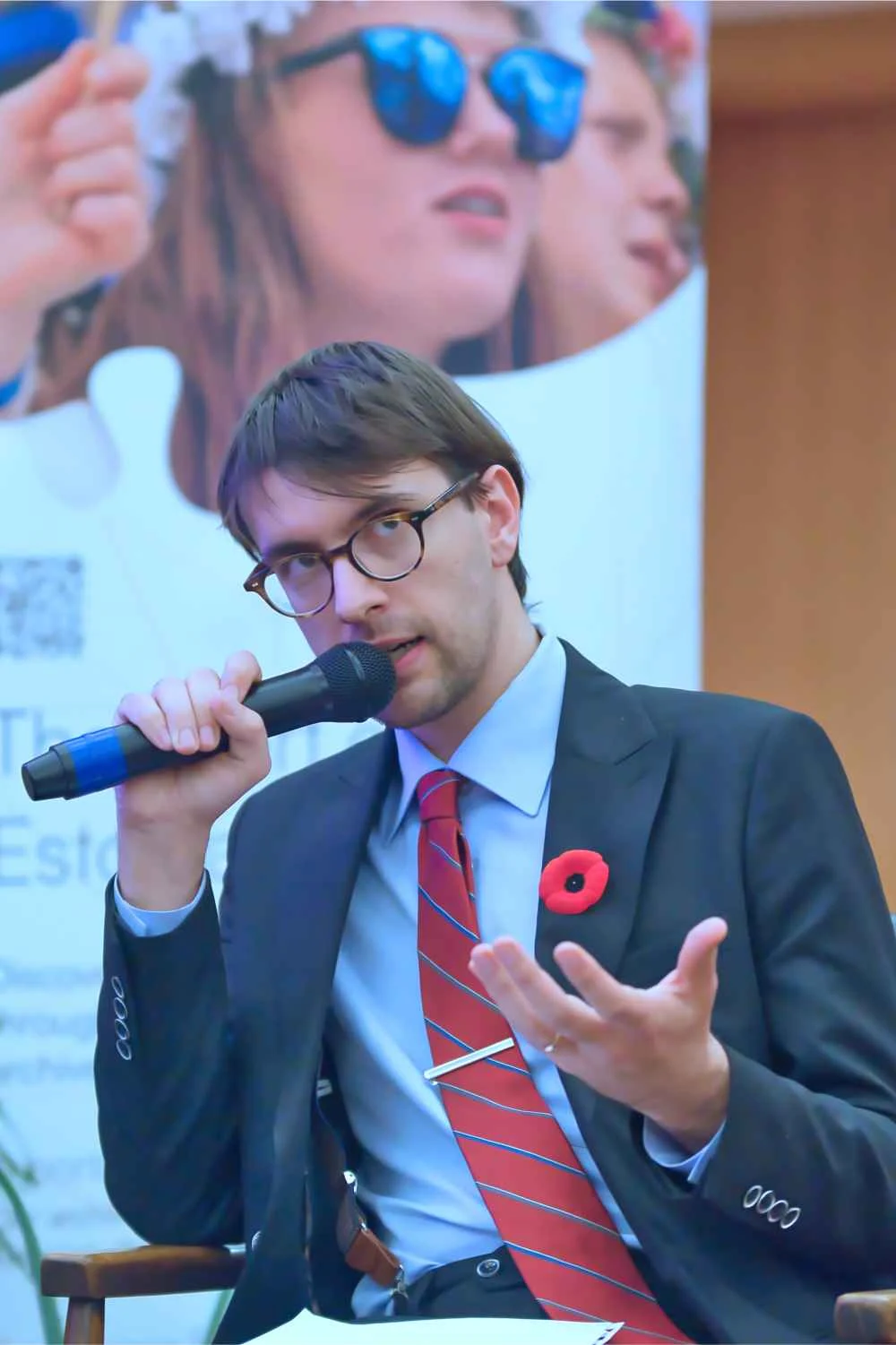
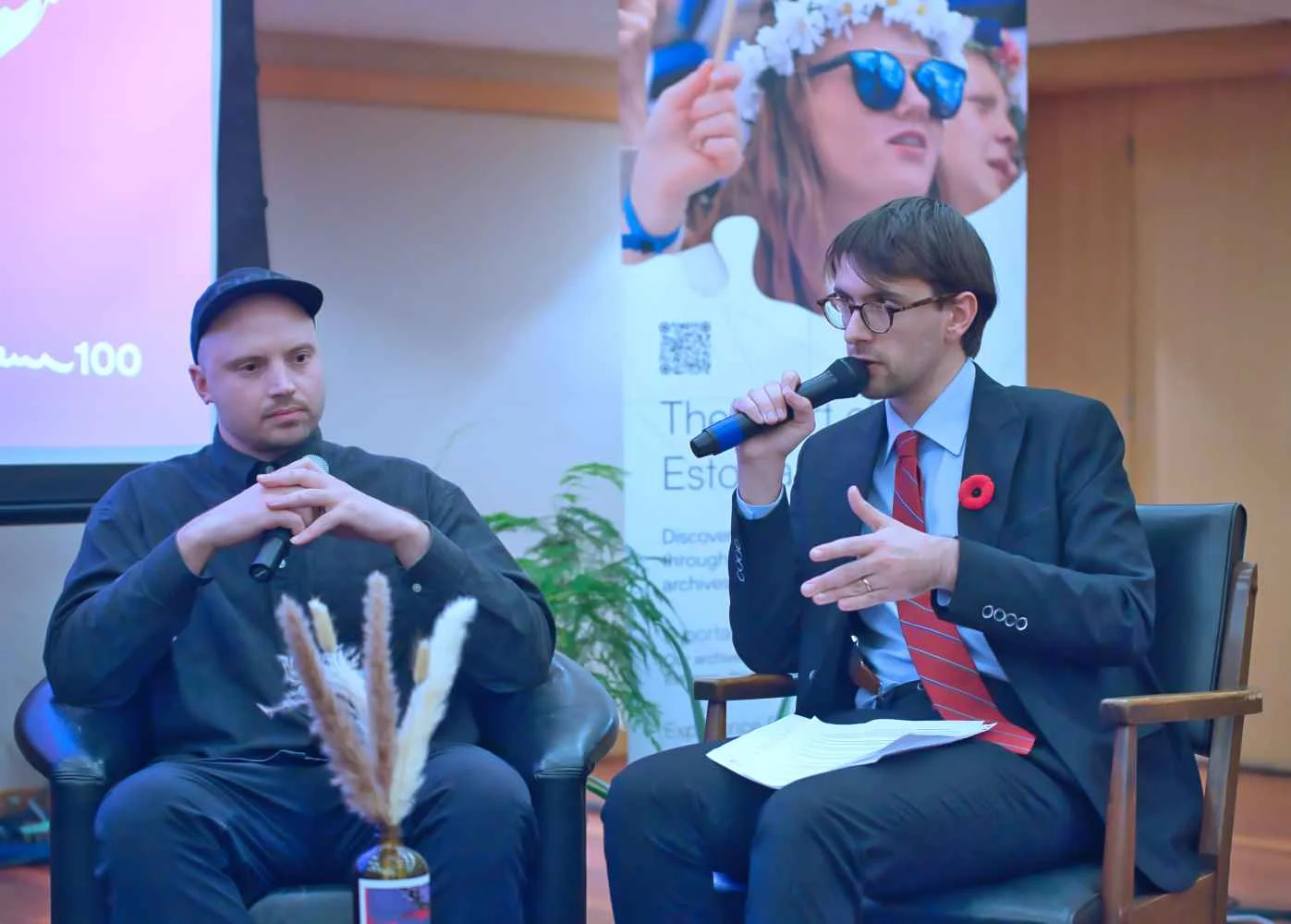
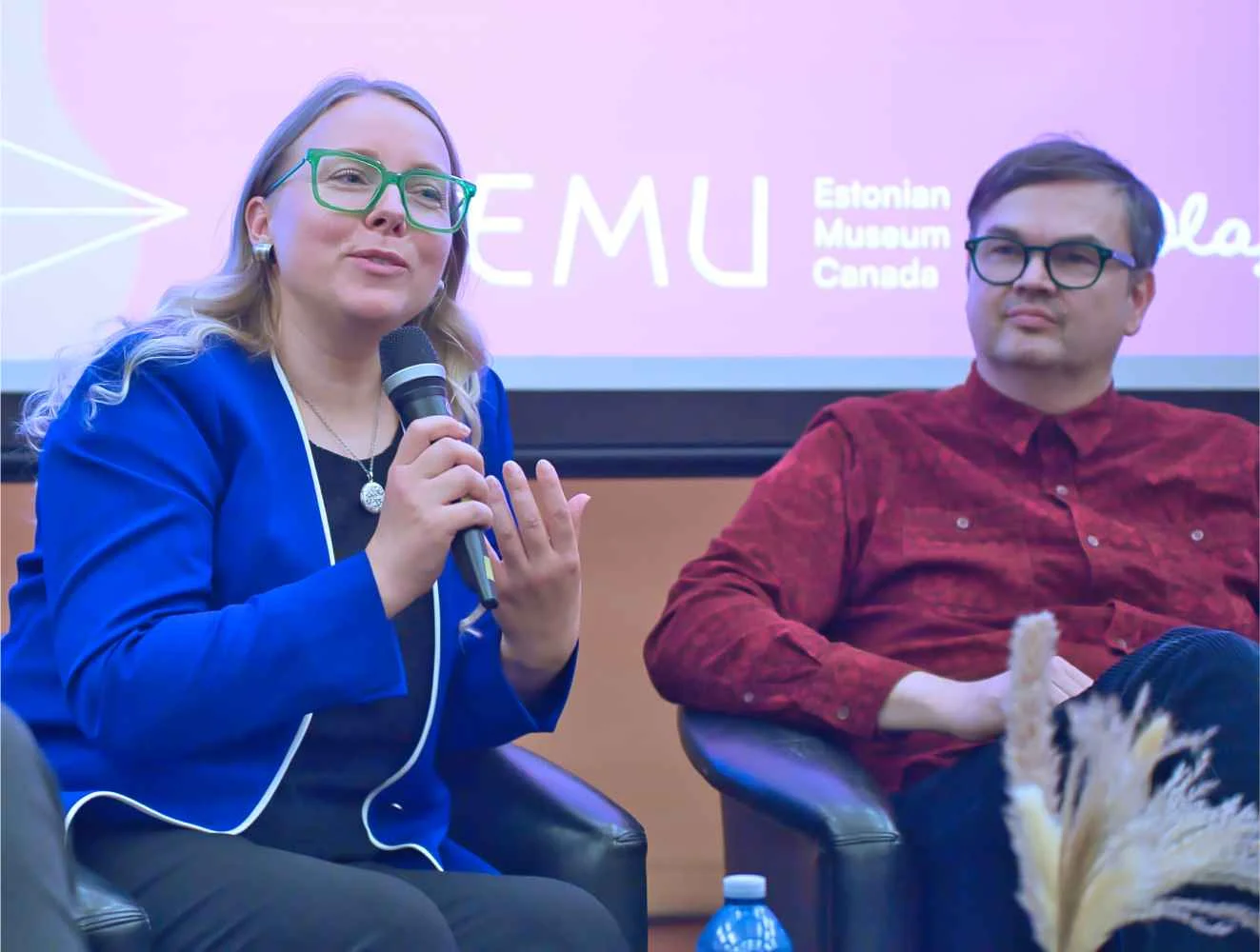
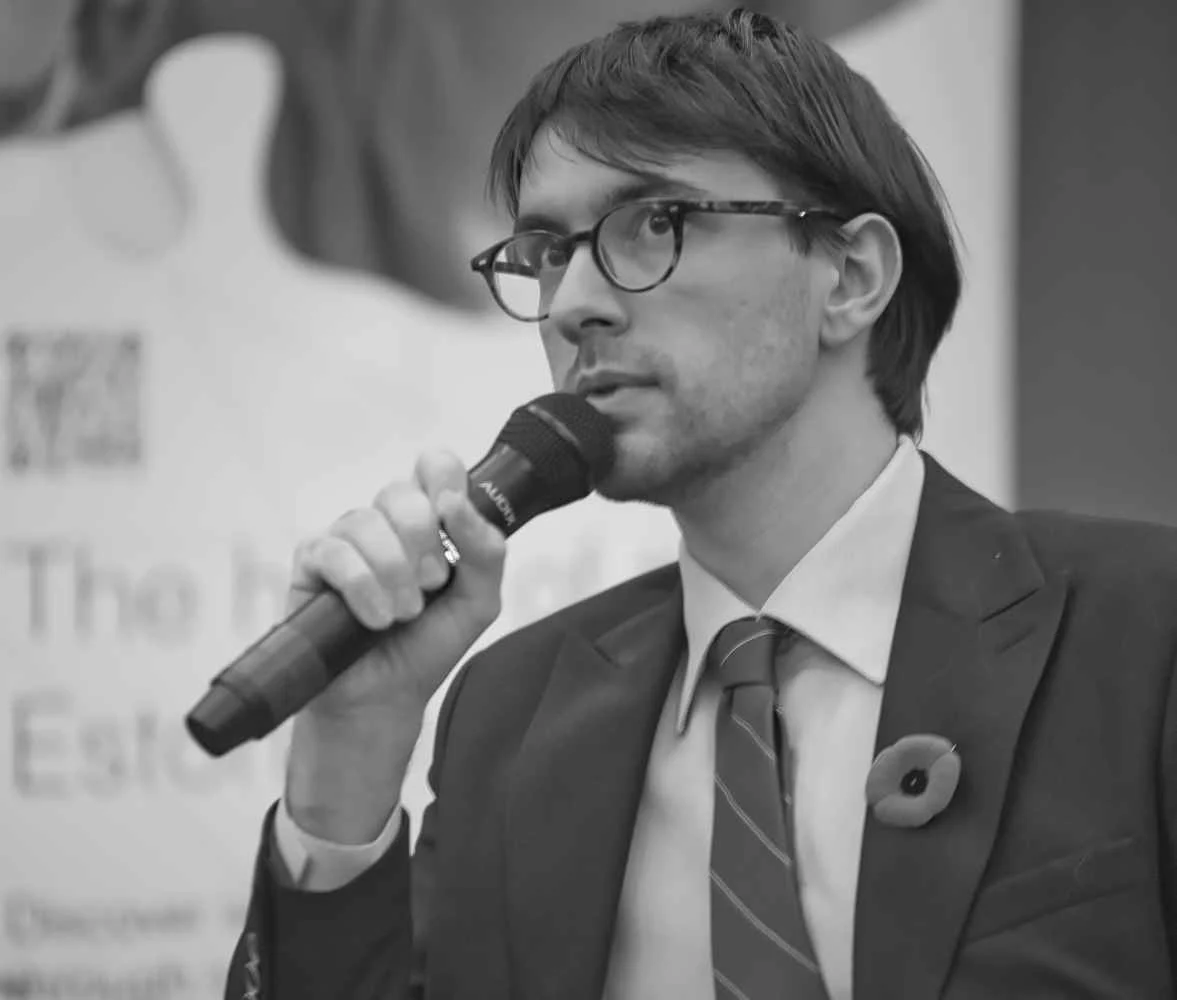
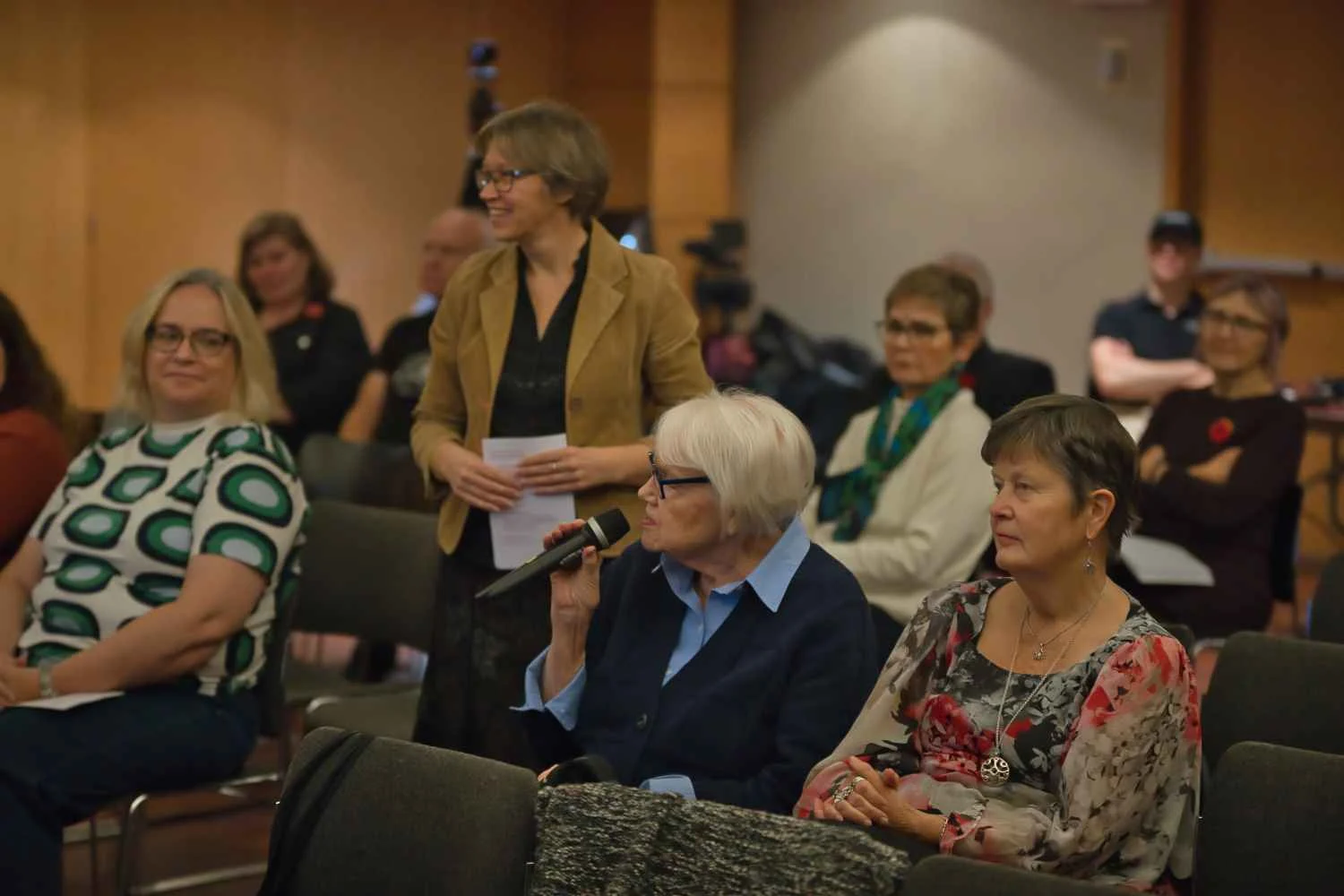
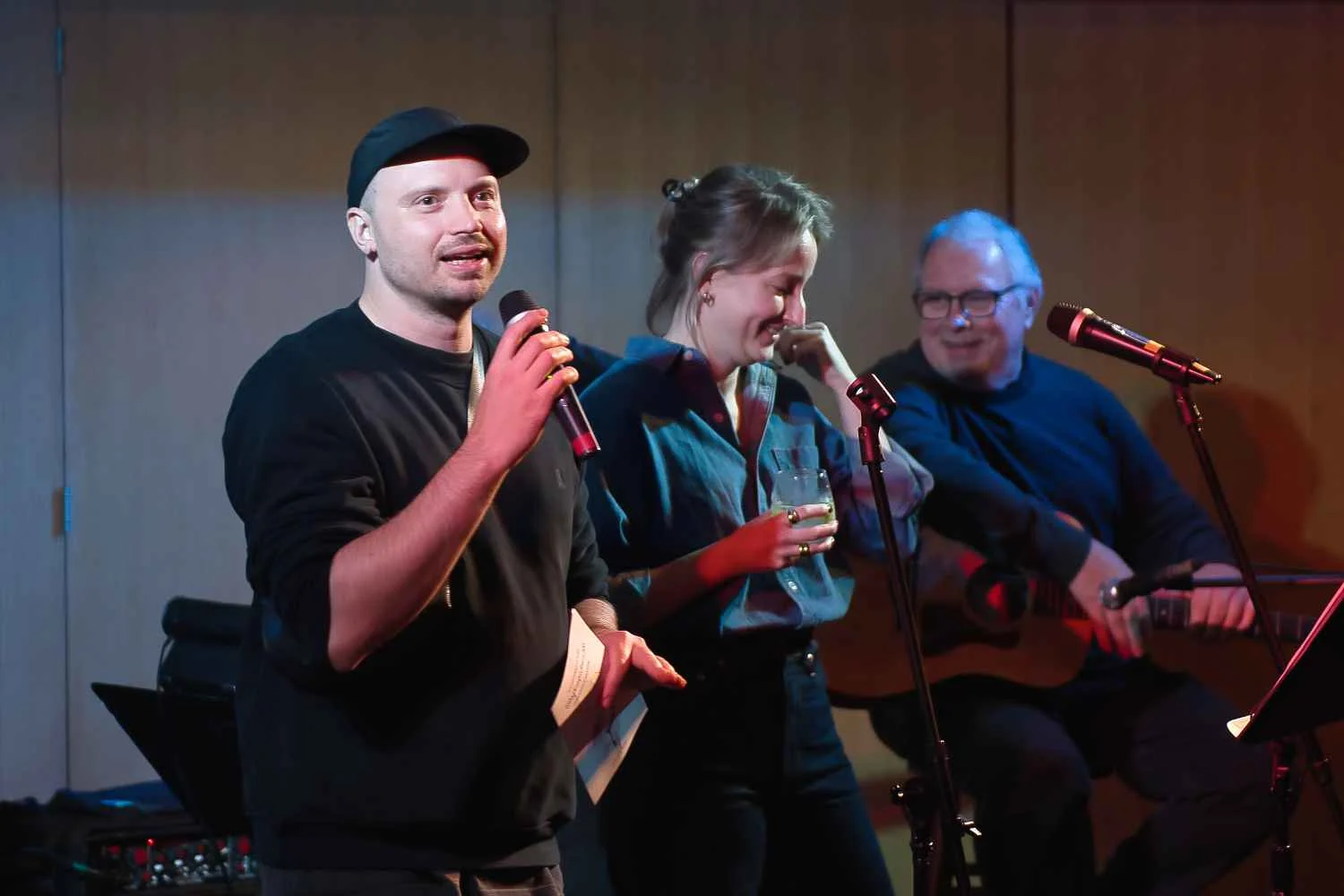
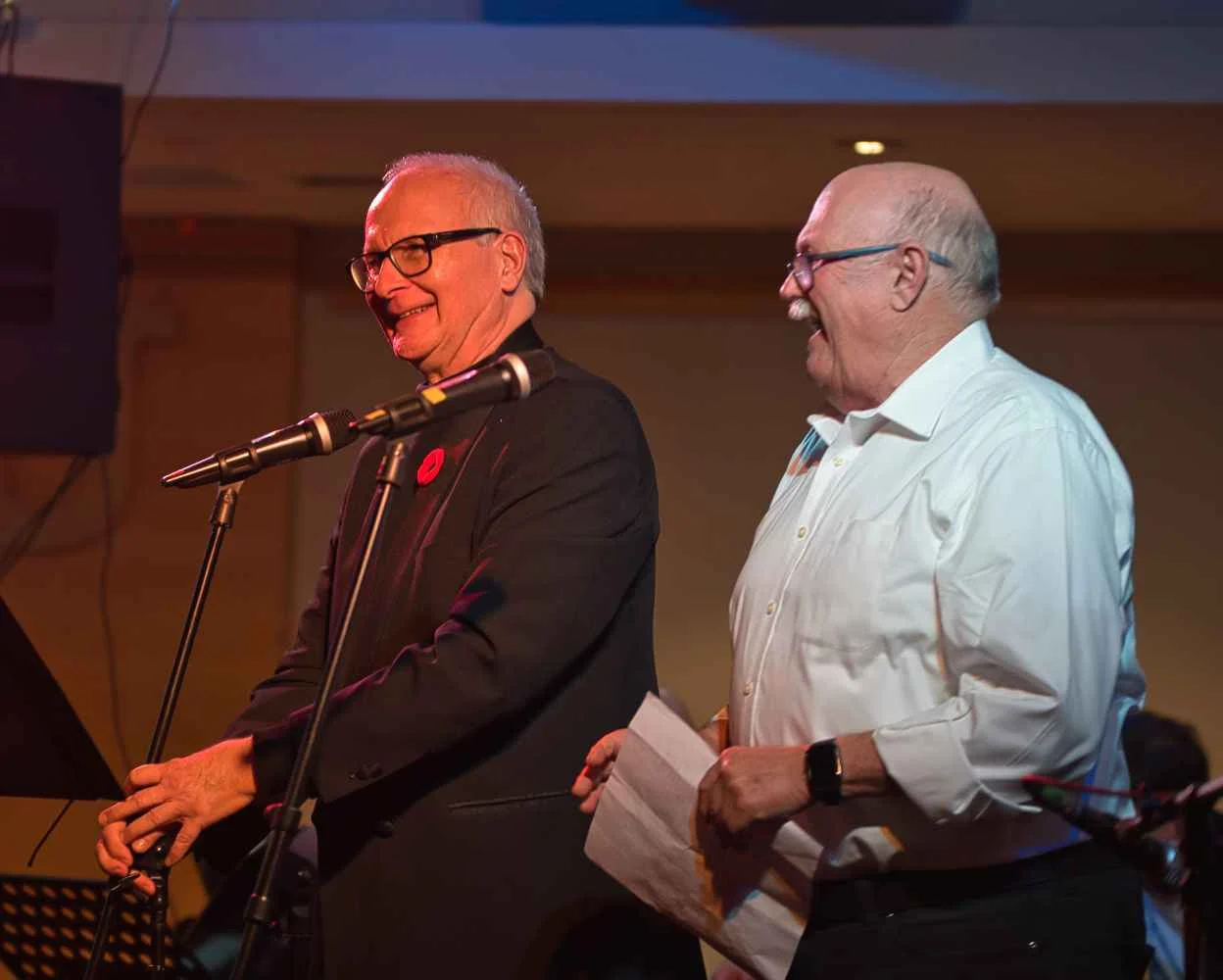
The afternoon session of day one opened with a discussion panel including Professor Andres Kasekamp, Dr. Maarja Merivoo-Parro, Vaiko Eplik, and Sebastian Buccioni (Executive and Artistic Director of Estonian Music Week).
Reflecting on the 2015 Esto-muusika compilation, Eplik stated that twenty percent of exile pop was “as original and breathtakingly innovative as anything,” adding that Kopvillem “perfected and brought to another level” the traditional kuplee cabaret style.
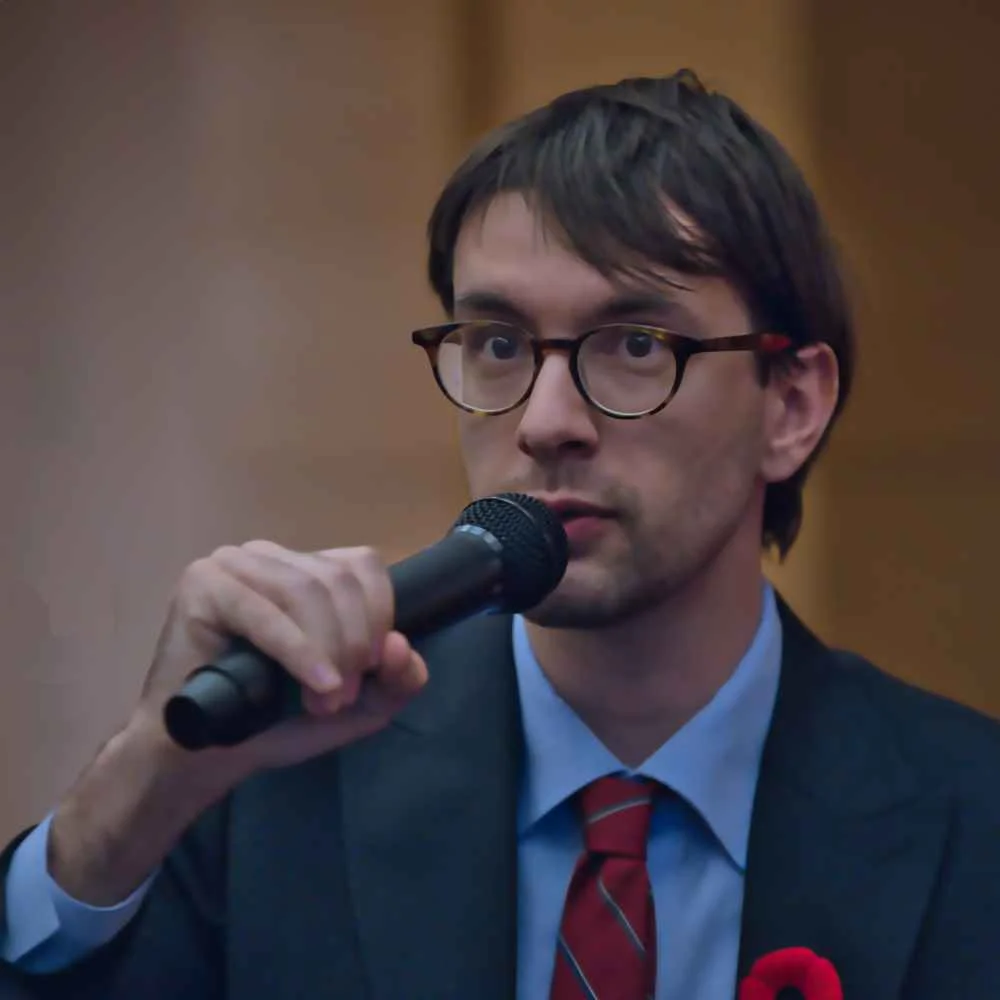
Tying into a later question about improving global Estonian connectivity, Professor Kasekamp detailed how diaspora musical life worked through global networks, mentioning Toronto groups like Külapoisid covering Soviet occupation-era hits by Kukerpillid, as well as local favourites like Priit Aruvald’s “Tallinna teel,” adapted from Gordon Lightfoot’s “Alberta Bound.” While condensed interviews do tend to lean into simple binary conclusions, Merivoo-Parro made sure to note that Estonian identity in music operates on a spectrum, reminding the audience that “To be Estonian in music doesn’t mean that you have to play the fiddle,” (among other popular traditional Estonian activities). Estonianness can be universal. With that openness in mind, Buccioni shared how Estonian Music Week enables two-way cultural exchange. He brought up a memorable moment, when Toronto singer Maya Killtron jammed on stage with Estonian funk act Lexsoul Dancemachine, leading to a showcase at Tallinn Music Week and joint studio recordings.
“‘Am I Estonian? Am I Australian? What’s the future of Estonia? What’s AI gonna do?’ You’ve got to stop worrying about that stuff and just do whatever it is that intuitively feels right…”
(Olev Muska)
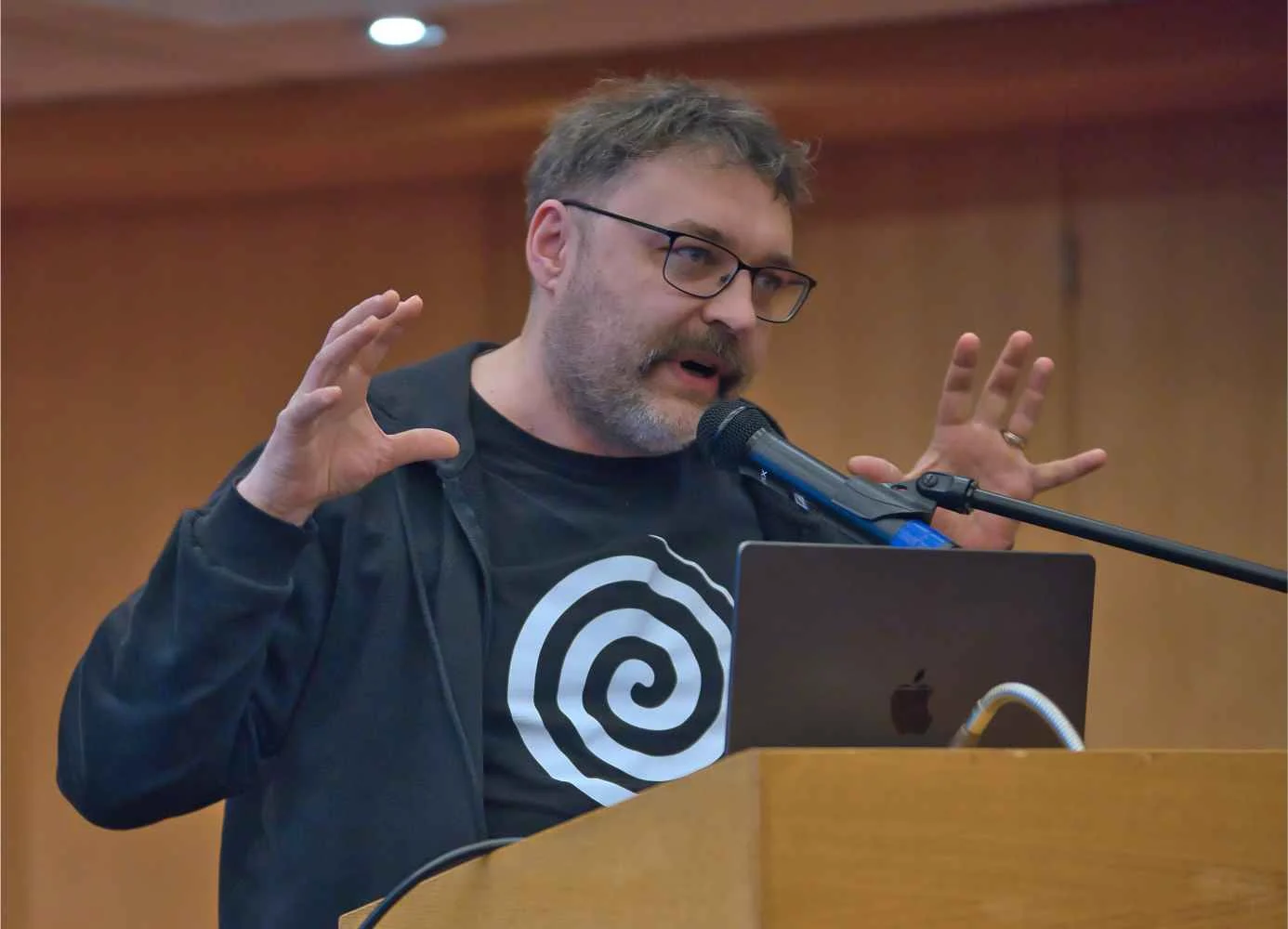
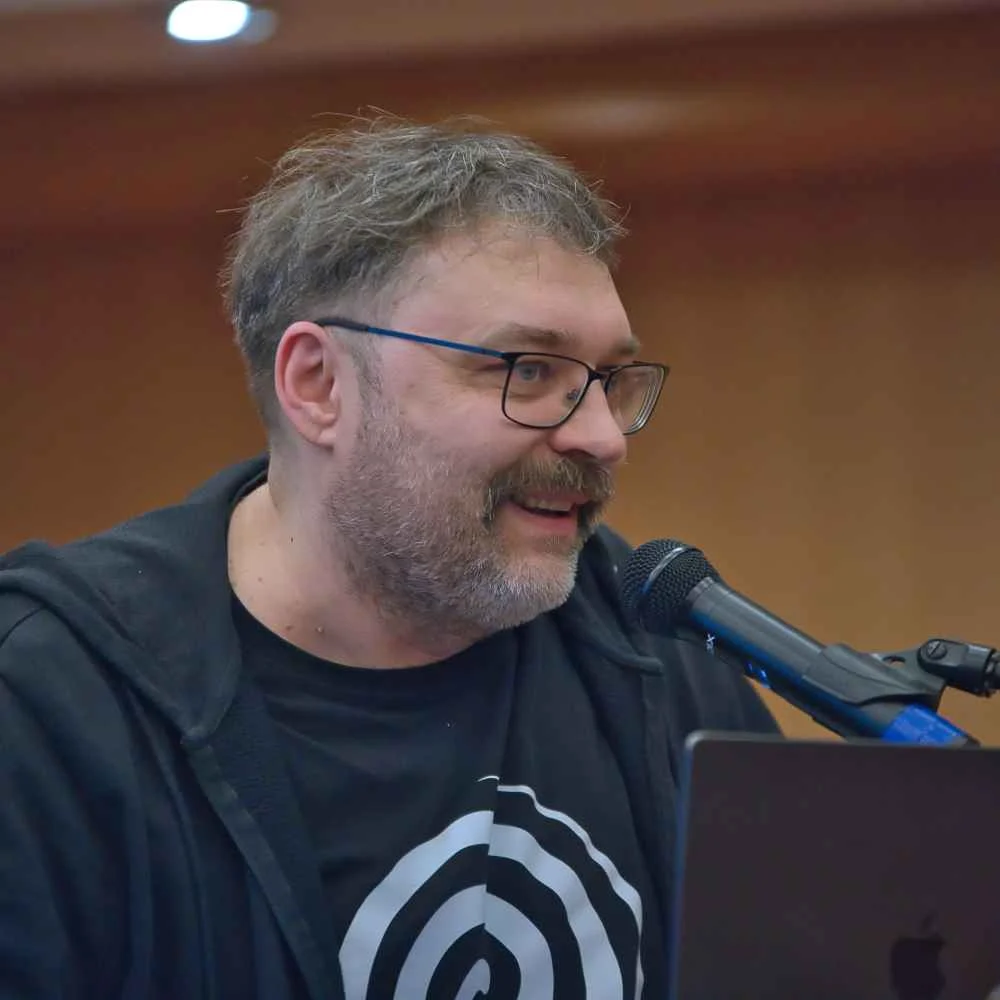
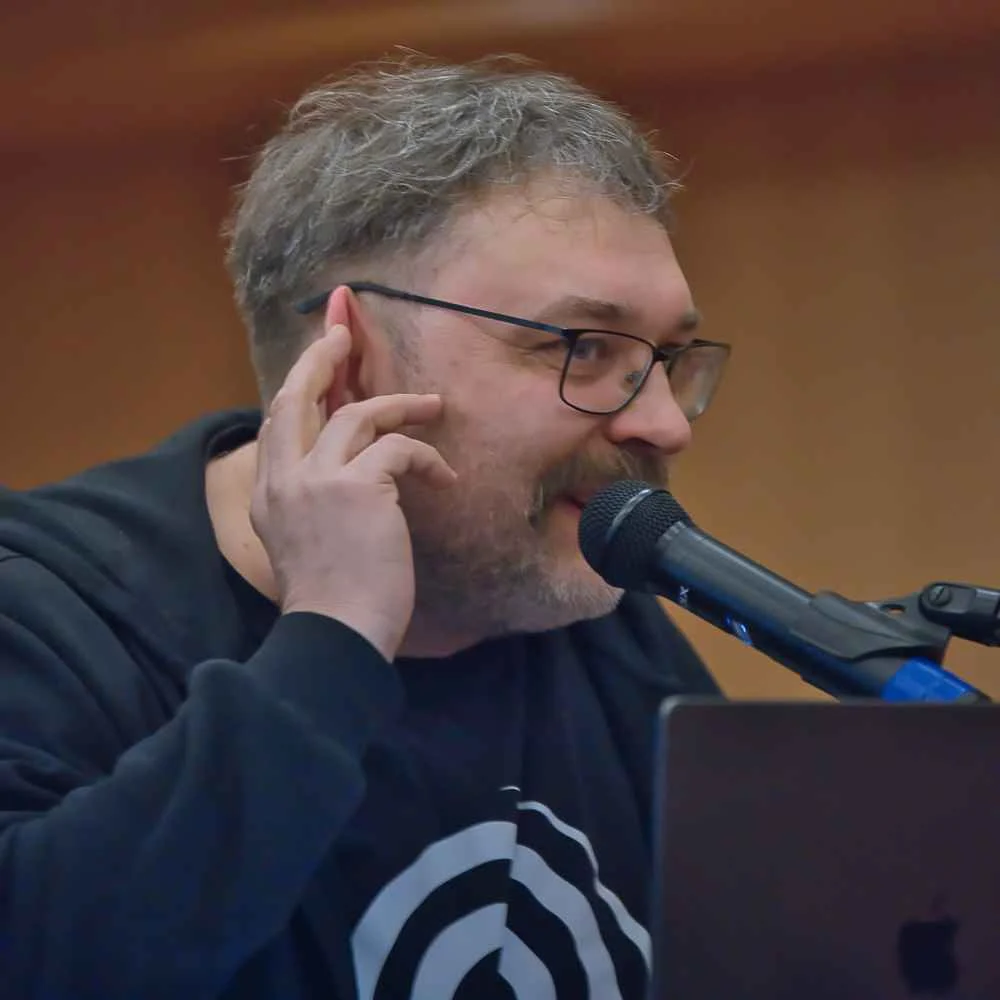
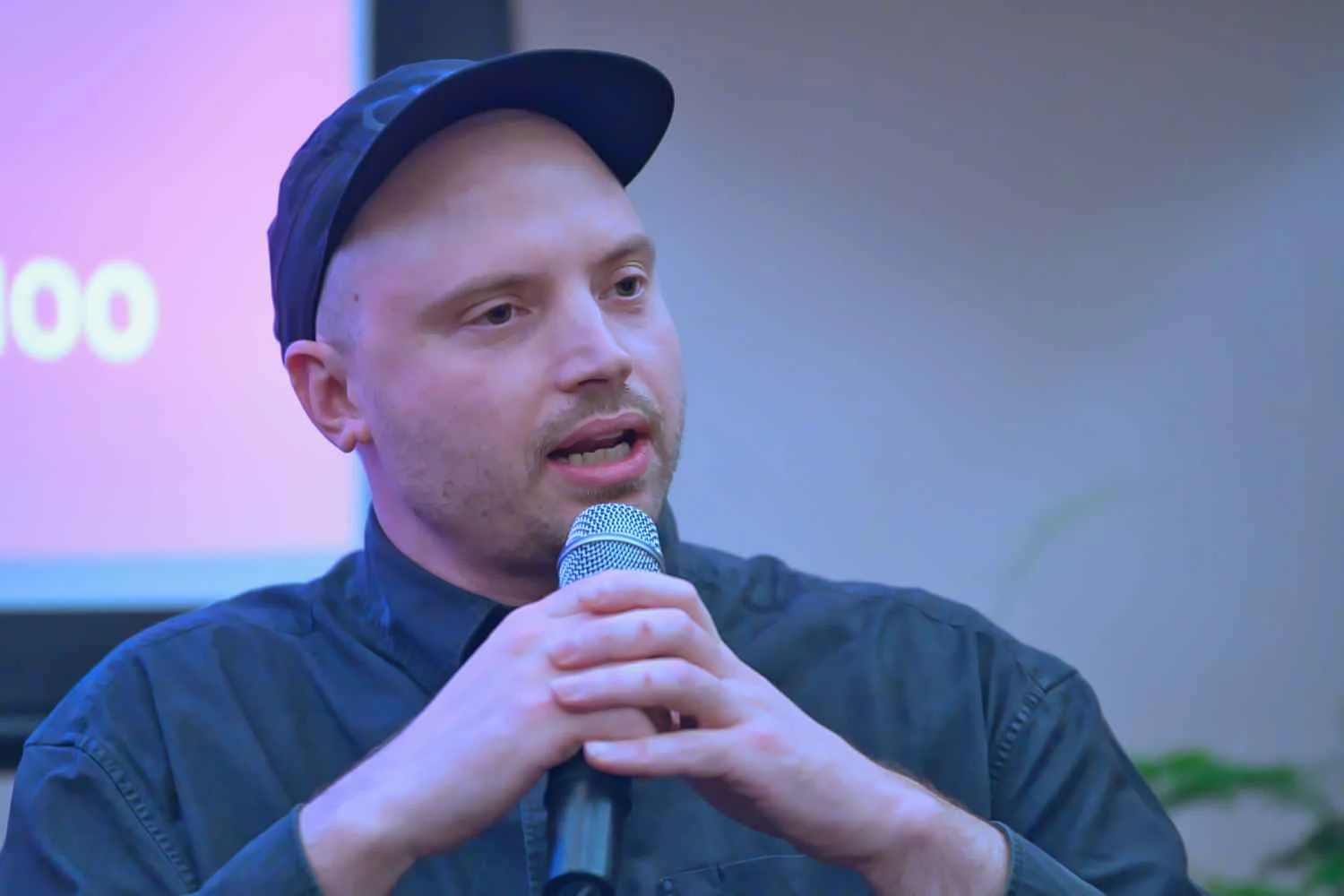
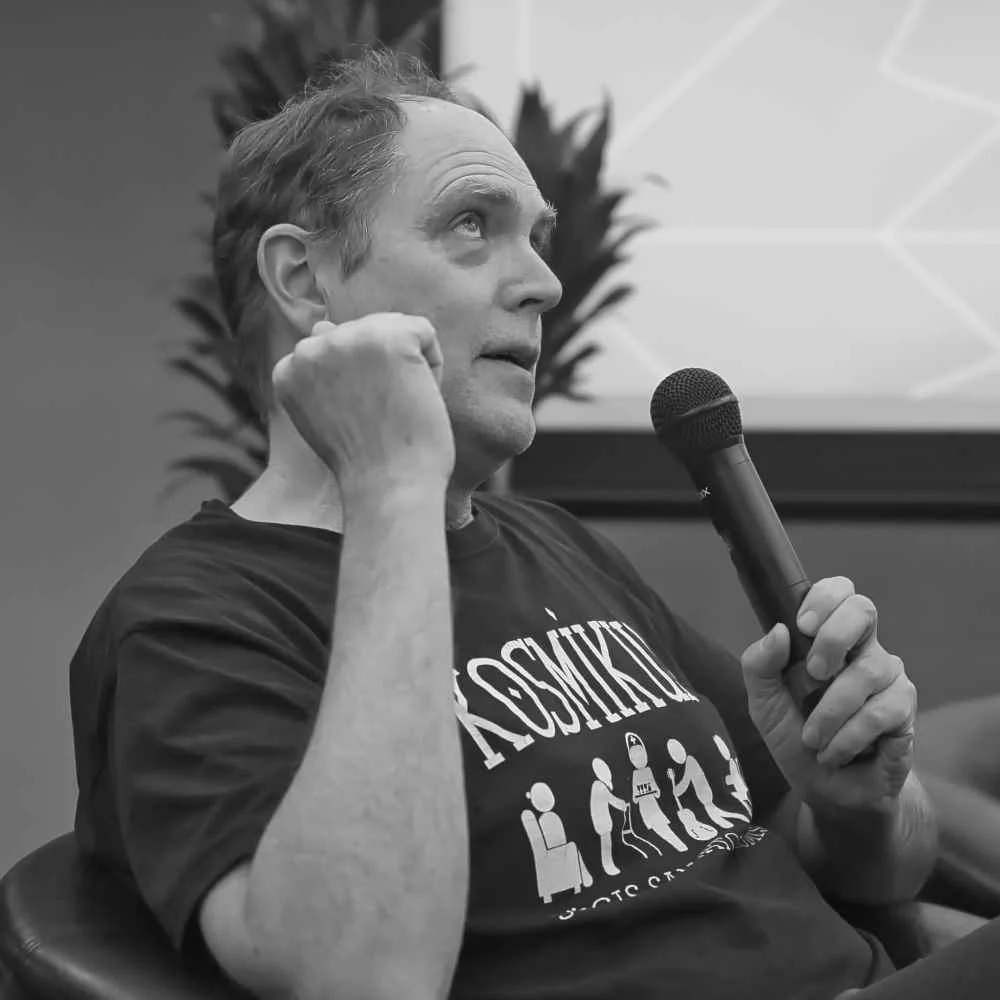
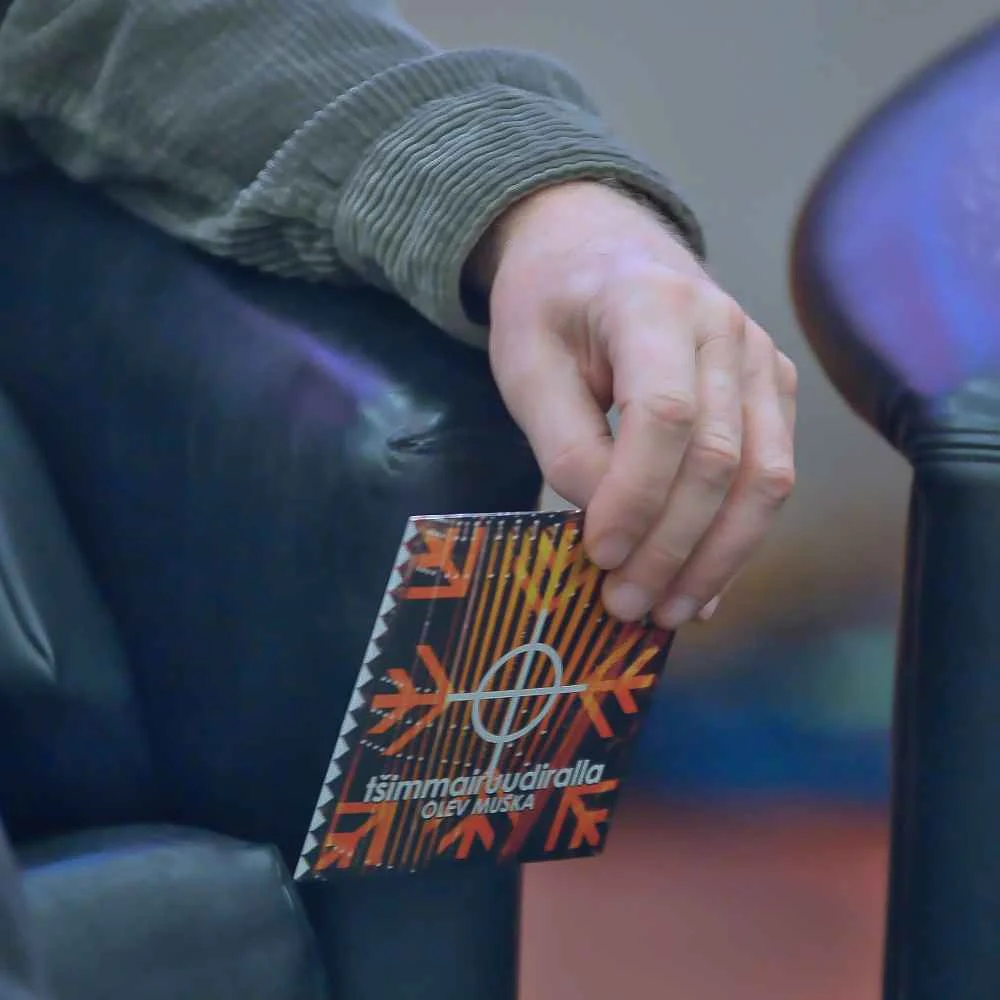
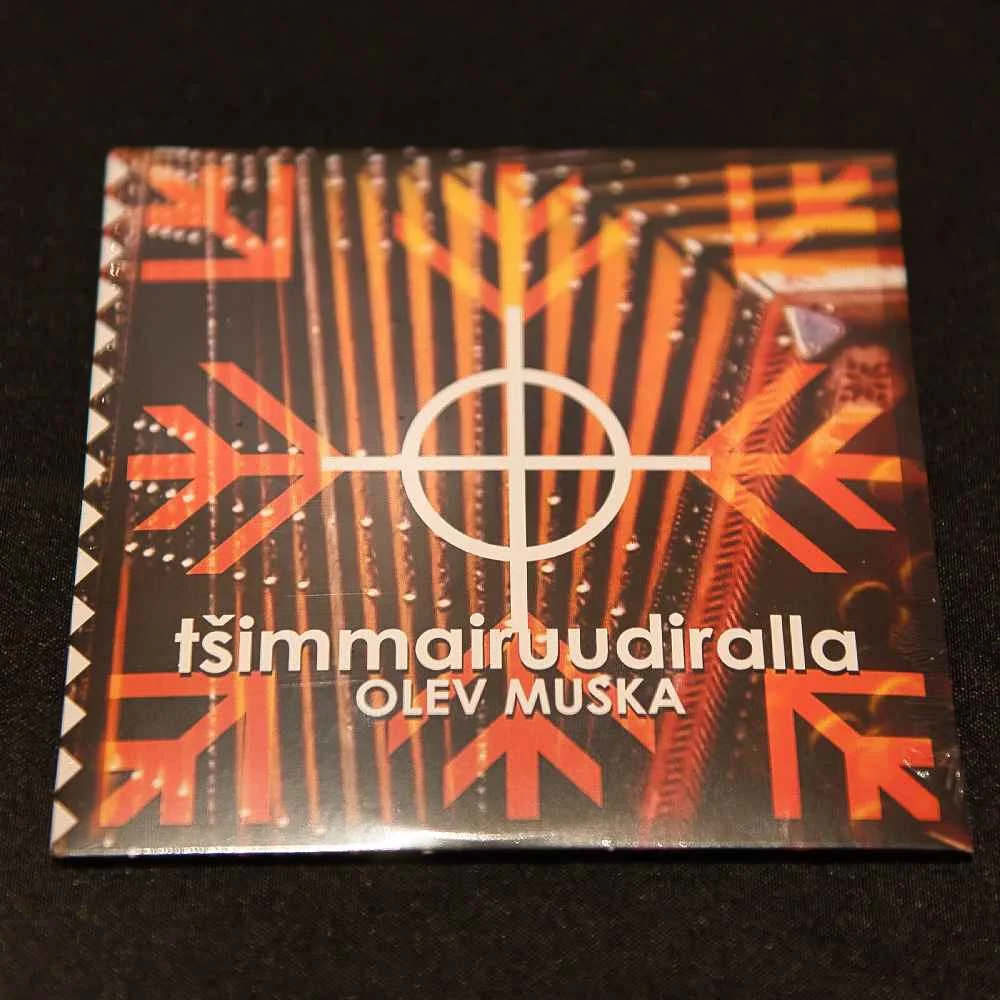
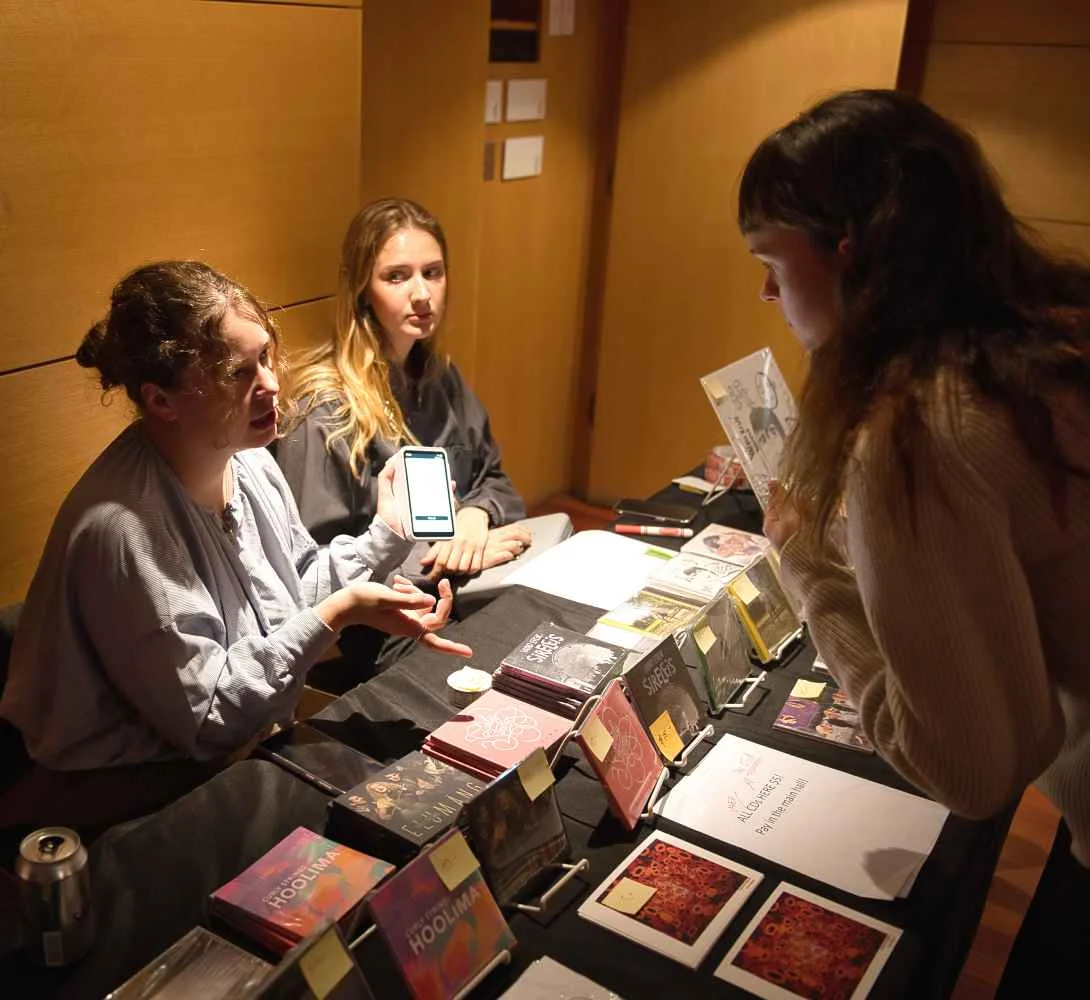
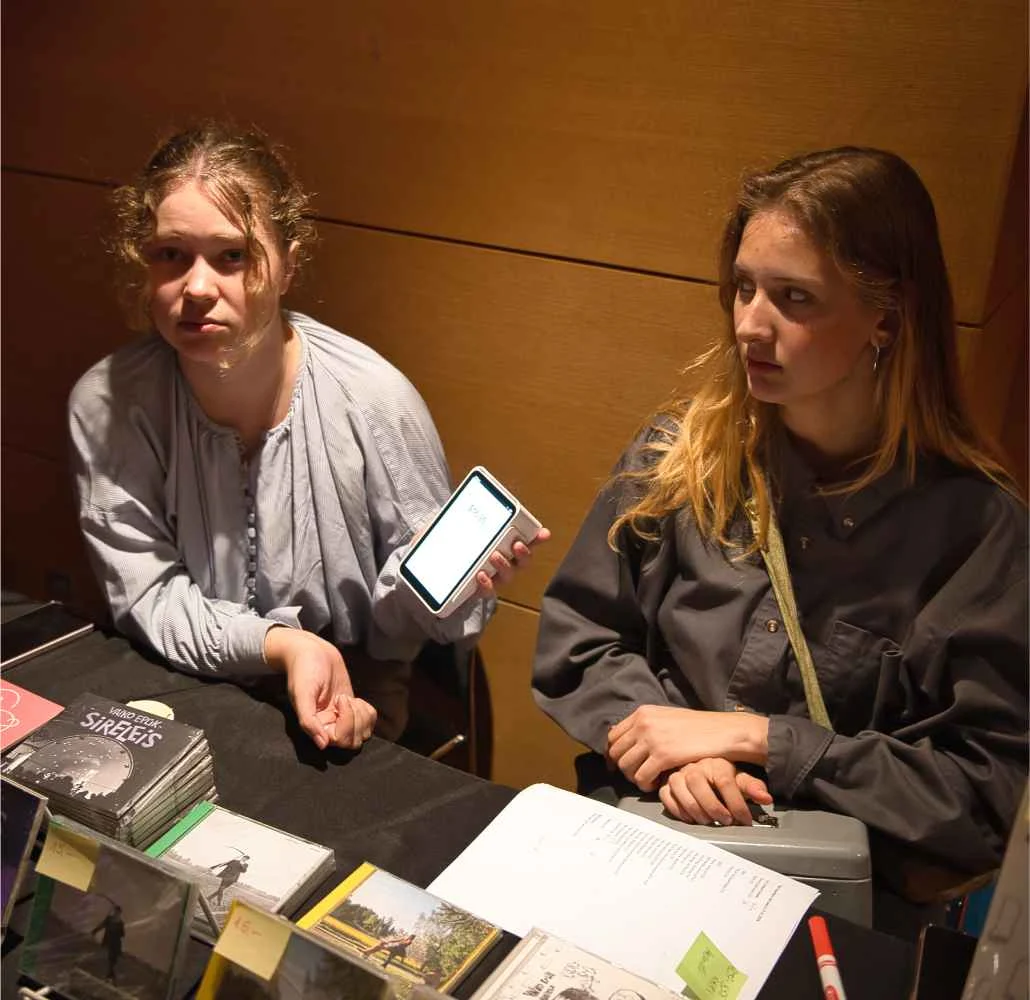
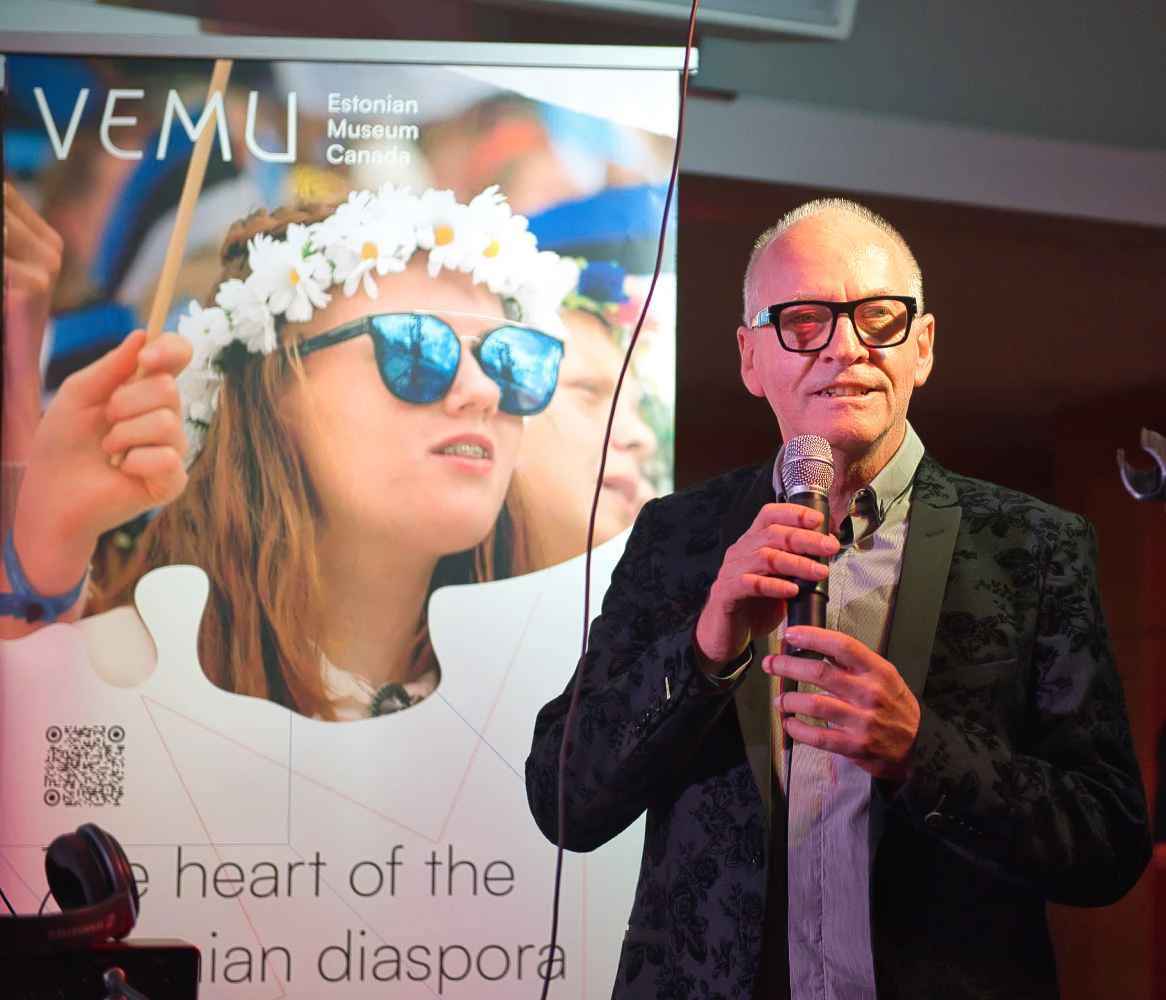
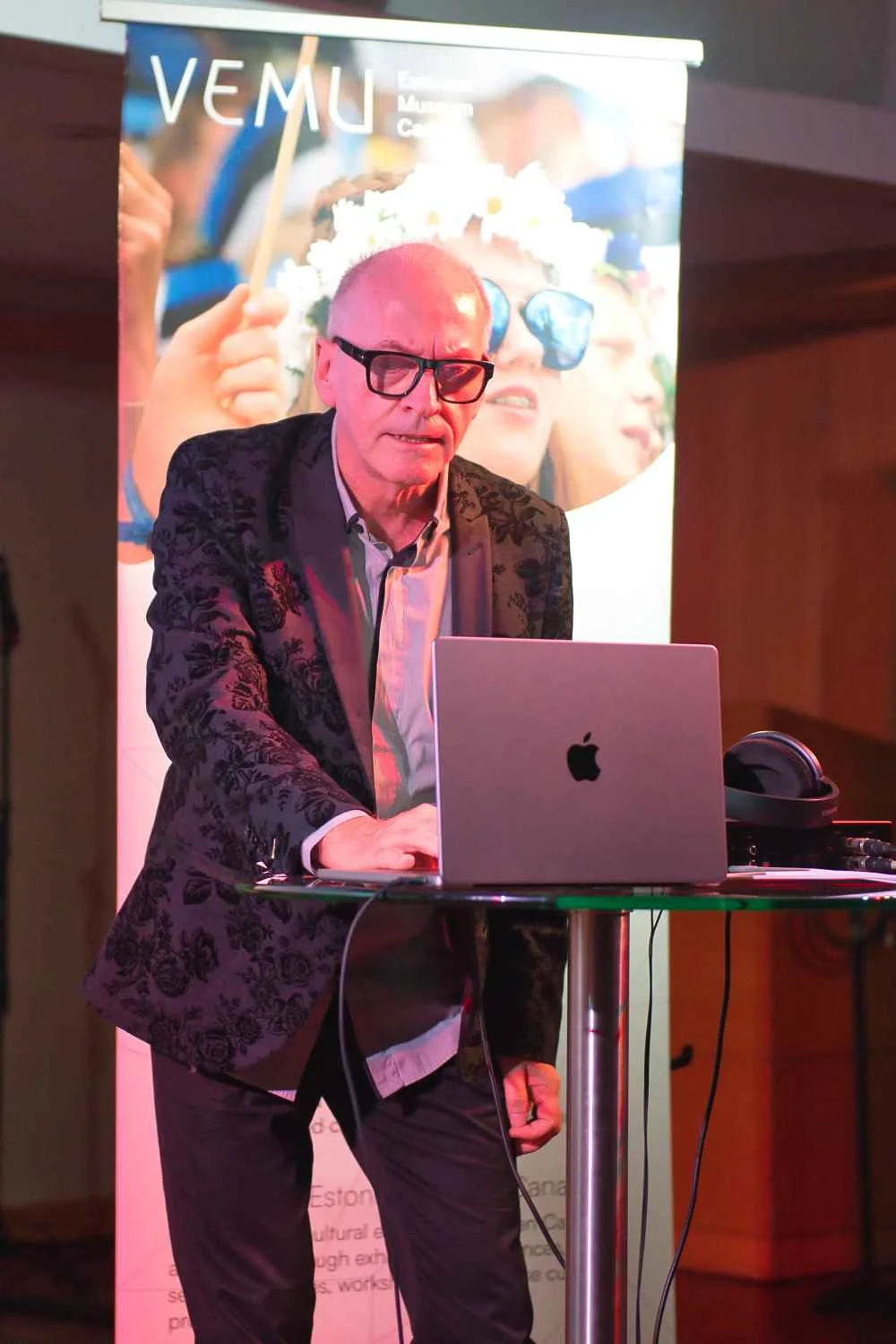
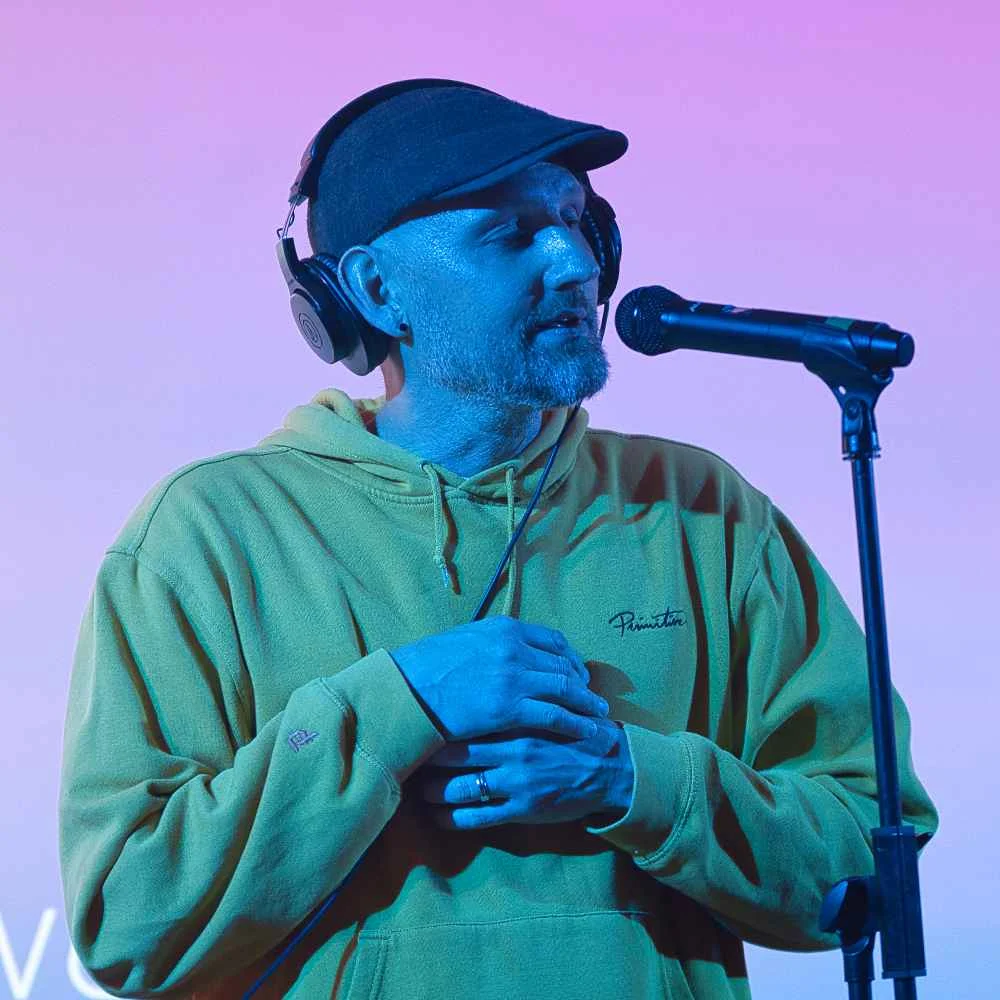
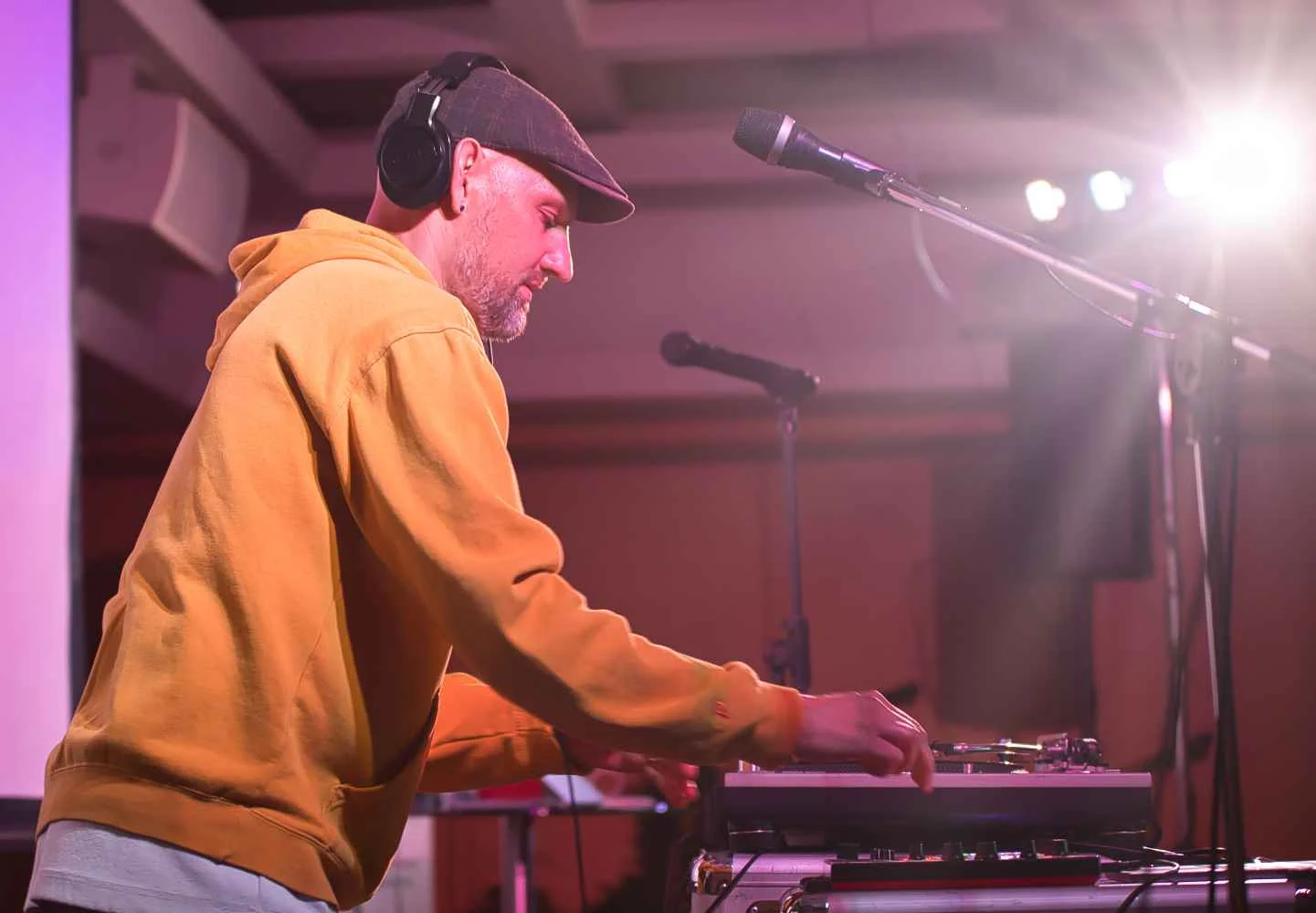
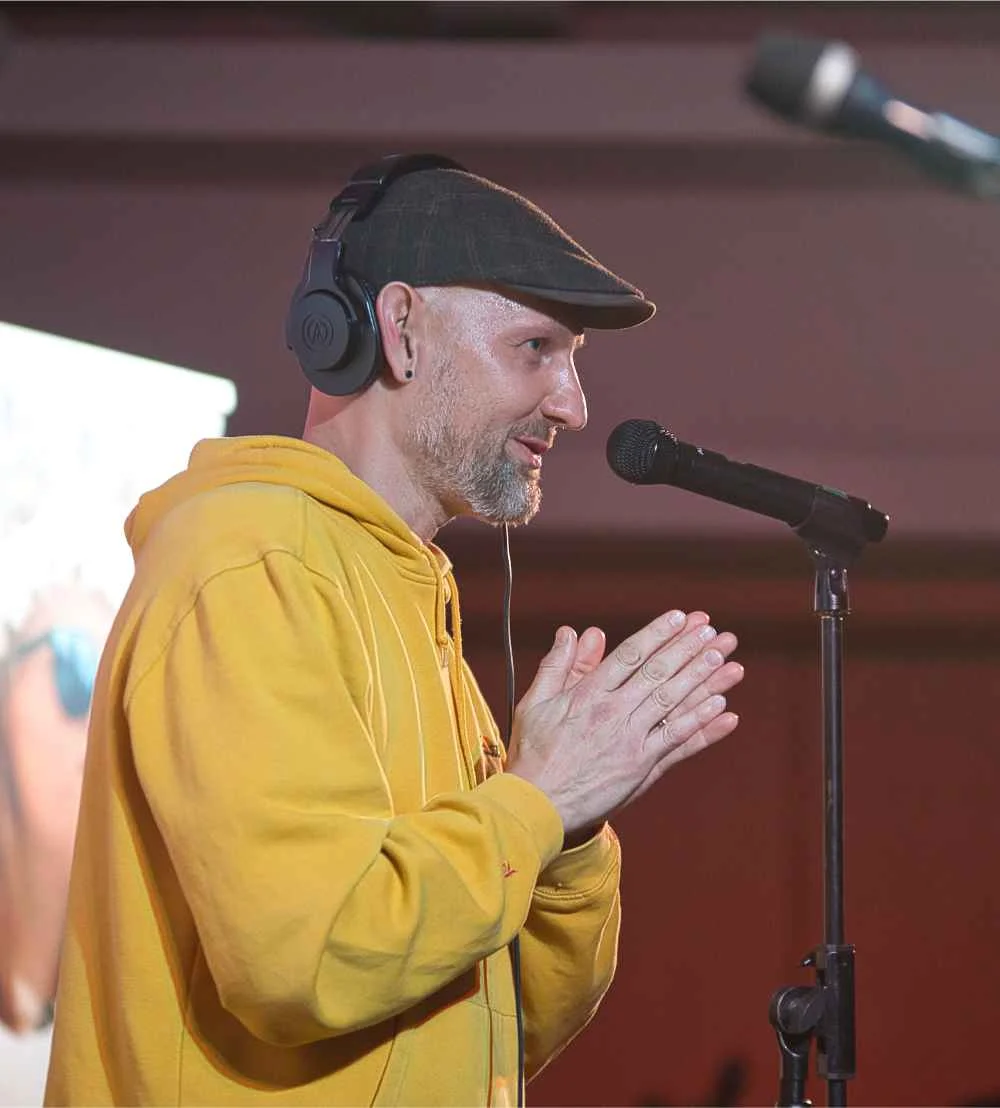
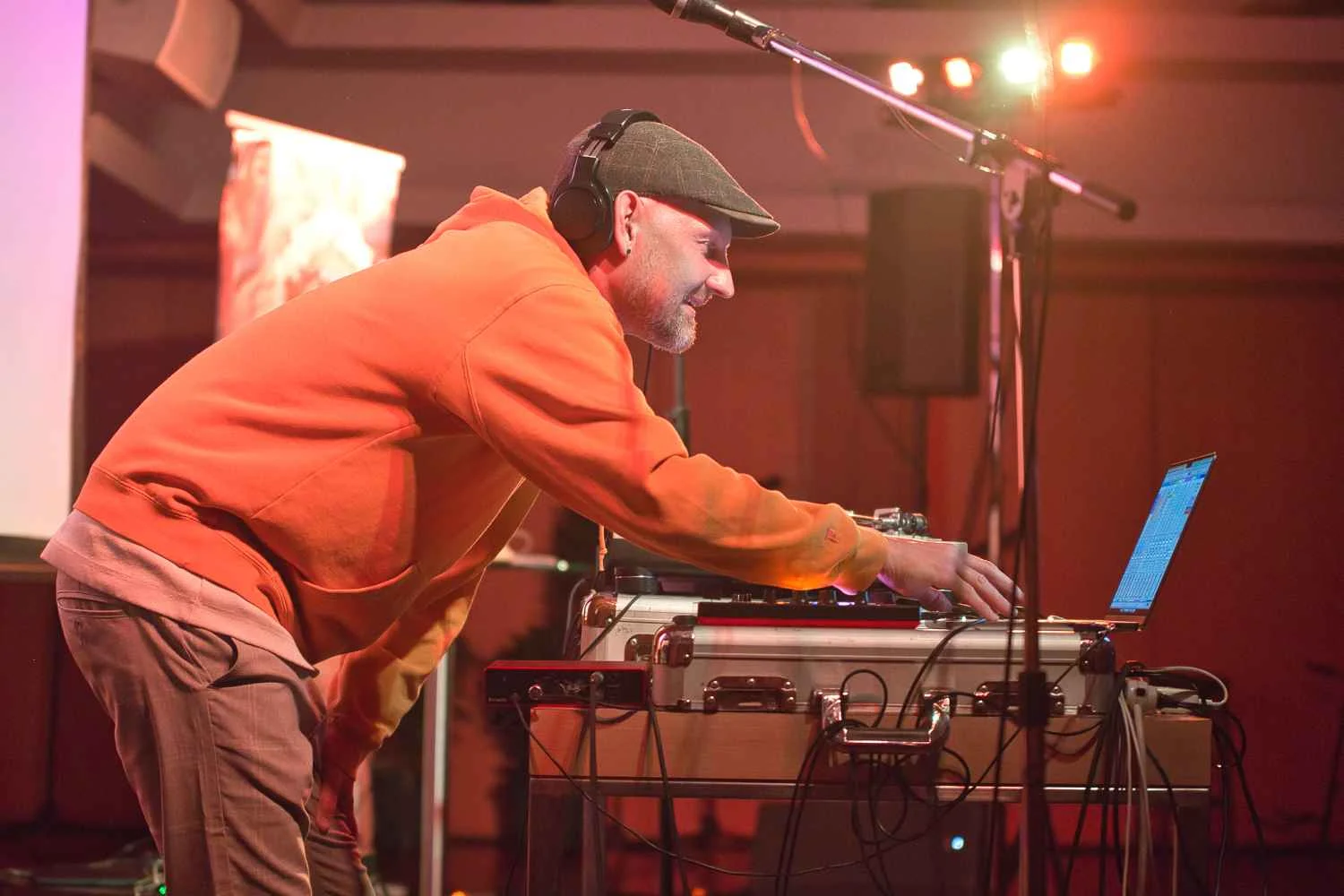
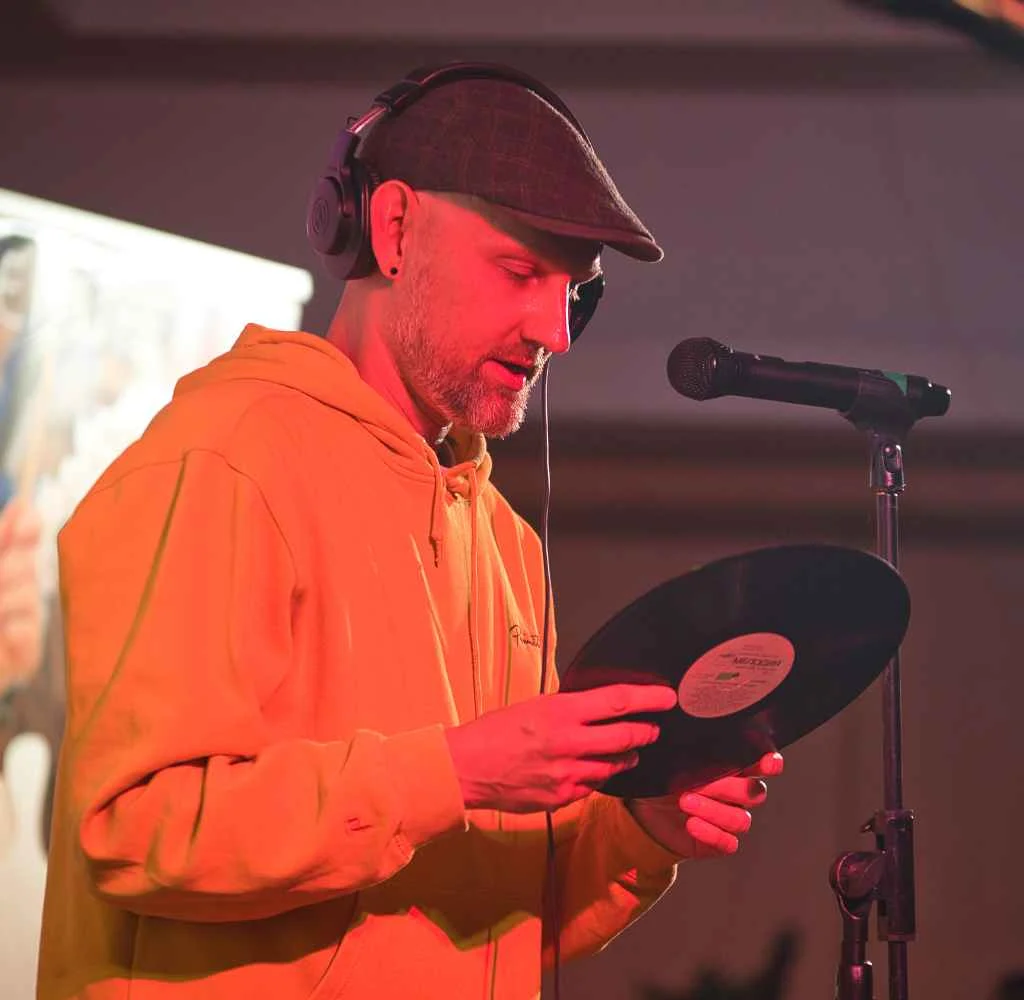
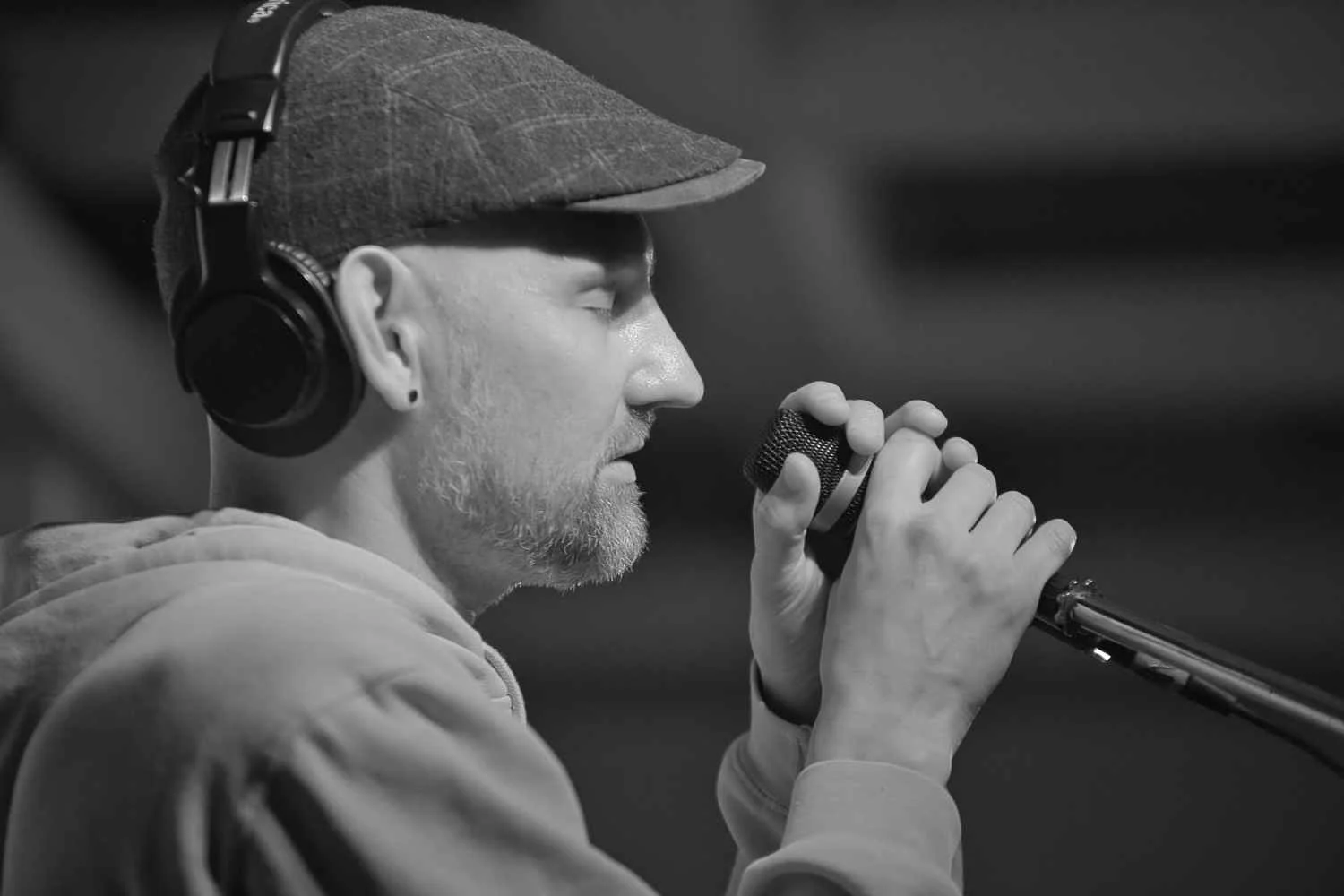
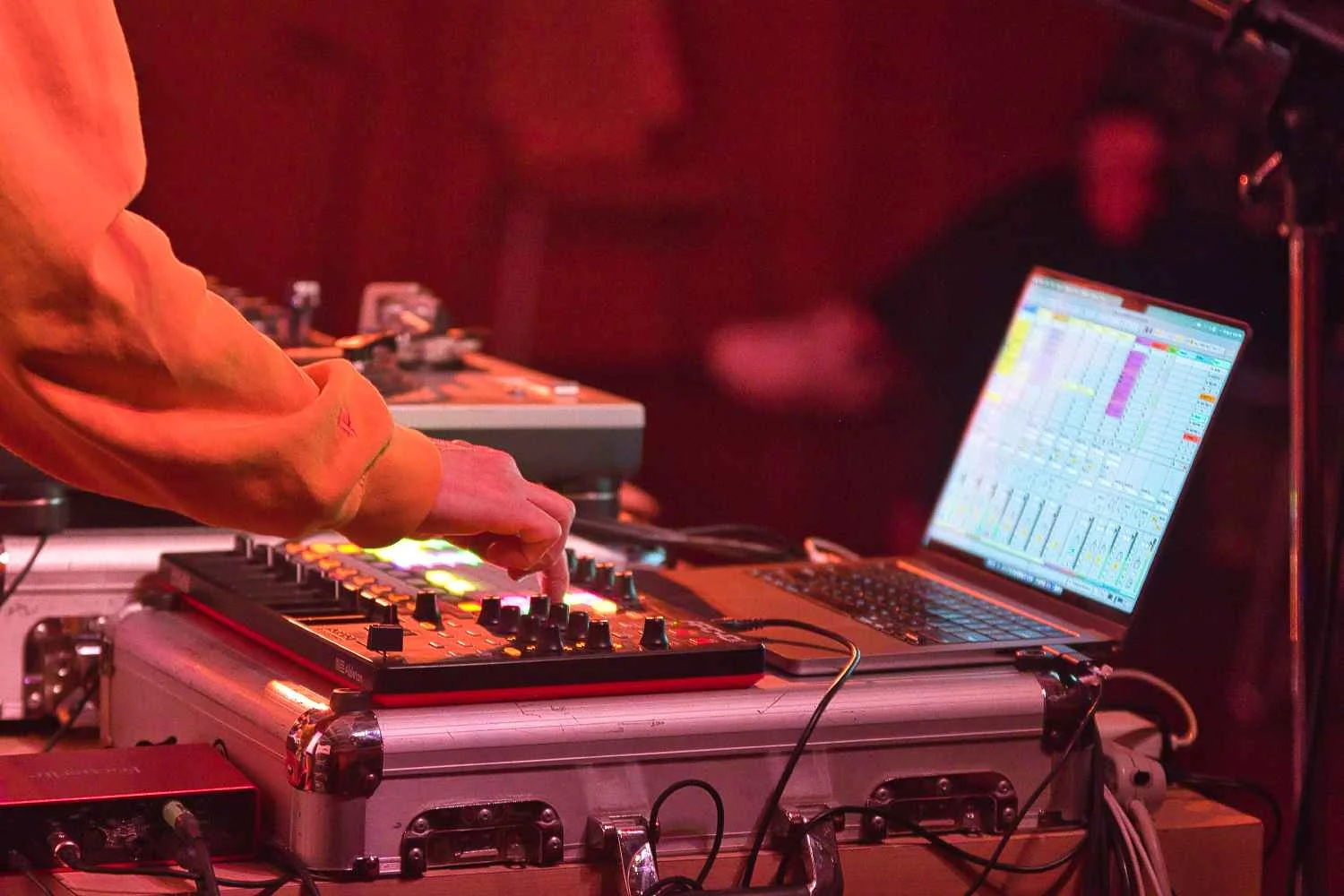
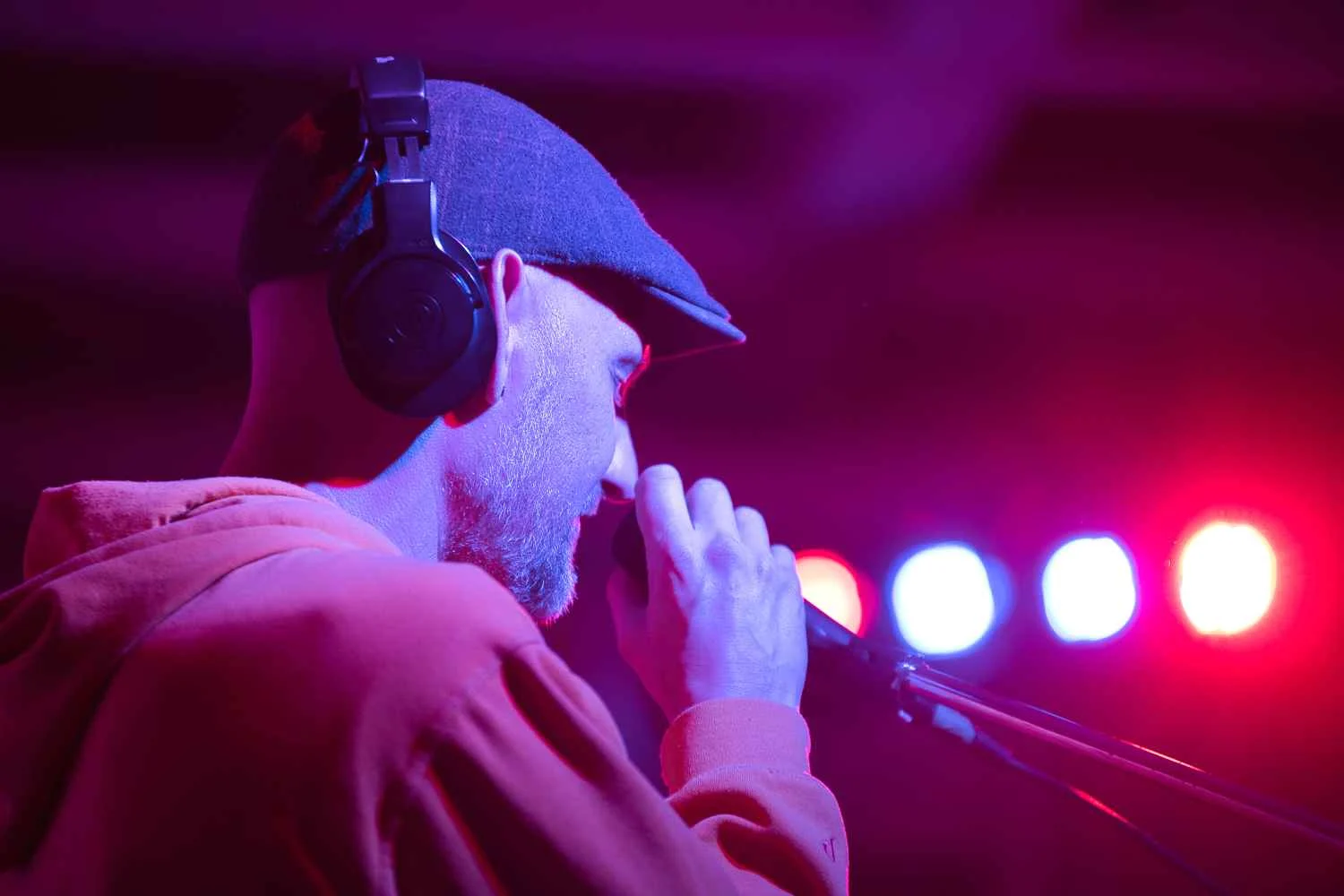
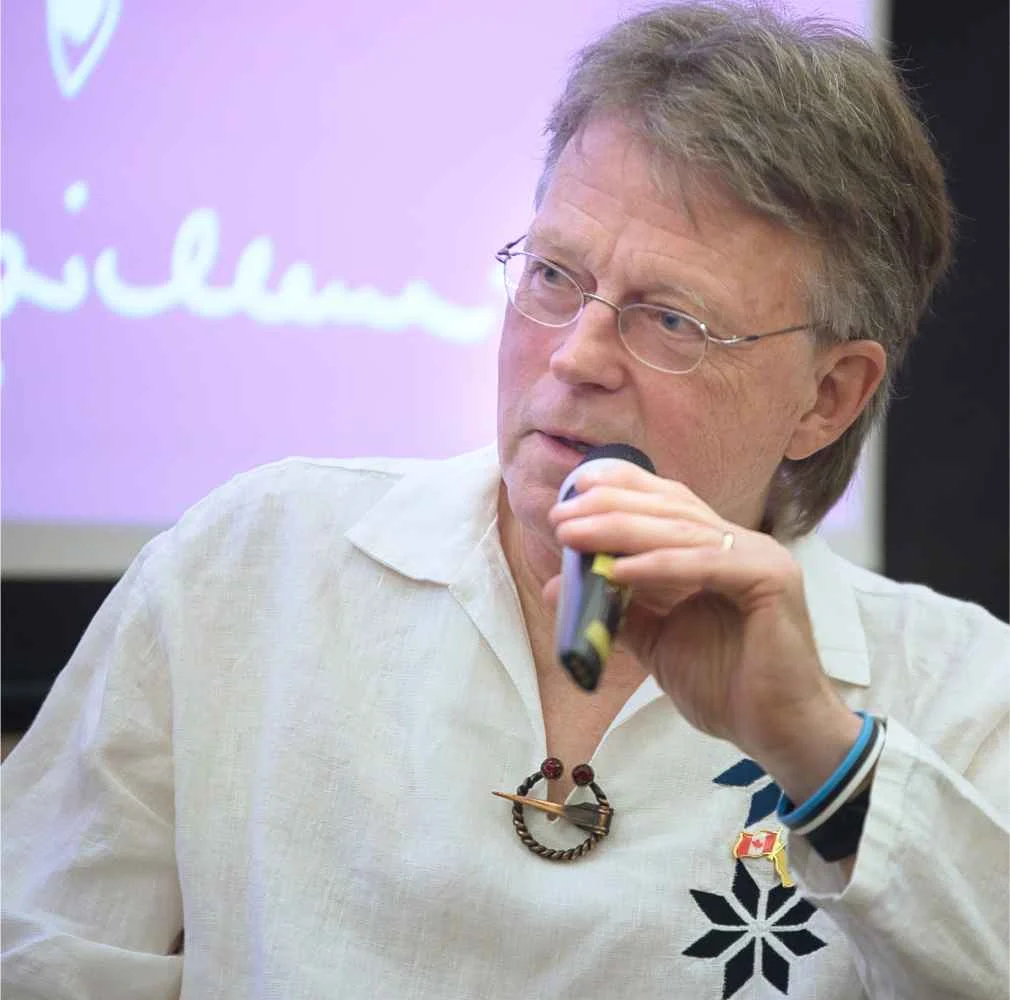
Part two of day one also saw the launch of Olev Muska’s new CD, Tšimmairuudiralla. Celebrating Kopvillem’s centennial, Muska’s album reworks tracks like Kopvillem’s “Klunker” (as “Klunker funker”) and Jaan Villard’s “Jaanituli.” Muska, true to his style, offered an energetic defense of creative freedom: “I don’t want to agonize about, ‘Am I Estonian? Am I Australian? What’s the future of Estonia? What’s AI gonna do?’ You’ve got to stop worrying about that stuff and just do whatever it is that intuitively feels right… If I can just inspire people to forget about being Estonian, just enjoy being Estonian, that’s good enough for me.”
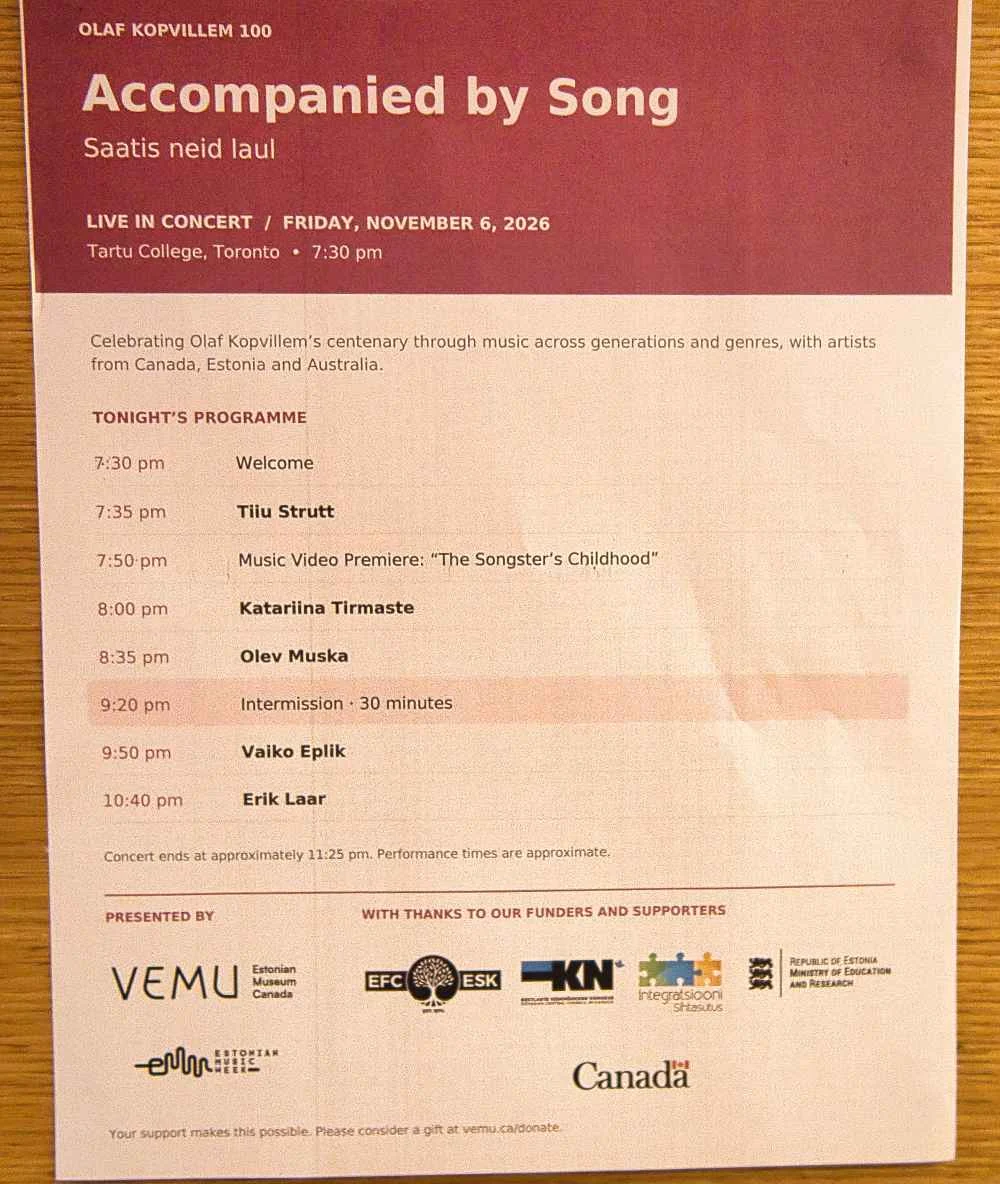
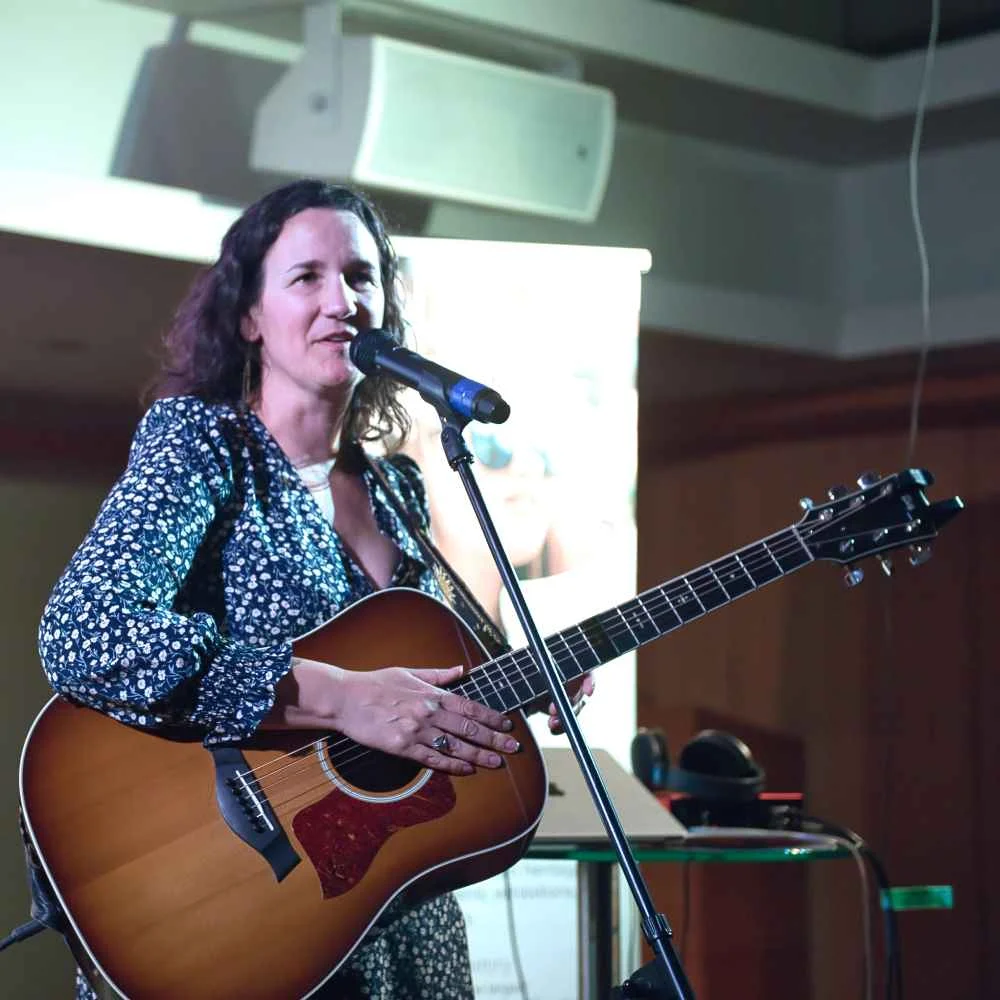
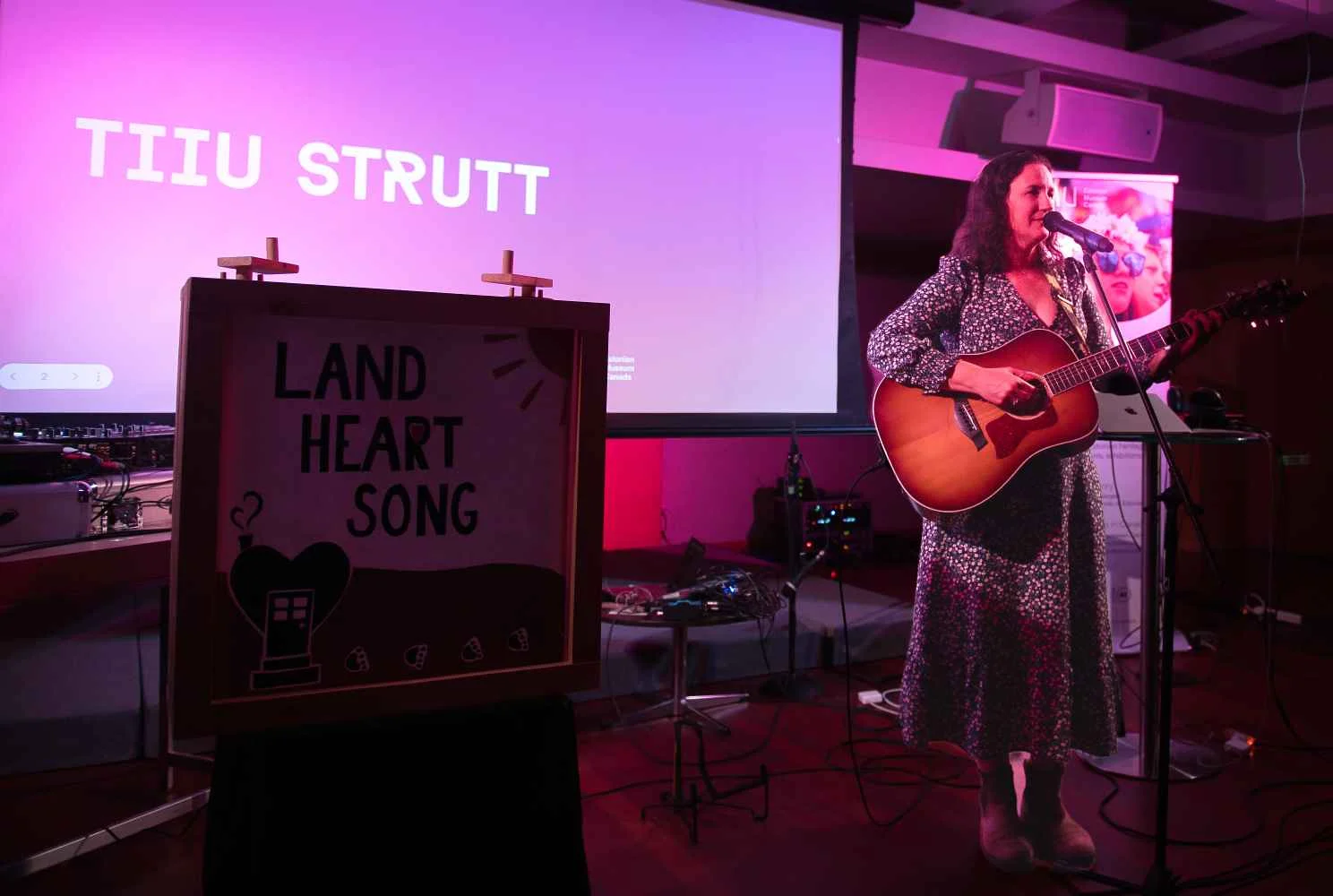
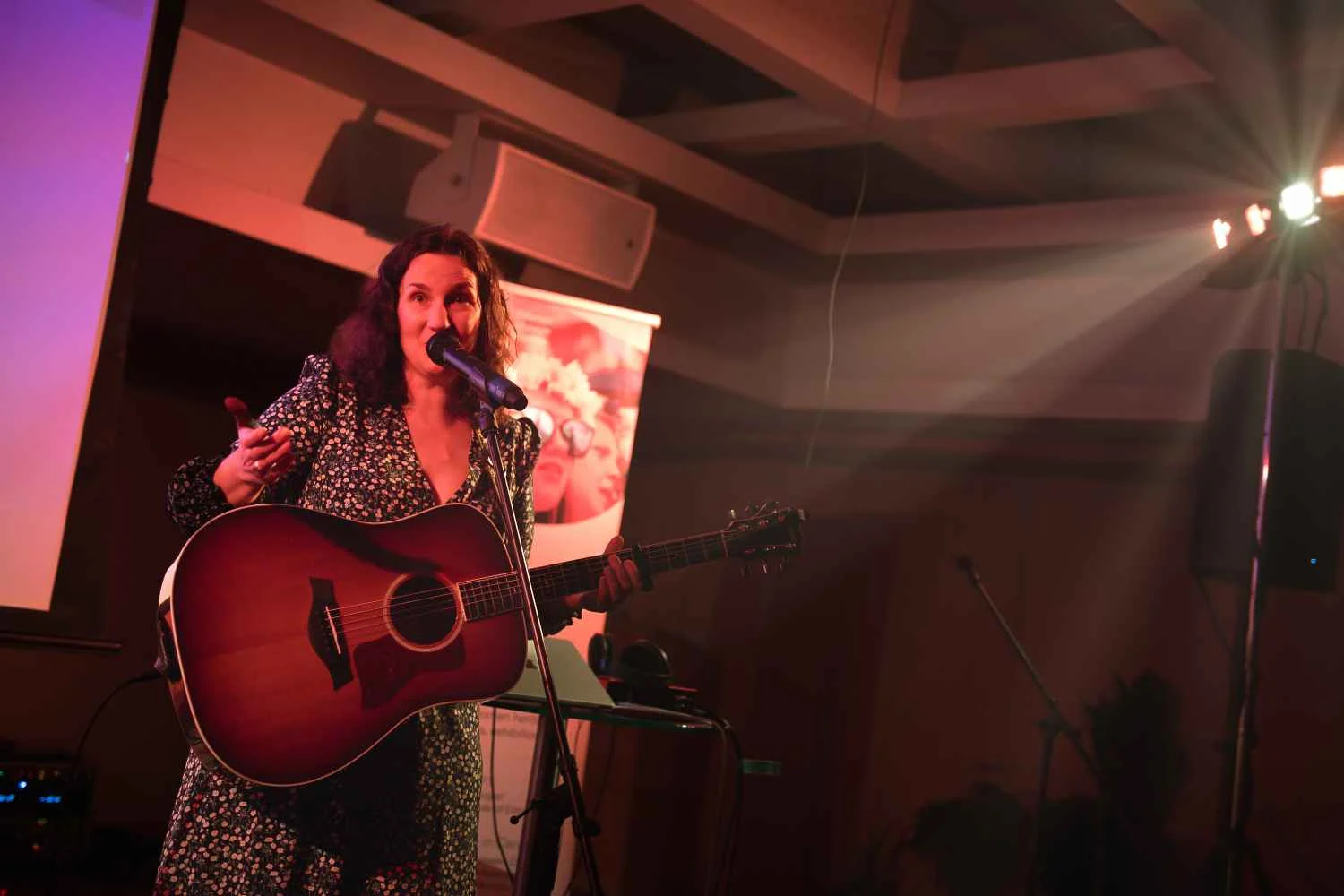
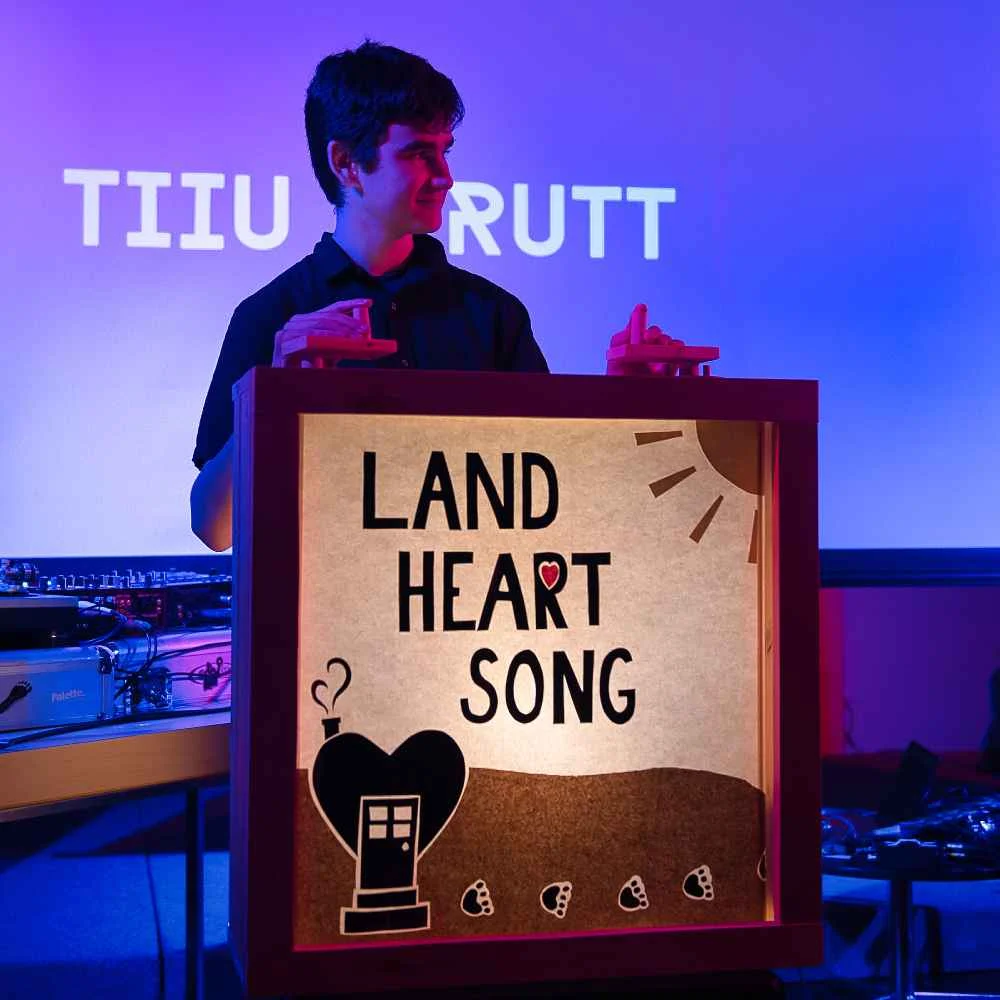
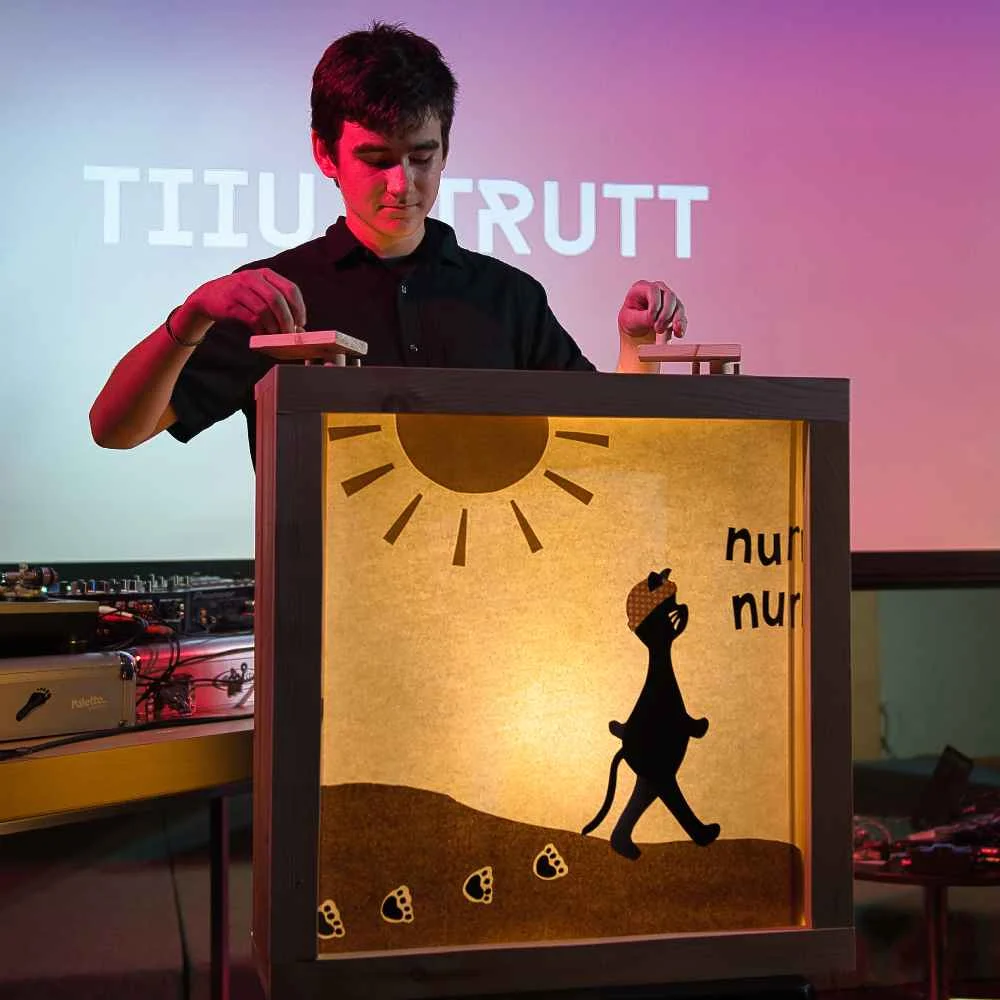
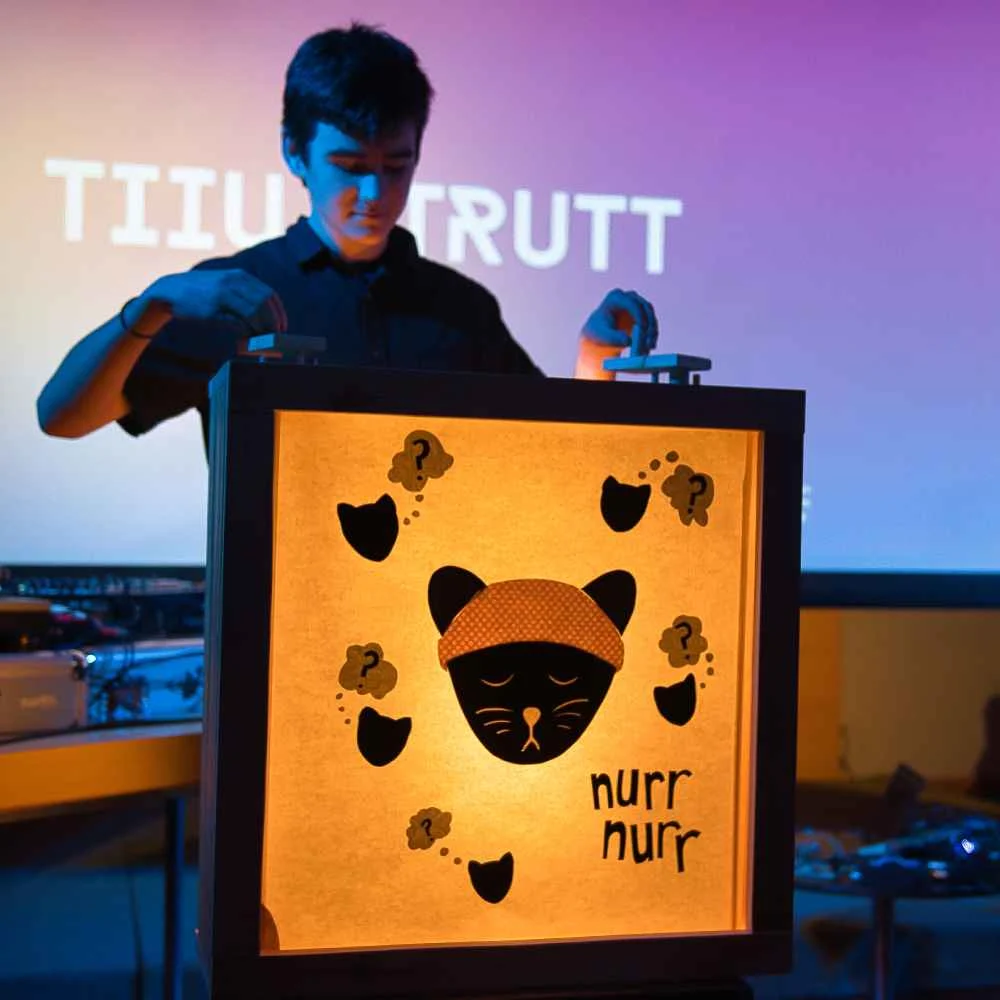
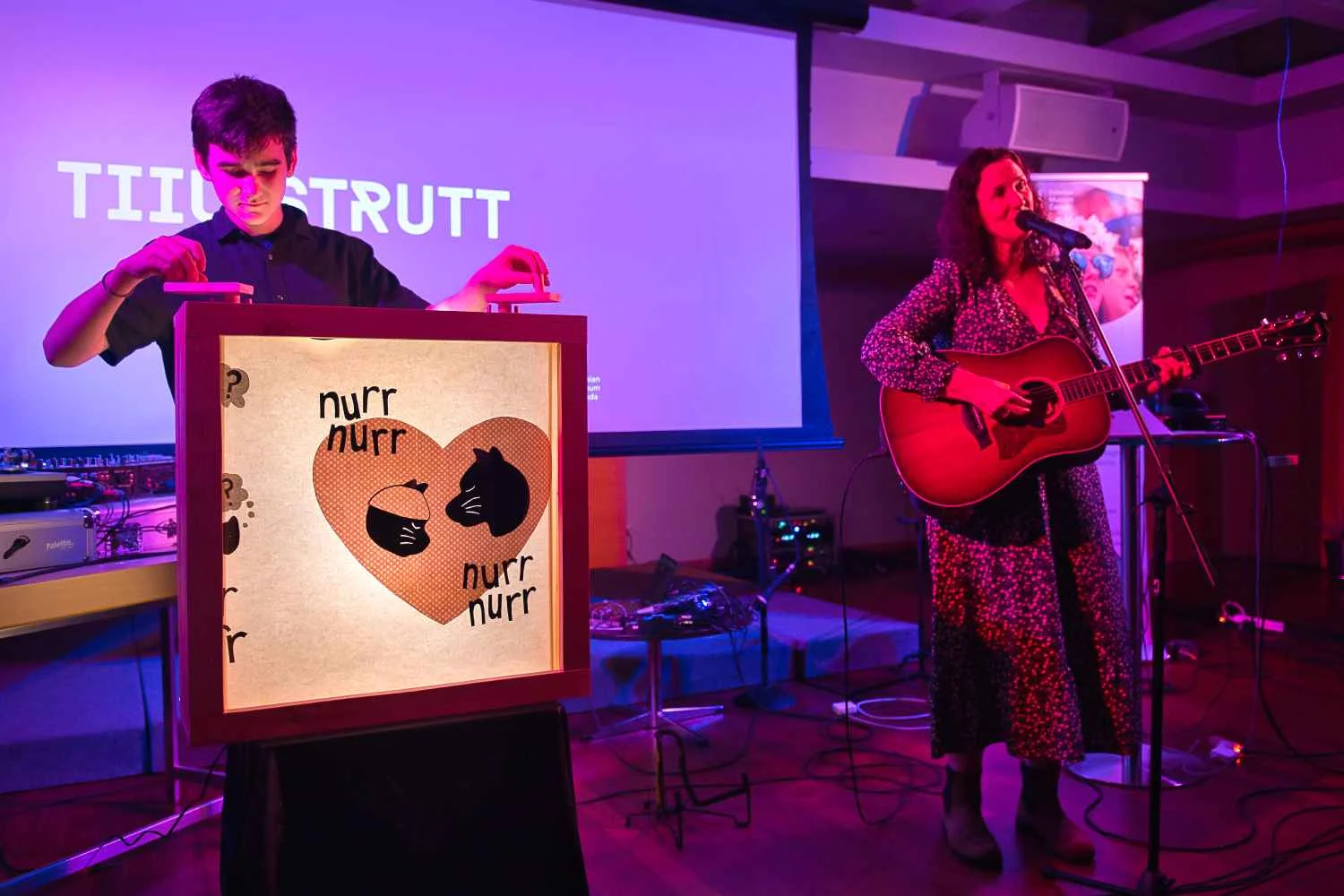
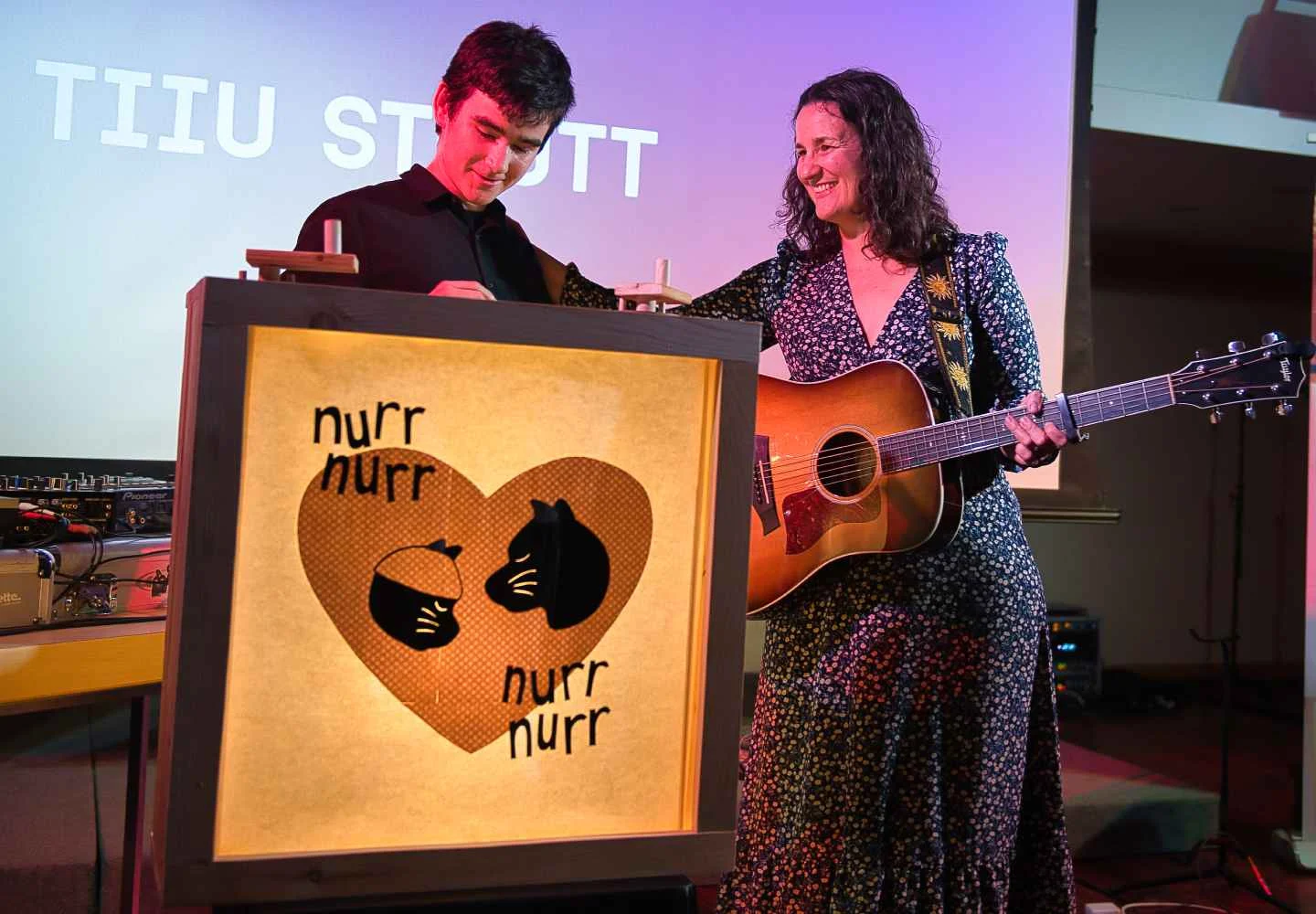
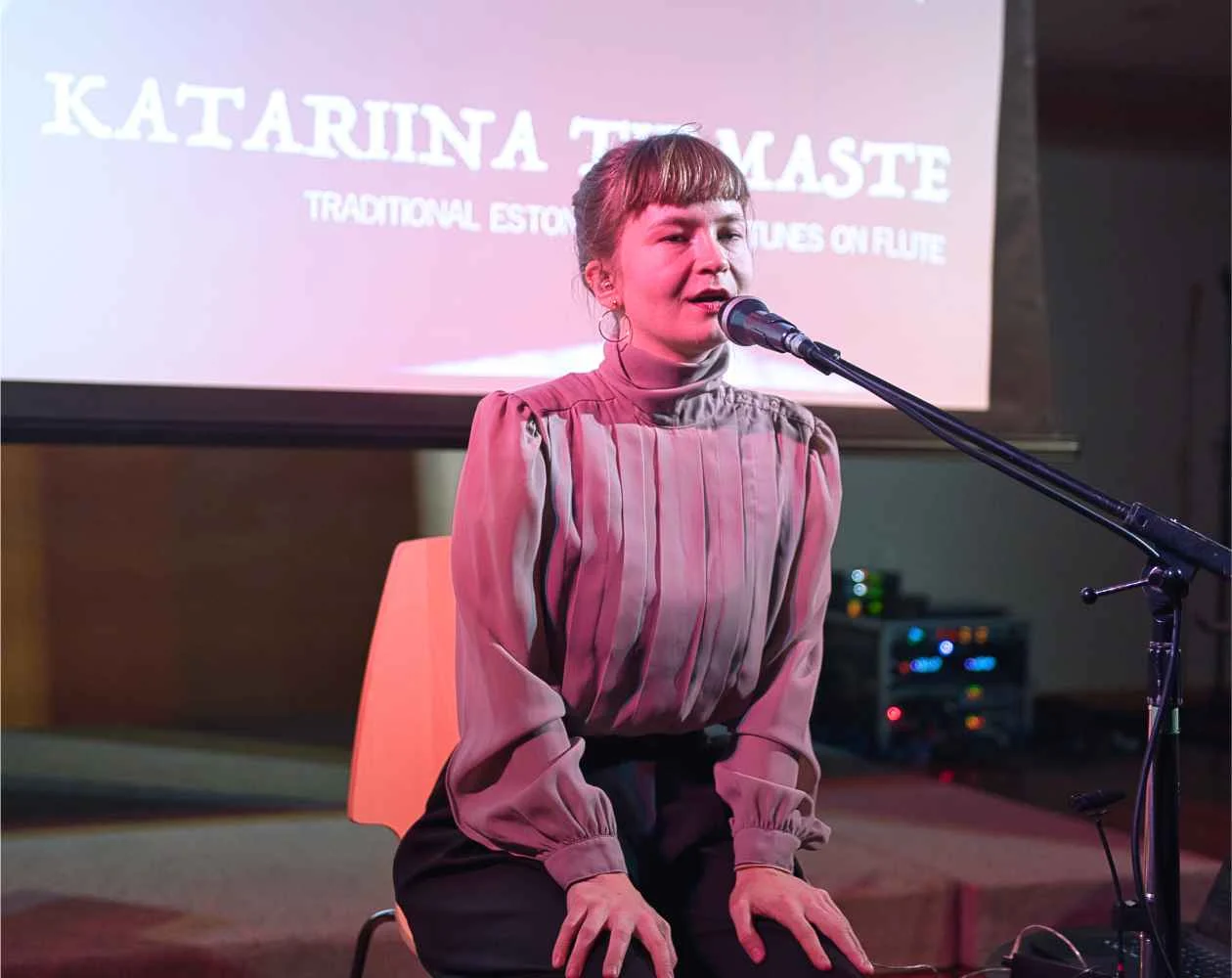
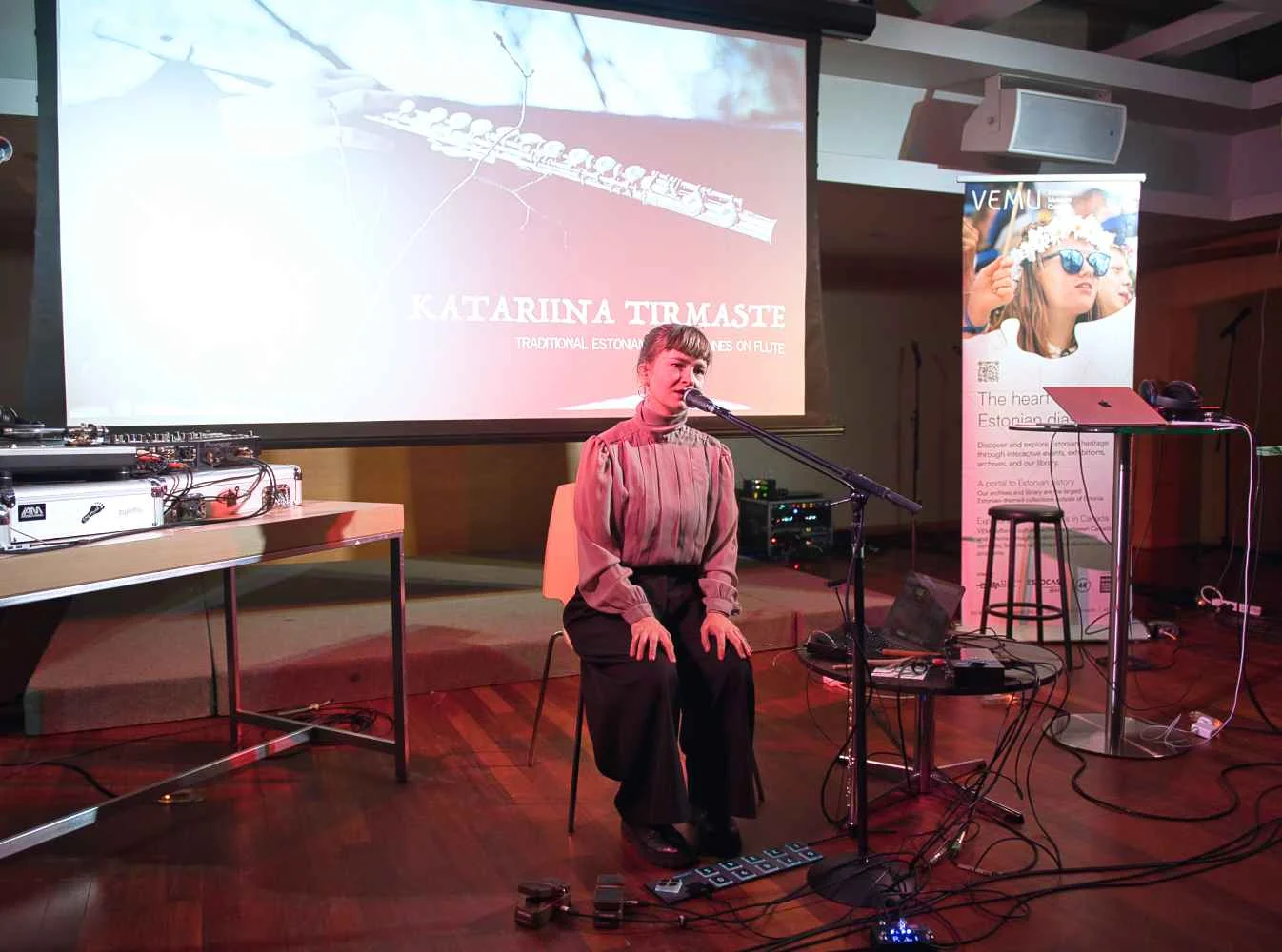
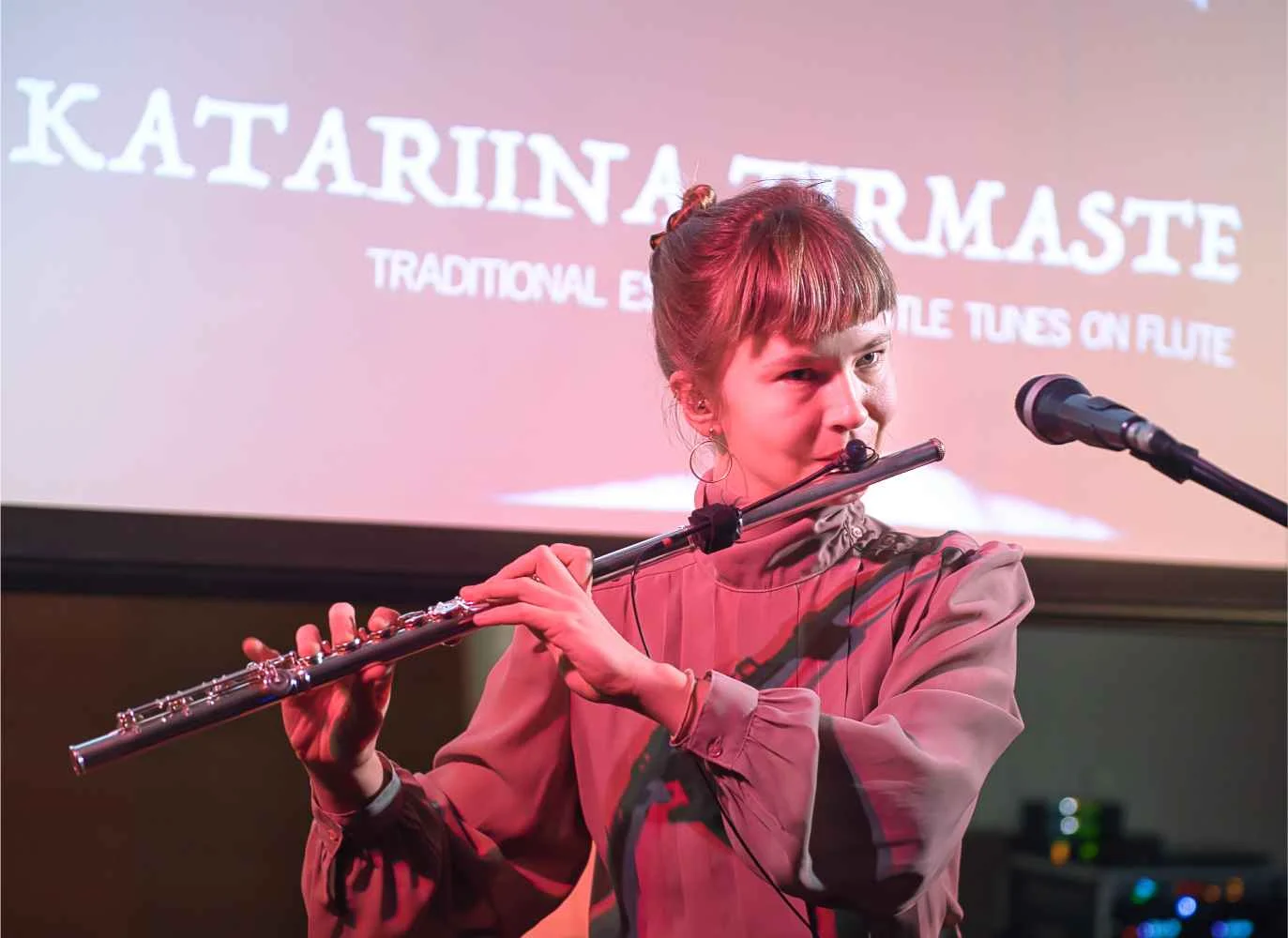
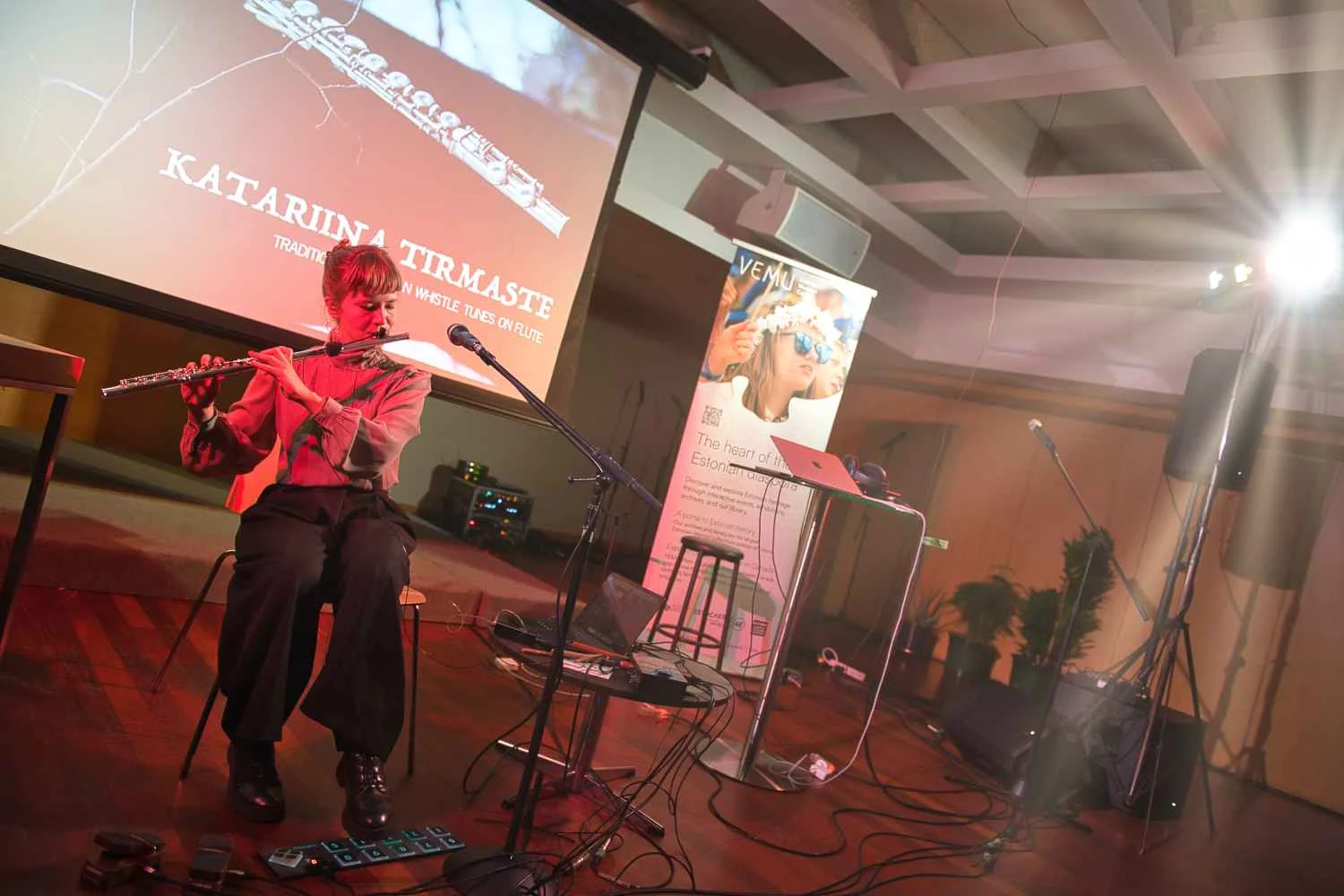
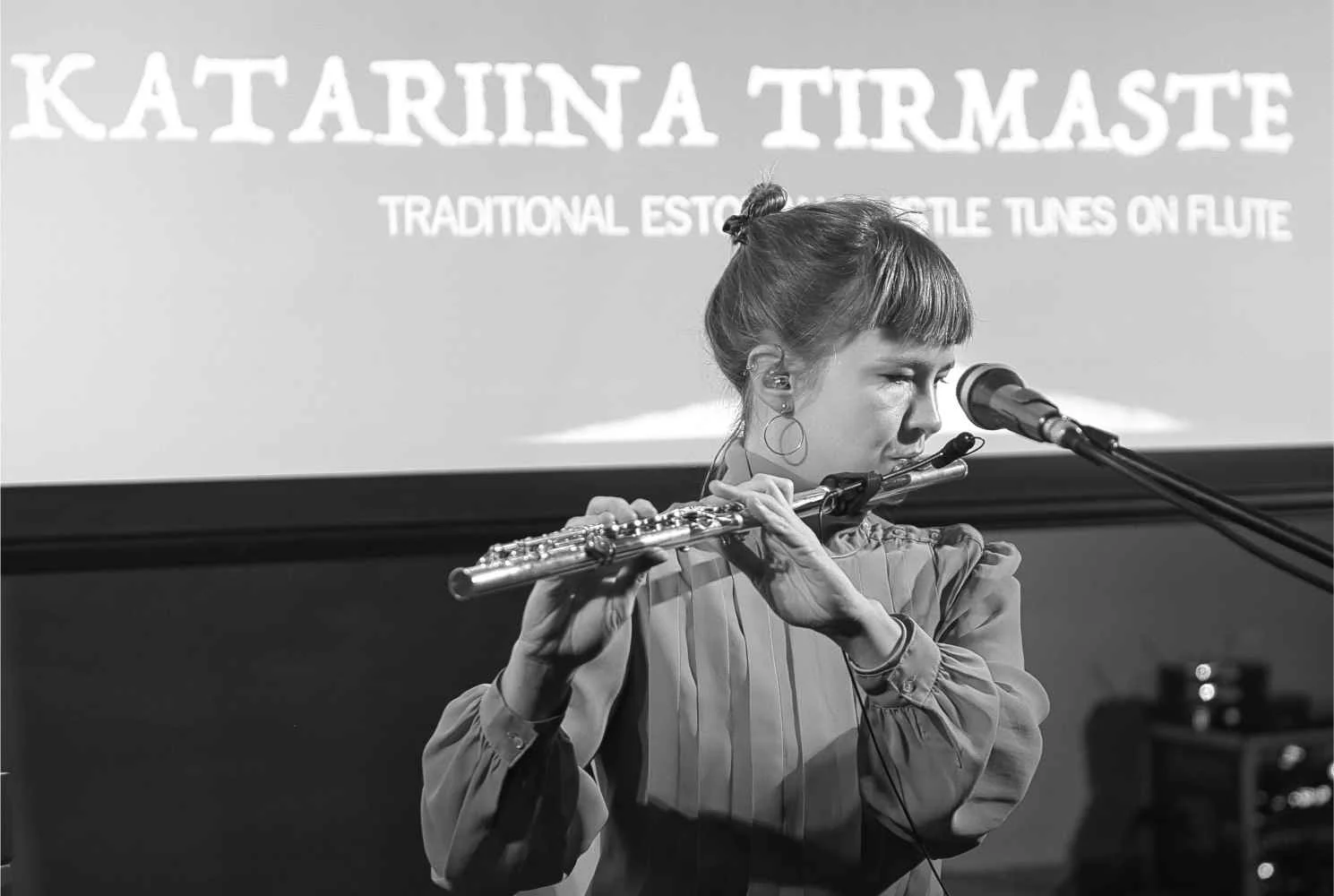
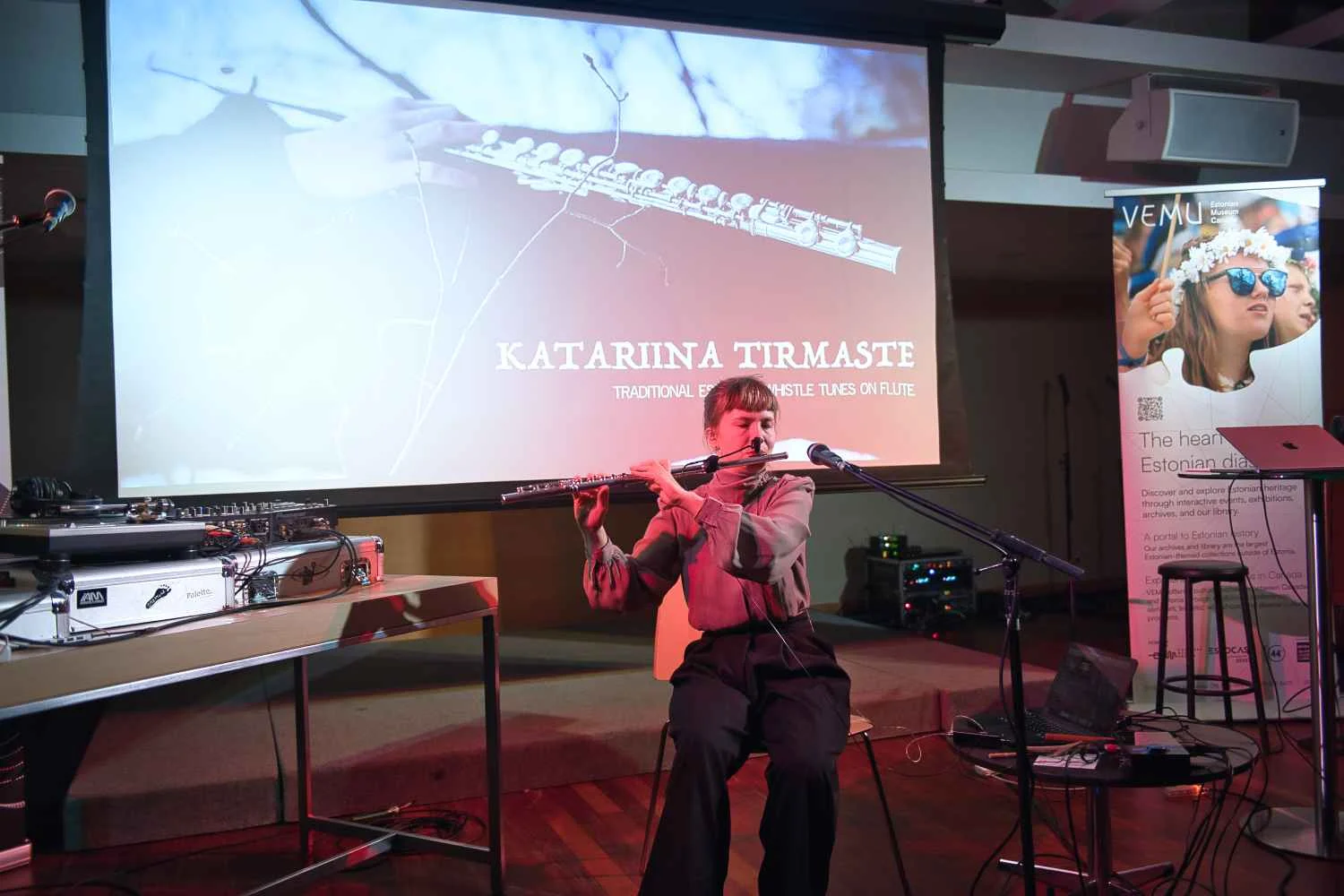
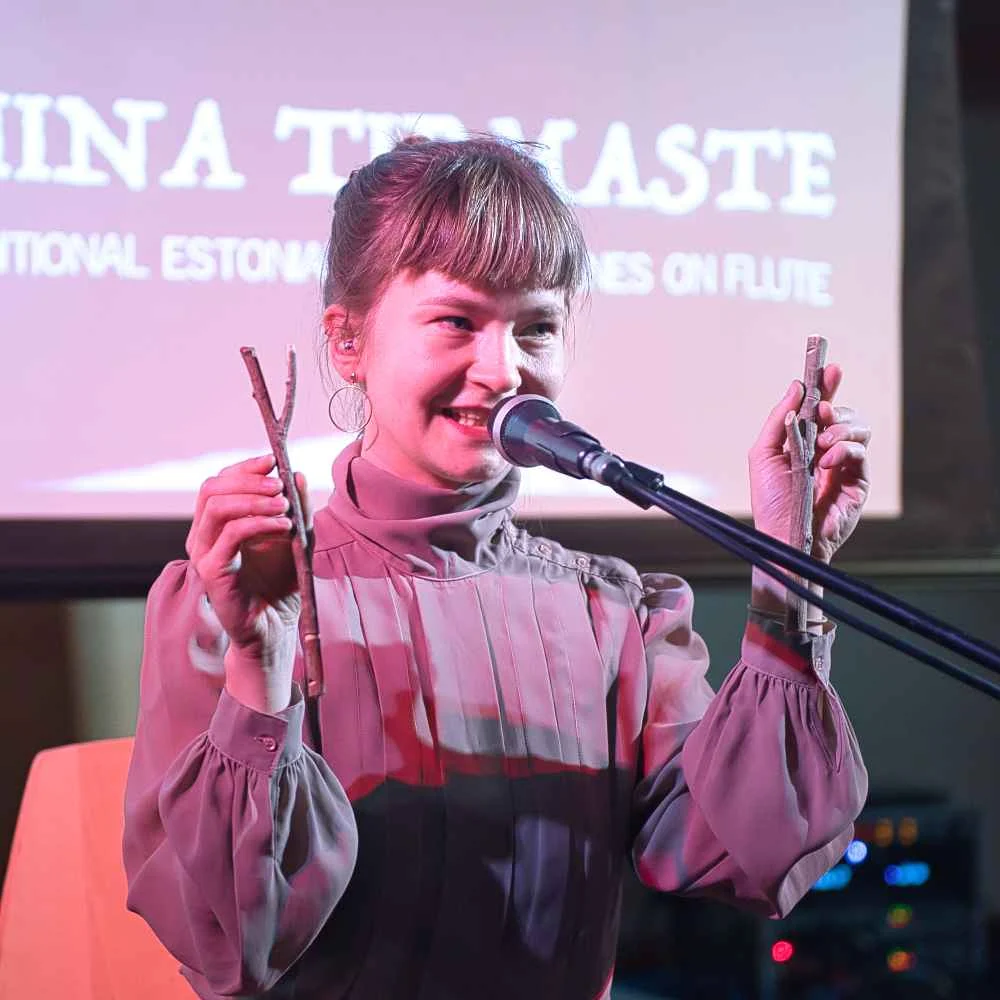
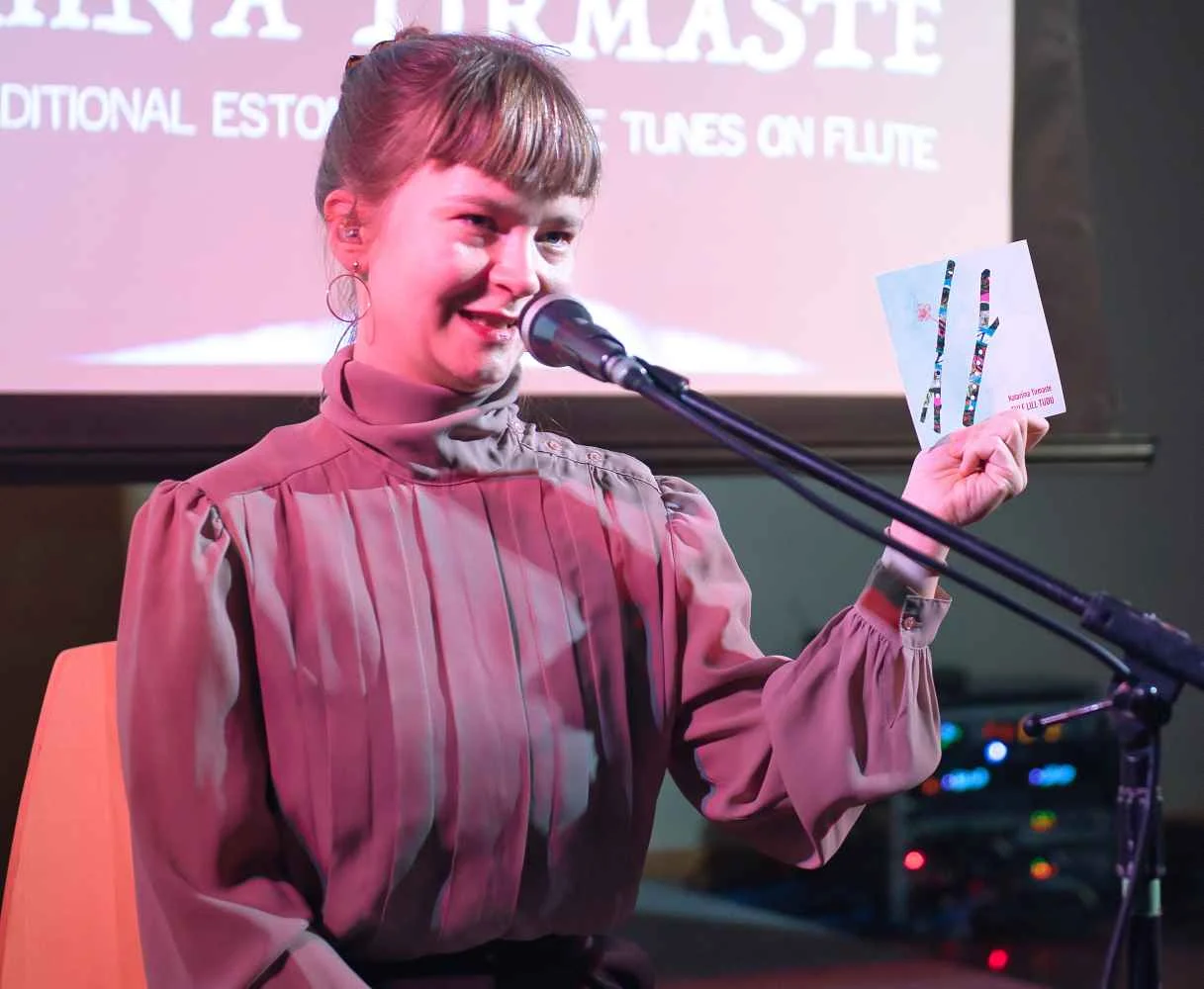
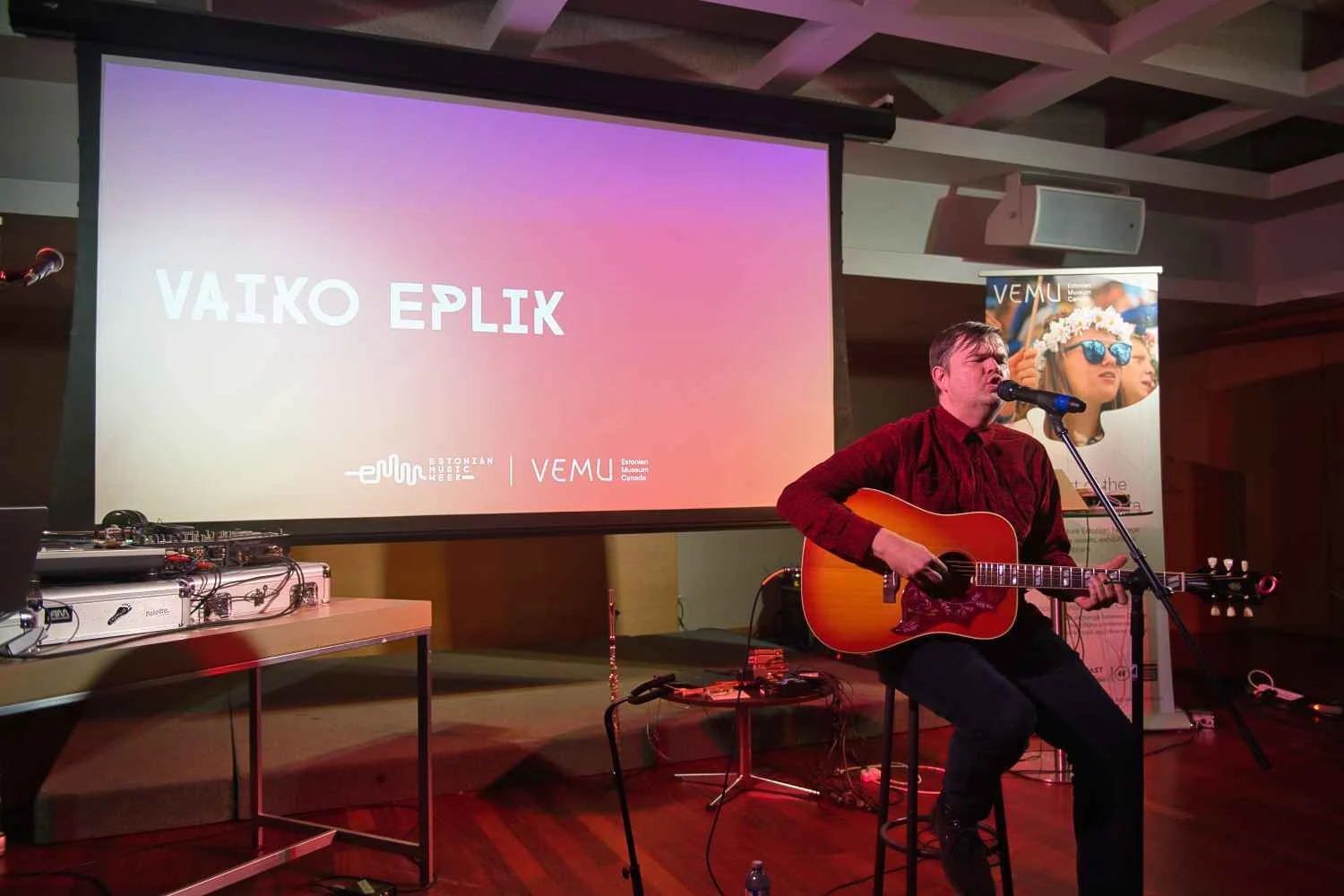
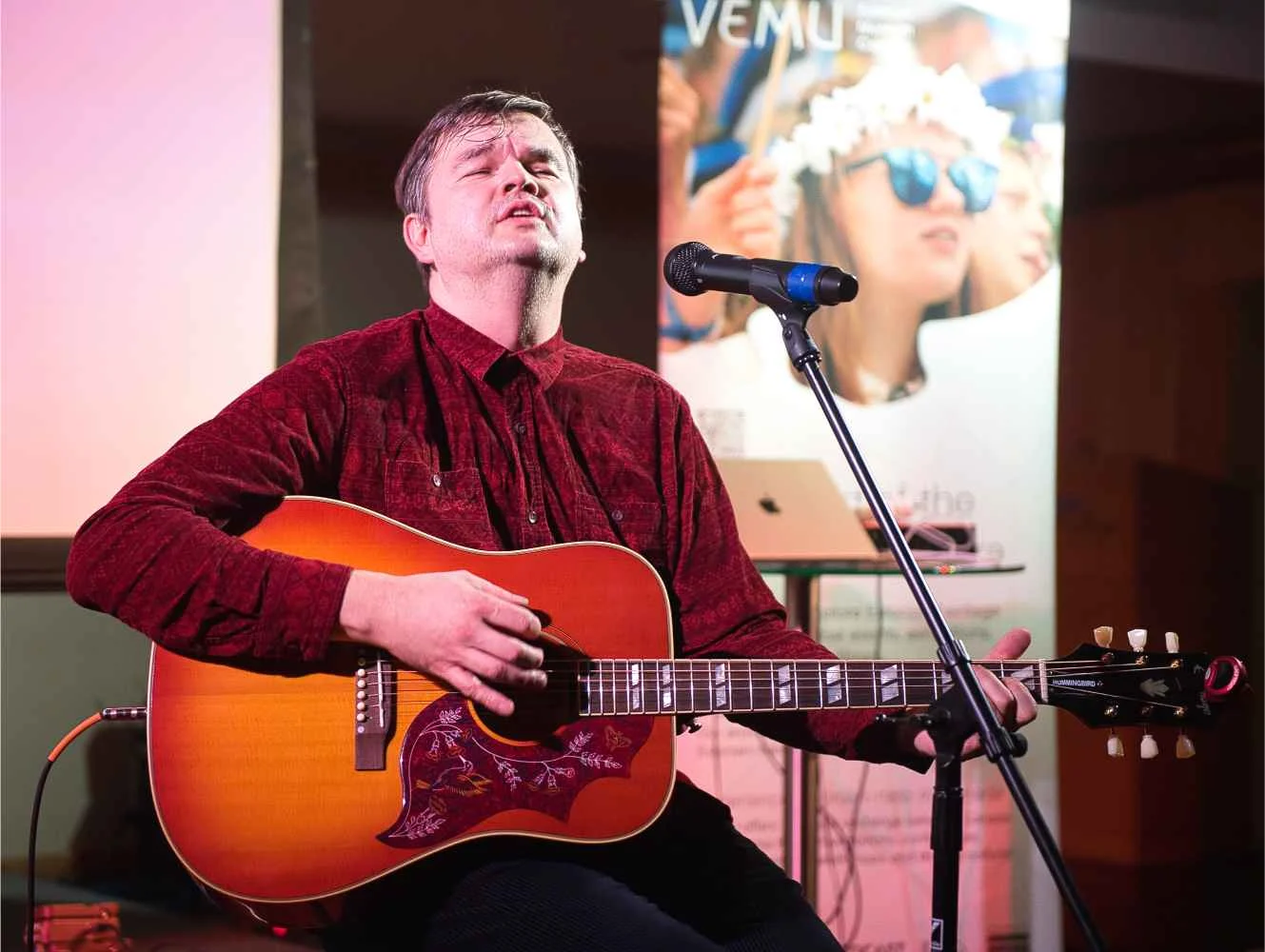
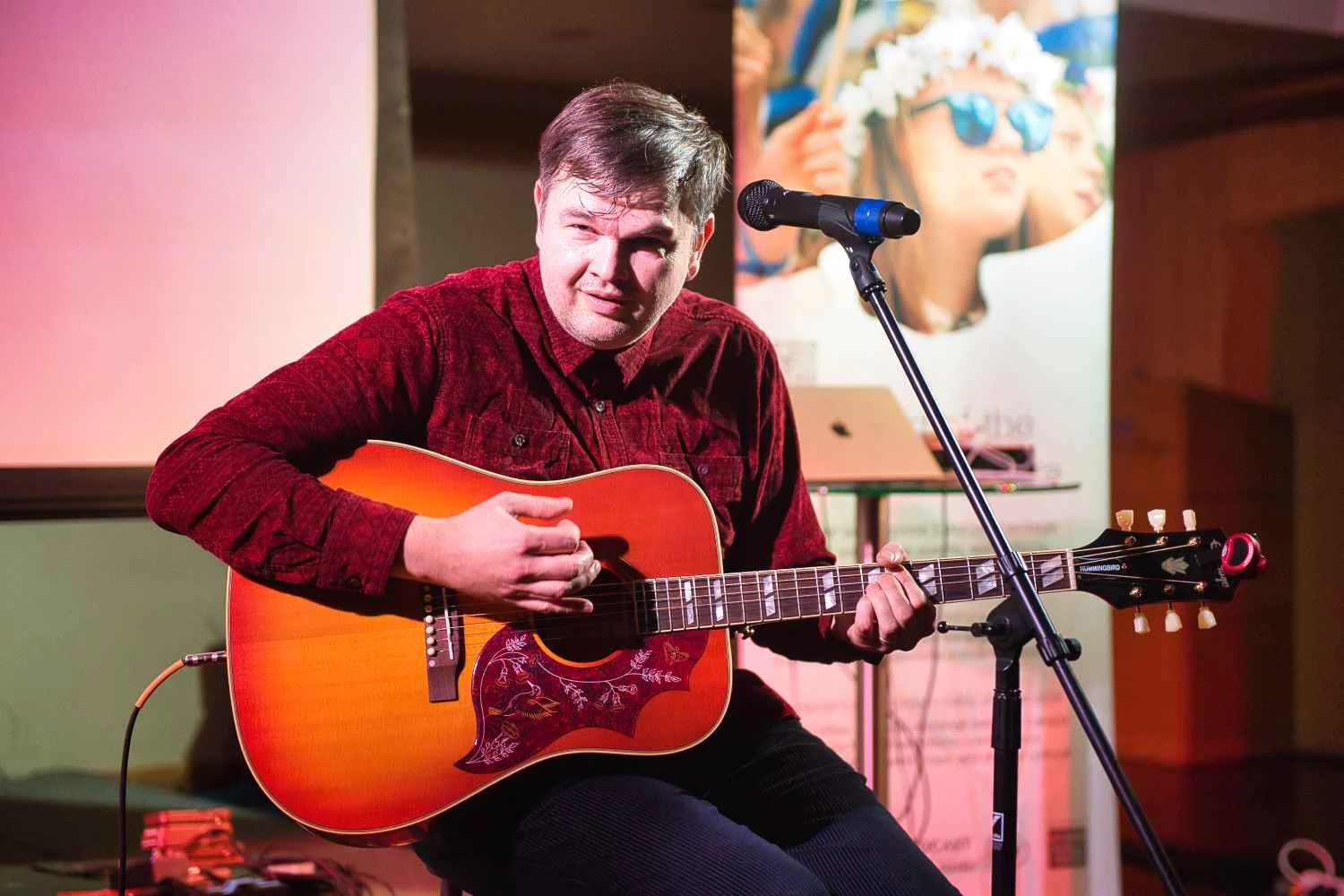
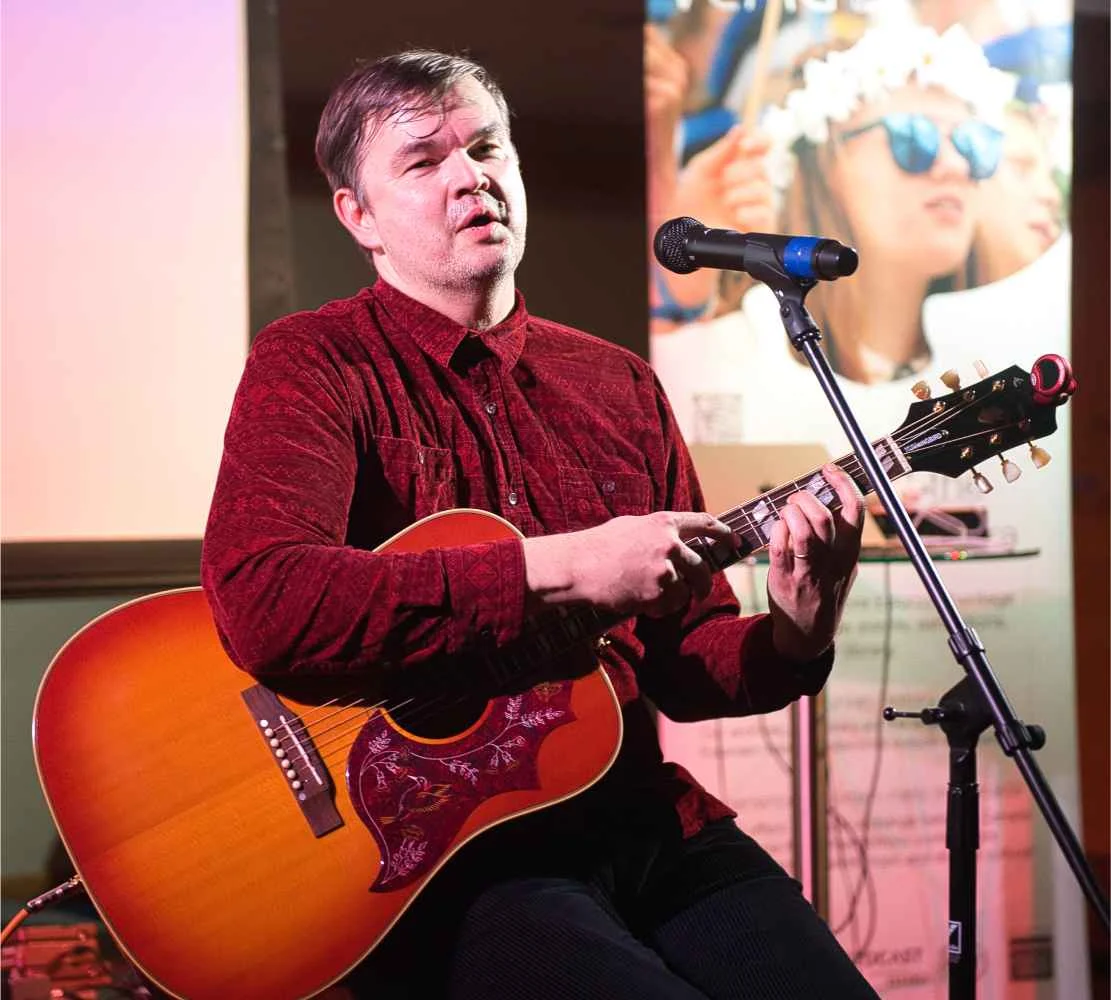
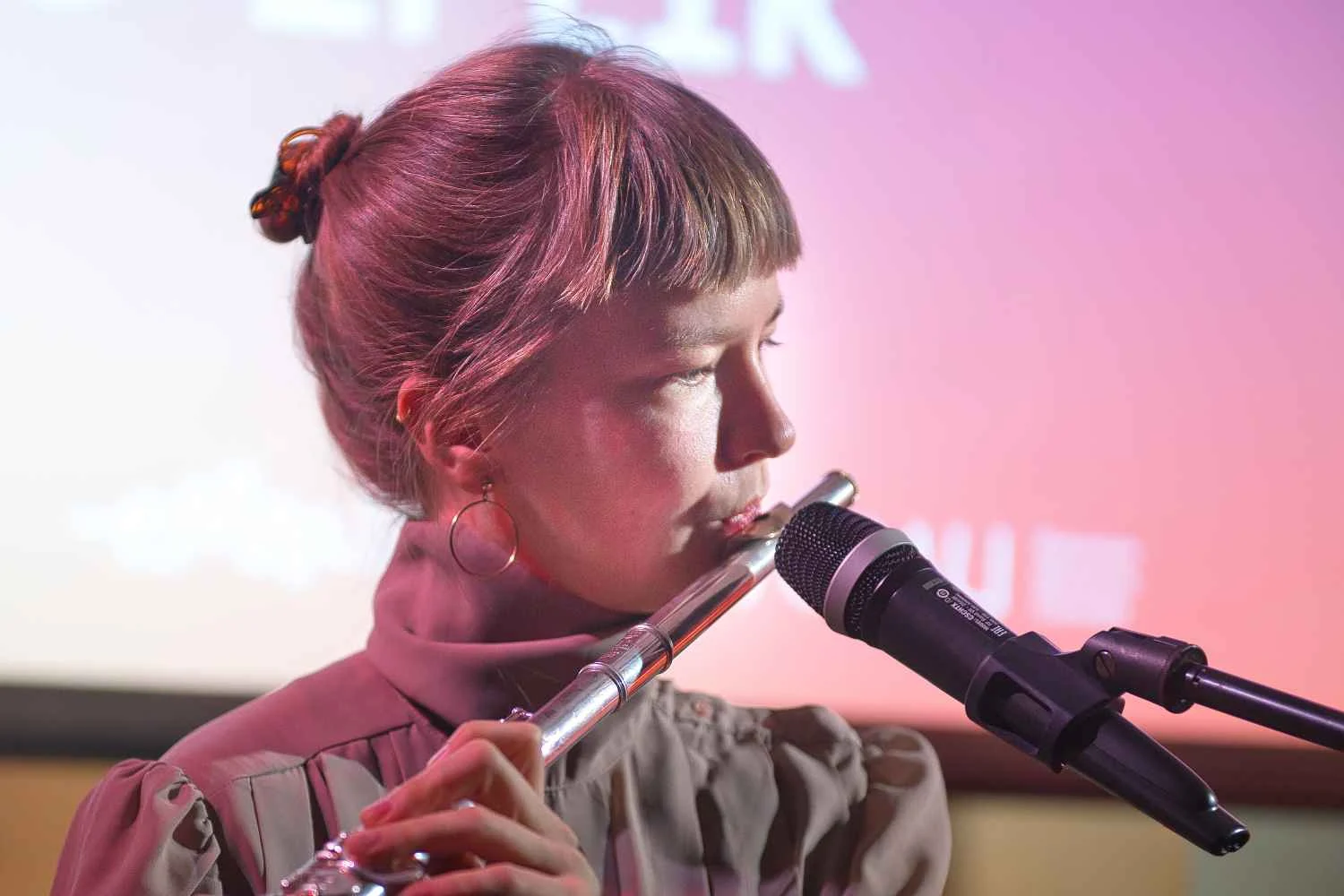
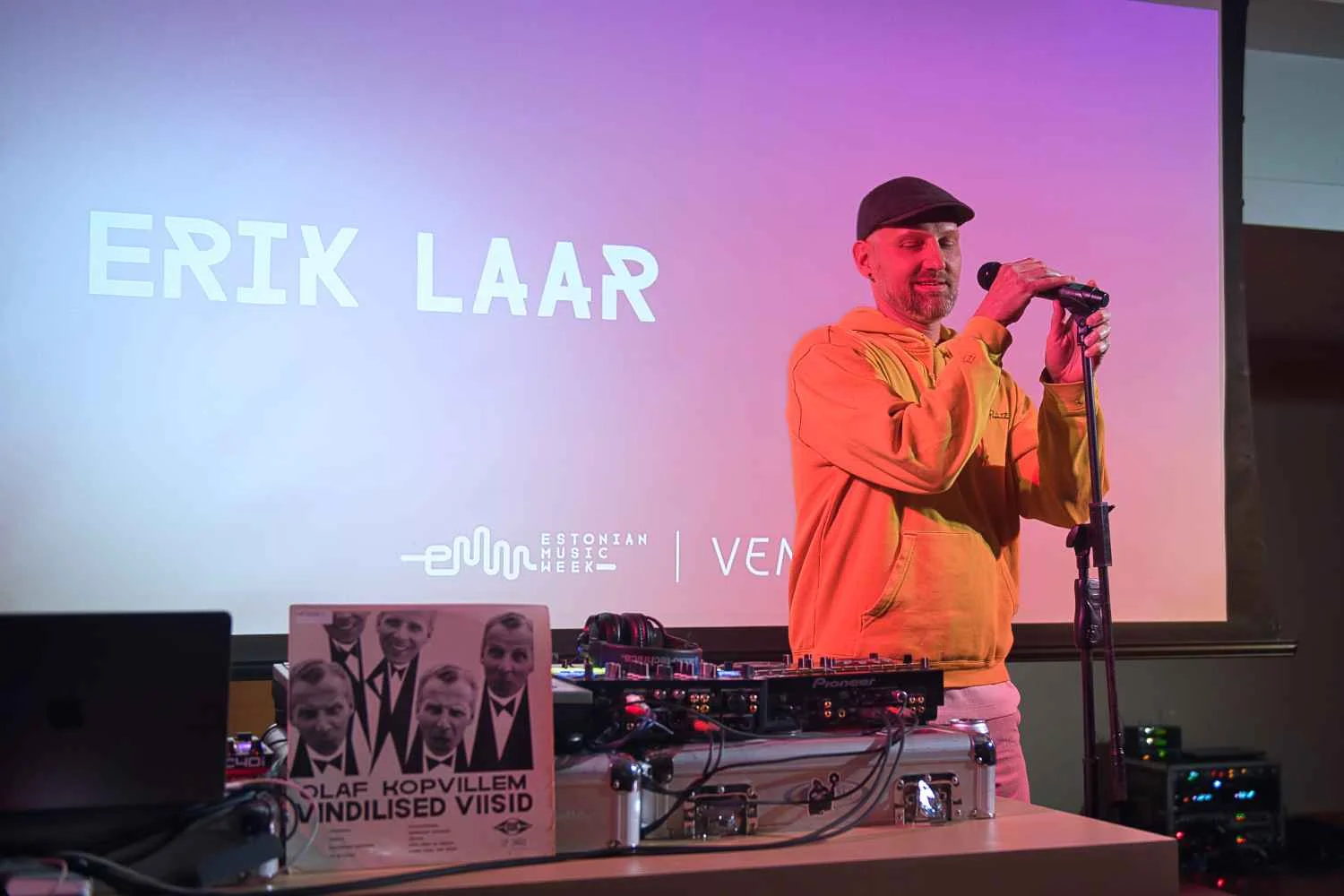
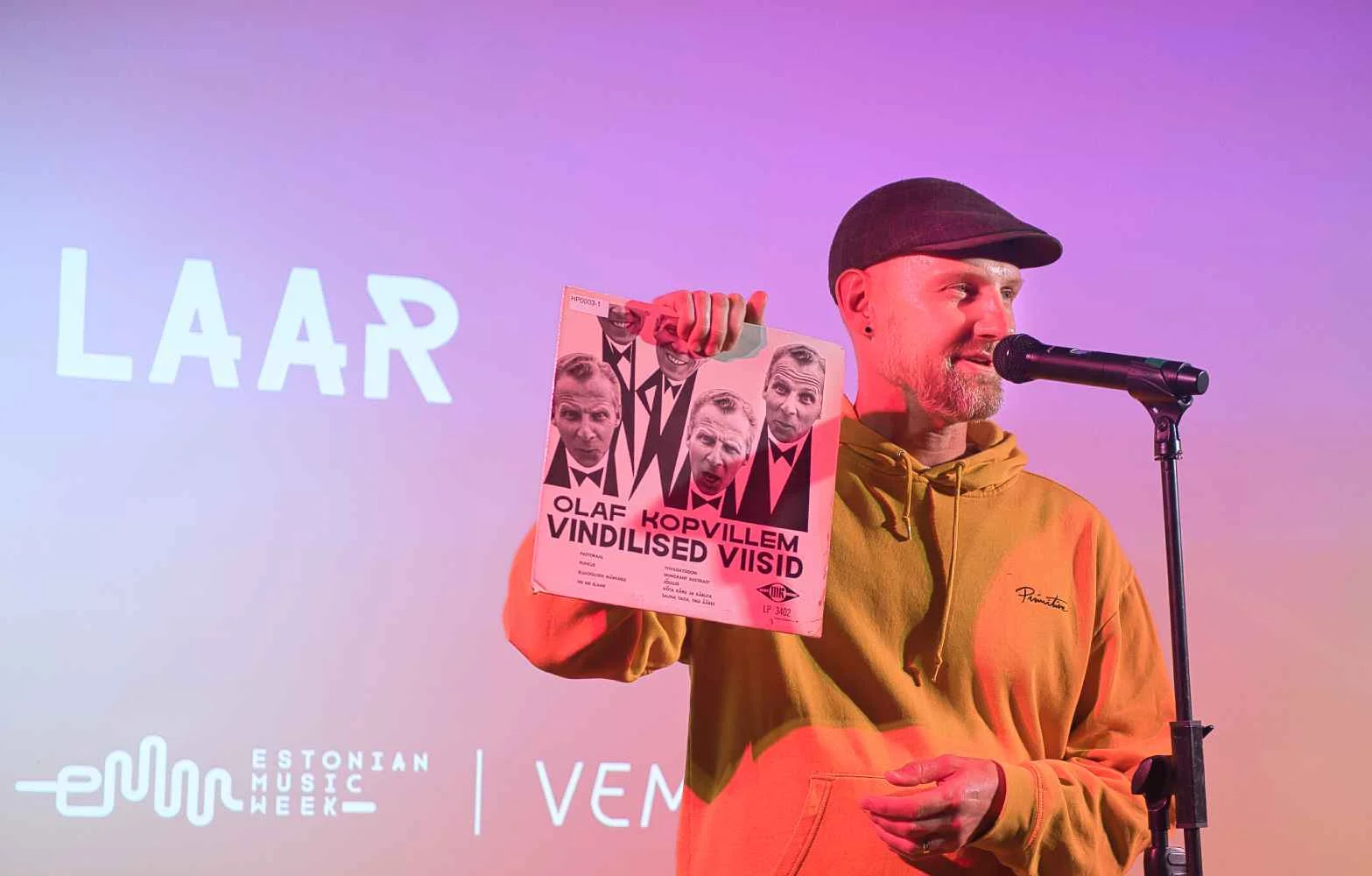
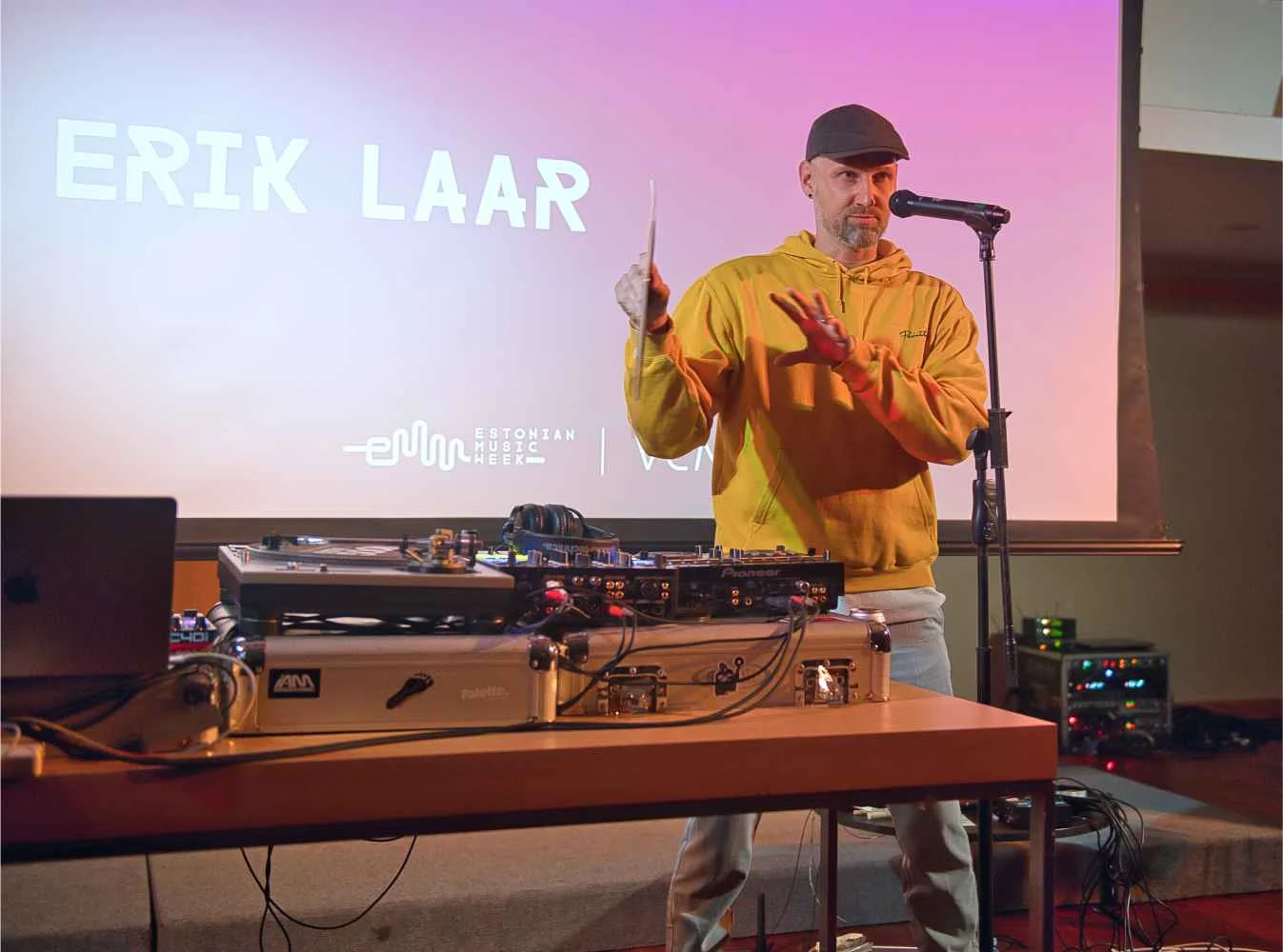
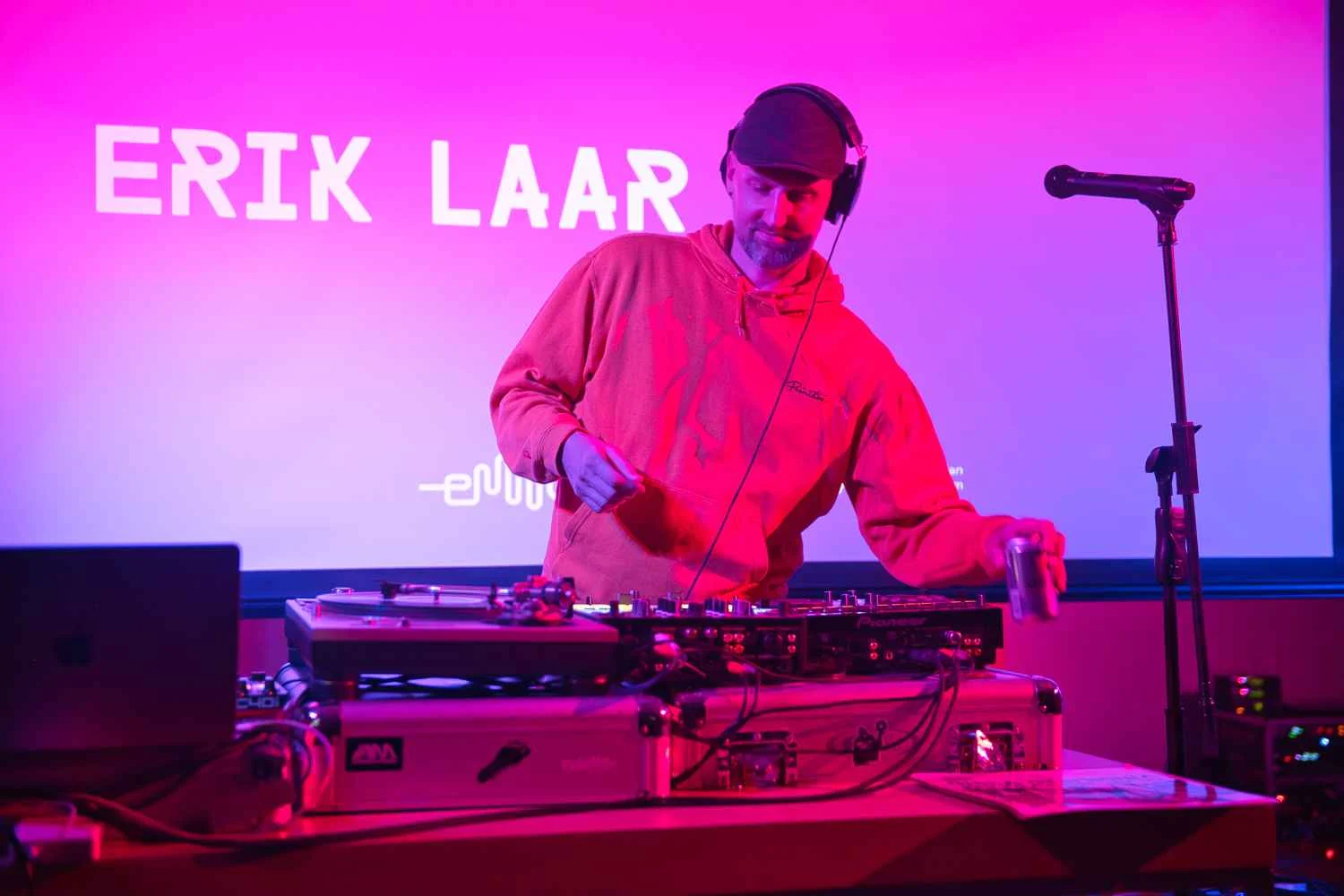
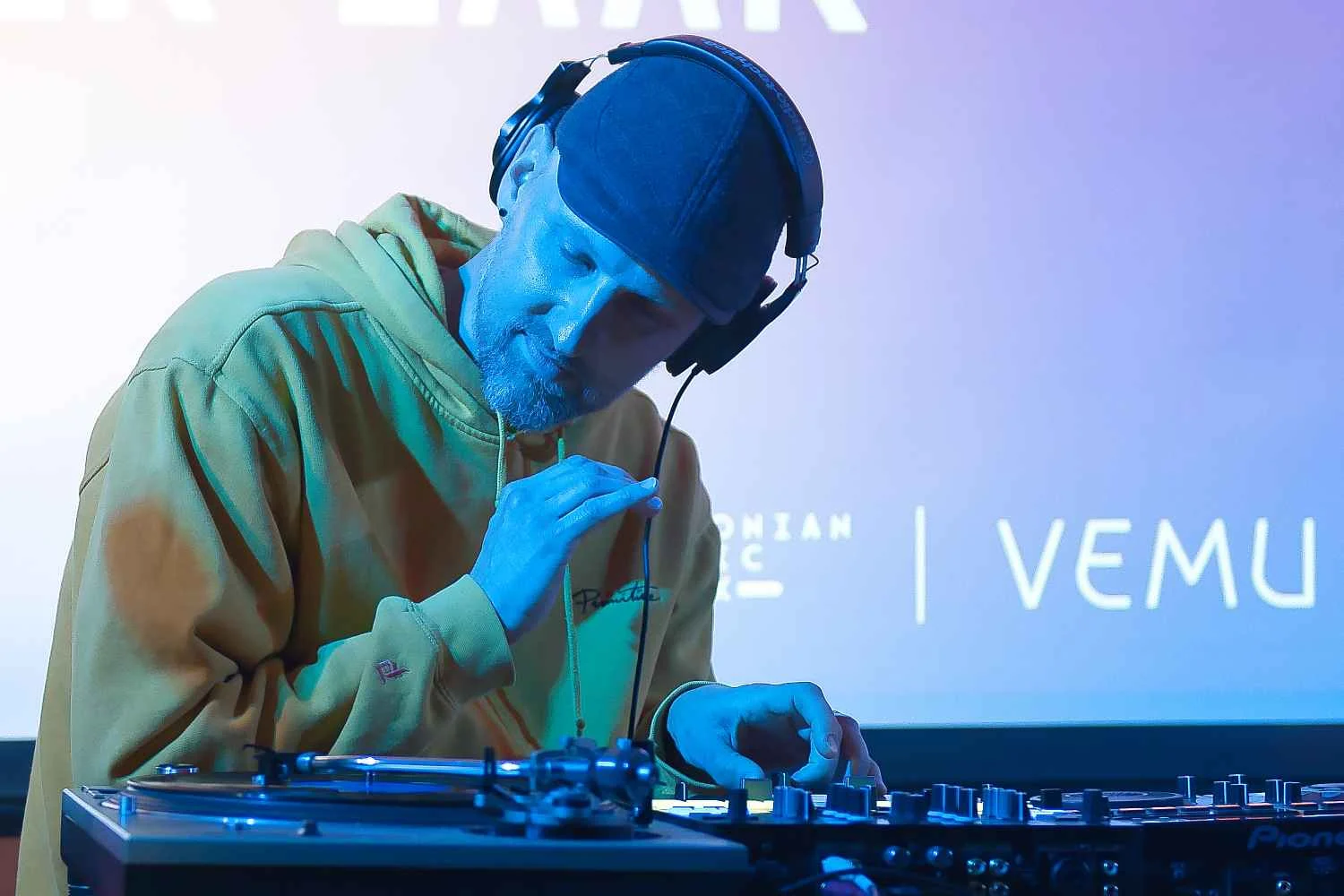
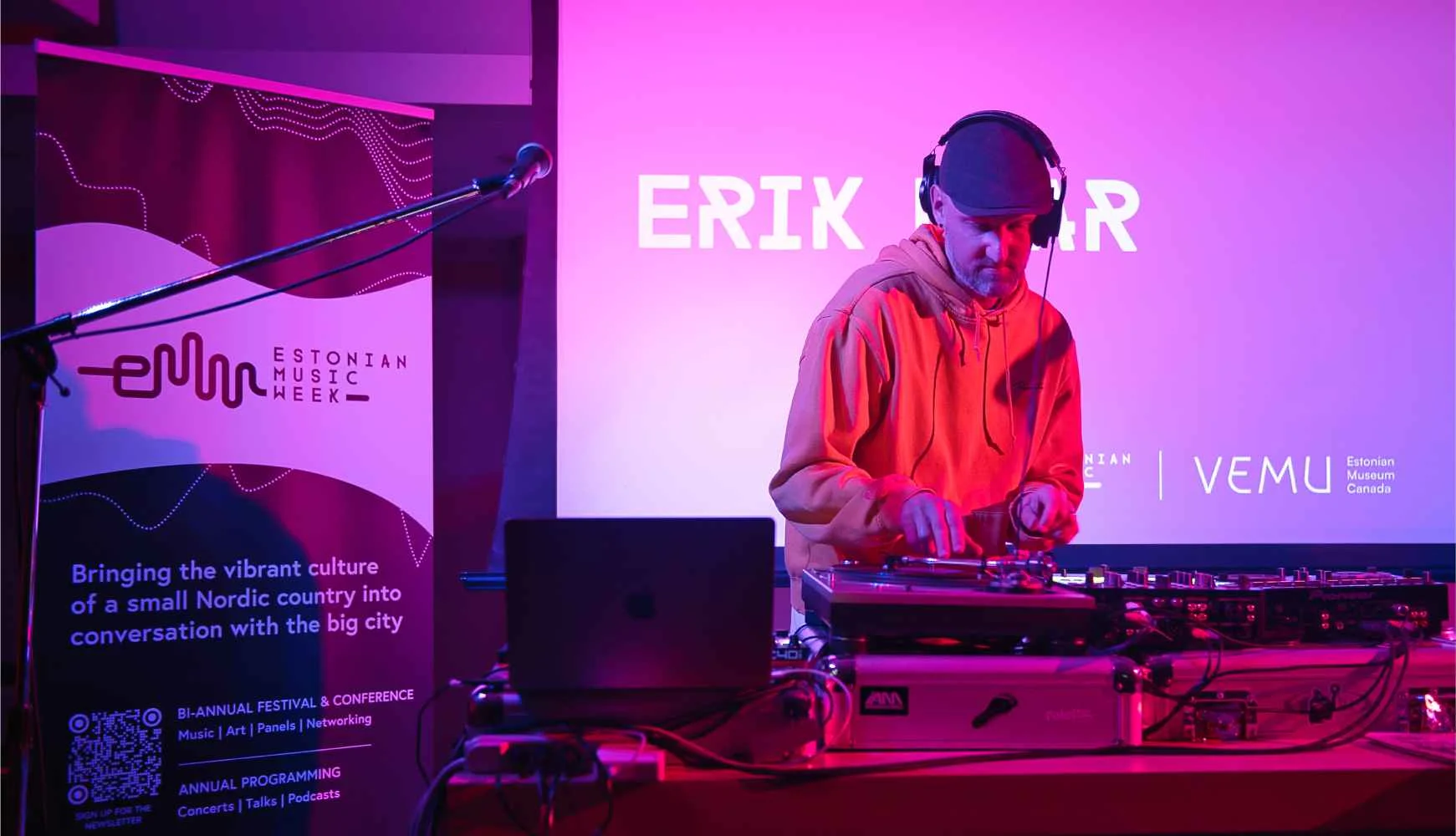
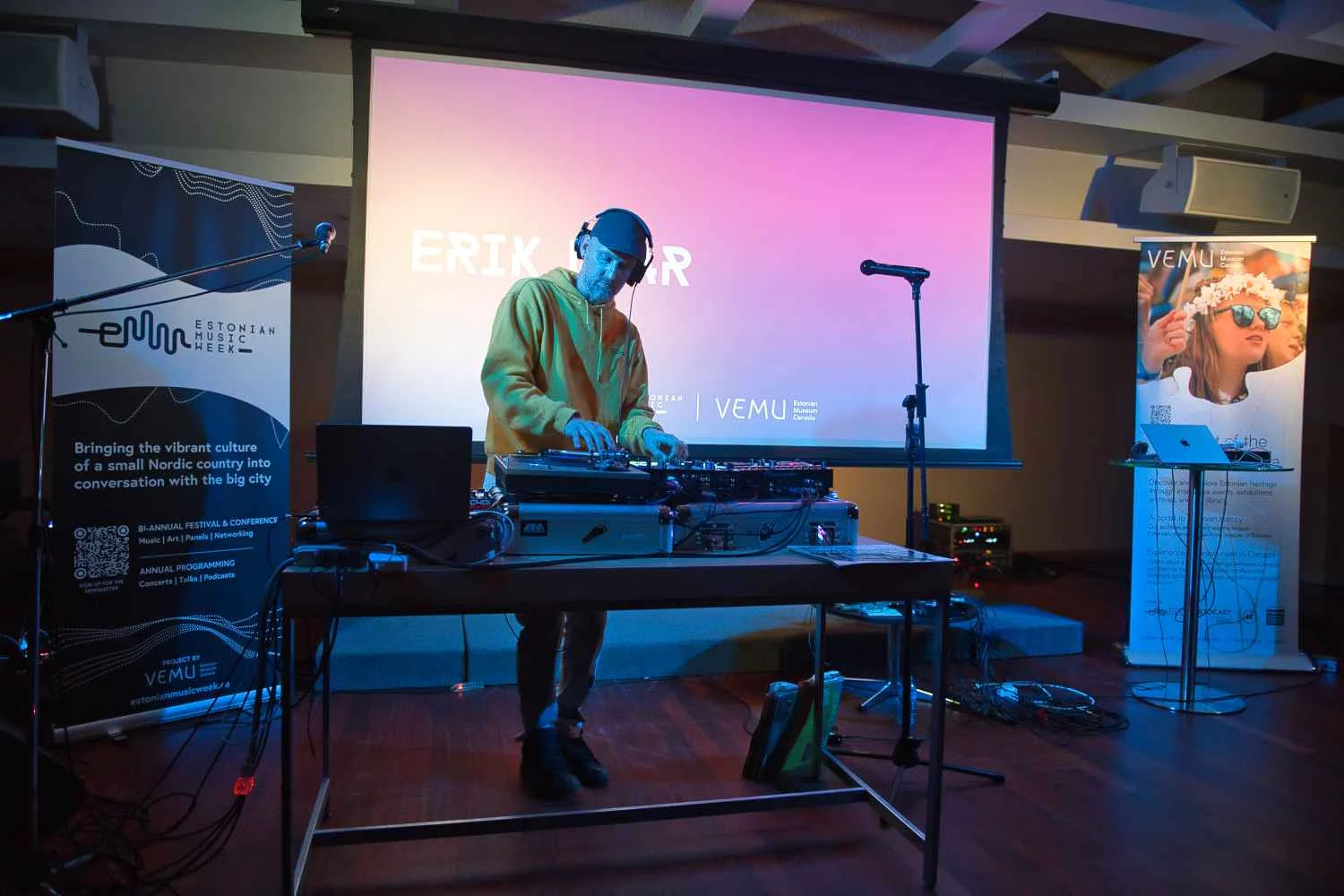
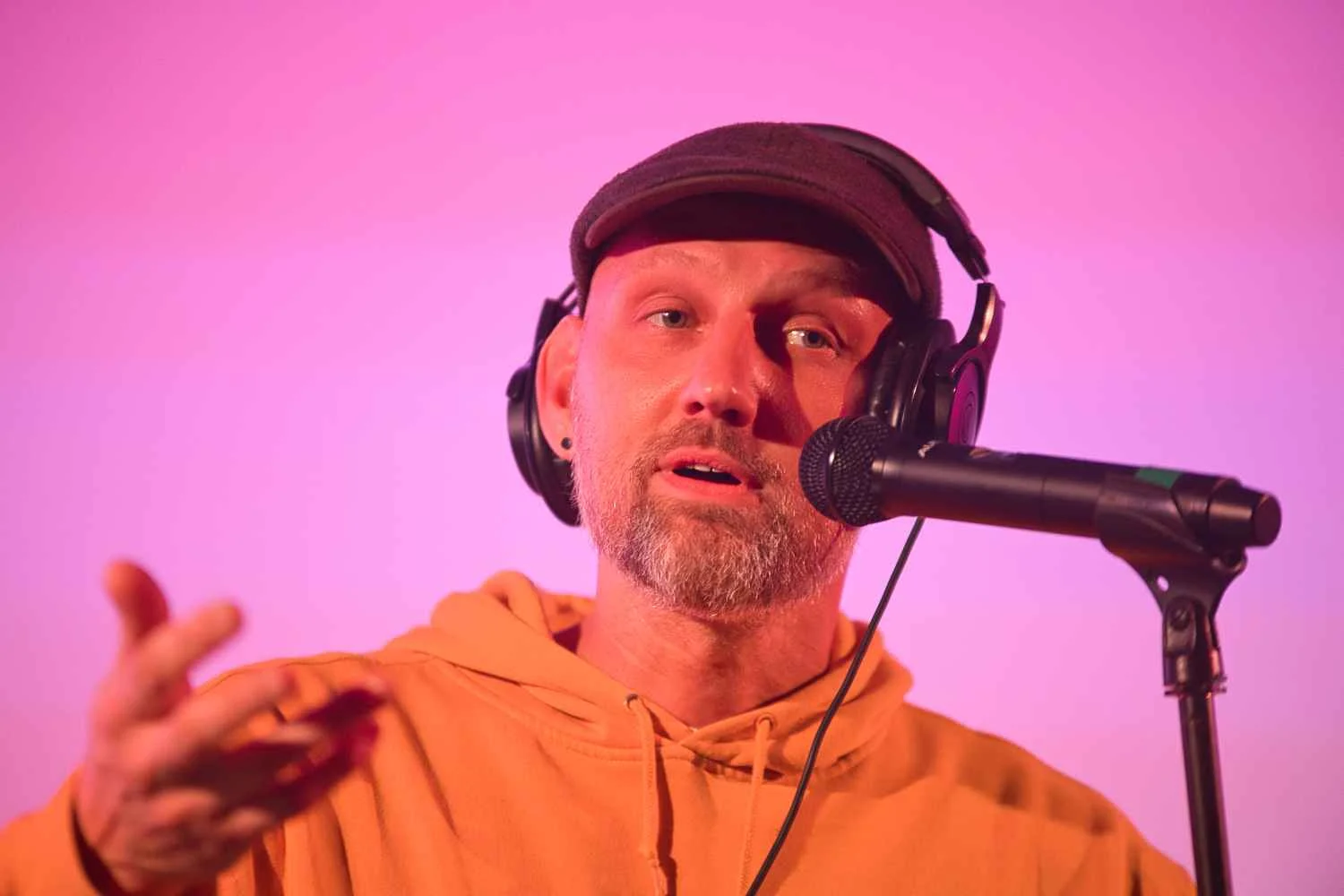
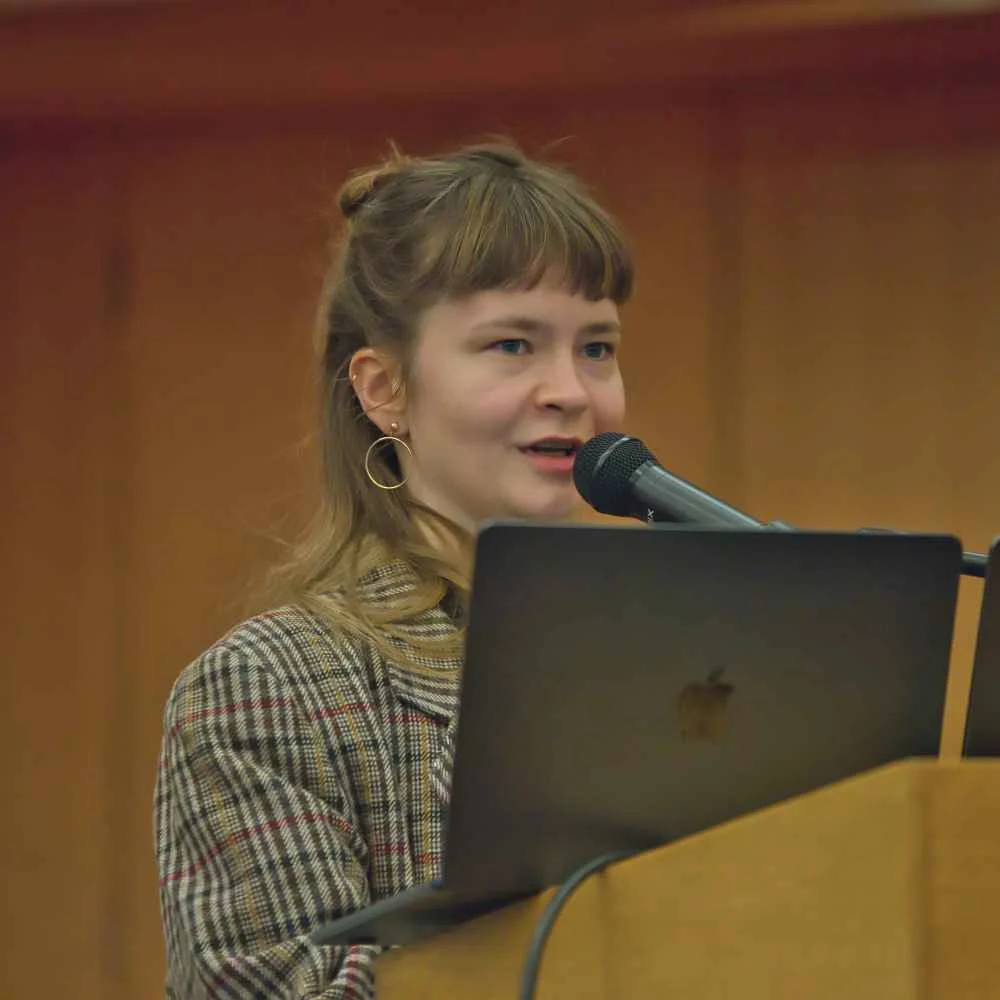
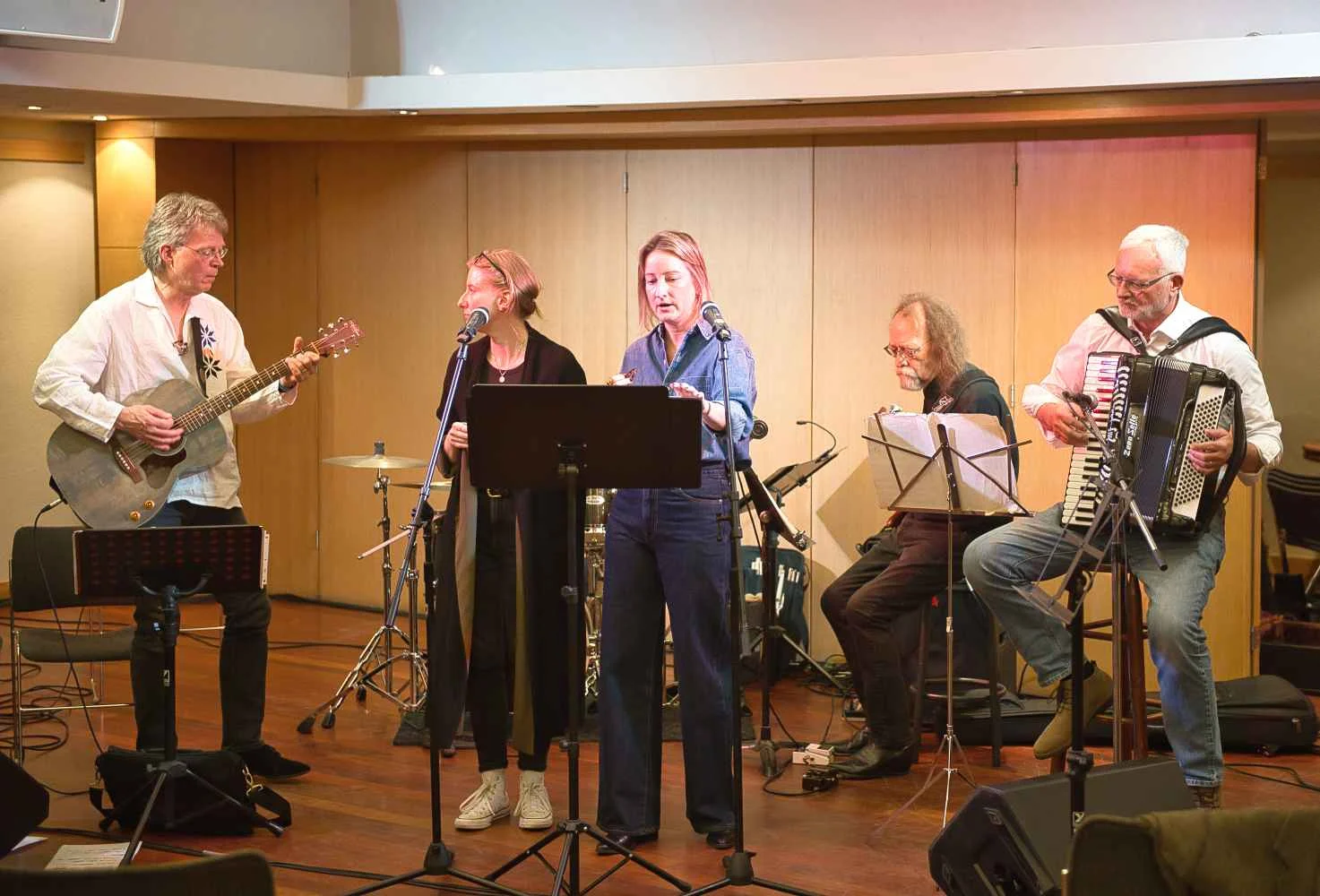
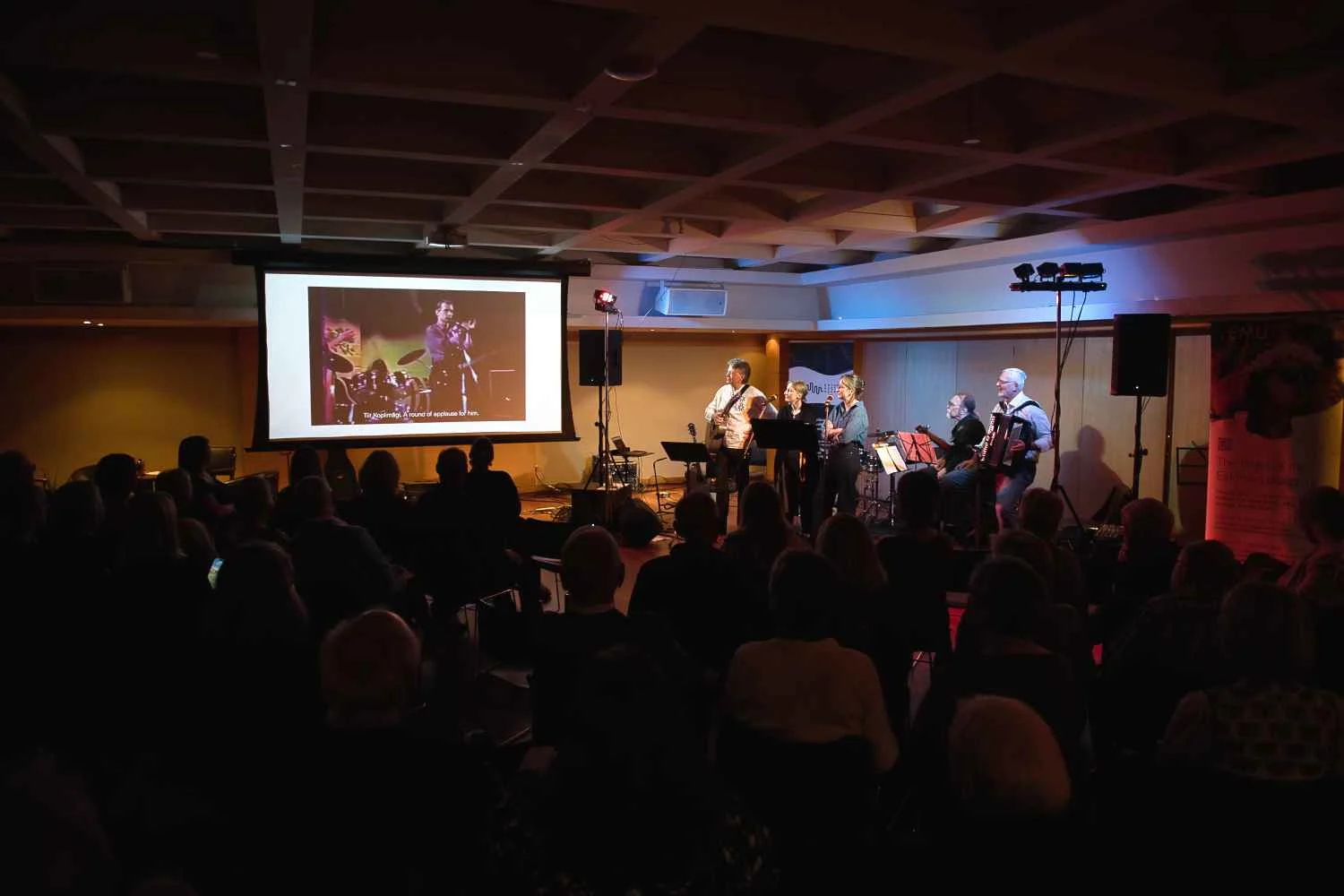
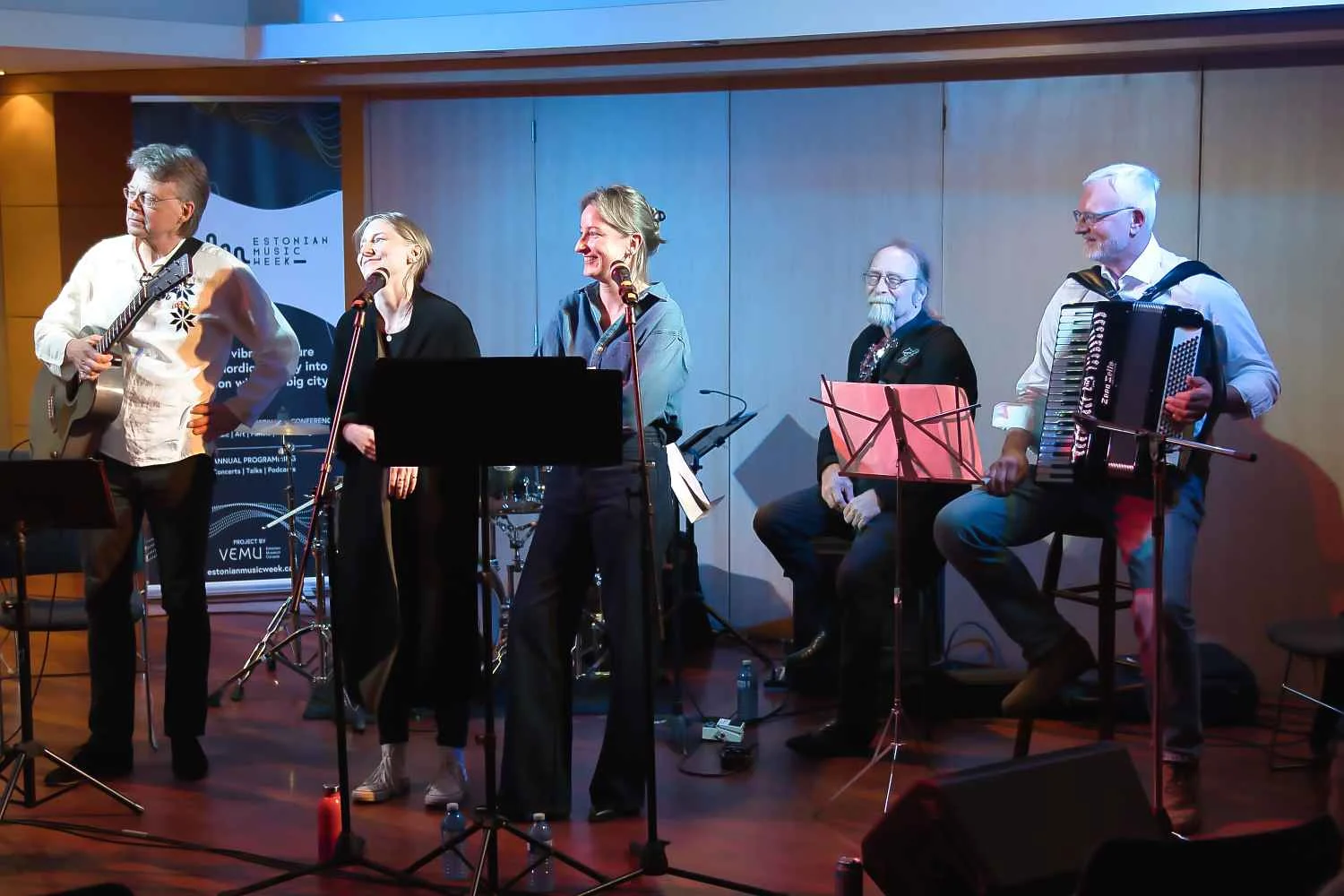
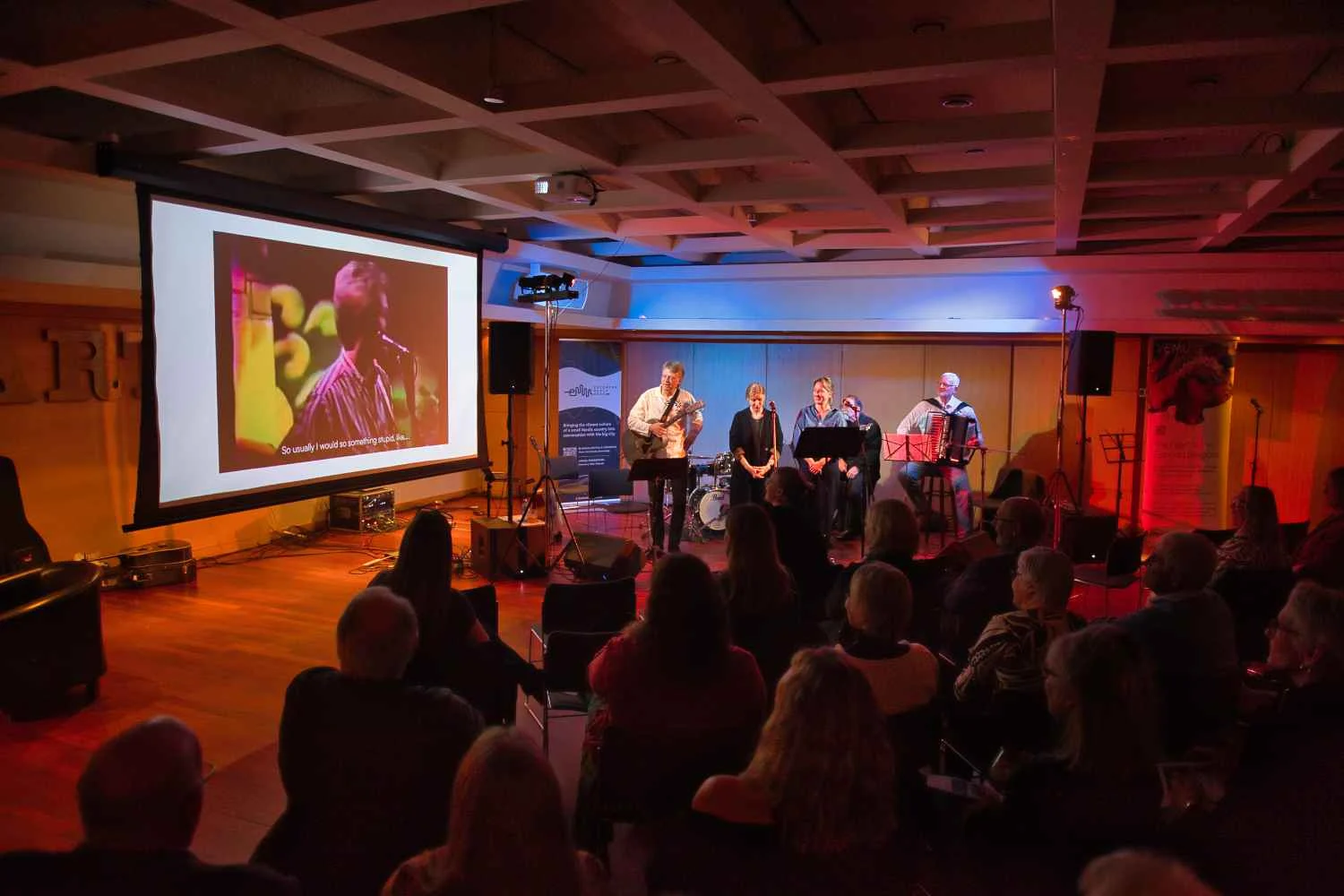
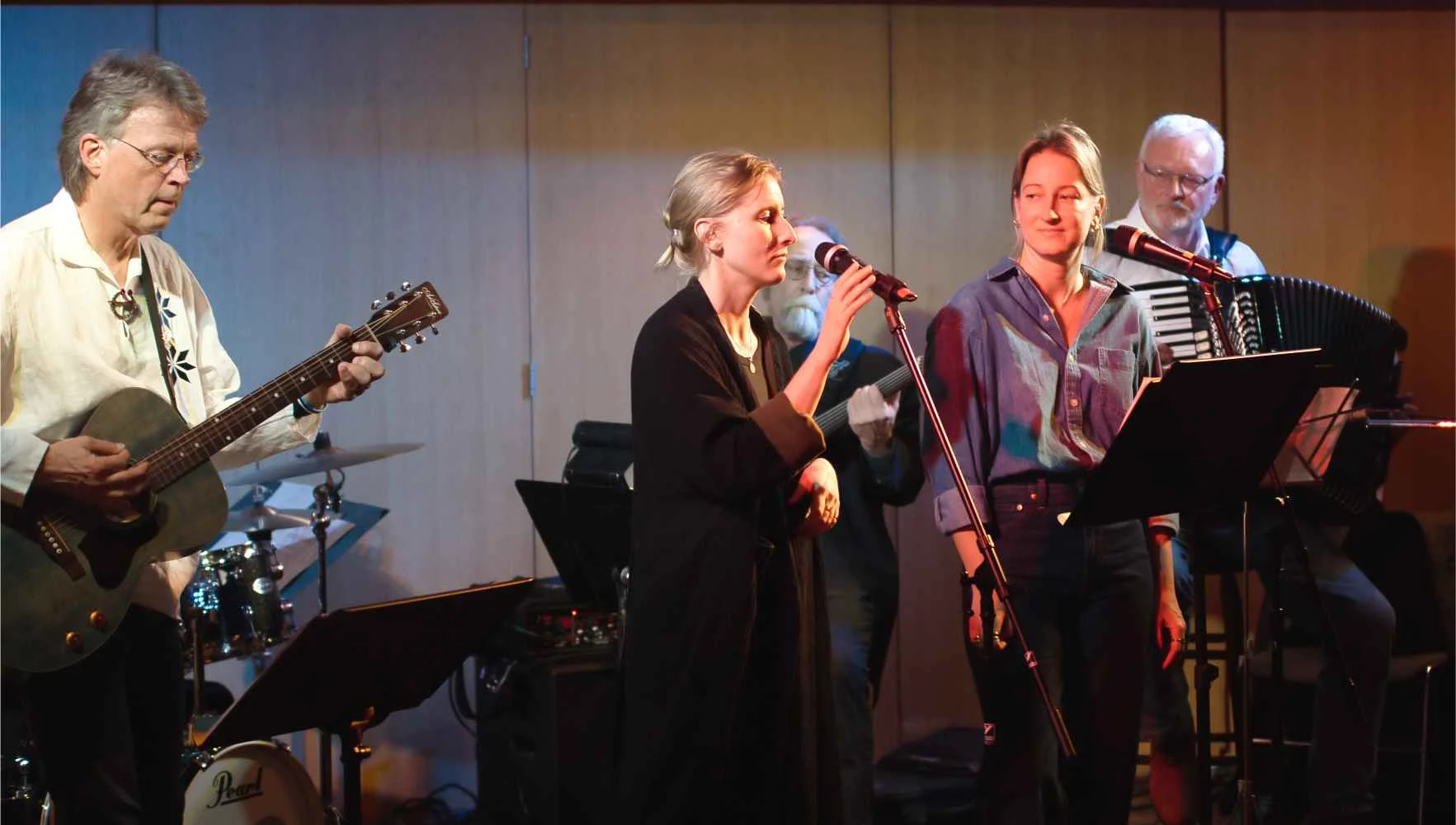
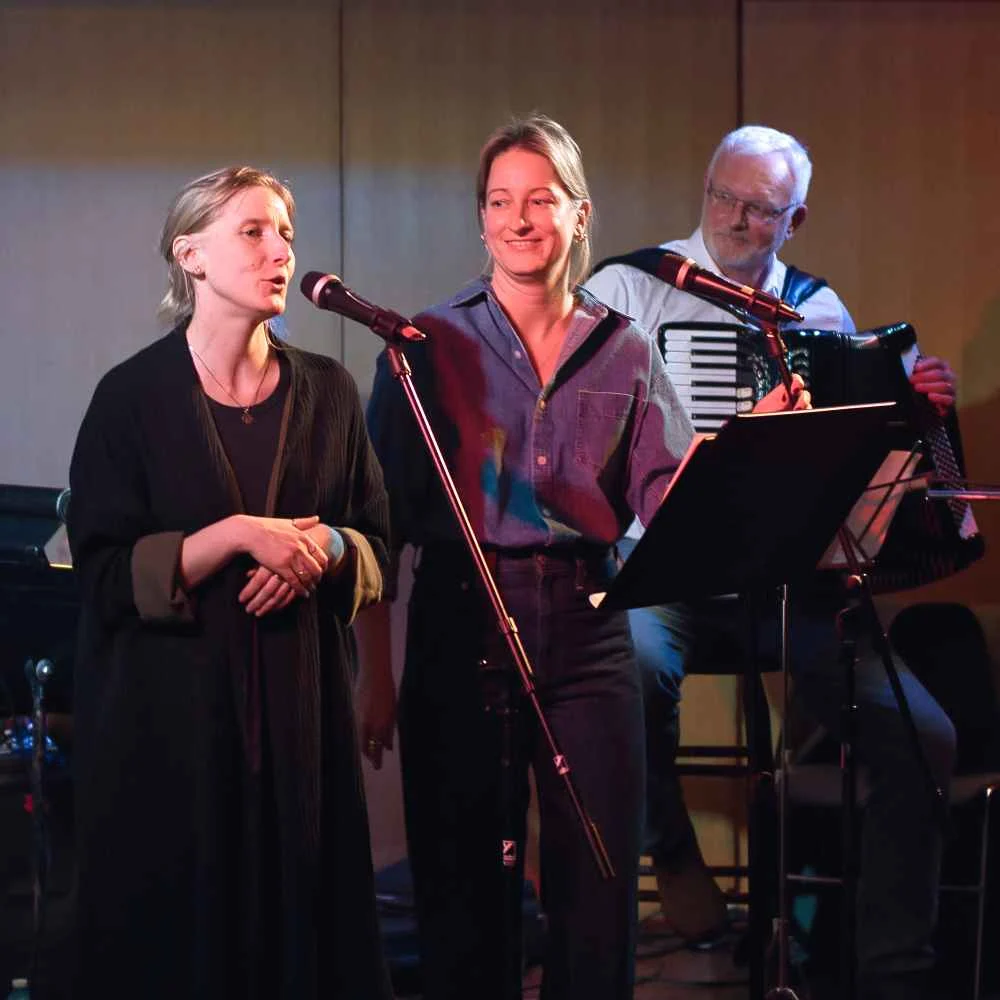
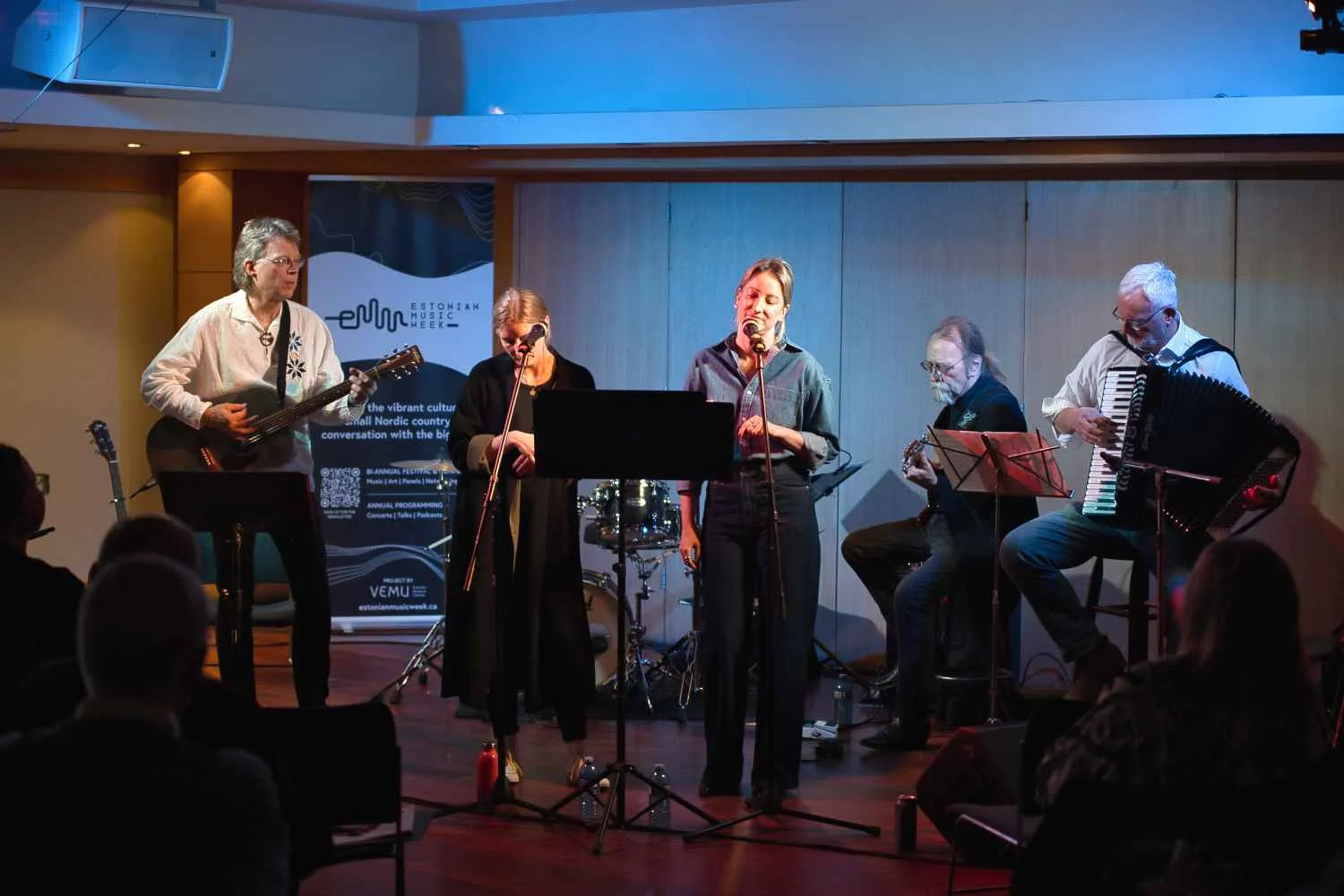
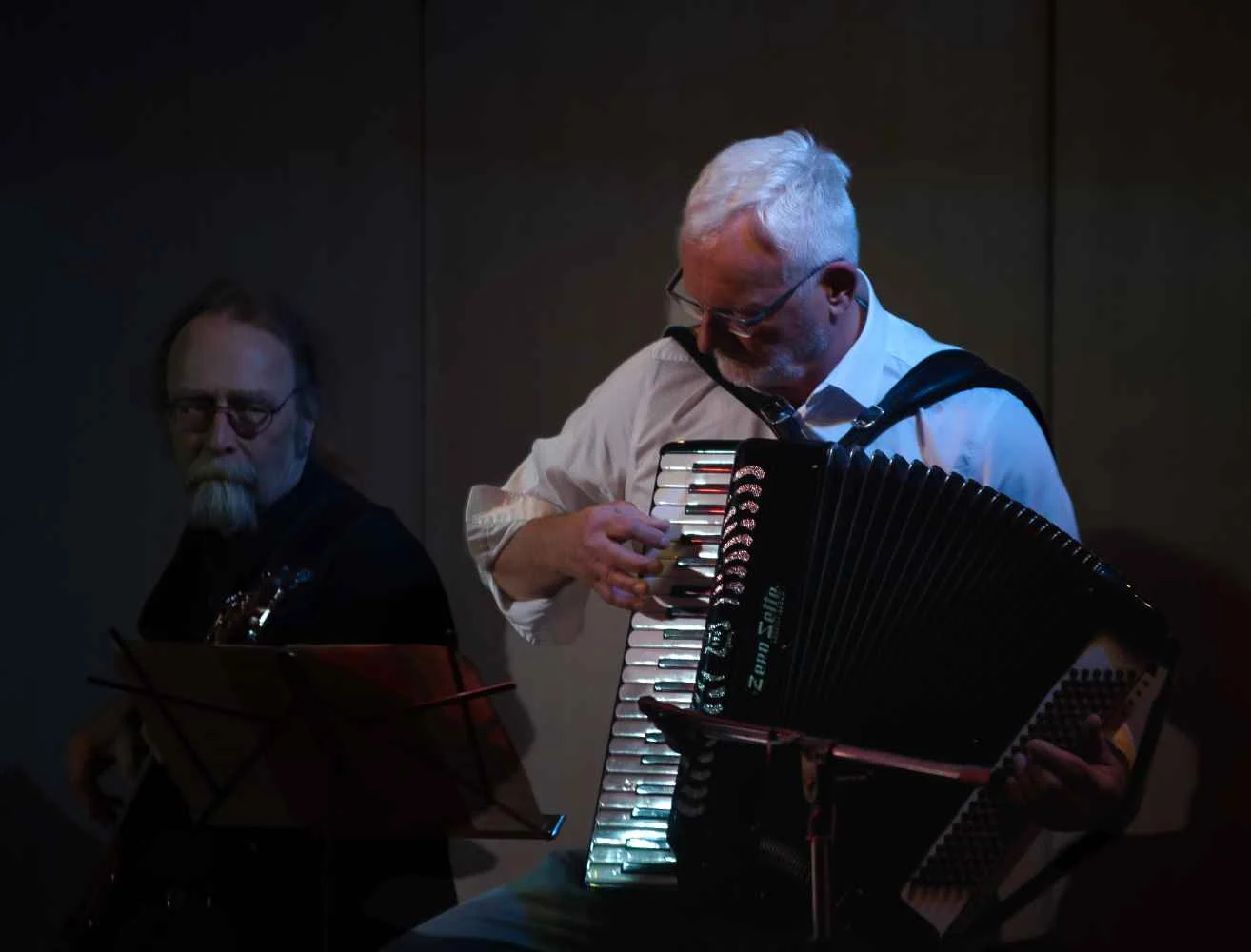
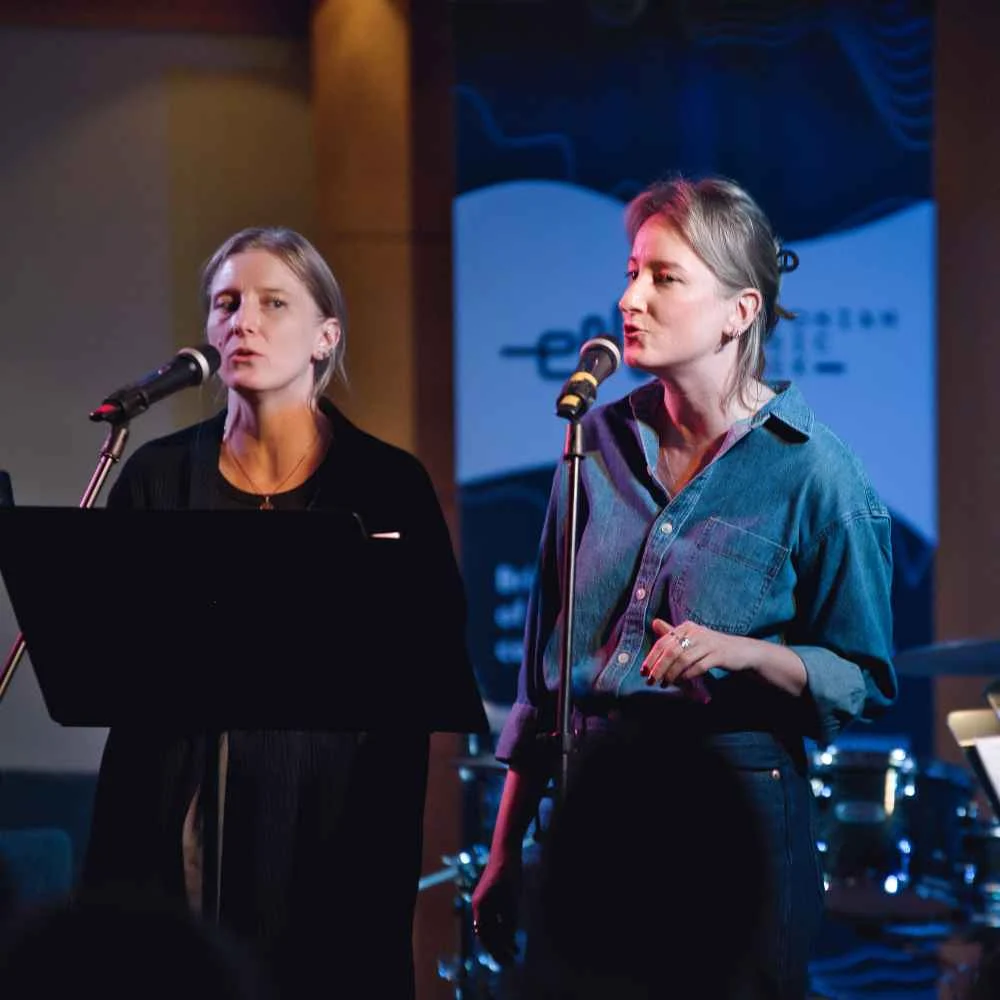
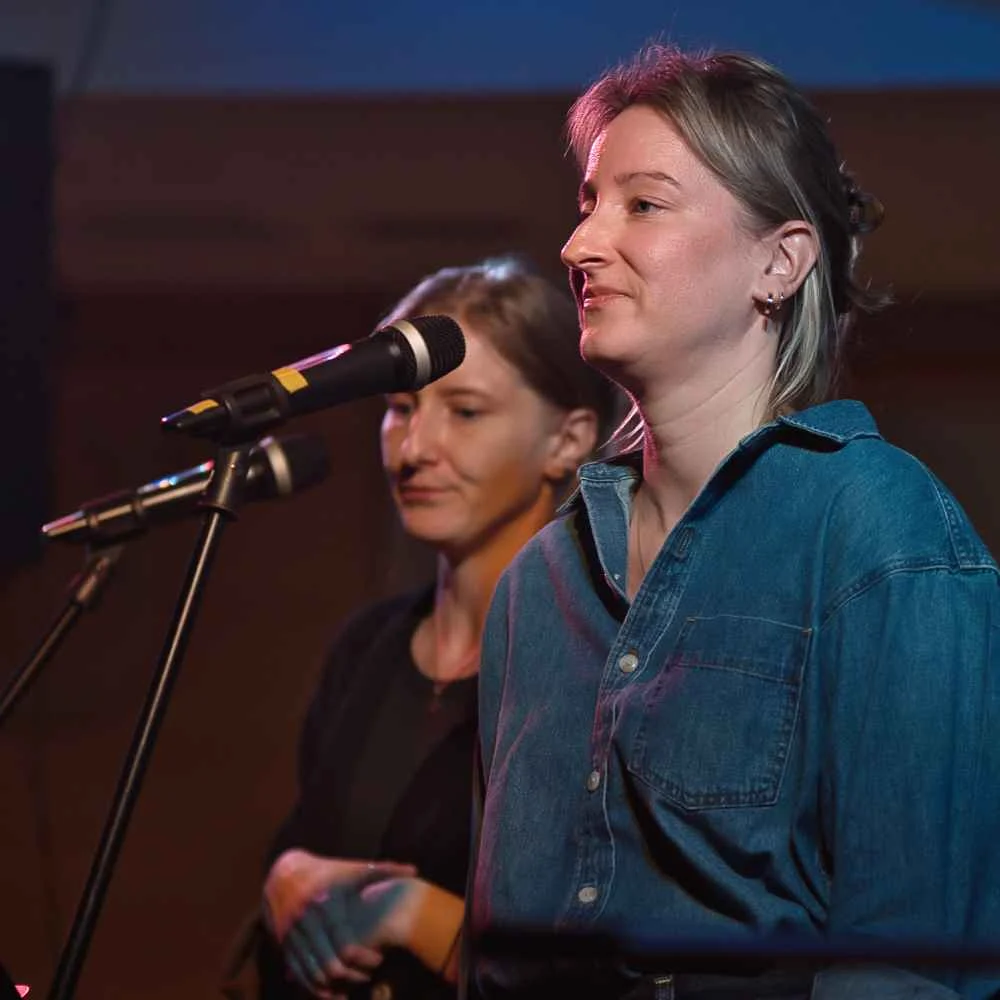
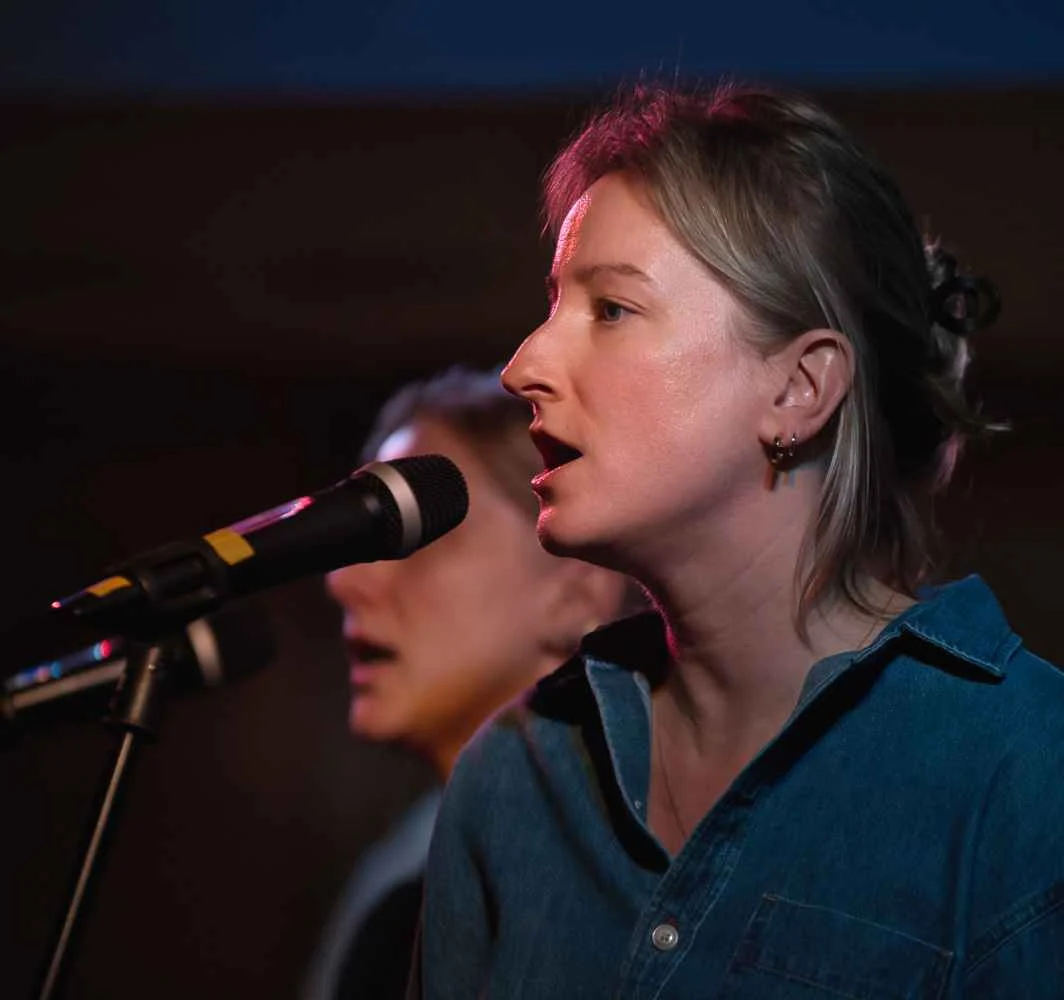
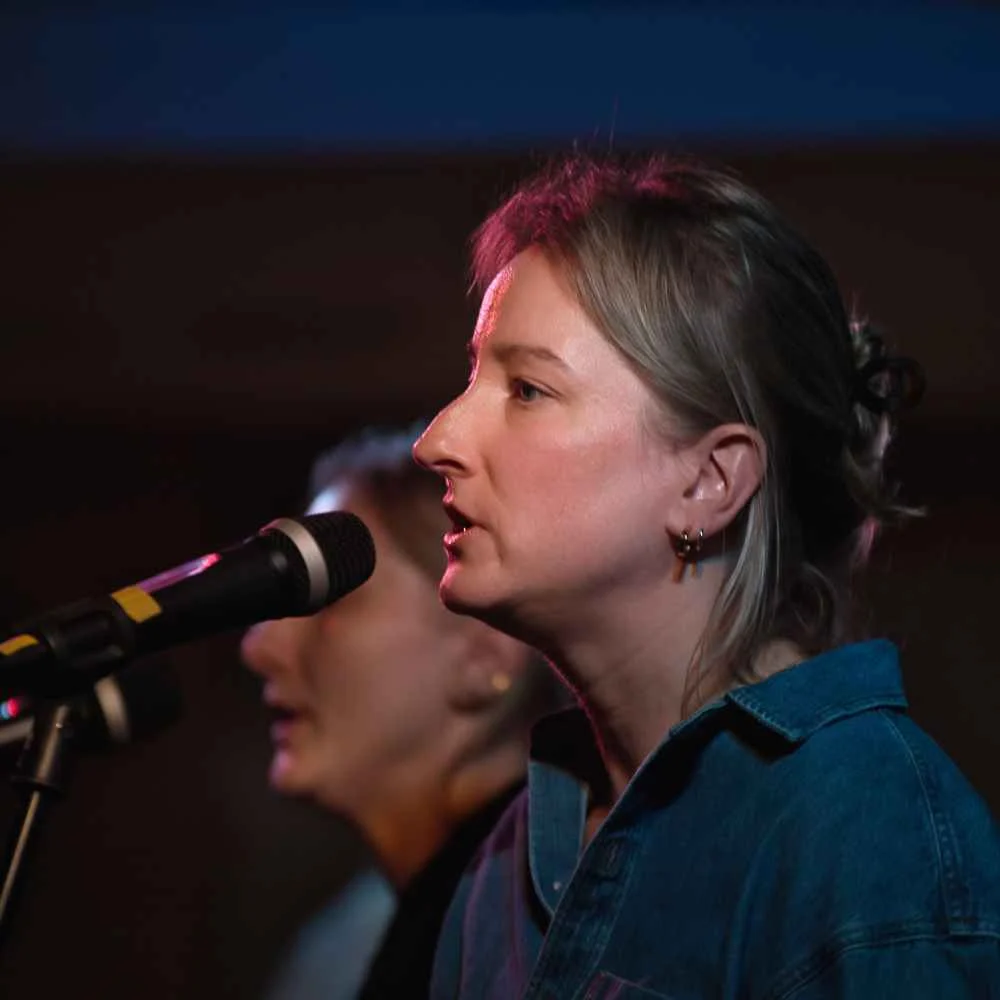
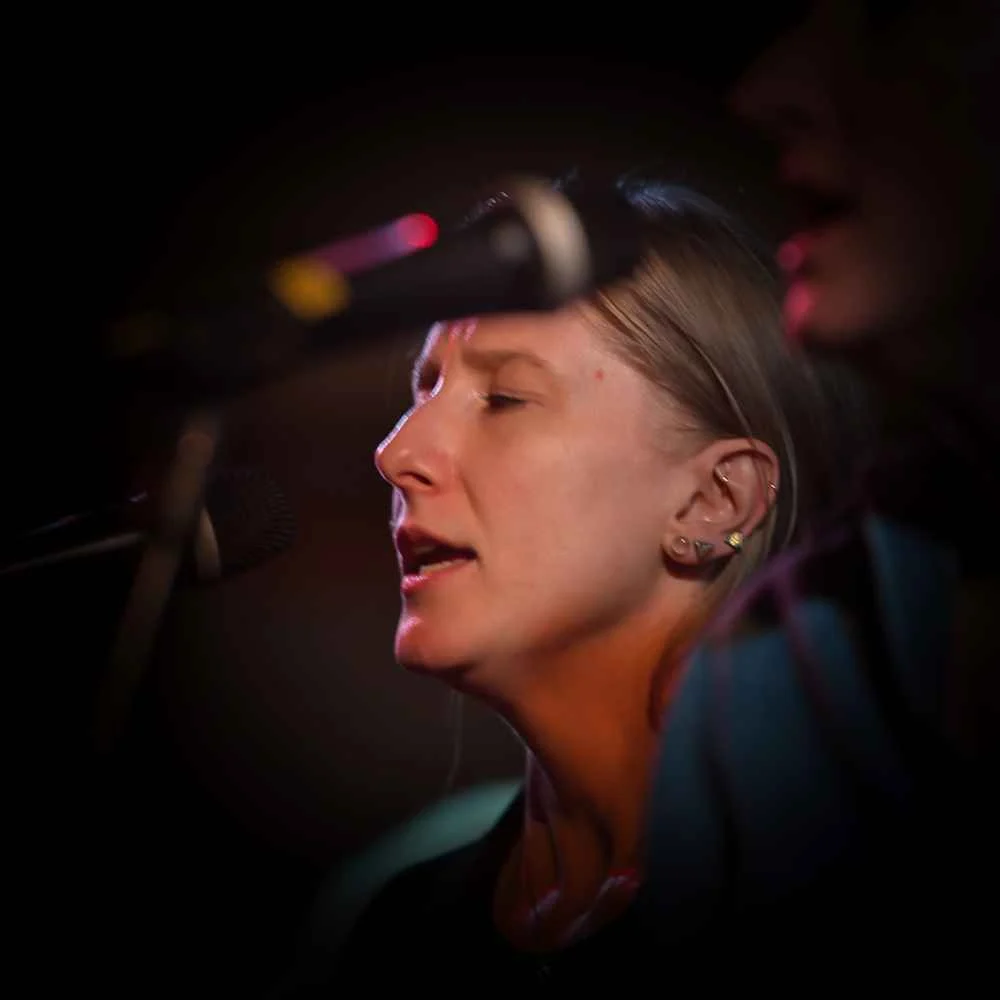
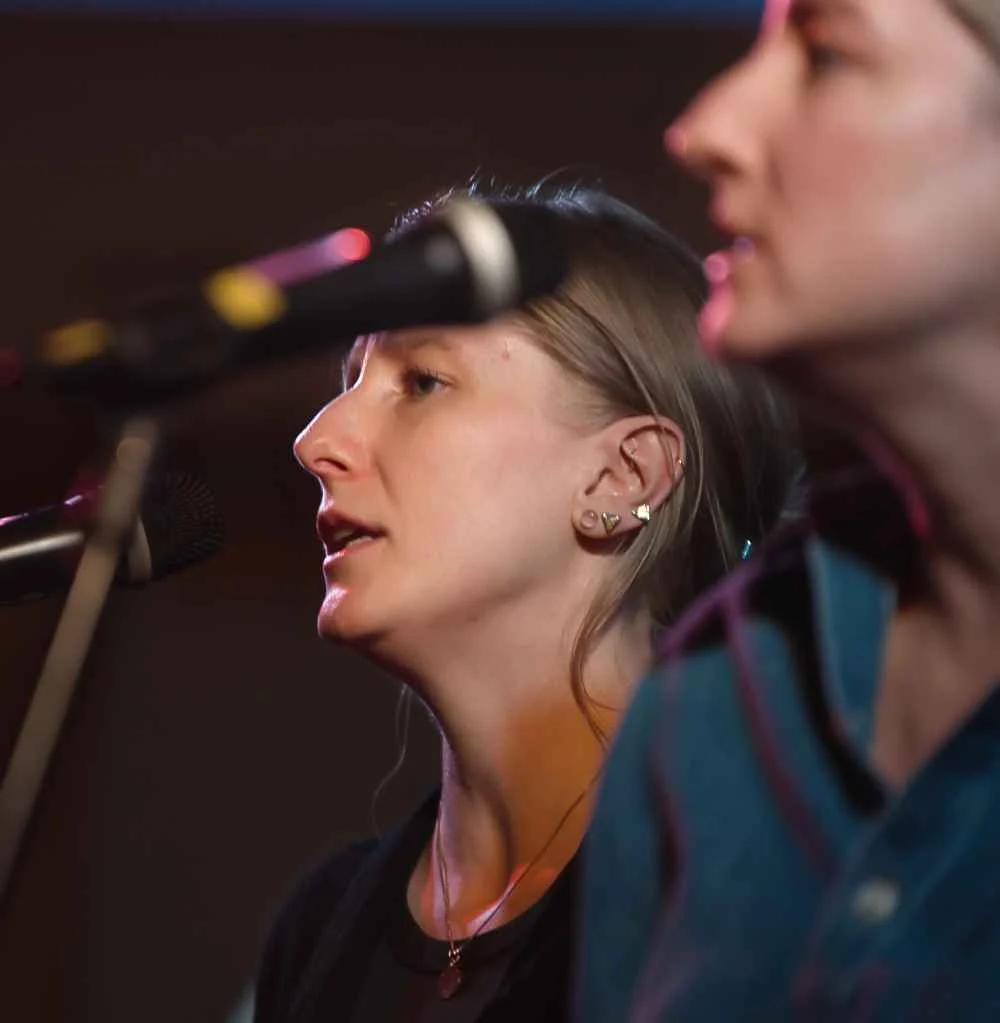
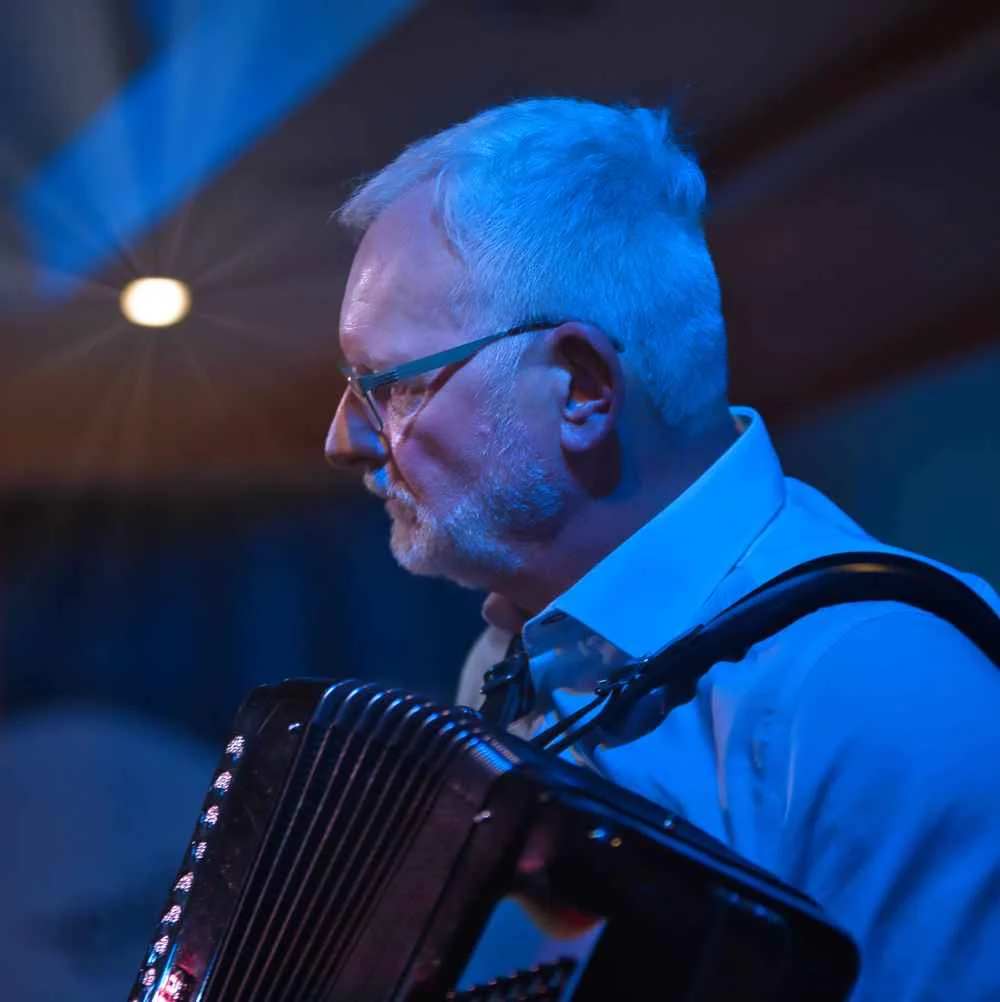
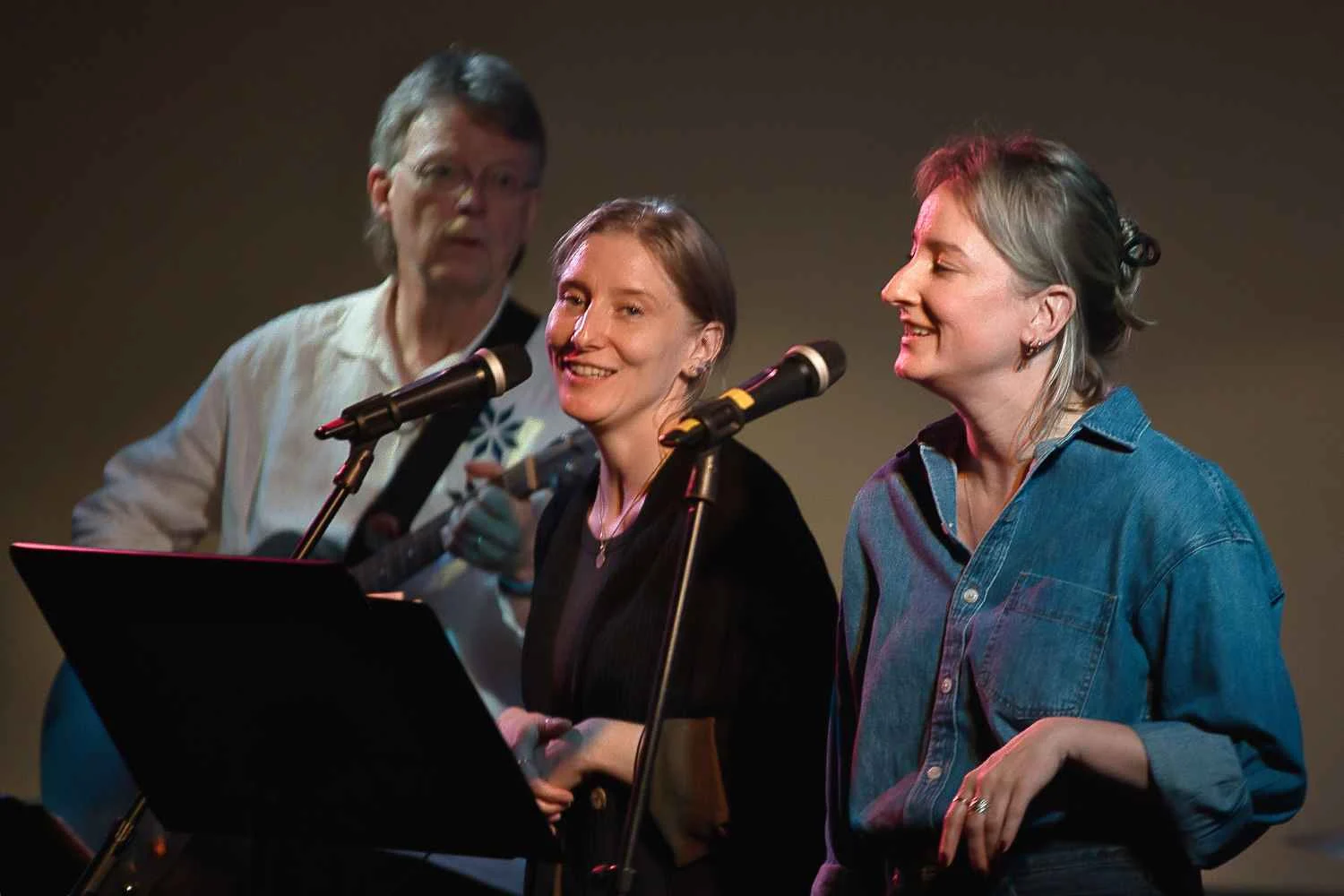
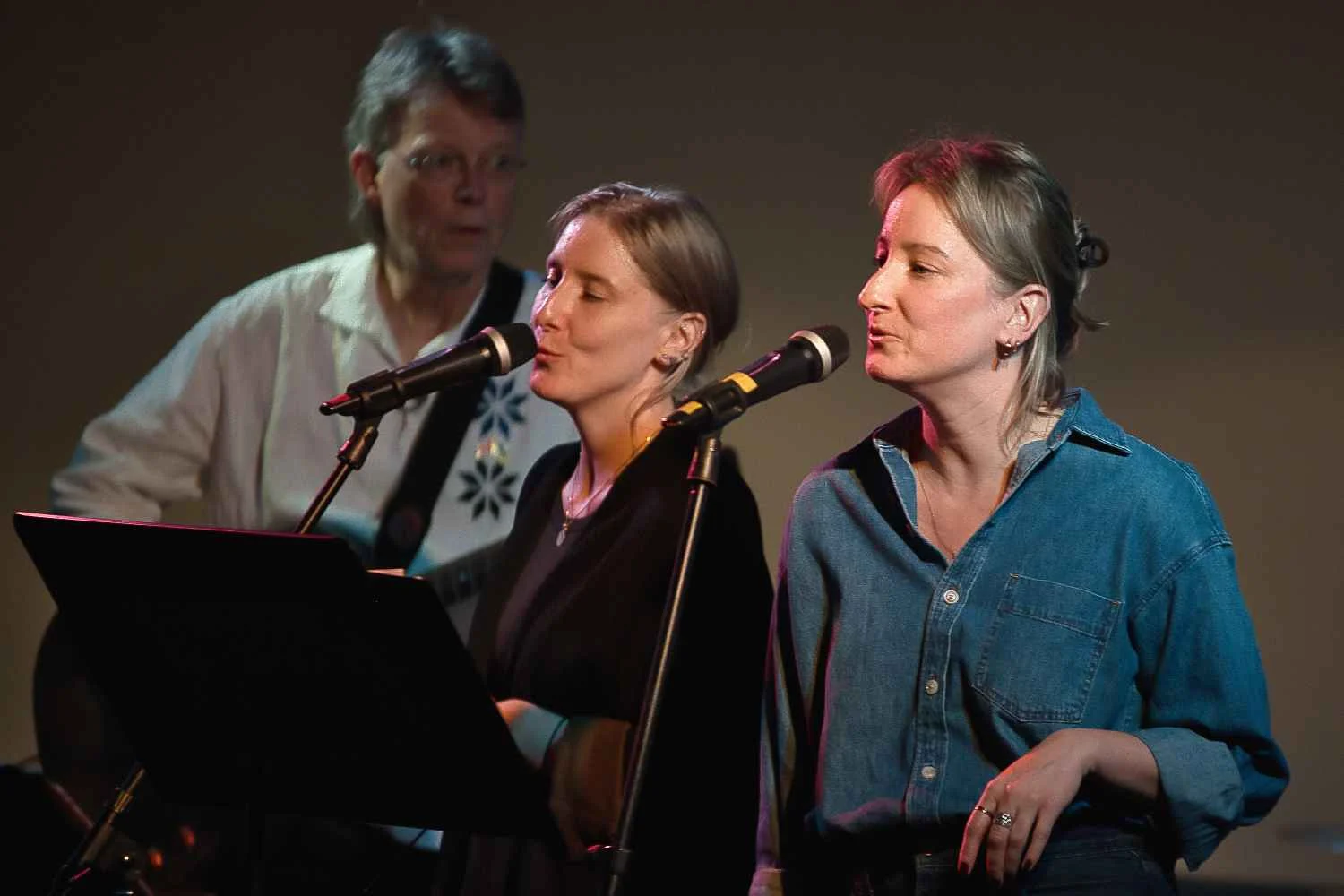
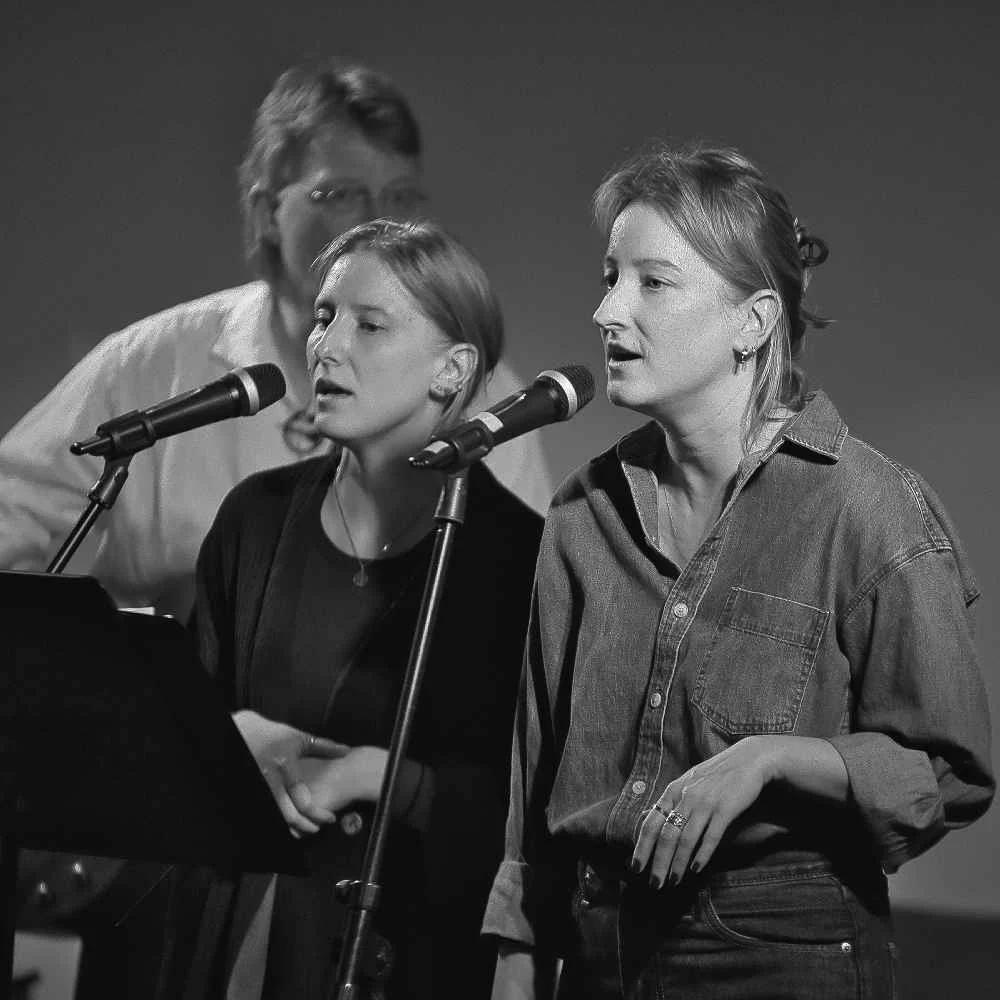
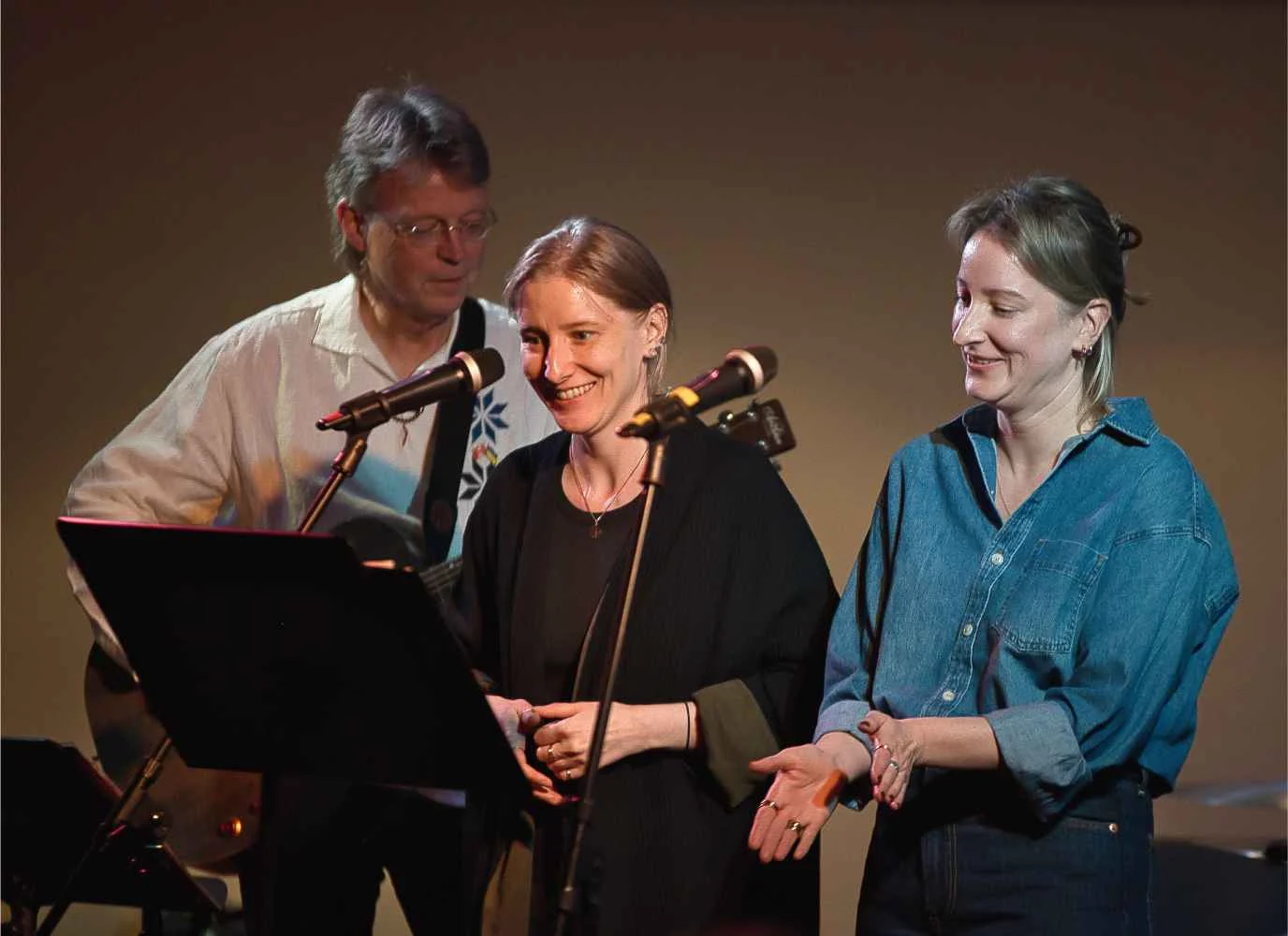
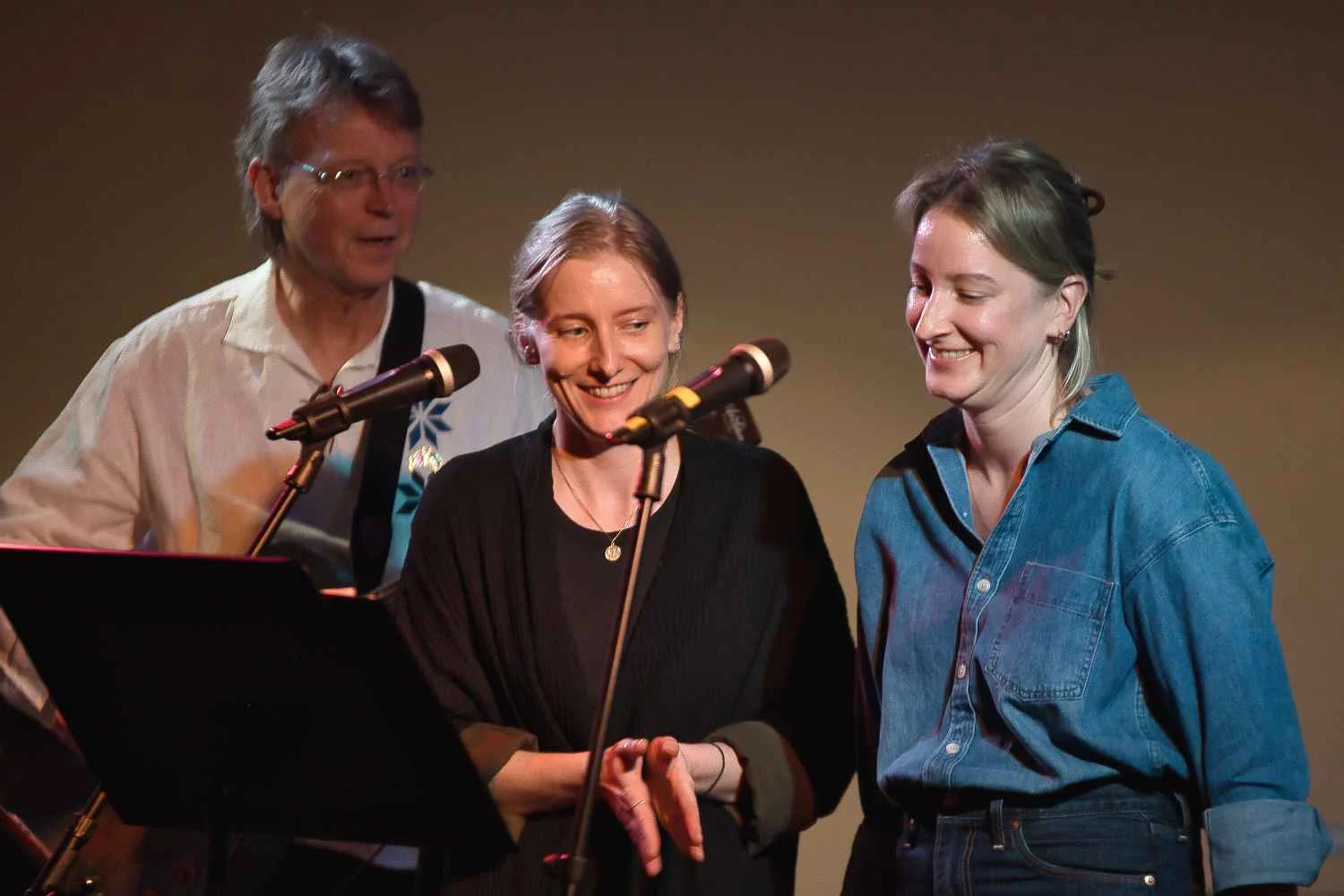
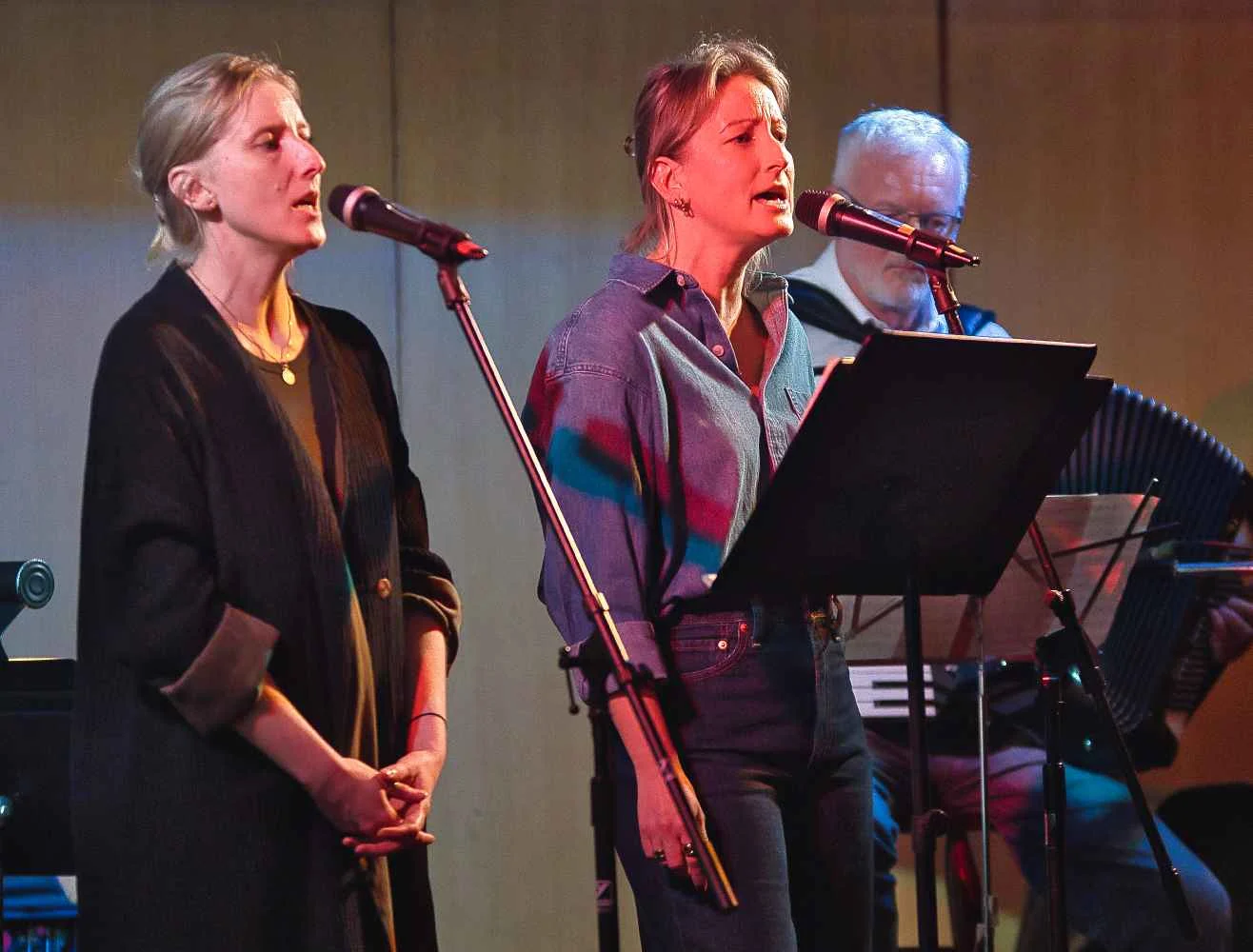
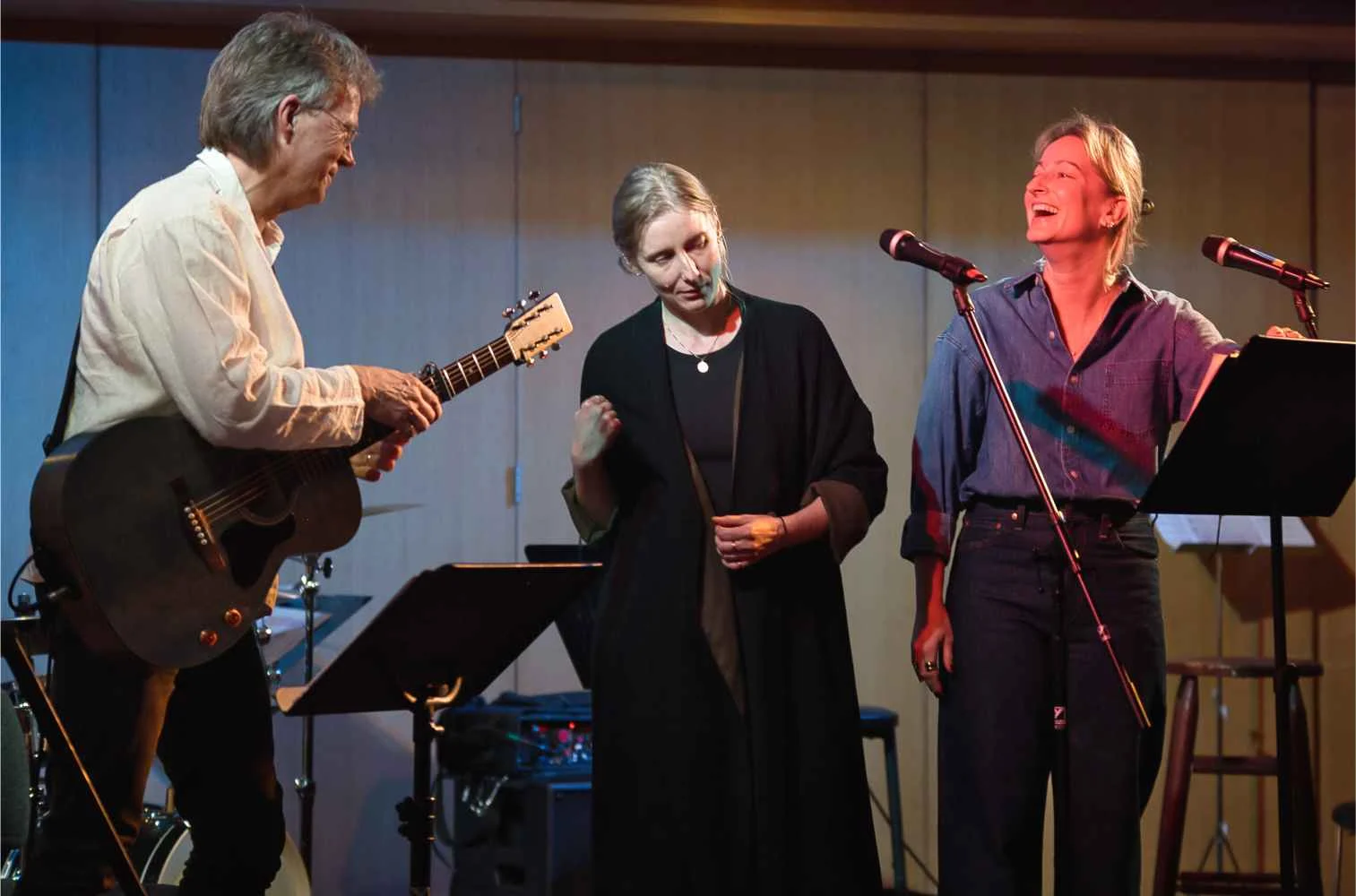
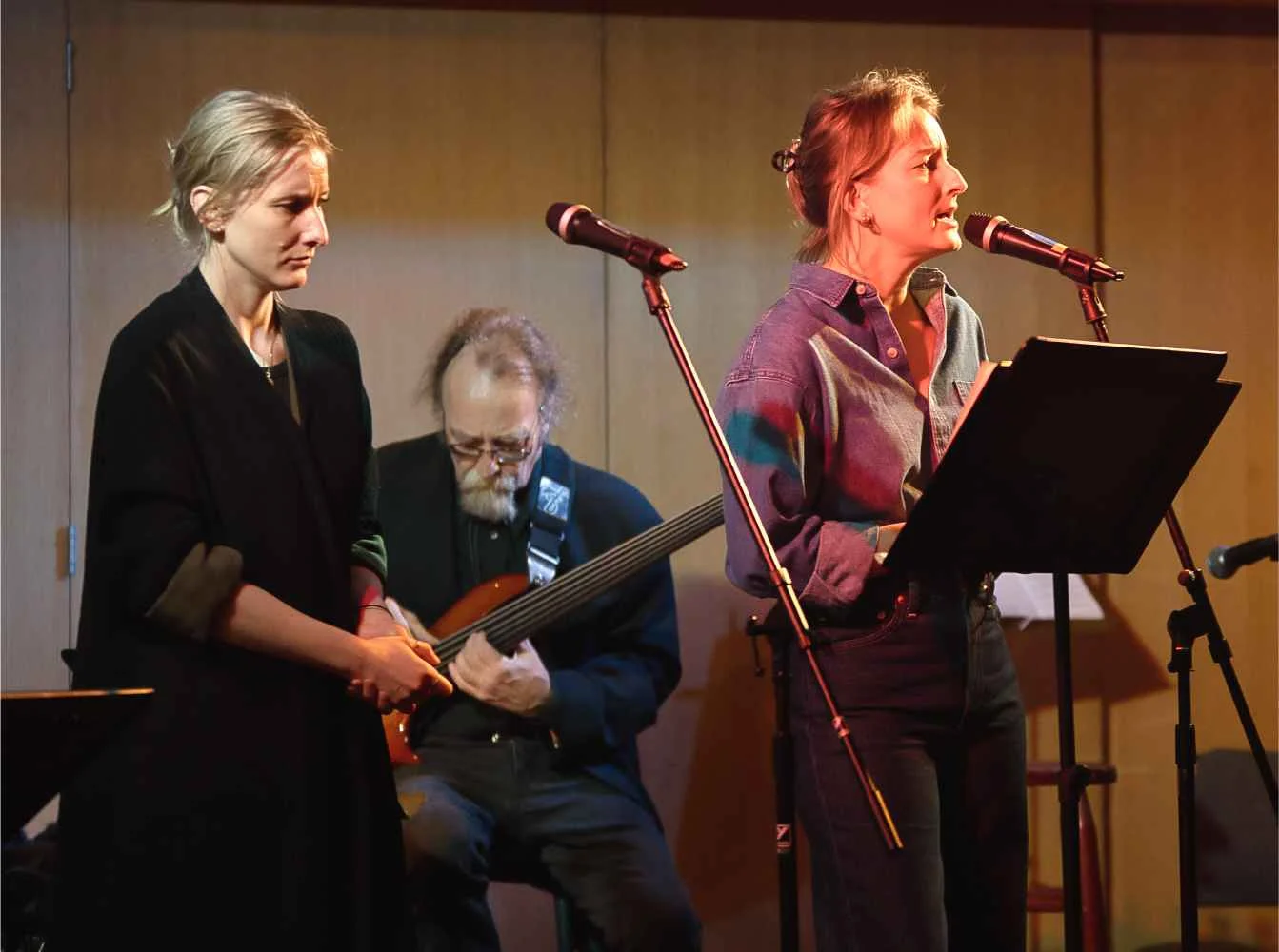
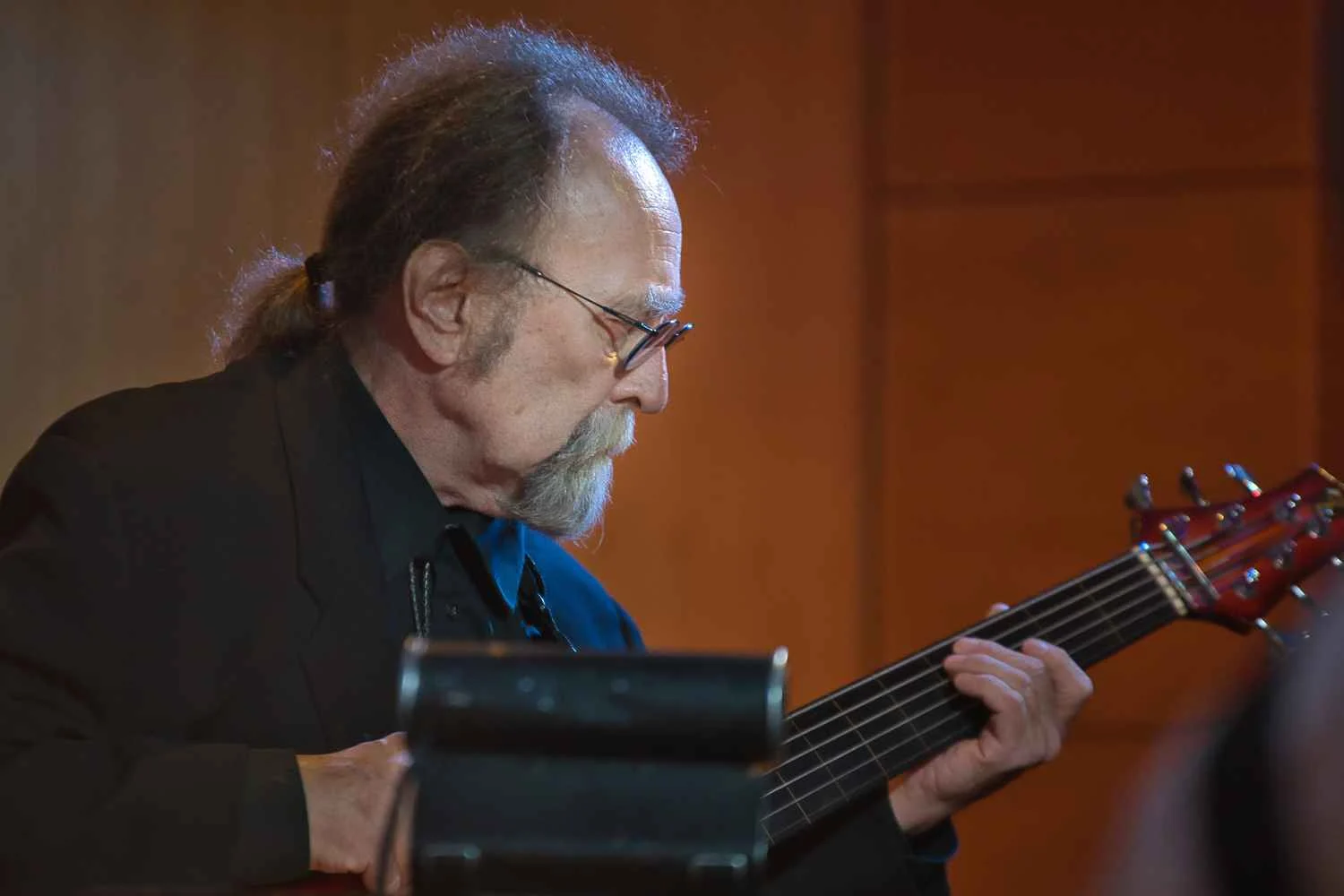
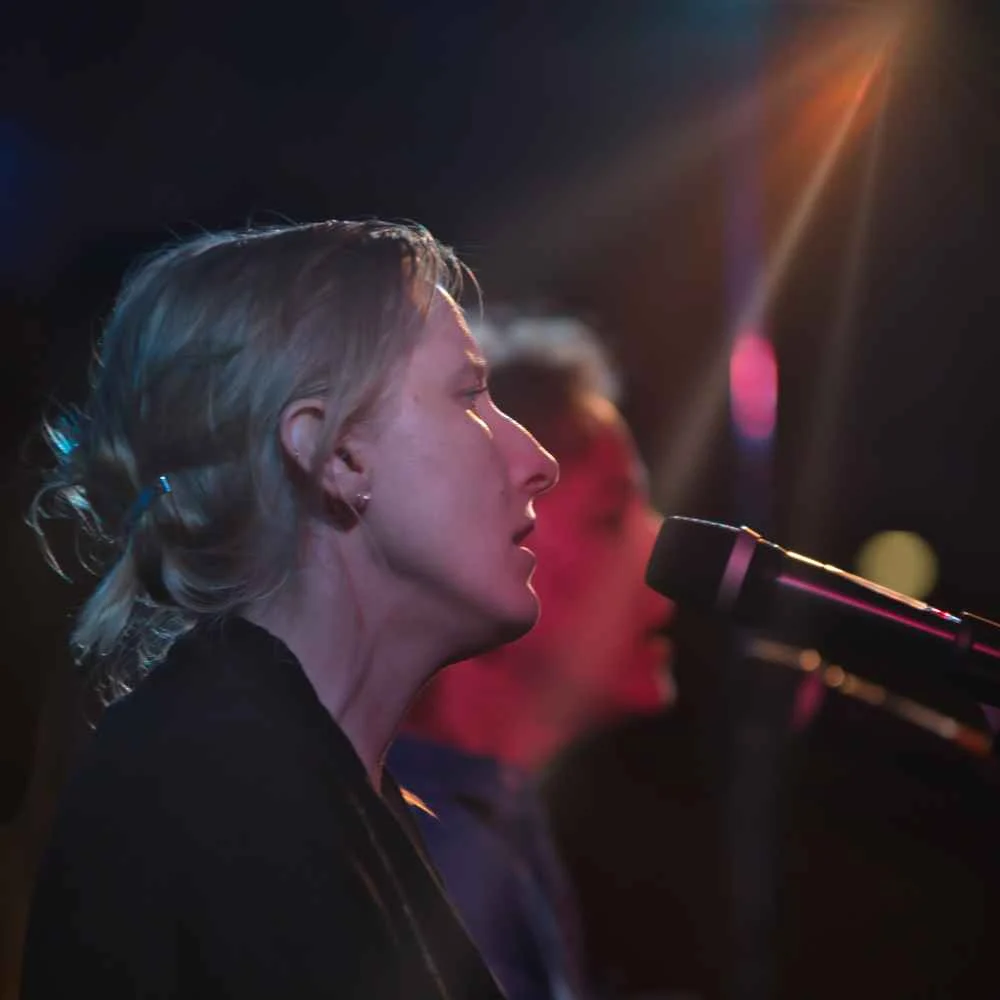
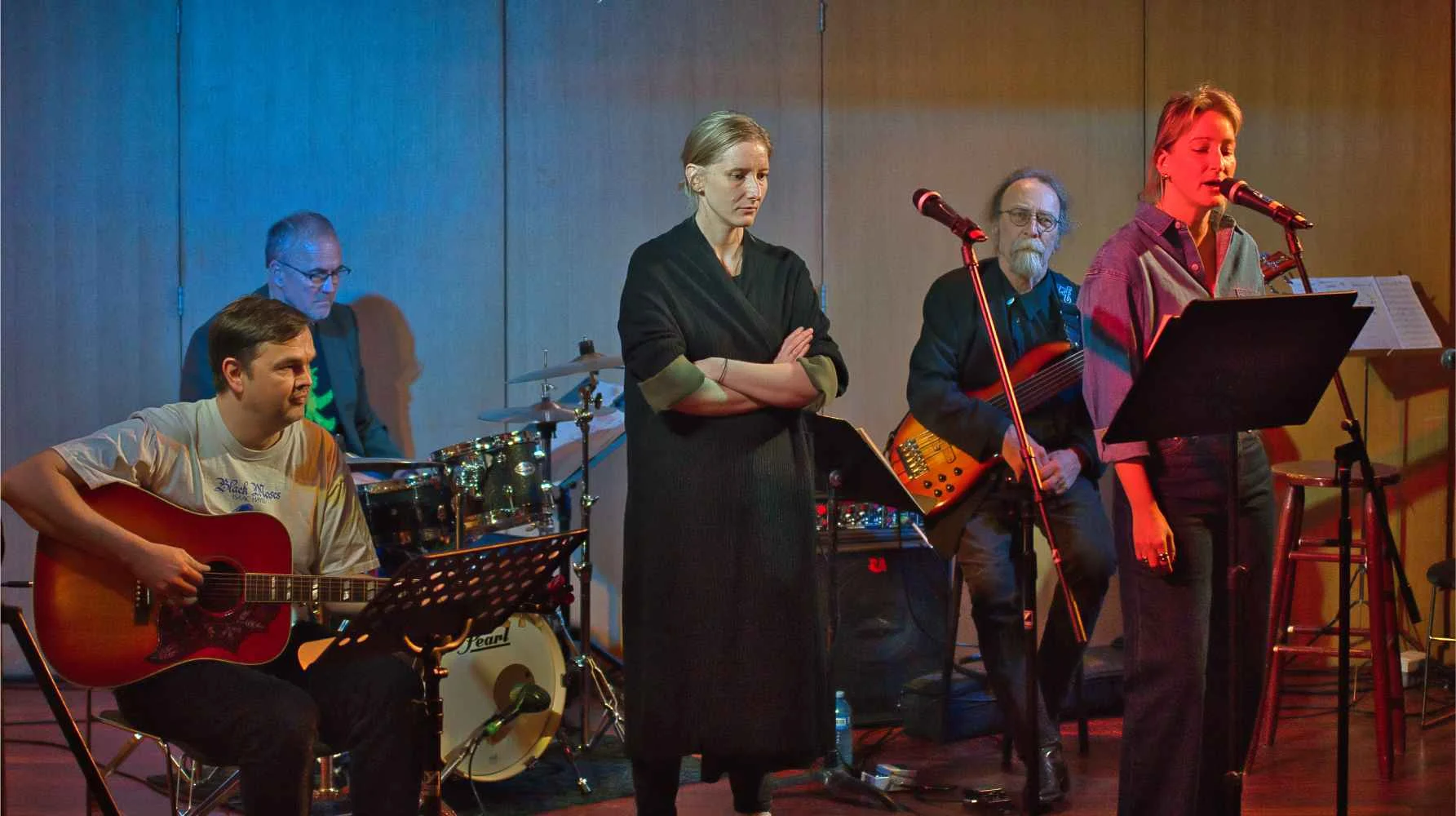
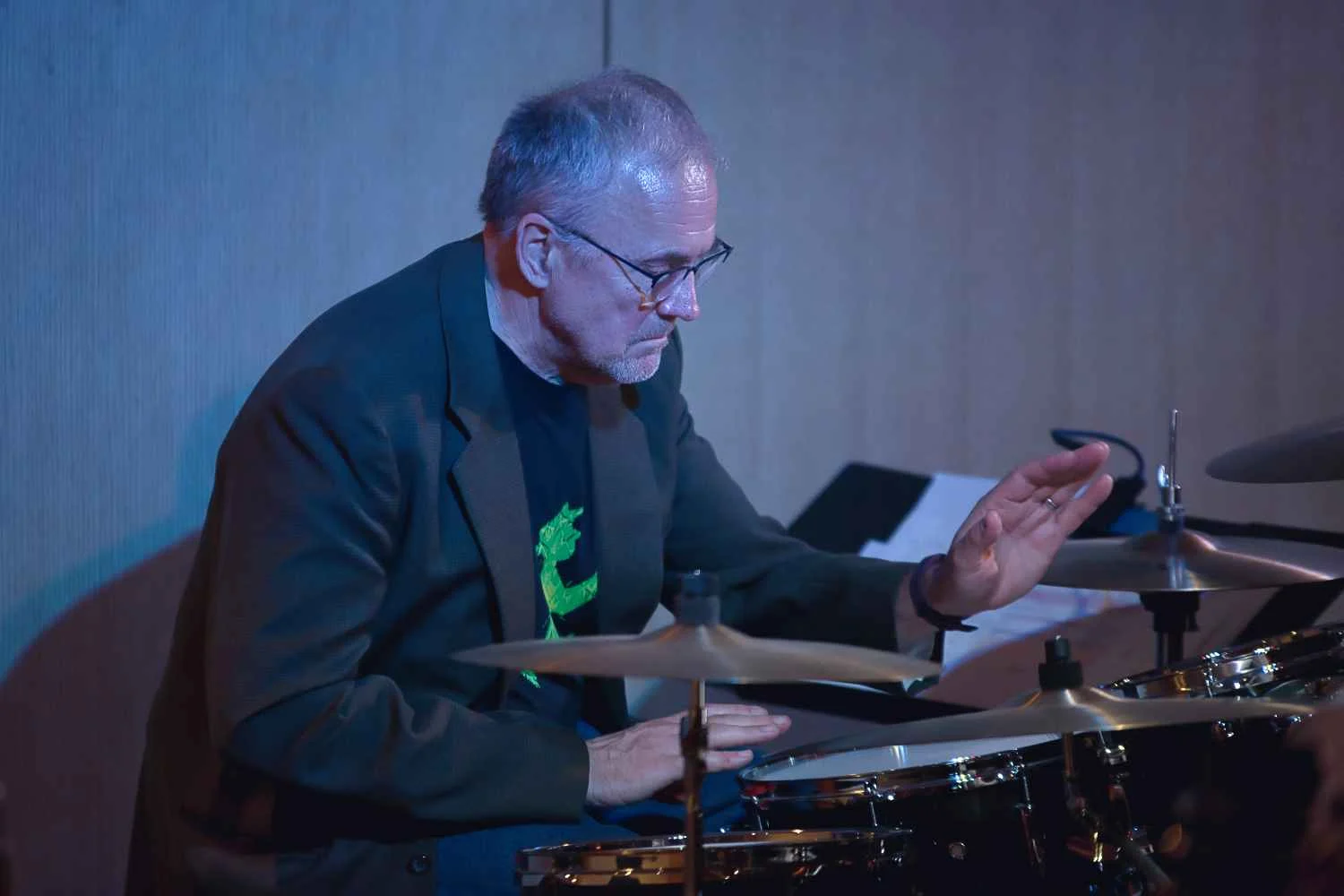
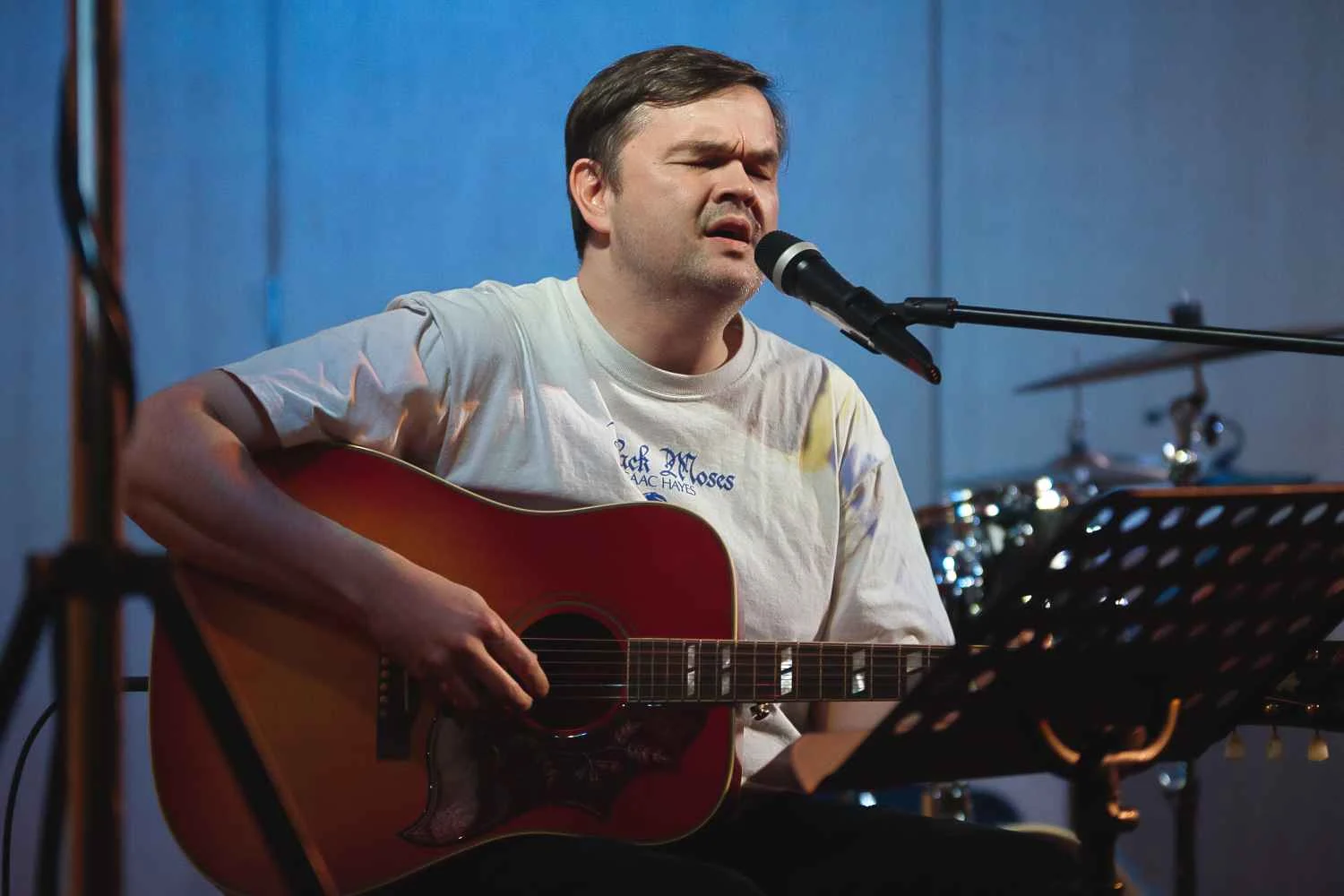
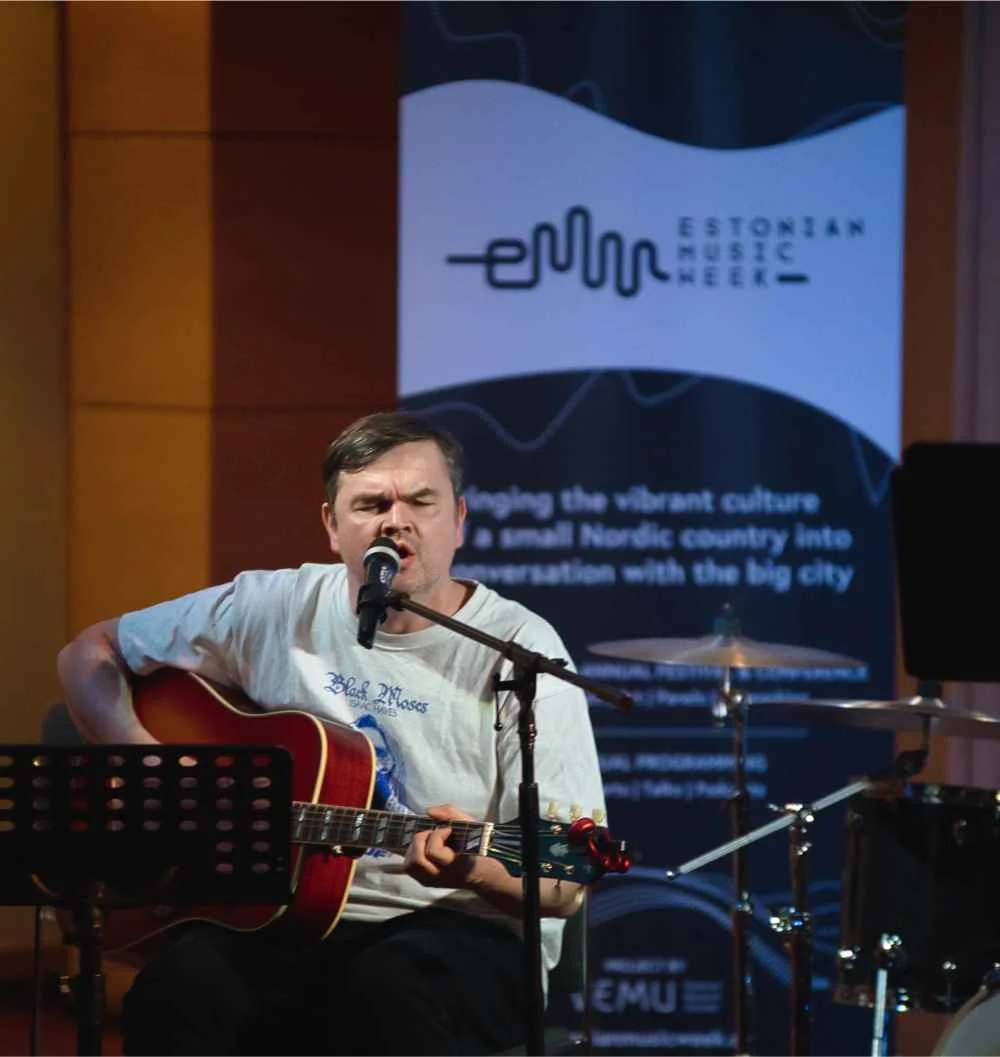
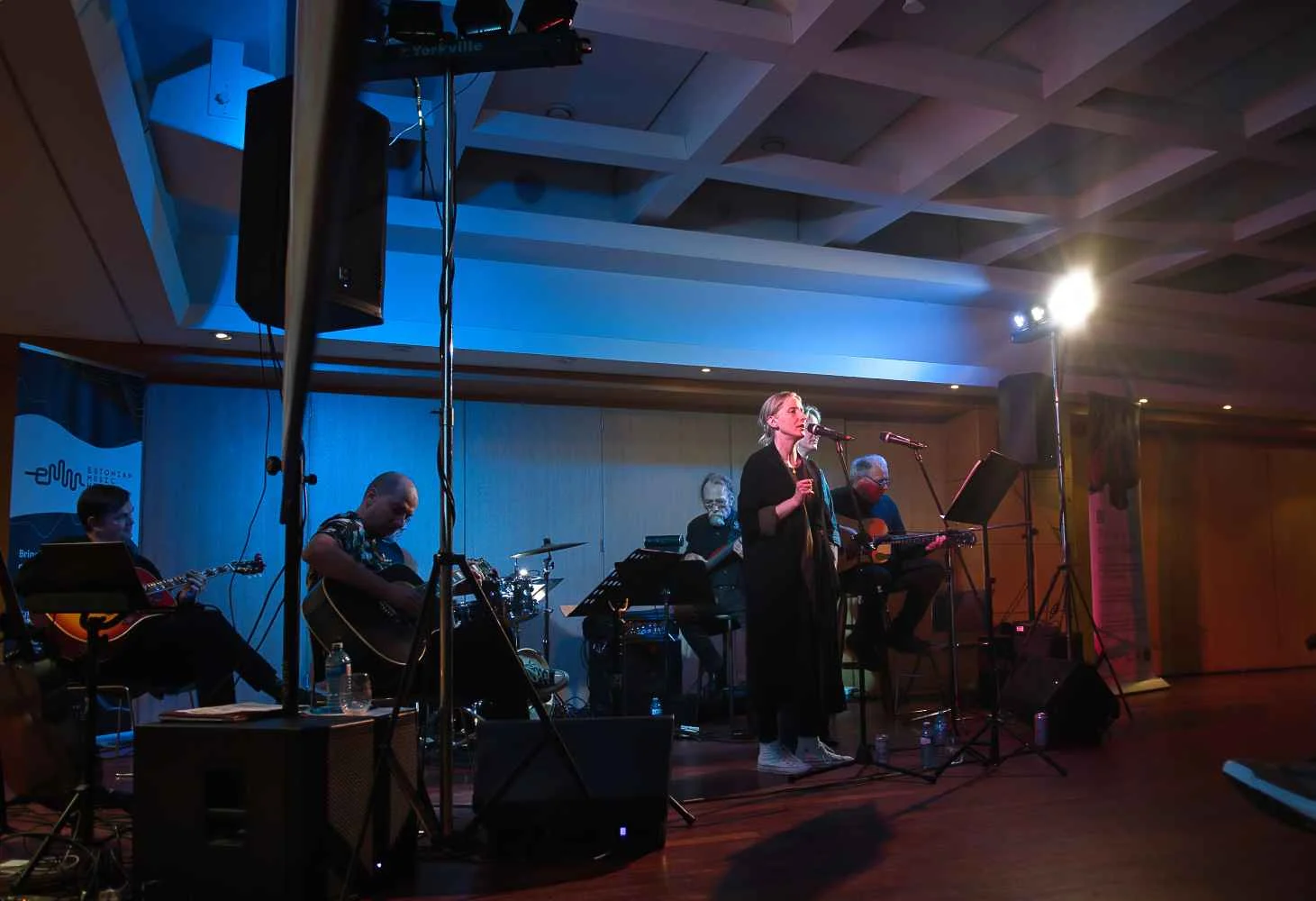
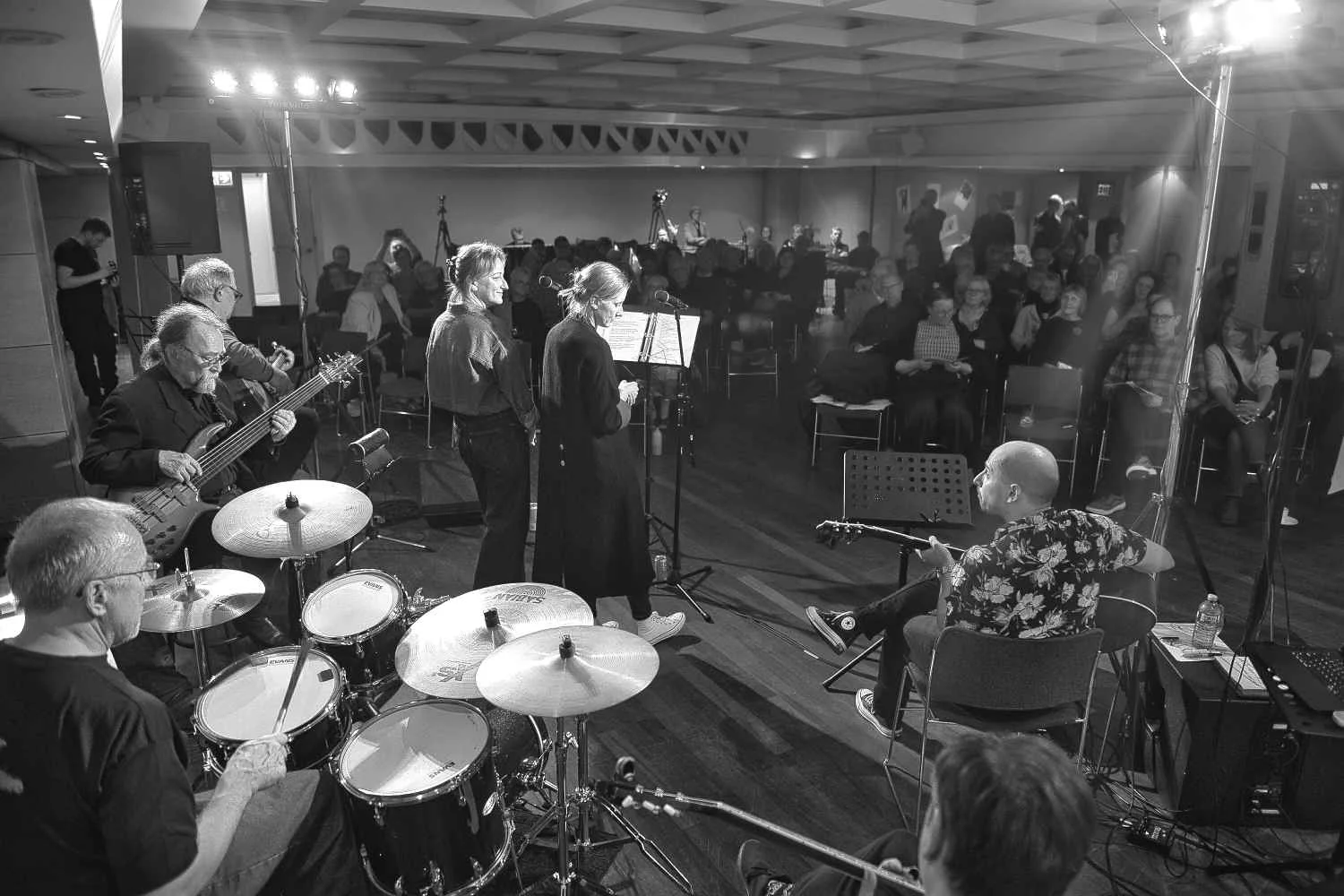
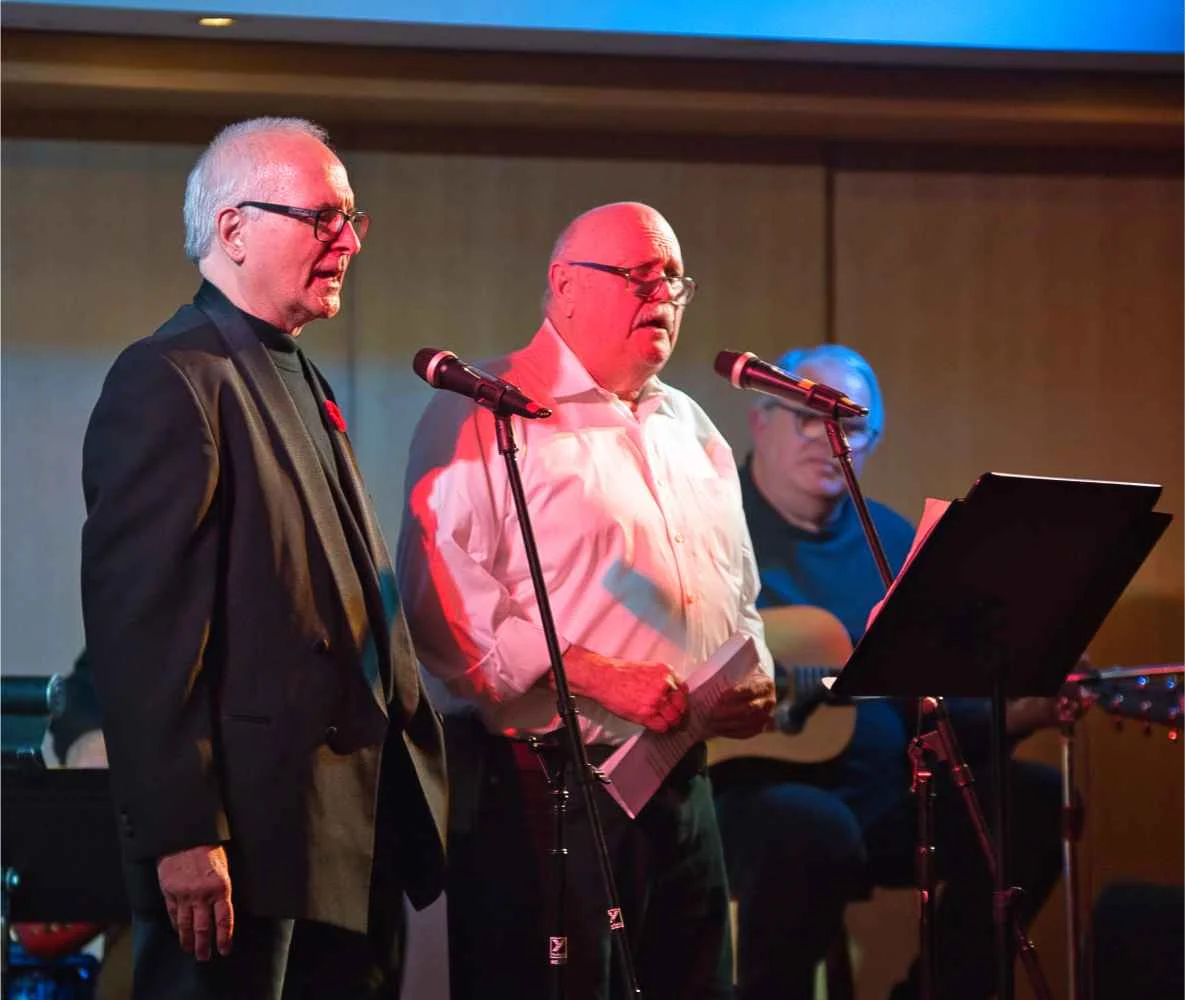
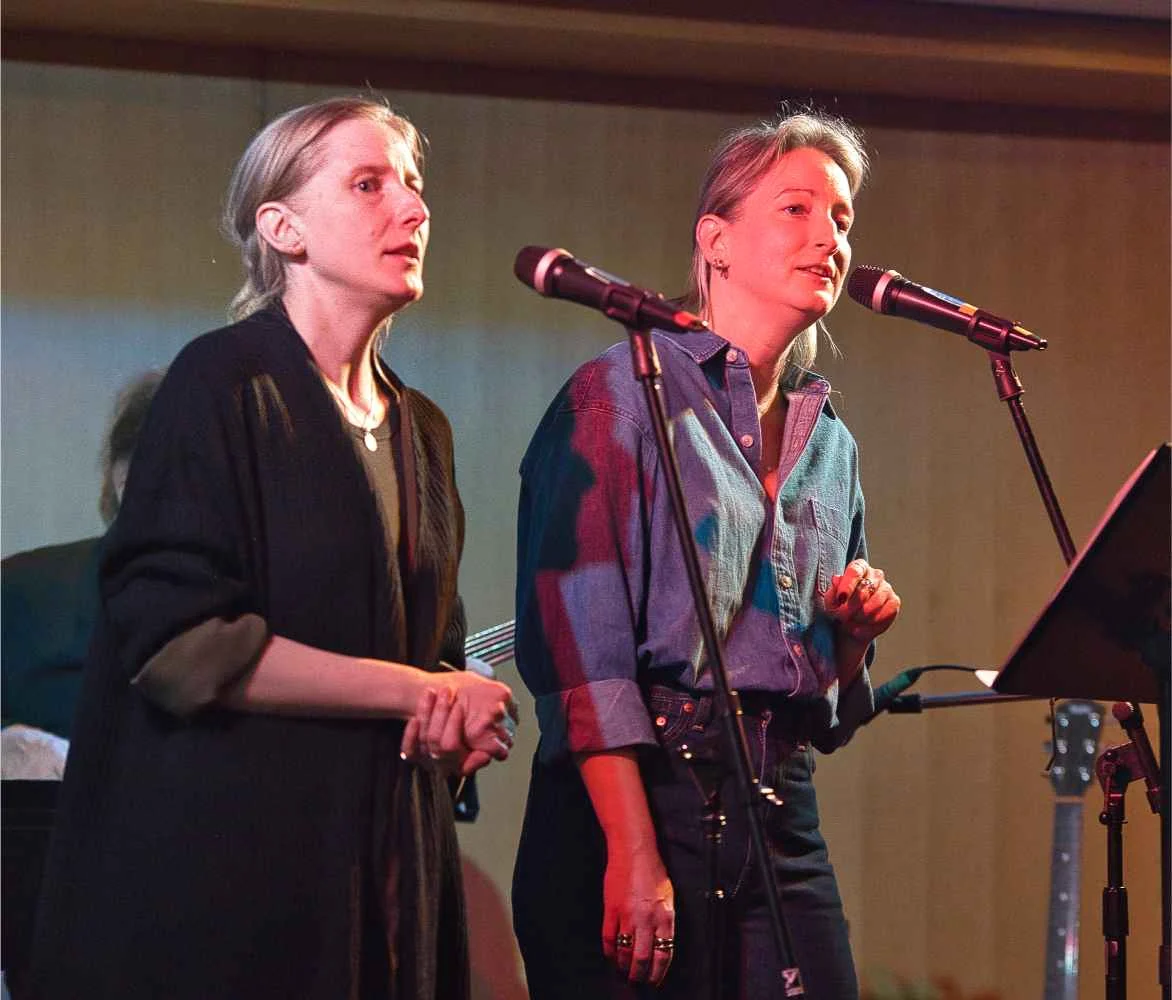
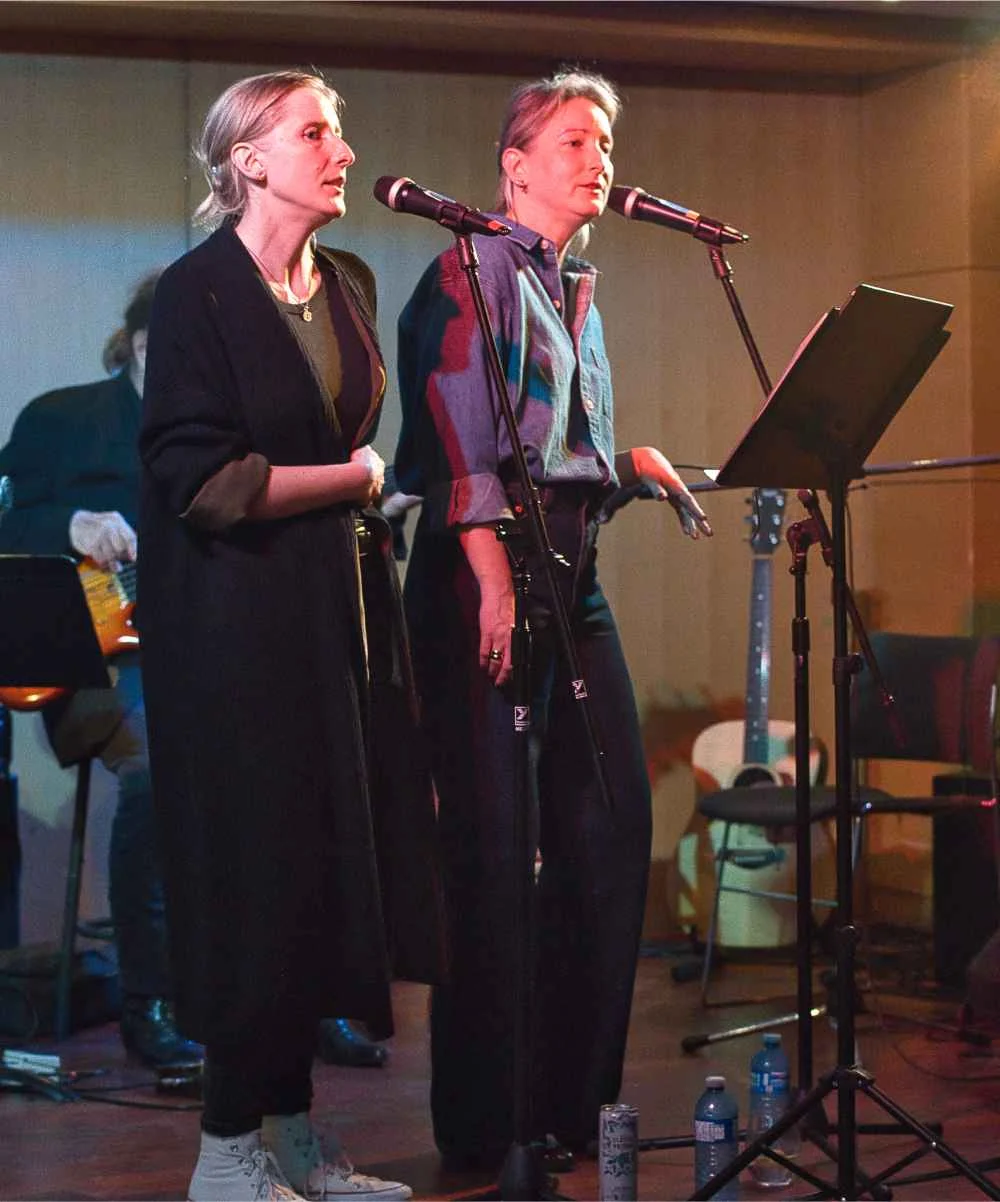
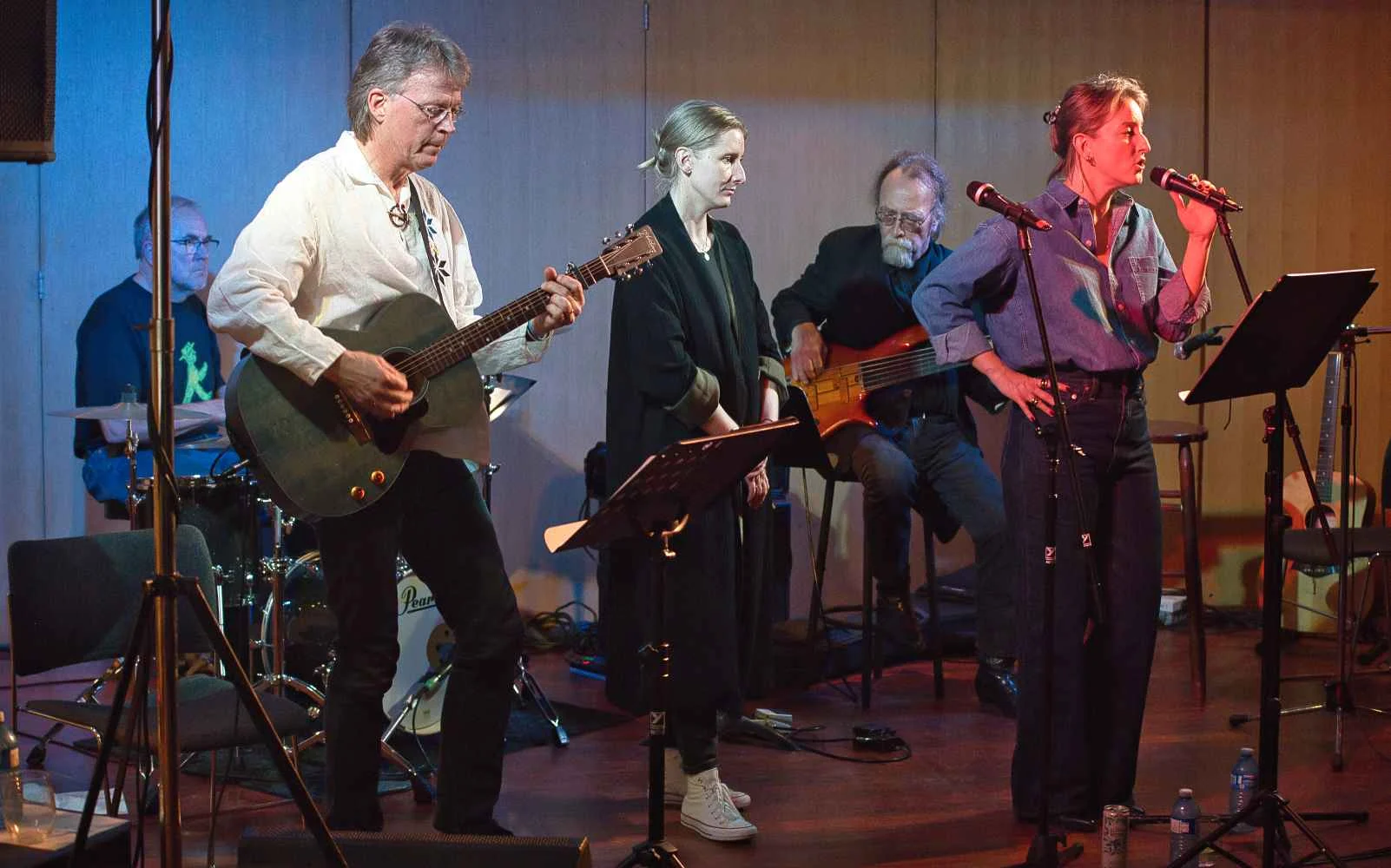
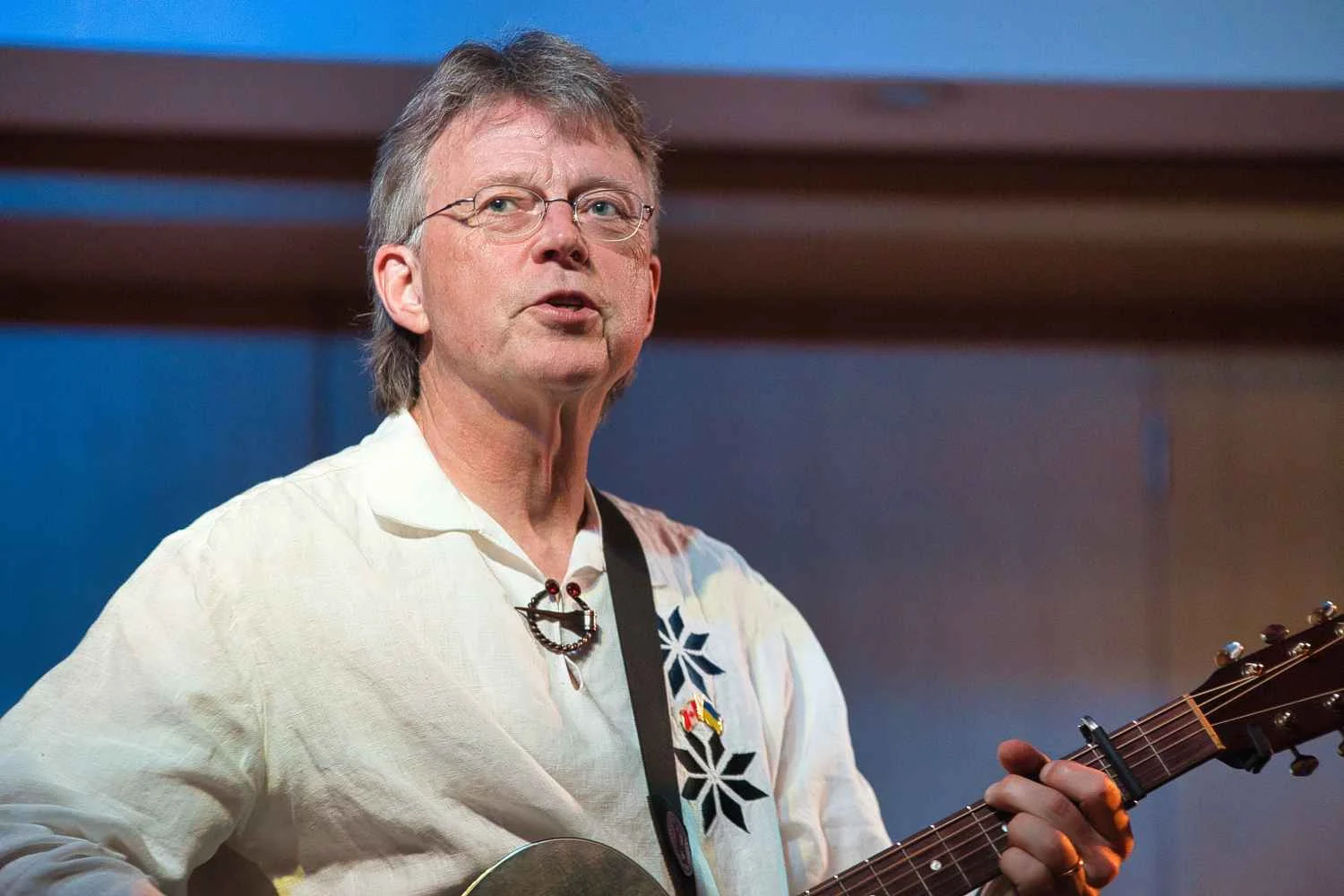
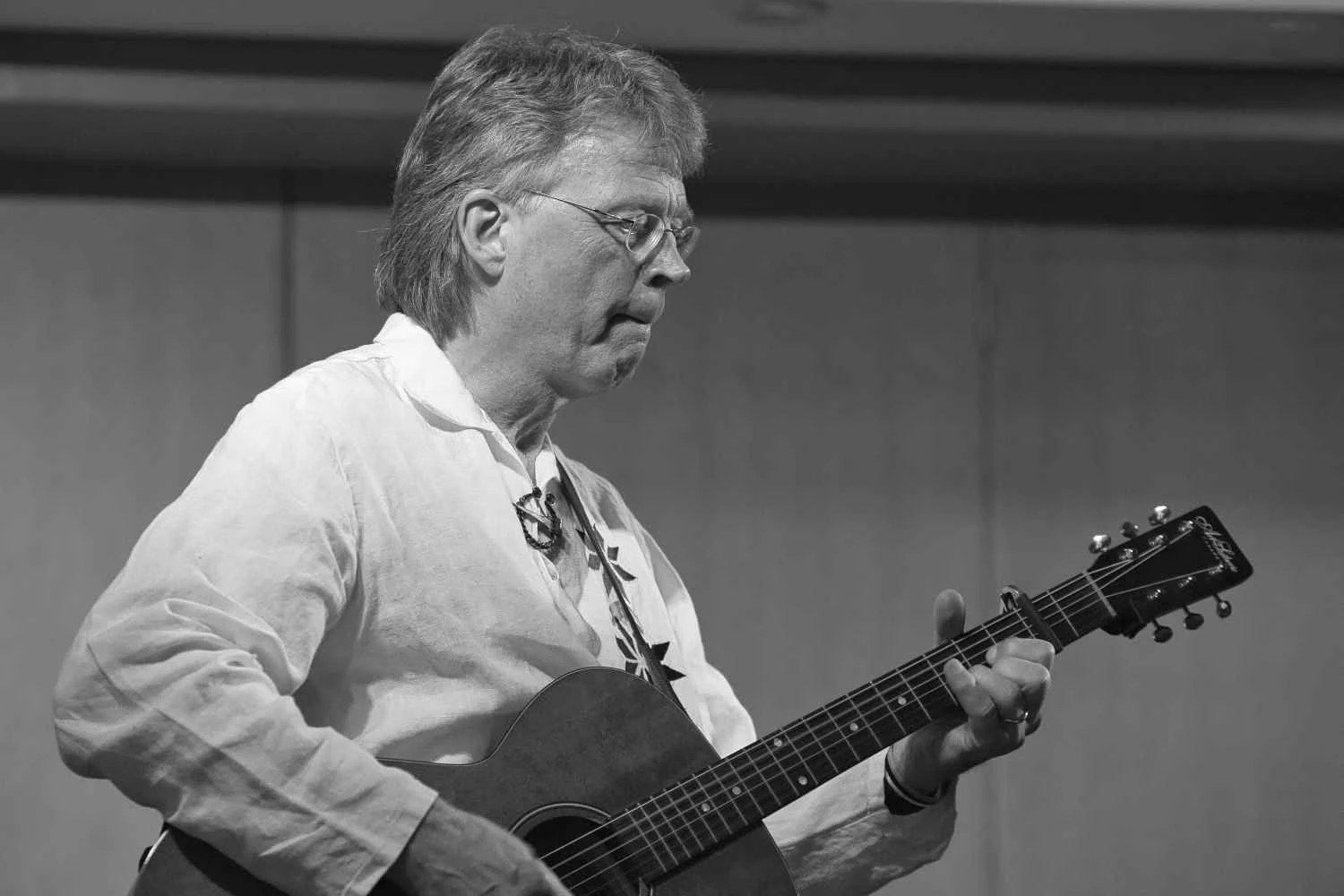
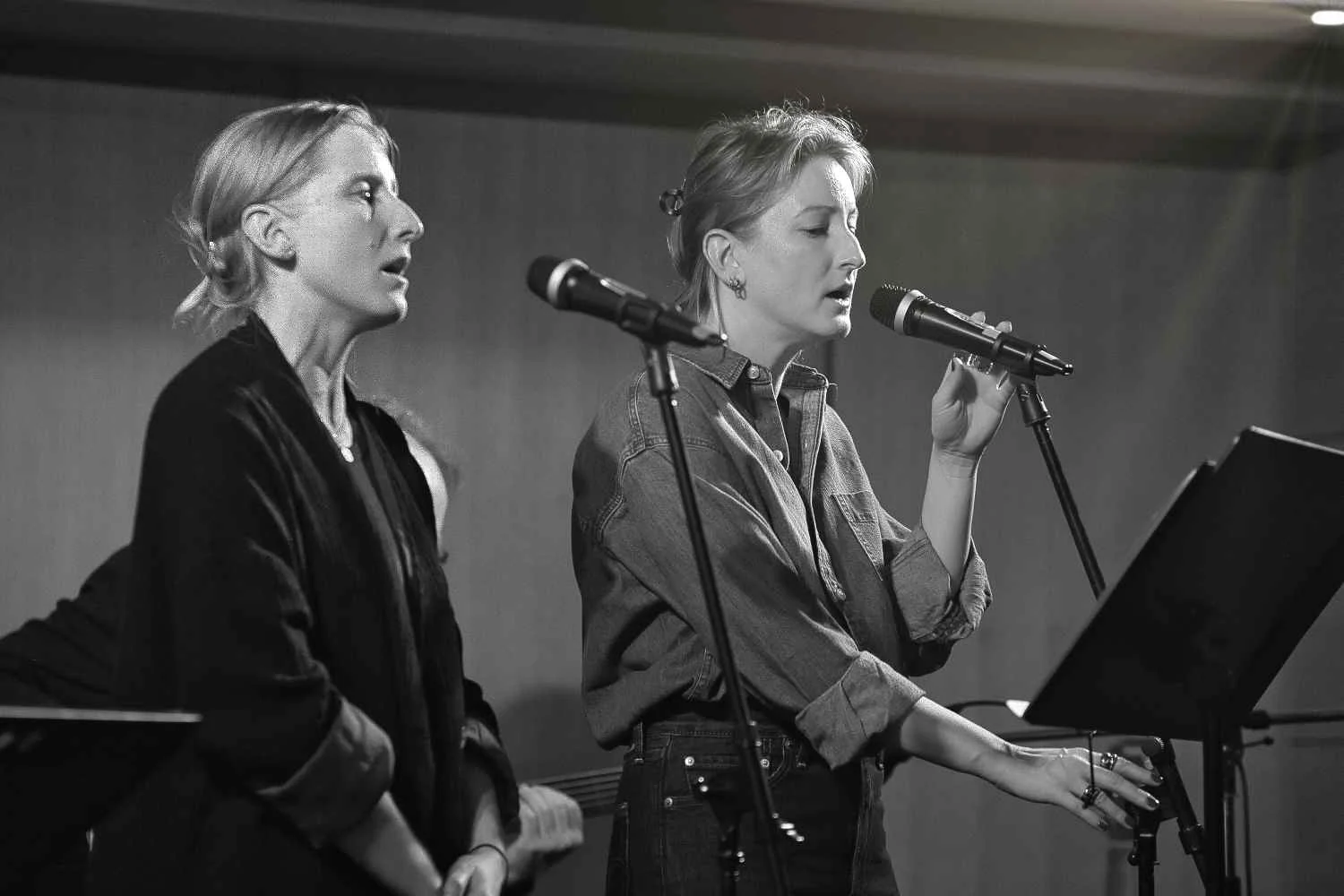
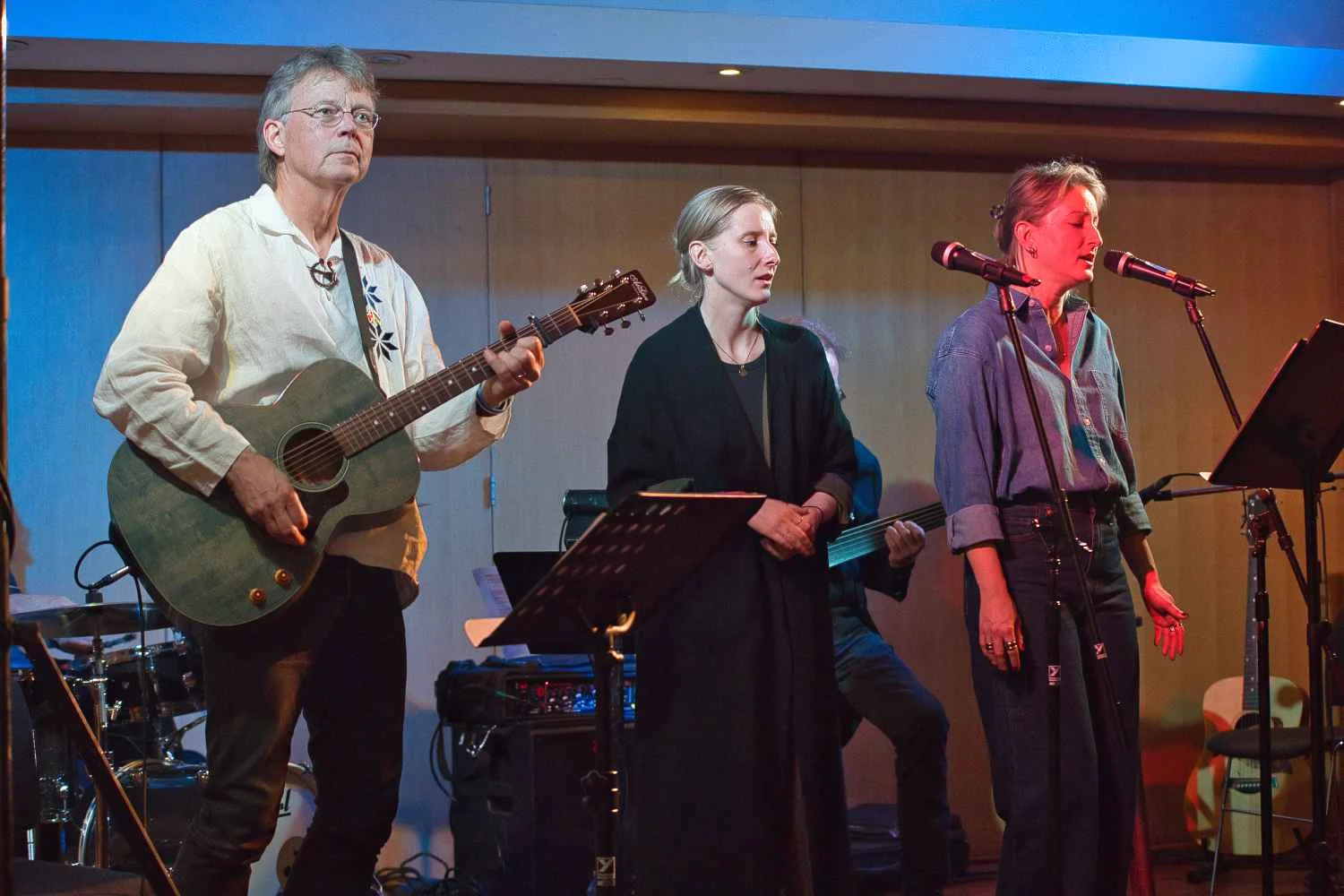
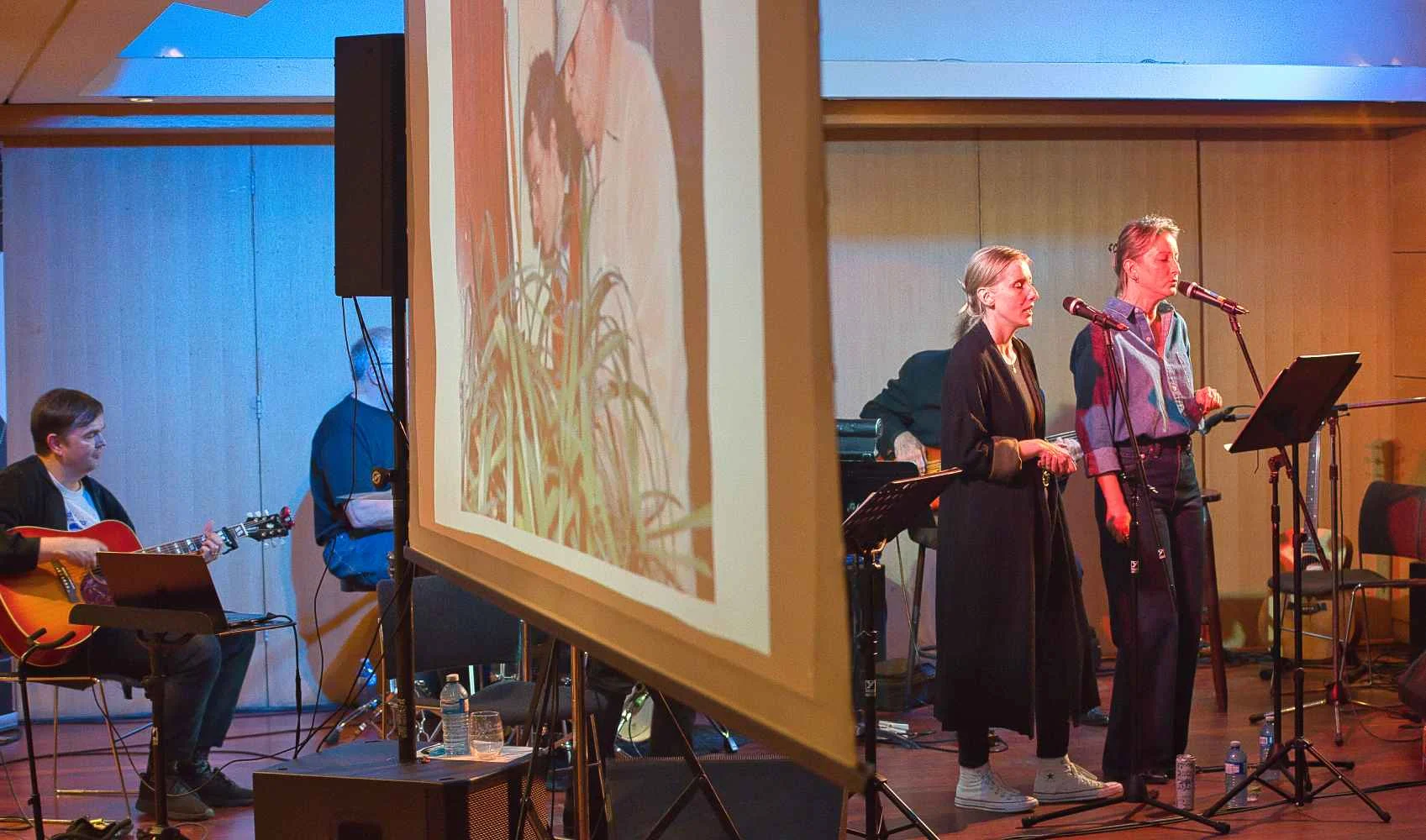
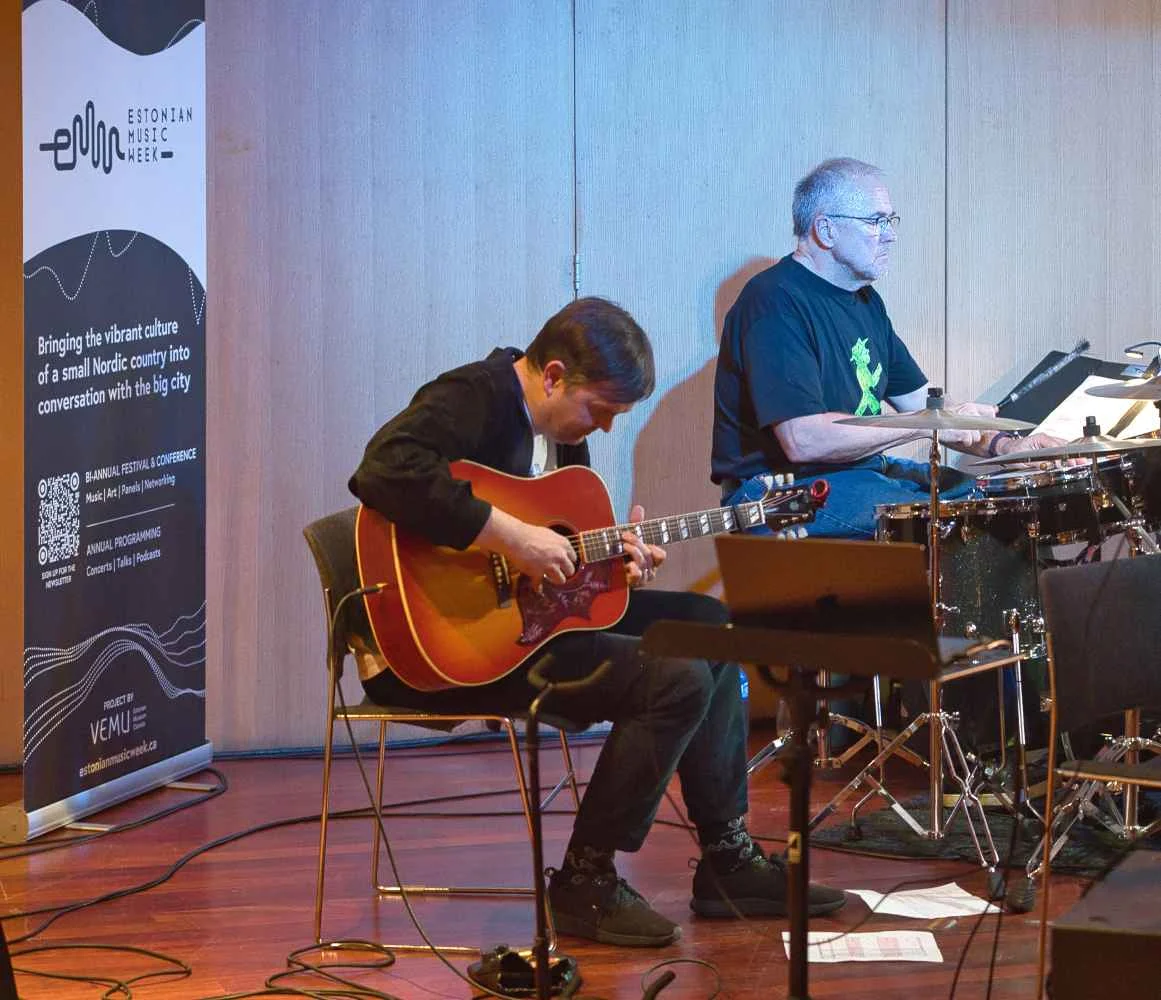
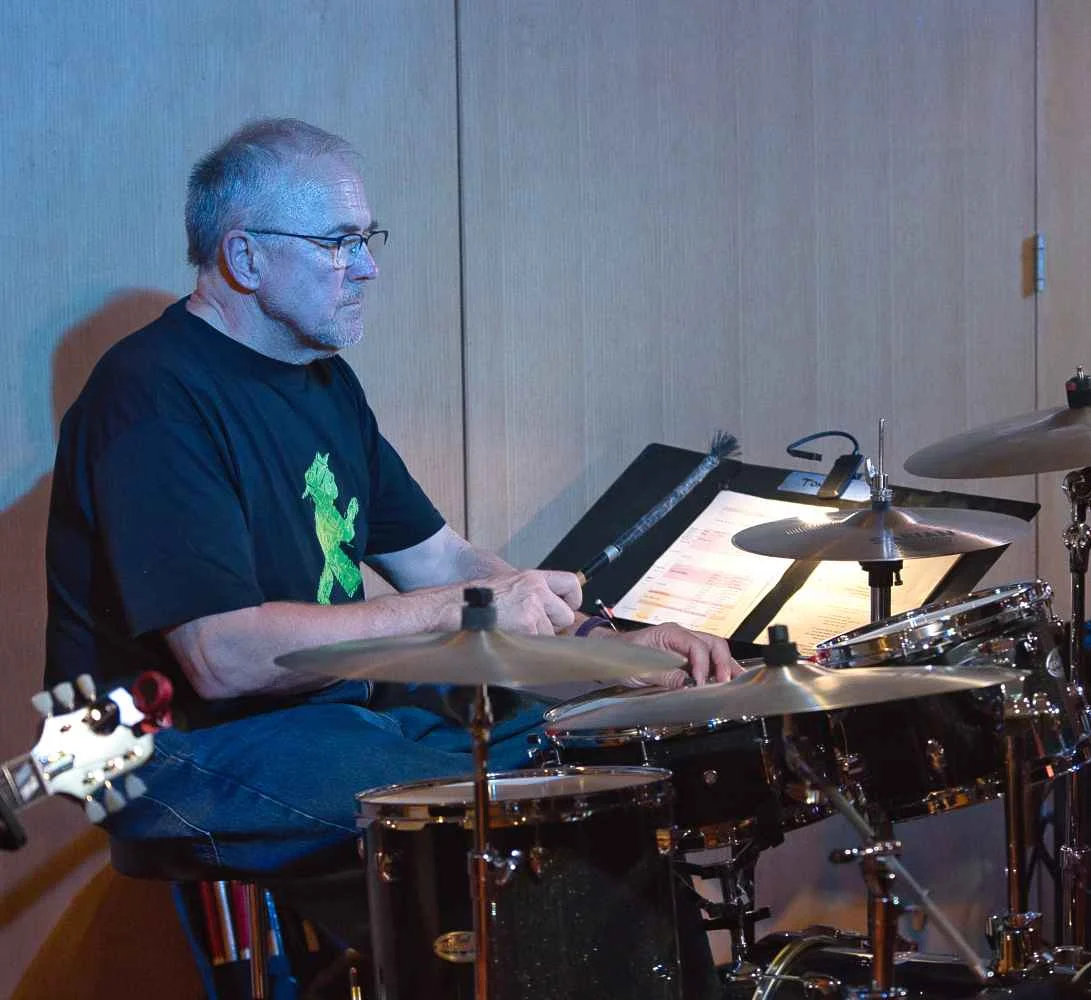
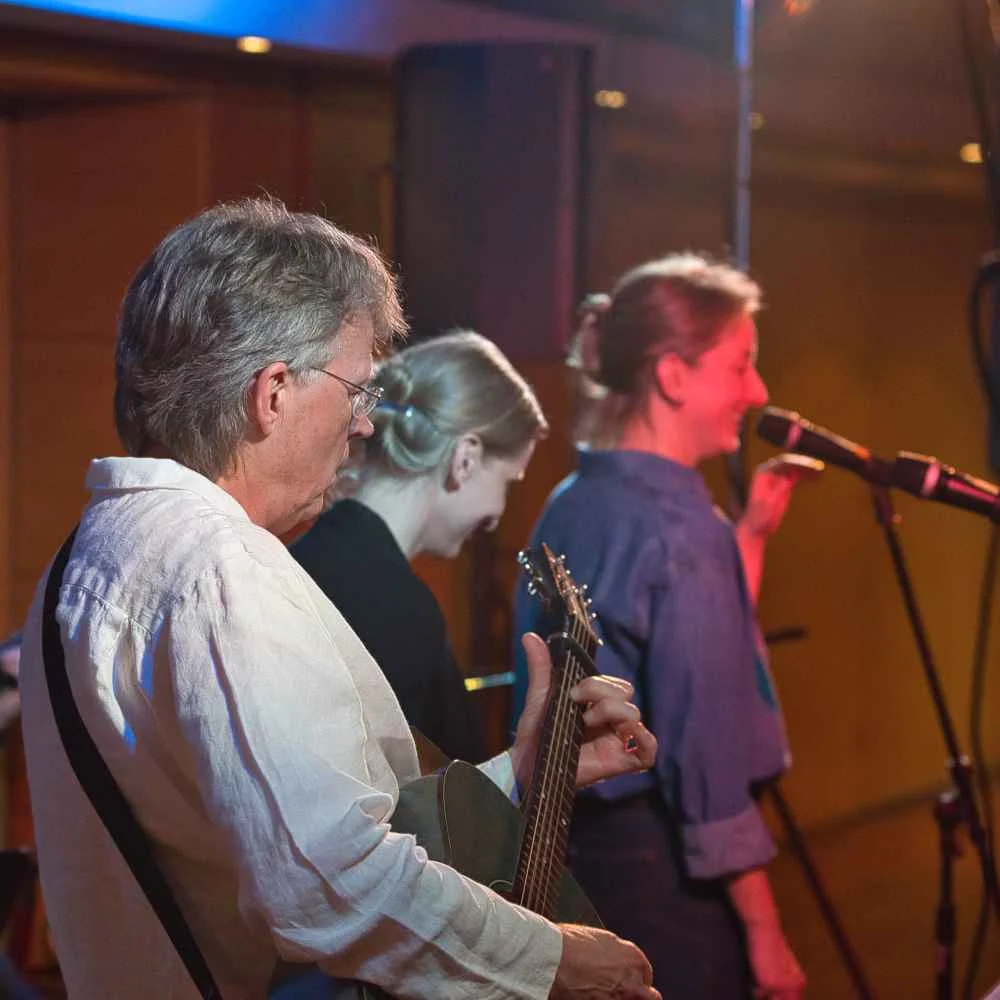
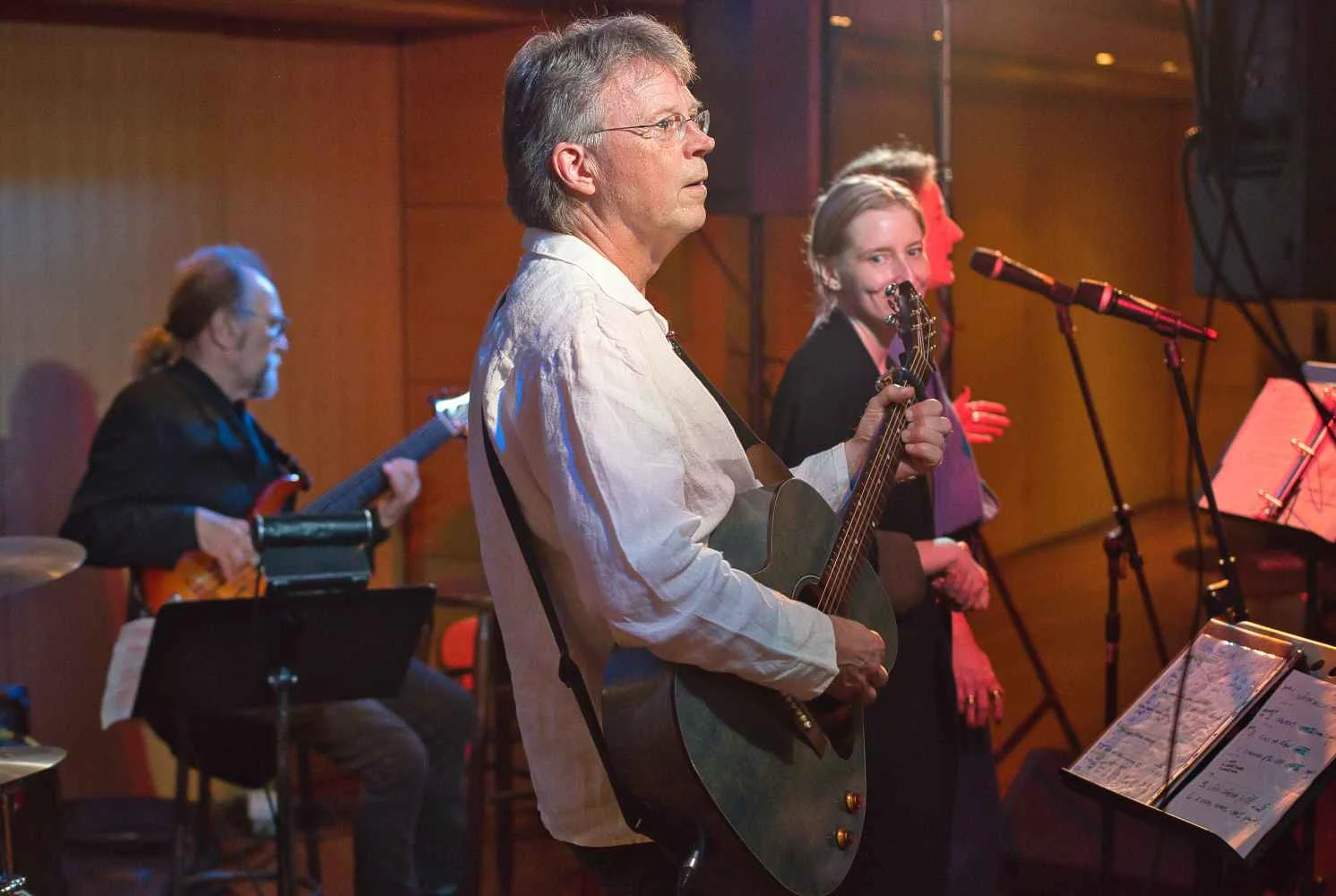
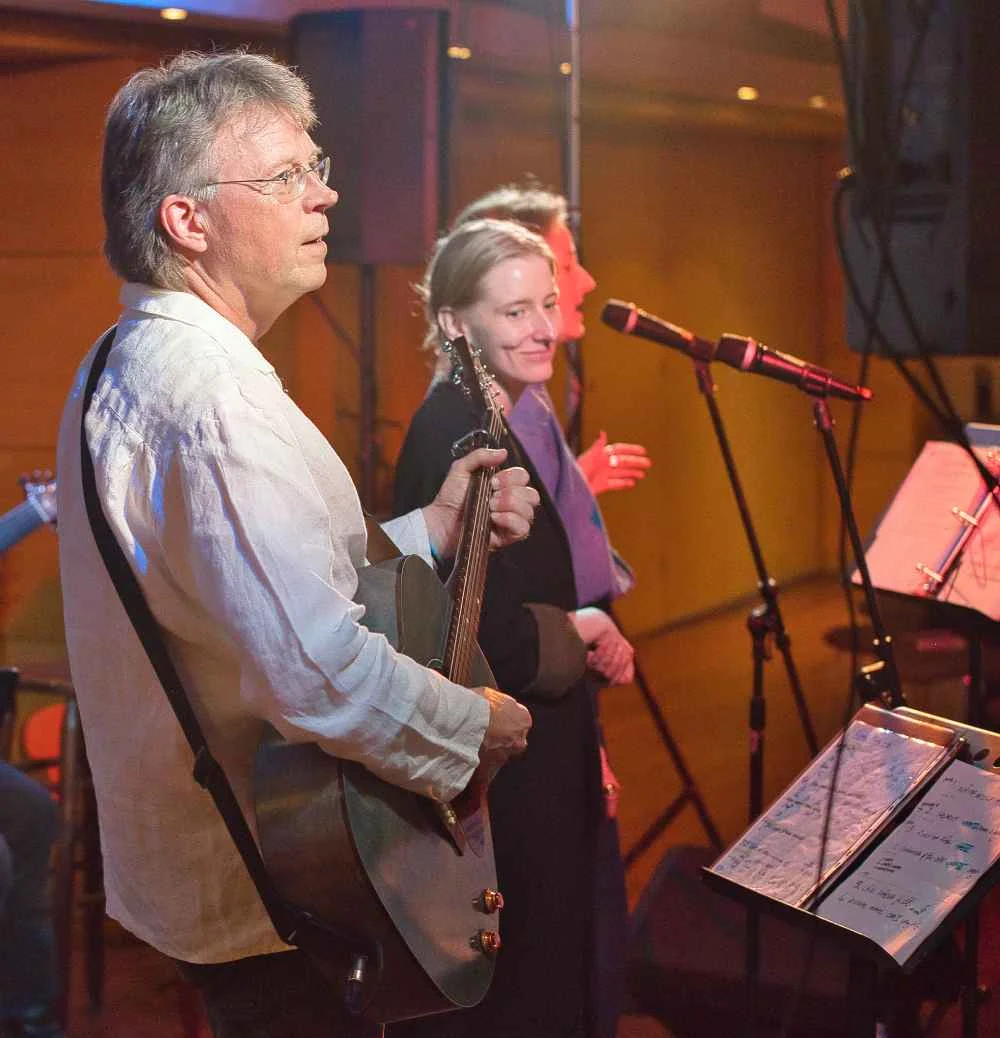
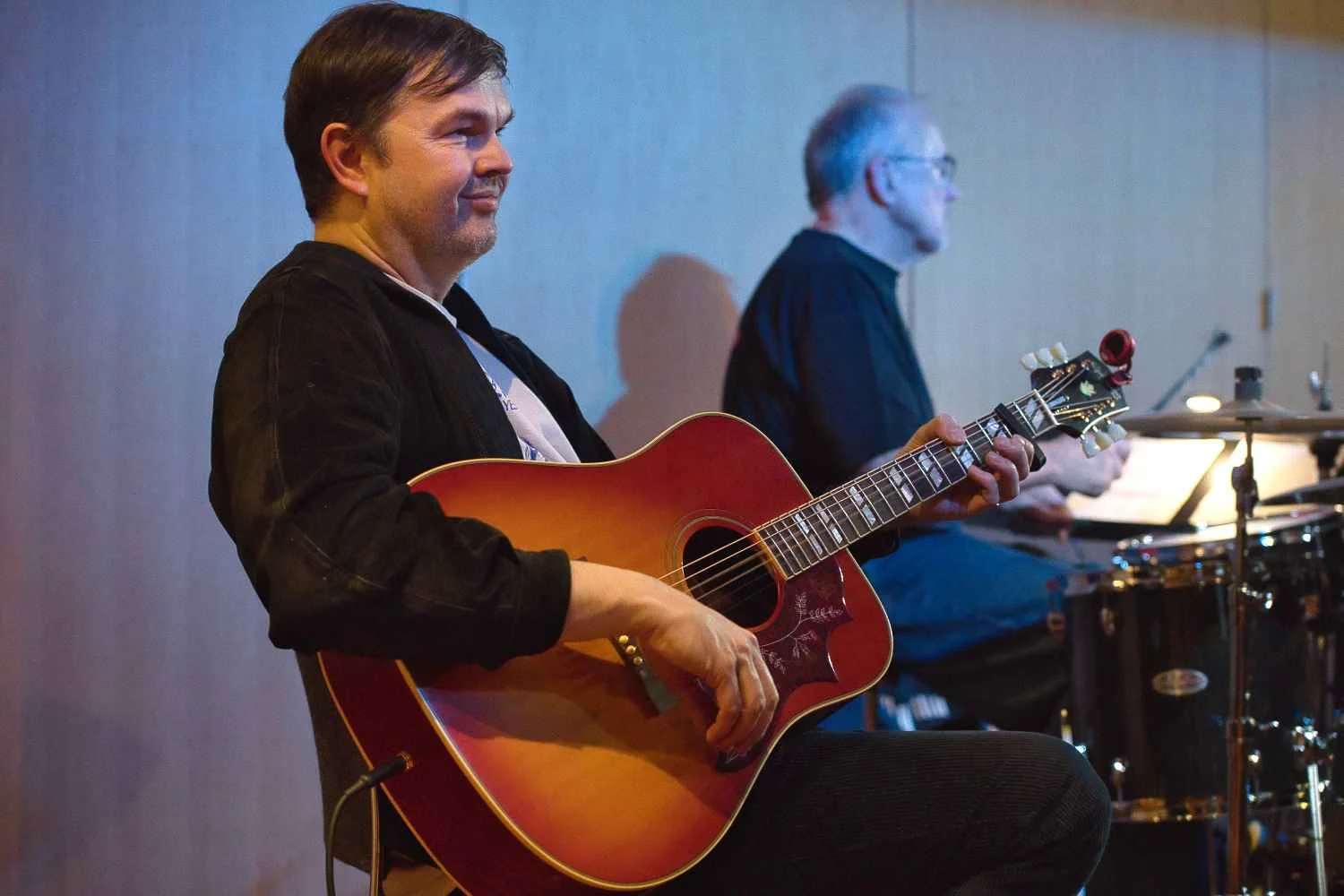
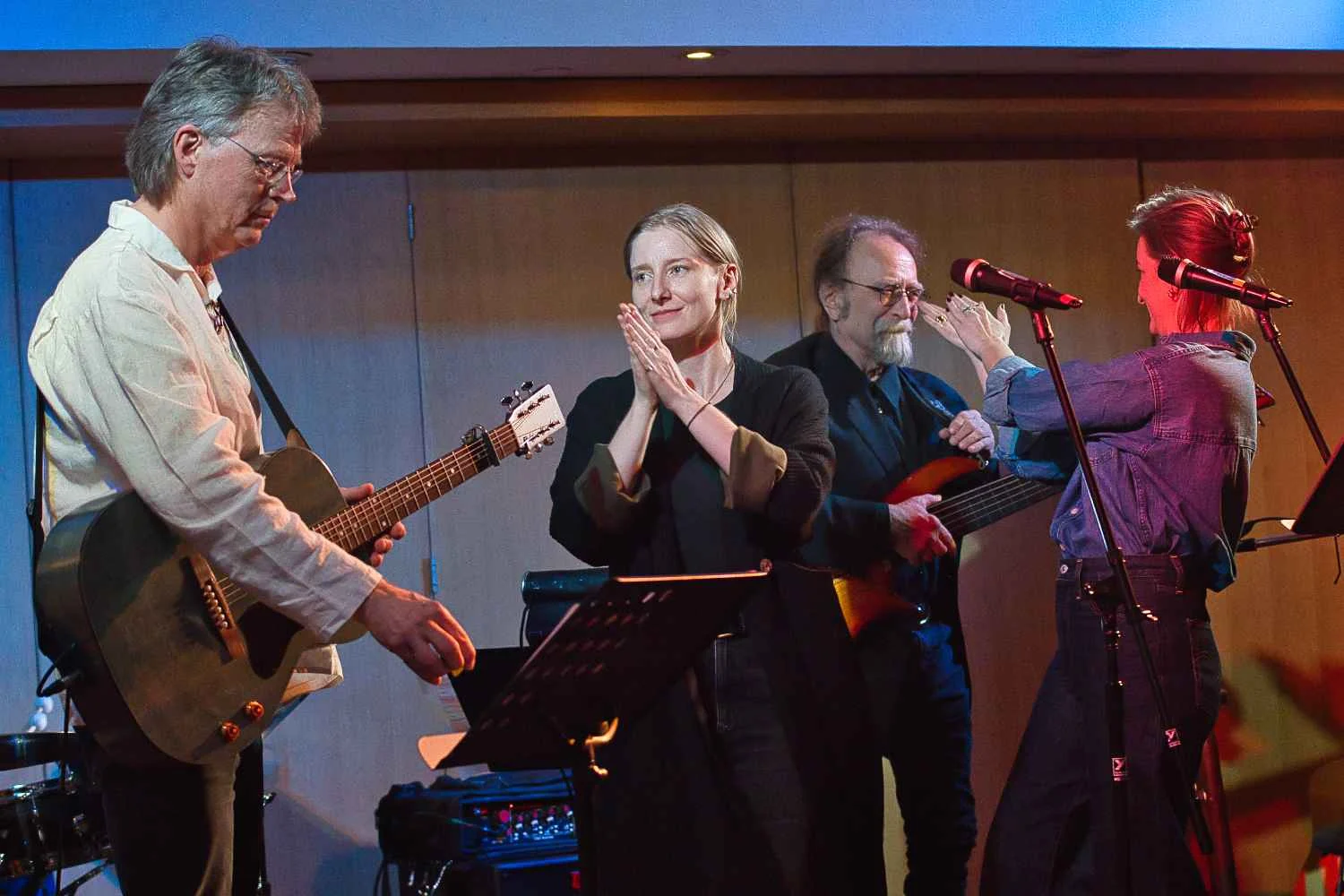
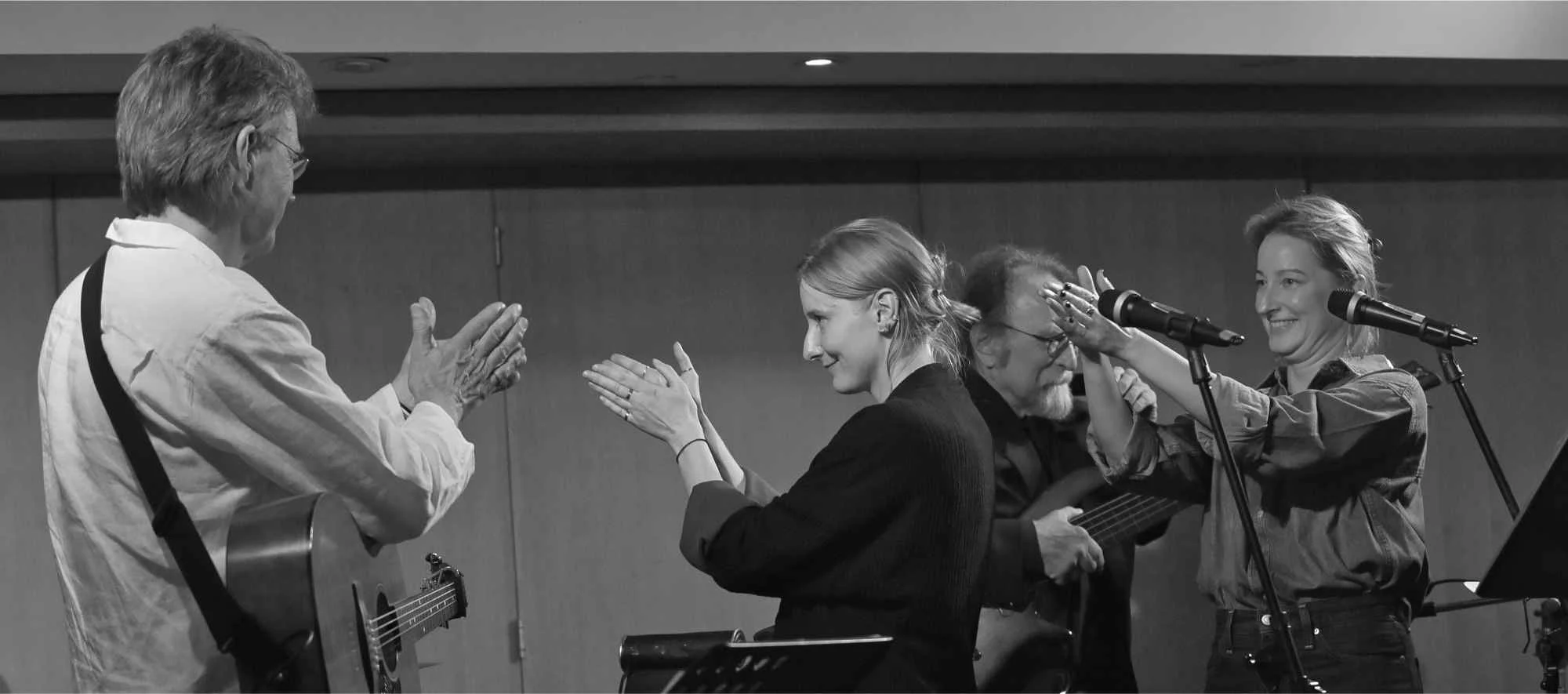
Friday’s daytime sessions then shifted into an evening concert, featuring performances by Tiiu Strutt, Katariina Tirmaste, Olev Muska, Vaiko Eplik, and Erik Laar.
But that was just half of the conference, which continued the following day with lectures (including one by Olaf Kopvillem exhibition curator Keila Kopvillem) as well as live and recorded interviews with community figures. The weekend concluded on Saturday evening with a nostalgic family tribute concert honouring the shared musical impact of Olaf and Peeter Kopvillem.
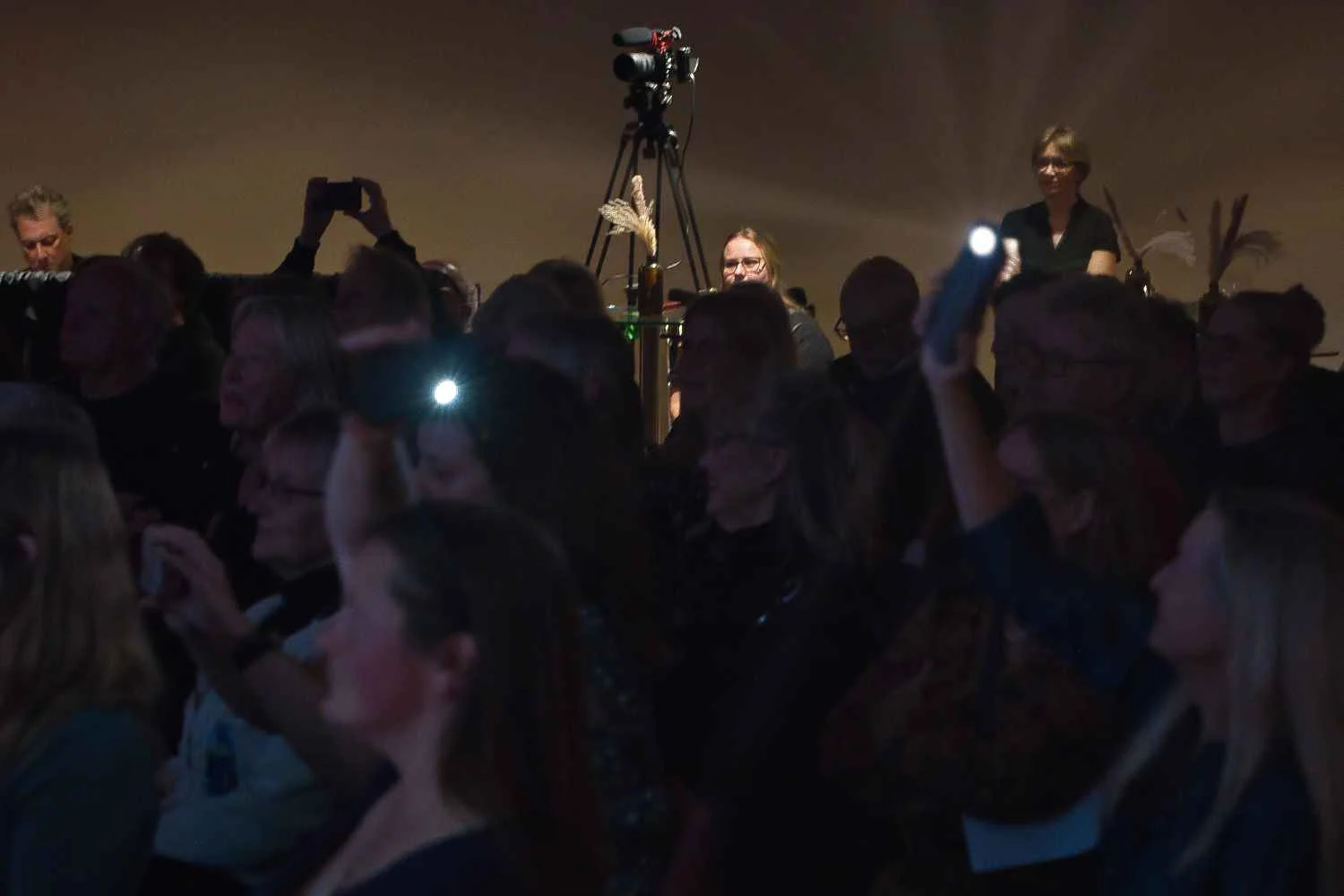
(Click below to view Peeter Põldre’s photo gallery of the conference and be sure to read coverage of the other parts of the weekend elsewhere on eestielu.ca.)
This event was made possible with support from VEMU Estonian Museum Canada, the Eesti Sihtkapital Kanadas/Estonian Foundation of Canada, Eestlaste Kesknõukogu Kanadas/Estonian Central Council in Canada, Integratsiooni Sihtasutus, the Estonian Ministry of Education and Research, and the Embassy of Estonia in Ottawa.
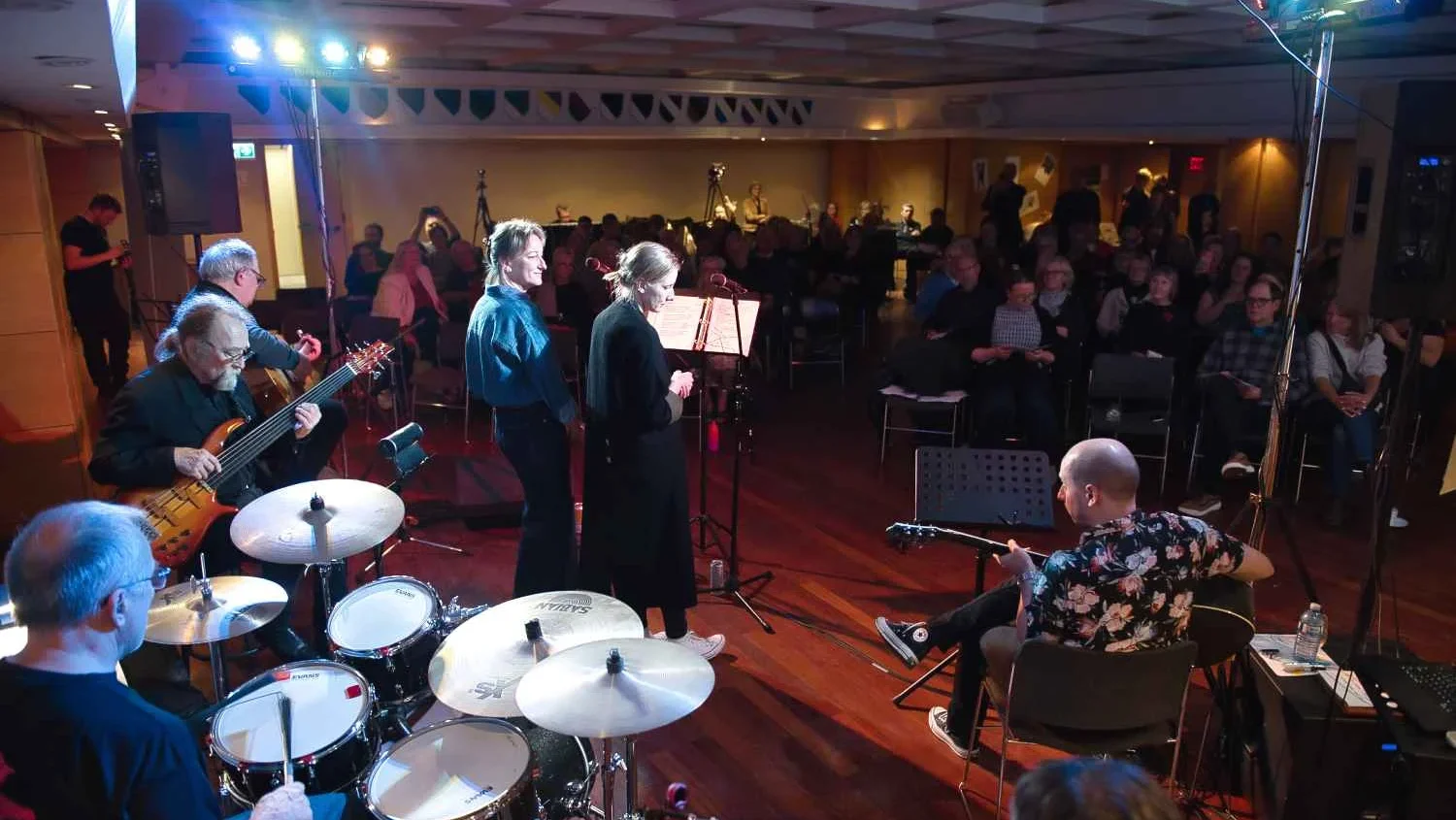
Photo gallery
Photos by Peeter Põldre