Armas, son of Marta and pianist Teofil Maiste, first saw the light of day in 1929. He soon displayed his precocious piano skills, perhaps having inherited some genes from his father. Young Armas, in addition to his piano skills, also developed a life long passion for the excitement of aviation. Little did he suspect that it would not be aviation, but his genius on the keyboard that would lead to travel and fame in concert halls around the world.
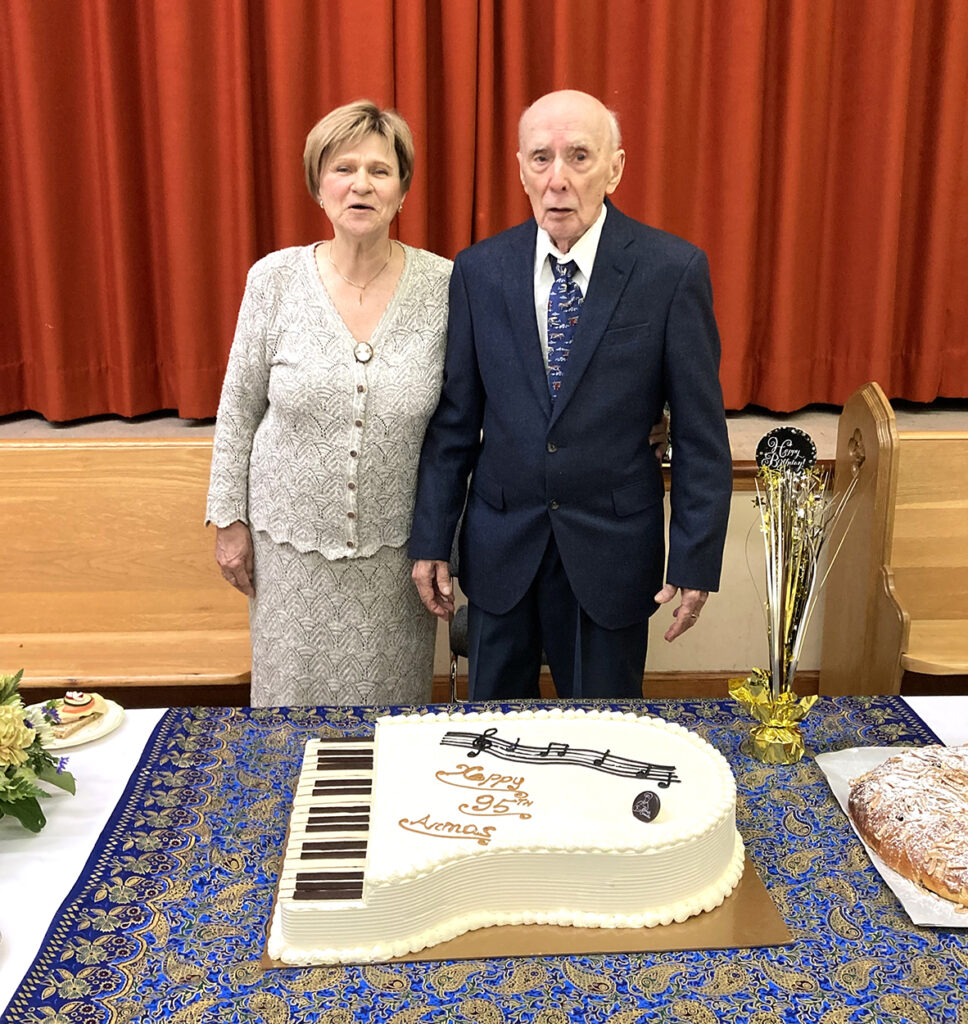
A life that began in Estonia soon took him to Sweden and then to Canada and the cities of Montréal, Ottawa, and Toronto. The departure from Estonia was not by choice, but was one of the consequences of the war when Estonia was invaded in turn by Soviet and Nazi German forces. Armas – with his mother, grandmother, and aunt – fled to Sweden in 1944. There, his musical talent continued to flourish, not only in classical music, but also in newly discovered jazz music. However, life in 1950 took another eventful turn as his family decided to undertake another sea journey: a lengthy ocean crossing to settle in Canada. Armas soon found himself in Montréal, a culturally varied and vibrant city that suited the young piano artist perfectly. Contacts, with other Estonian immigrants who had arrived earlier in Montréal and with people in Montréal’s cultural scene, provided support and impetus to perform as both a classical and a jazz pianist.
His generous personality and unique talent left an indelible mark on all who heard him play, were mentored by him, or were lucky enough to have been his friend.
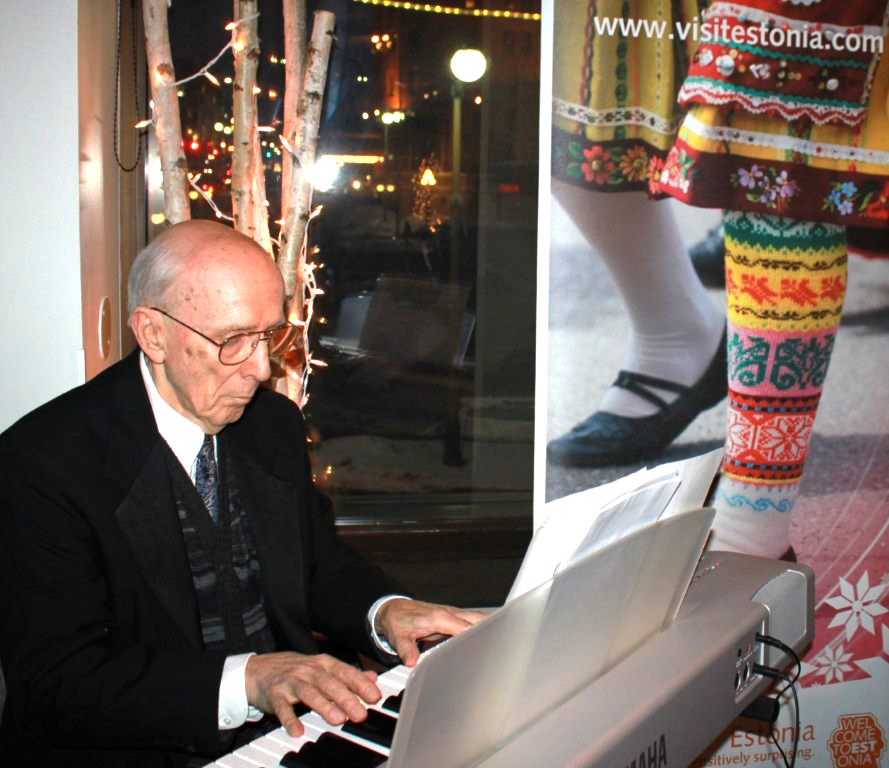
Armas and his piano soon attracted attention and offers to play when it was discovered he had the rare talent of sight reading and mastering even the most difficult of scores, as well as the ability to perform a wide variety of musical styles. Armas started playing jazz in Montréal’s infamous nightclubs of the 1950s and ‘60s, while also becoming a much sought-after classical accompanist. Armas had a long association and performed, not only in Canada, but internationally with the Montréal Symphony Orchestra, Les Grands Ballets Canadiens, and subsequently with the National Arts Centre Symphony Orchestra in Ottawa. He performed on television programs on both the CBC and Radio-Canada. He performed at jazz festivals in Canada and at international festivals such as in Montreux, Switzerland. In addition to his career as performer, Armas taught music in Montréal, where he established the jazz program at McGill University and in Toronto at Humber College. He was a member of and performed with the Society of Contemporary Music and in Ottawa as a member of the National Press Club Jazz Band. Armas, as a true artist, never retired and kept entertaining with his magic and humour at the keyboard into his 90s.
His generous personality and unique talent left an indelible mark on all who heard him play, were mentored by him, or were lucky enough to have been his friend. Apparently Beethoven once had said that there were a thousand princes, but only one of him. Given what Armas achieved as an artist of the piano, we might be allowed to paraphrase Beethoven to say that there may be a thousand or even thousands of pianists, but there was only one Armas.
He will be greatly missed by his muse, musical collaborator, and wife of thirty-seven years, Margit; his daughter Tiina and grandson Jeffrey Matheson; son Jeff and daughter-in-law Jacqueline. He was predeceased by his first wife, Joyce Hahn, and his second wife, Barbara Appleton-Philip, mother of Jeffrey and Tiina.