The Nordic design characteristics of minimalism, natural materials like wood, and spaces that are light and airy result in an uncluttered, refreshed feeling for those who apply it.
In keeping with Nordic design’s close link to the outdoors, and filling out the aforementioned simple visual layout, is the use of house plants. Perhaps you already keep a few in your home. But if not, here are some that will bring clarity to your living spaces.
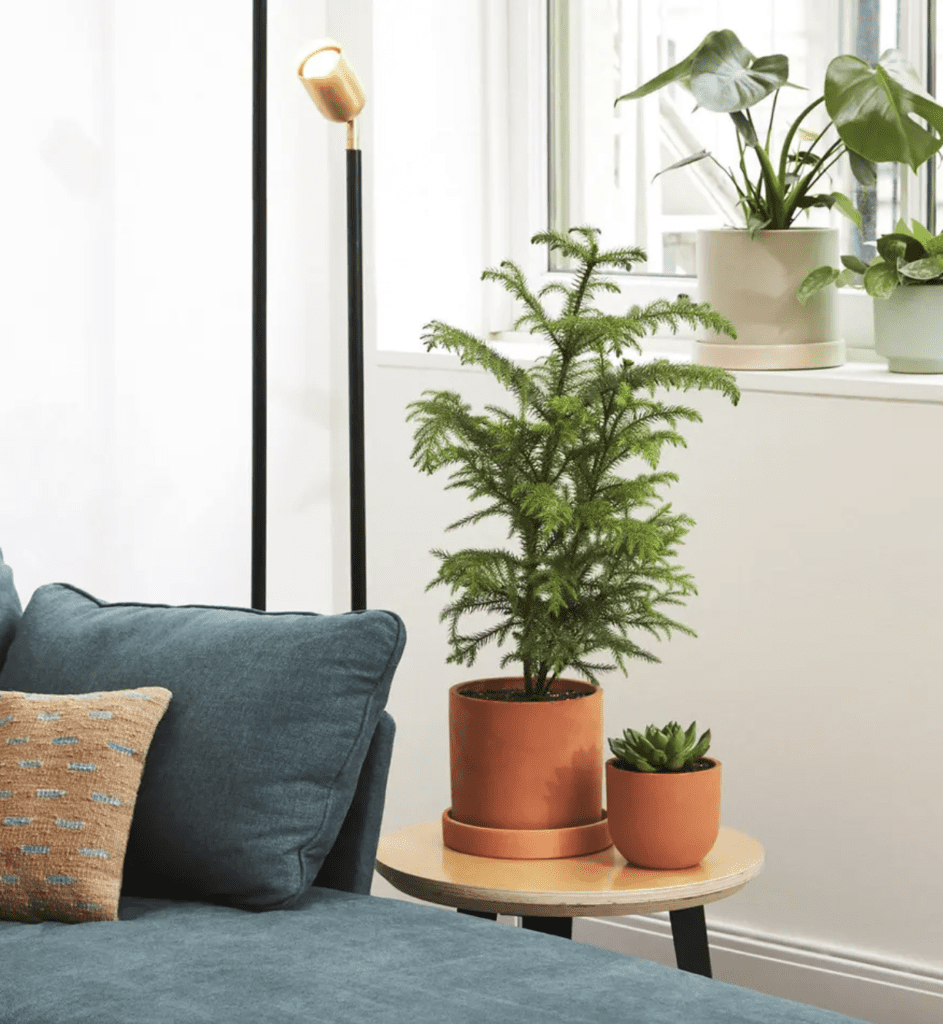
1) Norfolk Island Pine (Araucaria heterophylla): Many house plants are actually tropical plants, not those from cool northern regions. The Norfolk Island pine is no exception; it’s related to the monkey puzzle tree (Araucaria araucana) and the island it’s named after is in the Pacific Ocean, between New Zealand and New Caledonia.
Despite all of this, it does emulate a pine pretty well and is a popular choice for a live, potted Christmas tree. Even if you put ornaments on it, bear in mind the following tips to keep the plant alive.
Water the plant between every one and two weeks, depending on how much sunlight it’s receiving.
Firstly, always keep the plant inside. It doesn’t do well in the cold at all. Keep the plant in a warm, well-lit, humid space, with the aid of a humidifier. Alternatively, you can spray the plant with water twice a week. With regard to the soil, water the plant between every one and two weeks, depending on how much sunlight it’s receiving. You can check to see if the plant needs more water if the top layer of soil has lost all moisture.

2) Ferns: Ferns evoke a Cretaceous Period landscape traversed by Triceratops and Tyrannosaurus dinosaurs. At the same time, in Estonian folklore, they are said to be the source of a magic flower that blooms only during Jaaniõhtu. Lovers seek out this flower and the good fortune (or even fertility) it brings.
Better Homes & Gardens magazine advises gardeners to “stick your finger into the soil about an inch deep” and water the fern if the soil is dry at that depth.
There are over 10,000 different types of ferns, but almost across the board, ample indirect sunlight, a room temperature between 20 and 22 degrees Celsius, humidity, and generous watering are a recipe for successful growing. Better Homes & Gardens magazine advises gardeners to “stick your finger into the soil about an inch deep” and water the fern if the soil is dry at that depth. For feeding, they add that “A little fertilizer once in a while will help your ferns keep up their green good looks. You can add a slow-release fertilizer, or use a liquid houseplant fertilizer at about half-strength about once a month from early spring to mid-autumn.”
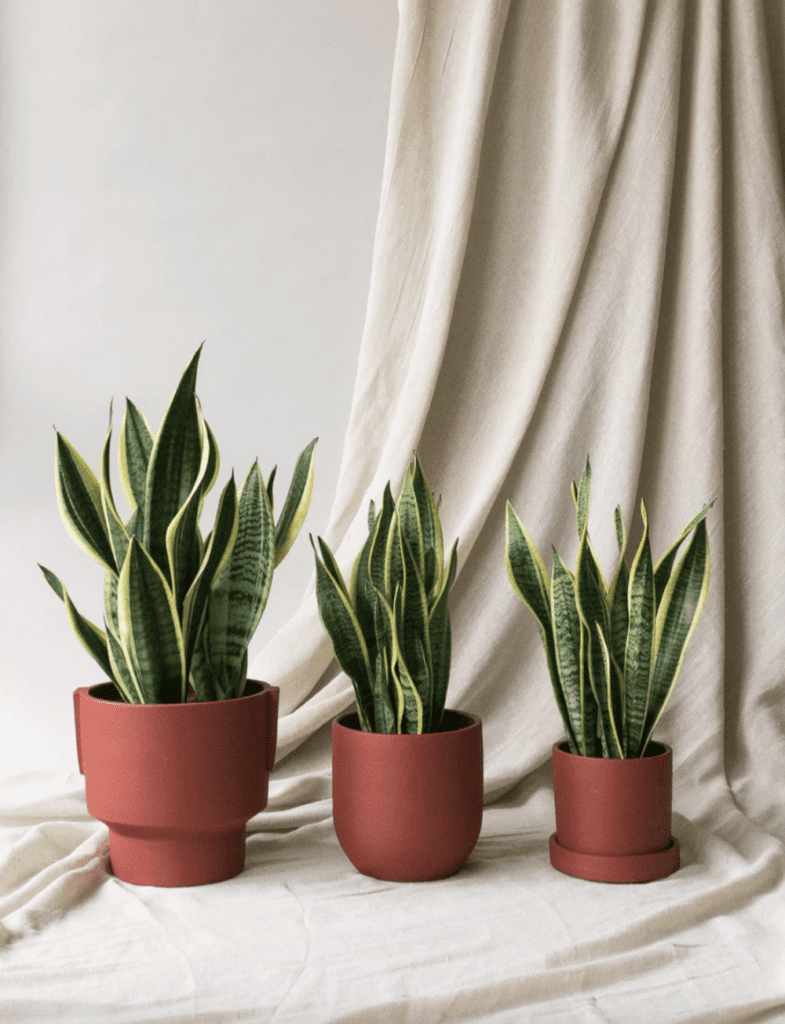
3) Snake plant (Dracaena trifasciata): This is the ultimate house plant for new gardeners with limited time and a tendency to forget about plants. A common tagline for them is that they “thrive on neglect.”
Snake plants, originally from West Africa, are also ideal from a design perspective because of their simplicity. When you’re trying to add a splash of green to the neutral palette of a Nordic room, these plants add it in a sophisticated wave with a point at the top.
It has been suggested by past NASA research that snake plants may remove benzene and formaldehyde from the surrounding air.
There is still scientific research to be done to prove how much plants can actually purify air of volatile organic compounds, but it has been suggested by past NASA research that snake plants may remove benzene and formaldehyde from the surrounding air. This is at least comforting.
To maintain snake plants, online plant store Patch recommends watering the plants every two weeks and keeping the potted plant in a warm place. Moreover, gardeners should occasionally wipe leaves with a damp cloth and “feed with liquid [fertilizer] once a month in spring and summer”.
It doesn’t take a lot to make your home more relaxing, welcoming, and productive when you bring plants into the mix.