In an era of rapid transformation, the most powerful skill to possess can be the ability to pause and rethink. Kadi Metsandi, an experienced coach and diplomat, brings a unique perspective to this challenge. Having facilitated high-stakes conversations from Paris to Vancouver, she argues that our capacity to rewire our cognitive patterns and lead with genuine empathy is a personal development tool and a necessity for thriving in modern society.
Read on for a discussion of intentional thinking, anchored values, and human-centric leadership are helping individuals and communities navigate change with clarity.
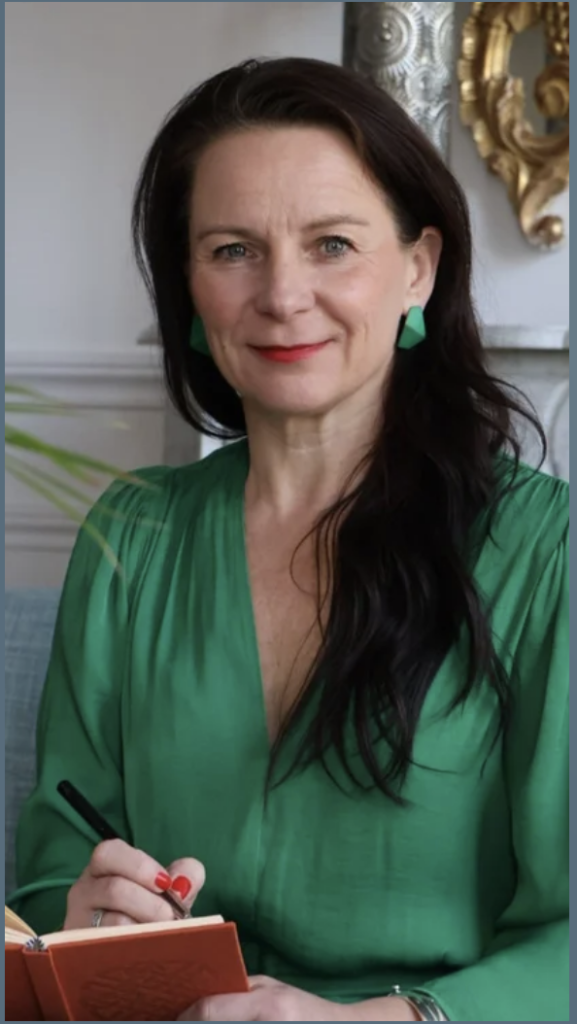
You’ve noted that advances in neuroscience show our brains can rewire throughout life. How does coaching practically trigger this cognitive rewiring?
One of the things I find most encouraging about neuroscience is that it confirms we’re never “stuck.” Our brains continue to change throughout life, which means we can change, too.
That’s one of the reasons I was drawn to the solution-focused approach I learned through Erickson Coaching International, founded here in Vancouver. Instead of spending session after session analysing what’s wrong, we explore where someone wants to go and what strengths they already have to get there. I’ve seen how a simple shift in perspective can unlock possibilities people genuinely couldn’t see before.
“Often the breakthrough comes from a simple question: ‘What do you really want? What’s already working? What’s one small step you could take?‘”
(Kadi Metsandi)
My role is not to give answers. It’s creating the safe space for people to hear their own thinking more clearly. Often the breakthrough comes from a simple question: “What do you really want? What’s already working? What’s one small step you could take?” Those moments of awareness, followed by consistent action, are where real change begins.
I’ve experienced that myself. Coaching challenged assumptions I didn’t even realize I was carrying. It helped me let go of patterns that no longer served me and to become much more intentional about how I lead and make decisions.
As AI automates more technical tasks, you argue that empathy and authentic leadership are becoming our greatest competitive advantages. How should professionals approach career growth?
Indeed, we have entered a time where next to technical expertise, emotional intelligence plays a pivotal role.
During more than twenty-eight years in diplomacy, I learned that the most important conversations were rarely about having the smartest solution. They were about creating trust, listening well, and helping people find common ground, especially when the stakes were high.
Earlier this year, I facilitated a leadership session in Paris for senior diplomats. What struck me wasn’t a lack of capability. Quite the opposite—the room was full of highly accomplished people. What had quietly become normal, however, was operating under constant pressure without stopping to ask what it was costing them. Once that was acknowledged, the conversation became much more honest. They didn’t need another leadership model; they needed the space to think differently.
As technical expertise becomes more accessible, leadership will increasingly be defined by our ability to build trust, navigate complexity and bring out the best in others.
Navigating rapid change can create identity drift. How can the Estonian-Canadian community stay anchored while embracing the future?
I think identity becomes stronger when it’s something we actively live rather than something we simply look back on.
Having lived and worked in different countries, I know the experience of balancing different cultures while wanting to stay connected to your roots. It’s something many people in diaspora communities understand.
When I facilitated a visioning workshop with the Vancouver Estonian community last April, we deliberately didn’t begin with questions about finances or buildings. We began with people. We asked what the community is like at its very best, why it matters, and what we hope future generations will experience.
What struck me was how quickly the conversation shifted. Once people reconnected with what mattered most, they stopped talking about what could be lost and started talking about what they wanted to create together. People spoke about belonging, roots, culture, connection, and legacy. Once those shared values became visible, it became much easier to imagine a future built on them.
What’s the biggest challenge in aligning a community’s legacy with its future aspirations?
I think the biggest challenge is that communities sometimes feel they have to choose between honouring the past and embracing the future. I don’t see it as an either-or choice. The real challenge is preserving the values that shaped the community, combining from different generations, while allowing the way we express them to evolve.
During the Vancouver workshop, we first explored the values people wanted to carry forward. Only then did we invite participants to imagine the community twenty-five years from now. That changed everything. Instead of debating what should stay the same, people started talking about the future they genuinely wanted to create together.
Dividing my life currently between Vancouver, Paris and Muhu Island has taught me that every community is constantly writing its next chapter. The strongest communities aren’t the ones that resist change; they’re the ones that stay anchored in their values while remaining open to new possibilities. When people—combined from different generations—have the opportunity to shape that future together, change stops feeling like something to fear and becomes something they own.
“Young people are making decisions about their careers, confidence and identity much earlier than we sometimes realize. Helping them build self-awareness and emotional intelligence at that stage creates a foundation they’ll carry throughout their lives.”
(Kadi Metsandi)
What’s the most common blind spot you see in clients navigating work-life balance or major career transitions?
Many people come to coaching believing they need to manage their time better. Quite often, that’s not the real issue.
From the outside, many look highly successful. Yet privately, they tell me they’re exhausted or no longer recognise themselves in the life they’ve built. One of the most rewarding parts of coaching is watching that perspective change. Instead of asking, “How do I fit more into my day?” people begin to reflect and ask, “What actually matters? What kind of life and leadership do I want to create?” That’s why I describe myself as a thinking partner. We all benefit from having someone who creates the space to think more clearly than we can on our own. Just as in diplomacy, coaching is built on trust and strict confidentiality, allowing people to explore difficult questions openly and honestly.
I also believe these conversations should start long before someone reaches an executive role. Last November, I facilitated a resilience workshop for students at Fairleigh Dickinson University in Vancouver. Young people are making decisions about their careers, confidence and identity much earlier than we sometimes realize. Helping them build self-awareness and emotional intelligence at that stage creates a foundation they’ll carry throughout their lives.
[Editor’s note: If this conversation resonated, Kadi offers a free 30-minute session to explore working together. You can reach out at kadi@metsandicoaching.com , visit www.metsandicoaching.com , or contact her through WhatsApp at +372 566 85102 . As of mid-August Kadi will start a new chapter, and at the same time continue working with coaching clients across the globe.]