By early 2024, the leading Estonian data collection and analysis agency, Kantar Emor , had completed an integration monitoring study for the year 2023 (in Estonian here). One part of the study dealt with how people who had immigrated to live in Estonia since 2013 were fitting (or not) into Estonian society. An article on this topic was written by one of the study’s authors, Jaanika Hämmal, M.A., in the March 9th, 2024 edition of Postimees. The study covered three groups: men and women who were citizens of European Union (EU) countries and had moved to Estonia, those who had come to Estonia from countries outside of the EU, and war refugees from Ukraine.
It also crosses my mind how many of the immigrants from outside of the EU are from countries like Syria, Sudan, and Afghanistan, with which Estonia would compare very favourably. Food for thought.
The results are positive. 85% of immigrants were satisfied with their lives as a whole, compared to 77% of permanent residents (including citizens) of Estonia. The age of the immigrants is less than that of the permanent residents and their level of education is higher. Among these immigrants to Estonia, the largest group from within the European Union comes from Finland. It also crosses my mind how many of the immigrants from outside of the EU are from countries like Syria, Sudan, and Afghanistan, with which Estonia would compare very favourably. Food for thought.
79% of the immigrants rate the quality of their lives as better than the country from which they came. The two factors which stood out about the quality of their lives were a “safe and stable environment” (68%) and “clean nature or environment” (54%).
The immigrants from European Union countries also note quick and easy government bureaucracy, compared to that of their former countries. The major negative factor (no surprise here) is Estonia’s climate and the darkness of autumn and winter. However, learning Estonian is also difficult for immigrants and two thirds of them have only a passive understanding of Estonian. In this respect, the immigrants are significantly behind the non-Estonian speakers who are permanent residents of Estonia.
Two thirds of the immigrants valued highly the friendliness with which they were received by government offices, but a sizeable group comes into contact with unequal treatment by their employer or fellow employees.
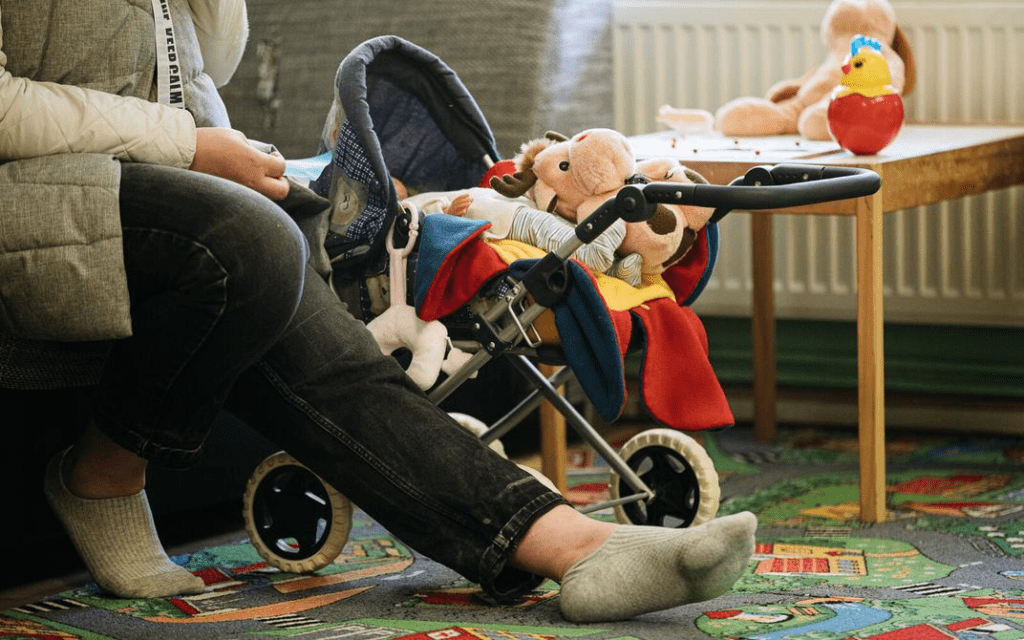
A group of newcomers whose settling in Estonia has not gone smoothly are the refugees from the war in Ukraine. They have more difficulty finding employment, are less satisfied with the salaries they receive, and have difficulty finding housing. Despite the difficulties, 63% of the refugees from Ukraine say their adaptation to life in Estonia has gone “well.” The author of this article notes that non-Ukrainian immigrants did not mention the lack of or high cost of housing as being negative factors in coming to Estonia. There is no discussion in Estonian society about local or state governments needing to build social housing for immigrants. Also, non-Ukrainian immigrants did not mention difficulty in finding work in Estonia.
At least half of all respondents say they are willing to perform unpaid volunteer work to give something back to society.
Despite Estonia having clawed itself out of the Soviet abyss 30 years ago, it is a huge compliment to Estonians to have built a country where two-thirds of all immigrants state that they would like to tie, for a longer period of time, their lives to Estonia. Whether living in Estonia permanently or commuting regularly between Estonia and their native country, 71% of polled immigrants state that they have trust in institutions such as local government, the police, courts, and the healthcare system. At least half of all respondents say they are willing to perform unpaid volunteer work to give something back to society.
Can it get much better than this? Or perhaps the right question is: will these positive answers change if nationalist-conservative parties like EKRE and Isamaa return to power in Estonia?
From 1944 to 1991, Estonians were often not positively disposed toward immigrants because “immigrant” meant an occupier sent from the Soviet Union to dilute the Estonian population. It is a huge accomplishment for Estonians to have made immigrants to Estonia feel at home, because finally Estonians are feeling secure in their own country and are proud to show people from around the world how they have transformed Estonia over 30 years.