Estonia had achieved independence in 1918, but by 1940 after the signing by Germany and Russia of the Molotov-Ribbentrop pact, Estonia was placed into the Russian sphere of influence. Using this as an excuse, the Russians chose to occupy the country in 1940 and in the process, began to arrest, deport and execute thousands of Estonians, many in various high-ranking government and military positions.
In late 1940, my father, Rudolf Orav, had been detained and placed on a prison ship bound for Leningrad (now St Petersburg) Russia. Thanks to some stormy weather, the ship ran aground and most on board were able to escape.
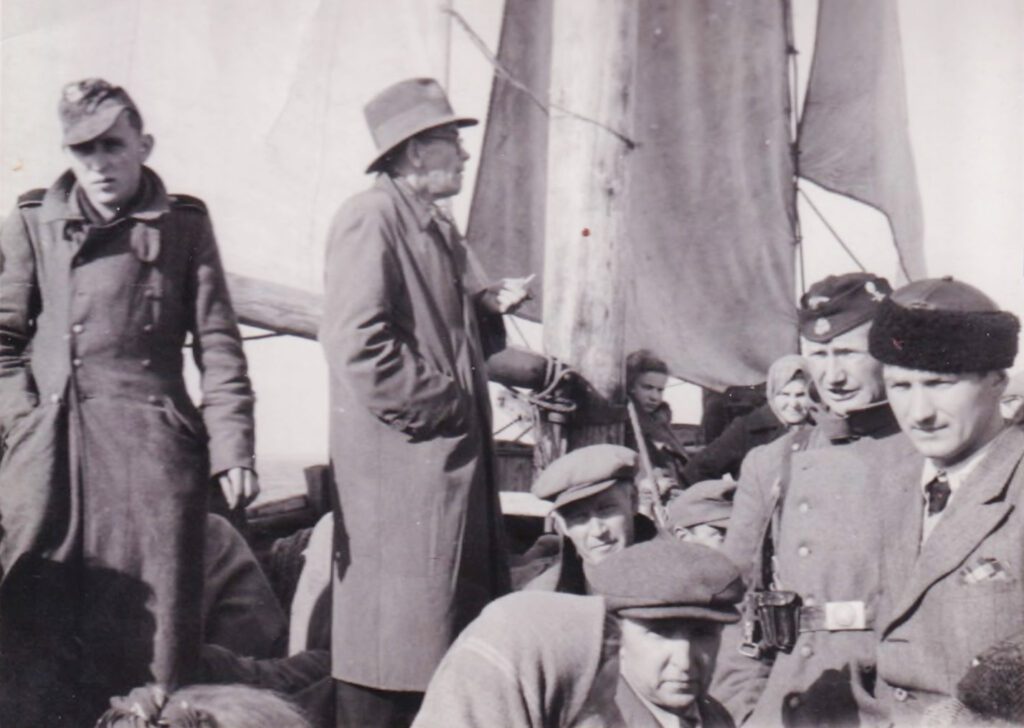
In 1941, Hitler chose to ignore the previously mentioned pact and began his campaign to conquer Russia. The Baltic states, including Estonia, were occupied and the Russian forces were driven out. While the German occupation was also related to significant ethnic cleansing, with the detainment and execution of many Estonian Jews, Estonian Gypsies, Russians, the vast majority of Estonian Christians felt a greater degree of Security than during the previous Russian occupation. At least my parents were able to lead a more normal, if precarious life during this occupation.