A packed theatre at Toronto International Film Festival’s Short Cuts 2024 Programme 01 bore witness to these desires in a succession of eight short films, with representation from Estonia among the program. Setting the tone for the night was Malin Ingrid Johansson’s film Däck 5B (Deck 5B), in which a woman en-route to a vacation with her son and her new boyfriend has to balance the demands of family and the pull of budding romance. Here, as the son runs away aboard a car ferry, audiences are shown the chasm that stands before a parent when they seek out something for themselves.
We are left to question whether anything, including gestures of kindness, is secure from cold prejudice and arbitrarily applied power.
Looking at desire from the standpoint of freedom and security is Halima Elkhatabi's film Fantas, about a young woman bringing her horse from the countryside to an urban setting. Here, she brings joy to local kids who interact with and watch the graceful animal walk around. Adding naturalistic flow to the rigid surroundings, the kids talk to the horse and braid the hair of the mane. But this peace is shattered when two police officers come by and attempt to take the horse away from the woman. We are left to question whether anything, including gestures of kindness, is secure from cold prejudice and arbitrarily applied power.
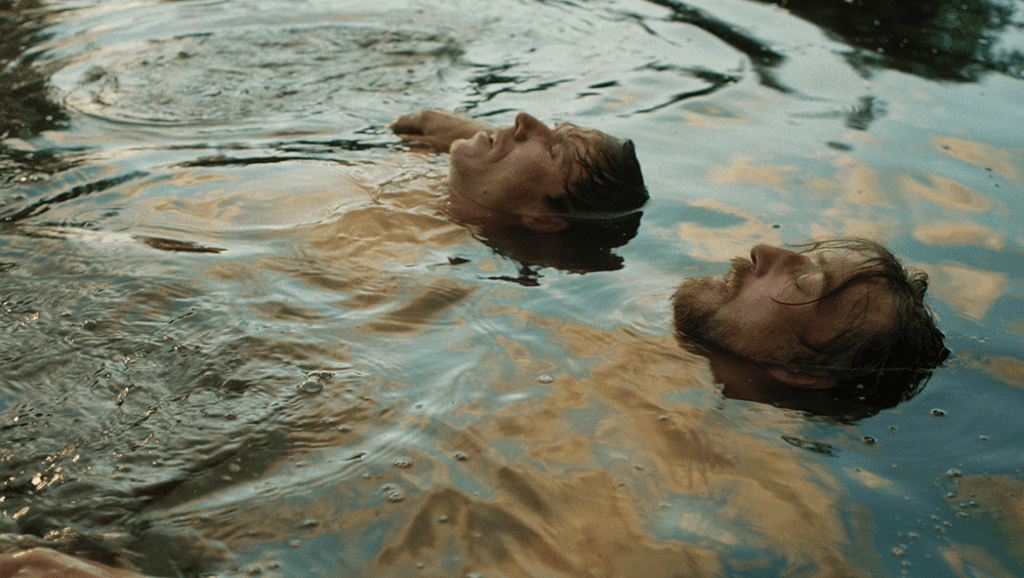
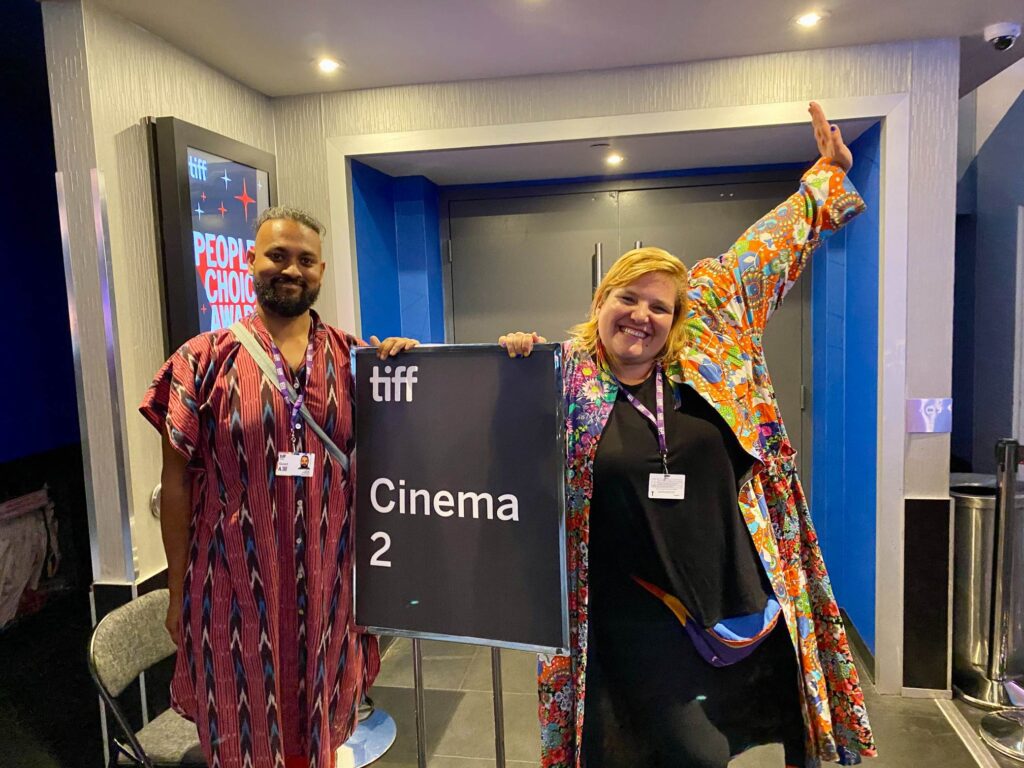
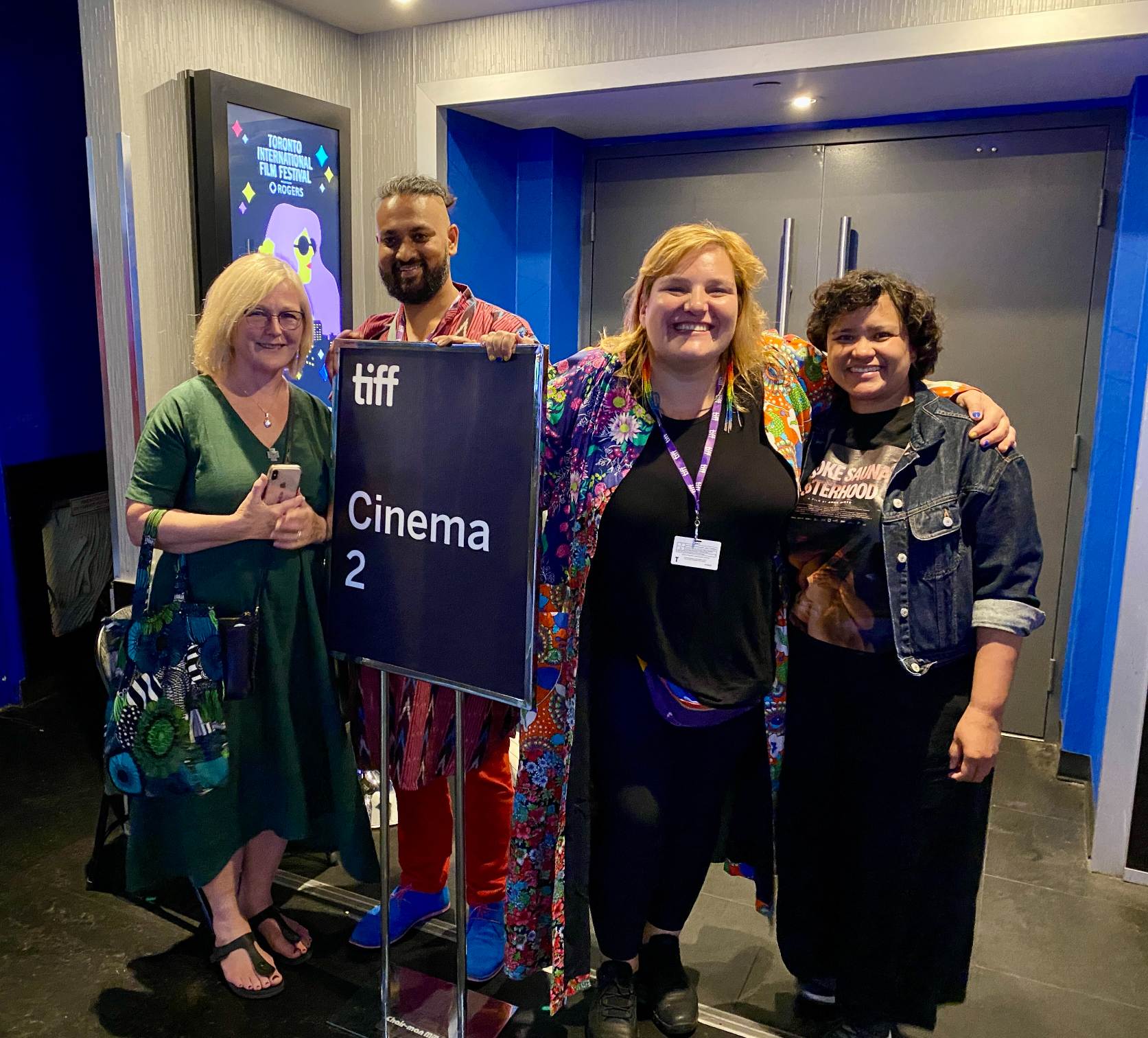
Representing Estonia are co-directors Anna Hints and Tushar Prakash, presenting their short narrative film Sannapäiv (Sauna Day) on three occasions at the festival. Previously, Hints’ 2023 documentary Savvusanna sõsarad (Smoke Sauna Sisterhood) won the World Cinema Documentary Directing Award at Sundance Film Festival and Best Documentary at the European Film Awards, among other awards and nominations. At TIFF 2024, these ideas evolved, with a story of two men shielding their connection to one another within a Võro smoke sauna – “savvusann” in the local language.
As a large group of men fill the savvusannand the steam blasts to the ceiling, talk hovers over construction, fixing up a roof; the kind of conversation that would fit into a conventionally macho social setting. As the heat becomes too much, all but two men remain in the savvusann. In the concluding ritual of the savvusann, a viht, a tied-up bundle of branches, is soaked in water, ready for the men to beat each other’s skin. One man lies down on the lava, the sauna bench. And with the camera turned away from the thwacking of branches, the nature of the ritual is left to the interpretation of viewers.
The ambiguity of the film’s scenes allow for a viewer to see what they wish to see in it.
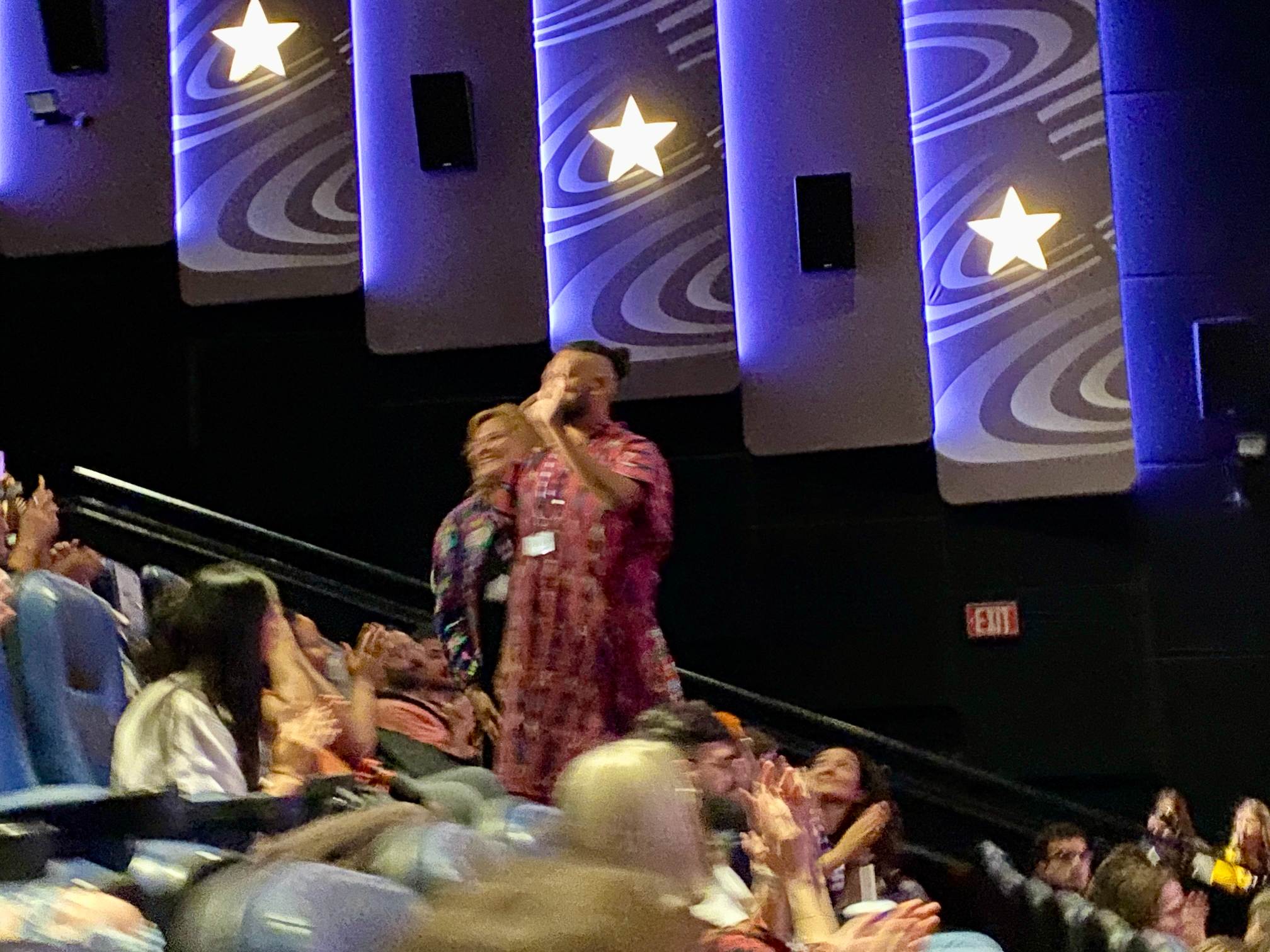
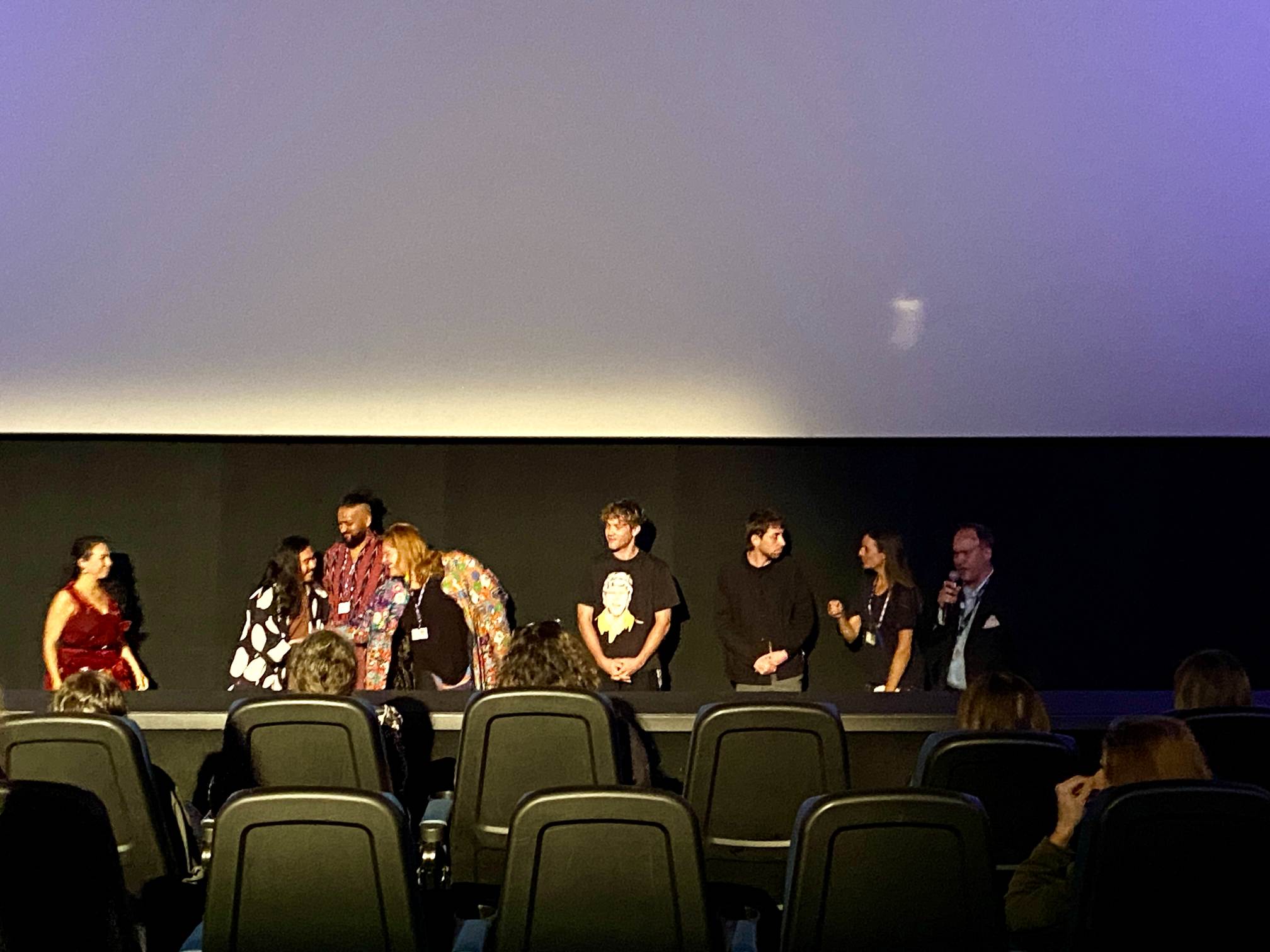
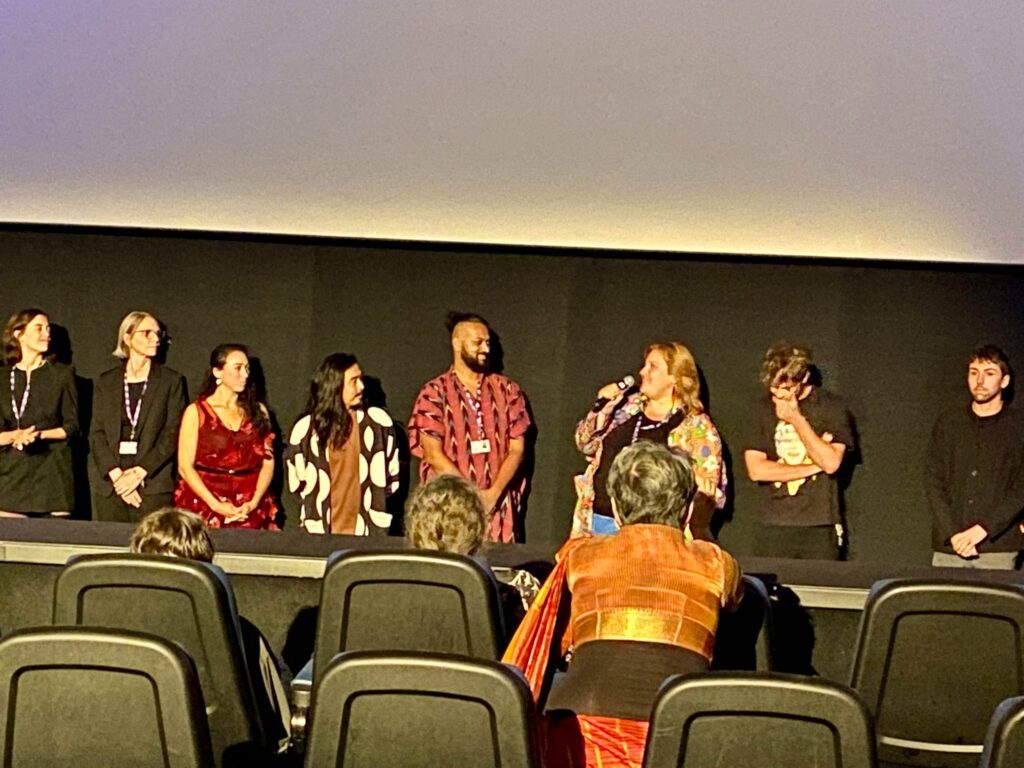
Speaking after the screening, Hints described the nerves she felt before the film was played to audiences in Raekoja plats in Tartu, a European Cultural Capital of 2024. It was unclear how the public would react. Yet, the ambiguity of the film’s scenes allow for a viewer to see what they wish to see in it. One person may see themselves in the way small talk covers up trauma that they wish could be spoken about, compared to the way it was spoken about openly in Savvusanna sõsarad. Sauna bathing on the whole could be recognized as a private purification process. Moreover, the characters’ viht ritual could be viewed symbolically as a sexual encounter, revealing what is otherwise hidden. Hints, who identifies as Queer, emphasizes that the layered and sometimes shielded nature of the film fits together with Queer experiences.

Fotogalerii
TIFF 2024 at a glance


This point was developed again in Connor Jessup's film Julian and the Wind, also shown during the evening. In this film, the setting of a boarding school only permits Arthur, one of the two main characters, from reaching out to Julian in the midst of the latter’s sleepwalking. Outside of this, desire is dangerous.
Considering all of the ways desire can be dangerous, smoke saunas are notable as an ancient safe space, as Anna Hints depicts them to audiences who are curious. For the women of the previous documentary, the space was a therapeutic place of discussion. For the two men of Sannapäiv, it’s a place they can be together in peace. For everyone, the traditions of the smoke sauna—where women used to give birth, wash the dead, and heal—relayed verbally from generation to generation, do much for mental and physical health.
With qualities like these, we can champion Estonia’s roots as being progressive and free. Estonians have healing rituals. Estonians speak a language with a universal third person singular pronoun — “tema” — that is applicable to all people. Estonians are in touch with nature.
However, even as Hints and Prakash are upholding the freedom and progressive roots of Estonia’s culture, it's also necessary to examine tradition through a critical, questioning lens. Hints explains, “Tradition does not mean that we have to pass on everything without a critical mind. When I did research in the Estonian Folklore Archives, I found that many smoke sauna chants associated with the birth of a baby girl focused on her beauty, marriage, and not becoming a ‘slut.' I do not pass on these words to my daughter, but I pass on the power of the smoke sauna and the power of chanting. I want her to chant with her own words.”
Having a film in the local language thus becomes a political act. Sannapäiv is the first Võro-language film to be shown in Cannes and TIFF, and it’s touching to see the language showcased at such prestigious festivals.
(Anna Hints)
In the sauna, the Võro language is spoken openly. But historically, why has there been shame in Võro and Seto communities about speaking their own language? Anna Hints: “Võro and Seto indigenous communities are now experiencing a renaissance, but there was a time when it was shameful to even speak our language openly in front of ‘more cultured people.' Centuries of serfdom, followed by decades of Soviet occupation, have caused immense damage, created trauma, and shattered cultural self-esteem. Having a film in the local language thus becomes a political act. Sannapäiv is the first Võro-language film to be shown in Cannes and TIFF, and it’s touching to see the language showcased at such prestigious festivals.”
And why do the men of this latest film have to pretend that their interaction never happened?
Anna Hints adds, “Art’s task is to raise questions and open perspectives. Though we have no gender in our language, concepts of gender roles still exist. The smoke sauna is meant to encourage openness, yet many taboos, especially for men, prevent vulnerability. People do code-switching that helps with survival but also sustains the system of conformity. As a result, much remains unseen, as if it never existed. The feelings between these two men will vanish from remembered history, becoming part of the invisible history. Our task is to make the unseen visible. True strength lies in the courage to be vulnerable. When we allow vulnerability in ourselves, we accept it in others, and much trauma can be healed.”
Sannapäiv initiates these types of discussions in such a way that our fundamental desires are protected, for the benefit of all people.
Keep up to date on the films of Anna Hints and Tushar Prakash on Instagram.