Gibraltar is an fascinating place to visit, as it sits at the very tip of the Iberian Peninsula, bordering Spain. It has been a British territory since 1713, being particularly important during the Napoleonic Wars and World War II, since the Strait of Gibraltar controls access to the Mediterranean Sea, with a large portion of the world’s seaborne trade passing through it.
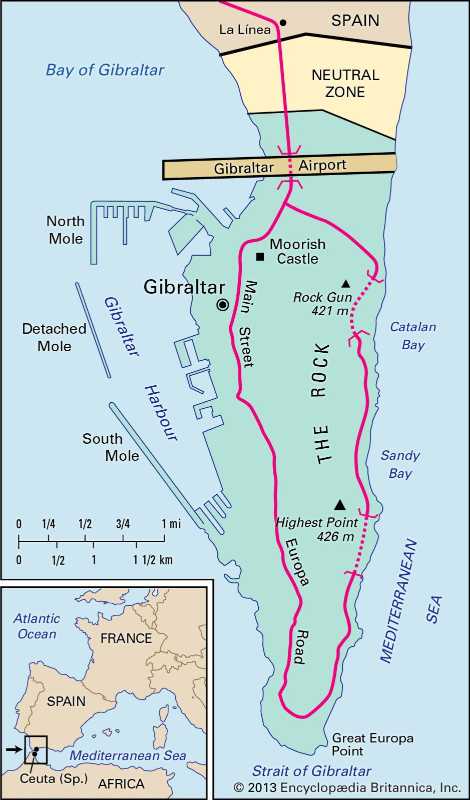
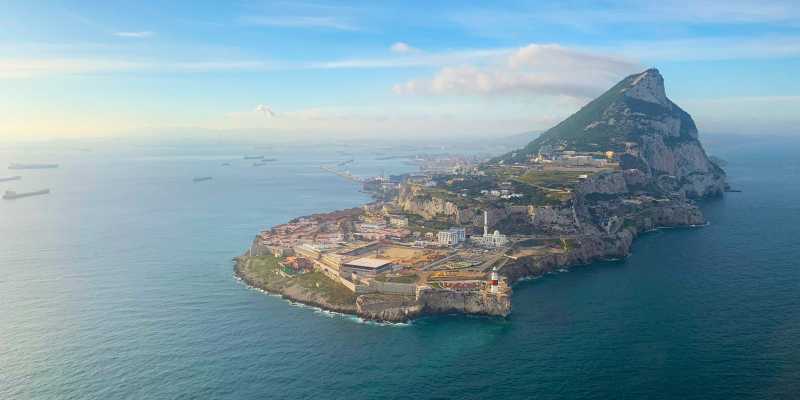
One issue with many cruise ship tours is that the maximum time you have to visit a destination is typically a scant six to eight hours. Ellen and I often prefer a general overview, rather than spending the little time allotted in one museum or art gallery. For Gibraltar, we chose “Rock around by e-Bike”, a three-hour tour. Our guide was a sixty-five-year-old retired Brit from the Royal Air Force, who took us and one other couple around the entire circumference, with stops along the way for amazing views and historical context. The 462-metre-high rock itself is comprised of limestone and sandstone and was formed in the Jurassic period.
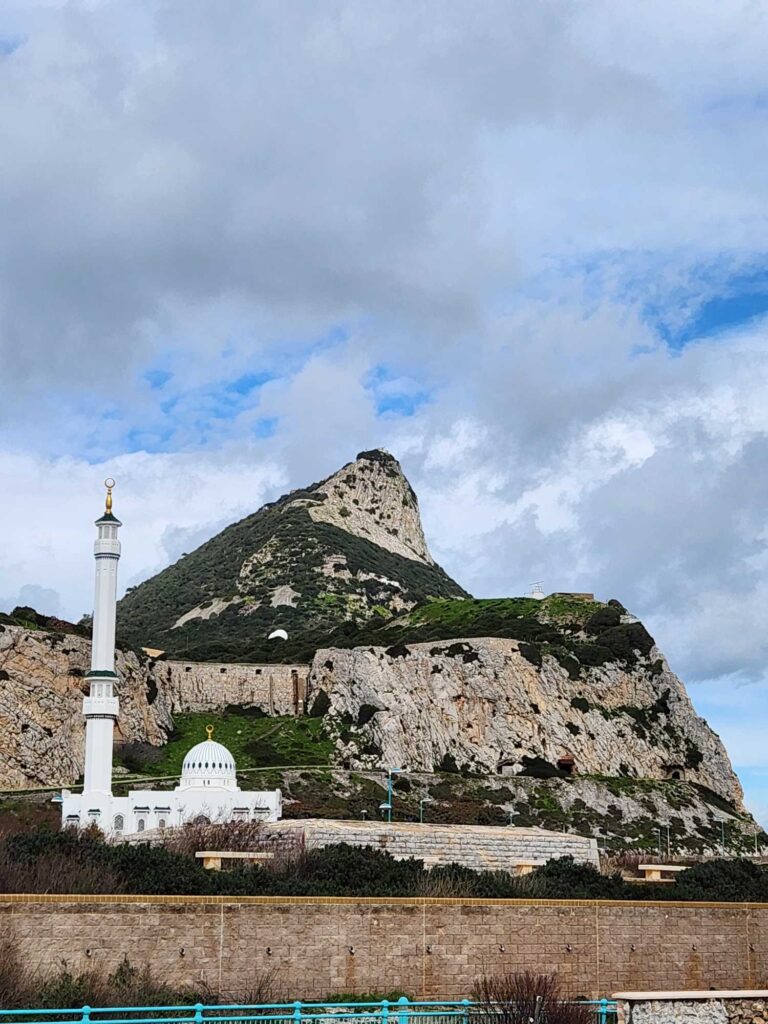
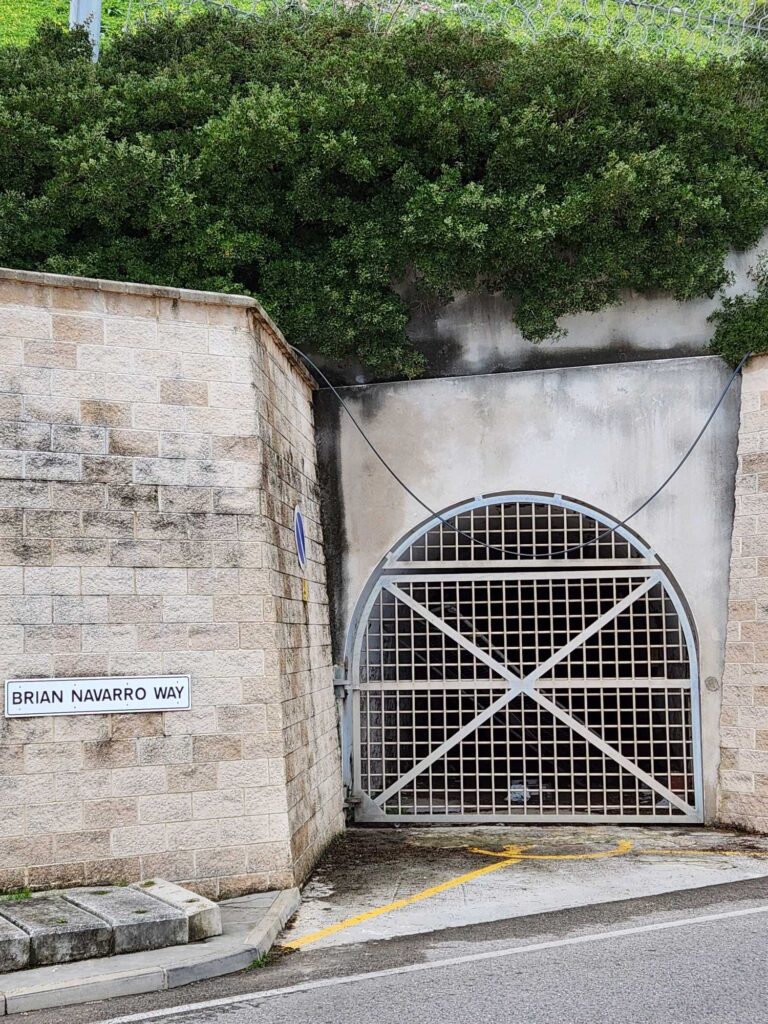
The weather was a perfect eighteen degrees, and with our small group, our guide had all the time in the world to answer our questions. A very famous feature is the multiple 18th century Great Siege Tunnels, which were expanded further in WWII.
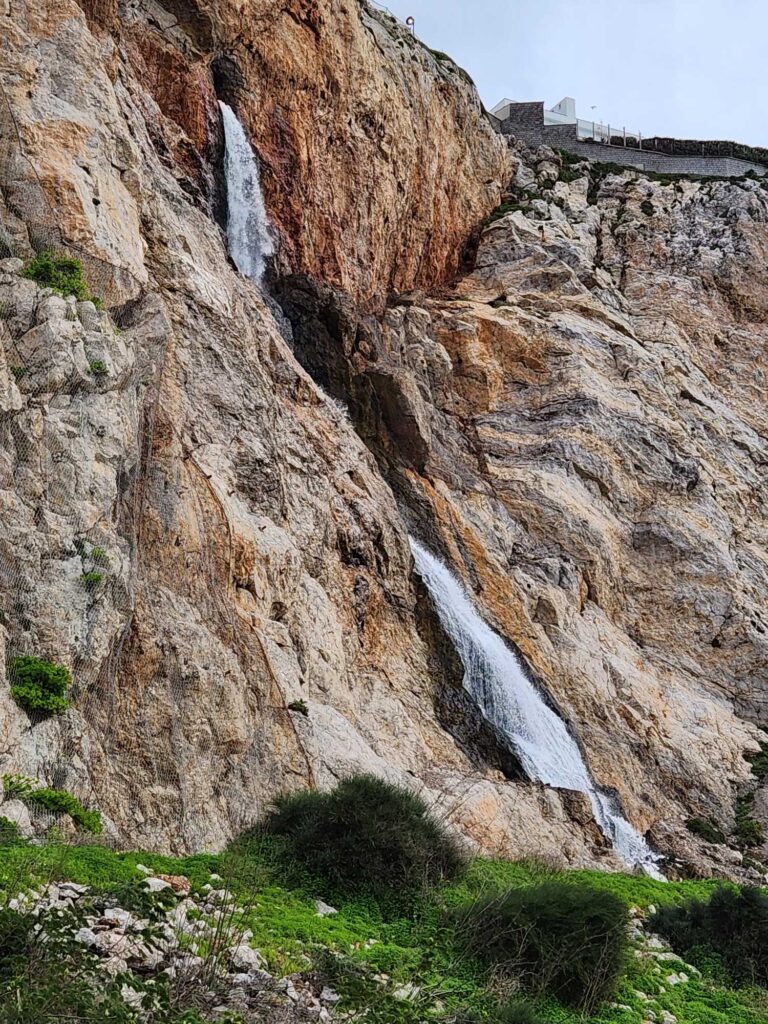
I’m always intrigued by little, unexpected finds, such as the Europa Waterfall. This artificial waterfall is designed to discharge water produced by the desalination plant and is seen cascading down the cliffside.
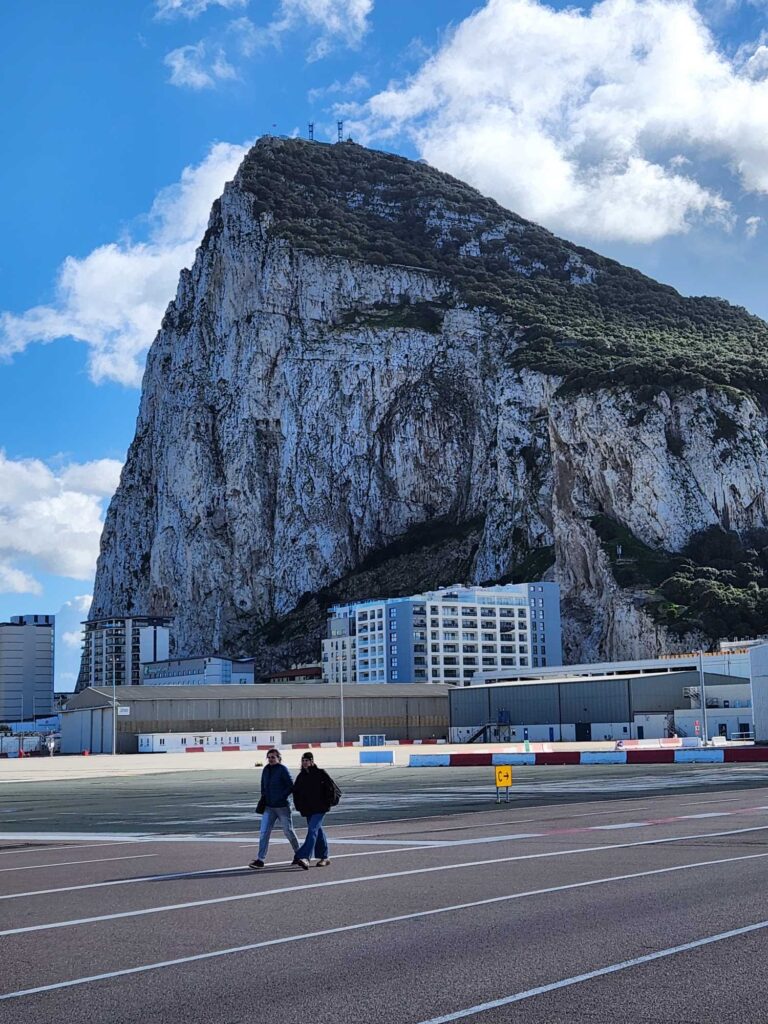
On our return to the bike rental shop, we actually crossed the Gibraltar airport runway! It is the only place on Earth where you can walk or bike across a modern airplane runway. This is due to the narrow strip of land available on the peninsula.
Casablanca was our next highlight. This was our first time on the continent of Africa and to a predominantly Muslim country. Ellen and I felt very comfortable here. The city has a modern, cosmopolitan vibe and young people dress very much like they do in the West. Our tour group had delicious tea and coffee on an outside patio in the old medina—a traditional marketplace area. The city blends French colonial and Art Deco architecture with traditional Arab-Muslim heritage. Arabic, French, Spanish, and English are common here.
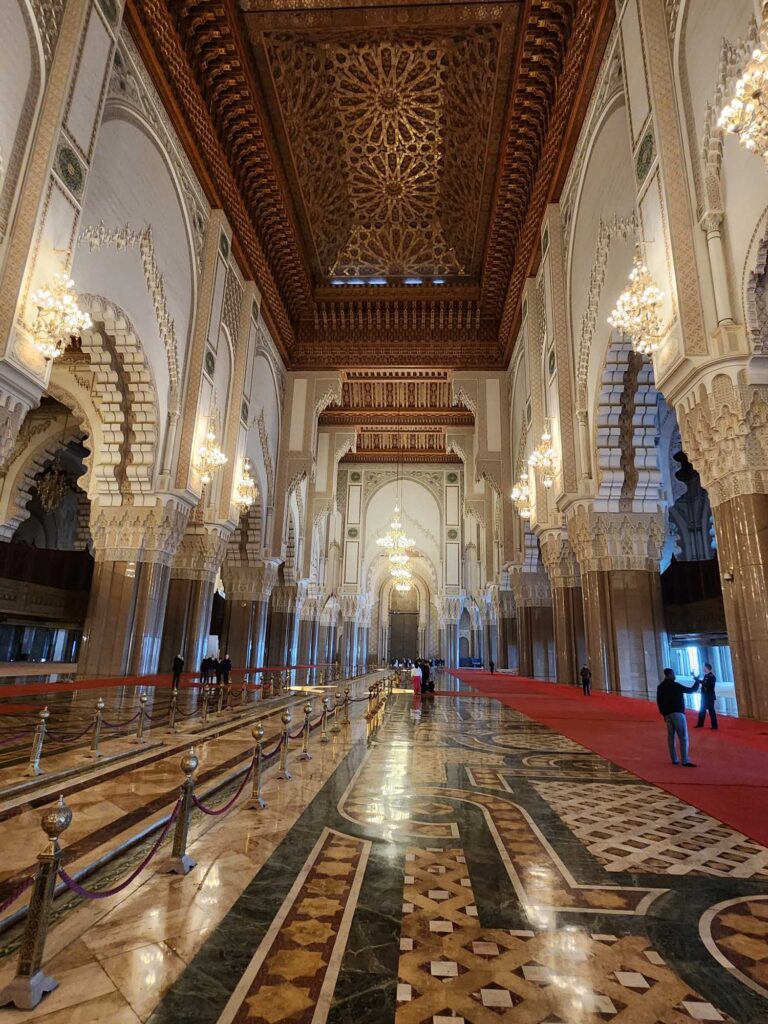
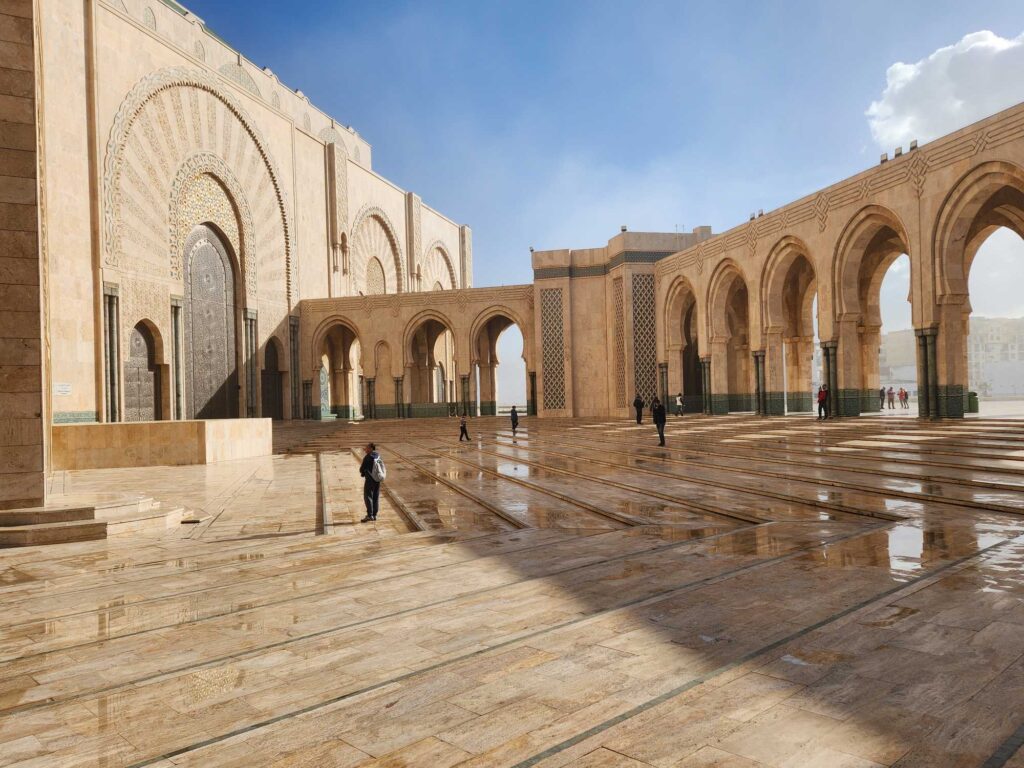
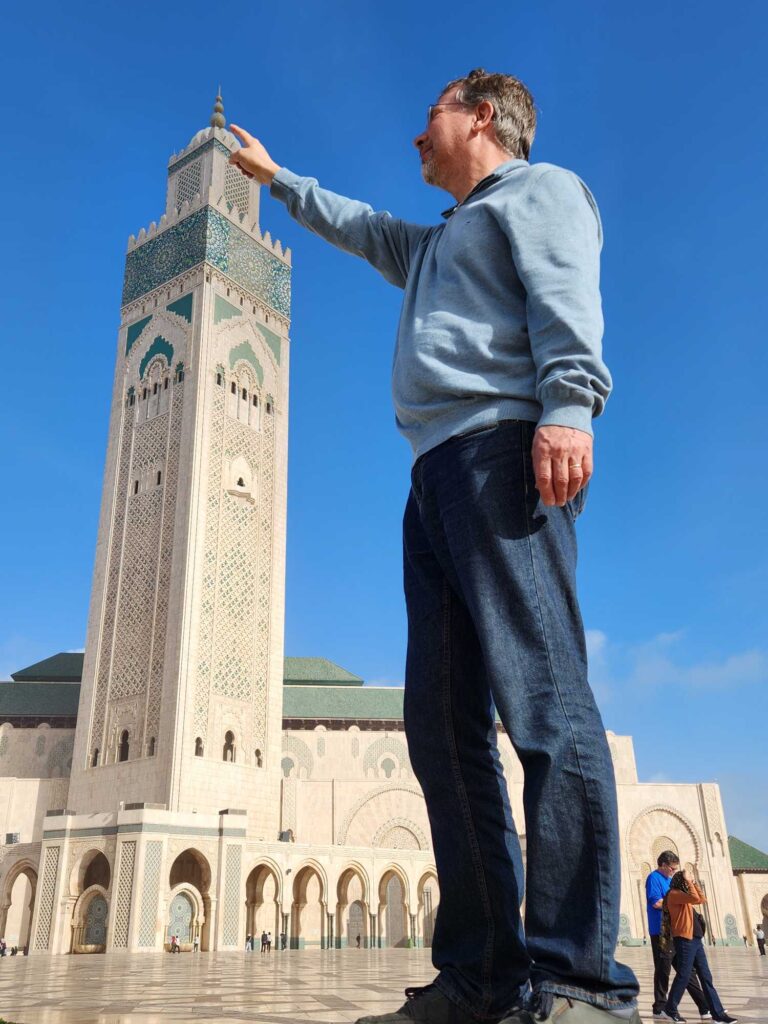
Our guided tour was to the seaside Hassan II Mosque, which is famous for being the largest mosque in Africa and one of the largest globally. It is absolutely beautiful, as there is so much intricately decorated mosaic tile and carved cedar throughout the interior. The exterior is equally stunning, with a 210-meter minaret and retractable roof. The mosque accommodates 20,000 worshippers inside and 80,000 outside. It may look old, but it was completed in 1993 and construction took seven years.
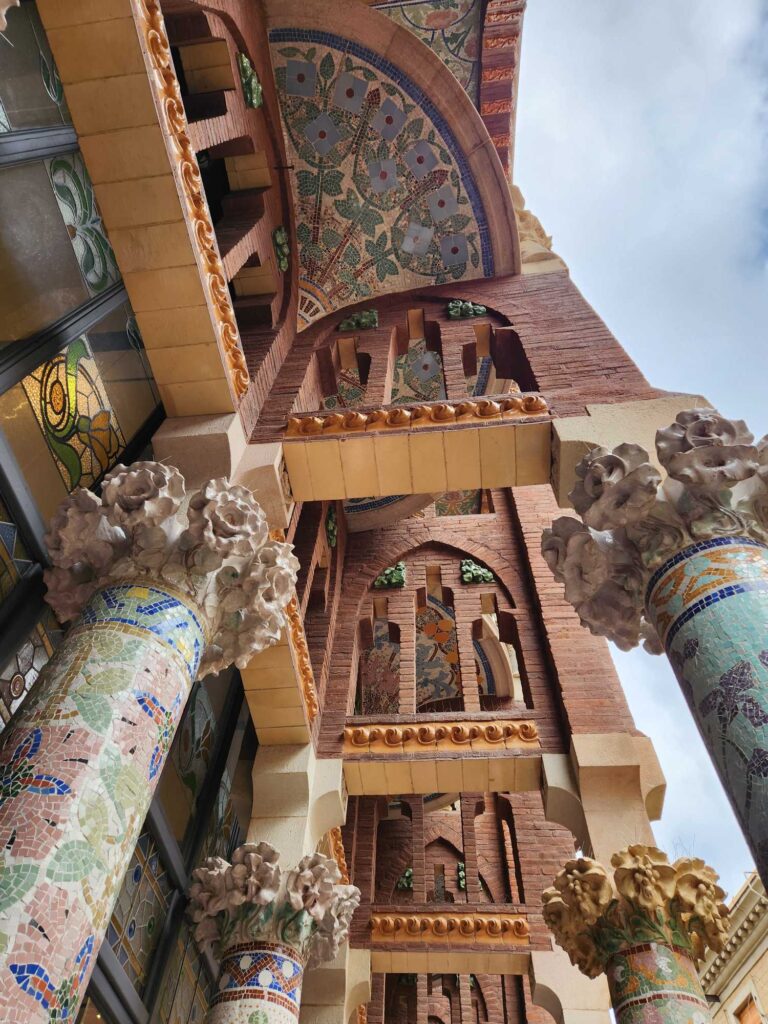
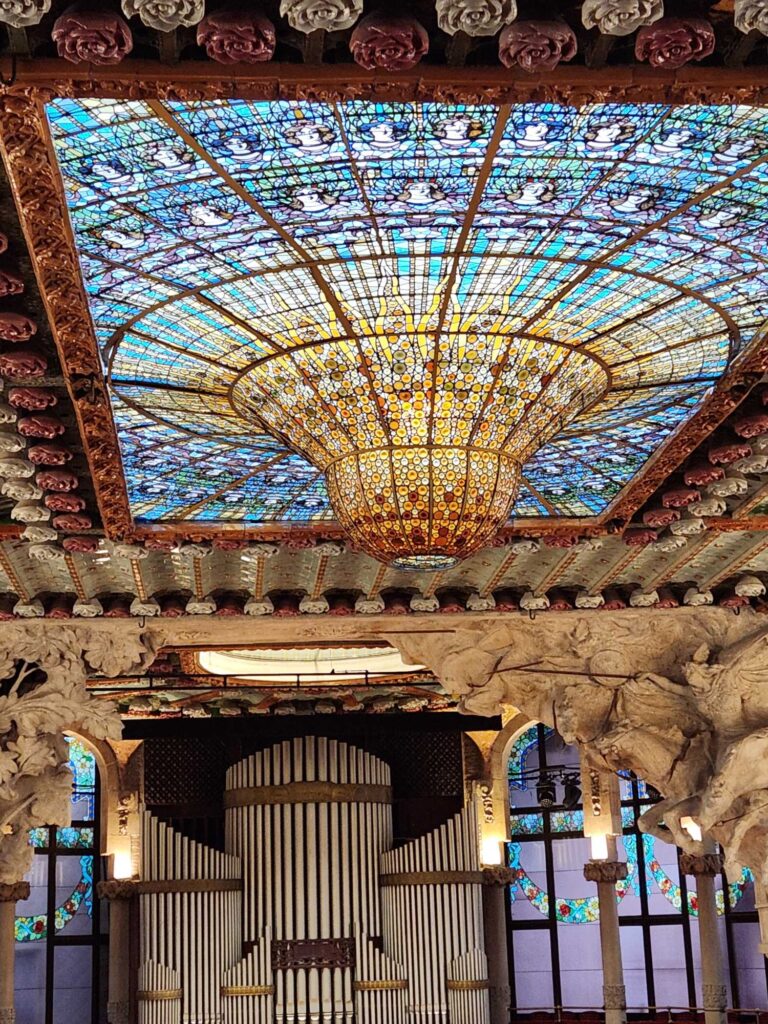
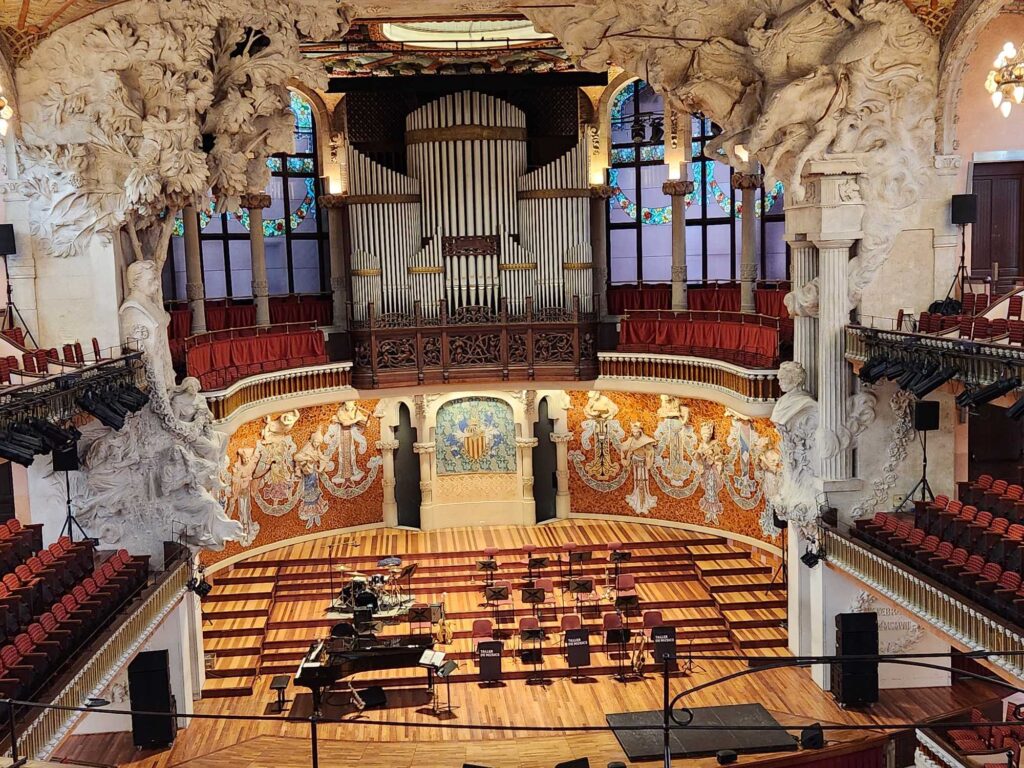
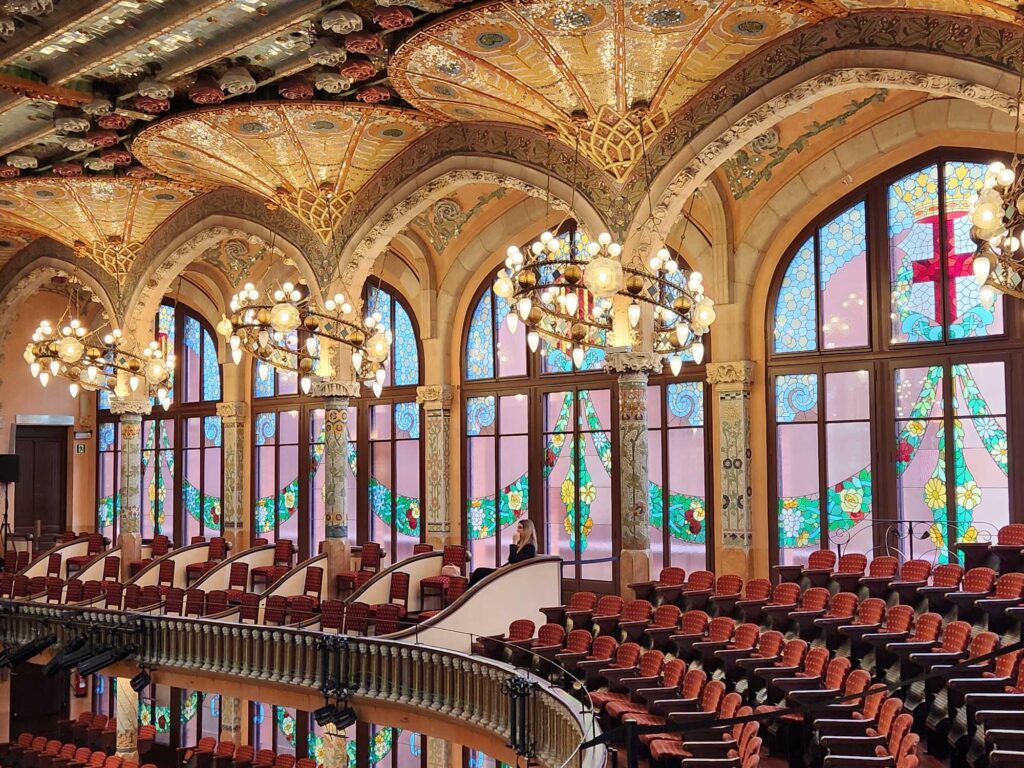
Our final destination was Barcelona. There’s a reason Barcelona has become one of the most over-saturated tourist cities of the world, as there are so many beautiful places to visit. One should remember that Barcelona is Catalan, a distinct culture and society within Spain. The Catalan language is widely spoken. When looking at a street sign, you can see the considerable difference between Catalan and Spanish. For brevity, I will focus on a very pleasant and unexpected site, which is the Palau de la Musica concert hall. This is the only music hall in the world recognized as a UNESCO World Heritage Site. The hall was completed in 1908 and it is a significant monument to the Catalan cultural rebirth.
Ellen and I were joined by one other couple for a one-hour guided tour. The tour guide invited us to stay afterwards for as long as we wanted, so we ended up staying more than an hour to watch a dress rehearsal for a concert celebrating American jazz. This was truly a bonus! We sat in the balcony, taking in all the gorgeous stained-glass windows and mosaic tile work, while listening to the orchestra practice the classics of the swing era and we watched the two dancers perform the jive, jitterbug, and other dances.
This particular cruise had clientele more senior than our previous cruises. A rather memorable encounter was when I stepped into an elevator with a couple in their late seventies. He was dressed in a tuxedo and she was wearing a long, formal gown.
Just a few floors up, she stepped out of the elevator, but he said, in an upper-class English accent, “Where are you going? Don’t we want the eleventh floor?”
In a very frustrated voice, she replied, “No, Thomas! For heaven’s sake, we’re going to the Luminae restaurant on this floor.”
“Oh, right. I see,” he quieted. “Of course... Pardon me”, he said to me politely, as he stepped out of the elevator.
As Thomas walked past his wife, she looked at me and nodding in her husband’s direction, she circled her right index finger around her temple, while sticking out her tongue and making the crazy look with her eyes. Frankly, I was astonished! I felt that having served a life in marriage with fidelity, sacrifice, and courage, does Thomas not deserve more respect from his “loving wife?” Having witnessed this, I fear no husband is exempt from spousal contempt. I hope I’m wrong, but I confess to having doubts about even my own situation. Nevertheless, I look forward to the next cruise with my wife.