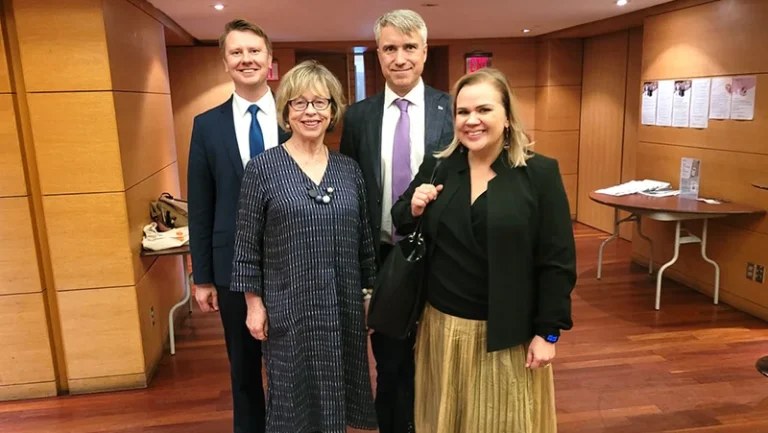
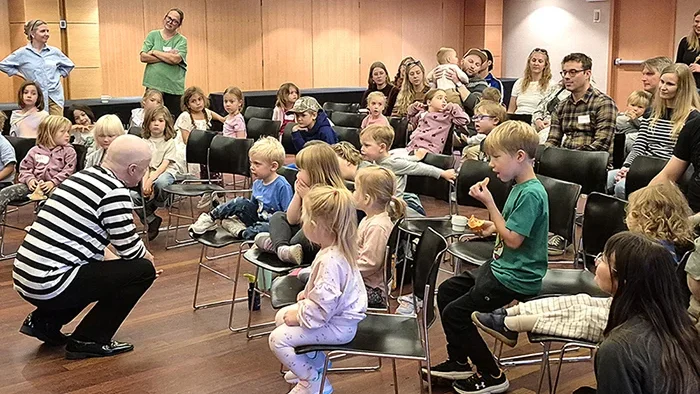
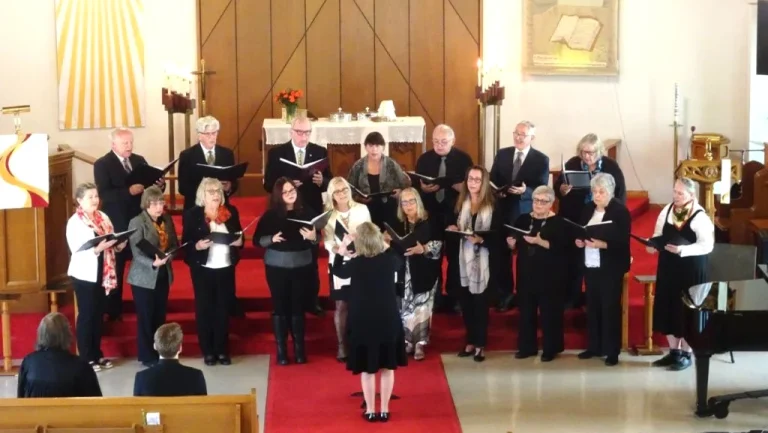
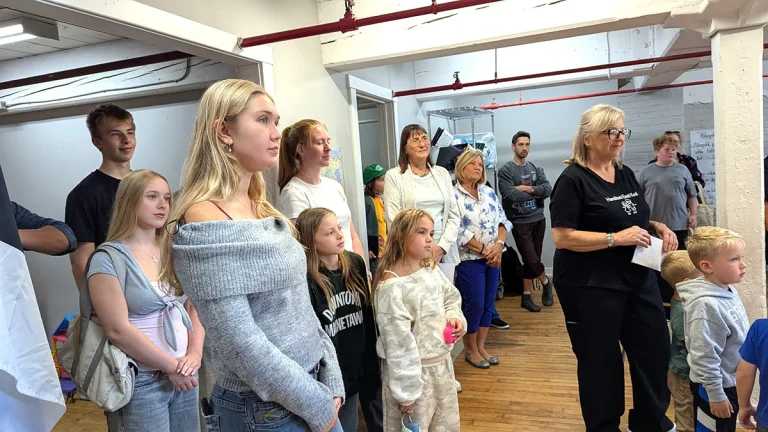
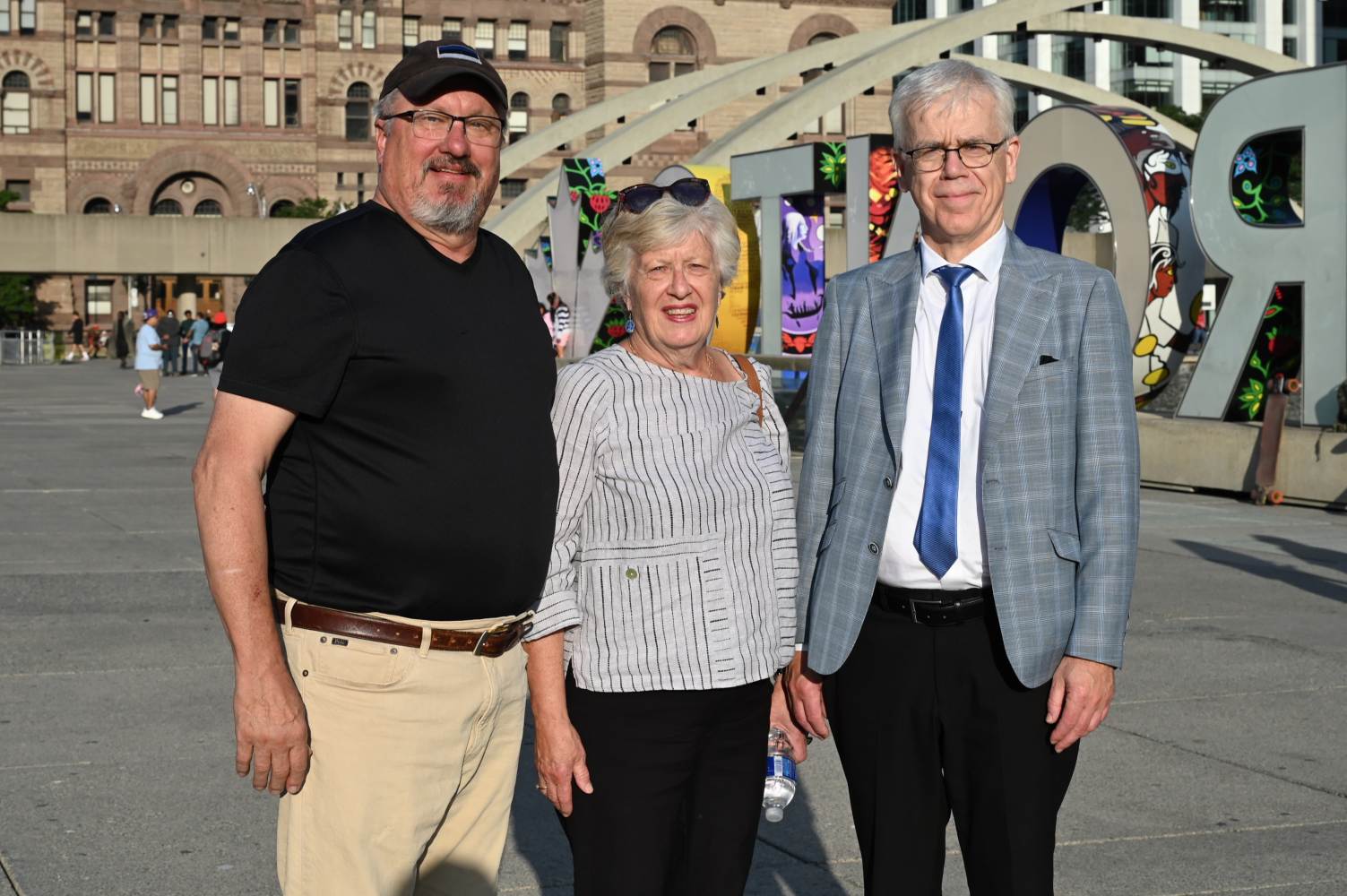
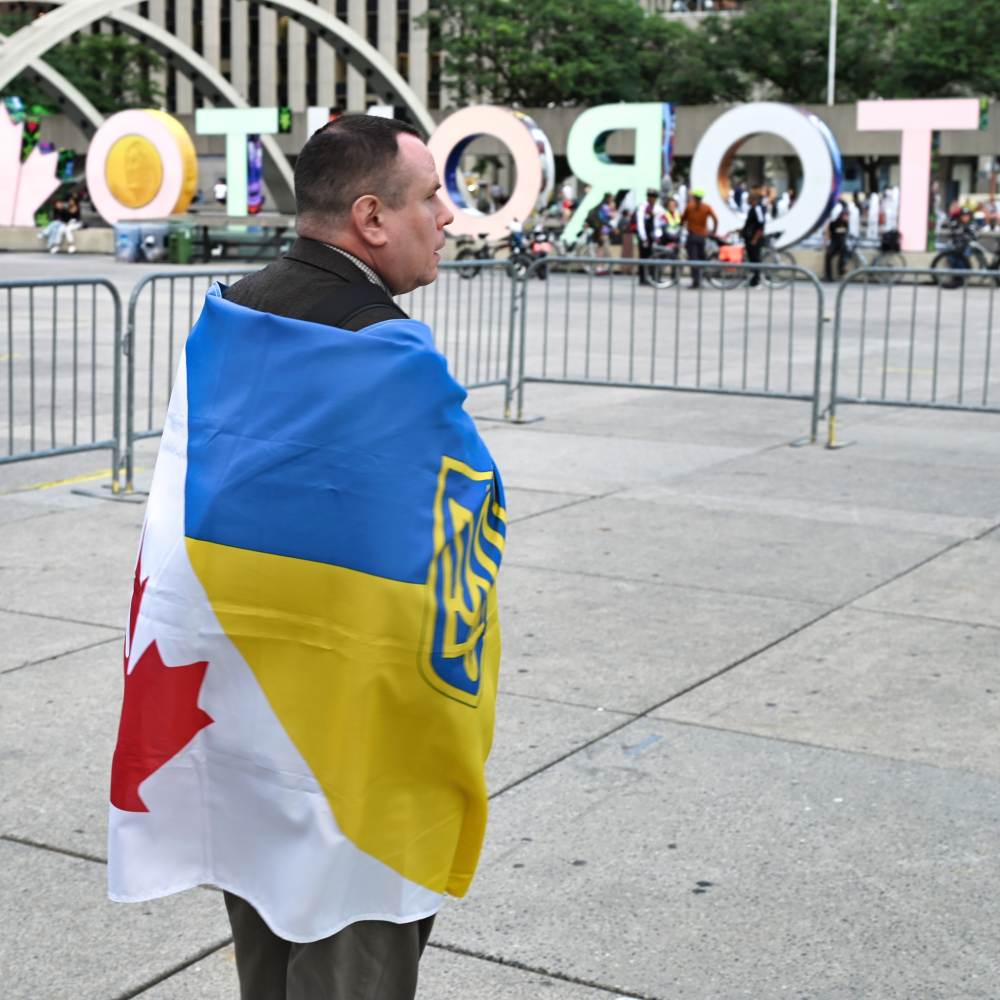
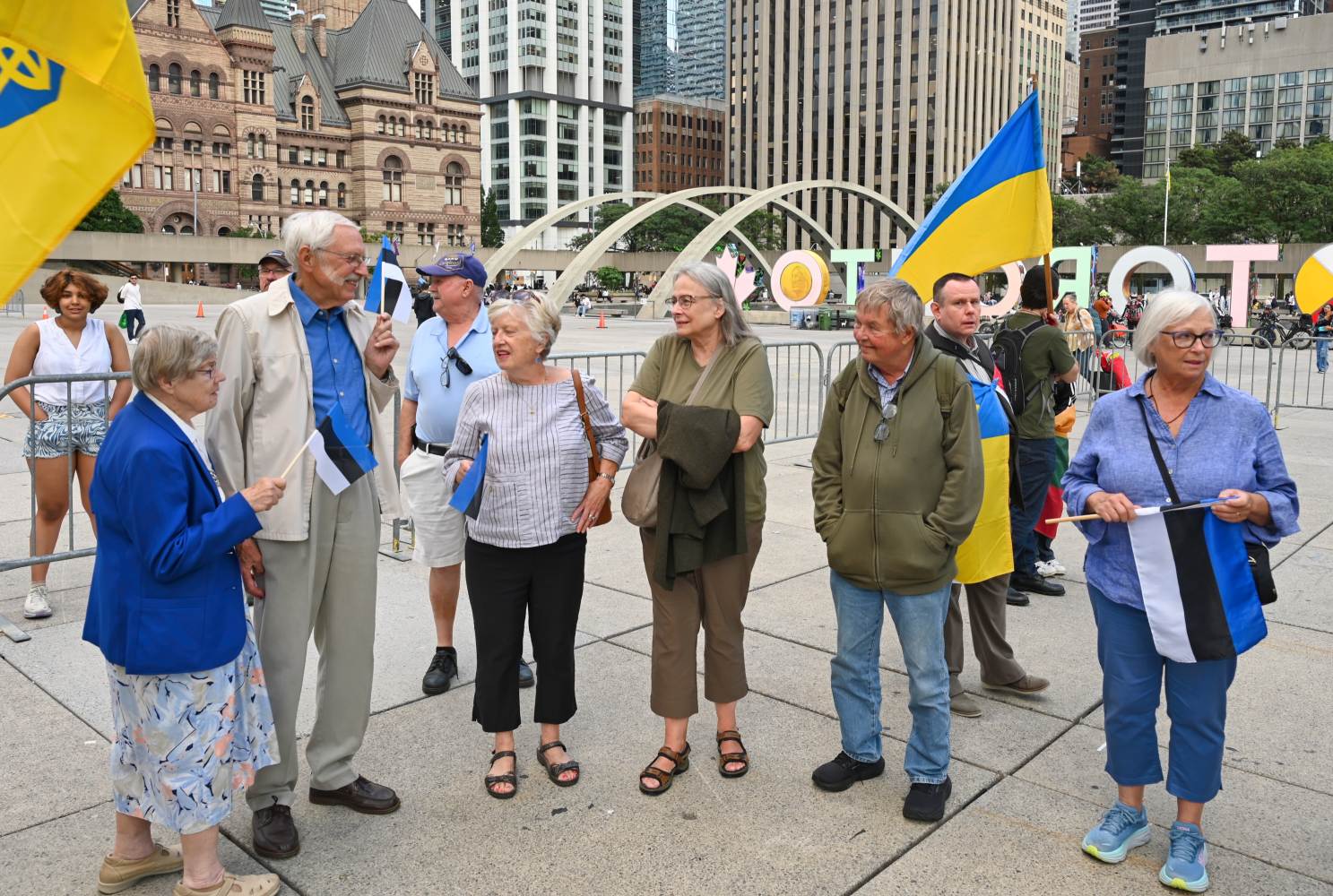
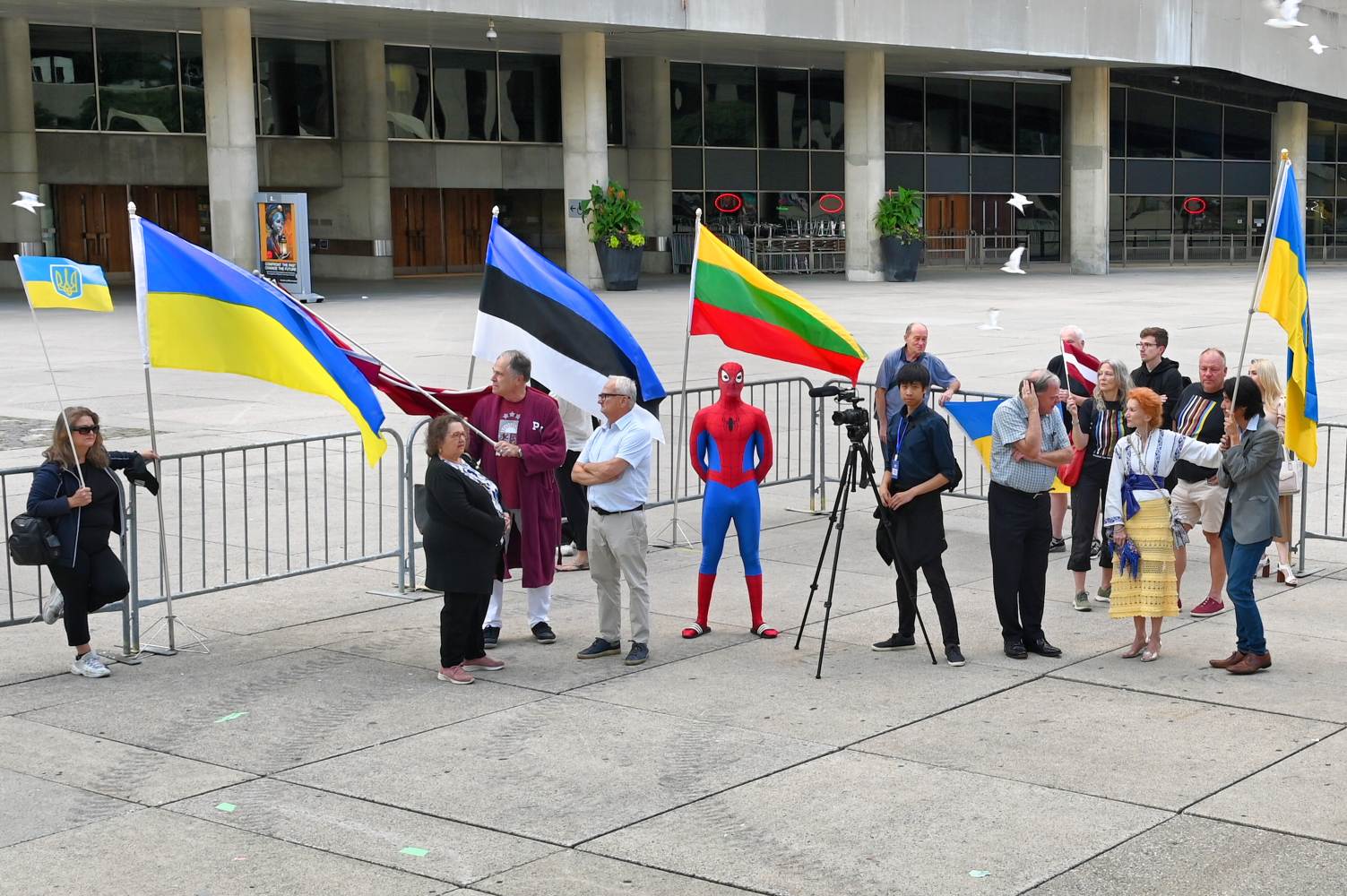
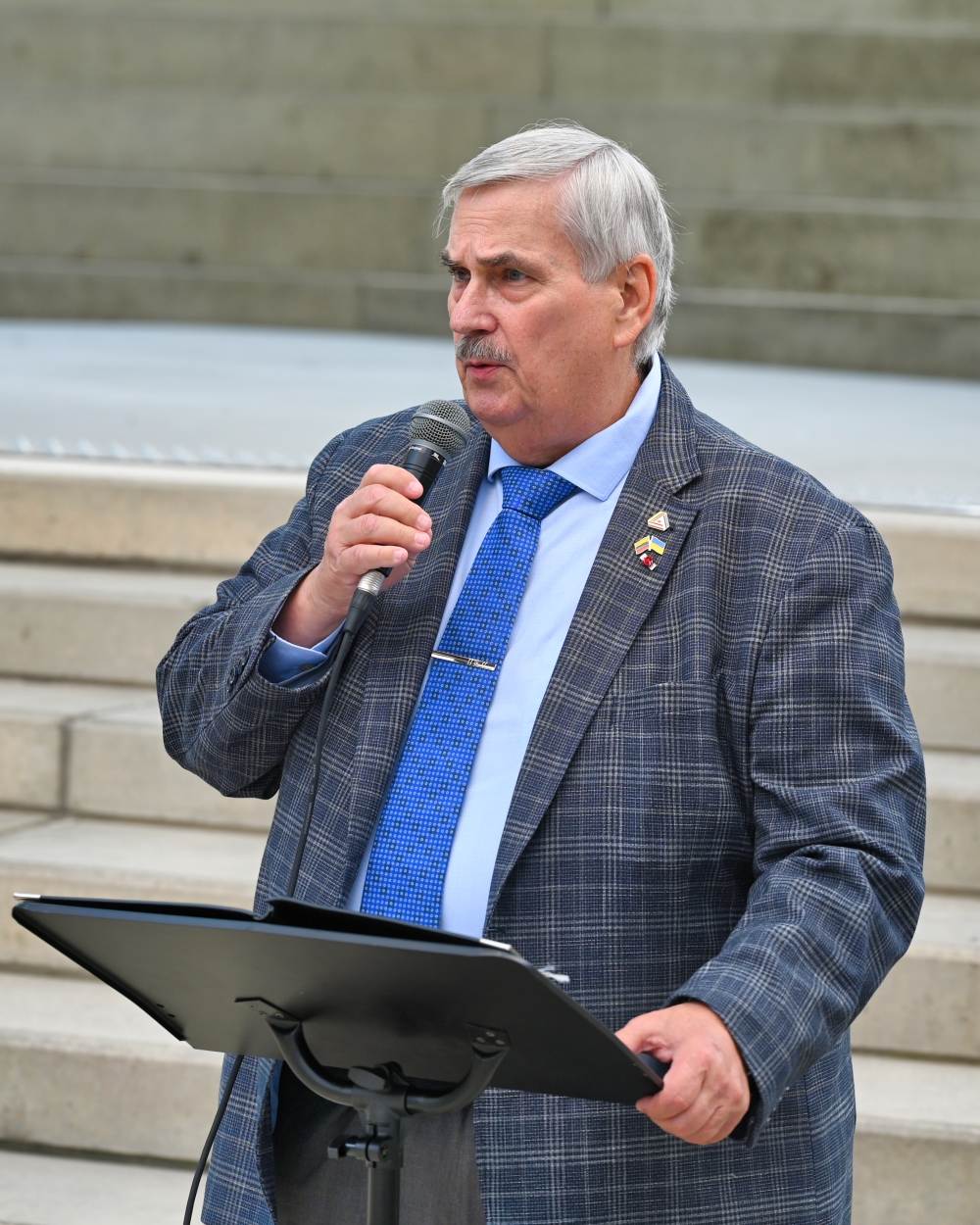
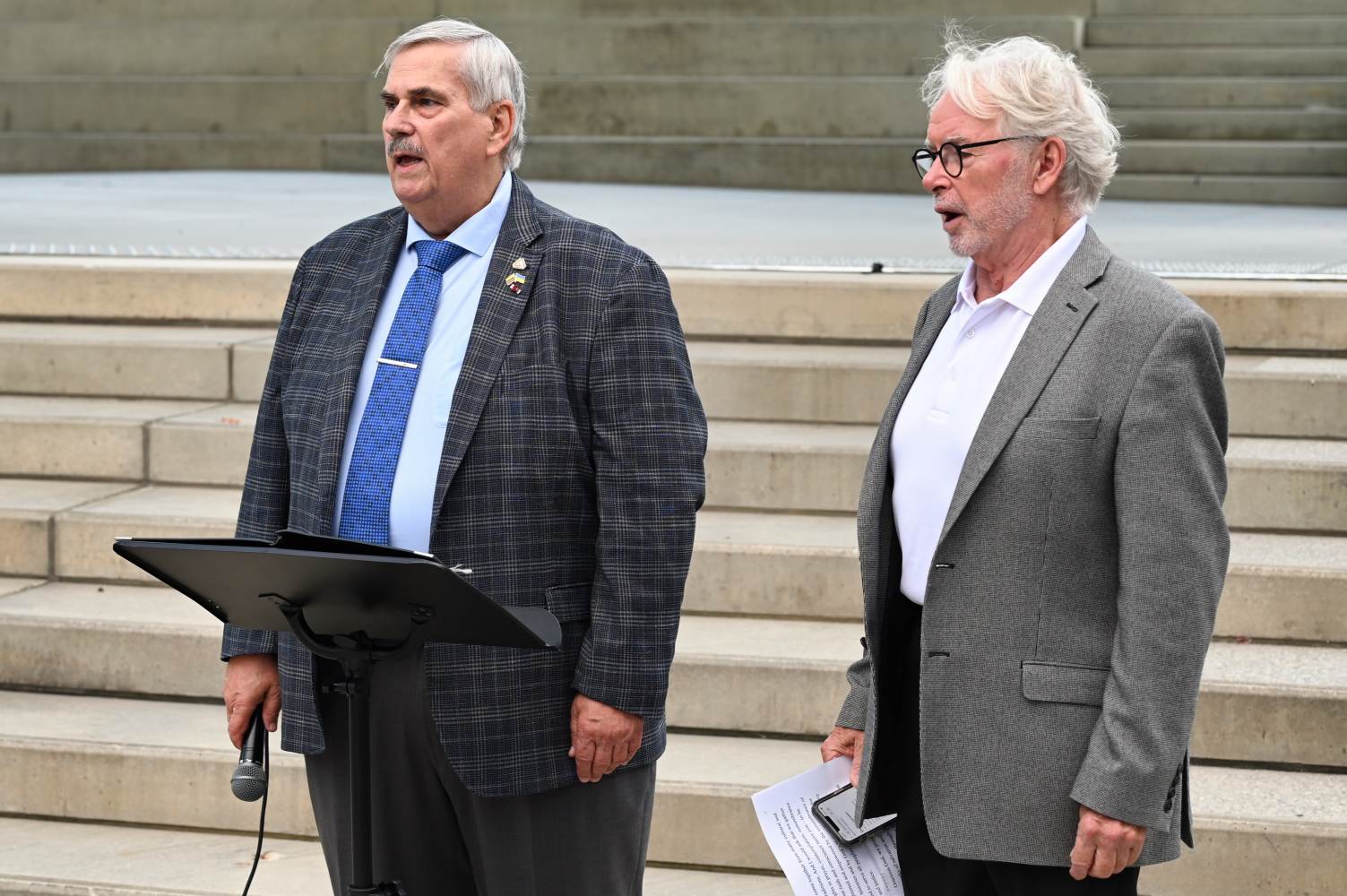
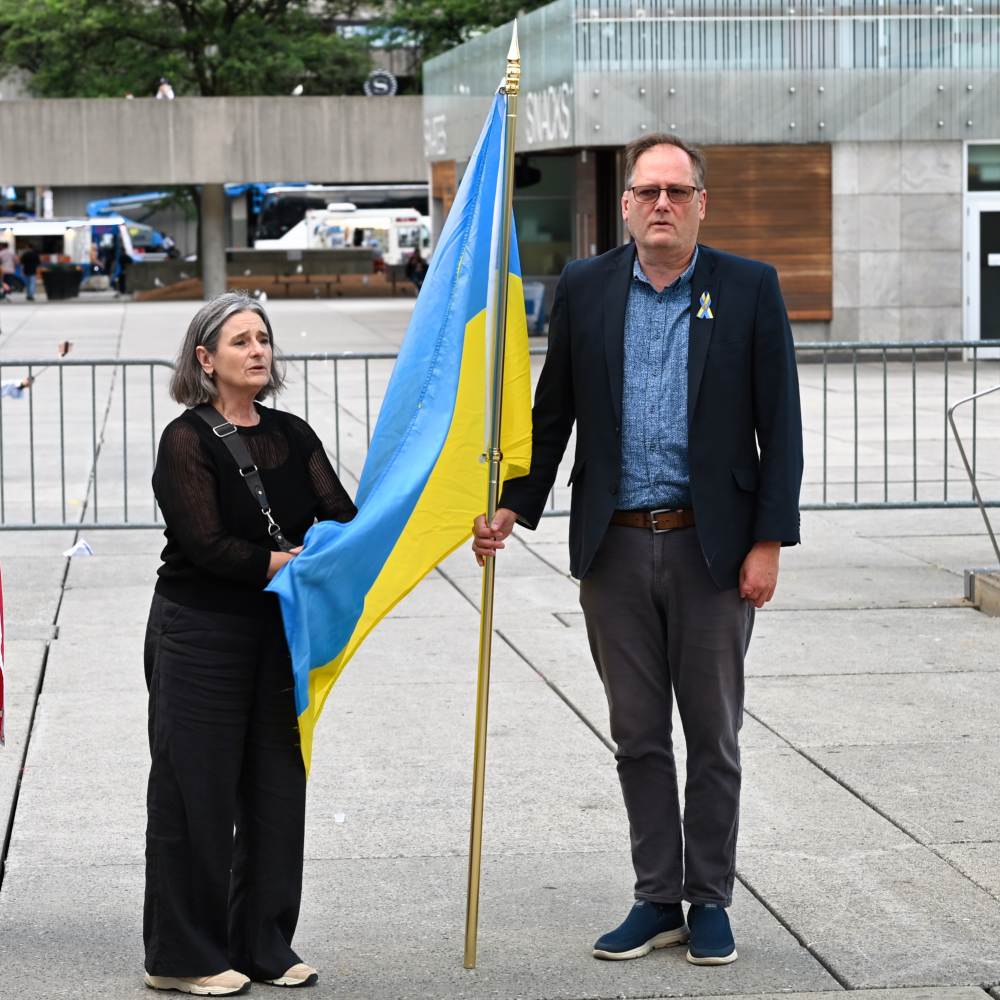
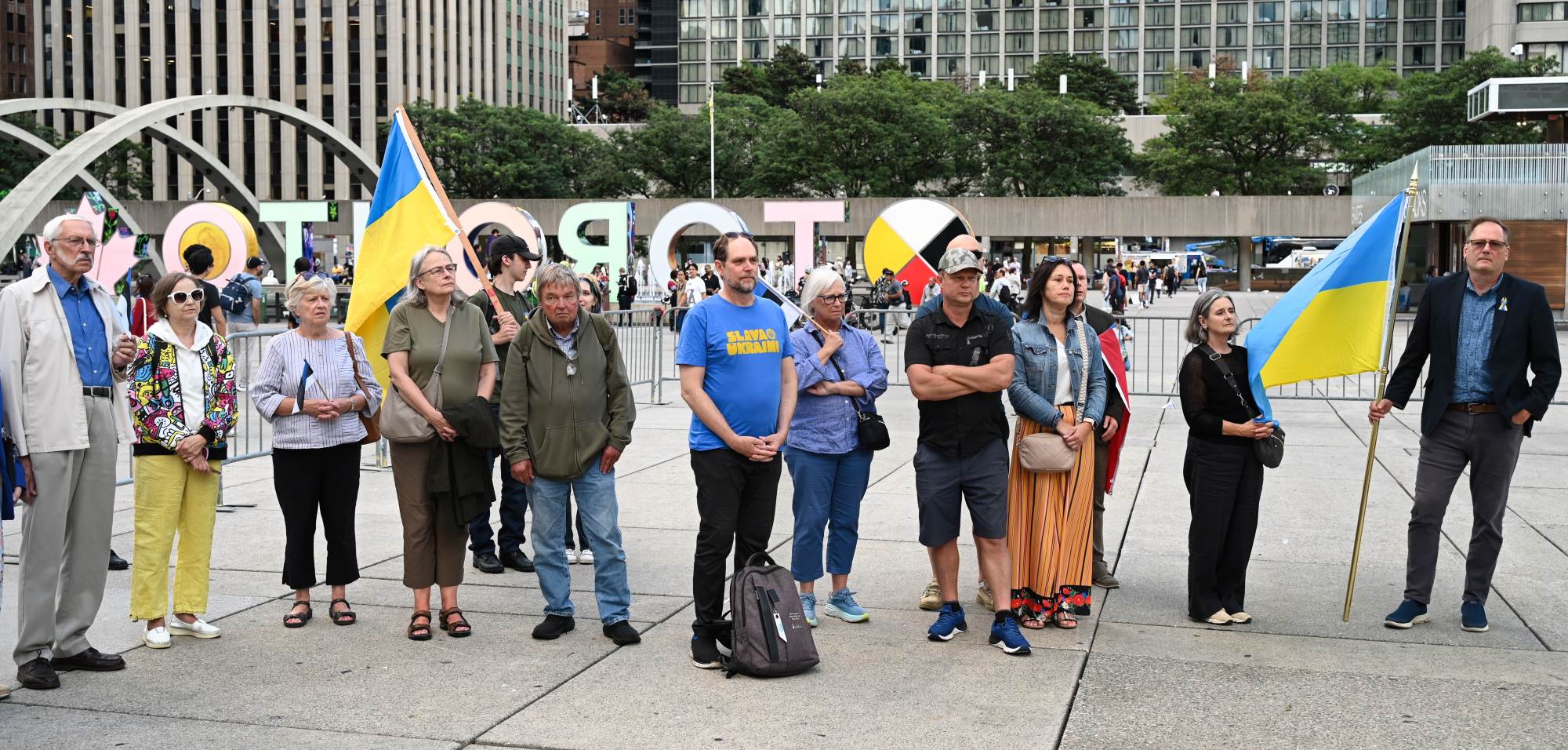
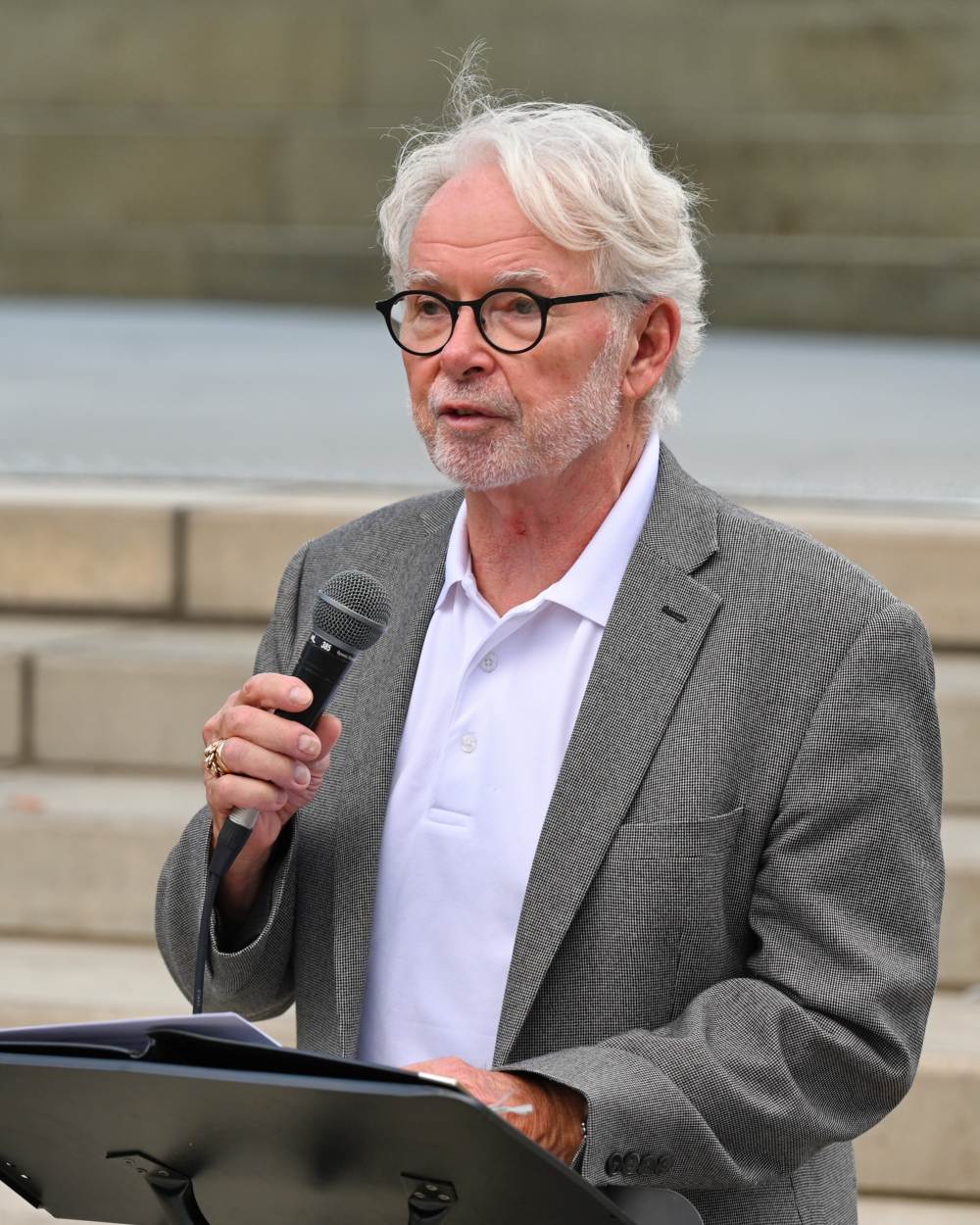
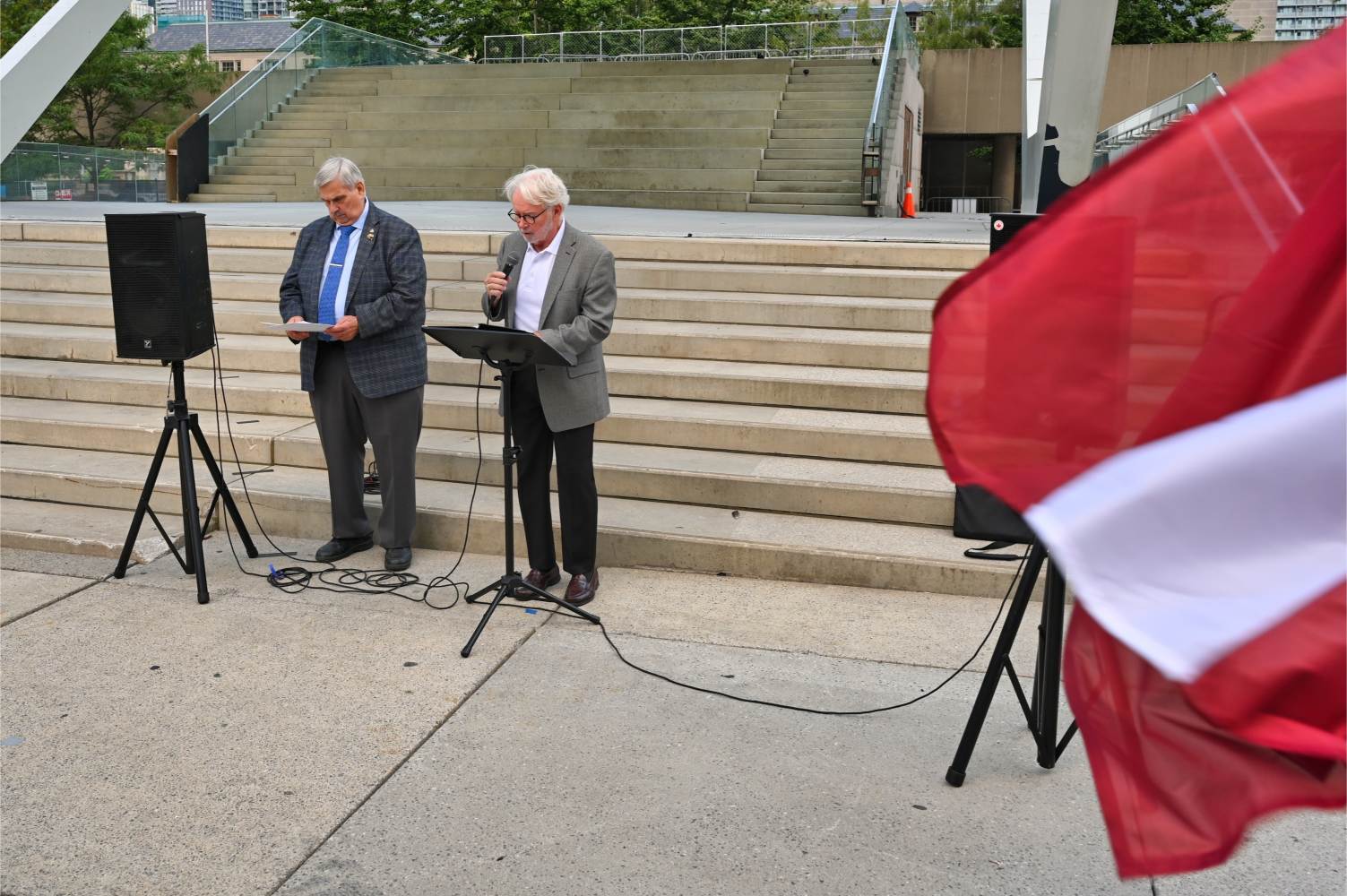
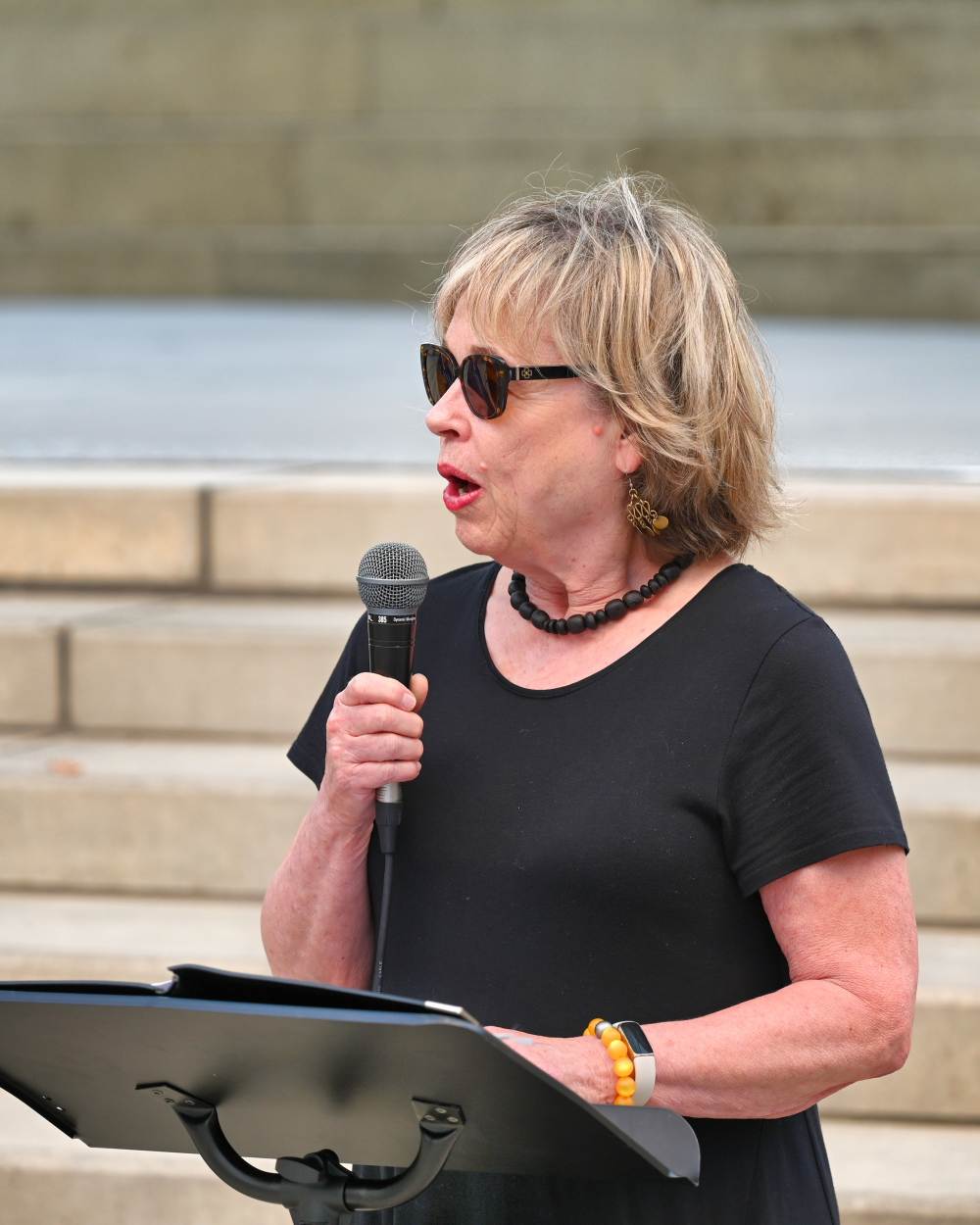
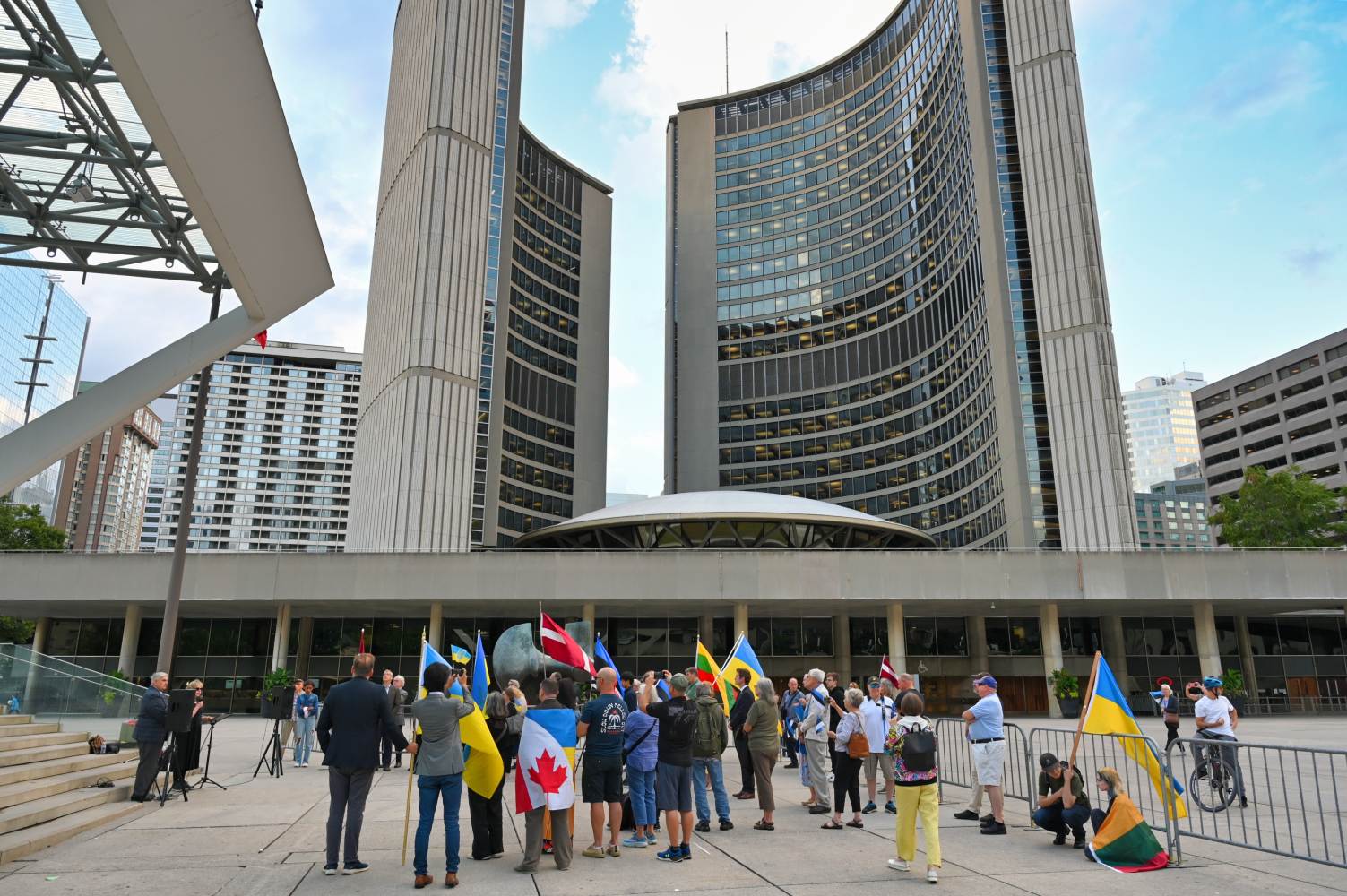
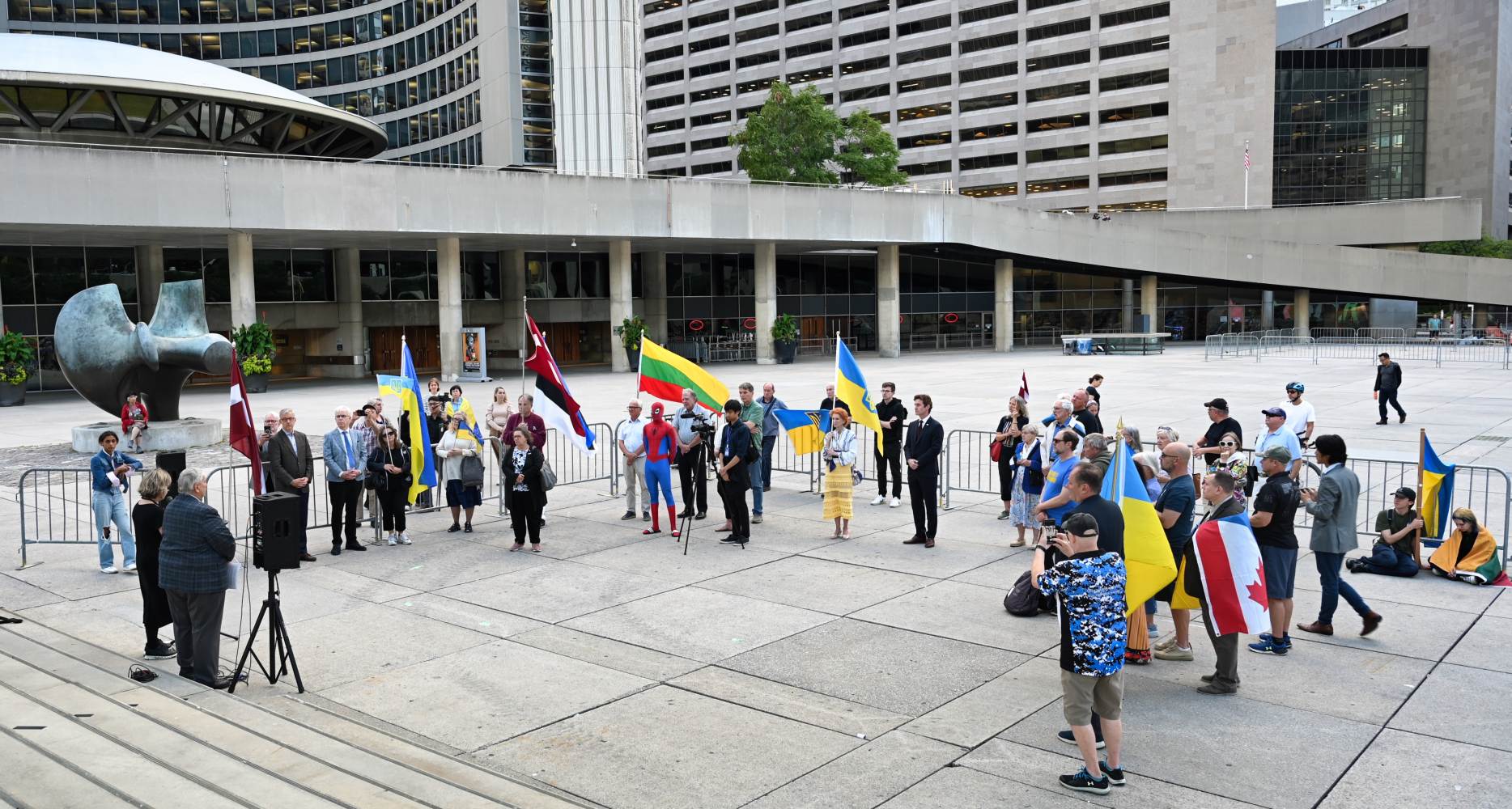
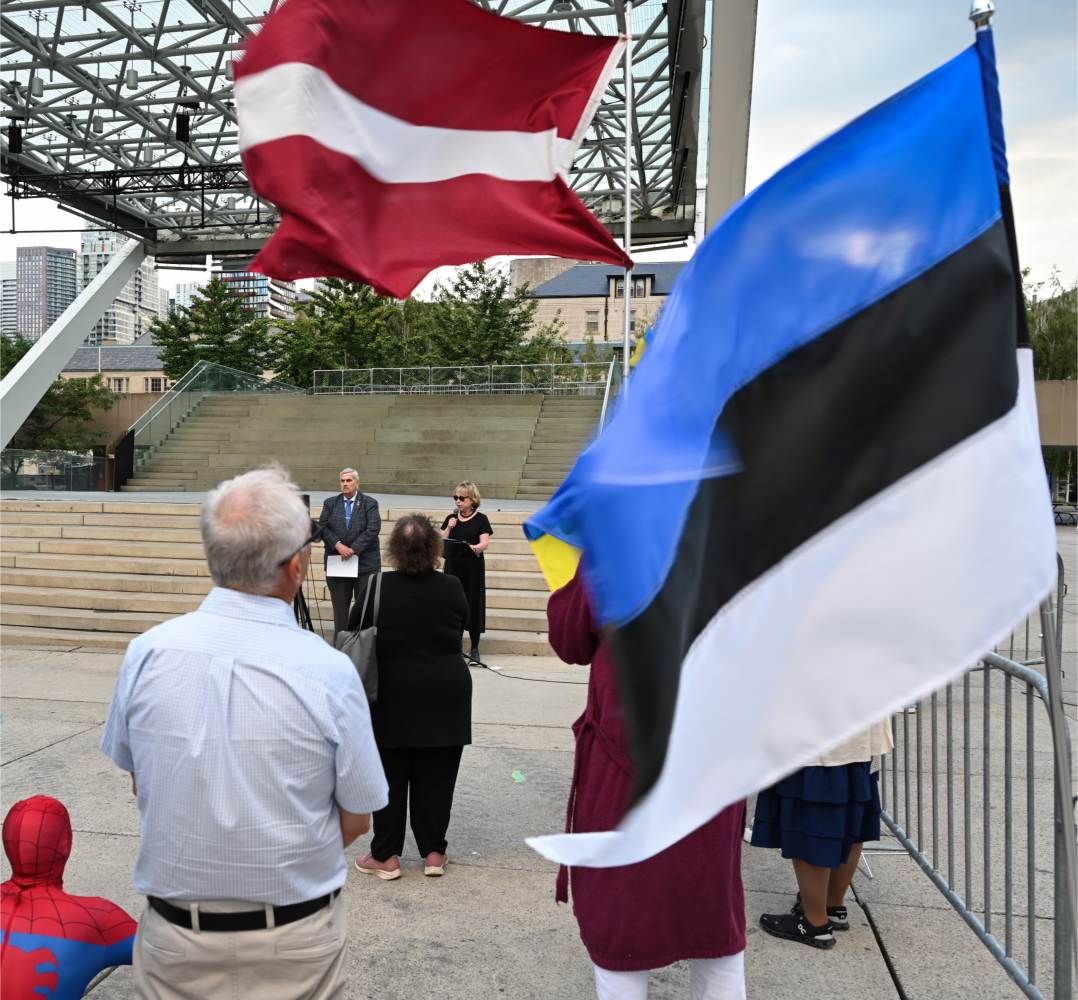
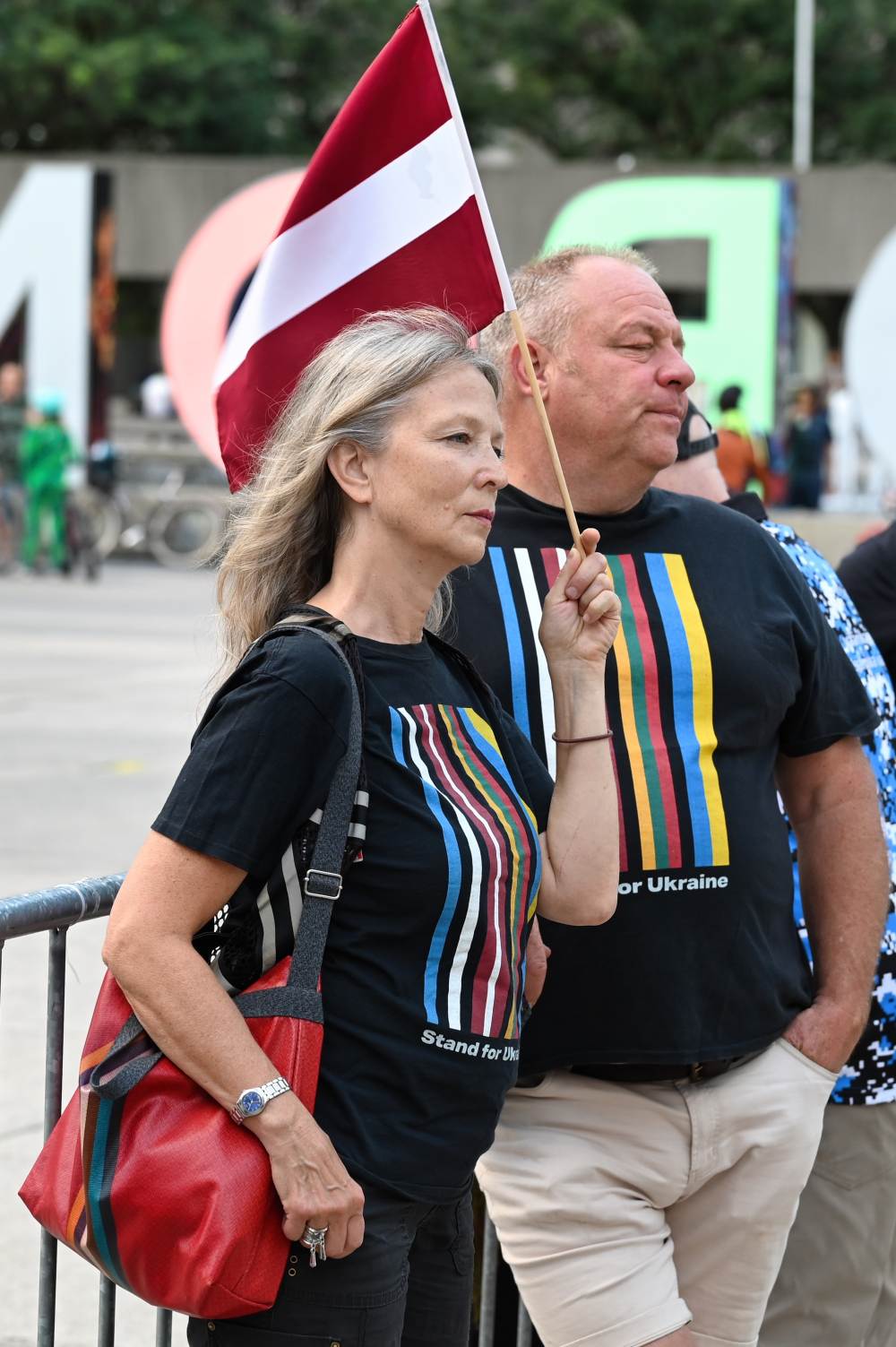
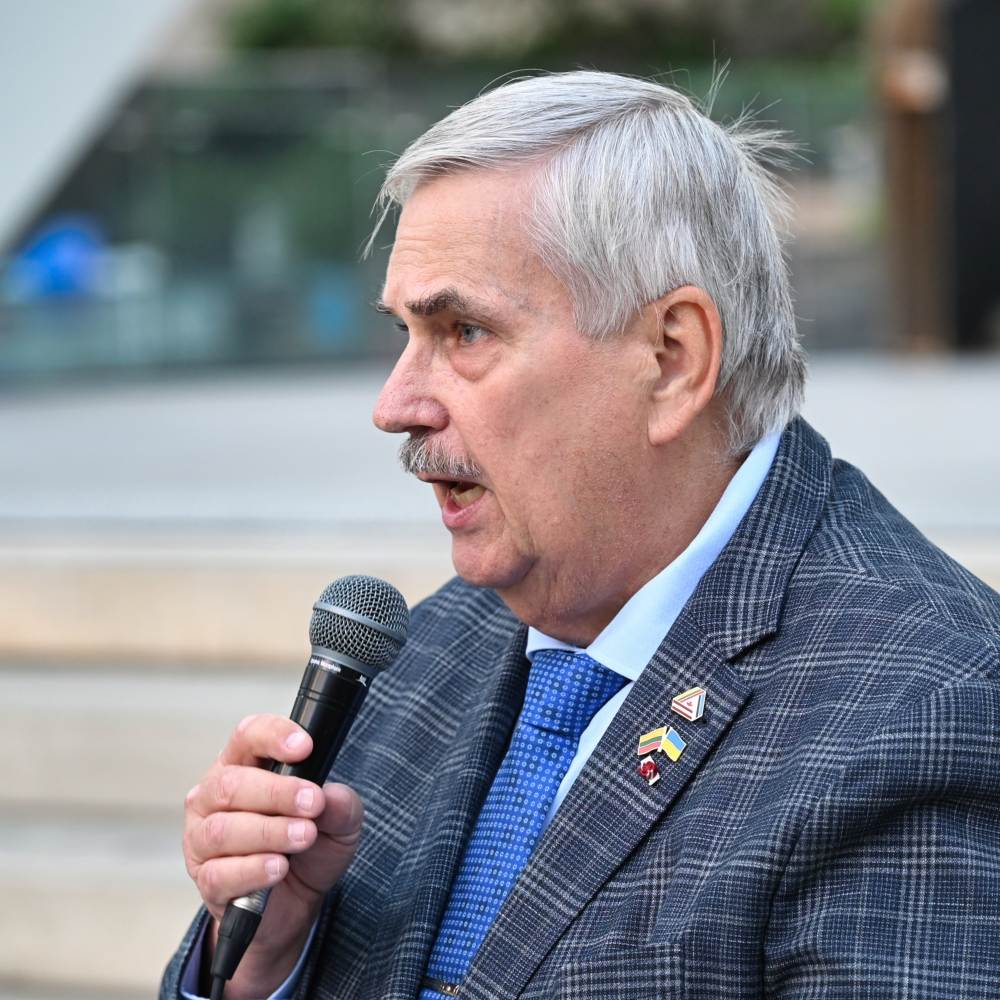
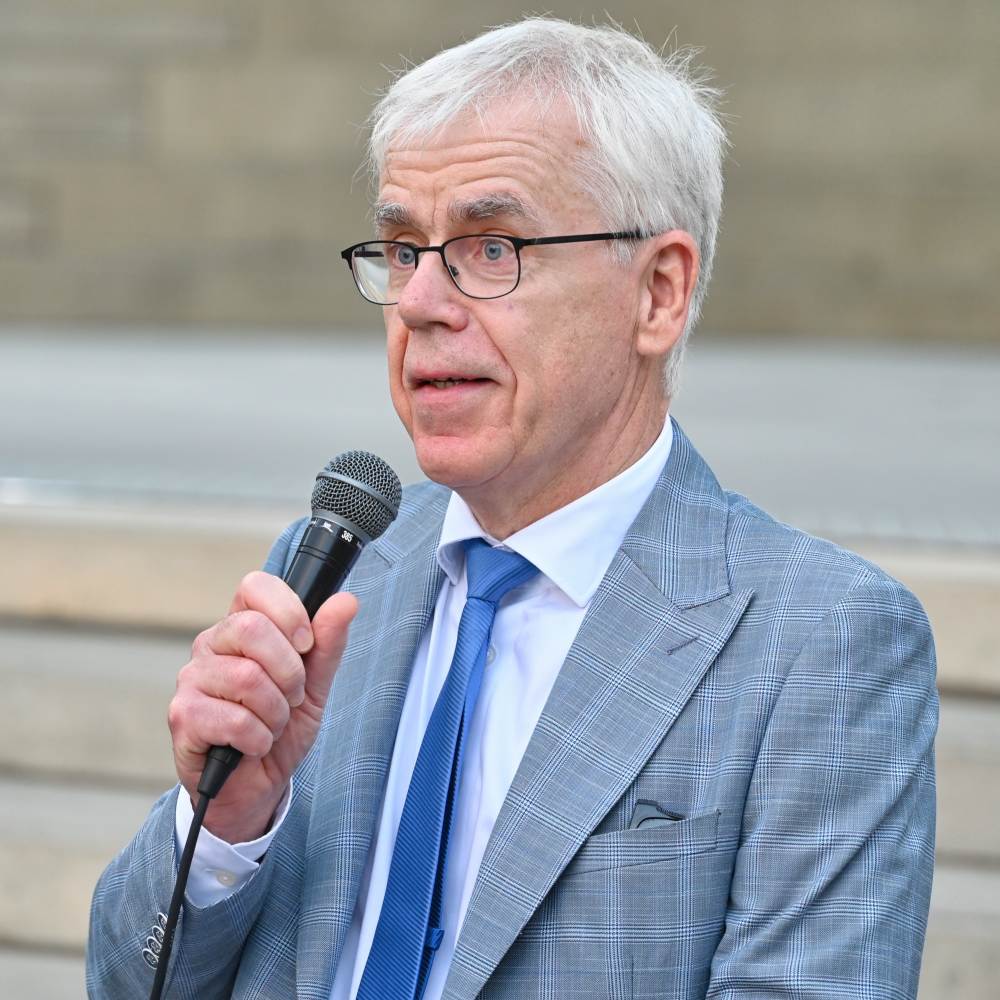
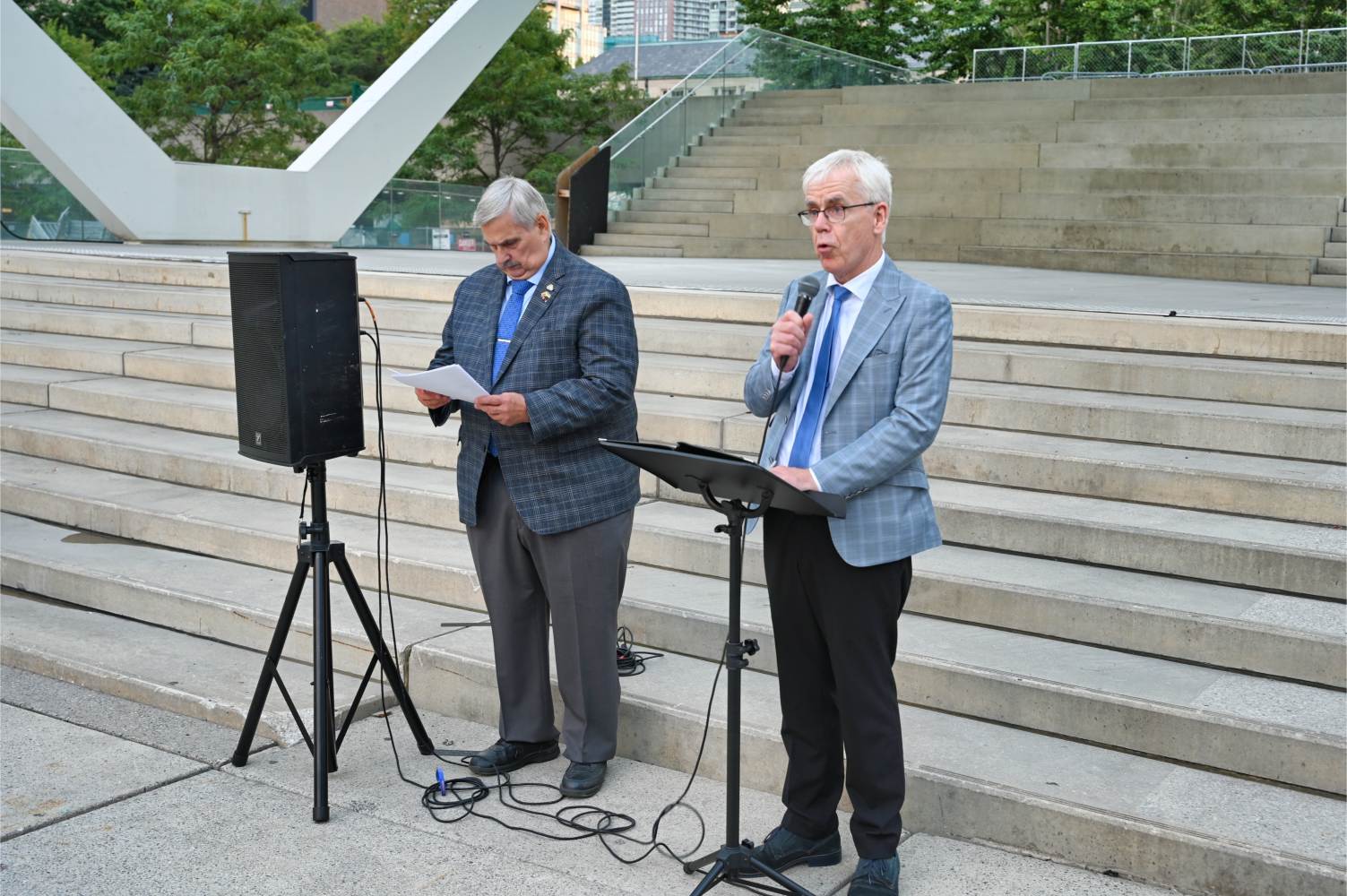
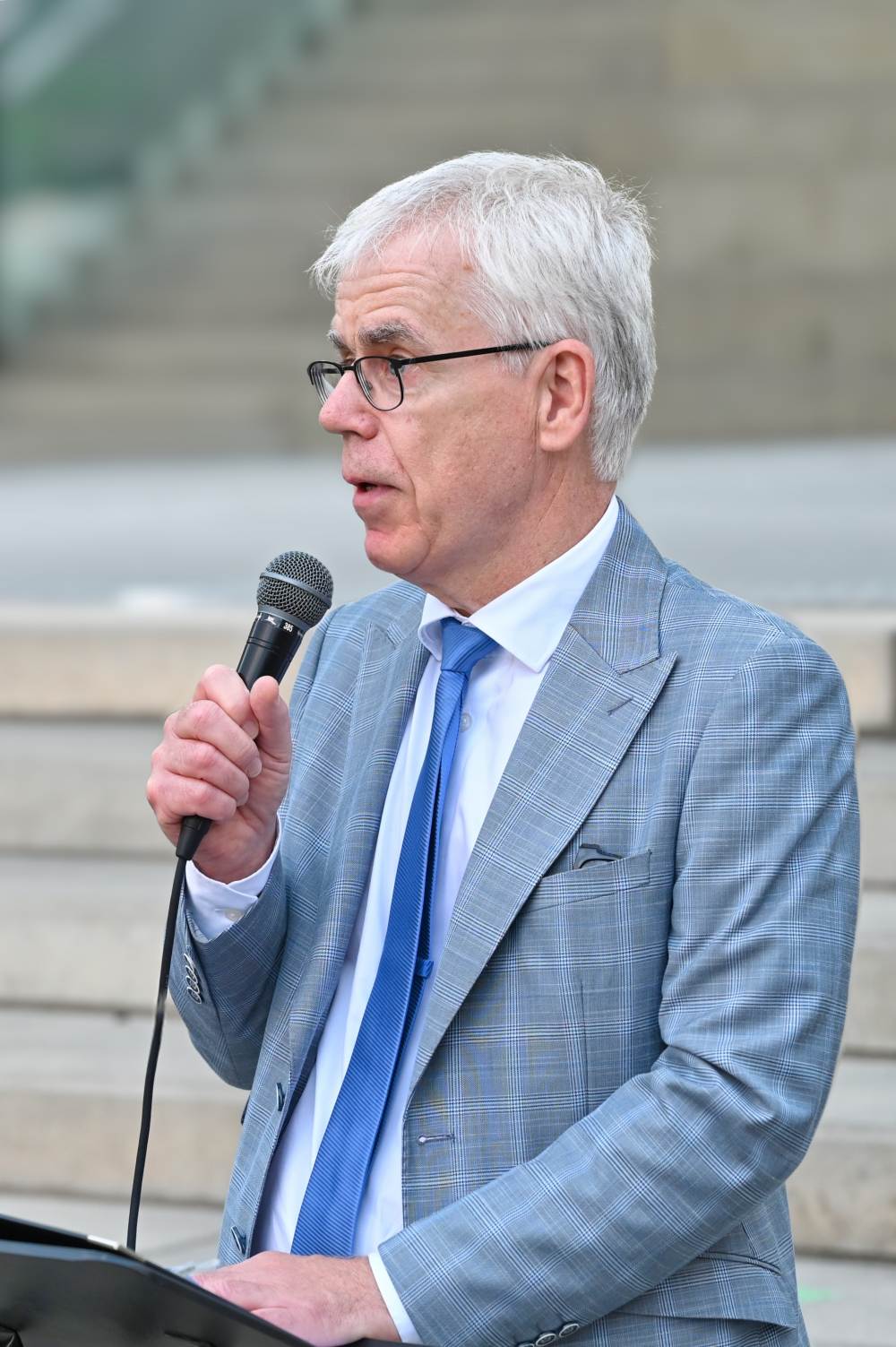
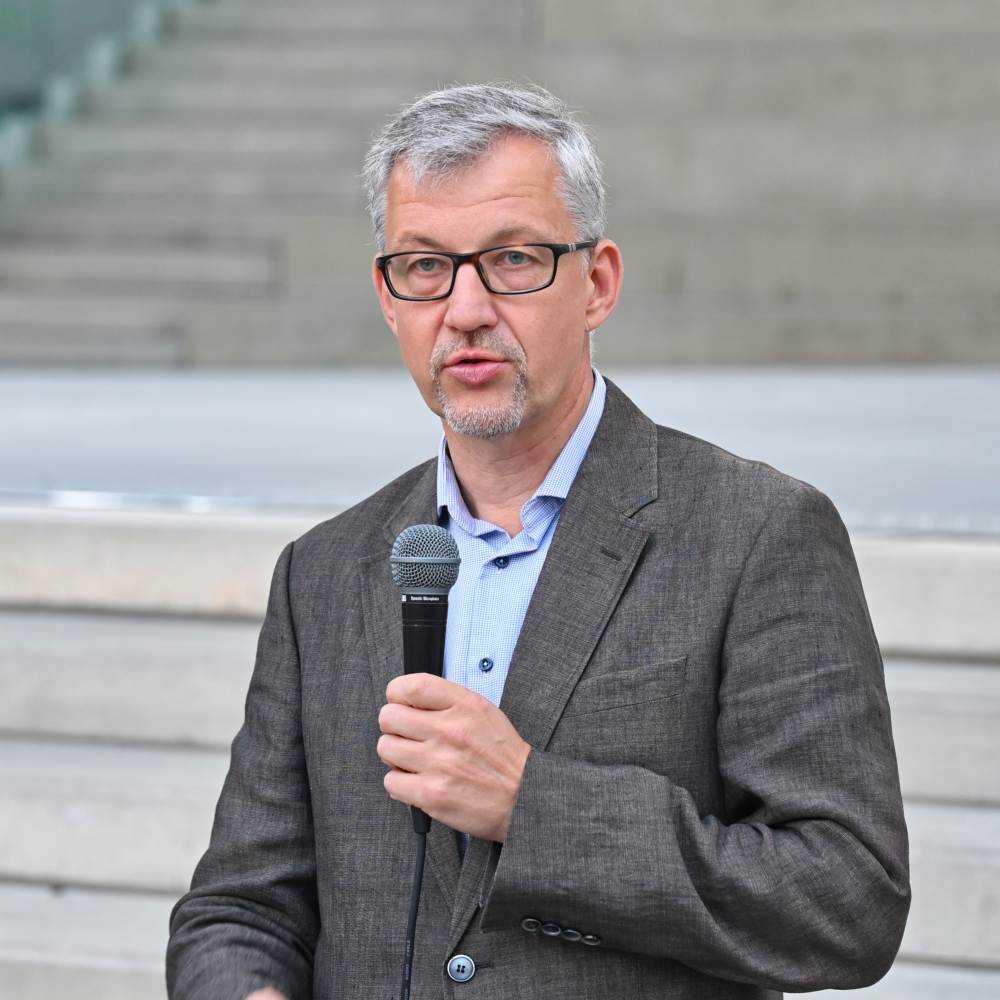
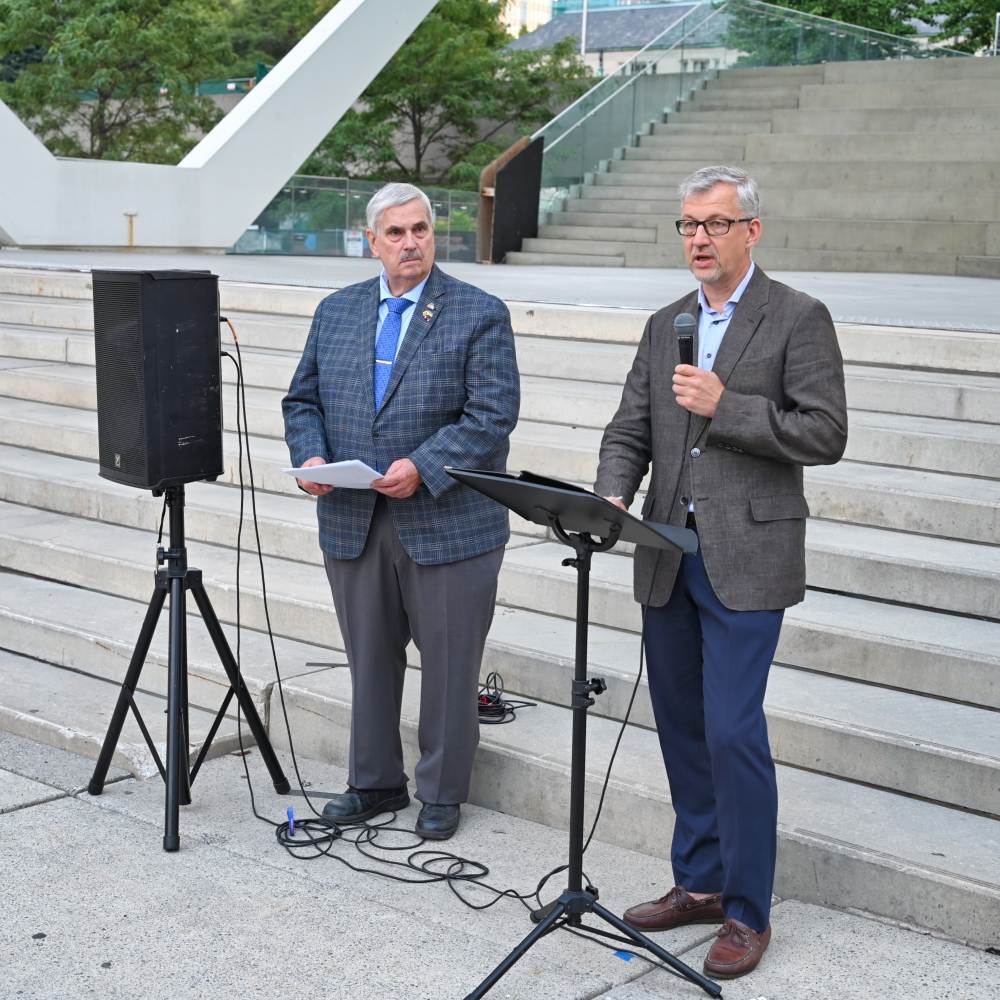
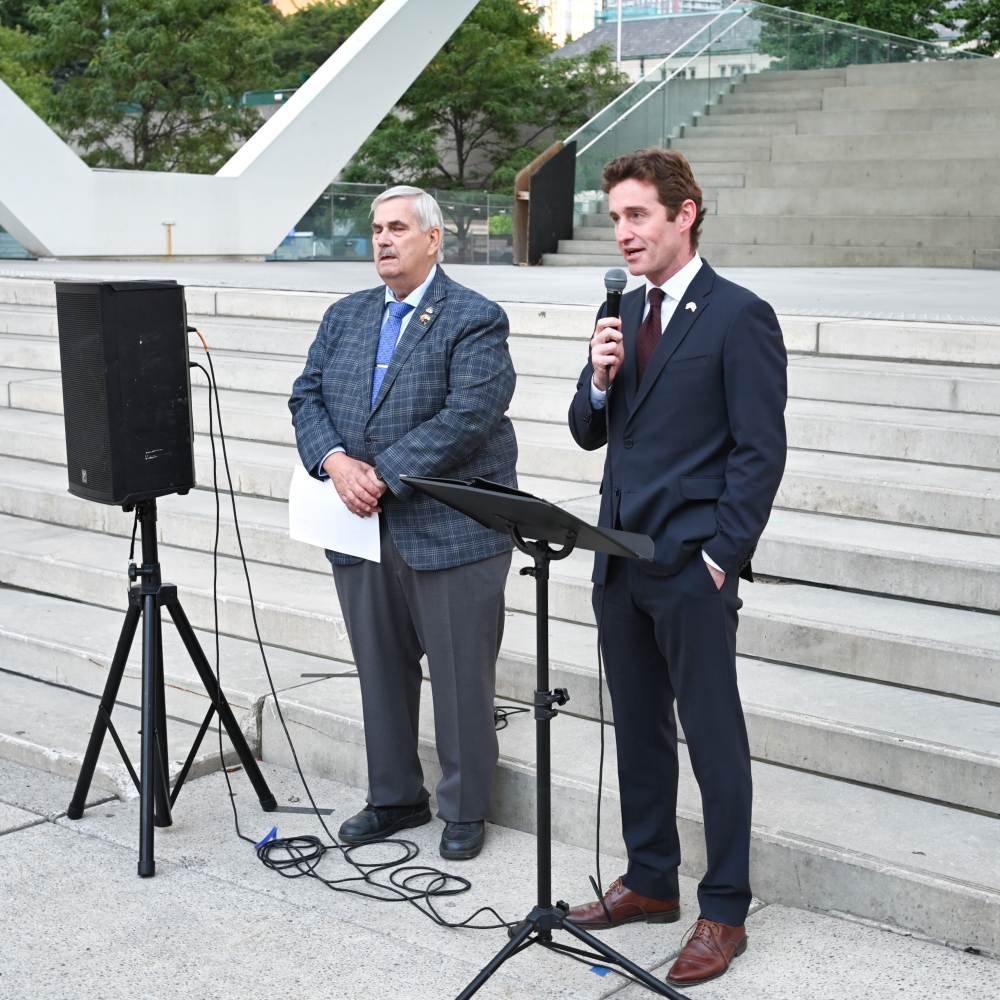
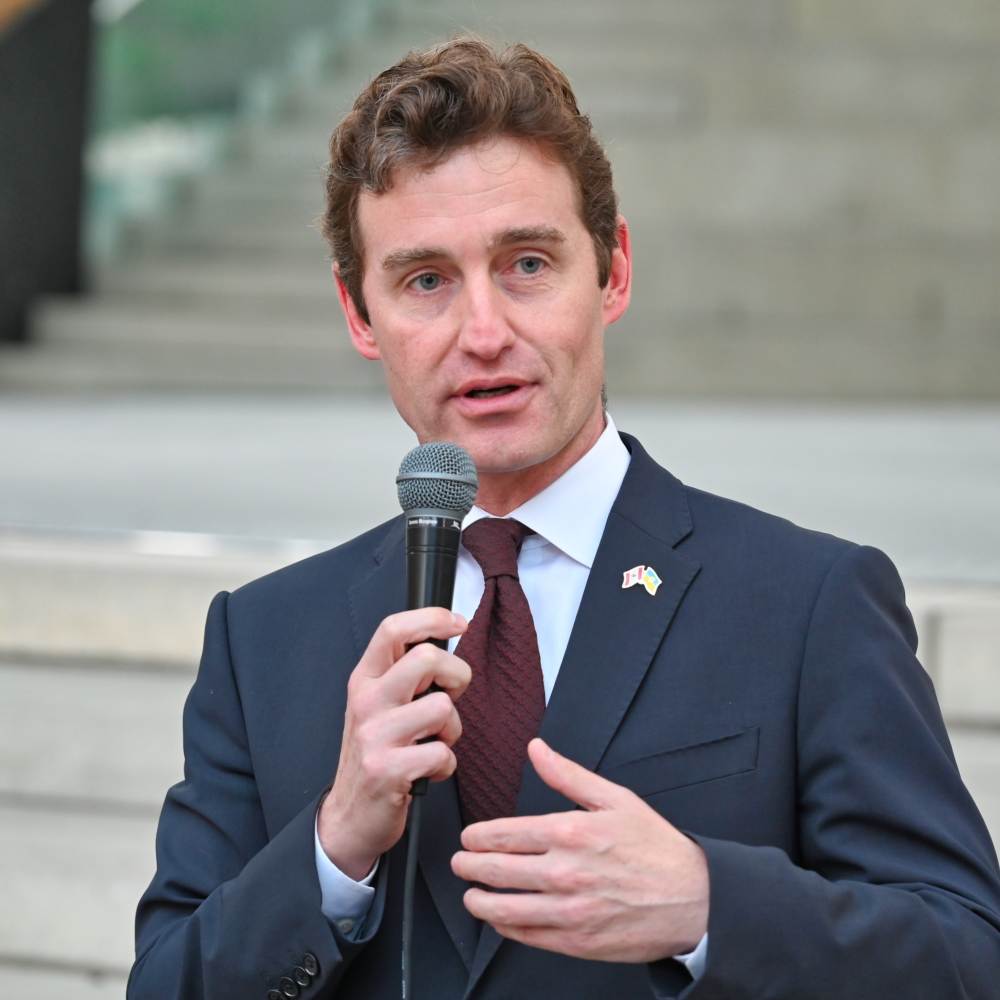
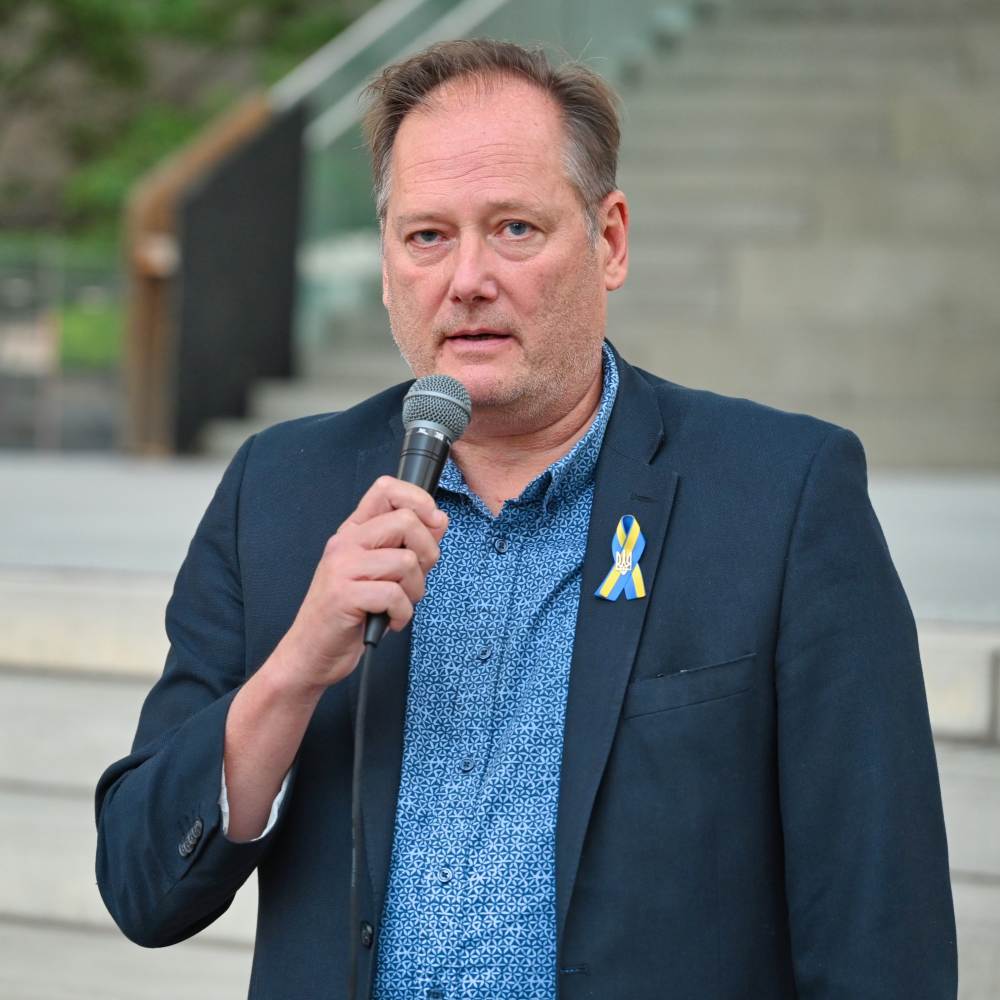
Oikumeenilise palve pidas Fritz Kristbergs, Läti kogukonna keskorganisatsiooni president. Sündmusel oli peakõnelejaks liberaalide parteisse kuuluv parlamendi liige Yvan Baker. Sõna võtsid Eestlaste Kesknõukogu Kanadas (EKN) president Reet Marten-Sehr, keskendudes põhiliselt Molotovi-Ribbentropi paktile ja selle salaprotokollidele, mis viisid okupatsioonini (vt ka R. Marten-Sehri kõnet tänase lehe ingliskeelses osas), Leedu keskorgaganisatsiooni president Kazimieras Deksnys, kelle sõnavõtus oli keskne Balti kett ning ka pealinnast Ottawast kohale sõitnud Eesti suursaadik Margus Rava. Sõnavõtud lõpetas Ukrainian Canadian Congressi Toronto osakonna president Peter Schturyn.
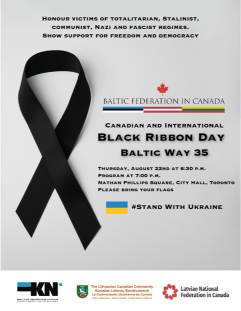
Üristuse korraldas Baltic Federation in Canada, mille juhatusse kuuluvad Balti riikide keskorganisatsioonide presidendid.
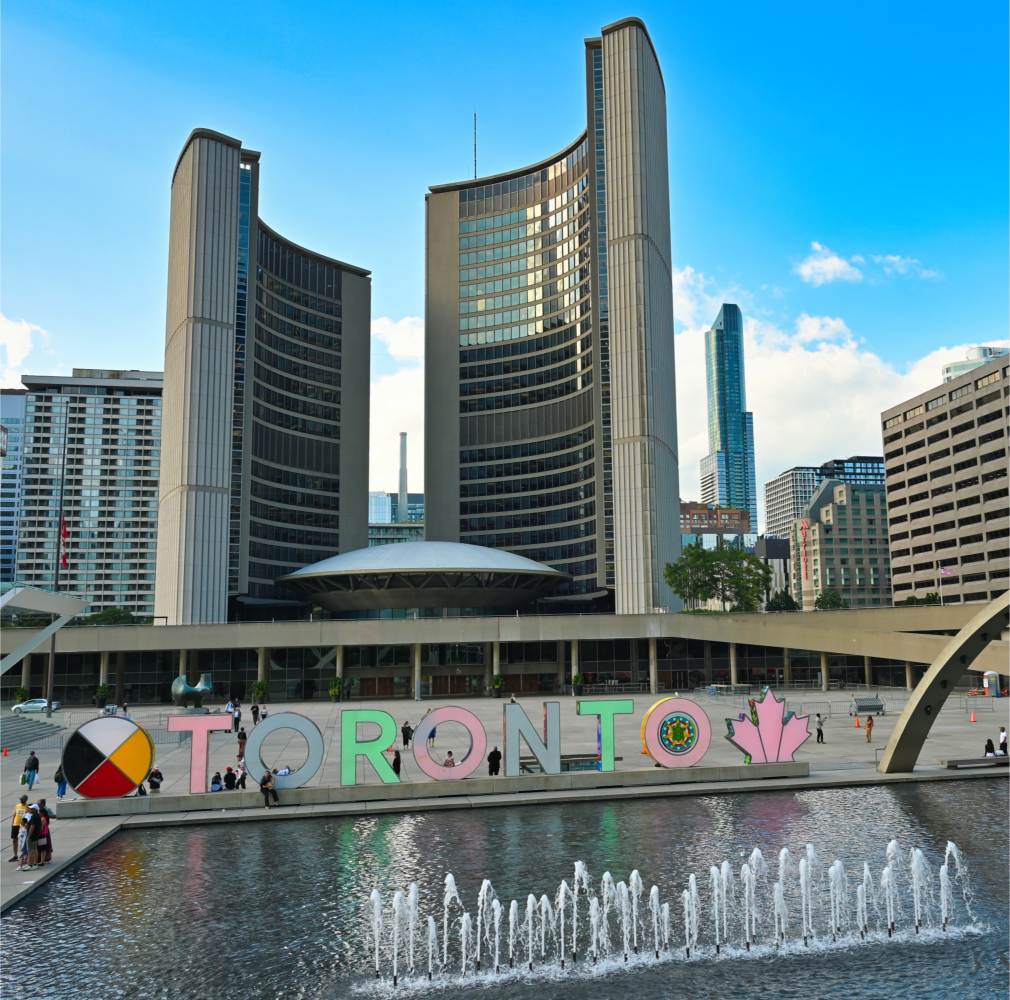
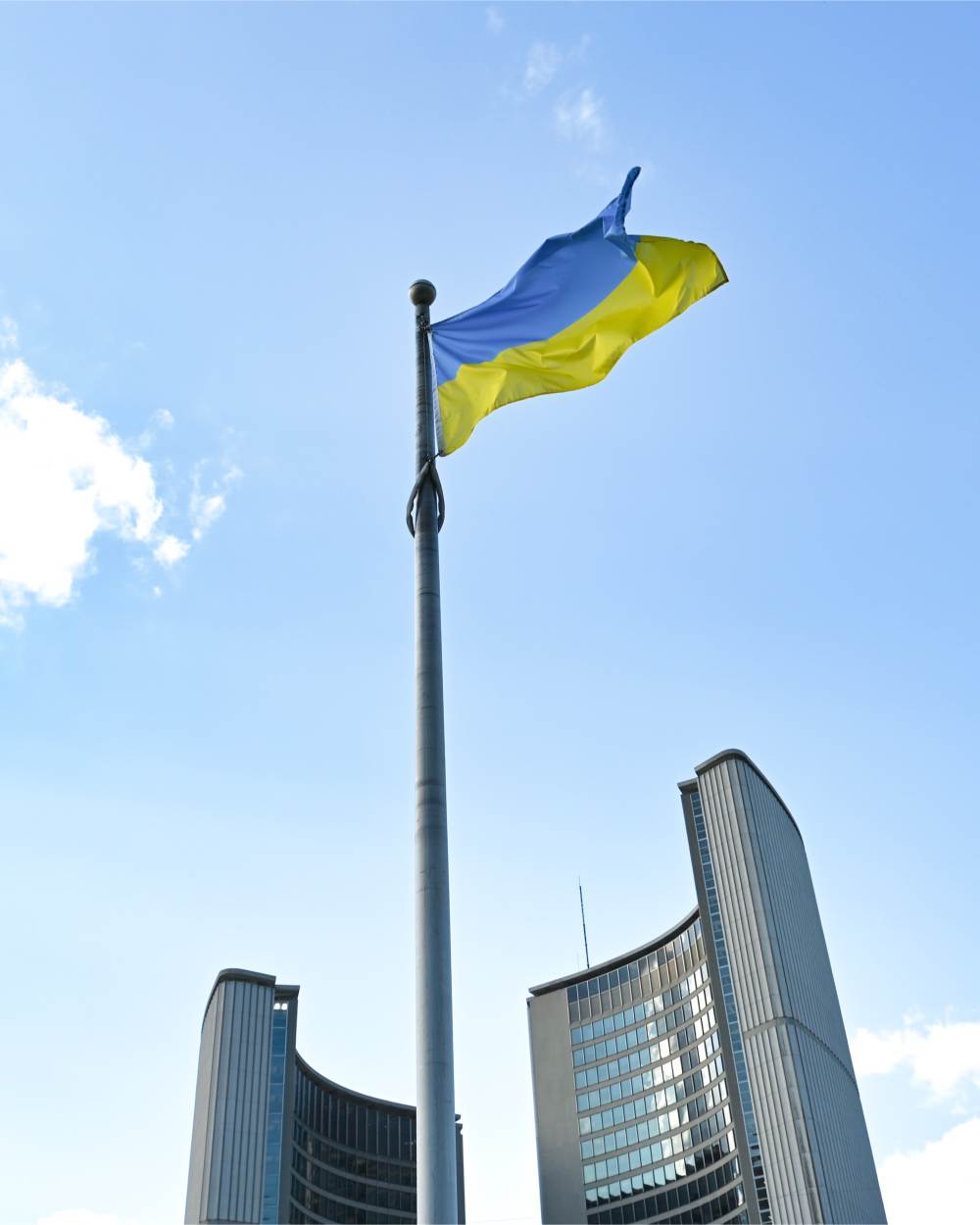
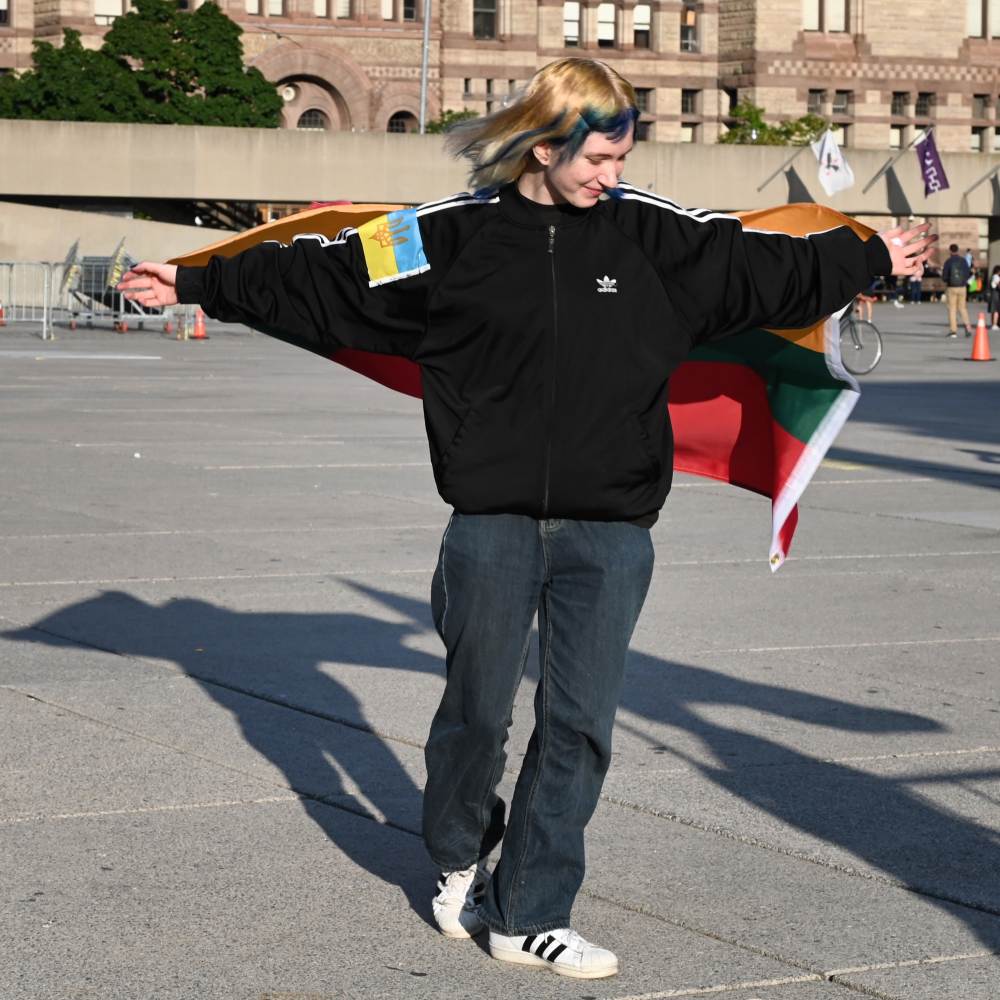
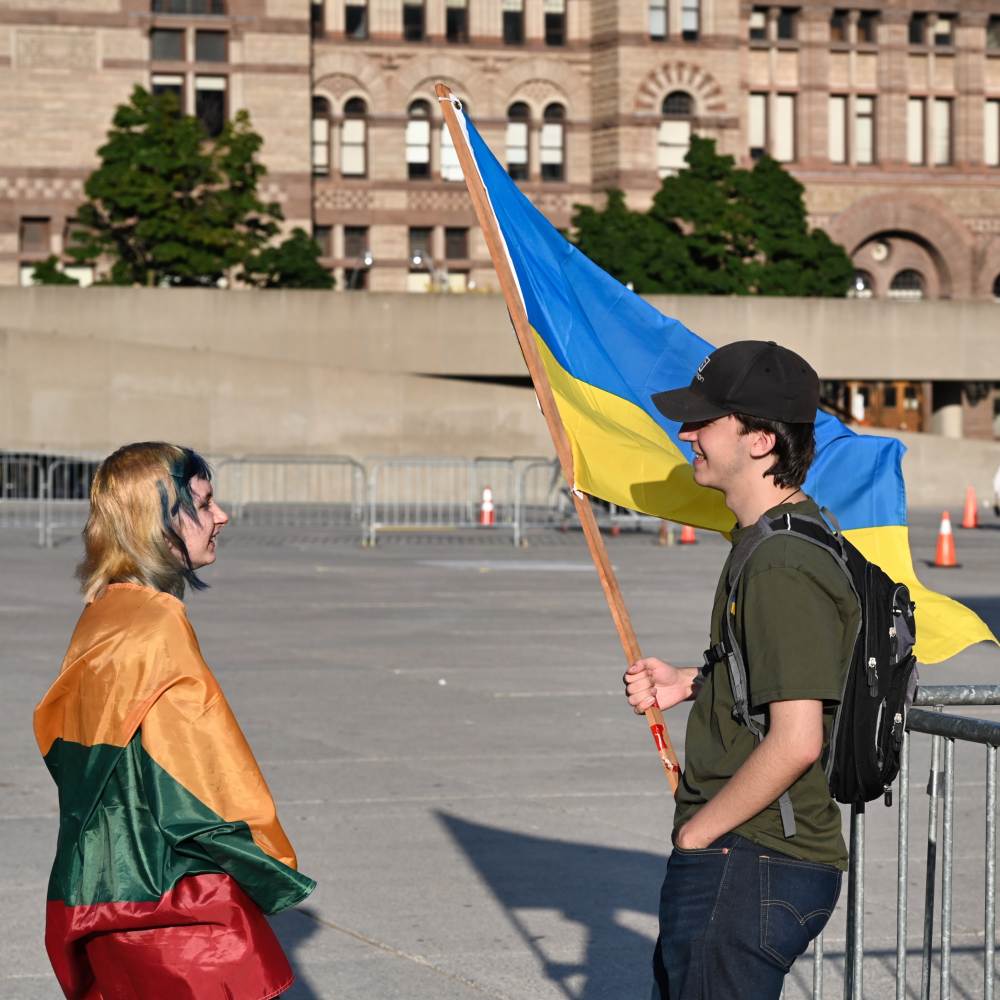
Fotod: Peeter Põldre
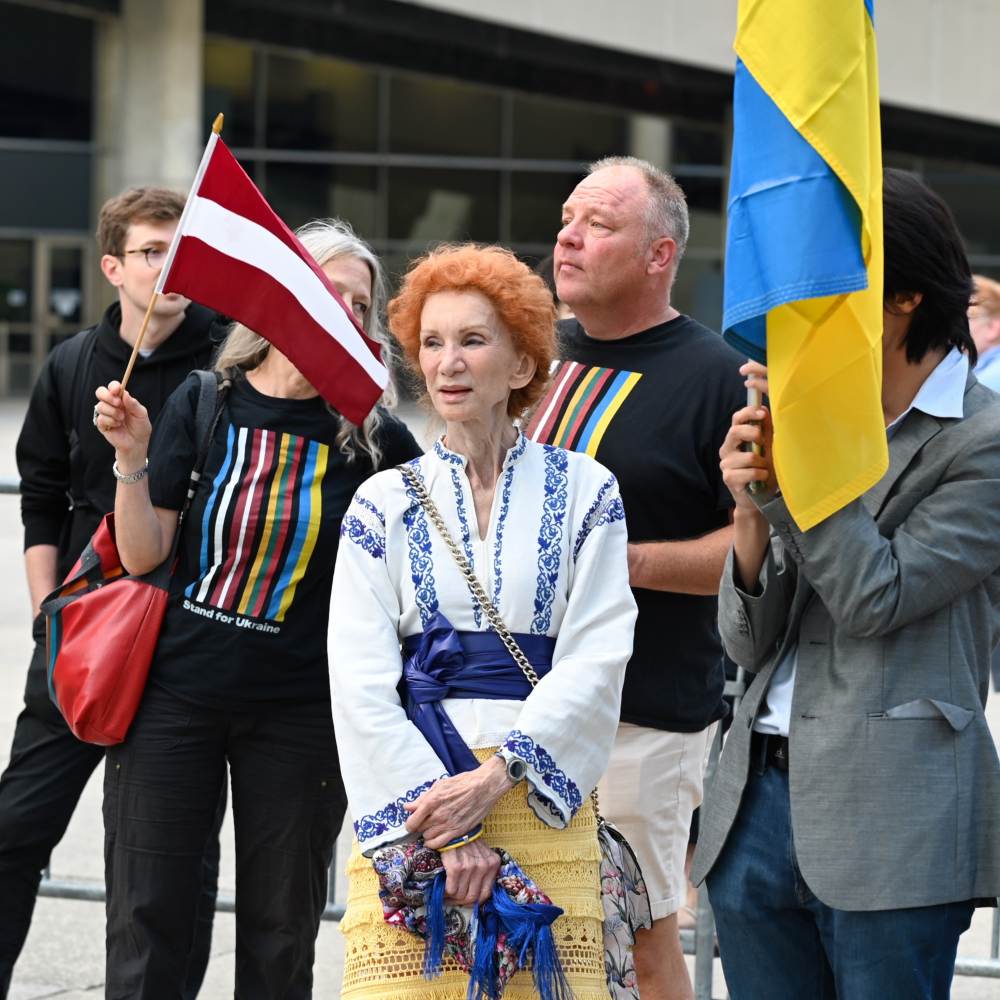
Photo gallery
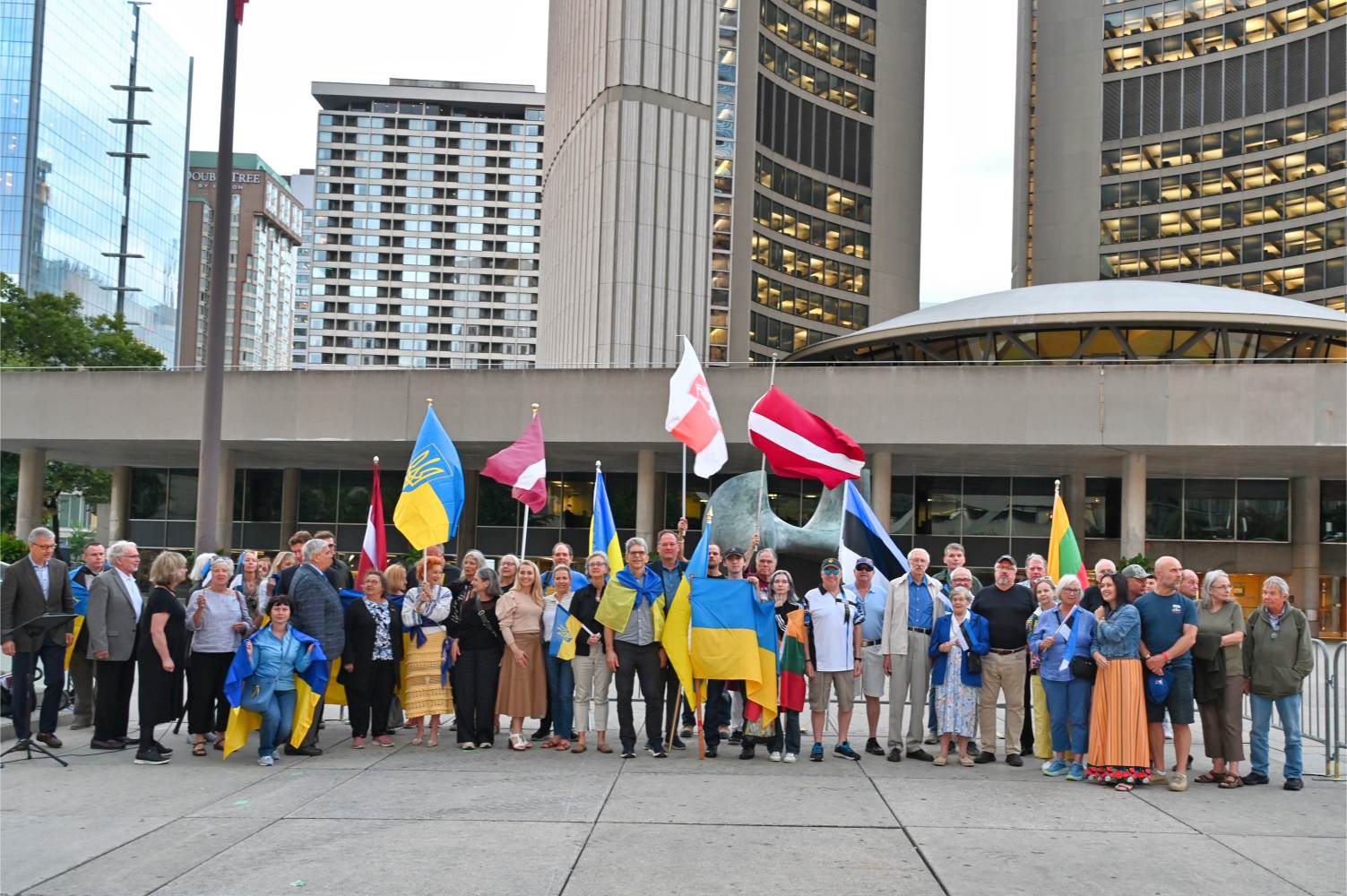
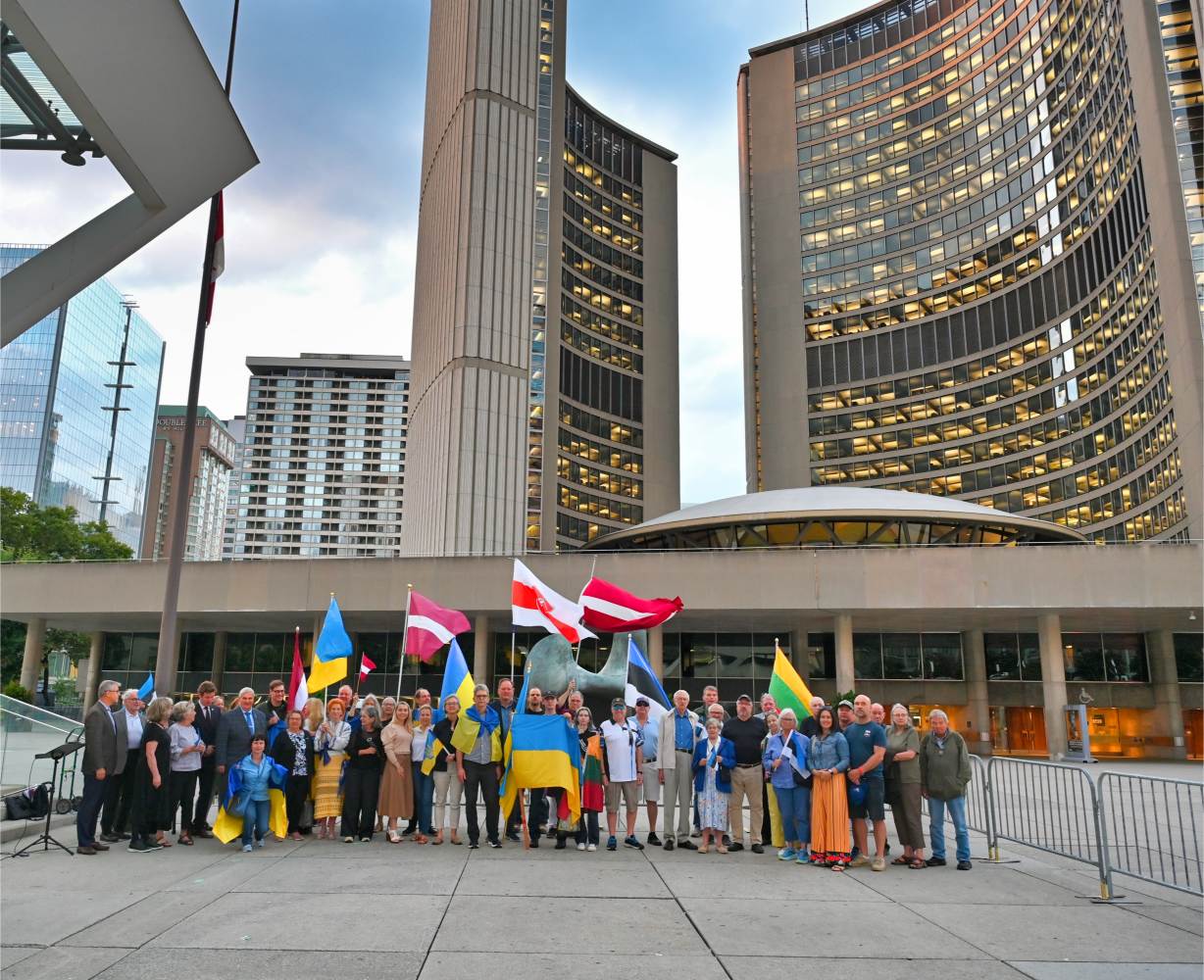
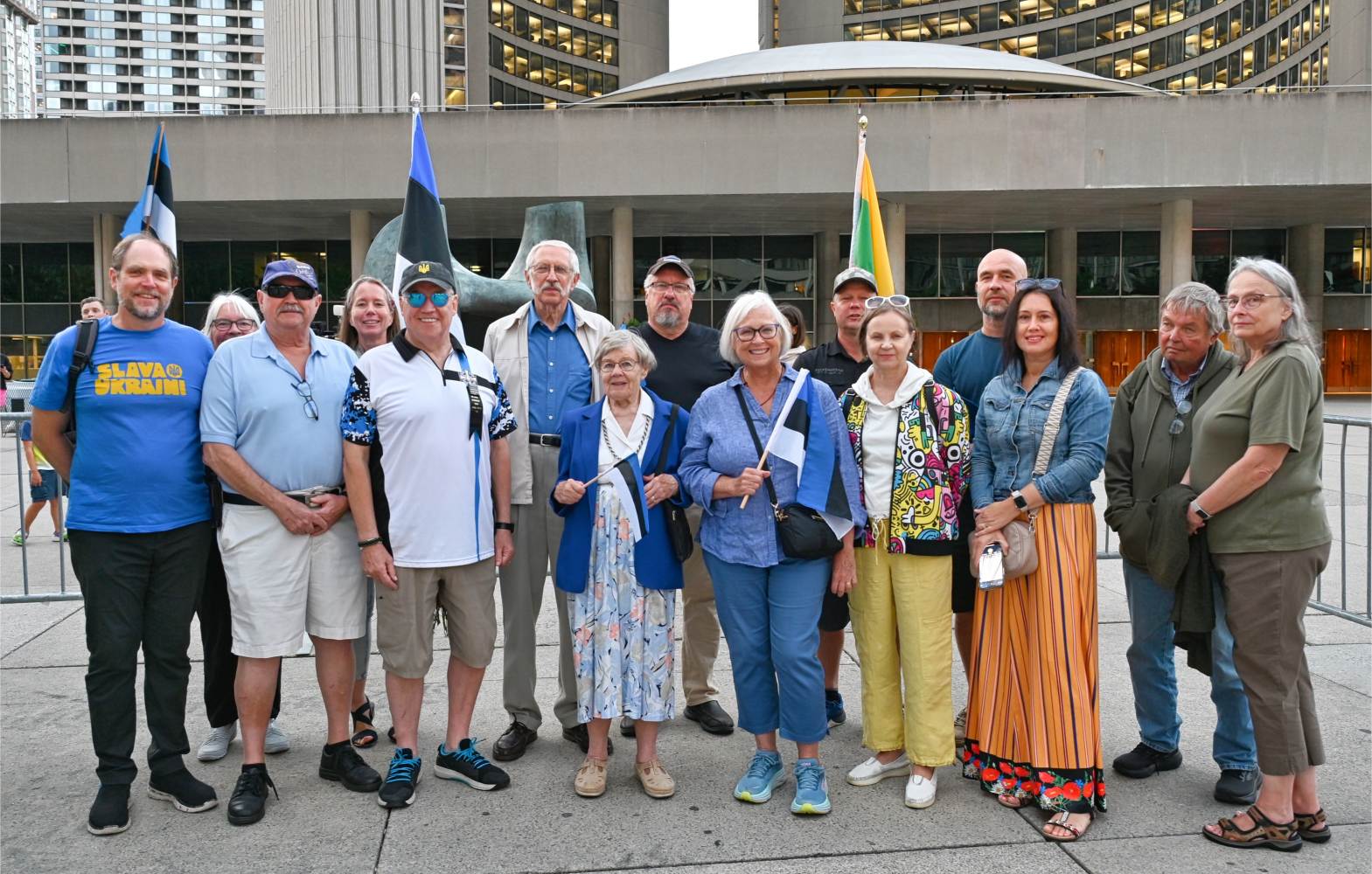
Allpool saate lugeda Eestlaste Kesknõukogu Kanadas president Reet Marten Sehri kõnet:
Dear friends,
We have come together this August 22nd to remember and commemorate victims of totalitarianism and authoritarianism, specifically those of Nazi, Stalinist, fascist and communist regimes. We have come together to reflect – to reflect upon for most Canadians – the unimaginable horrors and suffering unleashed upon our historical homelands, by two of the most brutal totalitarian regimes to ever exist – the Soviet Union and Nazi Germany.
85 years ago tomorrow, on August 23, 1939, Nazi Germany and the Soviet Union signed a non-aggression pact known as the Molotov Ribbentrop Pact in which they agreed to not attack each other. In a secret protocol of the Pact, Stalin and Hitler carved up central and eastern Europe between themselves. Independent and sovereign Estonia, Latvia, and Lithuania along with parts of Poland and Finland were given to the Soviet Union for annexation. One week after the signing, Germany invaded Poland from the west and two weeks later, the Soviet Union attacked Poland from the east.
It is important for us to also remember what preceded these events. Between 1936 and 1938 Stalin had carried out a campaign of terror with an estimated 600,000 Soviet citizens executed and millions more deported or imprisoned in forced labour camps. Between 1933 and 1939, the Nazis had transformed Germany into a one-party dictatorship implementing radical and discriminatory political and social policies that relegated German Jews from “citizens” to “outcasts” as well as targeting a variety of other “alleged enemies of the state”. In 1938, Hitler had annexed Austria and the Sudetenland part of Czechoslovakia.
The 1930s were a decade in which increasingly authoritarian governments came to power. Today, we are once again seeing a shift away from liberal democracies toward authoritarianism around the world. The great historian Timothy Snyder has drawn many parallels to what happened in the 1930’s and what is happening today, as a reminder that we need to be constantly vigilant to preserve our freedom and democracies.
The initial occupation of Estonia, Latvia and Lithuania by the Soviets – began in June 1940 and in August, they were annexed as a part of the Soviet Union. This was followed by German occupation in July 1941, after the Nazis invaded the Soviet Union. In 1944, the Soviets recaptured and occupied once again – an occupation that didn’t end until 1991 and resulted in 47 years of brutality, colonization, mass executions, deportations and repression of the Estonian, Latvian and Lithuanian peoples. The three Baltic states were caught up in a war they didn’t start, didn’t want and had no control over.
This decades long illegal Soviet occupation was never, ever recognized by most western countries. Refugee communities in the diaspora never, ever gave up hope and spent almost 50 years informing the world about the tragic plight of these countries and fighting for their freedom. Significantly, the Soviet Union never, ever acknowledged that the Baltic states were illegally occupied and annexed.
In fact, to this day, Russia falsely claims that their incorporation into the Soviet Union was voluntary and according to international law. Today the Russian government engages in lies and falsehoods about its past which deliberately distort historical record. Russian media calls Soviet crimes against humanity and war crimes a “Western myth”. Students in Russia are still taught in school today, that the Baltic states voluntarily joined the Soviet Union.
We should never forget that present day Russia is led by a former KGB officer who stated that the fall of the Soviet Union was the “greatest geopolitical catastrophe of the century” and whose explicit goal it is to recreate the boundaries of the USSR.
In this century, we have seen the old Soviet playbook enacted by Putin’s Russia in Georgia, Moldova, Ukraine and elsewhere. Russia’s vicious and unprovoked war against Ukraine, two and a half years ago is a stark reminder of how easily freedom can by lost and how important it is to stand up against tyranny, wherever it might appear.
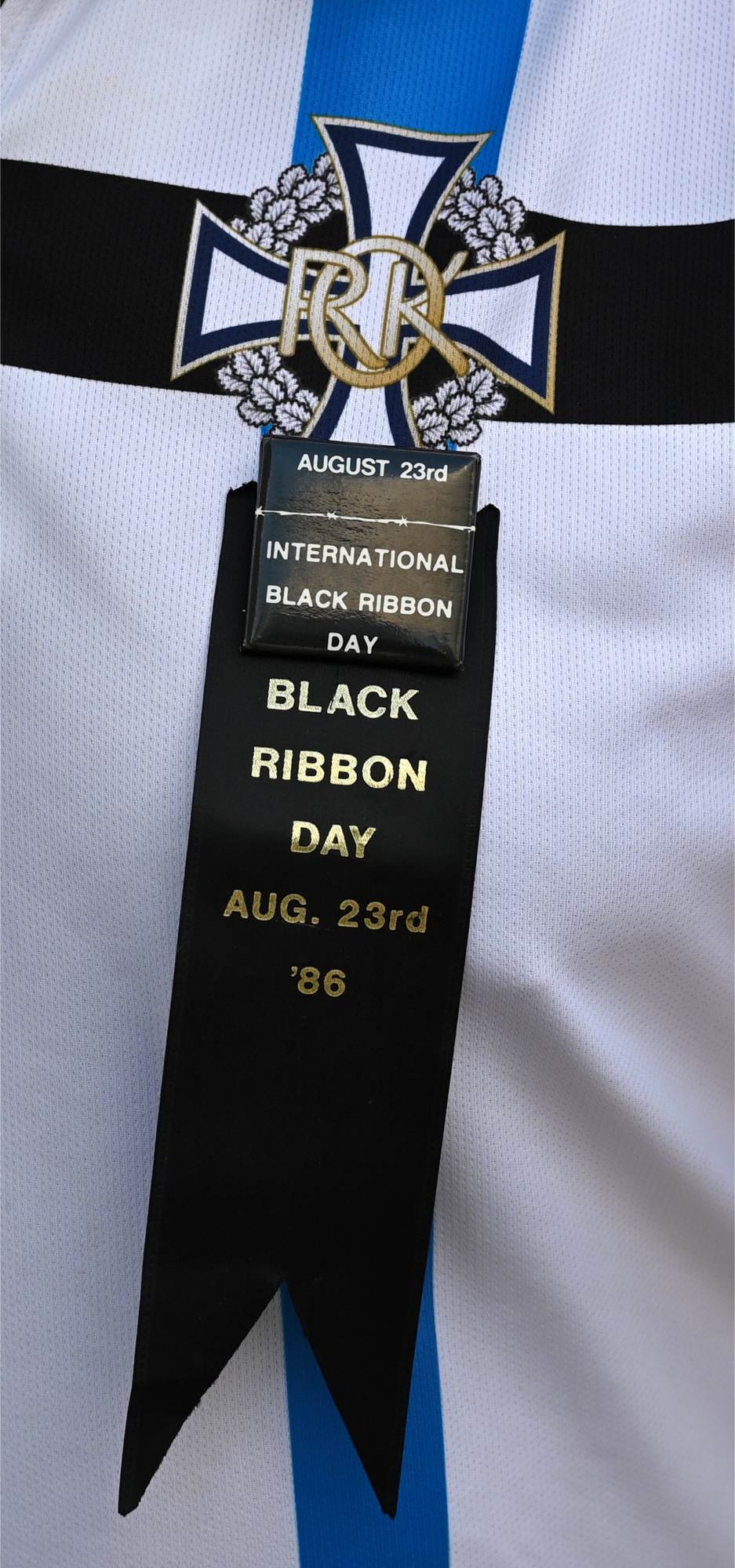
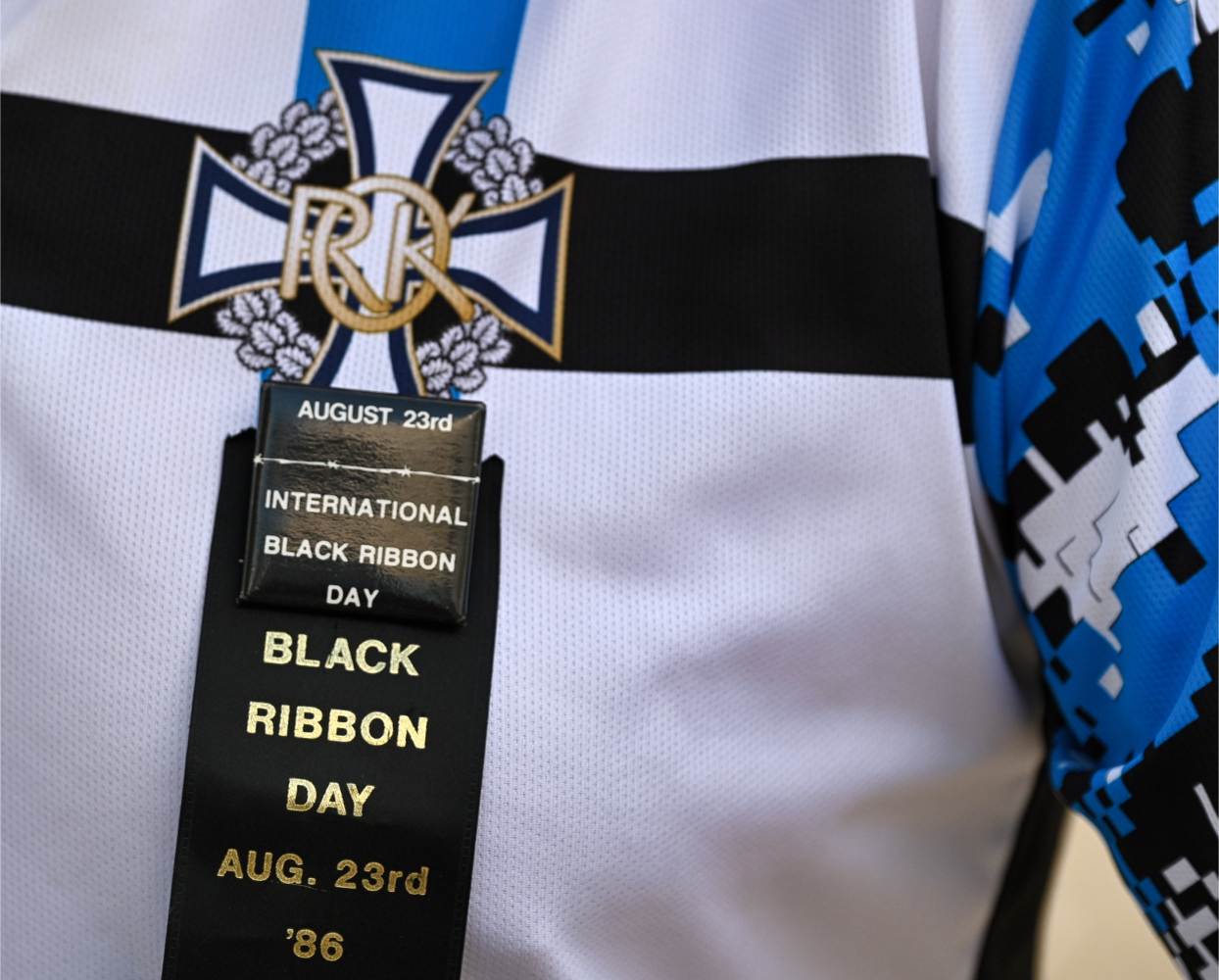
Black Ribbon Day serves as a reminder to us, as Canadians, of the fragility of democracy and that freedom should never be taken for granted. As Canadians, we can be proud that the concept of Black Ribbon Day had its origins right here in Toronto. This day was founded by former Estonian Central Council in Canada president, the late Markus Hess, who brought together community representatives in the 1980’s to form the International Black Ribbon Day Committee. By 1991, it had become a world-wide movement with pro-freedom and democracy demonstrations held around the world.
In November 2009, the Canadian House of Commons declared August 23 of each year as Black Ribbon Day, a Day of Remembrance.
On this Black Ribbon Day, as we commemorate victims of Nazism, Stalinism, communism and fascism let us reflect on the lessons from history that should have been learned. Let us actively defend and promote democratic values, which remain our best defence against dictators and tyrants.