Estonian and Ethiopian culture may seem distant from one another, but for Estonian-Canadian art director Linda Turu, the two nations are practically nextdoor neighbours. As she jokingly points out, they are certainly neighbours alphabetically. And as I discovered through her introduction to the music of Girma Woldemichael, the cultural and historical parallels are deep.
Turu’s work with the Toronto-based Ethiopian-Canadian saxophonist reveals a common resilience and story of displacement.
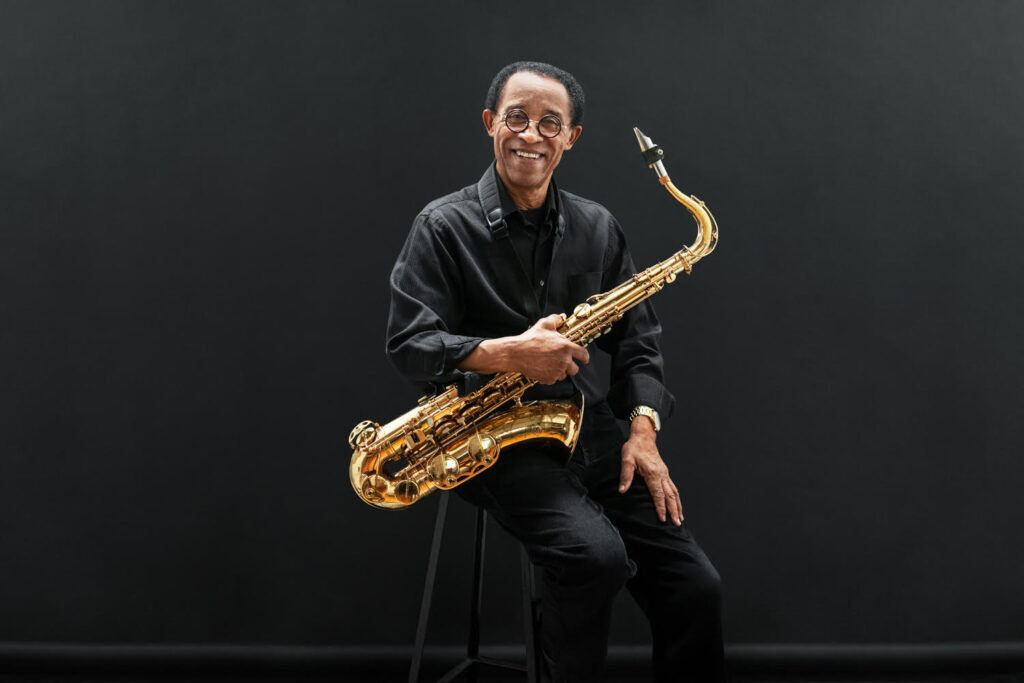
Turu first introduced me to Woldemichael’s work through the visual design of his new album andthe lens of this shared history. She observes that Woldemichael’s life is a classic immigrant story that mirrors what many Estonians experienced. Born into extreme poverty in Ethiopia and raised in an Addis Ababa orphanage, Woldemichael didn’t receive his first pair of shoes until he was thirteen. That same year, he was handed a clarinet and stepped into the golden age of Ethio-jazz. However, the 1974 revolution and the subsequent Red Terror under the Derg regime stifled the music scene. Musicians faced censorship and Woldemichael eventually sought safety abroad. In 1991, while on tour with the Ethio Stars, he defected.
The subsequent decades were a balancing act of dedication. Woldemichael drove a taxi in Toronto for thirty years to support his family, his saxophone often set aside but then intermittently active for concerts in Canada, the US, and beyond. After escaping from persecution and oppression, he sought freedom, recovered from loss, and did whatever was necessary to build a prosperous life for his family while keeping cultural traditions alive in a new land.
Turu insisted on cultural accuracy in the visual elements, selecting textiles and patterns that specifically reflected Woldemichael’s roots in Ethiopia’s capital. This was a matter of integrity for Turu, who noted that for her own family heritage on Hiiumaa and Saaremaa, it would feel wrong to use patterns from a different region.
The title of the new album, Nafqoté, is translated from Amharic as “My Longing.” It’s the spiritual equivalent of the Estonian word igatsus, defining the nostalgia and yearning felt by those separated from their homes. Turu’s meticulous art direction for the project, in collaboration with Finnish designer Keijo Tapanainen, sought to honour this connection. She insisted on cultural accuracy in the visual elements, selecting textiles and patterns that specifically reflected Woldemichael’s roots in Ethiopia’s capital. This was a matter of integrity for Turu, who noted that for her own family heritage on Hiiumaa and Saaremaa, it would feel wrong to use patterns from a different region.
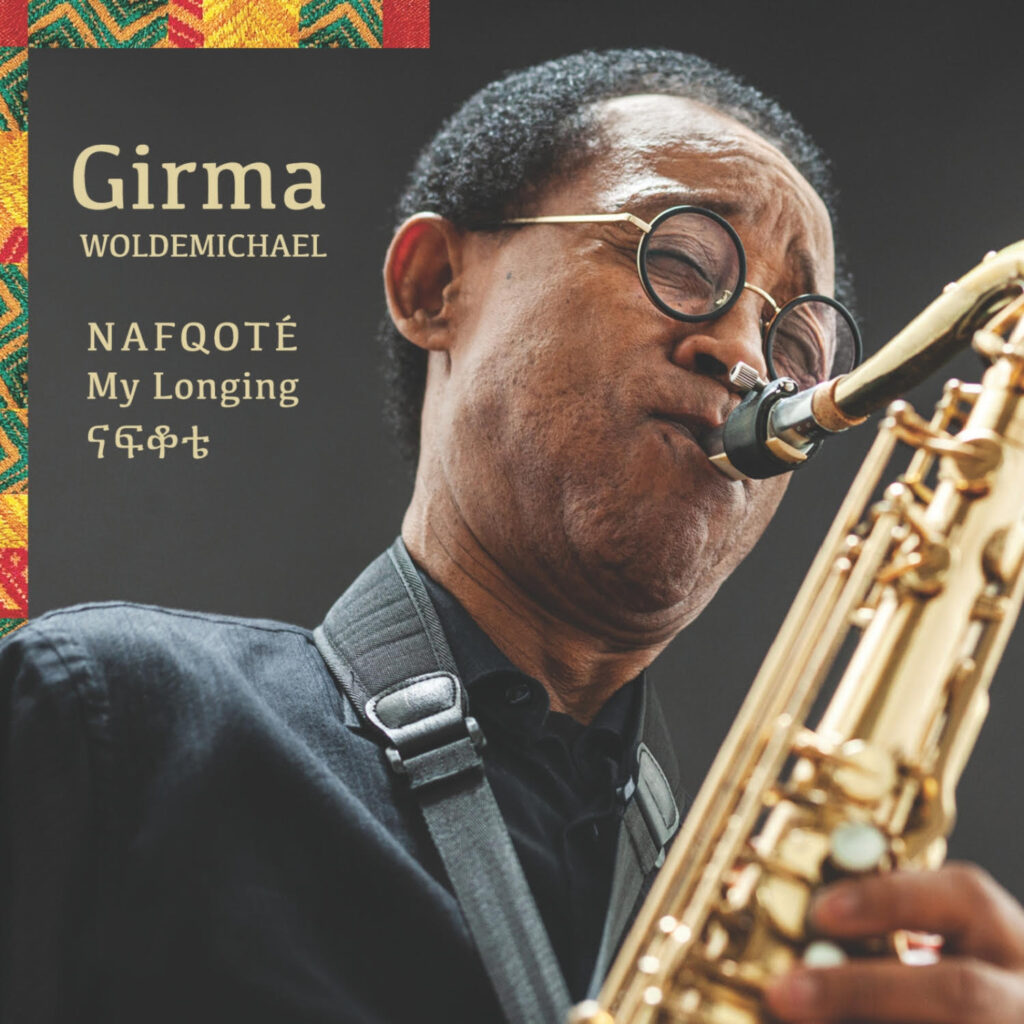
The music on Nafqoté has a certain hypnotic, rhythmic quality and moments of melancholic minor keys, bringing to mind the oft-referenced Estonian regilaulud (runic songs) and their ancient groove factor. This assessment leads us to the thoughts of music journalist Nicholas Jennings, who describes the saxophonist as “one of Toronto music’s best-kept secrets” and the album as “a collection of pulsing, soul-stirring instrumentals.” Shaping the recorded sound is Woldemichael’s son-in-law, the Grammy-nominated producer Arthur McArthur. The album carries this energy and the traditional pentatonic scales of Ethiopia with toughness (right from the first track “Fiqrishin Derribé” [“Wrapped In Your Love”]) and with tenderness. With translated song titles like “I Never Meant It”, “Ask Around”, and “Bury Me In Secret”, it would be fascinating to learn more about the backstories of these traditional but re-imagined songs. And it’s refreshing to hear a live sound represented in the album, focused on the musicians’ mastery and expression.
The culmination of this story so far was the album launch concert on May 9th at the Redwood Theatre in Toronto’s east end. The atmosphere represented Woldemichael’s appeal, percolating with conversation and activity. Nevertheless, the show was characterized by an immense humility that only added to the impact of the high-calibre musicianship on display. Woldemichael himself remained soft-spoken, at one point shyly mentioning that CDs were available at the back to be purchased “if you would like to do that.”

Photo gallery
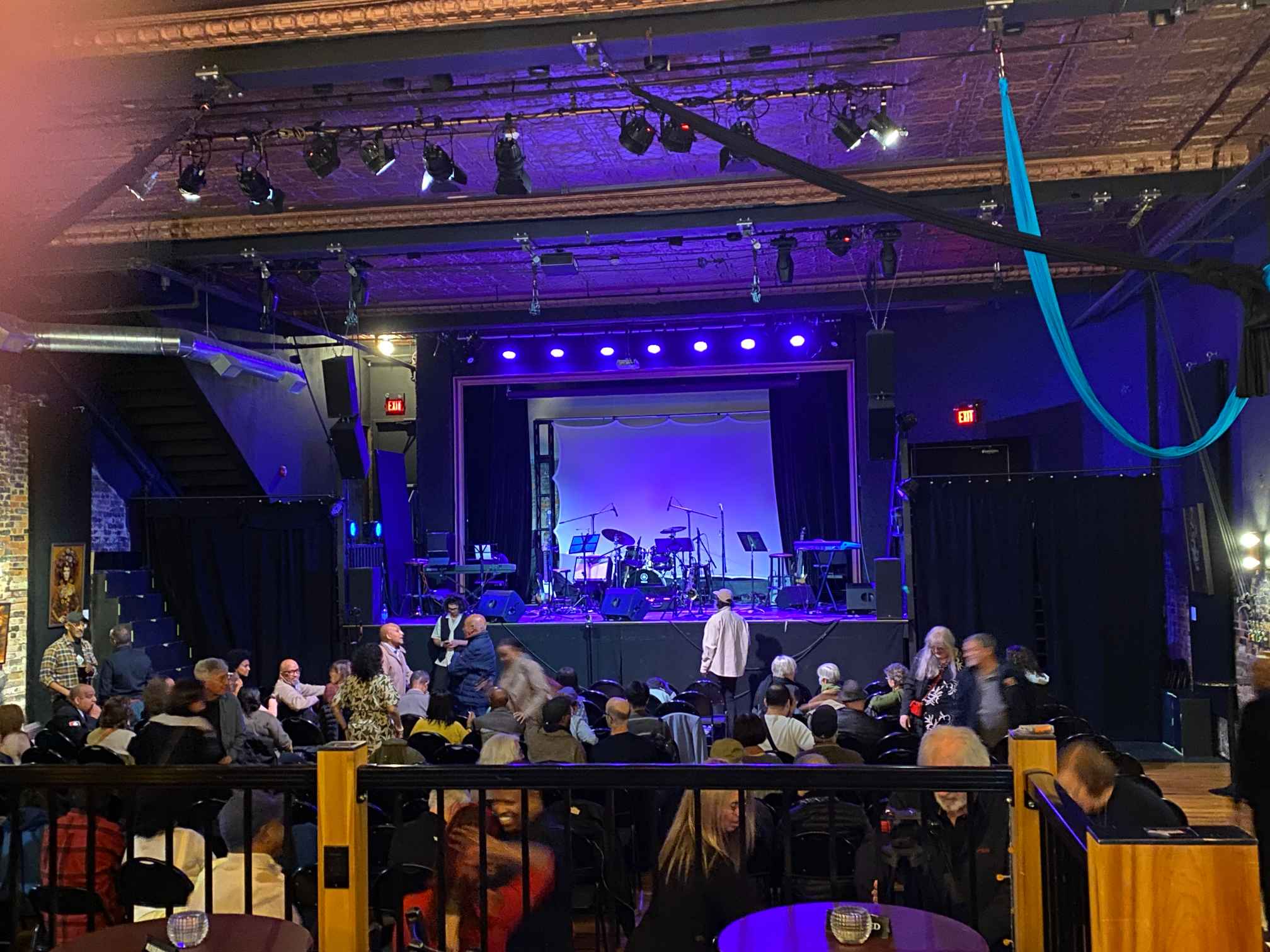
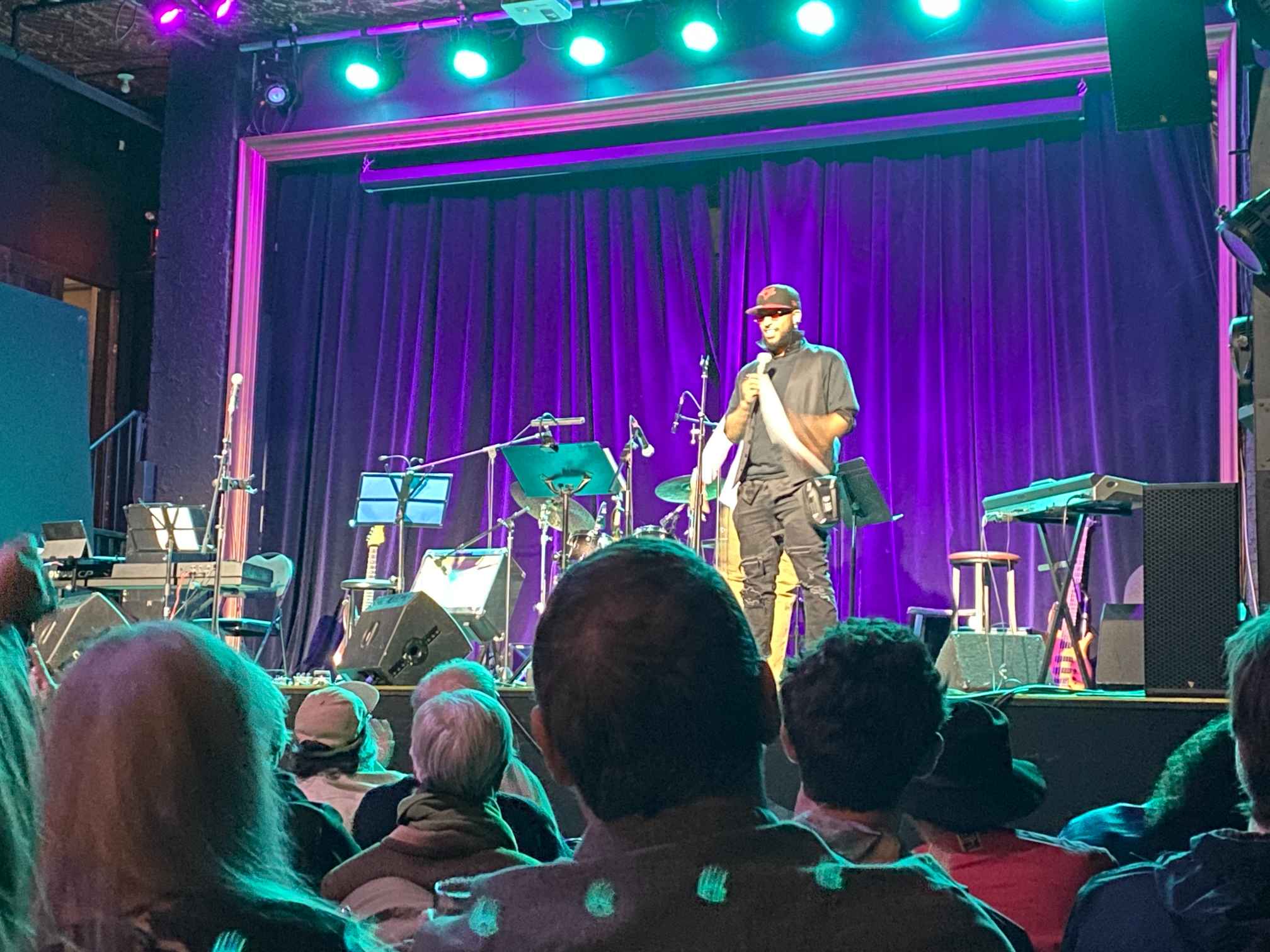
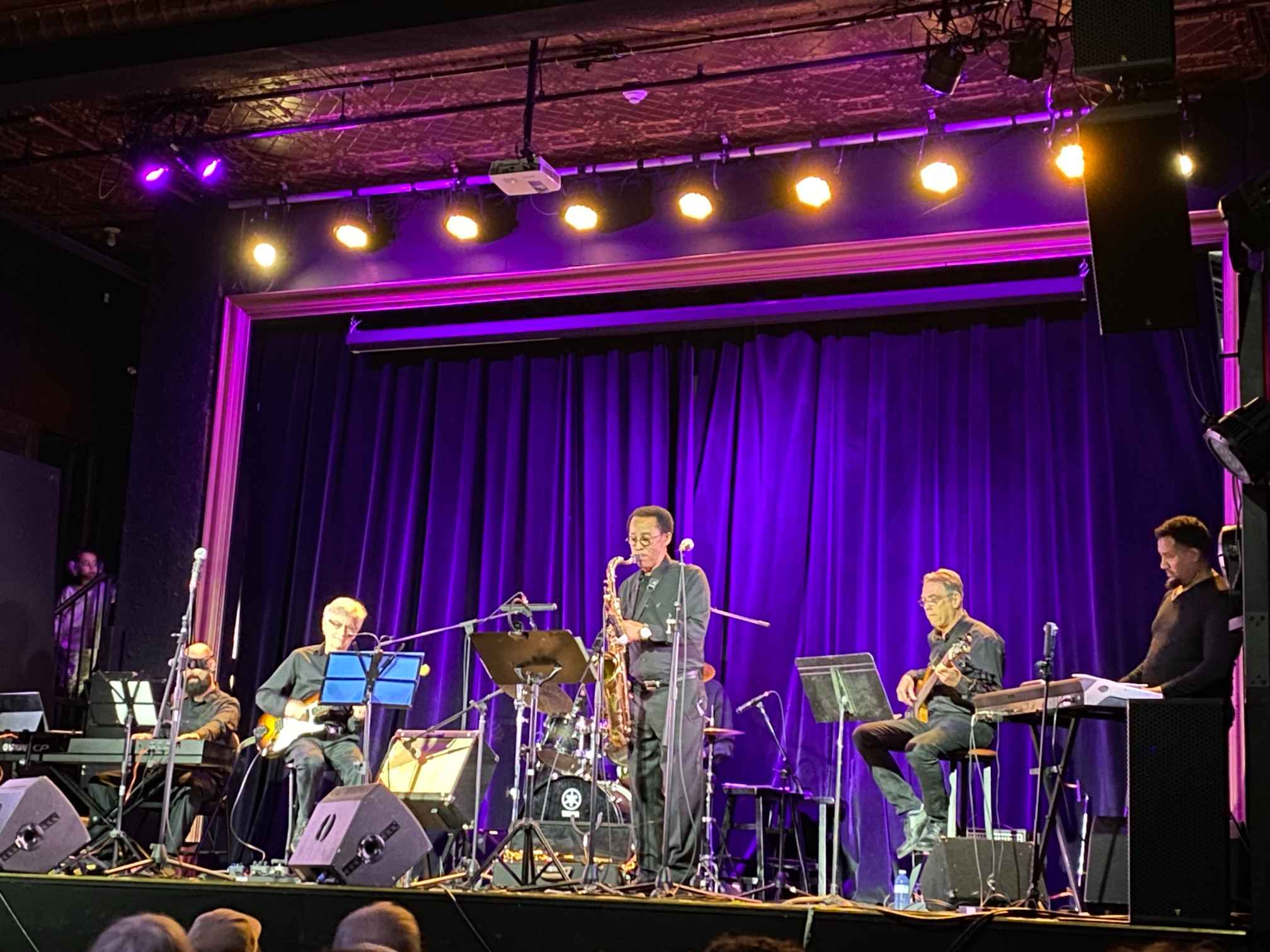
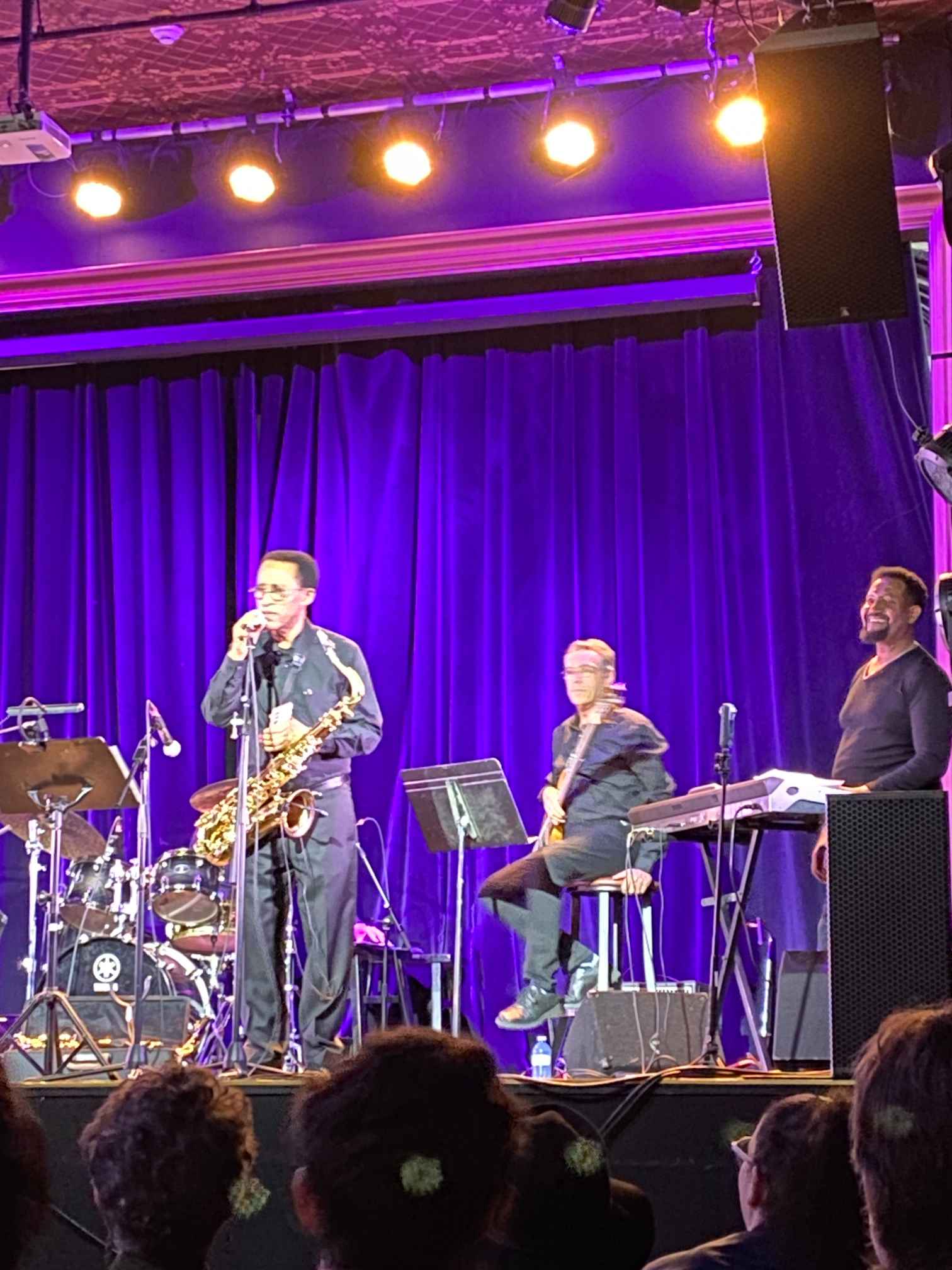
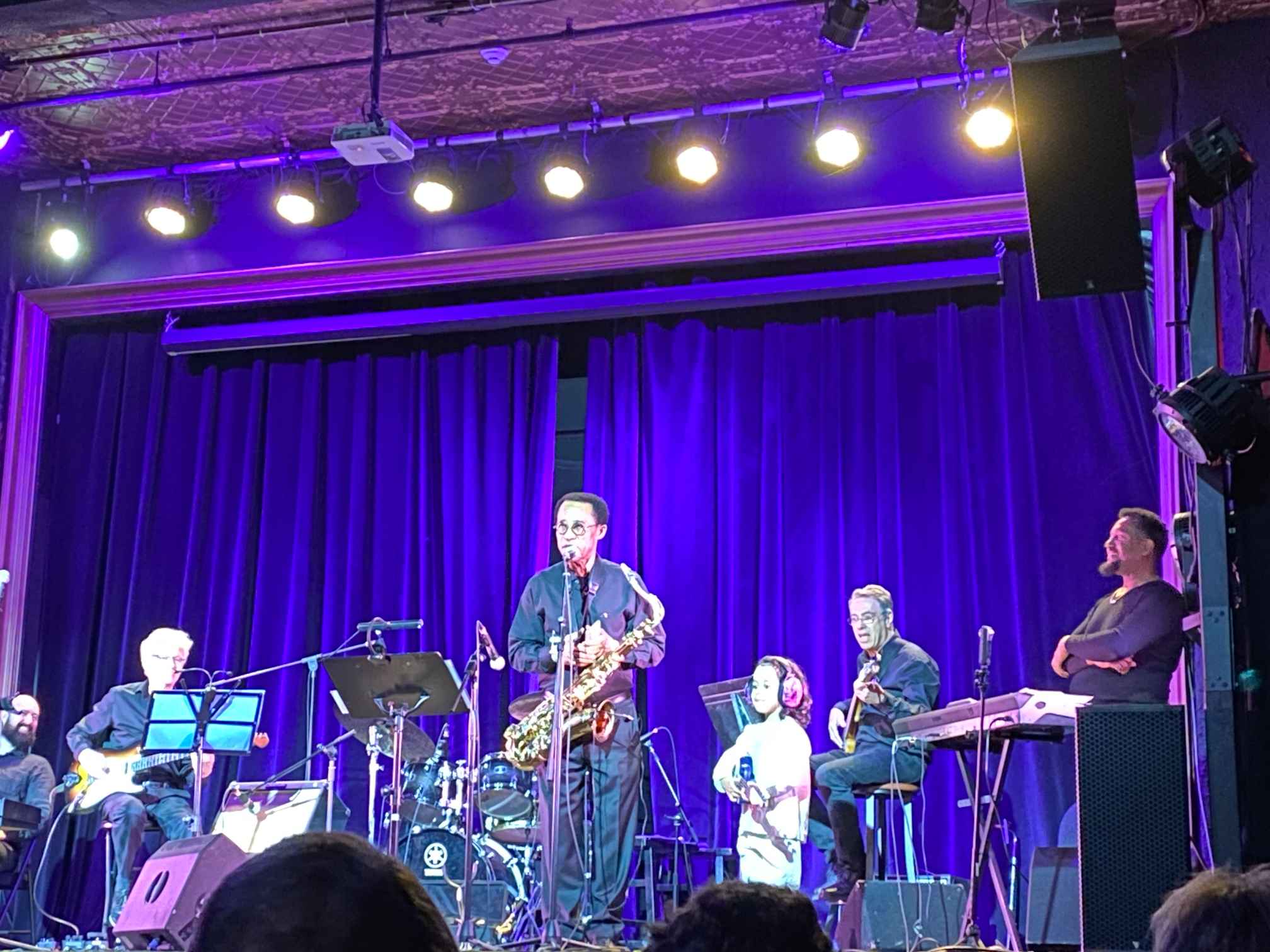
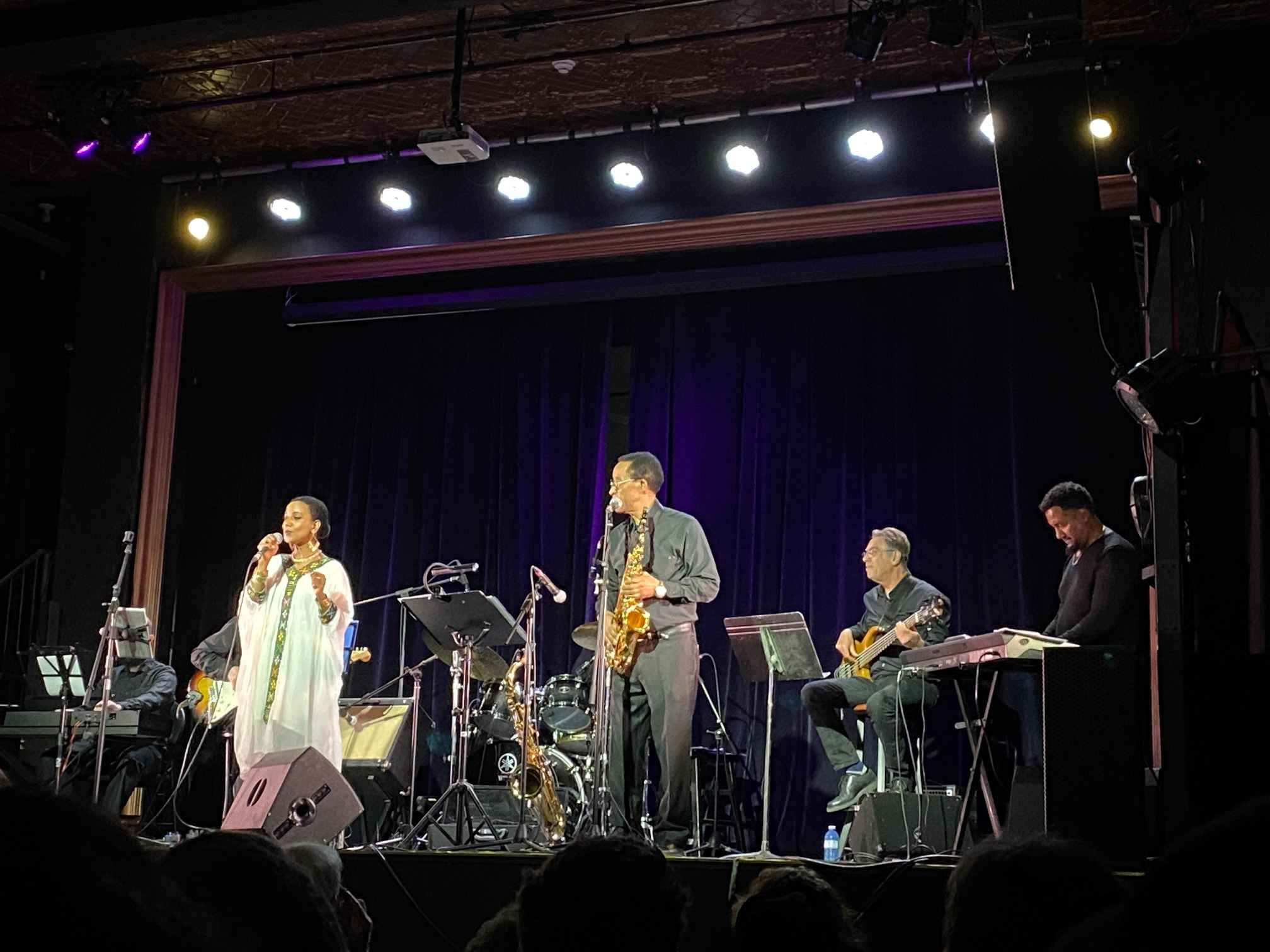
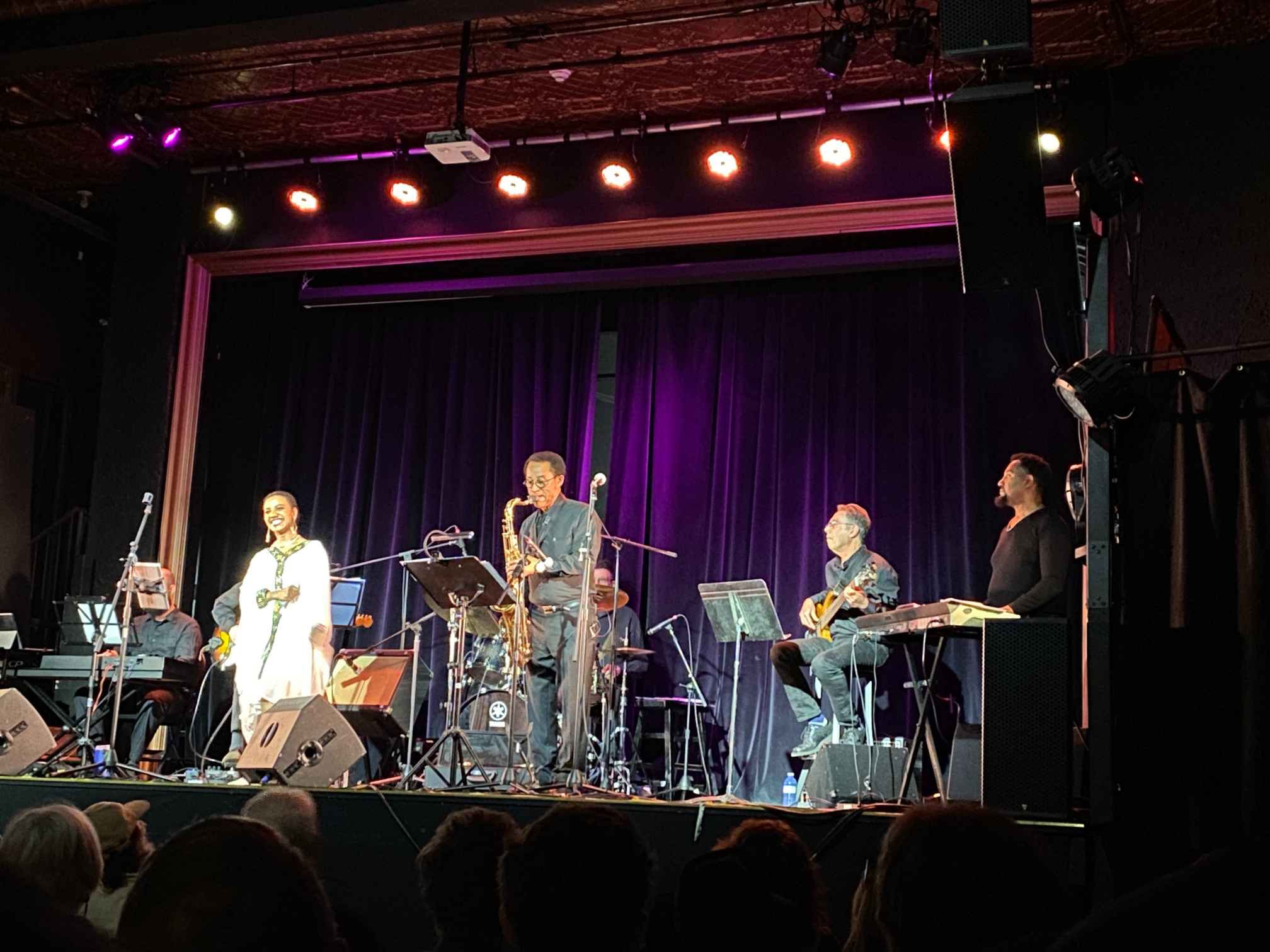
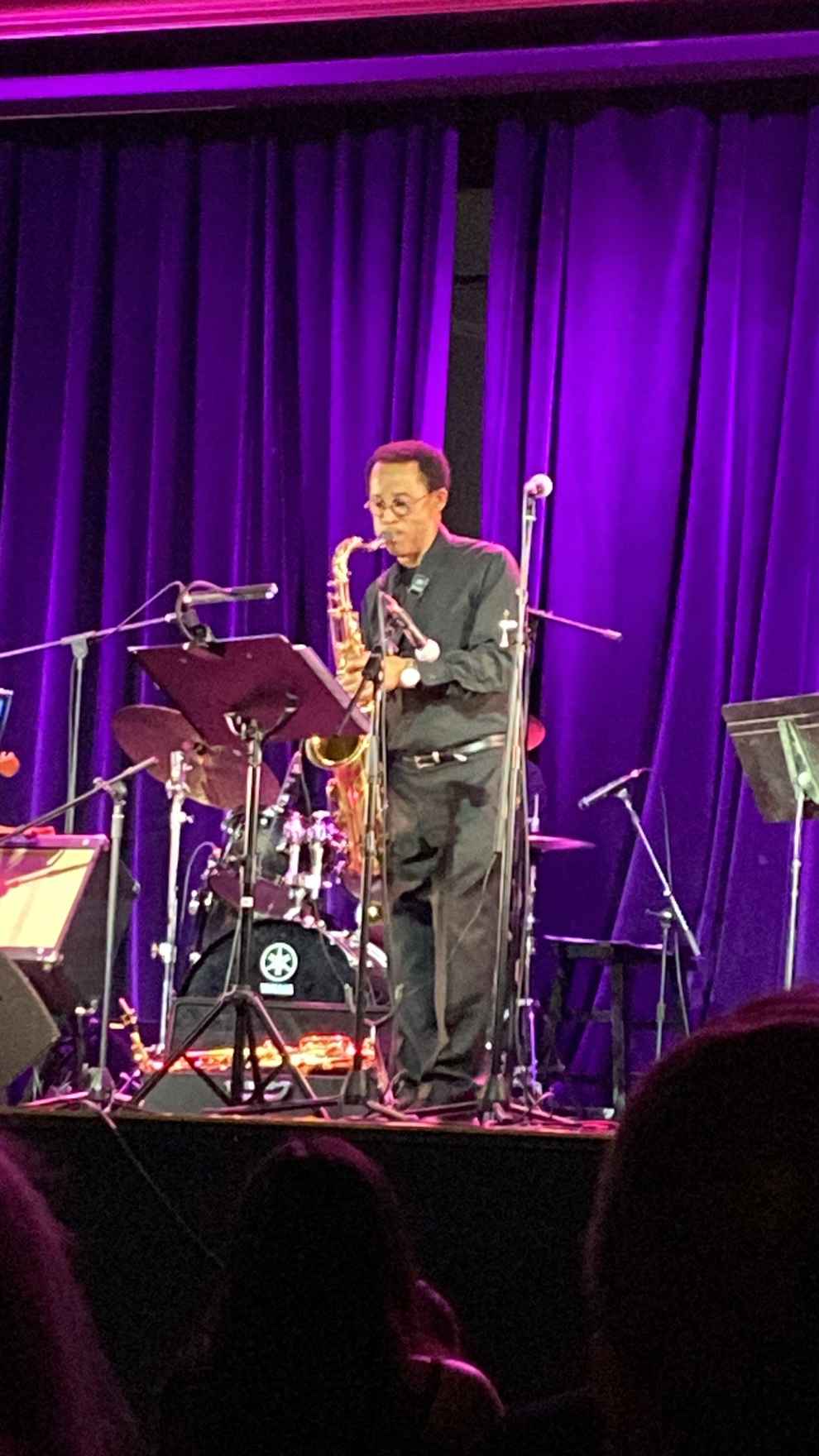
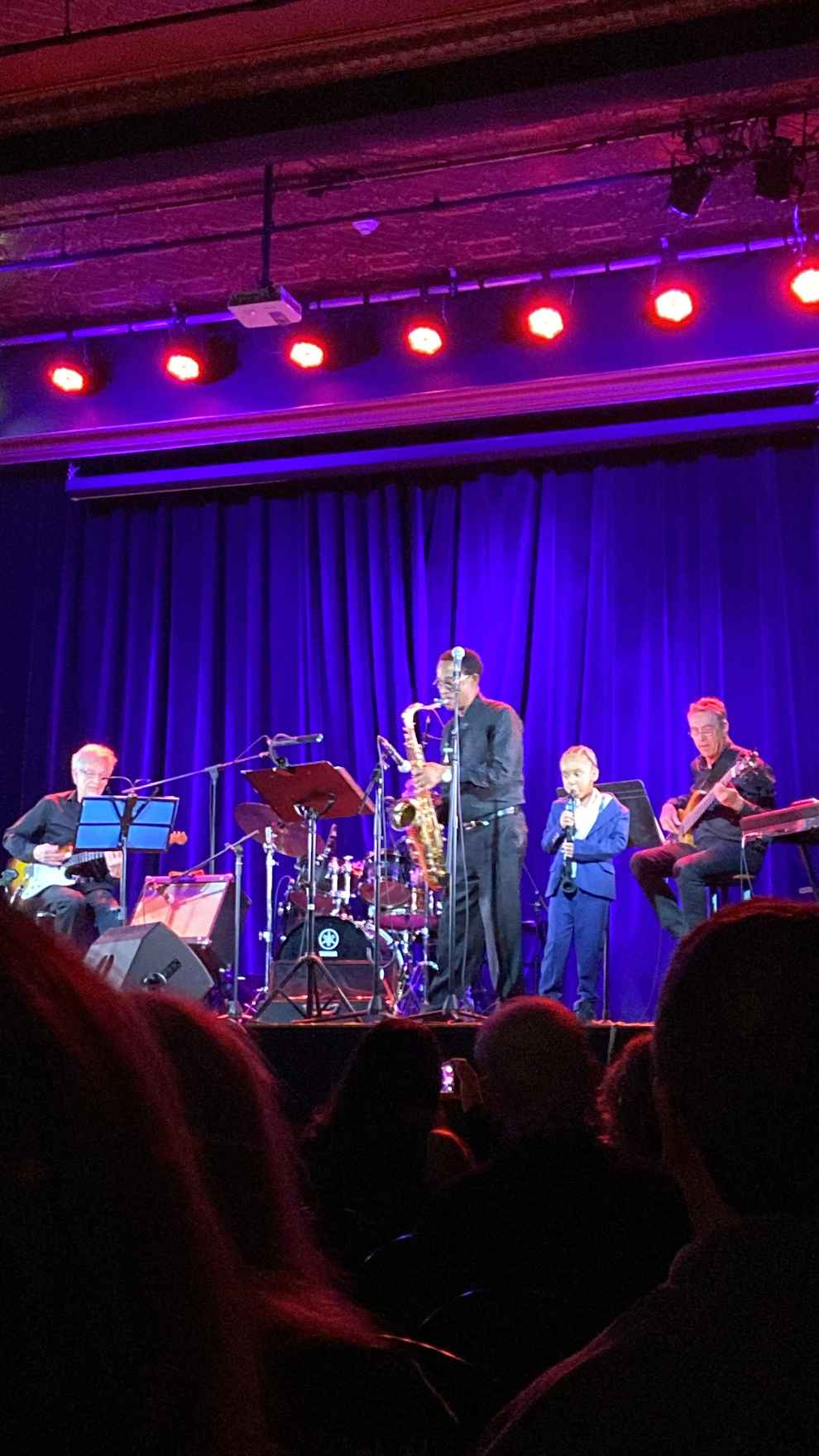
On stage, the band was formidable. Alongside Woldemichael, the group included two keyboardists (including Arthur McArthur on one side), a bassist, a lead guitarist, and Daniel Barnes on drums. While the core of the music—memorable songs of the lead man’s youth as he describes it—has a sentimental, sincere quality, in the live setting, the band laid down solos with a harder rock and funk edge, arrangements featuring the aforementioned grooves and cymbal flourishes that flew by with agility. Part-way through the set, Melat Mengesha was invited on-stage as a guest vocalist. She added a stately voice and push and pull on the dynamics of songs that were sung back by the crowd with passion, popular among the Ethiopian-Canadian community.
One of the most heartwarming aspects of the evening was how the music is clearly a family affair. Woldemichael’s young grandsons joined him on stage for two songs, a visible representation of the legacy he has built in Canada. And Woldemichael was visibly moved by the events of the night. Initially started almost three years ago but paused along the way, in March of this year, the team behind the album rallied to finish in time for this concert date.
With the release of Nafqoté, the music of Girma Woldemichael is now more available to all, showing once again the diligence and quality of Canadian musical artists among us in our communities. I highly recommend finding Nafqoté online or, better yet, picking up a physical CD to appreciate the design and focused listening experience.
And keep a close eye on girmawoldemichael.com for future performance dates so you, too, can see him.