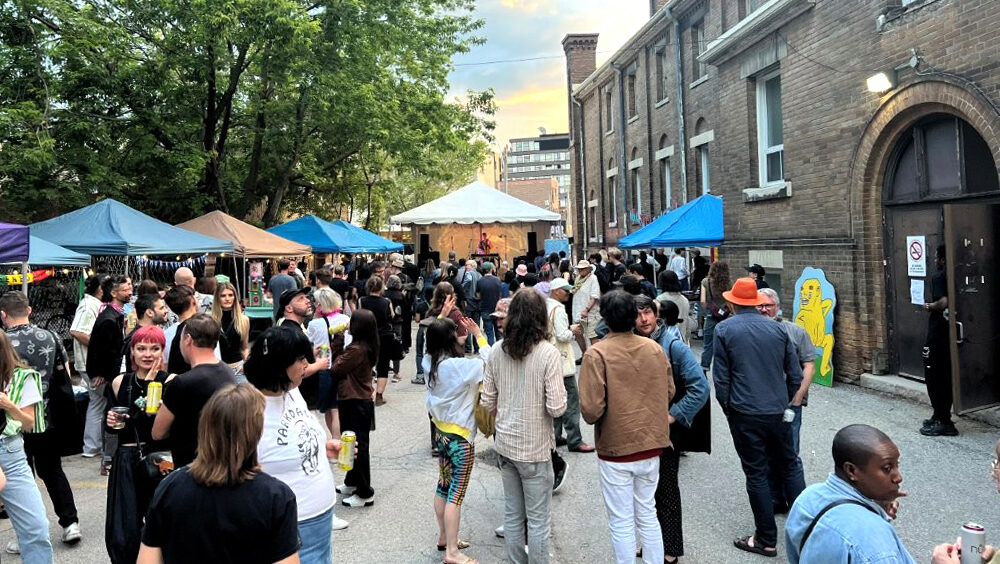
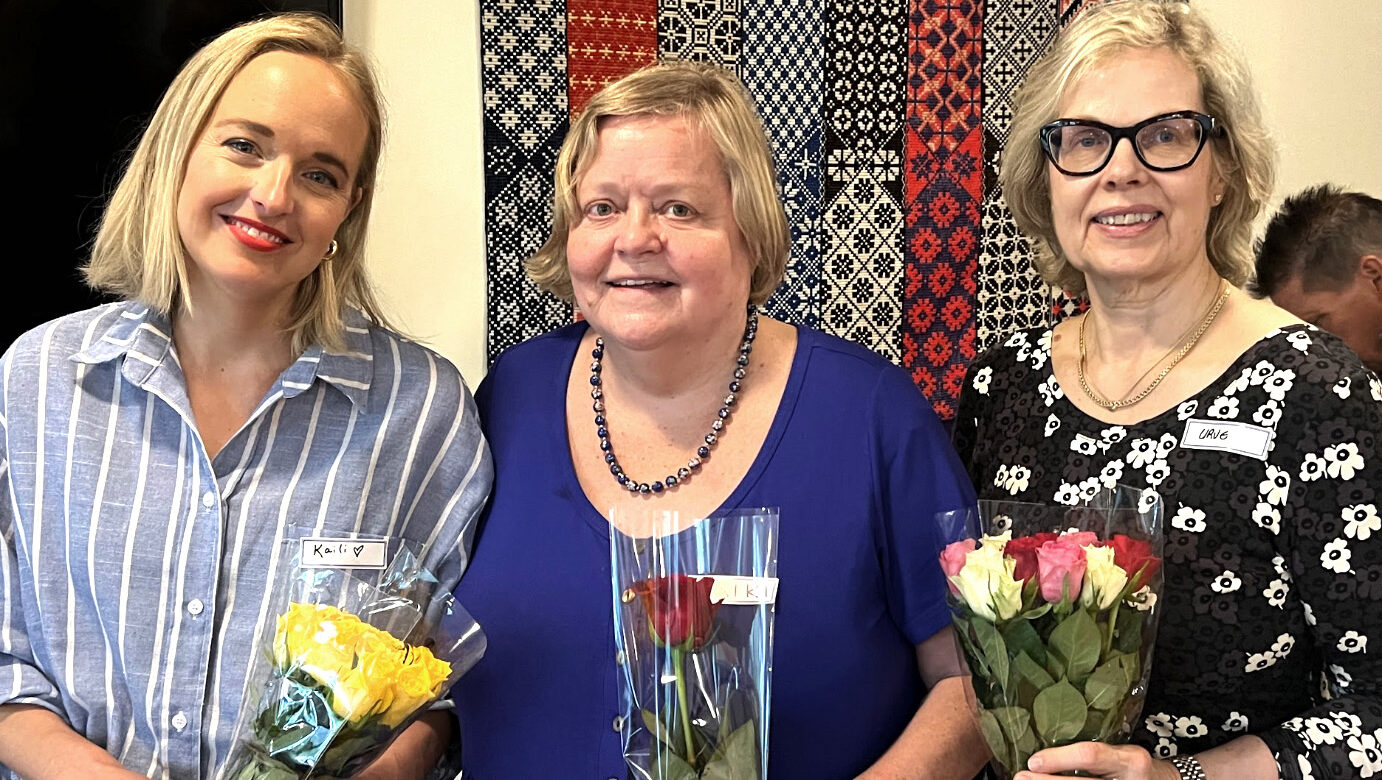
The Education Committee of EKN (Estonian Central Council)* hosted yet another group of Estonian educators for a week-long study trip in the beginning of November to learn from Ontario’s experience on managing a diverse student population and teaching the official languages. This time the twenty-three participants from Estonia represented the ministry, universities, teacher trainers, and language teachers involved in the transition of previously Russian language schools into Estonian ones.
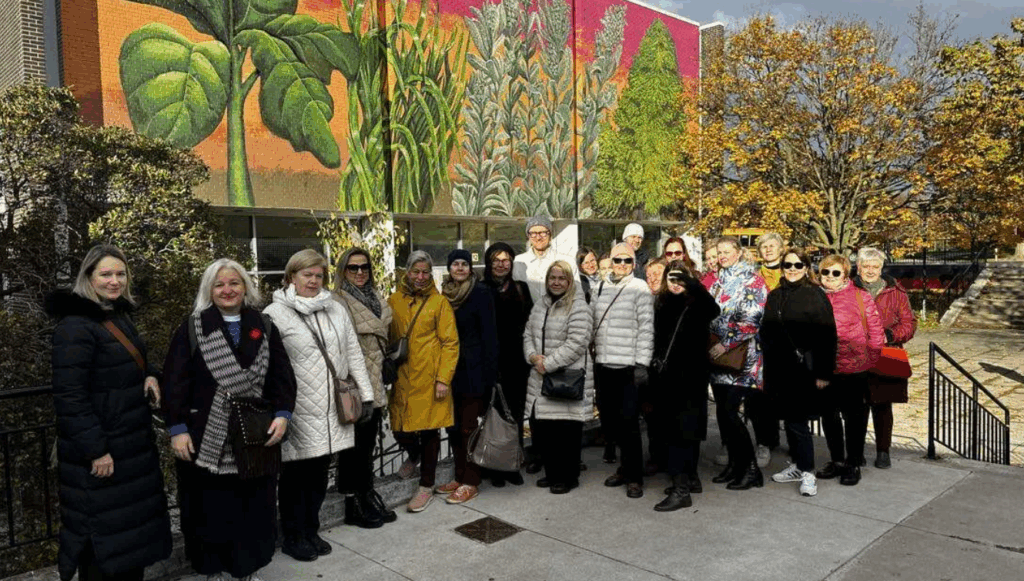
The program included a visit to OISE (Ontario Institute for Studies in Education) where the participants heard about the latest research on second language acquisition from distinguished scholars Jim Cummings, Brian North, Enrica Piccardo, Emmanuelle le Pichon-Vorsman, and Stephen Bahry. Their main message was that the best results are acquired by supporting the development of students’ mother tongue(s), a positive attitude towards all languages, an active method in language learning, as well as diversifying pedagogy based on the needs and abilities of learners.
To understand how students are assessed and placed in schools the group visited a newcomer centre at Bickford Park where they also got an introduction to the Toronto District School Board. While there are 470 schools and 163,000 pupils in total in Estonia, the TDSB, the biggest school board in Ontario, manages 582 schools with 238,000 pupils who have over one hundred different mother tongues.
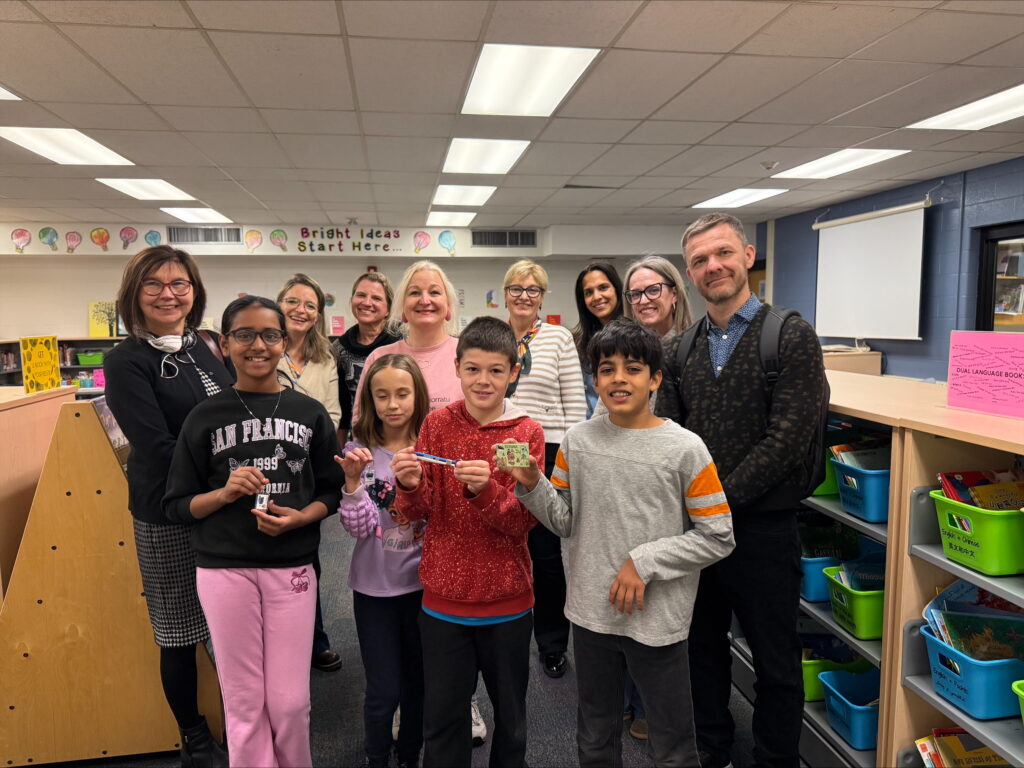
To witness actual teaching practices, we split into smaller groups which visited seven schools representing different school boards and student populations. This ranged from high school, middle, and elementary schools in the Thorncliffe area, where students are of mainly Afghan and Syrian background, to St. Demetrius Catholic School (an elementary school) with a majority of Ukrainian heritage pupils and newly arrived Ukrainian refugees. One group visited an immersion school in Toronto, and another a Peel region school belonging to a “Language-friendly school” network, where all the heritage languages and identities of pupils are cherished and multiple languages are used to consolidate learning.
“Friendliness,” “openness,” “goodwill,” “learner-based approach”—these were some of the keywords that the Estonian participants shared after visiting Canadian schools. While Estonian schools are performing well academically, the participants felt that they were lacking a similar humanness, respect for diversity, and joy of learning that they saw in their visits. In the current Estonian transition, other languages are too often framed as a problem instead of a resource and bridge to achieve the ultimate goal of learning.
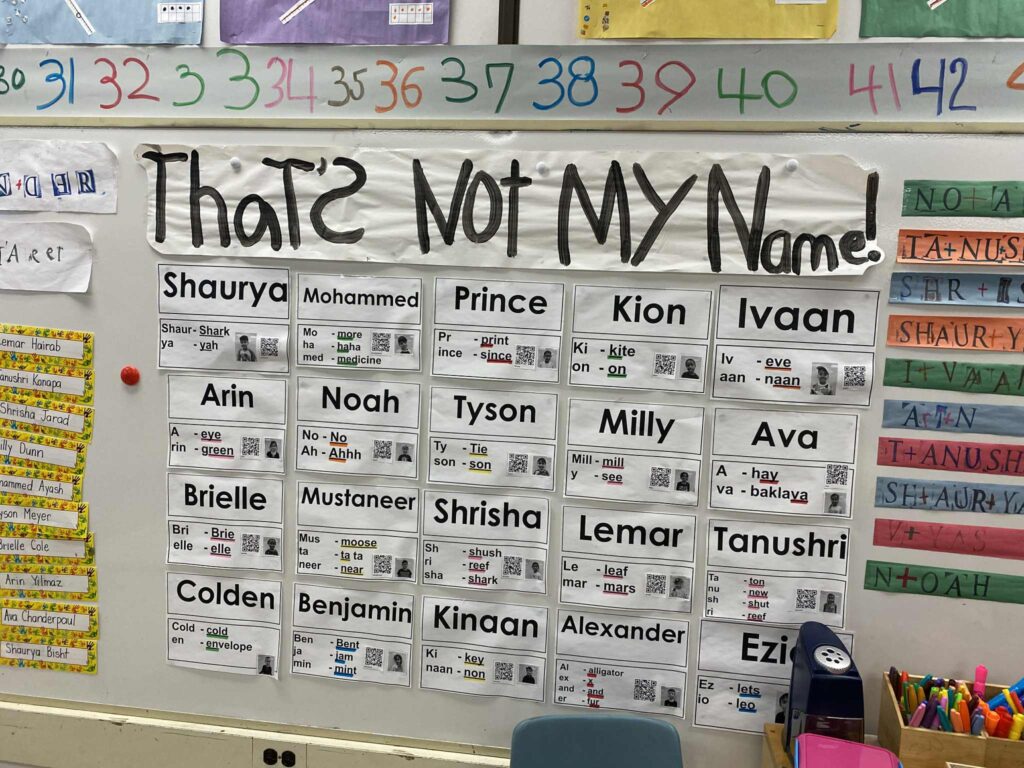
The participants also appreciated the evidence-based systematic implementation of learner-centred and active approach to learning. What was discovered by research was implemented in policy and practice. A key lesson learned was the need for a positive attitude towards diversity and diversification: a teacher in the classroom needs to know how to serve the various needs and abilities of their pupils, and ministry officials need to leave space for different kinds of approaches by schools based on their situation and resources. Many lessons were learned and each participant promised to change something in their current practices based on what they learned. Judging from the enthusiasm of the trip participants, it looks likely that some Estonian schools will become “language friendly schools” in the future.
Last but not least, the group also had the opportunity to get to know the Estonian community by visiting the Hamilton Estonian school, VEMU, and KESKUS. In the debriefing session, many trip participants got emotional about the commitment and resilience of Canadian Estonians in keeping the Estonian language and culture alive even in third and fourth generations. That made them feel like they were at home, even away from home.
*The EKN Education committee consists of Reet Marten-Sehr, Valia Reinsalu, Peeter Põldre, and Johanna Helin.